









1996 Mount Everest Disaster
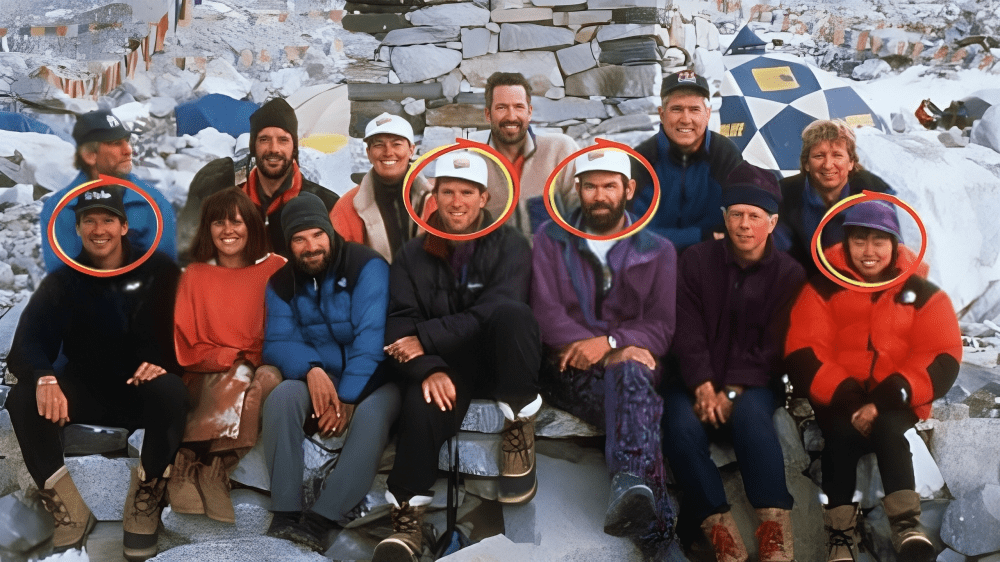
A sudden 1996 blizzard on Everest claimed eight trekkers, and harsh conditions caused twelve more deaths that year. Discover what really happened that day.
-
 Adventure Master Trek
-
26 November, 2025
-
12 mins read
-
984 Views
-
0 Comments


It is everyone’s dream to climb one of the highest mountains in the world, a.k.a. Mount Everest. Every year, people from different countries travel to Nepal hoping to reach the top of the world’s highest mountain as their adventure destination. For many people, it is a chance to test their strength, courage and determination. People climb to challenge themselves, some to have thrilling adventures and some to fulfill their lifelong goals. But the tragedy that occurred during the year 1996 still leaves the people in shock and questions their decision on climbing the Everest peak.
This blog covers the Everest disaster itself, its causes, the involved climbers and why it was so deadly at that time. Here, we will discover the survival stories, the giant losses, and the long-lasting impact this event had on climbing safety and Everest expeditions.
Introduction: What is the 1996 Mount Everest Disaster?
Let’s take a moment to learn about the 1990s disaster. The 1996 Mount Everest disaster refers to a tragic series of events that took place in the Everest Region of Nepal on May 10-11, 1996. This disaster occurred when several climbing teams were caught in a sudden and violent storm near the summit of the world’s highest mountain.
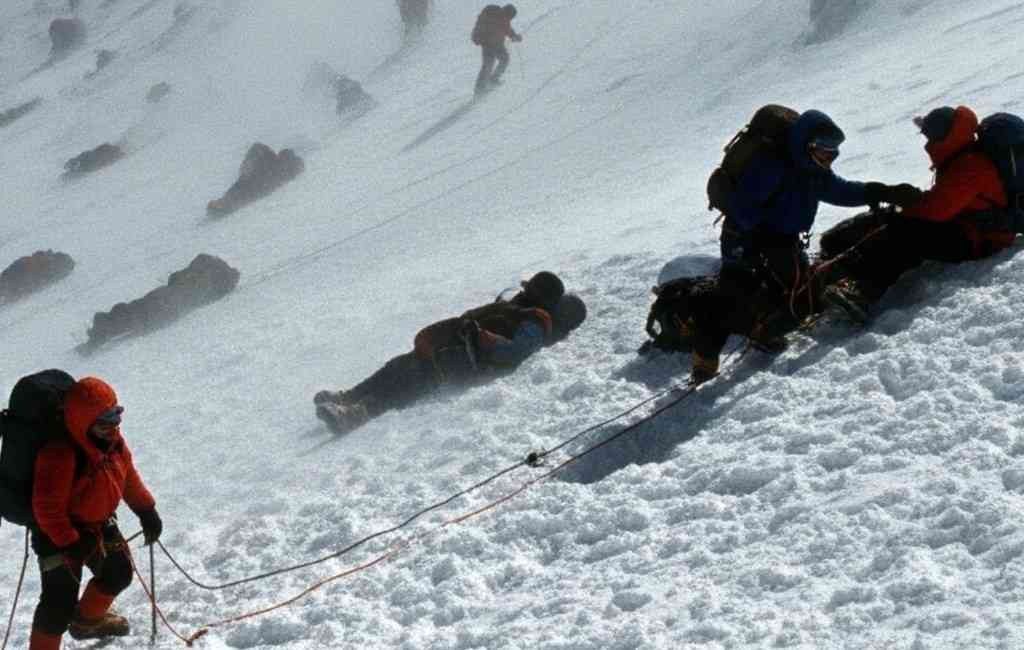
It is still remembered as one of Everest’s deadliest because eight climbers lost their lives in a single day along with the highly experienced guides. Even now, the tragedy continues to shock the climbing community and the world with the raising questions about weather risks, decision-making, and the growing commercialization of Everest.
What Happened During the 1996 Mount Everest Disaster?
The 1996 Mount Everest disaster happened in the month of May. This occurred when several climbing teams attempted to reach the summit simultaneously. They were descending the South Col route, which is the most commonly used path to the top of Everest. What began as a normal summit day quickly turned into a life-threatening situation when a powerful and unexpected storm hit the mountain. It trapped the climbers high in the death zone, where there was low oxygen and brutal weather.
Due to the delayed descent, exhaustion in their bodies and low oxygen levels, eight climbers lost their lives and several others were badly injured. The main cause was the sudden storm, which trapped them and made them unable to move a single step safely. It warns us about how quickly a weather condition at the mountain level can change and how fatal it can be.
The Climbers Involved
The main climbers who were involved in this disaster were
- Adventure Consultants (led by Rob Hall)
- Mountain Madness (led by Scott Fischer)
- Independent climbers and Sherpas
It was more shocking to the world about the 1996 disaster, as these climbers were highly respected in the climbing community. Even expert guides were caught in the deadly storm in the mountain area of Nepal.
Key Events Leading to the Disaster
- May 10th, 1996
On May 10, 1996, several teams attempted to reach the summit of Everest, but it did not go as planned. Due to the delay in fixing the ropes and the crowded climbers on the route, it made the climb slow down. Even though many climbers reached the summit after 2 p.m., it was too late for a safe turnaround descent time.
As they began to come down from the summit, suddenly a storm hit the mountain that brought whiteout conditions, freezing temperatures, and strong winds in the low oxygen. It made the climber impossible to move safely and find a safe way back. What should have been a successful summit quickly turned into a deadly disaster that took the lives of people.
- May 11th, 1996
On May 11th, 1996, the storm was weak and the Everest climber Anatoli Boukreev and his team of guides rescued the survivors, who were exhausted, low on oxygen, and suffering from frostbite. Many thanks were due to the experienced Sherpas who helped every climber on Everest through the snow, strong winds, and poor visibility.
Once they reached the climbers trapped on the mountain, they went to create a safe, sheltered area for them to rest before continuing down. Many climbers were suffering from hypothermia and frostbite, and all were weakened by a lack of oxygen. The team helped many climbers reach Camp IV after the storm passed, where climbers received care and rest from the crew at the camp.
While many climbers survived to live to tell their stories, many made the ultimate sacrifice, which includes Rob Hall and Scott Fischer. Beck Weathers was left for dead on the mountain but was later rescued and recovered.
People Who Died and Survived in 1996 Mt. Everest Tragedy
People who Died:
- Rob Hall was a New Zealand guide and the leader of Adventure Consultants. He died of exposure after becoming trapped in snow and freezing conditions when his team of climbers was attempting to reach the summit on May 11.
- Scott Fischer was an American guide who led the Mountain Madness team. He died during the Great Storm after he was trapped on K2 without a way out.
- Doug Hansen was a climber with Adventure Consultants who ran out of oxygen on his return from the summit and eventually died.
- Yasuko Namba was a client of Adventure Consultants from Japan. She made it to the summit before dying of hypothermia on the way back.
- Andy Harris was also a guide for Adventure Consultants. He died assisting other climbers who were lost during the Great Storm and most probably died from exposure.
- The three Indians who died during the descent on the Northeast Ridge were Tsewang Samanla, Dorje Morup, and Tsewang Paljor, all members of the Indo-Tibetan Border Police expedition.
Survivors
- Beck Weathers, a climber who was thought dead during the Great Storm. But somehow he made it back to base camp with severe frostbite.
- Jon Krakauer, a journalist and climber who was part of the Adventure Consultants climbing team. He was at the base camp when the disaster happened and later wrote a book named Into Thin Air about his experience of that tragedy.
- Anatoli Boukreev, a Mountain Madness guide who survived and assisted in the rescues during the Great Storm.
- Neal Beidleman, a Mountain Madness guide who survived the descent.
- Sandy Hill Pittman, a client of Mountain Madness who survived the Great Storm.
Casualties and Losses
The 1996 Everest Disaster was traumatic as many climbers confronted death from the conditions during the Storm on May 10th and 11th, 1996. Eight members died, and additional climbers were injured with frostbite, exhaustion, and other conditions. This section documents the losses and difficulties of survivors and challenges of mountain conditions after the storm.
- Eight climbers, including experienced mountain guides Rob Hall and Scott Fischer, died due to the storm conditions in 1996.
- The effect on each of the two Major Expedition’s Climbers and Guides were fatal injuries.
- The harsh weather conditions and extreme temperatures at high elevations made recovering deceased climbers and providing support for injured climbers extremely difficult.
- Many climbers who survived were then diagnosed with frostbite, hypothermia and severe exhaustion, including Beck Weathers, who was in a near-death condition but had a long recovery period after being rescued.
- The survivors have been profoundly affected by the disaster and all reported traumatic experiences, including shock and the loss of fellow climbers’ lives and deaths.
Why the Disaster Happened
The events that led to the 1996 Everest Disaster occurred due to human error, severe weather conditions, and a crowded mountain. What is more alarming about the fatalities caused by this disaster is how many of the deceased were expert climbers and guides.
Human Factors
Climbers feel exhausted and partially have low oxygen levels that impact their ability to think clearly. The need to reach the summit led some climbers to make dangerously reckless choices, such as continuing to climb instead of turning back in the early evening. Under these types of extreme conditions, even experienced guides are often challenged.
Environmental Factors
The storm that hit was sudden and produced incredibly high winds, large amounts of snow, and whiteout conditions. Near the summit, the terrain is so steep, narrow, and dangerous that it has created many safety challenges for climbers attempting to summit or descend during a blizzard.
Commercialization Issues
Many climbers were present during this tragic accident, which led to overcrowding and delays in the climbing process. Due to the increase in guided trips, it has allowed climbers with very little experience to attempt to climb Everest. It creates the overcrowding on routes, delays, and increased pressure on guides to ensure that their clients reach the summit regardless of safety concerns. These issues have only increased the risk to people’s lives.
Impact and Legacy
The 1996 tragic events of Everest received worldwide media attention and produced numerous books and media documentary projects. Here are some books and movies you can find that relate the difficulties climbers faced during the Mt. Everest climb:
Books:
- Into Thin Air by Jon Krakauer: A first-person account of the 1996 disaster
- The Climb by Anatoli Boukreev: Boukreev’s version of what happened and his rescue efforts
- After the Wind: 1996 Everest Tragedy: One Survivor’s Story by Lou Kasischke
Films and Documentaries:
- Into Thin Air: Death on Everest (1997): A TV movie based on Krakauer’s book.
- Everest (1998 IMAX): Documentary by Greg MacGillivray and David Breashears that includes footage of the 1996 storm.
- The Dark Side of Everest (2003): A National Geographic documentary that touches on the 1996 disaster.
- Remnants of Everest / Storm Over Everest: A documentary by David Breashears about what happened in 1996.
- Seconds from Disaster – “Into the Death Zone” (2012): A TV documentary episode showing how the storm developed.
- Everest (2015): A dramatized movie about the disaster that shows the human stories and the storm effects.
Interviews and Podcasts
There are several interviews of the survivors of the 1996 event in mountaineering podcasts and YouTube channels. If you are more eager to learn and listen to the stories from survivors themselves, you can check online. It will help you to grow personally in the mountaineering field and make proper decisions and prepare before starting any mountain trip.
These works were reflected in raising the public awareness of the risks associated with climbing Everest, highlighting the preparation needed, difficulties faced by the climbers, teamworkand the Sherpas who helped them. It shares the bravery, support and love of people who didn’t care about their own lives, showing the human aspect of the tragedy that occurred on Everest.
Changes in Everest Climbing Practices
After that tragedy, safety improvements for Mount Everest expeditions were instituted. There are strict turnaround times enforced and climbers must undergo much more thorough equipment and health checks to minimize risk.
Additionally, communication and coordination have improved among climbing teams using radios, GPS and updated weather reports. It helps to make better decision-making during the ascent.
As a result of the 1996 Everest disaster, important lessons were learned that reflect the sudden changes in nature despite being an expert in the field. It also shows the need to have a well-planned expedition, cooperation with teams and respect to survive and complete the Mount Everest expedition without any risk or danger.
Conclusion
Not every expedition is greater than your life. The 1996 Mount Everest disaster had shown an extreme example of it. Nature is unpredictable. There is also a saying in Nepal, “Even a small, unexpected stream can sweep you away.”
Anything can happen at any time. Just like the sudden storm showed the climbers just how unforgiving and extreme it can be. Eight climbers were killed and countless were confronted with extreme hardship. You should not ever take nature lightly, especially when you are travelling in mountain areas.
Insurance that climbing Mount Everest will no longer be the same experience as it has been in the past. However, with new regulations, extensive planning, and improved communication, climbers are now making smarter decisions during their attempts and, ultimately, staying alive.
This event also raises discussions of human ambition versus nature. While reaching Mount Everest is an extraordinary accomplishment, it should be approached with caution, respect and a complete understanding of the risks posed. Nature will always win. So, survival should always take priority.
FAQs
1. What happened during the Everest disaster of 1996?
On May 10–11, a severe storm struck Mount Everest while the climbers were returning from the summit. In all, eight climbers died. any others were injured and/or stranded in hazardous conditions.
2. When did the Everest disaster take place?
The Everest disaster took place in May 1996 during the main climbing season.
3. How many climbers died in the Everest disaster?
Eight climbers lost their lives during the Everest disaster. Two of the dead were experienced guides from Adventure Consultants and Mountain Madness.
4. Who were the main guides for the climbers during the Everest disaster?
The main guide for Adventure Consultants was Rob Hall from New Zealand. The main guide for Mountain Madness was Scott Fischer from the U.S.A. Both Rob Hall and Scott Fischer died during the storm.
5. How did the Everest disaster occur?
The Everest disaster was caused by many human mistakes combined with extreme weather
conditions and overcrowding on commercial expeditions. Climbers were exhausted, short on oxygen, and stranded in a blizzard with heavy snowfall.
6. Where did the climbers become stranded during the Everest disaster?
Climbers became stranded near the summit of Everest in the death zone (above 8,000 meters). In the death zone, the oxygen level is very low, and the climatic conditions are extremely severe.
7. Were there any climbers who survived the Everest disaster?
There were climbers, such as Beck Weathers, Jon Krakauer, Anatoli Boukreev, Neal Beidleman and Sandy Hill Pittman, who survived, even when faced with overwhelming odds.
8. How did the Everest disaster affect the way that climbing on Everest was done?
The Everest disaster resulted in a better safety system, including stricter safety procedures, improved communication methods (e.g., radios, GPS, etc.) and improved expedition planning, such as turnaround times.
Comments (0)
Write a comment- Introduction: What is the 1996 Mount Everest Disaster?
- What Happened During the 1996 Mount Everest Disaster?
- The Climbers Involved
- Key Events Leading to the Disaster
- People Who Died and Survived in 1996 Mt. Everest Tragedy
- Casualties and Losses
- Why the Disaster Happened
- Human Factors
- Environmental Factors
- Commercialization Issues
- Impact and Legacy
- Books:
- Films and Documentaries:
- Interviews and Podcasts
- Changes in Everest Climbing Practices
- Conclusion
- FAQs
- 1. What happened during the Everest disaster of 1996?
- 2. When did the Everest disaster take place?
- 3. How many climbers died in the Everest disaster?
- 4. Who were the main guides for the climbers during the Everest disaster?
- 5. How did the Everest disaster occur?
- 6. Where did the climbers become stranded during the Everest disaster?
- 7. Were there any climbers who survived the Everest disaster?
- 8. How did the Everest disaster affect the way that climbing on Everest was done?
Read the latest Blogs & Insights
Explore our collection of articles and insights to gain in-depth travel knowledge, expert advice, and stay updated on the latest trends and tips.





No comments yet.