









Annapurna Base Camp with Poon Hill Trek – 9 Days Itinerary


Trip Facts


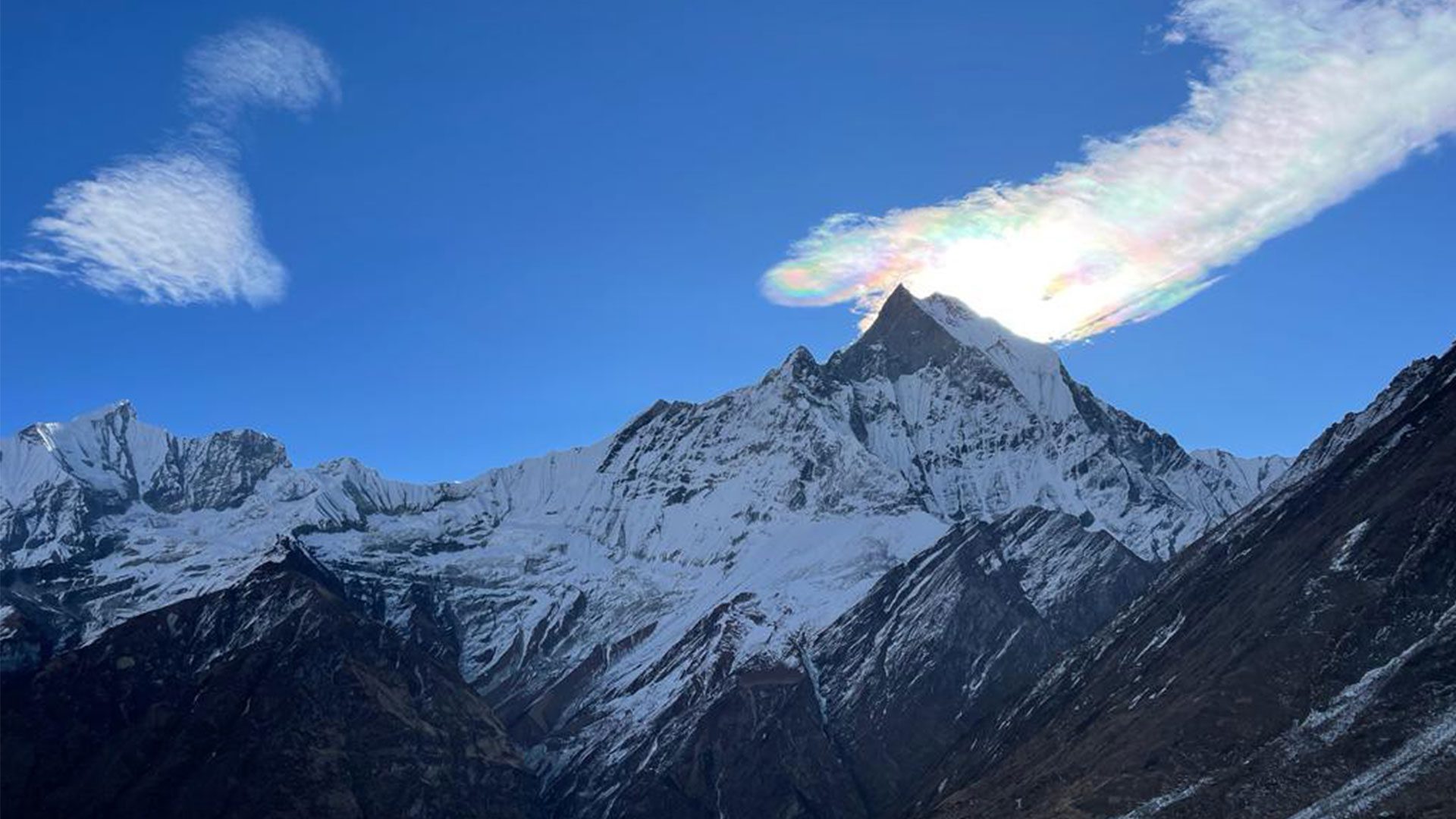
Annapurna Base Camp Trek is one of the favorite trekking regions of Nepal and is included in the Annapurna Conservation Area. It is also a most enchanting trip. The period of the Trek is 9 days, during which the tourists can enjoy the different views of the lovely Annapurna peak massif and the grander peaks of Machapuchare, Hiunchuli, etc., with different appearances and topography. The trek will pass through heavy jungles, native villages, and other charming topographical changes into the different beauties of scenery in its vicinity. The trip will leave you in possession of the quiet and restful memories of the lovely mountains for all time.
The Annapurna Base Camp Trek begins with a drive to Pokhara. This is a lively city, from which many of the outdoor sports start, and also here, viewed from the lake, the different charming sites of the mountains and lakes can be enjoyed. The trip to the starting point, Nayapul, takes you through numerous villages, where you are enabled to view the native life. At Nayapul, which is the starting point of the trek, from then on, while descending, you will come to clearer views of the spot you are going to, i.e., the Annapurna.
Other impressive mountains, including Machapuchhre, will accompany you along the route and serve as a constant reminder of how lucky you are. The trek to the Annapurna Base Camp presents you with the opportunity to stop in popular villages like Ghorepani, Tadapani, Chhomrong, Himalaya, and many others.
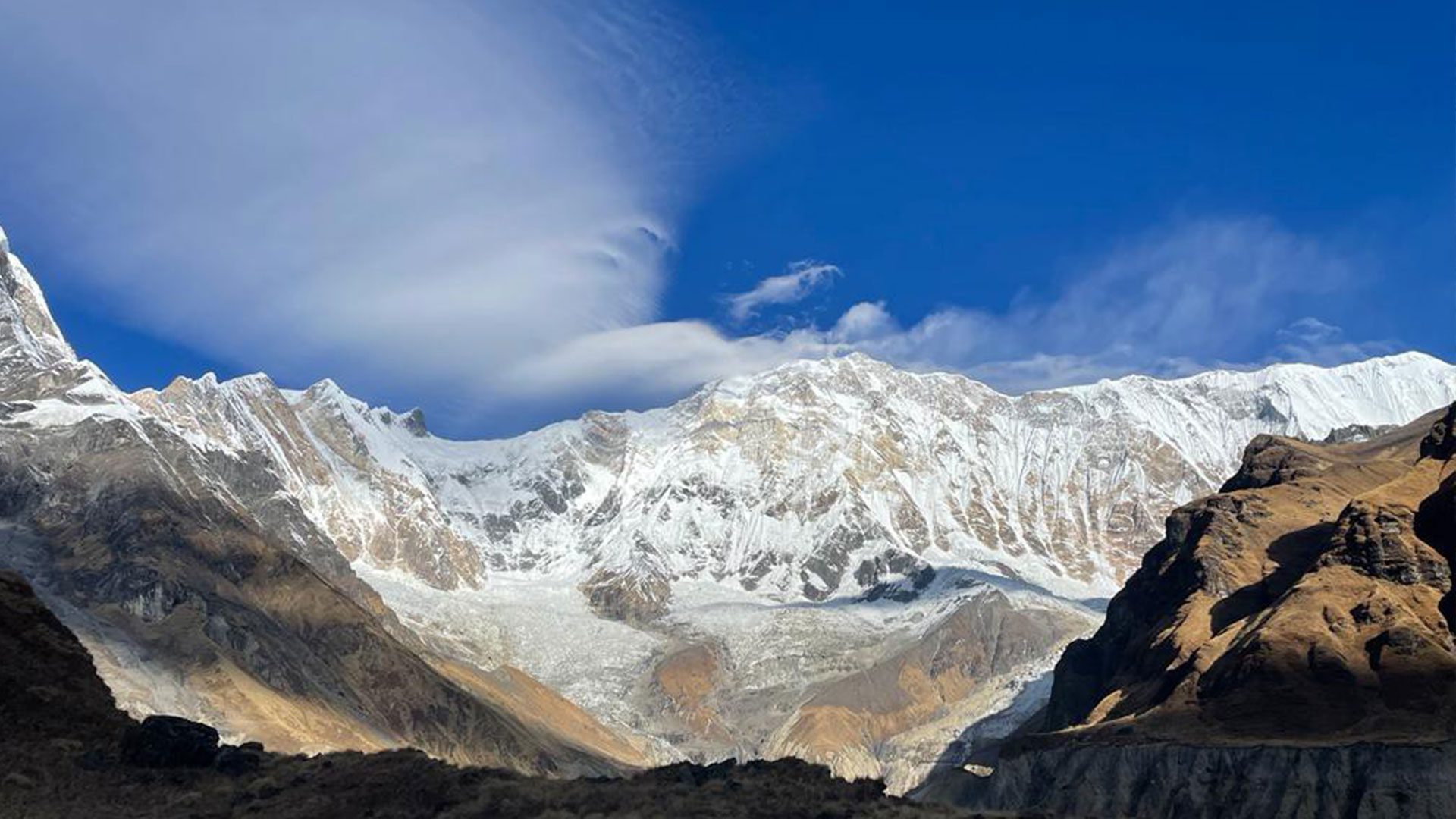
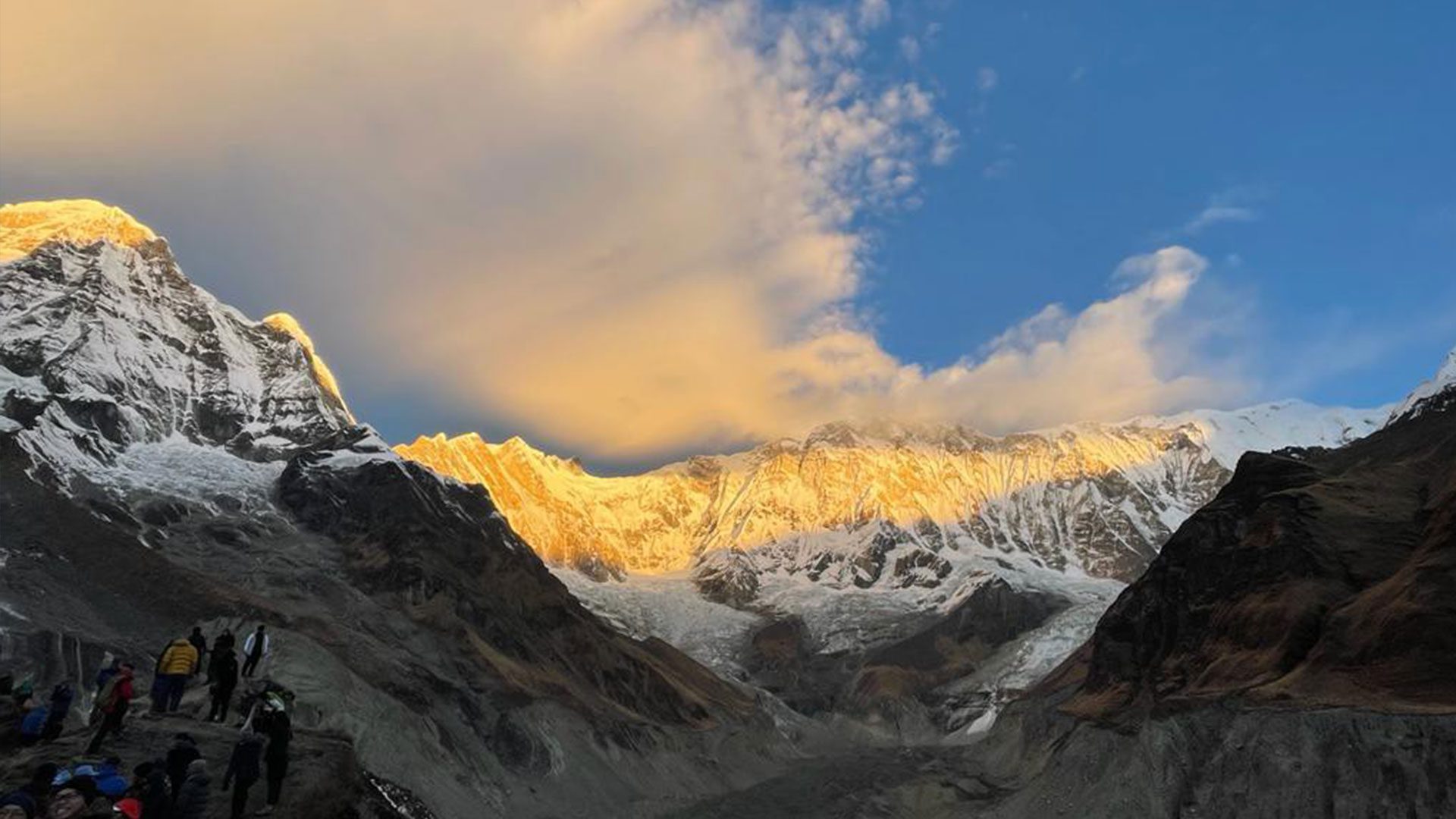
The route to ABC is breathtaking; you traverse gorgeous rhododendron forests, stunning glaciers, and beautiful meadows situated at lower altitudes. You also get to enjoy the holy sanctuary. Then you will finally reach your destination, Annapurna Base Camp via Machhapuchhre Base Camp. There, you can enjoy the beautiful and extraordinary 360-degree views of the Annapurna Range, Machhapuchhre, also known as Fishtail, and other surrounding peaks.
Capture the breathtaking views with your camera, and after enjoying the spectacular view, you can descend to the lower-altitude villages such as Bamboo Village, Jhinu Danda, and Siwai, which is the final part of your journey that primarily follows the Modi River. Then you can take a private jeep or local bus and drive back to Pokhara. Once you reach your hotel, you can take a rest there.
The Annapurna Base Camp Trek is a distinct and engaging way to experience the Himalayan mountain range through Nature, Culture, and Personal Achievement, along with stunning Mountain Scenery. As the trek continues upwards through the mountains, trekkers come to traditional Gurung and Magar Villages, where travelers are welcomed with great hospitality, customs that have existed for many generations, and terraced farming systems that portray a basic, yet very meaningful way of life in these mountains.
The view of the towering peaks along the trek provides a constant reminder of how connected we are to the mountains, providing a sense of awe and reward with each step taken along the way to Annapurna Base Camp. Trekkers will find the Annapurna Base Camp Trek to be well-paced and do not need to be in exceptional physical condition; the climb is gradual, and the trails are well-maintained.
The lodges that are found along the journey provide comfortable accommodations, warm food, and times for rest, allowing trekkers to gather their energy and really appreciate the beauty of this trek without putting undue stress on themselves.
The vegetation will change from dense and lush forests at lower altitudes to alpine meadows at higher elevations; this variation in vegetation provides an interesting contrast to the trek and keeps the trek interesting. The highlight of the trek is reaching Annapurna Base Camp, which provides fantastic views of some of the snow-covered giants of this mountain region.
Your trekking journey to Annapurna Base Camp will present breathtaking mountain views, local cultural experiences, and physical endurance challenges that will leave you with rewarding memories. Everything you encounter during your trip will become part of who you are. This journey will leave you with unforgettable memories of the magnificent Himalayas, regardless of your experience level.
Trip Highlights
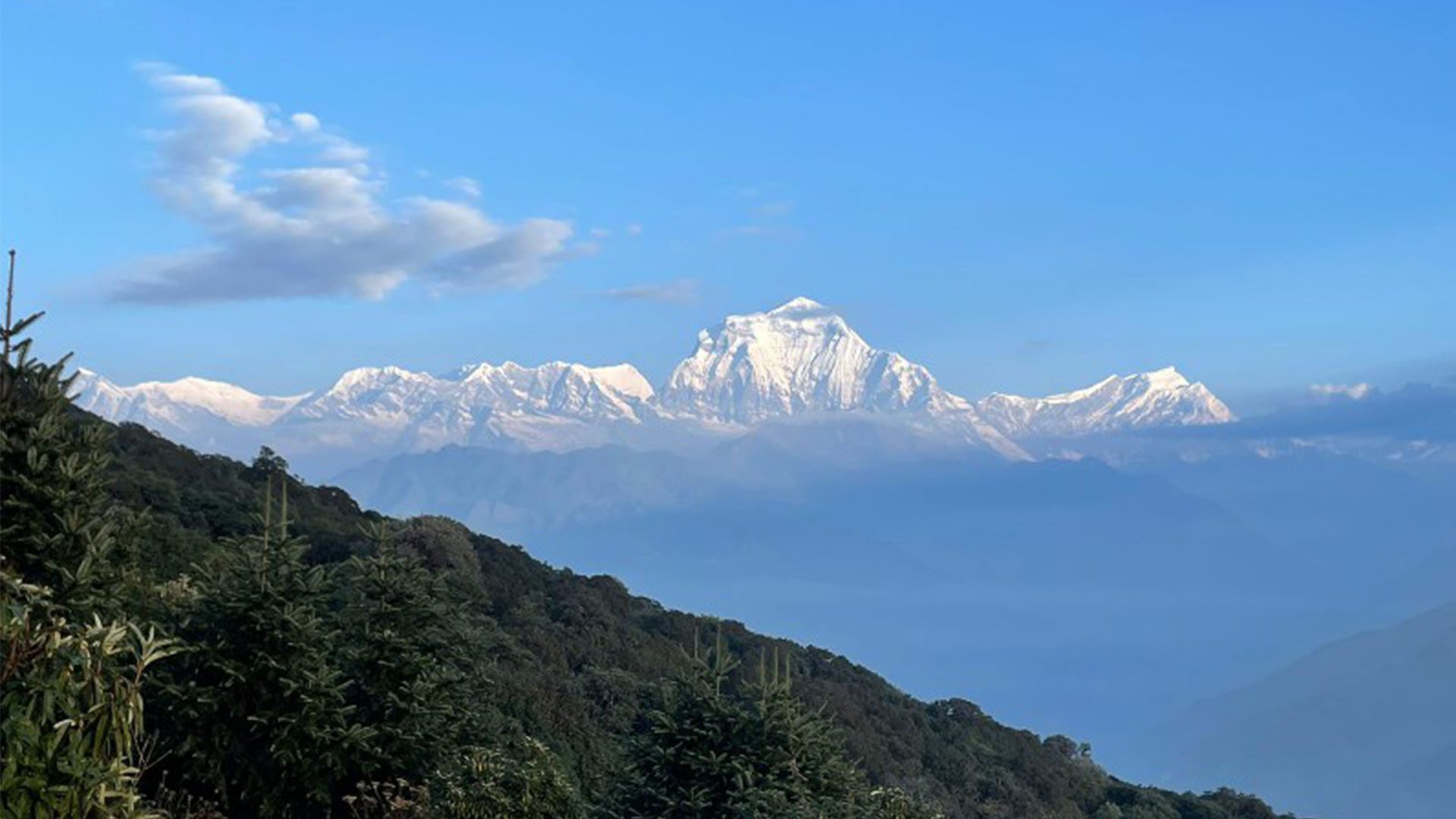
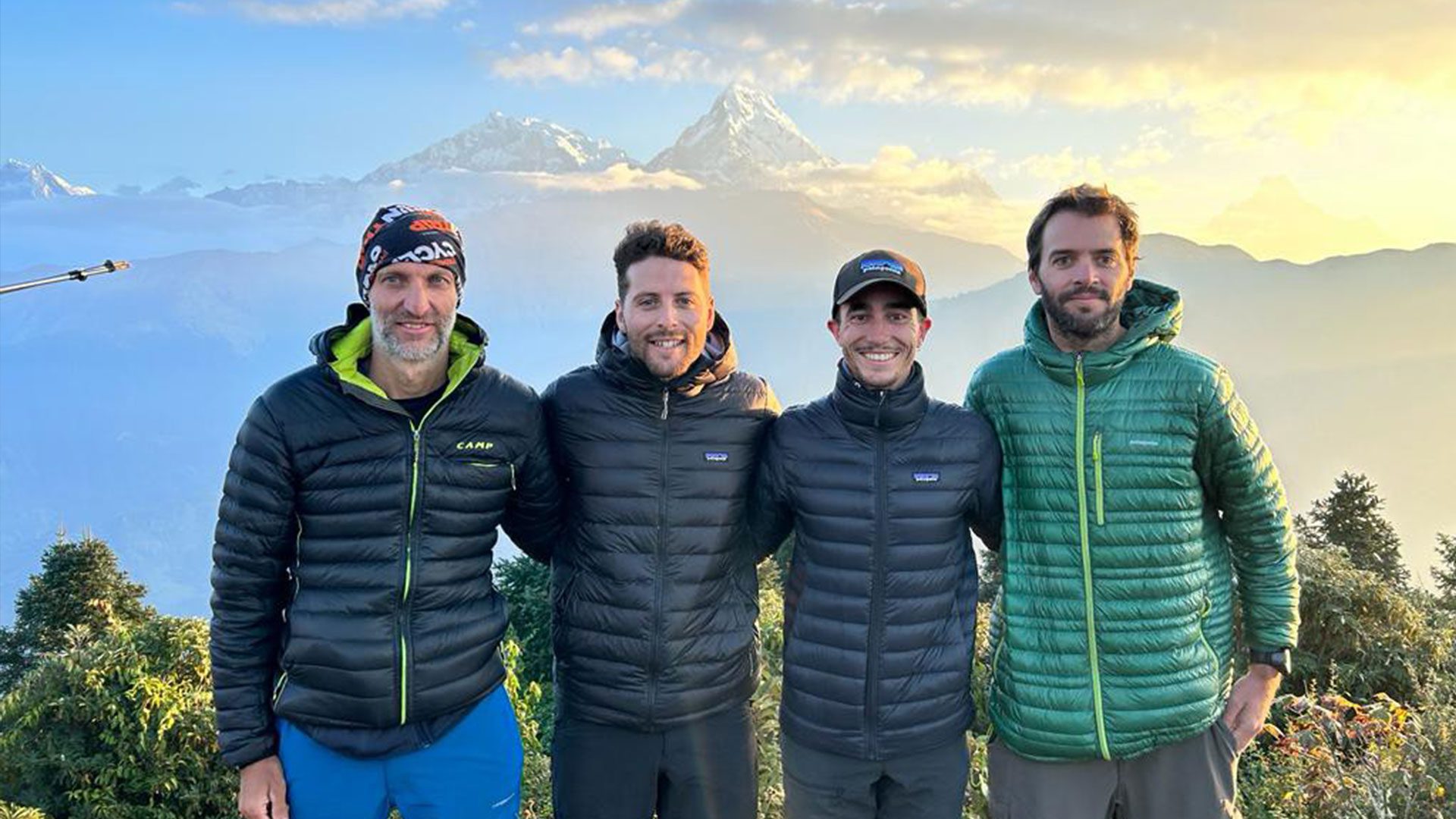
- Incredible panoramic views of the mountain peaks like Annapurna I, Annapurna South, Machhapuchhre (Fishtail), and the Dhaulagiri mountain ranges at sunrise in Ghorepani Poon Hills.
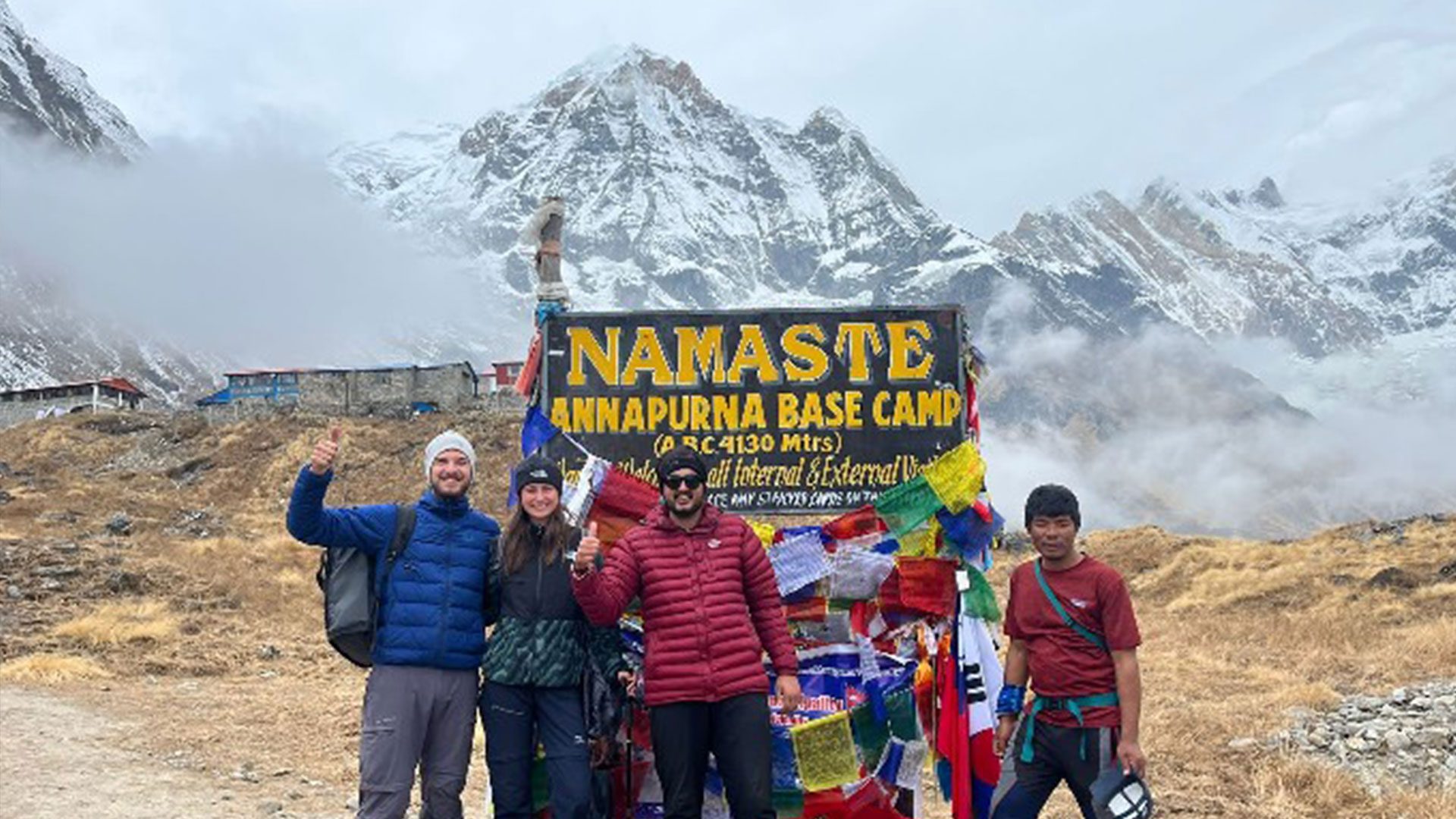
- Annapurna Base Camp, which is situated at 4,130 meters (13,550 feet) from where you can enjoy the 360-degree views of the Annapurna range and surrounding peaks.
- Machhapuchhre Base Camp (MBC), which is situated at an altitude of 3,700 meters (12,140 feet), is where you get an up-close view of Machhapuchhre (6,993 meters), considered sacred by the locals.
- Near towns like Ghorepani and Bamboo, there are huge forests full of rhododendron trees that you can enjoy.
- See how the Gurung, Magar, and Tamang people live and learn about their customs and culture.
- Take time to enjoy Nepal’s holidays, like Dashain and Tihar.
- Learn about the plants and animals that live in Nepal’s Annapurna Region.
- Walk through traditional stone-paved villages, such as Ghandruk and Chhomrong and observe beautiful terraced fields and enjoy the warm hospitality of the local people.
- Cross suspension bridges high above deep gorges and glacial rivers; some examples of this include the Modi Khola.
- Great opportunities to relax, as commonly found in warm natural hot springs at Jhinu Danda, which are a great way to soothe sore muscles after a long day of trekking.
- See scenery change greatly, from subtropical valleys and bamboo woods to the most beautiful views of alpine meadows at the highest points.
- At high elevation, you can see some of the clearest night skies. The Himalayas are a peaceful place to look at the stars.
- See how people in these mountains have been farming, taking care of yaks, and growing seasonal foods for a long time. This is how they can live at high elevations.
Itinerary
Your Journey, Step by Step
Trek from Tikhedhunga to Ghorepani (2,860m)
A steady climb out of Tikhedhunga takes the trail through Ulleri and Banthanti — two villages worth slowing down for, since they show a fairly unfiltered picture of daily life at this altitude. Terraced fields and small streams line much of the route, and on a clear morning the surrounding hills and peaks are visible for long stretches.
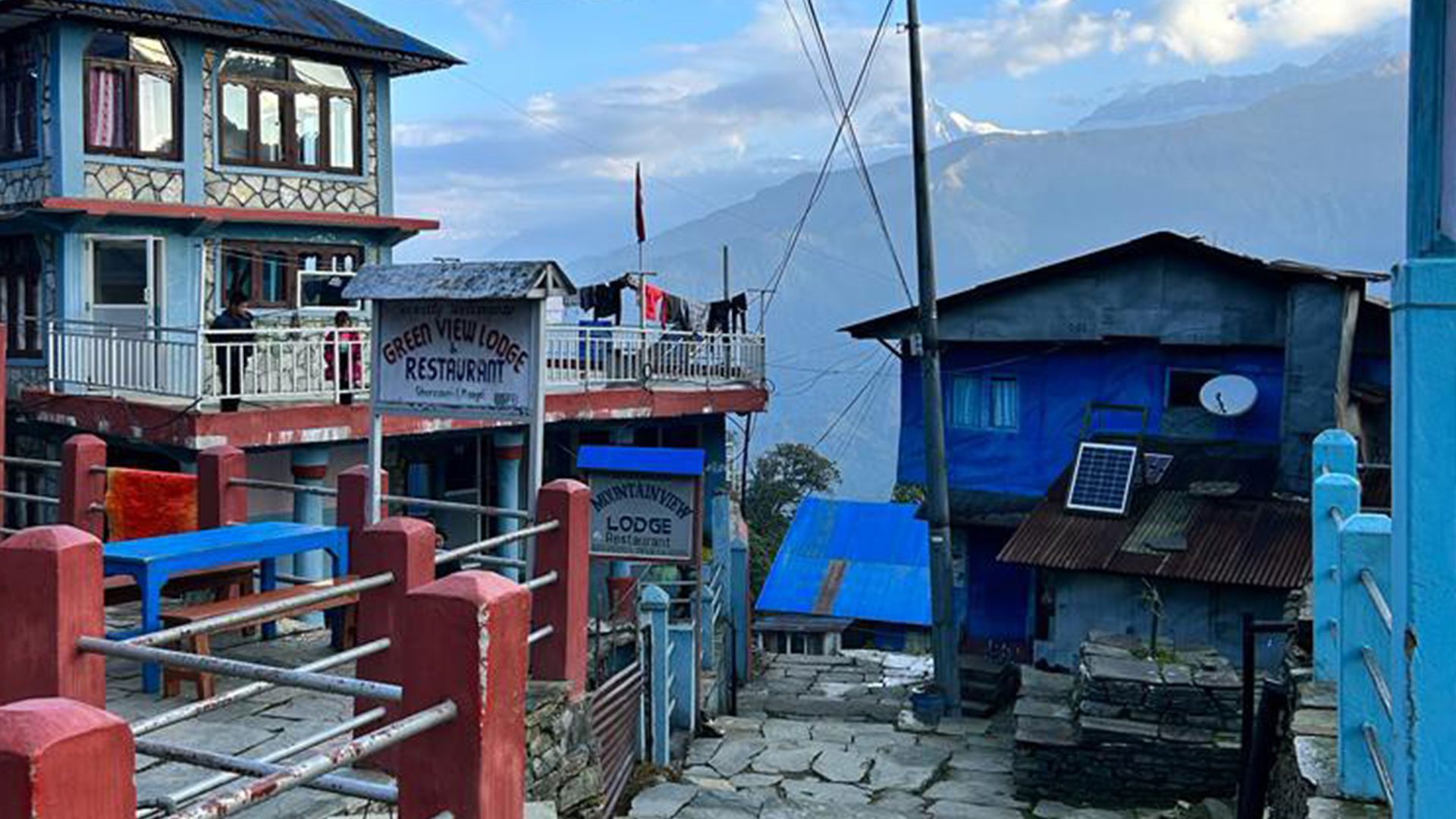
The forest thickens as the trail climbs higher, cooling things down considerably, and the final stretch into Ghorepani runs through dense rhododendron. Ghorepani itself is one of the more visited stops in the region — mainly because it sits directly below Poon Hill, which means an early start the next morning.
- Max. Altitude: Ghorepani (2,860 m / 9,383 ft)
- Duration: 5–6 hrs trek
- Overnight at a guesthouse
- Breakfast, lunch and dinner included
Hike to Poon Hill (3,210m) & Trek to Tadapani (2,630m)
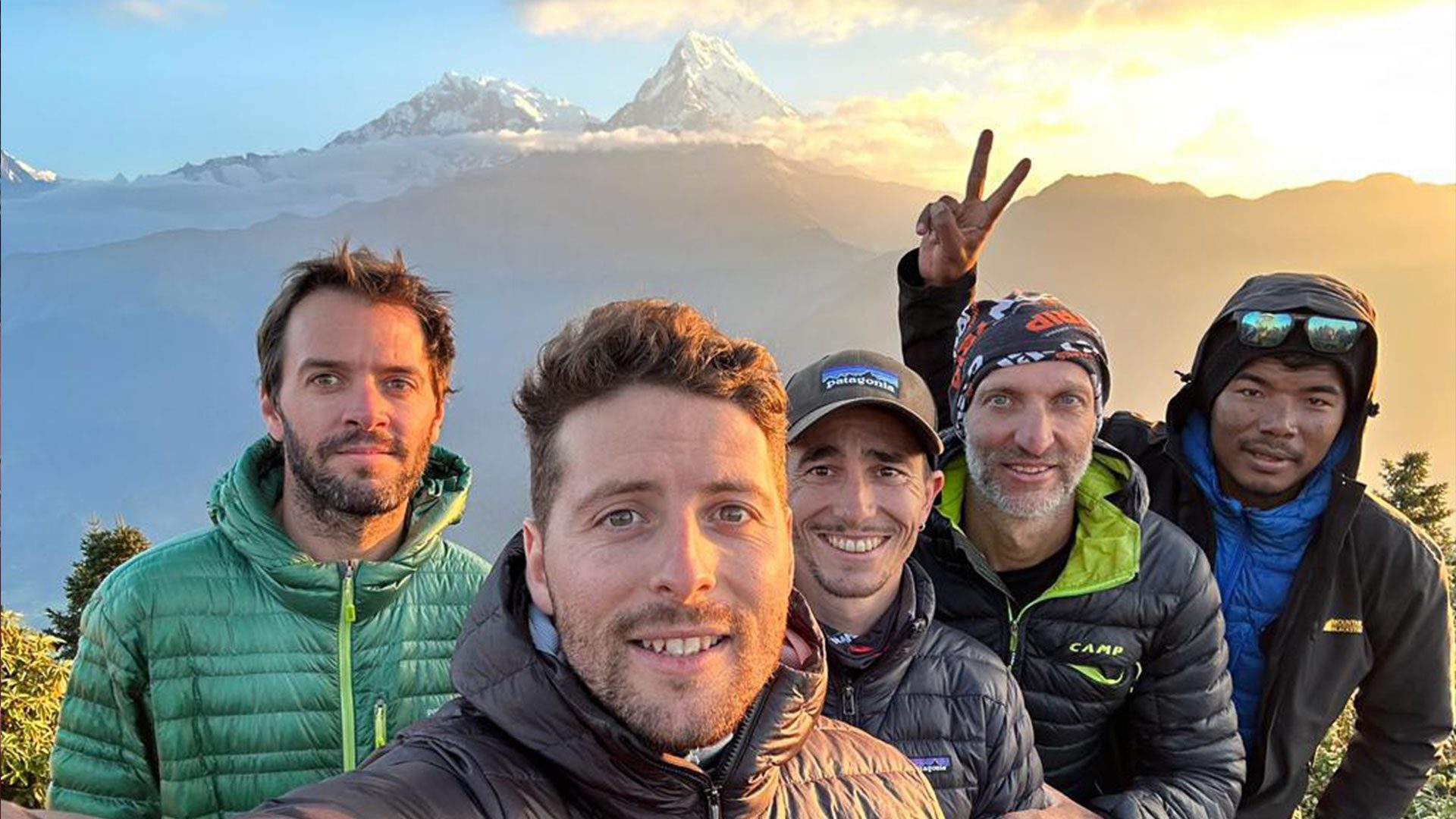
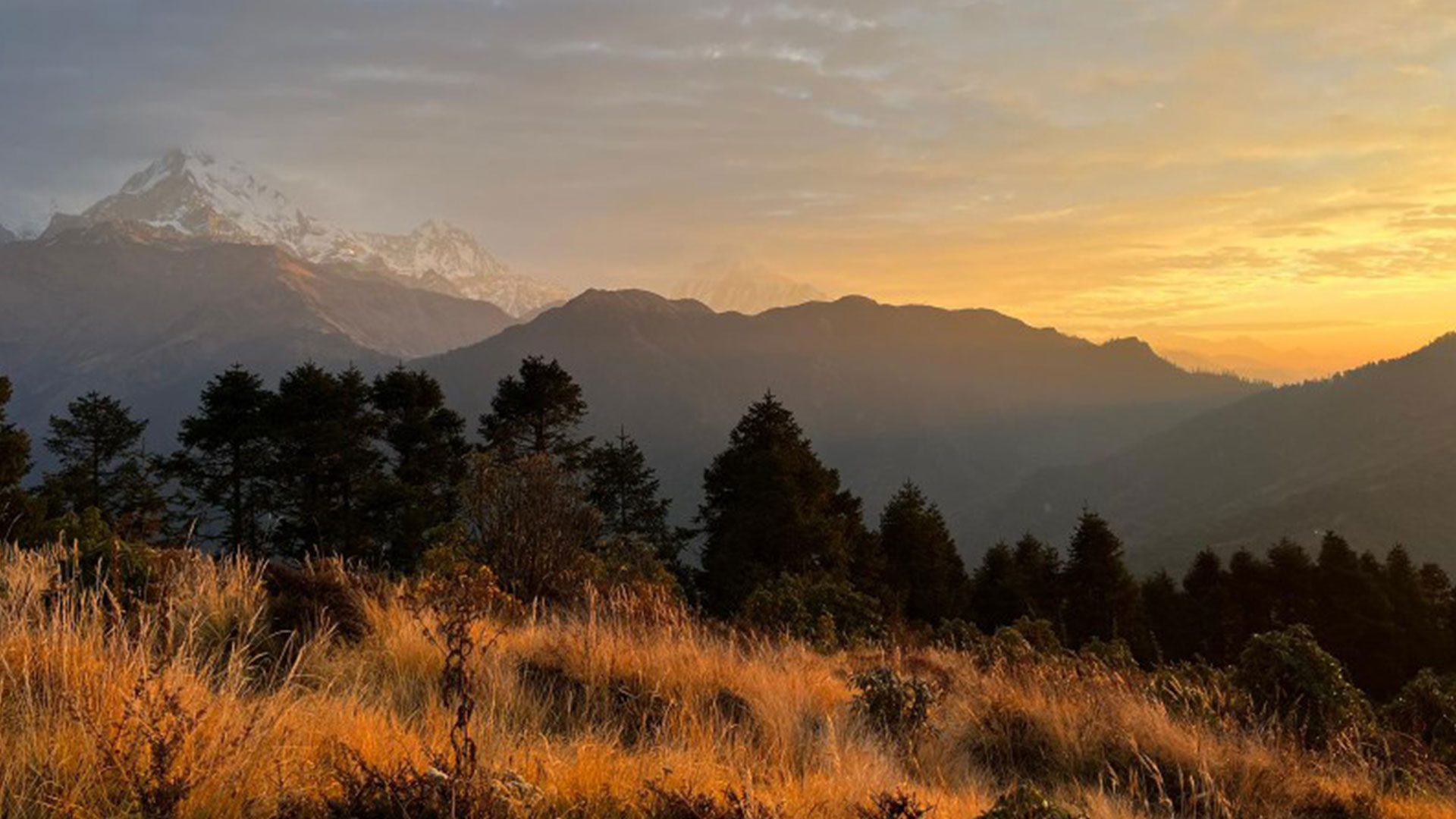
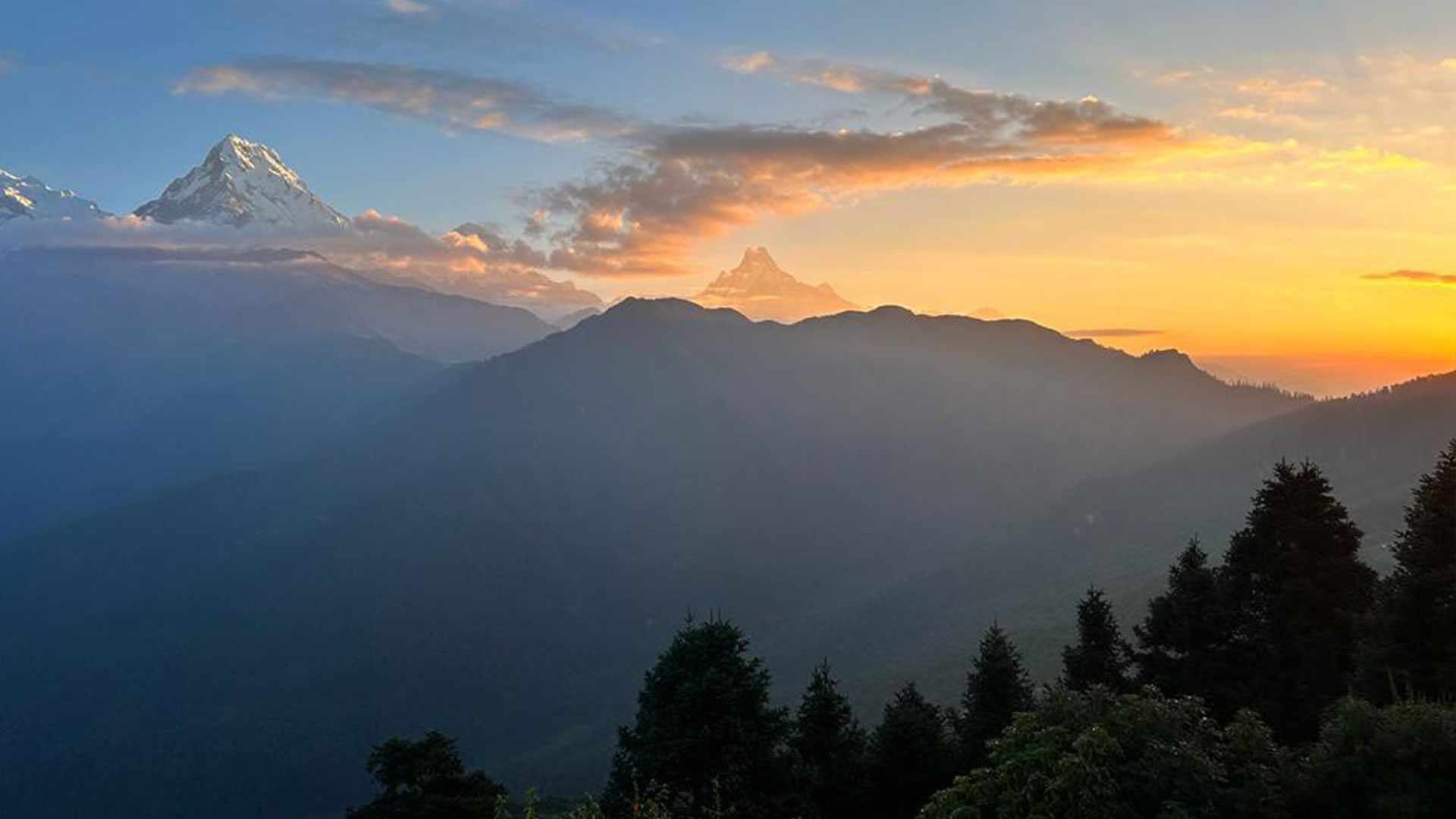
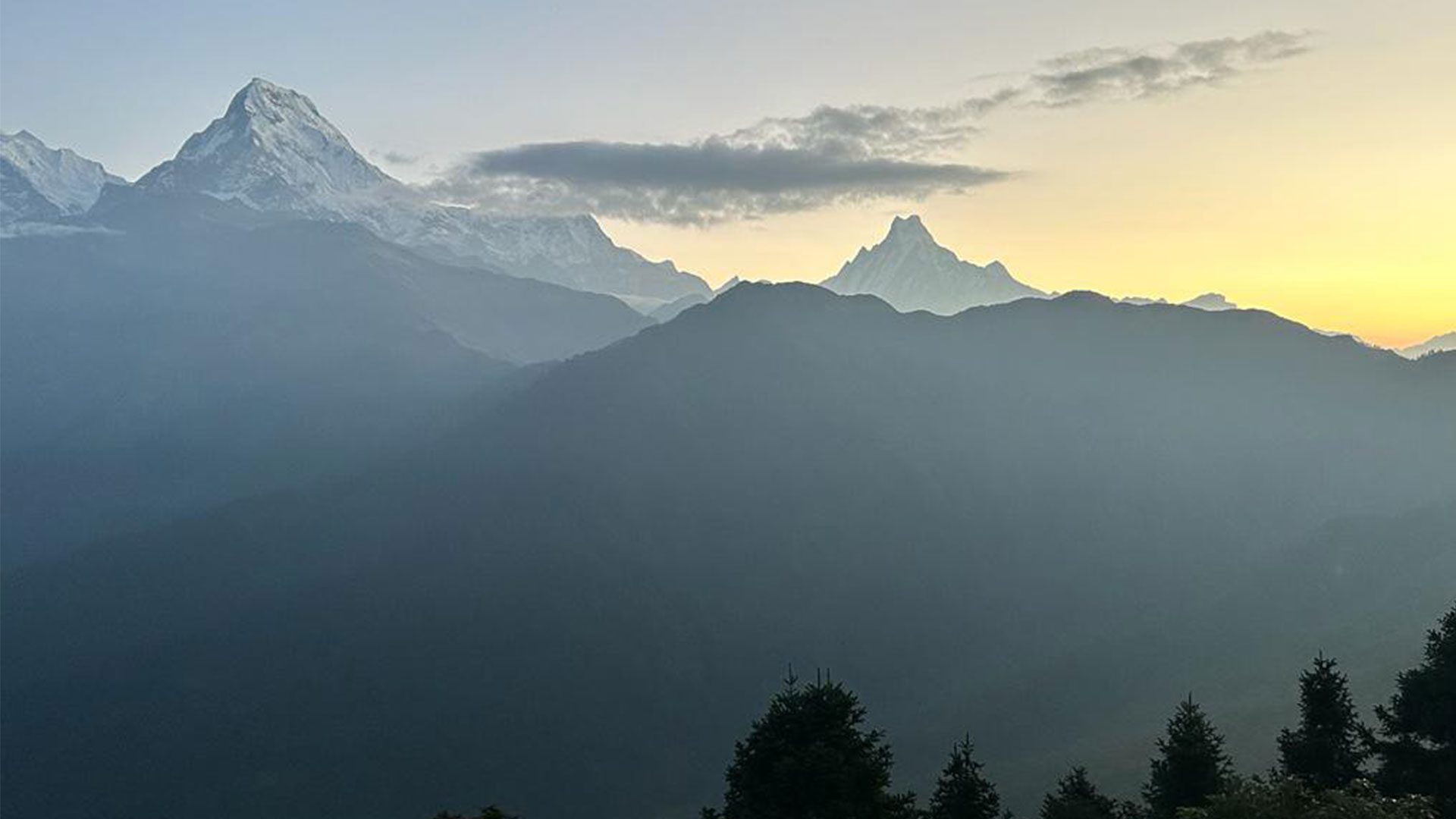
Departure is early — around 4:00 AM — for the 45-minute to hour-long climb up to Poon Hill in time for sunrise. It’s widely considered one of the best viewpoints in the region for this kind of morning light: Annapurna, Dhaulagiri and Machapuchare all catch the first sun at once. After the summit, the trail heads back down to Ghorepani for breakfast.
From there, the walk to Tadapani runs through rhododendron forest and a handful of smaller villages, including Chitre and Deurali, with some chance to see Gurung and Magar community life along the way. Tadapani sits with a clean line of sight to Machapuchare, Annapurna South and Hiunchuli, and marks the stopping point for the day.
- Max. Altitude: Poon Hill (3,210 m / 10,531 ft); overnight at Tadapani (2,630 m / 8,629 ft)
- Duration: 5–6 hrs (hike and trek combined)
- Overnight at a guesthouse
- Breakfast, lunch and dinner included
Trek from Tadapani to Upper Sinuwa (2,340m)
The trail out of Tadapani drops through thick rhododendron and oak forest, crossing several small streams on its way down to Kimrong Khola. A suspension bridge gets you across the river, and the climb on the other side leads up to Chhomrong — a sizeable Gurung village that sits right on the ABC route, with a clear view of Machapuchare, Annapurna South and Hiunchuli from town.
From Chhomrong the trail drops again, sharply this time, down to Chhomrong Khola, before a long stone-stepped climb back up through forest to Upper Sinuwa. It’s a harder day than most so far, both up and down, though the scenery generally holds attention regardless. Upper Sinuwa itself is small and fairly quiet — a reasonable spot to rest before the push into the Annapurna Sanctuary proper.
- Max. Altitude: Upper Sinuwa (2,340 m / 7,677 ft)
- Duration: 5–6 hrs trek
- Overnight at a guesthouse
- Breakfast, lunch and dinner included
Trek from Upper Sinuwa to Himalaya (2,920m)
A gentler start today, walking through rhododendron and bamboo forest past Lower Sinuwa before dropping to Chhomrong Khola and another suspension bridge crossing. From there the trail climbs through bamboo and oak up to Bamboo — a small settlement that most trekkers use as a lunch or rest stop on the way through.
Past Bamboo, the trail narrows and runs alongside the Modi Khola, with the river loud enough to hear for most of the climb. Forest cover keeps thinning as the terrain turns more alpine, and by the time the Himalaya comes into view, the trees have mostly given way to open ground. Himalaya is a small settlement largely built up by Sherpa families over the years, many with generations of experience guiding in this exact stretch of the Himalaya.
- Max. Altitude: Himalaya (2,920 m / 9,580 ft)
- Duration: 6–7 hrs trek
- Overnight at a guesthouse
- Breakfast, lunch and dinner included
Trek from Himalaya to Annapurna Base Camp (4,130m) via Machhapuchhre Base Camp (3,700m)
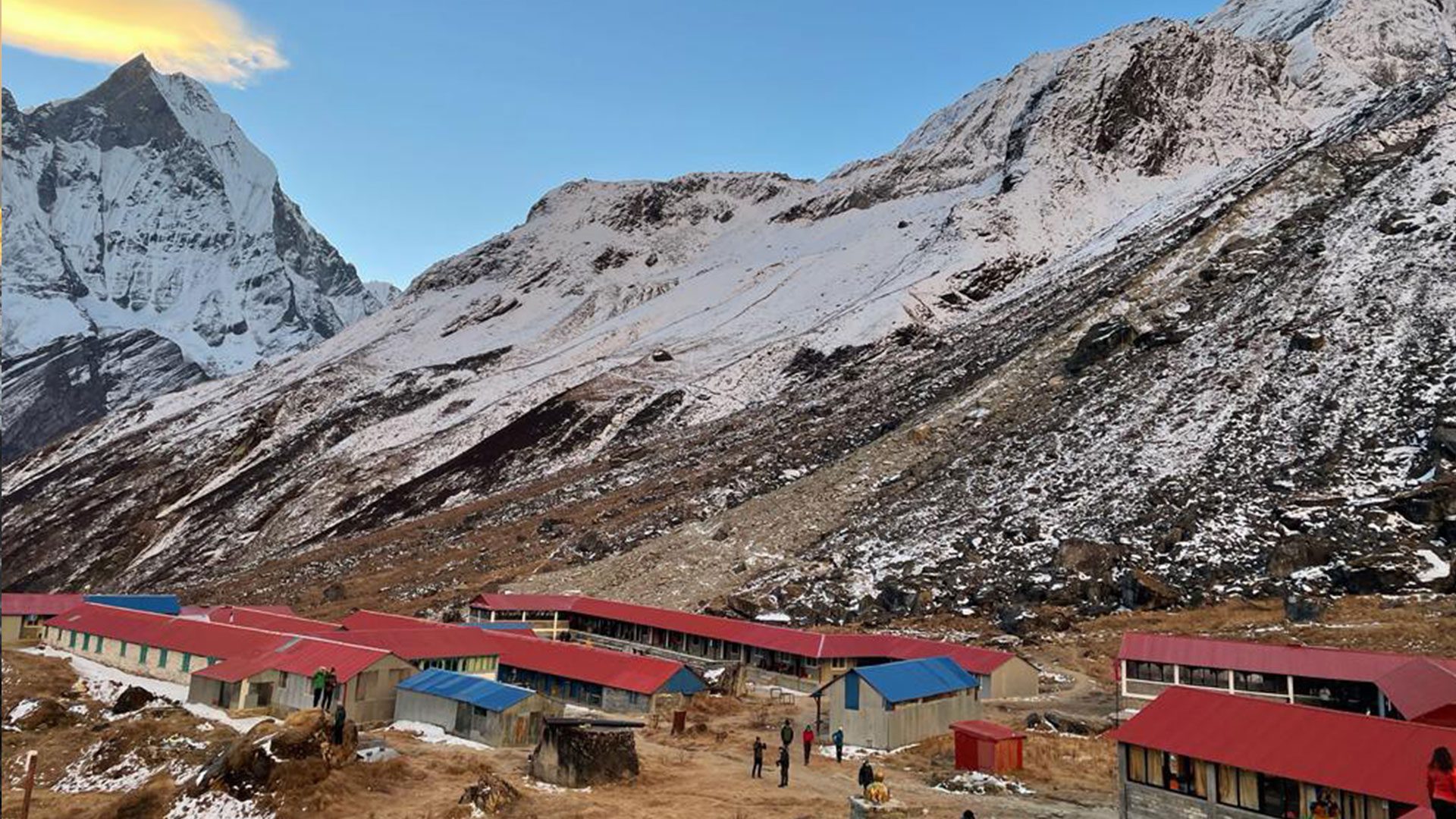
The climb to Annapurna Base Camp starts through rhododendron and oak forest, with Annapurna South opening up on one side as the trees thin out. Machhapuchhre comes into full view not long after, along with the surrounding peaks, and Machhapuchhre Base Camp makes a natural halfway stop to catch a breath.
From MBC, the trail continues into Annapurna Base Camp itself, a wide bowl of terrain ringed by the full Annapurna range, with glaciers and alpine meadow filling in the space between. The sanctuary carries real religious weight for local communities, and it’s not unusual to spot Himalayan tahr, langur monkeys, or the Danphe (Nepal’s national bird) somewhere along the walk in.
- Max. Altitude: Annapurna Base Camp (4,130 m / 13,550 ft)
- Duration: 4–5 hrs trek
- Overnight at a guesthouse
- Breakfast, lunch and dinner included
Trek from ABC to Bamboo (2,310m)
Descent starts early, retracing yesterday’s route back through Machhapuchhre Base Camp and Himalaya before the trail levels out into greener, more forested terrain. Rhododendron and bamboo take over again, along with the small villages, streams and terraced fields passed on the way up.
After a solid stretch of downhill walking, the trail comes back into Bamboo Village, a quiet settlement wrapped in bamboo forest and a common stop for trekkers heading back toward Pokhara.
- Max. Altitude: Bamboo (2,310 m / 7,579 ft)
- Duration: 5–6 hrs trek
- Overnight at a guesthouse
- Breakfast, lunch and dinner included
Trek from Bamboo to Jhinu Danda (1,780m)
The trail continues down through Sinuwa and back into Chhomrong, passing rhododendron forest, a few waterfalls and terraced fields along the way. Monkeys and birds are a fairly common sight through this stretch, and the Annapurna peaks show up occasionally through breaks in the trees.
Jhinu Danda is usually reached by mid-to-late afternoon, and it’s best known for its hot springs a genuinely welcome stop after several straight days of trekking. Accommodation for the night is in one of the village teahouses.
- Max. Altitude: Jhinu Danda (1,780 m / 5,840 ft)
- Duration: 6–7 hrs trek
- Overnight at a guesthouse
- Breakfast, lunch and dinner included
Trek from Jhinu Danda to Siwai & Drive to Pokhara
The last day starts with an easy descent from Jhinu Danda toward Siwai, following the Modi River through terraced fields, farmland and light forest. It’s a noticeably lighter day than most of the preceding week, with a decent chance of spotting birds, butterflies and other local wildlife along the way.
Siwai is where the walking ends, a small, quiet village set among terraced fields. From there, a jeep or local bus takes over for the drive to Pokhara, running through farmland and winding mountain roads. Once back in Pokhara, there’s time for a boat ride on Phewa Lake, a stop at Devi’s Fall, or just settling into a lakeside café with the Annapurna range in view. Whether to stay the night in Pokhara or continue travelling the same evening is entirely up to preference.
- Max. Altitude: Pokhara (820 m / 2,690 ft)
- Duration: 6–7 hrs trek, plus around 1 hr drive to Pokhara
- Overnight at a hotel (optional)
- Breakfast and lunch included; dinner not included
Customize this trip with help from our local travel specialist that matches your Interests.
Customize This TripInclusions
What’s Covered in Your Adventure
- Pickup from hotel & drive to Nayapul by car
- Meals- breakfast/lunch/dinner
- Accommodation in the mountain/lodge or guest house
- A highly experienced, helpful, knowledgeable, friendly, English-speaking guide and porter with all of his salary, food, drinks, lodging
- Strong, helpful porters with the right safety gear and walking gear, as well as a salary, food, a place to live, and insurance. (one porter for two people). Max weight 25kg
- rent an available sleeping bag, a down jacket, and a free duffel bag provided (if you don't have your own)
- A certificate of completion of the trip.
- Taxes and official costs are paid to the government.
- Oximeter to check your pulse, oxygen saturation, and heart rate twice a day (very helpful to check for signs of Altitude Mountain Sickness, or AMS). This will make sure that your trek is in the safest hands possible, no matter how experienced you are.
- All papers that need to be done, Fees for entering permits you need to go while hiking(ACAP)
- Siwai to Pokhara by bus or jeep (depending on group size )
- Food that you will eat in Pokhara
- The cost of a visa to enter Nepal
- Your insurance for travel and medical care.
- International airfare.
- Your personal expenses.
- All of the alcoholic and non-alcoholic cold and hot drinks you buy on the trek (along the way and in the Tea Houses at night).
- All of the sweet desserts, like chocolate, cake, pie, and pudding.
- The tea houses have hot showers and places to charge your phone which will cost you about 2$to5$ and internet
- Tip to the guide, the porter. (Tipping is expected)
- Note: We provide a flight ticket from Kathmandu to Pokhara. It will cost you an extra $100 (USD)
- We provide a luxurious tourist bus to Pokhara from Kathmandu. It will cost you an extra $15 (USD)
Maps
Navigate Your Journey
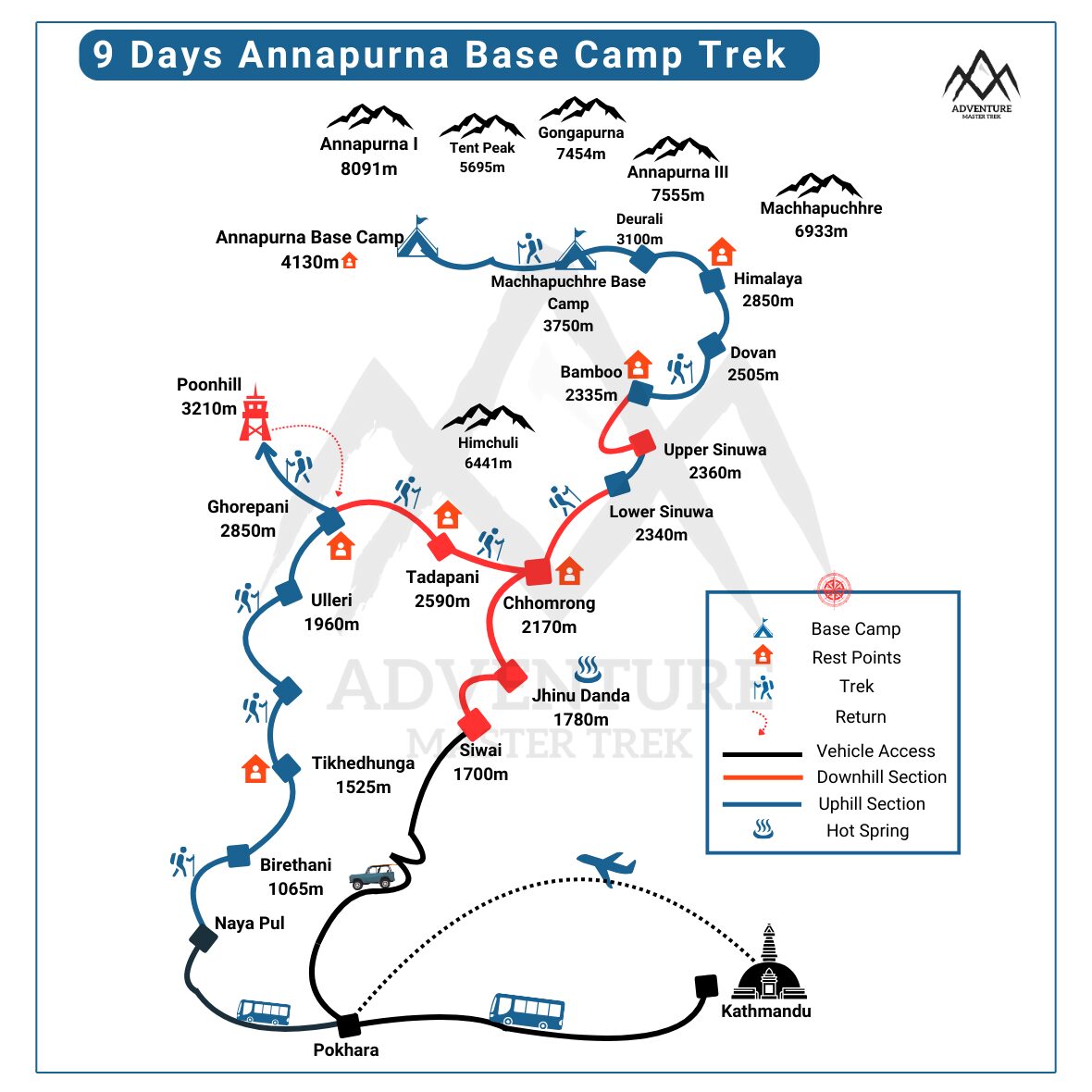
Good to Know
Your Journey, Step by Step
Food and Drinking Water on the Annapurna Base Camp with Poon Hill Trek
Food and drinking water are crucial factors to take into account when trekking to Annapurna Base Camp (ABC). Food served during the ABC trek is quite simple, powerful, and high-calorie meals to prepare your body for the physical demands of the journey. The teahouses and lodges along the route offer a variety of choices for food options.
You will be offered three-course meals: breakfast, lunch, and dinner. Dal bhat, momos, noodles, pasta, pizzas, sandwiches, French fries, noodle soup, rice porridge, and Tibetan bread are some of the basic foods available there. Teahouses also offer both local and Western food. They also offer snacks like energy bars, chocolates, biscuits, and nuts, which are great for keeping energy on a long trek day. You will also get a variety of drinks such as black tea, fruit juices, green tea, herbal teas like ginger tea or lemon tea, and coffee.
Drinking safe water is one of the most important parts of your trek to Annapurna (as well as in general, of course), and although there are many sources of water along the route (i.e., rivers, streams), it is likely that you will need to purify the water before drinking it. The best ways to purify water include boiling, using purification tablets, or using a UV sterilizer (Steripen). Although it can be expensive, the teahouses sell bottled water. But as it is not environmentally friendly, we recommend you drink boiling water from rivers. Therefore, it is advised that teahouses boil their water for a small cost. You must properly hydrate yourself for the lengthy hike by consuming three to four liters of water each day.
Meals along the Annapurna Base Camp trek are served at teahouses and lodges throughout the trail, with daily food costs ranging from USD 20–35 per person depending on whether you opt for local Nepali dishes like dal bhat, noodle soup, and porridge, or Western-style meals and bakery items which are priced noticeably higher at elevated sections of the trail. Hot drinks such as tea and coffee are available for USD 1–3 per item at lower elevations but increase in price as you gain altitude, and snacks like chocolate, biscuits, and energy bars cost USD 2–4 per item. Bottled water starts from as little as 50 cents to USD 1 per liter at the lower sections of the trail but can rise to USD 2–3 per liter near Annapurna Base Camp, making a reusable water bottle combined with purification tablets or a filter a highly cost-effective and environmentally responsible alternative for the duration of the trek.
Accommodation on the Annapurna Base Camp with Poon Hill Trek
The accommodations on the Annapurna trek are simply teahouses, which provide simple yet cozy lodging options. Beds, blankets, and hot meals are among the basic amenities offered by these teahouses but the quality of the amenities varies according to the location’s altitude and remoteness.
Basic accommodations in teahouses include a twin bed, a mattress, a pillow, and a blanket. In general, they are reasonably priced and the cost can increase as you trek higher. The chambers are less comfortable and more rustic at higher elevations, but they provide weather protection. It’s a good idea to bring a sleeping bag, as nights can get pretty chilly. The teahouses are simple but cozy enough for a good rest after a long day on the trail.
At the lower elevations, teahouses will provide trekkers with private rooms with shared bathrooms, while the higher elevations will only offer basic shared toilets. Squat-style toilets are commonly found in most places. Hot showers are available in some locations; however, most establishments charge $2-$5 for this service, which may be dependent upon where you are staying and how much hot water is available. Charging electronic devices (e.g., phones and cameras) often takes an additional fee of approximately $2-$4 for every hour in addition to your accommodation charge, particularly in remote areas where solar power is used.
The average price of accommodation in lower altitude regions is around $5-$10 per night, while in higher altitude regions, the average cost is between $10 and $20 per night. At lower altitude villages, the food price point is low but rises significantly as supplies must be carried by porters/mules to higher altitude villages due to steep hills and other logistical considerations. A meal may cost $5-$7 per meal in lower altitude regions and $8-$12 or more in higher altitude communities.
While teahouses may appear simple, they provide an atmosphere of warmth and camaraderie. The food is cooked locally and generally served in a communal dining room. Therefore, they provide a unique experience for all trekkers along the Annapurna Circuit.
Accommodation in Kathmandu
Kathmandu offers a wide range of accommodation options to suit every budget and preference, from basic guesthouses in the bustling Thamel district to comfortable mid-range hotels and luxury properties. Budget travelers can find clean and comfortable guesthouses in Thamel for USD 15–25 per night, offering basic amenities, free Wi-Fi, and a convenient location close to restaurants, gear shops, and travel agencies. Mid-range hotels in Thamel and Lazimpat typically cost USD 40–80 per night and offer en-suite bathrooms, hot showers, breakfast, and more spacious rooms. For those seeking a more premium experience, luxury hotels such as Hotel Yak & Yeti, Hyatt Regency, and Dwarika’s Hotel offer world-class facilities, rooftop views, spa services, and fine dining at USD 150–300 per night, making them an excellent choice for trekkers looking to reward themselves before or after the trail.
Accommodation in Pokhara
Pokhara is Nepal’s second most visited city and offers equally diverse accommodation options spread along the scenic Lakeside district overlooking Phewa Lake and the Annapurna range. Budget guesthouses and hostels along Lakeside are available for USD 10–20 per night, offering simple but comfortable rooms with stunning lake or mountain views. Mid-range hotels such as Temple Tree Resort and Fish Tail Lodge cost USD 50–100 per night and provide superior amenities, garden settings, and beautiful views of Machapuchare. For a luxury experience, properties like Pokhara Grande and Tiger Mountain Pokhara Lodge offer premium rooms, infinity pools, and panoramic Himalayan views at USD 150–250 per night, providing the perfect base for relaxing before or after completing the Annapurna Circuit or Base Camp Trek.
Electricity and Internet Service on the Annapurna Base Camp with Poon Hill Trek
You can get both access to electricity and internet service in ABC trek, especially in lower altitudes. Guesthouses, teahouses, and lodges generally provide electricity for lights, charging devices, and other basic needs. The reliability of electricity decreases with increasing altitude. The majority of locations in the higher areas, like MBC and ABC, rely on hydropower or solar power, which might be unstable due to weather or capacity limitations. Electricity is still available in certain lodges, though it can be more periodic.
Many teahouses and communities have Wi-Fi or local mobile data networks that provide internet access. There is less internet service the higher you go on the route. Wi-Fi and internet services are available at some teahouses at MBC and Deurali, but the speed and stability of the connection may be poor. It can be quite limited so, use it for emergency conversations, location-checking, or important messaging.
| Trail Section / Village | SIM Coverage (NT / Ncell) | Internet / Wi-Fi Availability |
| Kathmandu / Pokhara | Excellent – full coverage | Available in hotels / cafés |
| Nayapul (Trailhead) | Excellent | Wi-Fi in some tea houses |
| Ghorepani | Good | Limited Wi-Fi in tea houses |
| Tadapani | Good | Wi-Fi available, slower speed |
| Chomrong | Good | Wi-Fi in major lodges, moderate speed |
| Dovan | Moderate | Very limited, mostly none |
| Deurali | Moderate | Rare Wi-Fi, mostly offline |
| Machhapuchhre Base Camp | Weak | Almost no Wi-Fi, limited connectivity |
| Annapurna Base Camp (ABC, 4,130m) | Very Weak / None | No Wi-Fi, offline only |
| Return Trail (same villages) | Coverage improves as altitude decreases | Wi-Fi gradually available |
Altitude Sickness on the Annapurna Base Camp with Poon Hill Trek
Altitude sickness can occur in the high-altitude places which passes 3000m in ABC trek such as Deurali (3,230 meters / 10,600 feet), Machapuchare Base Camp (MBC) (3,700 meters / 12,140 feet), and Annapurna Base Camp (ABC) (4,130 meters / 13,550 feet). There is a hgh risk of altitude sickness in this places but it can be avoided with proper planning, acclimatization, and attention to symptoms. You have to make sure to acclimate properly before ascending to the ABC trek.
Altitude sickness is not a minor problem during the trek. So, take things slow, pay attention to your body, and enjoy the journey. Most hikers only have minor symptoms, and they can continue without any problems if they pay close attention. It is more important to take care of your body rather than trek. So, make sure you follow proper precautions to avoid the risk of altitude sickness.
Altitude sickness requires discipline, awareness, and respect for the mountains. The first thing to understand is that the best way to acclimate your body to the thin air is to ascend gradually. Proper hydration through water and food support the movement of oxygen through your body and provide energy.
For best mountain travel, take time to ascend at a comfortable and steady pace, as it takes time for your body to adjust. To do this, you need to walk slowly, breathe deeply, and keep a calm and steady rhythm so as not to overexert your heart and lungs, especially at higher elevations.
Being in good shape physically also means knowing when to rest. Therefore, if you begin to show the initial warning signs of altitude sickness, such as persistent headaches, shortness of breath, or unusual fatigue, do not try to push through these symptoms. Smart trekking means choosing your health over speed, resting when necessary, or descending if your symptoms continue to worsen. With proper care of your body, the trek to Annapurna Base Camp will be safer, more enjoyable, and truly rewarding.
Group Size for the Annapurna Base Camp with Poon Hill Trek
The group size of Annapurna Base Camp varies depending on trekking objectives, comfort level, and individual preferences. You can go for solo trekking too. But it is recommended to trek with guide for better knowledge of trails. While larger groups of 15-20 provide more logistical support and cheaper expenses per person, smaller groups of 6-10 trekkers frequently offer the finest blend of flexibility, friendship, and cost-effectiveness. In the end, whether you go on a guided or individual journey, it’s critical to pick a group size that fits your preferred mode of transportation.
Group Pricing & Details for 9-day Annapurna Base Camp Trek
Going to ABC as a group also makes it safer, more enjoyable, and less costly for all involved. Adventure Master Treks provides group pricing per person based on group size, but the price includes guides, porters, accommodation, meals, and permits.
| Group Size | Price per Person (USD) | Key Highlights | Ideal For |
| 2–4 Pax | $650 | ABC Base Camp, Ghorepani Sunrise, Machhapuchhre views | Small groups, couples, adventure seekers |
| 4–8 Pax | $600 | ABC Base Camp, Chhomrong & Bamboo villages, alpine forests | Friends & small families |
| 8–12 Pax | $550 | Panoramic mountain views, rhododendron forests, Annapurna Sanctuary | Medium-sized trekking groups |
| 12–16 Pax | $500 | Scenic trails, cultural villages, base camp experience | Large groups, clubs, or organized tours |
How Difficult Is the Annapurna Base Camp with Poon Hill Trek?
Challenges in the Annapurna Base Camp Trek
The Annapurna Base Camp trek is said to be moderate in nature, yet that is part of it. It is technically not technical, because it does not require any ropes or climbing gear, but it can be as much as it can be a challenge as it is not about your muscles. It is endurance and patience, and tolerating changing states. Negotiation every day: your body dragging you through the wear and tear, your lungs adapting to the air that is less dense, and your mind reminding you to stay motivated even when you think that your legs are begging to rest.
Physical Strengths and Trail Difficulties
The physical struggles of the trek are experienced even at the very first steps. The low country is misleadingly smooth – little streams, level agricultural land and shaded pine woods, but this is only a warm-up. Then you get staircases once you get to places such as Ulleri.
Can you envision thousands of uneven stone measures to climb with a pack on your back and your knees and hips making you remember all the previous exercises which you skipped?
Even the downhill is tough; the force of gravity is insatiable, and the strain falls on your quads and ankles.
Trails in the mid-elevation are more erratic. The gravel, rocks and low ledges challenge your balance, and you have to be concentrated with each step. You must not think too much, or you will go sliding or sprain an ankle. Yet this is also among the joys: when you are exhausted and look back down on the twisting path, you get the quiet sensation of fulfillment, as though you are marking your own path up the mountain.
Altitude and Its Effects
Elevation provides a slight, creeping challenge that most people do not take seriously. Beginning with a distance of around 800 meters, there is a slow increase in the climb to which the body is hardly aware. The elevations between 2500-3500 m, however, result in the thinning of the air, and each step starts to require additional energy. Your heart is heavier, and your breathing is quicker, and even trivial ascents put you behind. Above 3,500 m, we can say that everything becomes even more: nights may be insomniac, fatigue may grow faster, and even slight altitude sickness, such as headaches, nausea, dizziness, even among very well-conditioned trekkers, is possible.
This is where it is not only a matter of a tactic but also a matter of a survival tool, pacing. It is not some extra advantageous practice to take short breaks, drink water regularly, and attentively listen to your body. Minor issues, such as diversions to Poon Hill to acclimatize, can make a massive difference. The additional effort in the initial stages of the expedition is compensated for by less distress on the elevations, and you have time to admire the breathtaking scenes instead of struggling to draw in the necessary air.
Terrain Variability
The ABC trail isn’t uniform. It changes continuously, and you are compelled to adjust bit by bit. Farther on, it becomes earthy, and now and then wet by rain, now and then dry by dust. In the middle of the trail, there are long staircases and small ledges, which require concentration and balance. Broader elevations offer rugged and unbalanced walks made up of loose gravel or snow and ice.
Seasonality further complicates it. Mud and slippery rocks will make you move slowly in the monsoon, the streams may overflow at any time, and a slip may be dangerous. Removing, or even light snow in winter, needs cautious and slow work on frozen areas. Rocks, roots and other unexpected challenges keep you on the alert even in the spring and autumn when trails are rather predictable. Each of the steps demands conscious energy expenditure, and the trek is a physical and mental exercise.
How to Prepare for the Annapurna Base Camp with Poon Hill Trek
Proper preparation is essential to enjoy the Annapurna Base Camp trek safely and comfortably. Both physical fitness and mental readiness play a crucial role in handling the challenges of long days, high altitude, and changing weather conditions. Preparing in advance ensures you can fully appreciate the natural beauty, cultural experiences, and the rewarding sense of achievement this trek offers.
Physical Preparation
To tackle the ABC trek successfully, trekkers should focus on cardio exercises, stair climbing, hill hikes, and strength training targeting legs, core, and back. Regular activities like walking, jogging, or cycling 4–5 times per week help build stamina, while lung capacity and breathing exercises prepare the body for high-altitude conditions. Practicing weighted hikes with a backpack enhances endurance for multi-day trekking, reducing fatigue and minimizing the risk of injury along the trail.
Mental Preparation
Equally important is mental readiness, which helps trekkers stay motivated and resilient throughout the journey. Developing patience, stress management skills, and self-motivation prepares you for long walking hours, cold nights, limited showers, and altitude-related discomfort. Techniques like daily goal-setting and visualization improve focus and positivity, helping trekkers face steep ascents, remote sections, and unexpected challenges with confidence.
Is the Annapurna Base Camp with Poon Hill Trek Safe?
Nepal is one of the safest countries for trekking and traveling. Proper preparation is important for trekking in Nepal. The Annapurna Base Camp trail is popular, but it has its challenges, which include altitude, weather, and remote sections that can all be tricky. Be prepared for altitude sickness, stay aware of the weather, follow health precautions, and have good travel insurance. A guide or porter can help you navigate the trail safely.
Being connected socially and connected with each trekker’s name is vital to your trekker’s safety. All of the villages along the ABC (Annapurna Base Camp) Trail have a cell phone network, and most provide Wi-Fi, although this can be limited at higher elevations.
The safety of your trek in Annapurna is enhanced by letting someone know your daily route and by keeping yourself and your family informed of the conditions you encounter while on your trek. To further enhance your safety, you can secure your valuables by keeping them locked away while on the trek and by carrying only the cash you need for your trek, and you should also respect the local customs in the villages along the ABC trail.
Emergency support in Annapurna has been improving over the years, but the majority of the facilities set up for emergency support are very basic. For this reason, in the event of a medical emergency or injury, you should always have an insurance policy for your trek that includes helicopter evacuation, so you can receive the best possible medical care and have your medical emergency taken care of quickly. As with the other two points mentioned above, trekking responsibly, with a steady pace, and listening to your body will help to prevent accidents and ensure that you have a safe and enjoyable trekking experience in Annapurna.
Permits for ABC trek
A few permits must be obtained before you can start your trek to Nepal’s Annapurna Base Camp (ABC). The permits are necessary to make sure that hikers are protecting the environment, according to safety regulations, and helping out the local communities. The permits are:
- ACAP (Annapurna Conservation Area Project) Permit: To visit the Annapurna Conservation Area, one must have an ACAP permit. Obtained from NTB or the ACAP office.
- TIMS (Trekkers’ Information Management System) Permit: To ensure safety and respond to emergencies, this permit helps the authorities monitor the movements of trekkers within the area. Obtained from Nepal Tourism Board (NTB) office.
Required documents for the Permits
- Validated passwords for a minimum of six months
- A valid tourist visa for Nepal is available at Tribhuvan International Airport.
- Each permit requires two passport-sized pictures.
- A copy of the permits
- A copy of travel insurance that covers evacuation and high-altitude trekking
Money Exchange
You need to bring Nepali cash for your trip. You can exchange your money at a number of locations in Thamel, Kathmandu. Tribhuvan International Airport also offers currency exchange, albeit it costs a little more than the other locations. The hotels and teahouses along the route only accept Nepali rupees. For the tipping, you also need the cash. So make sure you take Nepali currency for your ABC trek.
Trekking Duration and Distance of the Annapurna Base Camp with Poon Hill Trek
The Annapurna Base Camp Trek consists of approximately 115 km to 130 km round trip. The daily distances you’ll be covering will vary from 8 km to 15 km, which depends on the elevation and the terrain you’ll be navigating through.
The early stages from Ghorepani to Chhomrong are relatively moderate, with gradual climbs through the Rhododendron and Oak trees. The mid-sections of the trek (Sinuwa to Bamboo and the Himalayas) are steeper climbs that require very careful pacing.
The short, final climb (5-7 km) from Deurali to the ABC (4,130m) can take many hours due to altitude and acclimatization issues.
Normally, the average time per day on the trail is 4 to 6 hours; however, on a longer day, there could be 7 to 8 hours, but that would be for the steeper climbs. The majority of trails have various sections with different types of elevation changes (e.g., stair steps, narrow paths, suspension bridges, river crossings).
Once trekkers understand the distance, elevation gain, and types of hiking conditions each day, they can plan the appropriate rest, hydration, and acclimatization periods. This will help trekkers avoid injuries and have a smoother, safer, and enjoyable experience on the route to ABC.
How to Get Travel Insurance for the Annapurna Base Camp with Poon Hill Trek
The hiking to the Annapurna Base Camp is an exciting experience, which is coupled with certain risks, altitude sickness, bad weather, falls on rocky trails, or minor injuries. Comprehensive travel insurance is not something you would suggest; it is a very important insurance which serves as a safety net so that when faced with an emergency situation, you do not incur devastating expenses. Insurance offers you a sense of security, and you can enjoy the trek and not worry about possible accidents.
Travel Insurance Requirement
In the case of selecting travel insurance involving ABC, some of the key elements to be taken into consideration include:
- Compulsory coverage: This is where you need to ensure that in your policy, trekking at high altitude, usually to a height of 5,000 meters, is also covered. High-altitude activities are not usually covered in the standard travel insurance, and therefore, one must consider the fine print.
- Medical evacuation: In case of emergency, such as severe altitude sickness, injury or sudden illness, a helicopter or ground evacuation might be required. Make sure that your insurance covers the evacuation costs in case of an emergency, since it otherwise can cost an immense amount of money.
- Hospitalization and treatment: The hospitalization should cover hospital treatment in Nepal, which may be unavailable in the remote areas. There are also some policies that cover the treatment in major hospitals in Pokhara or Kathmandu.
- Trip cancellation or interruption: Weather, road blockage or sickness may compel you to make changes. To provide non-refundable expenses insurance is an added protection.
- Insurance is also essential to Annapurna, since remoteness and elevation make self-reliance dangerous. Even seasoned trekkers have been caught in instances where a swift evacuation or medical services were the only option that was safe.
Recommended Trekking Equipment
Having the appropriate equipment is essential for safety, comfort, and enjoyment while planning a trekking trip, particularly in areas like the Annapurna Base Camp (ABC) or other Himalayan treks.
Here are some trekking equipment required for the ABC trek:
1. General
- Passport: For permits, include extra copies and passport-sized pictures.
- Trekking permits: The Annapurna Conservation Area Permit (ACAP) and the Trekker’s Information Management System (TIMS) card.
- Sleeping bag (for chilly nights, at least -15°C/5°F)
- Cash: Nepali rupees for modest purchases, snacks, and gratuities.
- Bags: Porters usually carry the duffel bag, which is used for your main luggage.
- Backpack: day backpack (for quick hikes with necessary items like water, camera, extra layers, and snacks) and main trekking backpack (for transporting food and sleeping bags).
2. Upper body
- Sunglasses (with UV protection)
- Sun hats, and woolen hats.
- Scarves/ Buff
3. Torso
- Base layers
- fleece or down jackets
- insulated jackets
- sweaters
- waterproof outer layers
4. Lower Body
- Trekking Pants
- Base Layer: Thermal bottoms for added warmth in cold weather.
- Hiking Shorts: For warmer sections of the trek.
- Comfortable Pants: For relaxing in teahouses.
- Waterproof Pants: Shields against rain and snow.
5. Hands
- Lightweight gloves (for warmth)
- Insulated and waterproof gloves (for colder weather)
6. Footwear
- Woolen Socks
- Sturdy trekking boots (waterproof, ankle support)
- Camp shoes or sandals (for resting)
- Flip-flops or sandals
7. Undergarments
- Moisture-Wicking Underwear
- Sports bra for women
- Thermal or Base Layer Bottoms
8. Medication and First Aid Box
- Altitude Sickness Medications like Diamox.
- Sunscreen & Lip Balm with high SPF
- Bandages
- Pain Relievers like Ibuprofen, Paracetamol
- Cough Syrup
- Antibacterial Cream eg. Neosporin
- Thermometer
9. Other Essentials
- Hand sanitizer
- Water bottles (carry 3-4 liters)
- Toiletries like toothbrushes, wet wipes, soap, etc
- Flashlights and Headlamp (with extra batteries)
- Towel
10. Optional
- Camera (for capturing the scenery with extra batteries)
- Trekking poles
- Snacks like chocolate, energy bars, nuts
- Power bank (for charging devices)
- Dry bags (for keeping things dry)
- Notebook or journal
- Earplugs and Eye mask
Flights, Buses and Private Transfers for the ABC Trek
Getting to the starting point of the Annapurna Base Camp Trek begins from Pokhara, and Adventure Master Trek provides convenient options from Kathmandu.
By Flight
The flight from Kathmandu to Pokhara is the fastest and most scenic option, taking just 25–30 minutes and departing every hour throughout the day from Tribhuvan International Airport at a cost of USD 100–120 per person. Airlines such as Buddha Air, Yeti Airlines, and Shree Airlines operate regular scheduled services with a baggage allowance of 25kg checked luggage plus carry-on. Sitting on the right side of the plane is strongly recommended for breathtaking views of the Annapurna, Manaslu, and Himalchuli ranges, and morning flights offer the clearest visibility and most reliable departure times.
By Bus
The luxury tourist bus is a popular and affordable overland option, departing daily at 7:00 AM for the daytime service and 8:00 PM for the overnight service from the tourist bus park in Thamel, taking 6–7 hours at a cost of USD 15–20 per person with comfortable reclining seats and air conditioning. The daytime service makes scheduled stops at Malekhu Bazar for tea, Mugling Bazar for lunch famous for its fresh river fish and dal bhat, and Dumre for a final refreshment break before arriving in Pokhara. The overnight bus arrives early in the morning, saving a night’s accommodation cost and allowing trekkers to maximize their time on the trail.
By Jeep or Private Car
A private car or jeep offers the most comfortable and flexible overland journey, taking 5–6 hours at a cost of USD 100–150 for groups of 4–7 people and allowing complete freedom to stop anywhere along the scenic Trishuli and Marsyangdi valley route. For shorter transfers such as Pokhara to Nayapul at the trek starting point, a private taxi costs USD 25–40 for up to 3 people and a jeep costs USD 50–70 for up to 6 people, while at the end of the trek local sharing jeeps from Jhinu Danda back to Pokhara cost USD 15 per person or USD 60–100 for a private vehicle accommodating 3–8 people.
Optional Add-Ons and Trekking Services for the Annapurna Base Camp Trek
Porter Services
Using a porter can help make a trek more comfortable and less physically difficult by giving each trekker a way to carry his or her pack. Porters earn USD 20 per day, and the maximum weight the porter can carry is generally 25 kg, with the weight divided between the two trekkers.
As part of a porter service, the trekking company will manage food, accommodation, insurance, and trekking gear for the porter. Using a porter frees up trekkers to focus on enjoying the journey while keeping their pack light and supporting local communities.
Flights from Kathmandu to Pokhara
Flights from Kathmandu to Pokhara typically cost around USD 90-100 per person for a flight time of about 20-25 minutes. Trekkers will be given a nice view of the rivers and the ranges of the Himalayas from above during the flight. Daily flights run about every hour, making it the fastest and easiest way to travel.
Flights from Pokhara to Kathmandu
The price for the return flight from Pokhara to Kathmandu is also approximately USD 90-100 per person, with a flight time of about 25 minutes. The weather dependency means flights leave every hour, which can be an effective use of time after completing your adventure.
Extra Night in Kathmandu or Pokhara
Spend an extra night in either Kathmandu or Pokhara if you would like to recuperate, explore, or plan future travel options. Just at a cost of USD 30 per night, it is applicable for both single and double occupancy.
Tourist Buses (Kathmandu – Pokhara)
For a more economical mode of transportation, consider taking a tourist bus for $15 for a comfortable sofa seat. These buses typically depart from Kathmandu between 7:00 AM and 7:30 AM and typically take 6-8 hours based on road conditions. On your way to Pokhara, you will likely see beautiful landscapes and countryside views.
Guide and Porter Tips
Although tips are not required, guides and porters do appreciate receiving some form of tip for their services. An average tip is approximately 15% of your total tour cost, which is split between your guide and porter based on the level of service each provided you during your trip.
Are you looking for a Multi-Day Trek?
| Trek Package | Duration | Key Highlights | Ideal For |
| Annapurna Base Camp Trek | 6–9 Days | Classic ABC views, glacier basin, cultural villages | Fit beginners & scenic trekkers |
| ABC + Mardi Himal Trek | 10 Days | Two base camps, diverse terrain, ridge walks | Adventure & varied scenery seekers |
| Mardi Himal Trek | 5 Days | Less crowded, Machhapuchhre close-up views | Short-time trekkers & nature lovers |
| ABC Trek with Helicopter Return | 5 Days | Full trek with helicopter exit, scenic return | Time-limited trekkers & comfort travelers |
| Ghorepani – Poon Hill Trek | 4 Days | Sunrise panorama, rhododendron forests | Families & beginners |
| Annapurna Circuit Trek | 14 Days | Thorong La Pass, dramatic landscape changes | Experienced long-distance trekkers |
| Ghandruk Village Trek | 3 Days | Gurung culture, village lifestyle, easy walk | Cultural travelers & soft trekkers |
| Khopra Danda Trek | 6 Days | Khopra Ridge, Khayer Lake, fewer crowds | Off-the-beaten-path trekkers |
| North Annapurna Base Camp Trek | 8 Days | Remote wilderness, glaciers, alpine landscapes | Experienced adventure trekkers |
Cancellation Policy of ABC trek
1. Cancellation by the Guest
- 30 days before your departure: Full payment, excluding the cost of the bank transfer.
- 30 % of the total trip cost is reimbursed ten days before departure.
- There will be a 50% refund if you cancel five days or fewer before your trip.
- If you need to postpone or cancel your trip at the last minute, there won’t be any extra charges.
- There will be no reimbursement for any reason (such as personal illness, injury, or early return) after the trek has started.
2. Cancellation by the Company : You have the following options if the trek is canceled due to unanticipated events, natural disasters, or political unrest:
- Get a complete reimbursement of the trip price.
- Reschedule your trek to a later date.
3. Cancellations Due to Weather or Flight Delays
- We will try to reschedule your trip at no extra cost. If necessary, your trekking area will be modified.
- If you decide to cancel, you will receive a full refund of 30% of the total cost of your trip, excluding service fees for transportation, hotel reservations, and permits.
4. No-Show Policy
- If the guest unexpectedly fails to show up on their stated departure date, therewill be no refund.
5. Travel Insurance Requirement
- It is strongly advised to have comprehensive travel insurance that covers medical emergencies, evacuation costs, and trip cancellations.
Booking Policy in ABC trek
Our goal is to give our guests a seamless and adaptable booking experience.
The specifics of our ABC Trek reservation policy are listed below:
1. Advance Payment & Booking Confirmation
- A 30% down payment of the total trip cost is required to reserve your spot.
- The remaining amount can be paid when you get to Kathmandu.
- Another option is to pay the full amount up front.
To complete the reservation, you must send:
- The reservation fee
- A digital version of your passport
- Extra information that is needed, such as an emergency contact or travel insurance information.
2. Payment Methods
We offer a range of payment options for your convenience:
- Online Payment: To make a safe online payment, use the payment gateway on our website.
- Debit/Credit Cards: Visa, MasterCard, and other payment methods are accepted (a 4% bank service charge applies). Send funds directly to our bank account via bank or wire transfer(Transaction fee).
- Cash or Check: If you are in Kathmandu, you can choose to pay with cash or a check.
3. Final Payment
- Before departure, the remaining 70% of the trip cost must be paid. When you arrive, you can pay with cash, a card, or a bank transfer.
4. Booking Modifications & Rescheduling
- Please give us at least 30 days’ notice if you must change the date of your trek.
- Depending on the circumstances, date adjustments may be contingent upon availability and additional fees.
5. Travel Insurance Requirement
- Every trekker has to have full-coverage travel insurance that covers evacuation, high-altitude medical emergencies, trip cancellations, and delays.
6. Last-Minute Booking
- Although it is possible to schedule the trek at the last minute (up to 48 hours prior to departure), it is strongly advised that you do it in advance to ensure availability during busy months like September through November.
Benefits of Booking the ABC Trip with Adventure Master Trek
By booking your Annapurna Base Camp trek through Adventure Master Trek, you will benefit from many valuable offers that will help to make your adventure more enjoyable, affordable and less stressful.
You will receive a discount of 15% off your second booking when you book your first trek through Adventure Master Trek. If you are booking for a group of six or more individuals, you will be eligible for an immediate discount of 10% for each person in your group. This makes it a great option for families and friends trekking together.
Adventure Master Trek provides free airport transfers for both pickup and drop-off to help ensure smooth logistics during your trek. Each trekker also receives a free Annapurna Base Camp trekking map which will give you a better understanding of the daily progress you will make on your journey, as well as help you navigate the route to ABC. In addition, each trekker receives a branded Adventure Master Trek T-shirt and a durable trek duffel bag to help organize their gear for the trip.
Adventure Master Trek provides storage for trekkers’ luggage in Kathmandu or Pokhara for free, so you can carry only what you need while trekking on the trails. Each trekker will also receive a free reusable water bottle, which promotes environmentally friendly trekking practices. Adventure Master Trek is committed to providing its clients with the highest quality service and satisfaction while making sure that your experience on the ABC trek is safe, fun and memorable.
What Happens If You Cannot Complete the Trek?
A trek is not considered to be unsuccessful when one does not reach the final summit of the journey but is instead a responsible decision and one where a participant has decided to take the responsible route of leaving the trek to seek safety and health. Your health and safety are the highest priorities of Adventure Master Trek.
If you are experiencing feelings of illness or exhaustion or exhibit signs of Altitude Sickness, it is the responsibility of the professional guides of Adventure Master Trek to assess your situation and take action as necessary. They allow you to take additional rest or to descend back down to a lower elevation or to modify your trek itinerary accordingly. Making the decision to stop hiking at a certain point in the journey is a smart decision that requires more wisdom than weakness.
We give our trekkers full flexibility and total support when participating on an Adventure Master Trek. When the trek cannot be continued, we will provide support for the safe descent from that location, provide alternative trekking plans and early return arrangements until all trekkers are returned safely. All decisions made by Adventure Master Trek will be based upon the actual conditions of the trekkers and the trek that are fully explained and transparent and made with the security and peace of mind of the trekkers in mind.
Numerous trekkers have returned to Adventure Master Trek stronger and more confident in themselves and better prepared for their future trekking adventures. At Adventure Master Trek, our level of success is determined by more than just the ability to reach the final destination but also to have each trekker arrive back at their place of origin in good health and safety as well as respect for themselves.
FAQs
Your Questions, Answered
What is the highest point on the trek?
The highest point of the ABC trek is Annapurna Base Camp situated at 4,130 meters (13,550 feet) from where you can witness the beauty of the Annapurna range up close.
What is the difficulty level of the ABC trek?
The ABC trek is moderate in difficulty with some long days of walking but the trail can be more steeper and more challenging as you ascend in higher altitudes.
When is the best time to do the ABC trek?
The best seasons to do the ABC trek are Autumn (Sept-Nov) and Spring (Mar-May). These seasons offer clear skies, mild temperatures, dry conditions, and great views of mountains like Annapurna I (8,091m), Annapurna South, Machhapuchhre, Hiunchuli, and Tent Peak.
Can beginners do this trek?
Yes, it’s suitable for beginners with good physical fitness.
Do I need a permit for the trek?
Yes, you need two permits: Annapurna Conservation Area Permit (ACAP) and Trekkers’ Information Management System (TIMS) Card which you can find in Nepal Tourism Board and the Trekking Agencies Association of Nepal.
What is the best time to visit?
The best time to visit is during the dry season, from April to October, when the weather is pleasant and ideal for outdoor activities.
Do I need a guide?
Yes, it is highly recommended to hire a guide for navigation, cultural insights, and trail safety.
How long do I trek each day?
You should trek typically 6-7 hours each day.
Can I trek solo trekking without a guide?
Solo trekking is allowed, but it’s recommended to trek with a guide, especially if you’re unfamiliar with high-altitude trekking.
Is there a risk of altitude sickness in the ABC trek?
Yes, there is a risk of altitude sickness in the ABC trek as you will be ascending an altitude of 4,130 meters (13,550 feet). So, you must follow proper precautions, hydrate your body, and acclimate properly.
Is Wi-Fi available during the trek?
Wi-Fi is available in some teahouses along the route, but it’s often slow and not available at higher altitudes.
What type of accommodation is available in the ABC trek?
Along the route, basic tea houses with shared rooms and common bathrooms are available.
What food is available on the ABC trek?
Tea houses offer traditional Nepalese meals like dal bhat, momos, noodles, and fried rice, as well as some Western dishes like pasta and pizza.
Are there any risks on the ABC trek?
Yes, there are some risks while trekking on the ABC trek. The main risks include altitude sickness, injuries from slips and falls (especially on steep sections), and weather conditions (rain or snow). So, follow proper precautions and avoid such risks.
Is there a phone signal on the ABC trek?
There is generally a phone signal up to Ghorepani and some sections, but the signal can be weak or unavailable at higher altitudes.
Can I rent trekking gear?
Yes, you can rent gear such as sleeping bags, trekking poles, and jackets in Pokhara or Kathmandu.
How cold does it get on the ABC trek?
At higher altitudes, especially at night, temperatures can drop to -5°C to 0°C (23-32°F), while daytime temperatures are typically 10-20°C.
Can you do the ABC trip along with other hikes that are close by?
You may combine the ABC trip with adjacent trails like the Mardi Himal climb, the Ghorepani Poon Hill trek, or the Annapurna Circuit for a longer experience in the Himalayas, depending on how much time you have, how fit you are, and what you like.
What is the best time to visit?
The best time to visit is during the dry season, from April to October, when the weather is pleasant and ideal for outdoor activities.
Are there places to get medical help along the trail?
There aren’t many medical facilities along the route. Some communities have modest clinics, but if someone is very sick, they may need to be taken to Pokhara or Kathmandu. For safety, bring a first-aid kit and medicine for altitude sickness.
What kind of clothes should I bring for the ABC trek?
When we travel, we need to think about what clothes we need to be comfortable. For example, a good packing plan is to bring several layers of clothes, a pair of trekking pants that are appropriate for mountain trips, and thermal clothes.
Can I take kids or older people on the trek?
Yes, traveling with family, like kids or older people, may be hard on your emotions and how well you can handle the agony of traveling. You should be active and fit for the trip, but you also need to be able to vary your speed and be flexible.
How do you get water during the trek?
Most teahouses provide clean water, but it’s safer to boil, filter, or use water purification pills. A lot of hikers also bring a water bottle that they can refill along the way.

Reviews
What Our Travelers Say


Based on 7 ratings
5




The Poon Hill trek is awesome and Keshab, our guide, was really nice and ready to help for everything else related to our stay in Nepal. Looking for a trek, go for it !
I had an amazing time with Sam doing the Poon Hill trek! He helped me out when needed and gave out great information. Thank you!
One of the best experience i’ve ever had! Gokarna was our guide and i don’t have words to describe him, everything was fantastic. So does the porter, Sandeep. We made an incredible team and had a fantastic time in a beautiful landscape. I will repeat for sure
LOVED my guide Prakash, my brother 🙂 As a solo female hiker, he took me through Poon Hill, Gandruk, Tolka, etc loop. We had a great time and he was easy going and fun while making sure we were safe and on track without being over-present and allowing me to do my own thing. Very trustworthy and a solid guide as well as good friend 🙂
They were more than happy to accommodate my needs as they changed I.e. I set up 4 day poon hill trek and did it in less days and they still worked around my needs and were really flexible for hotel and bus ticket back to Kathmandu. Even after the trek they checked up on me and helped with further arrangements just around town.
View Our Similar Packages
Discover our top tours, loved by thousands of travelers annually. Choose the adventure that inspires you and embark on a journey tailored to your desires.
-

-
-
-
-
- (39)

 Nepal
Nepal
 17 Days
Price Upon Request
Save 21%
Save 25%
-
-
-
-
-
- (16)
Nepal
12 Days
$1350
$1800
Add Review
Reviewing for Annapurna Base Camp with Poon Hill Trek – 9 Days ItineraryRequest a Callback - Annapurna Base Camp with Poon Hill Trek – 9 Days Itinerary
Submit the form and we will be back to you shortly
Request a Callback - Annapurna Base Camp with Poon Hill Trek – 9 Days Itinerary
Submit the form and we will be back to you shortly
Narayanhiti Palace Museum

Narayanhiti Palace Museum


