








Everest Helicopter Tour Price with Kala Patthar & Everest View Hotel Landing 2026/2027


Trip Facts


Everest Base Camp (EBC) Helicopter Tour Overview
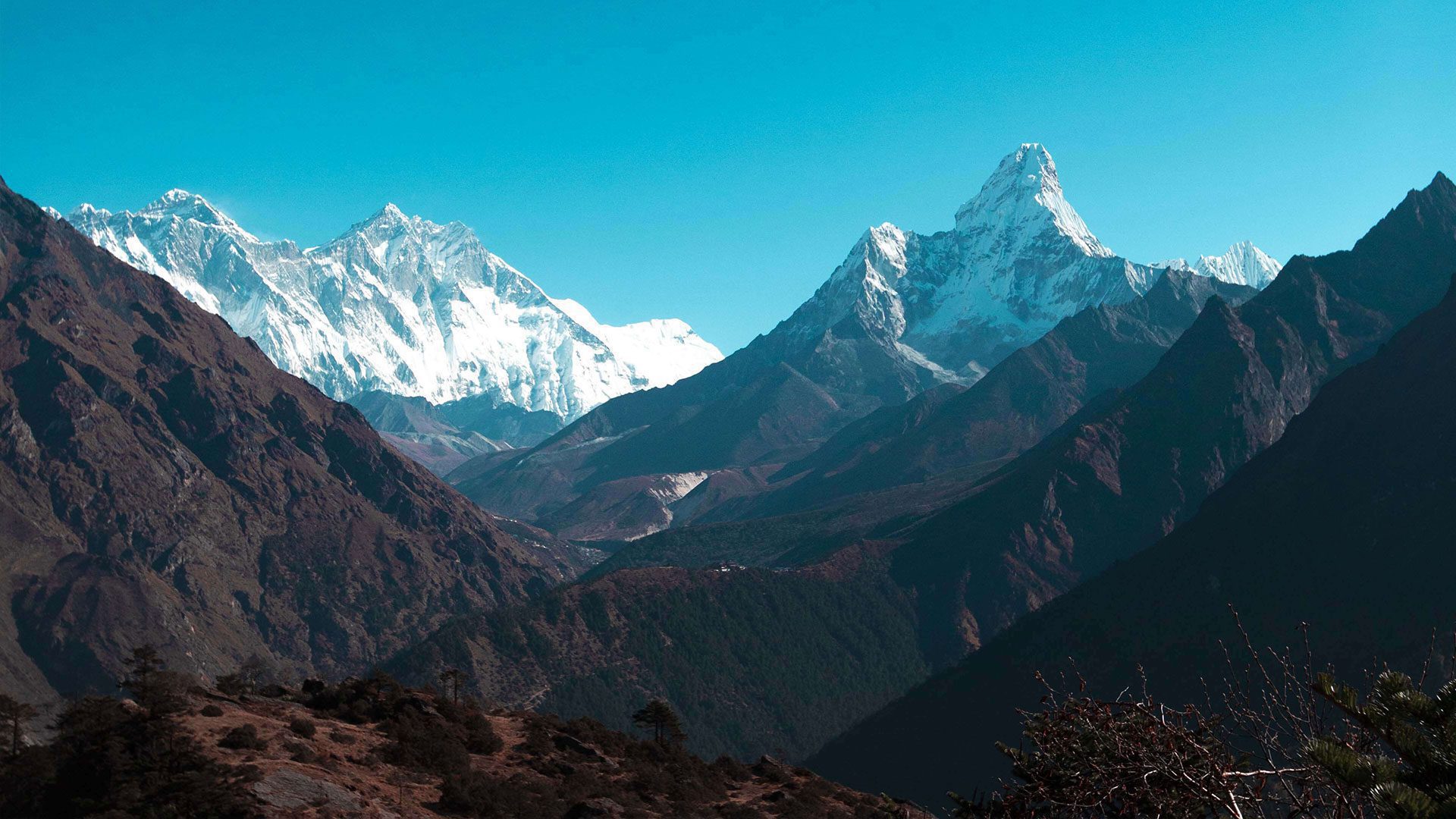
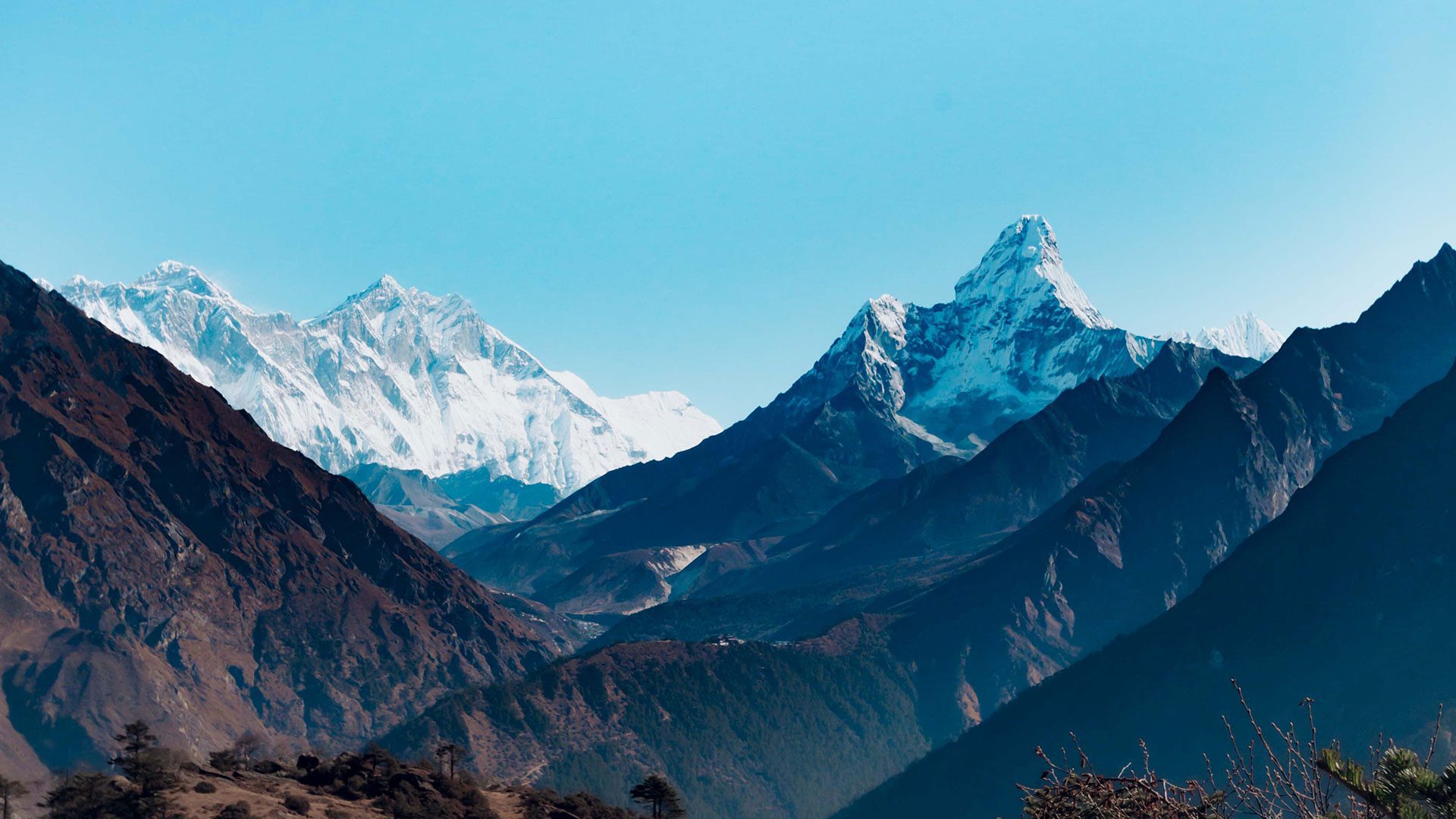
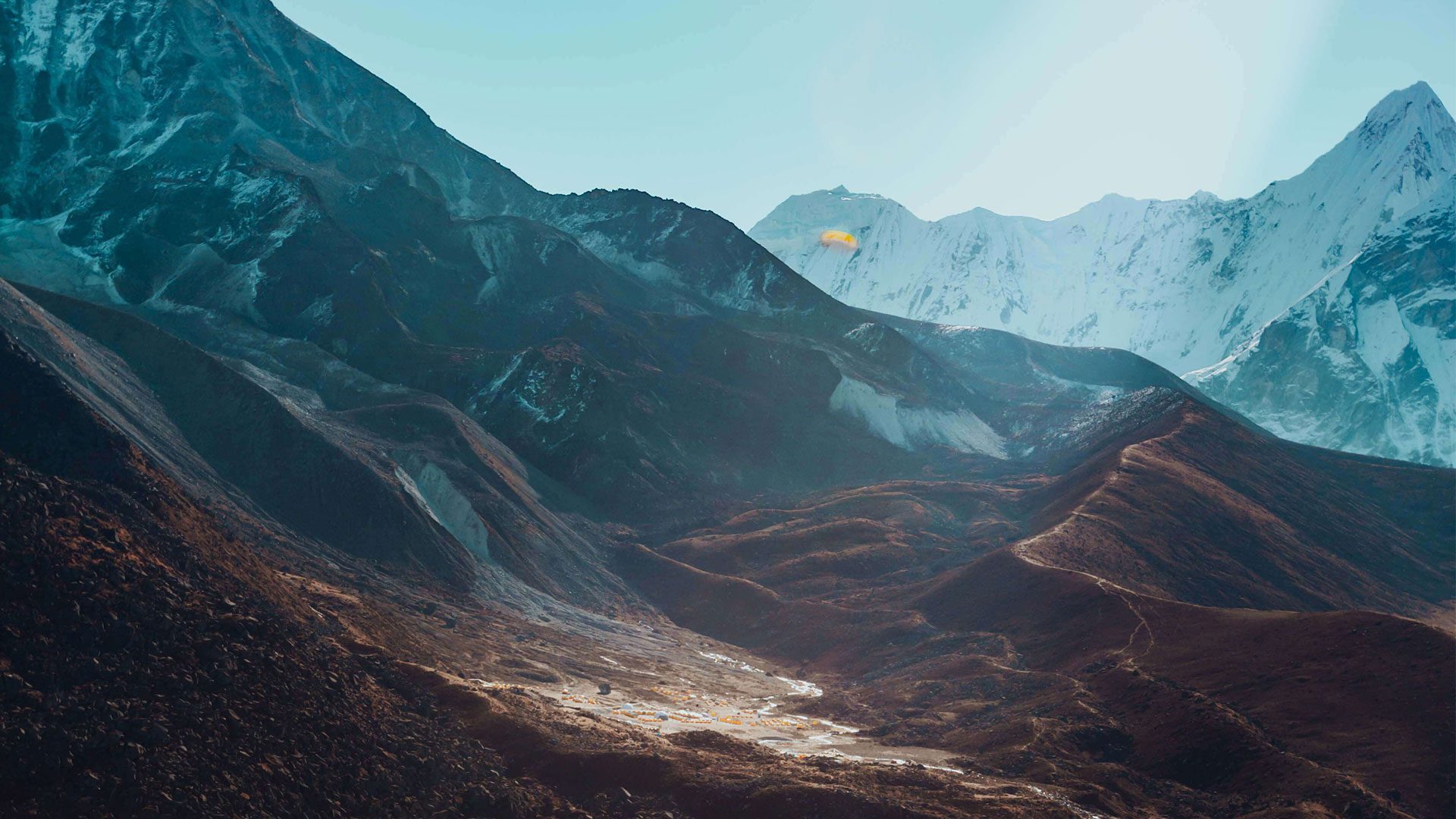
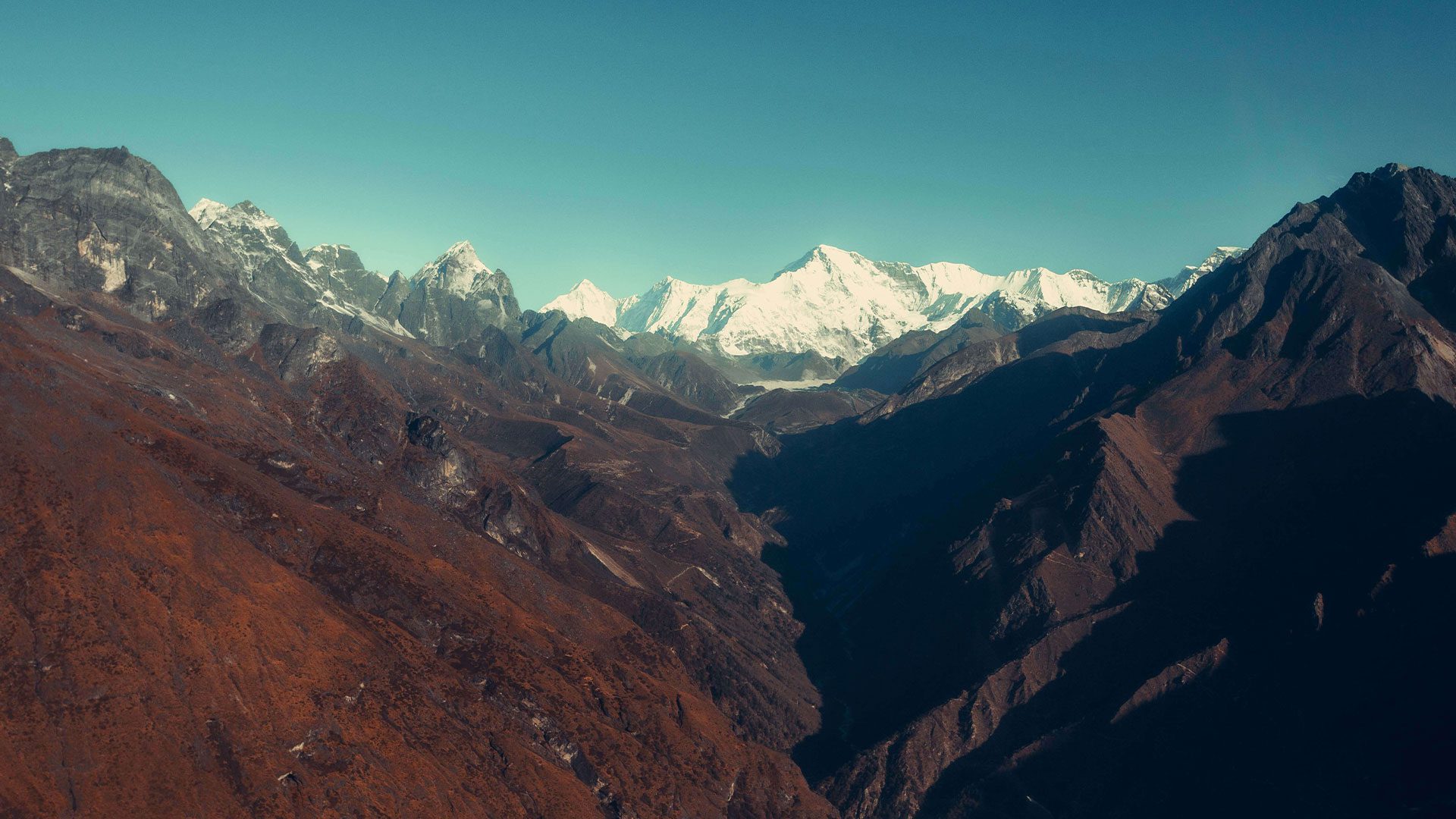
Everest Base Camp Helicopter Tour is one of the most spectacular methods of witnessing the Nepal Himalayas, particularly for tourists who wish to have breathtaking views of Mount Everest without spending days. This Everest heli sightseeing is a blend of adventure and mountain visitation as it provides memorable panoramic views of the highest mountains in the world, such as the Everest, Lhotse and Nuptse, Ama Dablam and Pumori. It does not matter whether you are a first-time visitor, short on time or just want to have a unique adventure; this helicopter adventure offers the flavour of the Everest region within a couple of hours.
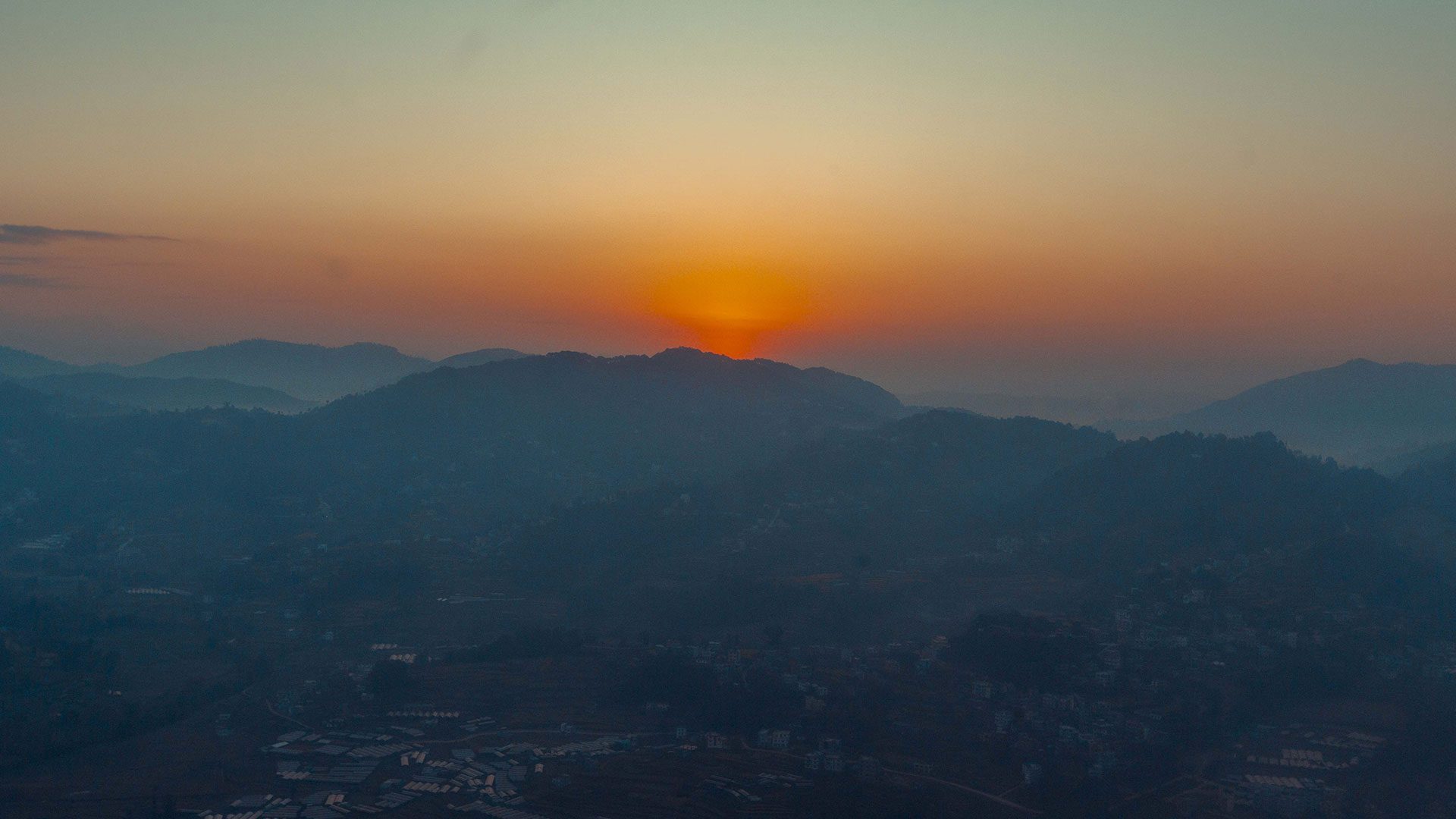
Since the moment you arrive at Kathmandu in the early morning, the speed at which the helicopter tour of the Everest Base Camp is arranged is such that it gives you the optimum scenic shots without making your experience uncomfortable, unsafe, and forgettable.
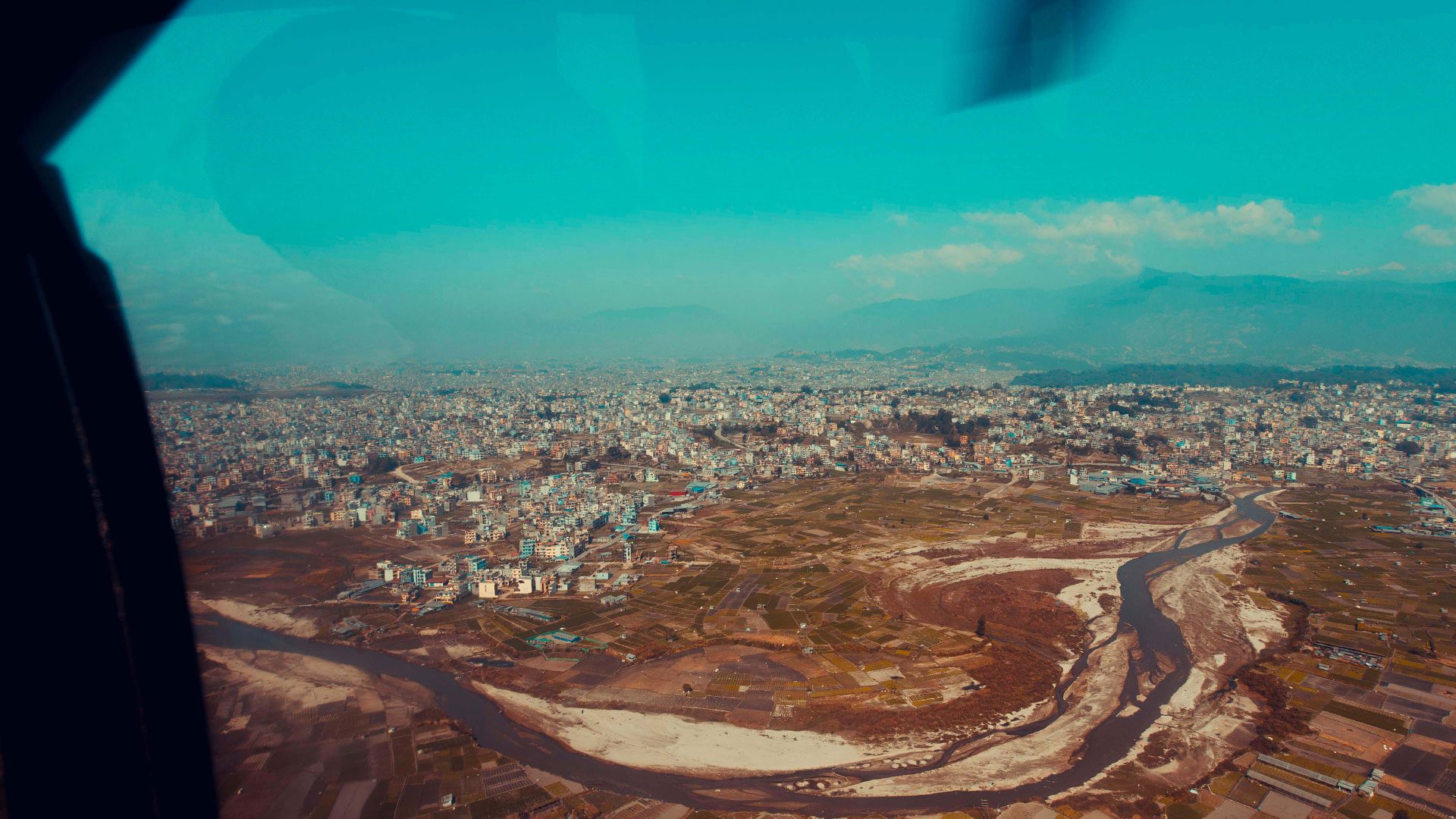
You will begin with a hotel pick up in Kathmandu and then move to Tribhuvan International Airport, where you will receive a pre-flight briefing which includes all information about the safety measures as well as high altitude suggestions. The helicopter then takes you off the fertile Kathmandu valley (some 1,400 m) up to the high mountains on a trip that is both close and breathtaking. The flight route provides a varying terrain – green hills and rocky and icy ridges – and within a few minutes, you would experience the contrasts of Nepal’s nature.
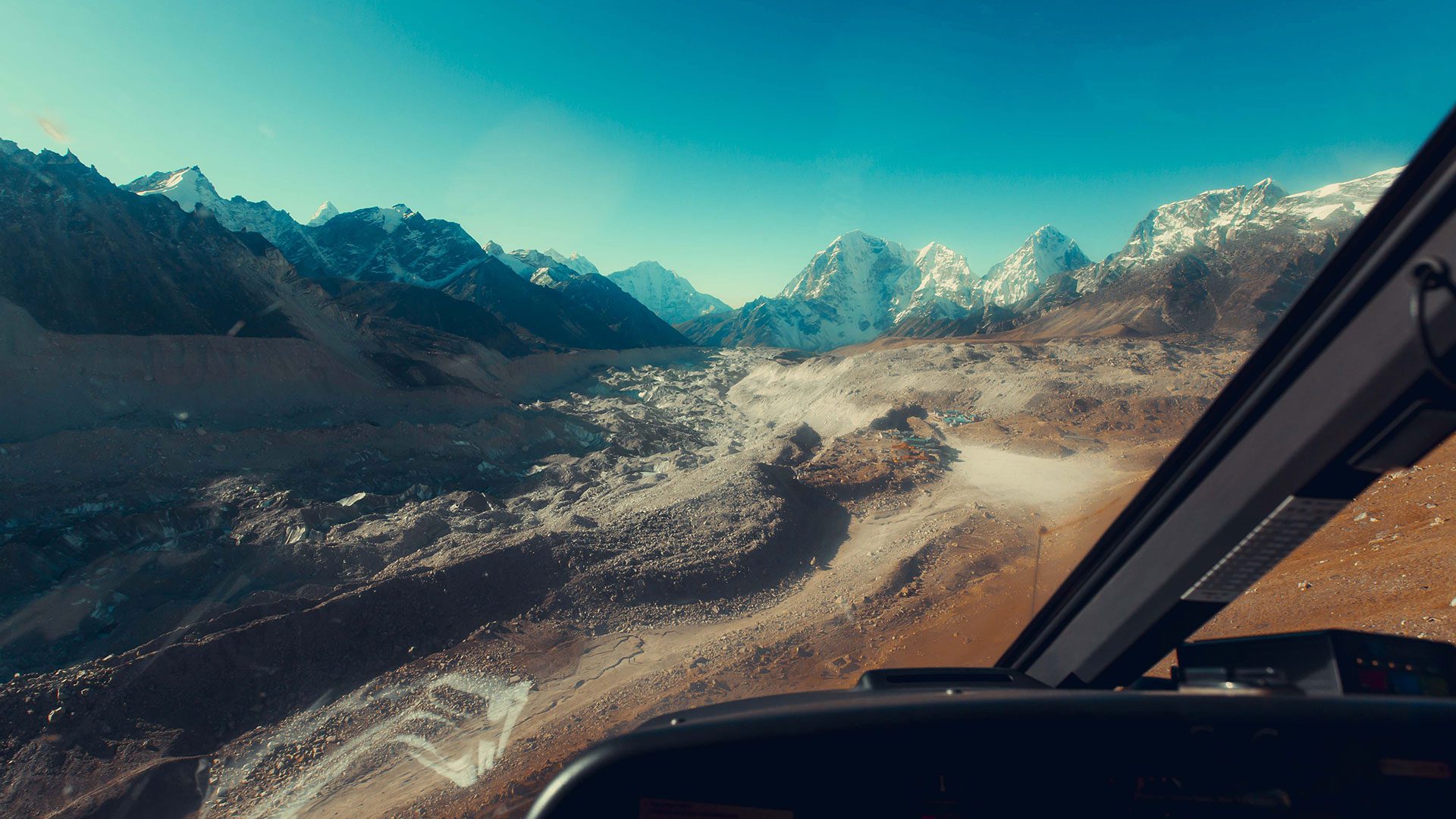
The initial flight will bring you to Lukla, which is the open door to the Everest region, located 2,860 m above sea level. This part of the Everest Heli Tour allows you can take in the immense magnitude of the Himalayas as compared to the small, vibrant airstrip. Out of Lukla, the helicopter will be flying on to Pheriche (4,371 M), over Namche Bazaar, Tengboche Monastery and Khumbu Glacier. Another reason is that a large group of passengers carried by helicopters is seldom flown above an altitude of about 4,000 m because of weight limitations related to high altitudes; it is safer in the thin mountain air.
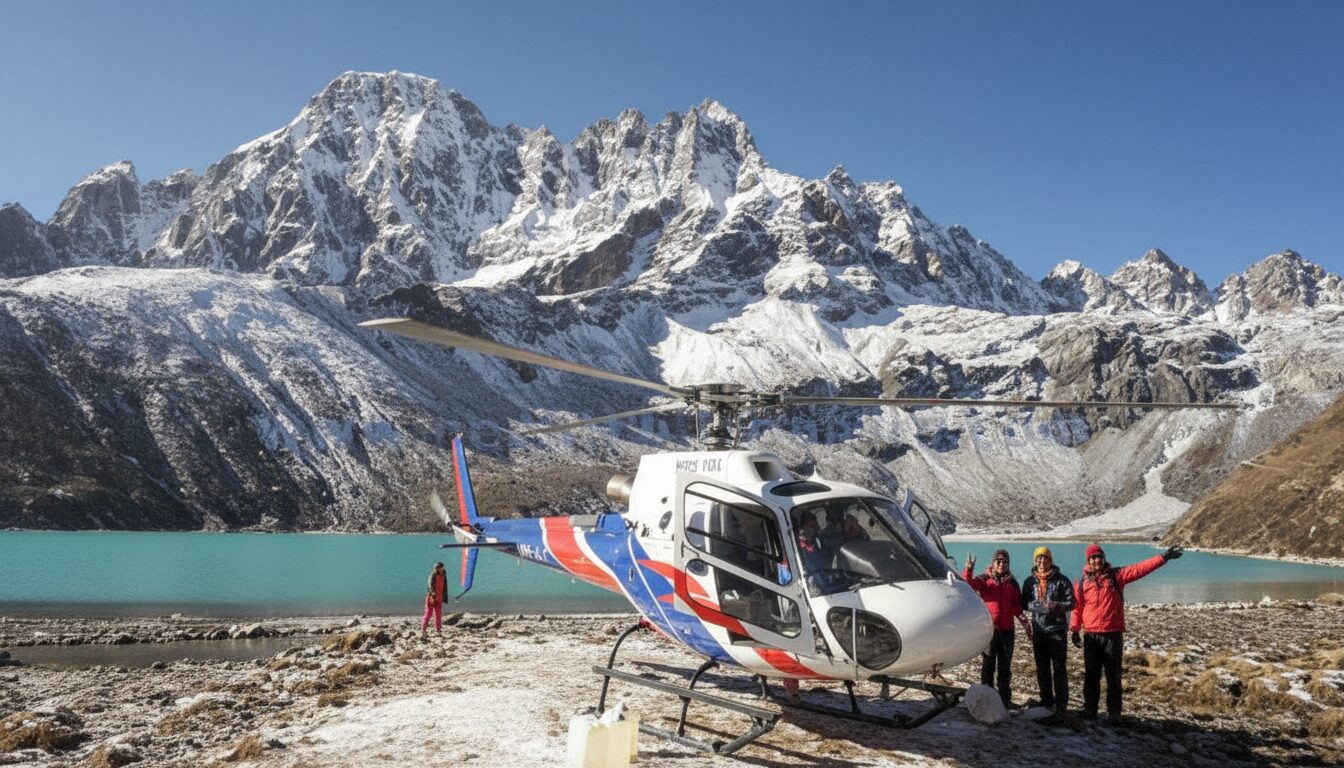
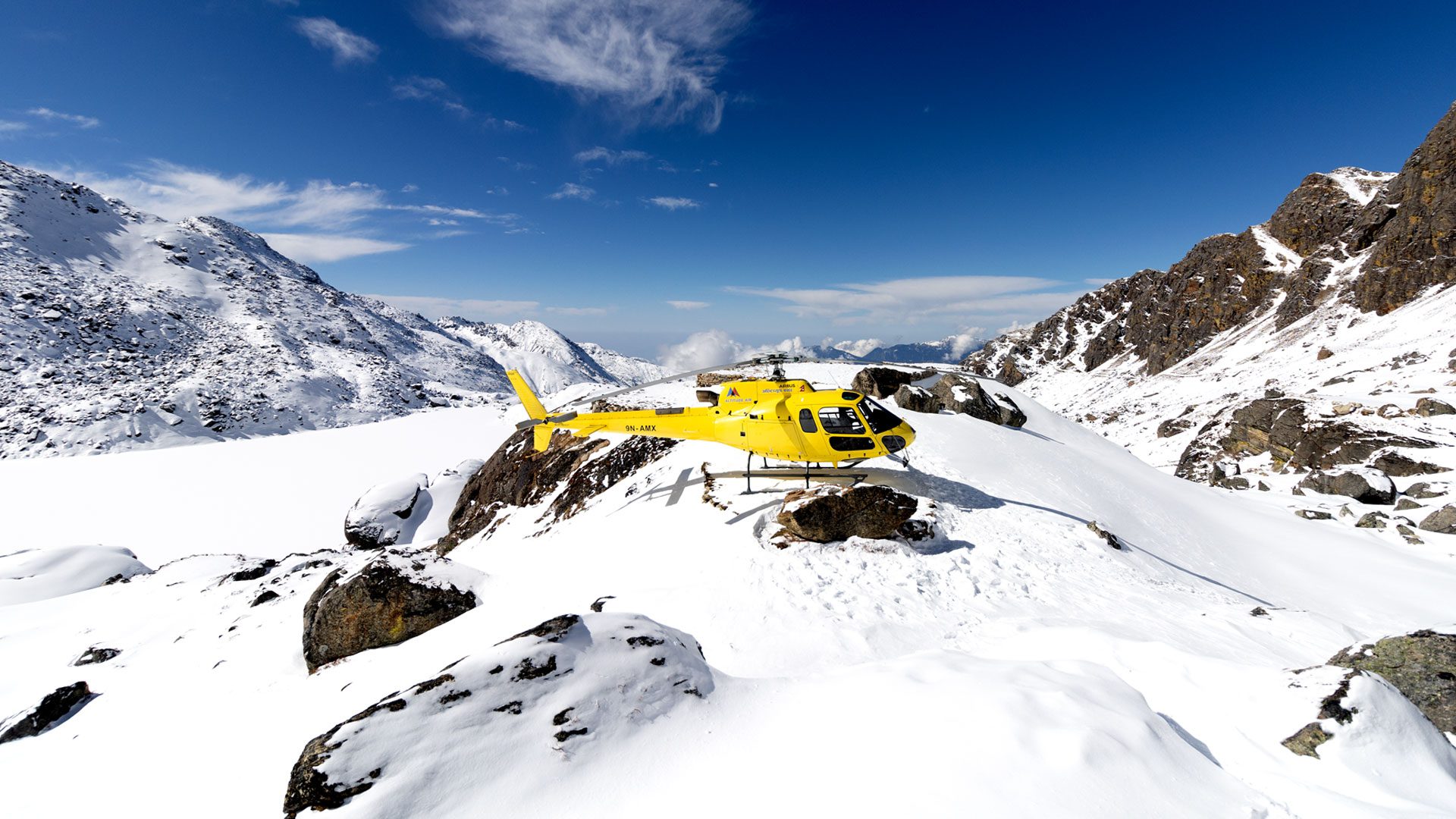
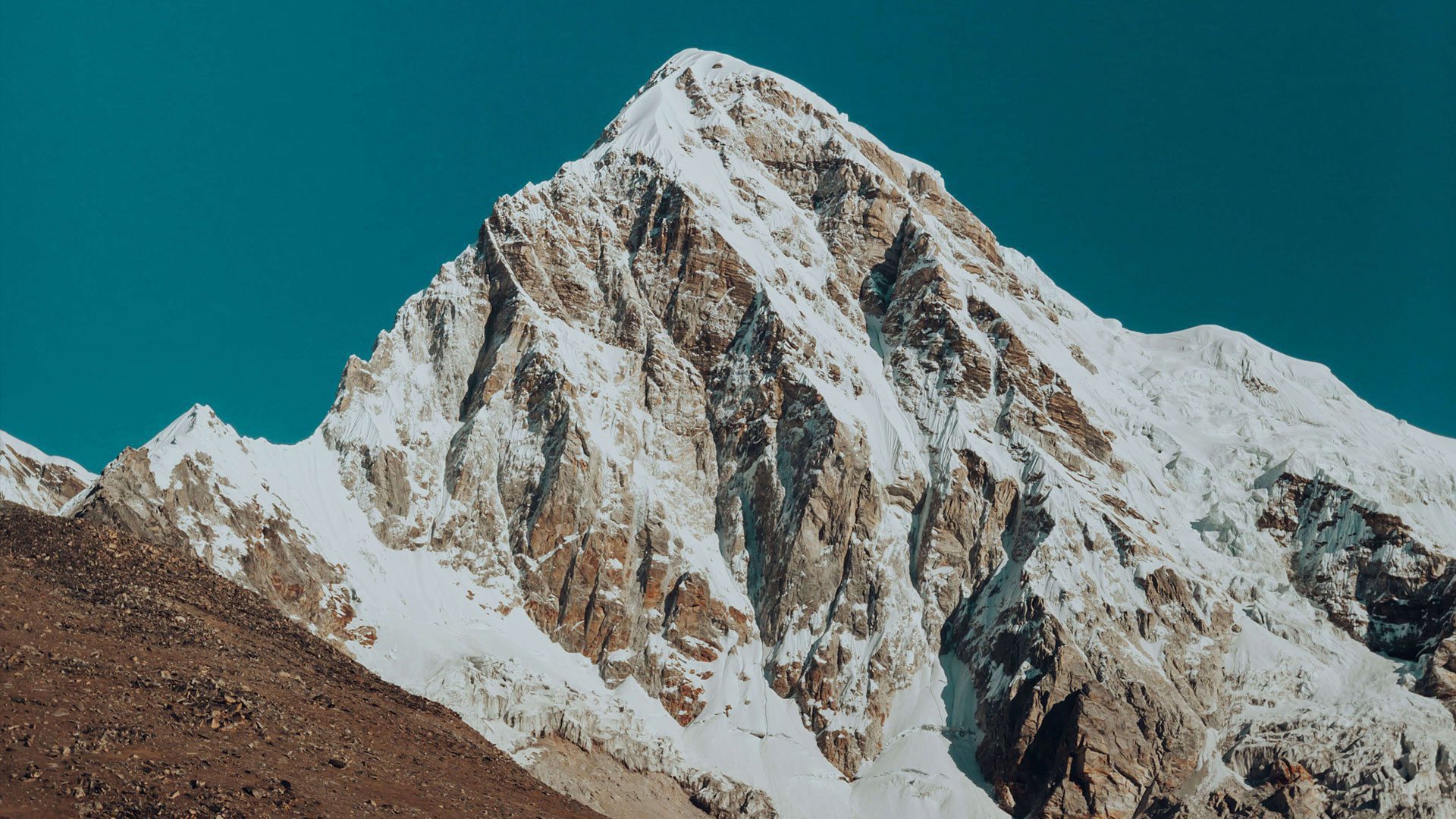
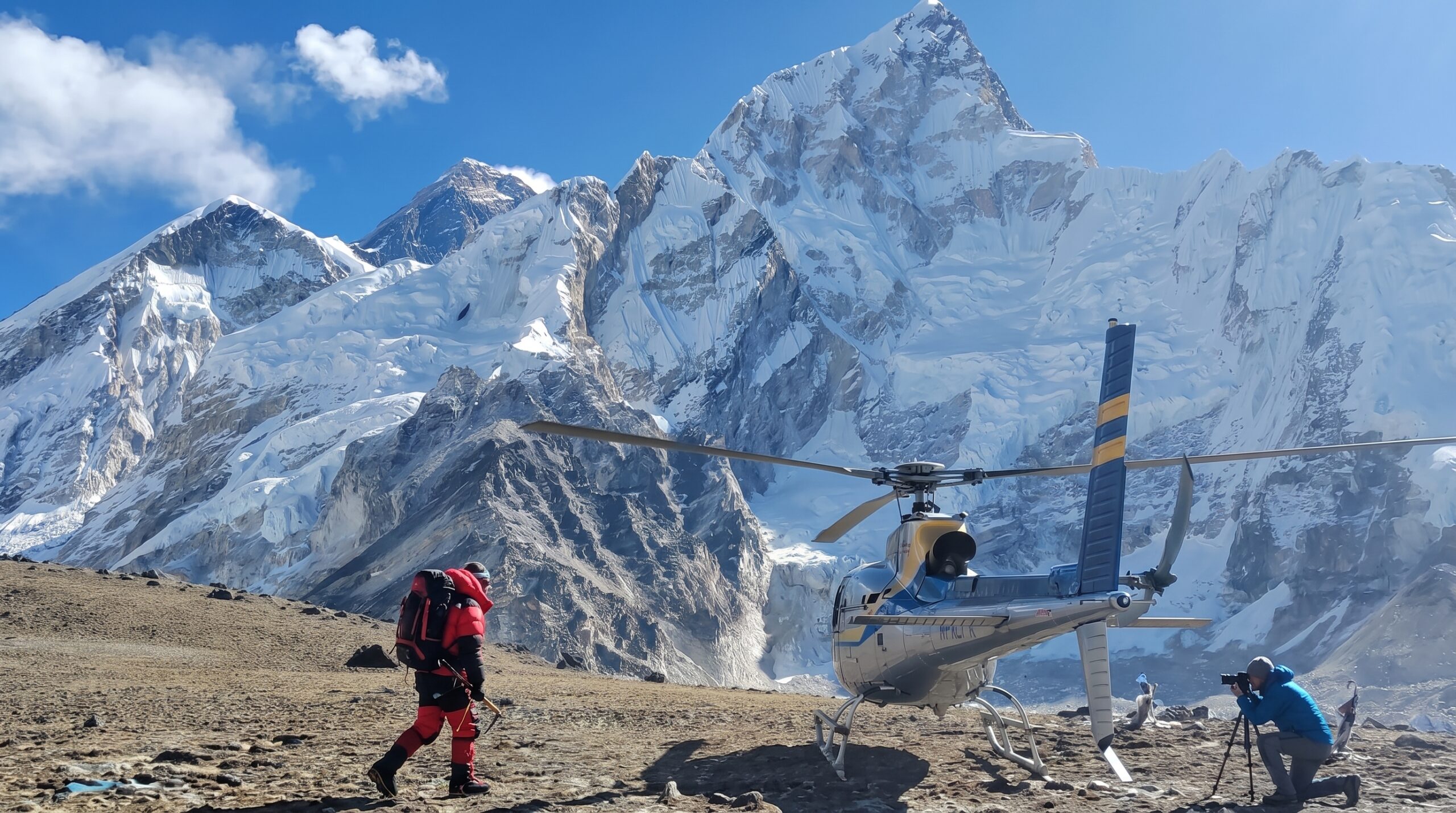
The best part of the Everest Base Camp helicopter tour is the part leading to Kala Patthar, one of the highest viewpoints available by air. The Kala Patthar has a height of approximately 5,545 m and provides possibly the nearest aerial perspective of Everest as seen in this tour.
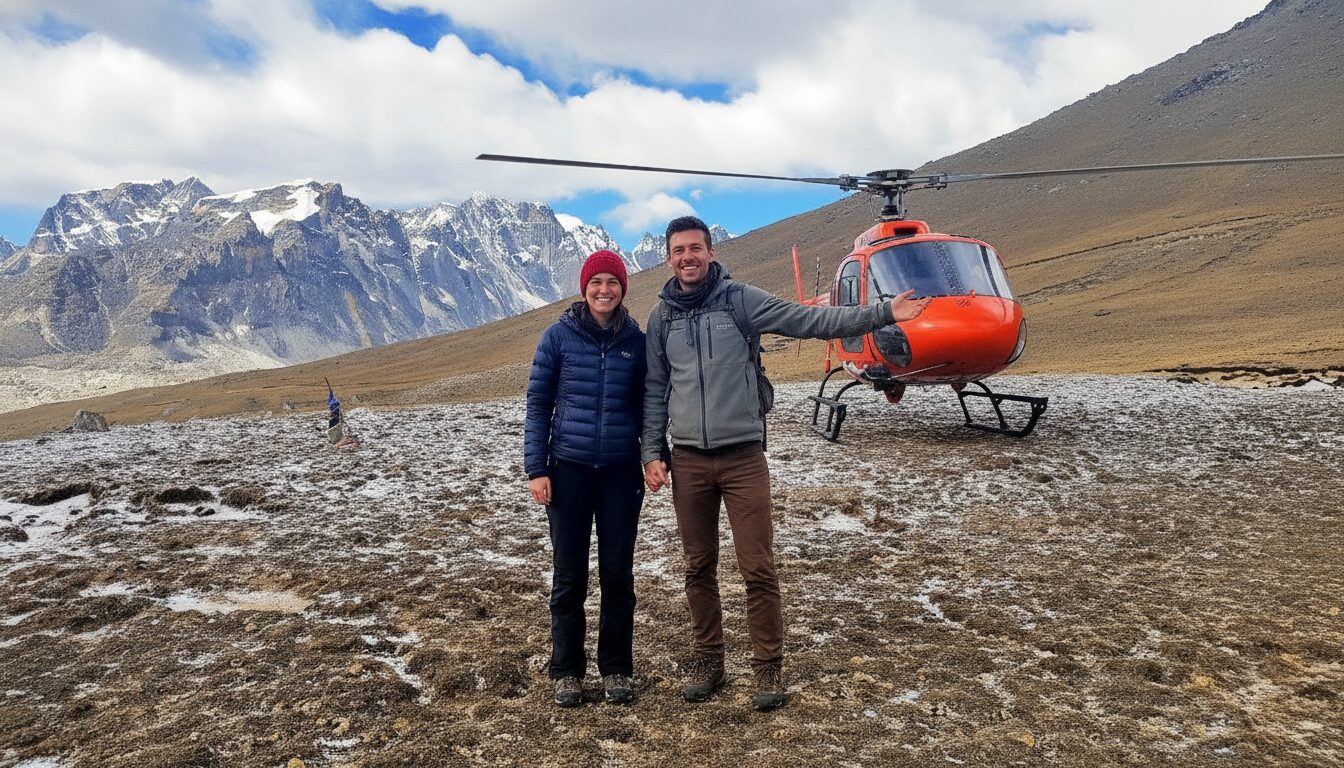
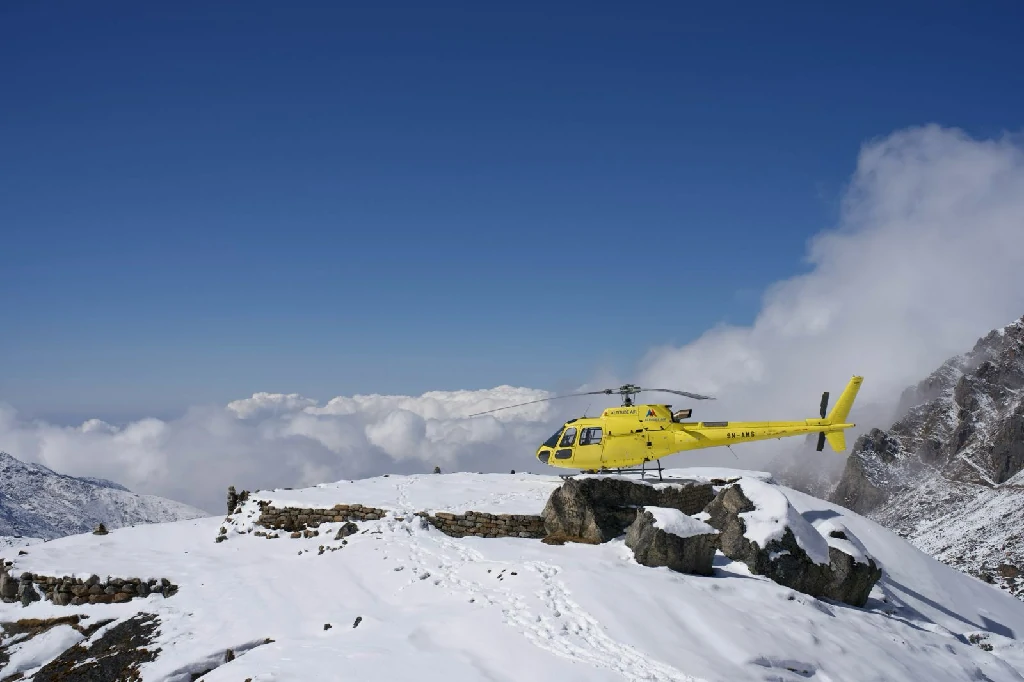
Although helicopters cannot land on the rocky area of Everest Base Camp (because of unstable glaciers and tents and gear of the climbers), the Kala Patthar helicopter tour part will offer you to get out to the unstable, rugged ground to have a look at the 360-degree vistas and even to shoot the once-in-a-lifetime pictures. It can only accommodate a few passengers (one or two) at a time due to its height, but the spectacular view that can be seen here justifies every minute spent.
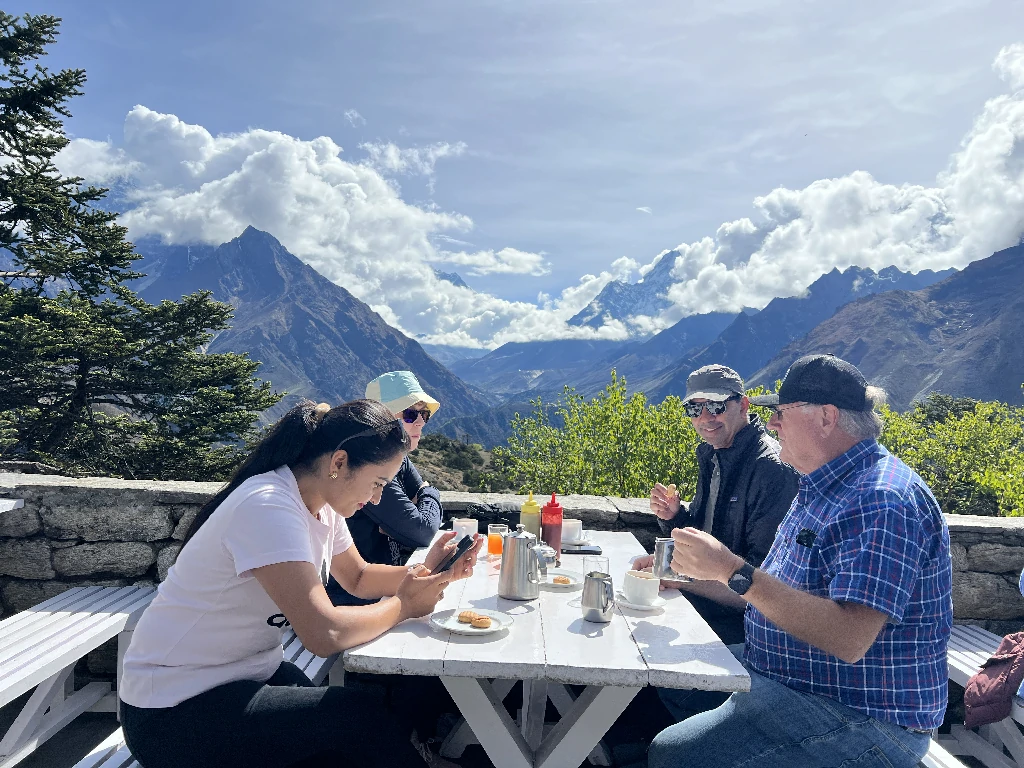
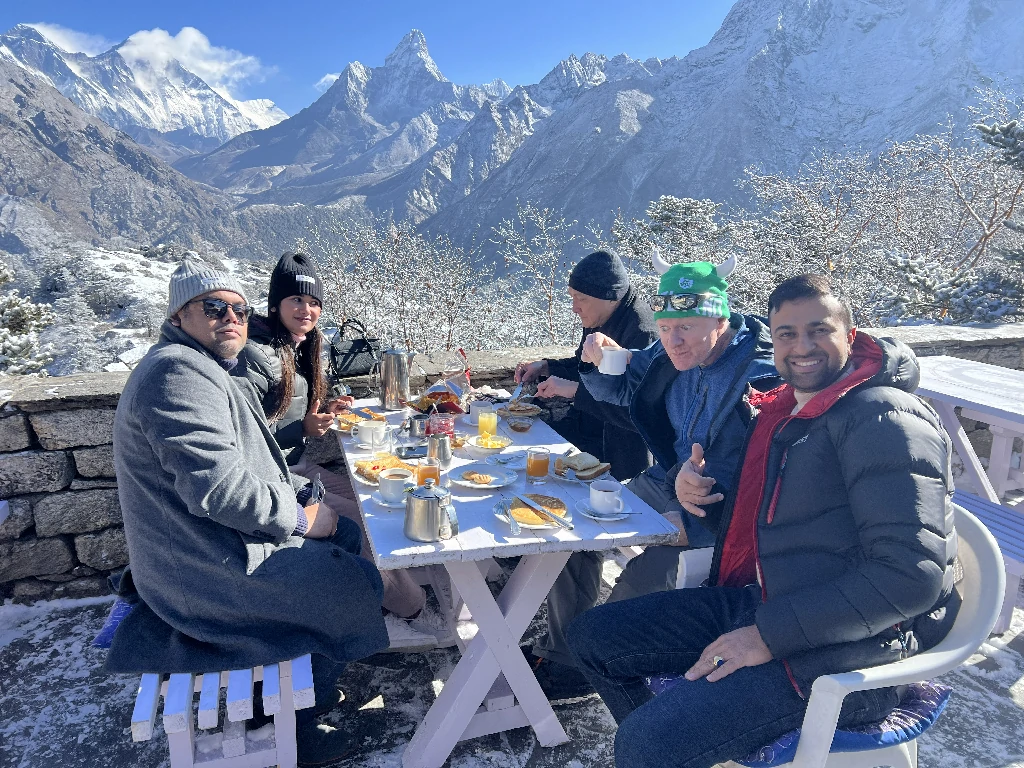
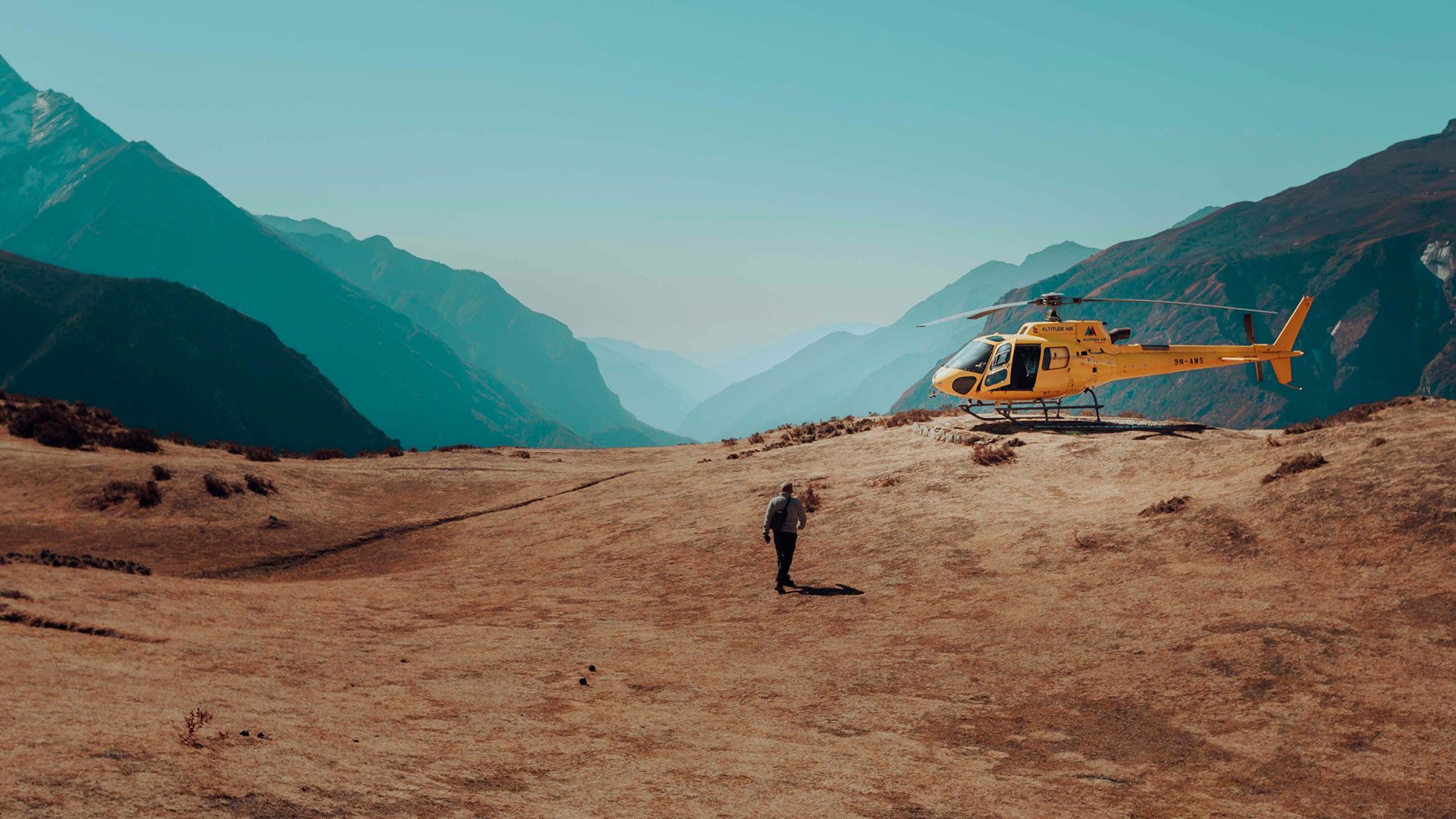
The path leads to the legendary Everest View Hotel at 3880 m after taking time to see the scenery at Kala Patthar. Being called one of the highest hotels in the world, this place is mentioned in the Guinness Book of World Records, and it gives an opportunity to have a hot breakfast and be surrounded by the mountains that appear to be so close that it seems that it is possible to touch them.
The high mountain air, combined with a heart-warming meal and breathtaking scenes, provides the traveller with a relaxing yet thrilling experience in the middle of the journey. This is one of the rarest experiences you may ever have when you are eating breakfast thousands of meters above the sea level and can see the Everest in its full view, which is what has made this tour so famous.
The Everest Base Camp helicopter tour is an ideal adventure and yet a comfortable experience for many visitors. Within a few hours, you get to witness dramatic Himalayan sceneries, get comfortable with classic viewpoints, such as Kala Patthar and Everest View Hotel, and come back to Kathmandu with memories – and images that will last a lifetime.
By marking an accomplishment, achieving a dream, or just wanting something different to see the Roof of the World, this trip transforms the Everest experience into something that would be affordable, effective, and very powerful.
Everest Heli Tour Vs Everest Base Camp Trek
The Everest region offers breathtaking experiences all year round, but the season greatly affects trekking and helicopter tours. Winter and monsoon seasons bring cold, wind, and occasional heavy snowfall, while autumn and spring provide the clearest skies and more stable weather for both trekking and flights. Travelers can choose from helicopter tours for a quick, scenic experience or Everest Base Camp treks for a full adventure on foot.
| Experience | Duration | Best Season | Notes |
|---|---|---|---|
| Everest Heli Tour | 5 to 6 Hours | Autumn Spring | Fly over or optional landing at Kala Patthar or Base Camp; quick and scenic |
| Everest Base Camp Trek | 12 to18 days | Autumn Spring | Full trekking experience; iconic Himalayan views; can combine with heli return |
Tour Highlights of the Everest Heli Tour in 2026 | 2027
- Himalayan Views Panoramic: See Mt. Everest, Lhotse, Nuptse, Ama Dablam, Pumori, Lobuche Peak and Island Peak in one unforgettable trip.
- Namche Bazaar: Get a spectacular view of the popular Sherpa village, which is situated high in the Himalayas.
- Lukla & Pheriche Landings: The excitement of a helicopter landing in Lukla, the entry point to Everest, and a scenic high altitude village known as Phoriche with a panoramic view of the Himalayas all around.
- Tengboche Monastery: Fly above this historic monastery, which is surrounded by prayer flags and high mountains and feel its religious and peaceful atmosphere in the air.
- Khumbu Glacier and Alpine Landscapes: Witness the majestic deep Gully in the Khumbu Glacier and the vast alpine landscape in the Everest region harmony with perfect beauty.
- Fly to Kala Patthar and Everest Base Camp: Fly an air sightseeing of the mountainous terrain known as 360 view at 5545m, as close as one can get to the mountain, closer to the flight.
- Everest View Hotel Breakfast: Savor a yummy breakfast on the summit of the earth in the tallest hotel (3,880m) and observe the mountain sceneries as never before.
- Individual and Group-sharing Flights: Select an individual helicopter flight or a group-sharing flight where one gets guaranteed high-altitude flights with guaranteed window seating for the Everest heli tour.
Book Now, Pay Later
Claim your trail spot, settle the bill on your own timeline.
- On Call Round the Clock — Whether it’s midnight questions or same-day bookings, we’re ready.
- Change of Plans? No Problem — Free cancellation up to 24 hours before departure.
- Mountain Experts Since 2009 — Over 15 years navigating the Himalayas, trip after trip.
- Honest Pricing, Safe Payments — No hidden fees, bank-level payment security.
- A Community of Happy Trekkers — Thousands trust us with their adventure, again and again.
EBC Helicopter Tour Itinerary
Your Journey, Step by Step
Helicopter Flight to Lukla Airport (2,860m)
The first leg lasts about 50 minutes. The green hills, rivers, and terraced fields of Nepal yield to the looming Himalayan foothills can be seen as the helicopter lifts off. Instead, during a clear day, mountains such as Manaslu and Ganesh Himal that can be seen a long distance away dramatically introduce the high Himalayas. Lukla airstrip enters the scene, which is a busy center of trekkers heading towards Everest. The flight carries a maximum of five people, making it a personalized experience where each client is assigned a window seat to view the snow-capped mountains and forested valleys unhindered.
Lukla to Pheriche (4,371m) Helicopter Flight
The helicopter then flies out of Lukla, heading to Pheriche, which is a small yet bustling village of teahouses and mountain lodges. On the way, you will be able to fly over the Namche Bazaar, the Tengboche Monastery, and the great Khumbu Glacier, taking in the actual size of the Himalayas. In Pheriche, the weather is considerably colder and warm clothes should be used. The helicopter has a full capacity of three passengers in the air over 4000 m because of the weight factor at high altitude. Pilots can divide groups into several shuttle flights. They all get a safe and comfortable trip and have ample photo opportunities.
Flyover above Everest Base Camp / Landing at Kala Patthar (5,545m)
It is now the heart of the Everest Base Camp Helicopter Tour. Leaving Pheriche, the helicopter starts flying over the Khumbu Glacier, and Pumori and Gorakshep can be seen below. The views of Everest, Lhotse, Nuptse, and Ama Dablam are close, contributing to the impression that the passengers can reach them by hand. At Everest Base Camp, helicopters will land for 15 minutes because of the glaciers, tents, and unstable surfaces. So you have to take photos and see the sights. In case guests opt for the Kala Patthar landing, the helicopter lands on a rocky plateau. The average time to land is 5-10 minutes due to limited altitude and weight, and oxygen on board, with a total of two passengers on board per solo flight. It is a lifetime achievement to take panoramic views of the highest mountain in the world and the other mountains around it in their splendour.
Fly to Everest View Hotel (3,880m) -Breakfast Stop
The second destination is the Everest View Hotel, the highest hotel in the world, and this is found in the Guinness Book of Records. The helicopter will make a short landing, and you will have time to have breakfast with the perfect mountainous view. Here, you have panoramic views of Everest, Lhotse, Nuptse and Ama Dablam. Coffee and eggs or the traditional Nepalese foods are served; however, the view is what matters. Bring your camera, the hotel has one of the most scenic places on Earth. Free Wi-Fi is optional and gives you the opportunity to share your adventure on Everest.
Fly Back to Lukla (Refueling Stop)
The helicopter takes off again after breakfast, once more traversing the Khumbu Valley. In morning light, mountains seem to be of entirely different aspects, with shadows creeping down glaciers and up ridges. This leg gives one another opportunity to capture glaciers, villages, and hikes crowded below. Every flight is unique as pilots can follow slightly different routes to maximize visibility and to avoid turbulence.
Return Flights-Lukla Kathmandu Hotel Drop-off
The last leg is back to Kathmandu, and it also has a gradual descent of the high Himalayas to Kathmandu Valley. There are the villages, rivers and terraced fields travelling beneath that give some impression of life on high levels. This flight is ideal to reminisce about the adventure, go through photos, and take the time to enjoy the mountains. The Everest Heli Tour ends with landing at Tribhuvan International Airport, where you are then transferred to your hotel. You will come back with the memories of Everest, Kala Patthar and Khumbu Valley that will remain with you forever.
Customize this trip with help from our local travel specialist that matches your Interests.
Customize This TripEBC Helicopter Tour Inclusions
What’s Covered in Your Adventure
- Pick and Drop service from the hotel in a tourist car but remember to send us the hotel's name and address.
- Private helicopter trip to Everest Base Camp with flight back to Kathmandu, up to 5 people per trip.
- Payment for oxygen and first aid.
- Government and office charge taxes and fees.
- Insurance coverage for both the helicopter and all passengers
- Landing at Hotel Everest for breakfast.
- Flyover of Everest Base Camp and Kalapathar (so you get aerial views even without landing)
- Meals, snacks, beverages, and certain additional expenditures are self-paid and are not incorporated into the overall cost of the package.
- For other extra activities, you will spend around $25 each person to access Sagarmatha National Park, which is not covered under the package.
- All types of soft and hard beverages are covered in the package for both intra and inter trips.
- Breakfast at Everest View Hotel (USD 32 or NPR 4,500) – not included in the tour price.
- Airport tax passengers must pay this separately which is $6 or 900 NRP.
- A fee of $16 per person permit for entering Khumbu region.
- Travel Insurance.
- International Airfare.
- Tip to the guide and the driver. (Tipping is expected)
- Landing at Kalapathar and Everest Base Camp – these are optional and cost extra if requested.
- The cost of a visa to enter Nepal charge: 15 Days - $30, 30 Days - $50, 90 Days - $125

Fixed helicopter Flight Departures
Departure Date
Availability
Action
Oct 01 (Thursday)
Limited slots
Oct 02 (Friday)
Limited slots
Oct 03 (Saturday)
Limited slots
Oct 04 (Sunday)
Limited slots
Oct 05 (Monday)
Limited slots
Oct 06 (Tuesday)
Limited slots
Oct 07 (Wednesday)
Limited slots
Oct 08 (Thursday)
Limited slots
Oct 09 (Friday)
Limited slots
Oct 10 (Saturday)
Limited slots
Oct 11 (Sunday)
Limited slots
Oct 12 (Monday)
Limited slots
Oct 13 (Tuesday)
Limited slots
Oct 14 (Wednesday)
Limited slots
Oct 15 (Thursday)
Limited slots
Oct 16 (Friday)
Limited slots
Oct 17 (Saturday)
Limited slots
Oct 18 (Sunday)
Limited slots
Sep 13 (Sunday)
Limited slots
Sep 14 (Monday)
Limited slots
Sep 15 (Tuesday)
Limited slots
Sep 16 (Wednesday)
Limited slots
Sep 17 (Thursday)
Limited slots
Oct 19 (Monday)
Limited slots
Oct 20 (Tuesday)
Limited slots
Oct 21 (Wednesday)
Limited slots
Oct 22 (Thursday)
Limited slots
Oct 23 (Friday)
Limited slots
Oct 24 (Saturday)
Limited slots
Oct 25 (Sunday)
Limited slots
Oct 26 (Monday)
Limited slots
Oct 27 (Tuesday)
Limited slots
Sep 27 (Sunday)
Limited slots
Oct 28 (Wednesday)
Limited slots
Oct 29 (Thursday)
Limited slots
Oct 30 (Friday)
Limited slots
Oct 31 (Saturday)
Limited slots
Nov 01 (Sunday)
Limited slots
Nov 02 (Monday)
Limited slots
Nov 03 (Tuesday)
Limited slots
Nov 04 (Wednesday)
Limited slots
Nov 05 (Thursday)
Limited slots
Nov 06 (Friday)
Limited slots
Nov 07 (Saturday)
Limited slots
Nov 08 (Sunday)
Limited slots
Nov 09 (Monday)
Limited slots
Nov 10 (Tuesday)
Limited slots
Nov 11 (Wednesday)
Limited slots
Nov 12 (Thursday)
Limited slots
Nov 13 (Friday)
Limited slots
Nov 14 (Saturday)
Limited slots
Nov 15 (Sunday)
Limited slots
Nov 16 (Monday)
Limited slots
Nov 17 (Tuesday)
Limited slots
Nov 18 (Wednesday)
Limited slots
Nov 19 (Thursday)
Limited slots
Nov 21 (Saturday)
Limited slots
Nov 22 (Sunday)
Limited slots
Nov 23 (Monday)
Limited slots
Nov 24 (Tuesday)
Limited slots
Nov 25 (Wednesday)
Limited slots
Nov 26 (Thursday)
Limited slots
Nov 27 (Friday)
Limited slots
Nov 28 (Saturday)
Limited slots
Nov 28 (Saturday)
Limited slots
Nov 29 (Sunday)
Limited slots
Nov 30 (Monday)
Limited slots
Everest Helicopter Tour Map
Navigate Your Journey

Good to Know
Useful Information for EBC Heli Tour
Everest Helicopter Tour with Landing: Private or Group Sharing?
The experience to take with you is to go to the Everest Helicopter Tour with Landing, an amazing adventure which brings you close to the highest points on earth without days of walking. You may opt to take a private Everest heli tour to have an individual experience or a collective helicopter tour to get a cost-effective one. See breathtaking sceneries of Mount Everest, Lhotse, Nuptse, Ama Dablam and the Khumbu Valley. Take amazing snapshots at the well-known Kala Patthar. Everest Base Camp helicopter tour is an adventure that provides comfort, security and lifetime memories in the core of the Himalayas.
Group Sharing Everest Base Camp Helicopter Tour
A group sharing Everest Base Camp helicopter tour is kind of perfect if you want the views without the long trek. It’s cheaper than a private ride and doesn’t take hours of hiking. Normally, the maximum number of passengers that can be carried by a helicopter is 4 to 5.
A helicopter flight provides passengers with an economical method of viewing the beauty of Everest’s scenery without the expense of taking a private helicopter charter.
Group-sharing helicopter flights from Pheriche offer guaranteed window seating, while strictly adhering to altitude and weight restrictions for passenger safety.
For some, it feels small and personal. You fly over green hills, deep valleys, rivers, and of course, the massive peaks, including Everest. Solo traveler or not, it’s a crazy way to see the mountains up close without breaking a sweat.
Pros
- Cost-Effective
- Great for Solo Travelers
- Social Experience
Cons
- Fixed Schedule and Less Flexible
- Limited Personalization
- Weight Restrictions
Private Everest Base Camp Helicopter Tour
Private Everest Base Camp helicopter tours are just for you or your group. You pick when to go, how long to stay at Kala Patthar or Everest View Hotel, maybe even the route. Private helicopter flights generally allow for 2-5 passengers, depending on which helicopter model you are flying in. Private helicopter flights generally offer a more enjoyable experience than that of a shared tour because they provide more space and comfort for the passengers who fly with them.
It’s quiet, comfy, and no strangers. The views are insane—Everest and all the peaks. Great for photos, couples, or anyone who wants the mountains without a shared flight.
Pros
- Ultimate Privacy & Comfort
- Flexible Itinerary
- Better Photo & Viewing Opportunities
Cons
- Expensive
- Limited Availability
Simple Cost Breakdown: Private vs Group Share Helicopter Tour Cost
This table shows the cost breakdown for private and shared helicopters according to the group. It makes it easier to make plans for which tour you are deciding to take:
| Group Size | Private Tour (Per Person) | Sharing Tour (Per Person) | Best For |
| 1 Pax | $5,500 | $1,500 | Solo budget travelers |
| 2 Pax | $2,800 | $1,400 | Couples & duos |
| 3 Pax | $2,000 | $1,300 | Small groups & families |
| 4 Pax | $1,800 | $1,200 | Corporate or group trips |
| 5 Pax | $1,400 | $1,100 | Maximum value or Full aircraft |
Everest Helicopter Tour with Kala Patthar Landing
The Kala Patthar helicopter tour segment, coupled with the Everest Base Camp flight, is considered to be one of the most memorable parts of the Everest Base Camp helicopter tour, and the reason why many travelers opt to have this experience over a traditional trek. This part of the expedition provides dramatic views of the Himalayas that hardly anyone could ever see with their own eyes. It is the best experience of any Everest heli tour.
Why Kala Patthar Offers the Best Everest Views
The Kala Patthar is at a height of about 5545 meters, and it is one of the highest places that can be reached by helicopter in the Everest region. Although there are more conventional hiking tracks taking one to the top of peaks and sights, there are hardly any places where one can enjoy a clear view, as Kala Patthar does.
Here, the horizon is broad, and the tops of the Everest, of Lhotse, and Nuptse, are quite visible and simply wonderful to behold. The Kala Patthar, in contrast to the Everest Base Camp, which is lower and located in a sea of tents and climbing equipment, is a bare rocky ridge that provides an excellent viewpoint of the landscape, avoiding any visual interference. Helicopter landing in this dream renders it closer than ever before, particularly to people who cannot walk for many days.
One of the most frequently asked questions by people visiting the Everest heli tour is whether the planes may land at the Base Camp during the visit. The answer to this question is simple: helicopters do not land at the Everest Base Camp.
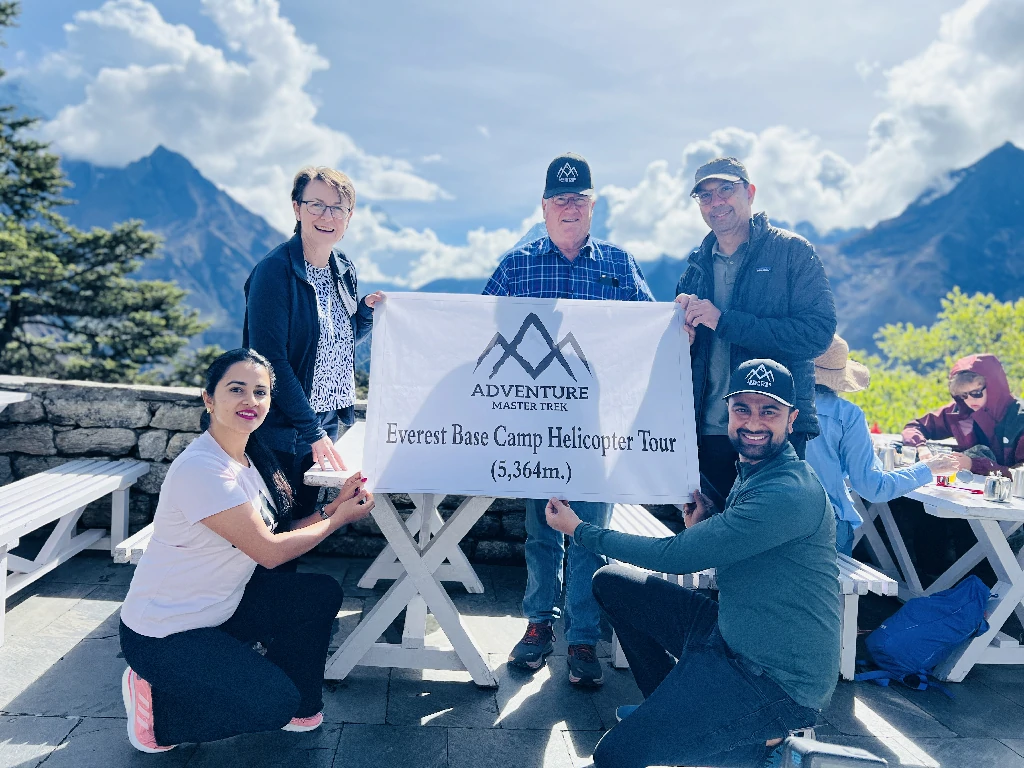
The base camp zone, at approximately 5,364 meters, is characterized by an unstable glacial landscape, crevasses and tents and gear belonging to the climbers who are about to take off. This renders landing risky and unfeasible.
Rather, helicopters will fly past the campgrounds in a flyover, which will allow the passengers to have a glimpse of the whole camp set up, the climbing paths of the climbers and the huge Khumbu Icefall through the comfort of their helicopter seats.
Conversely, Kala Patthar is rocky terrain, solid, which provides a rare landing point on the rugged terrain of the Himalayas to the high territory that is used safely by pilots travelling through in short problems. In the Kala Patthar helicopter tour stop, the helicopter lands momentarily so that passengers can step out of it and spend between 10 and 15 minutes.
This has been sufficient time to stretch, take photographs, get absorbed with the magnitude of the mountains, and have memories that will live long without the days of trekking that is normally involved to get to heights.
Mountains You’ll See Up Close
The mountain view is amazing both by air and from the vantage point of Kala Patthar landing. Some of the major peaks during the flyover and landing are:
- Mount Everest (8,848.86 m) – The tallest mountain in the world that overtakes the horizon.
- Lhotse (8,516 m) – The close neighbor of Everest, which is steep and impressive.
- Nuptse (7,861 m) – This is a huge mass that can be seen in various directions.
- Ama Dablam (6,812 m) – This is characterized by its pyramid-like form.
- Pumori (7,161 m) – This mountain is frequently positioned opposite the profile of Everest.
- Island Peak / Imja Tse (6,189 m) – A striking trekking peak rising from the Imja Valley, clearly visible with its sharp summit and icy flanks.
- Changse (7,543 m) – The “North Peak” of Everest, appearing massive and snow-covered from Kala Patthar.
- Khumbutse (6,636 m) – A rugged, lesser-known peak with a dramatic rocky face near the Khumbu Glacier.
- Lingtren (6,749 m) – A sharp ridge peak that stands prominently to the west of Everest, often overlooked but impressive.
- Taboche / Tawoche (6,542 m) – A bold, steep mountain dominating the western skyline with sheer rock walls.
- Cholatse (6,440 m) – A jagged peak connected to Taboche, forming a dramatic alpine skyline.
- Lobuche East (6,119 m) – A prominent trekking peak with a well-defined ridge visible from Kala Patthar.
- Lobuche West (6,145 m) – Technically challenging and sharply sculpted, rising just beyond Lobuche East.
These summits look gigantic against the sky, and when you stand at the point of landing of Kala Patthar, the appearance of the mountain consists of a stratified viewpoint, which is referred to as unreal and nothing but pure magic by the photographers and lovers of the mountain.
Photography and Video Opportunities
The Everest heli tour also provides some of the best points on the planet for photography enthusiasts. Through the helicopter windows, you get to shoot a broad panorama of snowy mountain ranges and deep valleys with little hindrance.
The cameras are at liberty in Kala Patthar to record 360 degrees, and close-ups of mountain faces and vast sceneries that extend into the horizon. This is because the angle is unique, and you will take mountain faces, ridge lines, which most of the trekkers will not even see. It works with a smartphone, a mirrorless camera or professional equipment, but the experience can provide you with exceptional visual content both for your portfolio and even in your travel story.
Minutes spent at Peak Altitude
Despite its high altitude, landings are brief at 5 to 10 minutes to provide stunning scenery and moderate passenger comfort and safety. Helicopters fly fast to this height to allow you to have some time to observe the environment and then back to lower heights where the climate is not so hot. This controlled exposure reduces the danger of altitude sickness and still provides the effect of awe that makes this tour so magnificent.
Cost of Everest Helicopter Tour with Kalapathar Landing
The helicopter tour with a ground landing at Kalapathar is priced at $1,600 per passenger. This cost covers the helicopter flight and the exclusive opportunity to land at Kalapathar for about 10–15 minutes, allowing passengers to enjoy the stunning Himalayan views up close.
If you plan for landing in both Kalapathar and EBC, it will cost around $2,500 per person.
The length of flights varies based on the season. Flights normally take 15-20 mins from Lukla to Kalapathar. Flights may take around 5-10 mins from Periche to Kalapathar
A helicopter is capable of accommodating 2 passengers and has a window access of 4 passengers and a maximum of 5 passengers in a single flight.
Landing at Everest Base Camp: Is It Possible?
Regular trekkers and tourists are not normally permitted to land in Everest Base Camp via helicopters. The area is extremely restricted to save its delicate environment as well as to be safe, and the main means of reaching the base camp is trekking.
Limited landing under very special conditions, however, can be made under rescue operations of lost or injured climbers, or business, legal reasons, like scientific research, building, or delivery of supplies to official personnel. There are other instances where a special request may be made to the authorities to permit a landing, though permissions are very hard to come by and highly controlled. Permission must have valid grounds, be coordinated in advance and adhere to the safety and environmental guidelines.
Essentially, although technically feasible in extraordinary situations, the idea of landing tourist helicopters at Base Camp of Everest is very minimal and does not feature in normal trekking packages.
Cost of Helicopter Landing at Everest Base Camp
Helicopter landing at Everest Base Camp adds up to the cost of a helicopter landing of 500 dollars. It can only be operated by specialized helicopters, or a Eurocopter AS350 B3 or a Bell 407, which can fly to high-altitude areas and also land there.
The landing is subject to the weather conditions, available flat surface, and the choice of the pilot, which makes every flight individual. This alternative enables tourists to access these tourism attraction sites easily, as they appreciate panoramic views of the Himalayas.
Breakfast in Everest View Hotel (3,880 m)
The iconic destination within any Everest Base Camp helicopter tour is the Everest View Hotel, which offers comfort and breathtaking Himalayan views to the visitors.
The Breakfast Experience will offer breakfast to the local residents. Even breakfast at Everest View Hotel is a life experience. Menus can be varied according to the time of year, but common products are:
- Freshly brewed coffee or tea
- Breakfast, eggs, toast and local breakfast.
- Hot soups and Nepalese specials.
- Pastries and fresh fruit
It is more about the setting than the food. You are having your meal with giant mountains on either side. Whether you sit by the window table or you sit by a terrace where the mountain air flows, this meal will be added to your list of pleasant things about the Everest helicopter tour.
Guinness World Record Mention.
Everest View Hotel has been rated in the Guinness Book of World Records as one of the world’s best hotels with panoramic mountain views. As such, customers have a limited chance to have breakfast at high altitude without the need to spend days climbing a mountain. This is the only feature that makes the Everest heli tour stand out from the rest of the aerial sightseeing experiences.
360‑Degree Himalayan Panorama
When flying into the hotel, visitors are welcomed with a full 360-degree view of the Himalayan giants surrounding the hotel. It is in this perspective that Everest and her friends dominate the horizon and create an air of presence that can be difficult to capture with words. The mountains gleam in the early morning sun, the shadows cast by glacial valleys, and the air is cool and invigorating. One thing is to pass over these mountains; another is to have them for your breakfast table.
Average Temperature Range in Everest View Hotel
Even in the sun, the temperature may be chilly at an altitude of 3,880 meters. In both prime seasons (spring and autumn), the temperature in the daytime at the altitude may be between -2°C and 8 °C (28°F to 46°F). The mornings are usually cold, and warm jackets, hats, and gloves are advisable, though the sun may be shining. The lounge facilities of the hotel assist in alleviating the cold, although in the outdoor scenery, the use of layers is vital to enable one to enjoy the environment.
Time Spent at the Hotel
Most tours normally allow 45 minutes to 1 hour at the Everest View Hotel, but in on season, you might get a wonderful stay of upto 2 hours if the helicopters are occupied for emergency rescue, giving you time to soak in the breathtaking Himalayan vistas. This gives sufficient time to have breakfast and take pictures, and absorb the amazing environment without being in a hurry. The time interval compensates for the relaxation with the general time of the helicopter schedule, so that you arrive back in Kathmandu in the late morning.
WiFi Availability (Optional and Attractive)
WiFi is also available to many travelers in the Everest View Hotel, thus the hired guests are in a position to share photos or video highlights even when they are still on the mountain. Posting a breakfast photo with Everest in the background? That is the travel boasting rights in real-time.
Everest Helicopter Tour with Gokyo Landing
Gokyo to Kathmandu: A Flight Worth Experiencing
The take-off flight out of Gokyo to Kathmandu is, frankly speaking, a surreal experience. High in an airplane cutting through the clouds so thin as tissue paper, the mountains continue to roll around, Everest, Ama Dablam, the Khumbu Valley, all of them crouching in to grab your notice. It is quick, very quick, in comparison with walking back down to Lukla. Half an hour, perhaps a little. Morning rides appear the most appropriate; the air is clearer, and all things are more definite. It is somehow magical to view a spot that has been trekked through at the same time as being viewed through the air, and the lakes gleaming in the sunshine like scattered jewels.
Cost of Kathmandu to Gokyo
It is not pocket change that the price is. Shared seats are around USD 700-1000 per person from Lukla to Gokya and USD 1500 (Shared Based) from Kathmandu to Gokyo which may seem high when compared to the days, equipment, and power saved by not making the walk-back. The Private seat from 1 to 4 pax will cost around USD 4000 to 5500 from Kathmandu to Gokyo. Additional charges may be imposed on small airports or in certain seasons, and it is advisable to check prior to.
What does the experience of the Everest Helicopter Tour look like?
Ever since you take off, you will have the spectacular Himalayan terrain with you. When flying over Namche Bazaar, you will be able to observe the colorful Sherpa village below, and you will be able to absorb the culture of this place just by being in the air. Your journey will go on with more exciting landings in Lukla and Pheriche, where group flights give you a sure window seat where you can safely enjoy all the spectacular views, observing all the altitude and weight limits.
When flying above the Tengboche Monastery, you will be impressed by the peaceful beauty of the religious site being contrasted with massive mountains and swaying prayer flags. You will also get a great view of Mt. Everest, Lhotse, Nuptse, Ama Dablam, Pumori, Lobuche Peak and Island Peak in one flight that you will never forget.
Among the greatest moments of your trip is the landing at Kala Patthar, where you get out and have a complete 360-degree view of the Himalayas. Although it cannot be landed on every flight, by prior arrangement and extra USD 500, you will be able to enjoy this rare chance to be even nearer to the highest peak in the world. You will also get a hot breakfast at Everest View Hotel at an elevation of 3,880 meters where you will have a warm meal as you view the other mountains in the area.
You also have the option of USD 800 per person to take a helicopter to Kathmandu or USD 1,500 per person to take a helicopter to Everest Base Camp. The cost of landing at Gokyo Lake, USD 700 per person, can even be made up to two passengers per landing, should you wish.
The temperature in high altitudes during the helicopter tour varies between -5°C and 0°C, but it depends on the time of the year. During spring and autumn, there is a clear, crisp air. During the monsoon or winter, it may be colder and windier, hence tourists should be ready.
Permits and Fees for Everest Base Camp Helicopter Tour
When planning your Everest Base Camp helicopter tour, it’s important to understand that even though you are flying, certain permits and fees are required to legally enter and land within the Everest region. These permits not only ensure compliance with Nepal’s regulations but also support the conservation of Sagarmatha National Park and the local communities in the Khumbu region.
Sagarmatha National Park Entry Permit
All passengers flying into the Everest region must hold a Sagarmatha National Park entry permit, as the park is a UNESCO World Heritage Site. This permit covers aerial access and landings at designated points such as Kala Patthar and Everest View Hotel.
- Cost: Approximately NPR 3,000 per person (around USD 25).
- Purpose: Ensures legal entry into the park and supports conservation and park management efforts.
Most Everest Base Camp helicopter tour operators handle this permit for you in Kathmandu, making the process seamless and hassle-free.
Khumbu Pasang Lhamu Rural Municipality Permit
Besides the park permit, a local entry permit from the Khumbu Pasang Lhamu Rural Municipality is mandatory. This covers the administrative area, including Lukla, Pheriche, and other landing points in the region.
- Cost: Around NPR 2,000–3,000 per person (approximately USD 15–25).
- Purpose: Supports local development programs and community services.
Experienced Everest heli tour operators arrange this permit in advance so that you can focus entirely on enjoying the flight.
Airport Tax and Terminal Fees
Passengers departing from Kathmandu for the helicopter tour are required to pay the domestic airport departure tax, collected at Tribhuvan International Airport.
For flights in the Everest region, the airport tax amounts to $6 or 900 NRP per passenger.
This is a standard fee for all domestic flights in Nepal, including scenic and chartered helicopter tours.
Helicopter Flight Authorization
While passengers don’t directly handle this, it’s worth noting that all helicopter operators must obtain flight authorization from the Civil Aviation Authority of Nepal (CAAN). This ensures safe operations within high-altitude airspace and compliance with environmental regulations in the Everest region
Weight Limit and Group Size for the Everest Base Camp Helicopter Tour
The weight limit in an Everest Helicopter Tour is a significant contributor to the safety and functionality of assigning a helicopter for a given flight.
From Pheriche or Lukla, passengers are split into groups of two with guaranteed window seats due to altitude and weight limitations. Going from Lukla or Pheriche. Keeping the group small means everyone gets amazing, unobstructed views of the Himalayas.
Up high, the air is thin, so managing weight still matters to keep the helicopter stable.
To keep safety and machine effectiveness in check, a single shuttle will only permit three passengers from Pheriche to Kala Patthar or for the Everest View Hotel helicopter ride.
For groups bigger than 2, additional flights from either Pheriche or Lukla to Syangboche (Everest View Hotel) or Kala Patthar or Gokyo will be needed to ensure everyone’s comfort during the journey.
Moreover, the weight limit is 80-90kg per person. Should the weight limit be exceeded, it may become necessary to purchase an extra ticket, or more flights could be needed, so things don’t get messy later.
Then it’s smooth flying, epic views, and no surprises- just the mountains doing their thing.
The EBC helicopter tour is perfectly designed for single travellers, couples or small groups and is ideal for last-minute adventure lovers who do not want to miss out on getting a breathtaking view of the highest peak in the world.
Safety of Everest Heli Tour
The Everest helicopter tour is built to be safe, so you can just enjoy the ride. Flights are achieved by skilful and adequately educated Pilots proficient in mountain flying and largely familiar with the challenging region within the Himalayas.
The helicopters are relatively modern, reasonably new, and well serviced with high-security features that make the helicopters reliable for flying at advanced altitudes. In addition, thorough preflight checks are put in place, and in addition to this, no flight is done unless the weather permits to lessen the degree of risk. Sometimes they have to cancel or change the route if the weather isn’t good.
Another major safety concern is altitude sickness that might be caused by the extreme rise to 5,500m (Kala Patthar), which is often accompanied by severe discomfort.
To avoid this unpleasant feeling, oxygen cylinders and short stays at high altitudes make it bearable. Alongside this, there is a strict helicopter weight limit of 450–500 kg, of which 5 people can comprise from Kathmandu to Lukla/Pheriche and 3 people beyond Pheriche.
Pregnant travelers should ask a doctor first, and kids always need an adult. Skilled pilots, helicopters in good shape, safety checks, and all the altitude stuff make it safe, practical, and honestly a ton of fun.
Altitude Sickness Everest Helicopter Tour
Acute Mountain Sickness, or just AMS, can be an obstacle for the Everest helicopter tour. You go up fast to high spots like Kala Patthar or Everest Base Camp. Unlike trekking, where your body has time to adjust, the helicopter shoots you straight up. Mild altitude sickness can occur in very high areas of altitude, usually at elevations over 2.5 km (8,200 ft) above sea level. Many people experience these symptoms during their trek, but with proper safety measures, they can be controlled. Most people feel better within a day or two if they avoid climbing higher too quickly. Some feel it, some don’t — just something to watch out for.
Symptoms of Altitude Sickness
- Headache
- Dizziness or lightheadedness
- Shortness of breath
- Nausea or vomiting
- Fatigue or weakness
- Loss of appetite
How to Avoid Suffering From Altitude Sickness on a Helicopter Tour
You don’t stay long at high spots—maybe 10-15 minutes at Kala Patthar—so serious altitude sickness is pretty unlikely. Still, to make things easier:
- Stay well-hydrated before and throughout the trip.
- Refrain from consuming alcohol and heavy foods before the tour.
- If you are sensitive to altitude changes, seek medical advice regarding altitude preventative medication such as Diamox before the trip.
- Follow the pilot’s lead and guide in reference to movement and breathing patterns at extreme altitudes.
Just pay attention to how you feel and have a plan if altitude sickness hits. Usually, it’s not too bad on a helicopter tour since you’re only up high for a short time.
Discover Additional Helicopter Tours in the Everest Region
Trekking to Everest Base Camp is popular, but flying there gives you views you can’t get on foot. The views from above are insane. There are a bunch of different helicopter options, too—you can check out different corners of the region in a quick flight and just take it all in.
| Route | Duration | Cost (per person) | Notes |
|---|---|---|---|
| Kathmandu → Lukla | ~45 min – 1 hr | $500 | Smooth flight to Tenzing Hillary Airport; operates whole day; ideal start for EBC trek |
| Kathmandu → Namche Bazaar | ~55 min – 1 hr | $1,000 | Quick access to Sherpa town; views of Khumbu Glacier, Everest, Lhotse, Ama Dablam; timing depends on weather |
| Lukla → Gokyo Lake | ~20–25 min | $700 | Scenic flight avoiding long trek; views of turquoise lakes and Ngozumpa Glacier |
| Kathmandu → Gokyo Lake | ~1.30 hrs | $1,500 | Direct flight from Kathmandu; panoramic Himalayan views; includes Ngozumpa Glacier and Cho Oyu |
Helicopter Flight from Kathmandu to Lukla
Travelers who wish to trek the Everest region can bypass months of planning by taking a helicopter directly from Kathmandu to Lukla, saving time and avoiding possible delays caused by weather conditions.
Lukla serves as the primary gateway to the Everest region. Passengers traveling by helicopter will enjoy a smooth flight to Tenzing Hillary Airport, one of the most exhilarating airstrips in the world. Flights operate regularly, and the cost for this service is $500 per passenger.
Helicopter Flight from Kathmandu to Namche Bazar
Flying from Kathmandu to Namche Bazaar is like taking a super shortcut into the Everest region. Instead of trekking for days, you get there fast, and the views along the way are insane—Khumbu Glacier, the Dudh Koshi River, Everest, Lhotse, Ama Dablam, all of it. If you want to see Namche without sweating for days, this is the way to go.
Namche is a bustling Sherpa town and an important stop for Everest Base Camp trekkers. Arriving by helicopter gives travelers more time to soak in the scenery and local culture without a long trek. Flight timing depends on weather conditions, and the cost for this service is $1,000 per passenger.
Gorakshep to Kathmandu Helicopter Transfer
If you’ve done the trek to Everest Base Camp, taking a helicopter from Gorakshep back to Kathmandu is the fastest, easiest way out. After reaching Everest Base Camp or Kala Patthar, a helicopter flight from Gorakshep to Kathmandu is the fastest and most convenient way back.
This option is perfect for trekkers who are exhausted, short on time, or simply prefer a stress-free descent. The flight offers unbelievable views of glaciers, peaks, and valleys, making the journey as memorable as the trek itself. The price for this service is $1,600 per passenger.
Kathmandu to Everest View Hotel by Helicopter
If you’re after an unforgettable experience, flying from Kathmandu to the Everest View Hotel is a must. You get dropped off at one of the highest hotels in the world with Everest and other huge peaks all around.
This flight is perfect for tourists seeking epic mountain scenery, whether for a short visit or an overnight stay. The cost for this flight is $900 per passenger.
Quick Helicopter Flight to Gokyo Lake from Lukla
Not feeling the trek? Take a helicopter from Lukla to Gokyo Lake. Snowy peaks everywhere. Turquoise lakes are sparkling. The Ngozumpa Glacier is right there. Quick, easy, and absolutely amazing.
Gokyo Lake itself? Absolutely gorgeous — calm, peaceful, makes you just stop and stare. And there’s Cho Oyu, towering over everything else. This flight is quick, comfortable, and visually spectacular, giving travelers the full Everest region experience in a single ride. It costs around USD 700 per person, with a maximum of two people allowed at a time.
Everest Adventure Tour Packages: Multi-Day Trek & Tour Options
- 14 Everest Base Camp Trek
A classic trek to Everest Base Camp, offering stunning views of the Himalayas, Sherpa villages, and iconic peaks along the trail. Ideal for those wanting the full EBC trekking experience. - 8 Days Everest Base Camp Helicopter Return Trek
Trek to Everest Base Camp over 8 days and enjoy a helicopter flight back to Kathmandu from Gorakshep, saving time while taking in spectacular aerial views of the entire trek. - 15 Days Gokyo Lake Trek
Explore the Gokyo Valley and turquoise lakes, with breathtaking Himalayan views. This trek offers a quieter alternative to the main EBC trail while still providing an incredible experience. - Everest View with Helicopter Return Trek
A shorter, hybrid trek that includes a visit to the famous Everest View Hotel, followed by a helicopter return to Kathmandu. Perfect for travelers with limited time seeking a scenic Everest experience. - 17 Days Everest Base Camp with Island Peak
An adventurous trek combining Everest Base Camp with Island Peak climbing, ideal for trekkers who want a challenging experience with mountaineering included. - 17 Days Mera Trek with Mera Peak Climbing
Trek to Mera Peak, combining high-altitude trekking with summit climbing. A rewarding adventure for climbers and trekkers looking to reach one of Nepal’s highest peaks. - 18 Days Three Passes Trek
A challenging, multi-pass trek covering three major passes in the Everest region, offering incredible scenery and a full Everest trekking experience.
Each of the above packages allows you to see all the major sights without having to endure the physical stress of a two-week trek.
Engine Types Used in Everest Helicopter Flights
- Airbus H125 (formerly AS350 B3e)
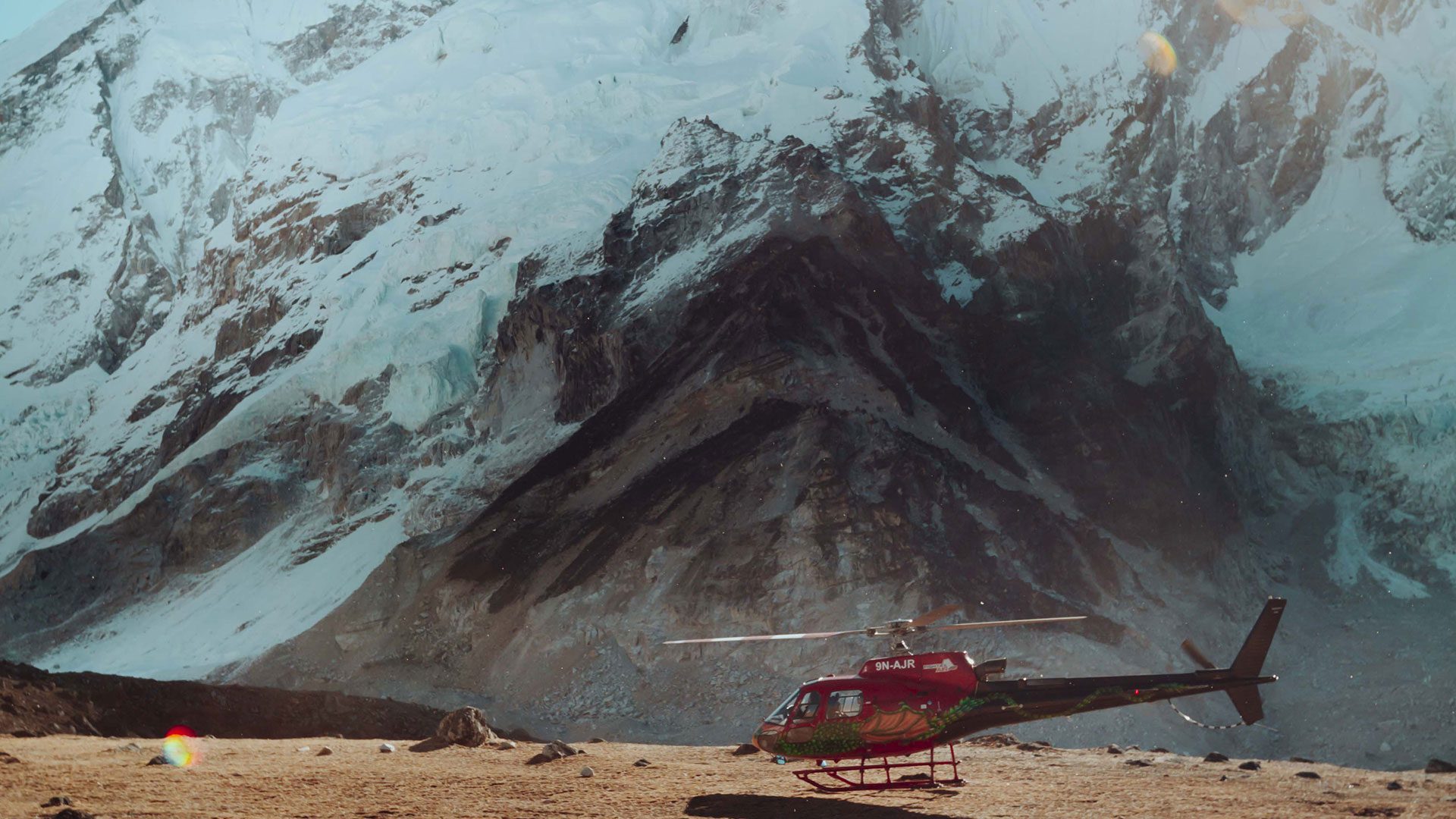
Everest Base Camp (EBC) helicopter flights in Nepal primarily use an Airbus H125 Helicopter (formerly designated AS350 B3e). The Airbus H125 Helicopter has a reputation for being a reliable and safe helicopter with a large amount of engine power when flying at high altitudes. It has one Turbomeca Arriel 2D engine, the empty weight of the helicopter is approximately 1,170 kg, and the helicopter has a maximum lift capacity of 2,250 kg.
The H125 Helicopter has a maximum flying altitude of around 23,000 ft (7,010 m), which enables it to land on the highest peaks in Nepal, such as Kala Patthar. It may carry as many as 5 passengers when it is flying below 4,000m. However, this helicopter will only be able to carry 2 or 3 passengers once above 4,000 m for safe operation. The reliability of the H125 and its ability to carry passengers to EBC make it the best helicopter for pick-ups and drop-offs at EBC.
- Bell 407
Bell 407 Helicopter The Bell 407 Helicopter may be used for some helicopter tours in Nepal, but it generally only flies to lower elevations. The Bell 407 Helicopter is well known for providing passengers with a comfortable ride and dependable flight performance. This helicopter is powered by the Rolls-Royce 250-C47B turboshaft engine, this helicopter has an empty weight of approximately 1,225 kg and a maximum takeoff weight of 2,268 kg.
The Bell 407 Helicopter has a maximum flying altitude of approximately 20,000 ft (6,100 m). The Bell 407 helicopter can carry up to 6 passengers, but it is usually not chosen for picking up and dropping off passengers at Kala Patthar because the helicopter experiences a decrease in engine performance when operating in high-altitude environments. It is better suited for scenic flights rather than extreme high-altitude landings.
- Airbus H130 (AS350 B4 variant)
The Airbus H130 (known as the AS350 B4) was developed specifically for the sightseeing market. The helicopters are primarily used by guests to fly on luxury private helicopter tours in and around the fields of Mount Everest. Compared to the Thomson S2H helicopter, the AS350 B4 provides a larger and quieter cabin. It enhances the overall enjoyment of traveling by air in a luxury helicopter for guests. In terms of specifications, this helicopter has an empty weight of approximately 1.5 tons, a maximum takeoff weight of 2.5 tons, and is powered by a Turbomeca Arriel 2D engine.
In terms of altitude capabilities, the AS350 B4 has a maximum operational altitude of approximately 4,900 meters (approximately 16,000 feet). Therefore, it cannot safely land at extremely high altitudes and can only carry a maximum of six passengers. It is generally used for scenic tours to the Everest View Hotel but cannot land at either Everest Base Camp or Kala Patthar.
Important Things to Know
Oxygen Availability on EBC Helicopter Tour
Because of the extreme altitudes on these tours to Base Camp, all passengers utilize supplemental oxygen when flying. The thin air at very high elevations diminishes the amount of oxygen available in the air. It will make supplementary oxygen necessary for any passenger who may be experiencing shortness of breath or a mild case of altitude-related issues.
The pilots and assisting flight crew will keep an eye out for any passenger issues or concerns throughout the flight. They will be able to administer supplemental oxygen at any point during the flight if necessary. Thus, every passenger will be able to have a safe and comfortable travel experience, including during the entire flight, even when flying at altitudes above 5,000 meters.
High altitude limits Helicopter performance
Flying at very high elevations, such as the base camp for Mount Everest, presents unique flight challenges due to the reduced lift and power available because of the less dense atmosphere. A helicopter’s capacity to carry passengers and/or weight safely is significantly reduced. For this reason, the pilot must know exactly what the helicopter’s passenger and/or cargo load will be, along with how much fuel will be needed, along with their flight plan, in order to ensure a safe flight.
Many modern helicopters, such as the Airbus H125 and H130 and the Bell 407, have been specifically built to operate at extreme elevations, making it possible for them to operate at extreme altitude locations, such as Kala Patthar, while providing passengers a safe and memorable flight experience.
Flight Cancellation Due to Weather (Lukla Area)
Weather conditions in the Everest region are unpredictable, and flights to and from Lukla depend heavily on visibility and safety.
Fog, strong winds, clouds, and sudden weather changes can cause delays or cancellations. If a flight or helicopter is cancelled before departure, the company will inform travelers immediately and try to reschedule the flight for the next available time or day.
If the flight cannot be operated and no alternative option is used, a full refund will be provided according to the company’s policy.
If travelers have already flown to Lukla and return flights are cancelled, the company will arrange alternative options, most commonly a helicopter flight, if weather conditions allow.
Helicopters can often operate in shorter weather windows and are considered safer in such situations. Any additional cost will be clearly explained in advance. Throughout the process, the company remains in close contact with airlines and helicopter operators, always prioritizing safety, and flights are never forced in unsafe conditions.
Packing List for Everest Heli Tour
Because both the mountain and helicopter ride can be cold and windy, it’s important to bring warm, lightweight gear and pack smartly. Essentials include:
General:
- Passport and required permits
- UV-protected sunglasses
- Small daypack
Upper Body:
- Hats and warm beanies
- Neck gaiters or scarves
- Lightweight cap
Torso:
- Moisture-wicking shirt
- Warm, lightweight jacket or fleece
- Waterproof and windproof outer shell
Lower Body:
- Comfortable trekking or fleece pants
- Thermal base layer for colder seasons
Hands:
- Warm wool or fleece gloves
- Extra insulated gloves
Feet:
- Thermal socks
- Comfortable trekking shoes or insulated boots (avoid heavy boots unless trekking)
First Aid & Medications:
- Personal medications, if needed
- Motion sickness pills (optional)
- Sunscreen (SPF 50+)
- Lip balm with sun protection
Other Essentials:
- Reusable water bottle or hydration pack
- Light snacks or energy bars
- Lightweight travel blanket or shawl (optional)
Optional Items:
- Hand and foot warmers
- Binoculars for mountain views
- Small notebook and pen
- Camera or smartphone with extra batteries
Booking Policy of EBC Heli Tour
Your comfort and ease are our priority. To ensure a smooth booking experience, we’ve outlined our booking and payment policies below:
Advance Payment & Booking Confirmation
- A 30% advance payment of the total cost is required to confirm your helicopter tour booking.
- This advance payment is fully refundable if the trip is canceled due to unforeseen weather conditions.
- To proceed with the booking, you need to send:
- A soft copy of your passport and a few other required details.
- Hotel name for (pick and drop )
Once we receive these, we will begin the booking process and send you a confirmation.
Remaining Payment Options
- You can pay the remaining balance upon your arrival in Kathmandu before the tour starts.
- If you’d like to pay everything before you travel, that’s perfectly fine.
Accepted Payment Methods
To make your booking process as smooth as possible, we accept multiple payment options.
- Online Payment: Our website offers a secure payment gateway for convenient online transactions.
- Credit/Debit Cards: We accept Visa, MasterCard, and more (4% bank service charge applies).
- Wire/Bank Transfers: Direct transfer to our bank account.
- Cash or Cheque: If you are physically present in Kathmandu, you have the option to pay in cash or with a cheque.
Everest Base Camp Helitour Cancellation Policy
We recognize that trip cancellations can occur due to unforeseen circumstances, affecting both our valued trekkers and ourselves. Just as you may need to cancel, the Company may also need to cancel or postpone a trip due to factors like political disturbances, weather instability, riots, natural disasters, or other uncontrollable events, which can sometimes happen without prior notice. Below is our cancellation policy, outlining how we handle these situations:
Refund & Cancellation Terms
Cancellation due to Weather Conditions
Your safety is our priority. If weather conditions make your Everest Base Camp Trek unsafe and the trip is canceled, we will provide a 100% refund.
Cancellation by the Guests
- The date we receive and confirm your cancellation request will be used to determine your cancellation date.
- No refunds are available for cancellations once the tour has started.
Cancellation by the Company
If the Company cancels the tour, guests can choose to either:
- Get a 100% refund of what you paid.
- Collaborate with our team to find a suitable alternative date.
We have established this policy to ensure both fairness and flexibility while maintaining transparency in our cancellation terms. Please advise if you require any further refinements.
Please check this for more details: Terms and Conditions
Everest Base Camp Helicopter Tour FAQs
Your Questions, Answered
What should I wear for the Everest helicopter tour?
To stay warm, it’s essential to dress in layers. It’s recommended to wear a thermal base layer, a fleece or down jacket, and a waterproof outer layer. You can also bring gloves, sunglasses, and a warm hat to protect yourself from the cold and sun.
What kind of insurance should I have for the Everest helicopter tour?
Travelers should have travel insurance that covers medical emergencies, helicopter evacuation, and trip cancellation. It’s also advisable to check with the operator to see if any basic insurance is included in the tour package.
Which helicopter operators are recommended for the Everest Base Camp tour?
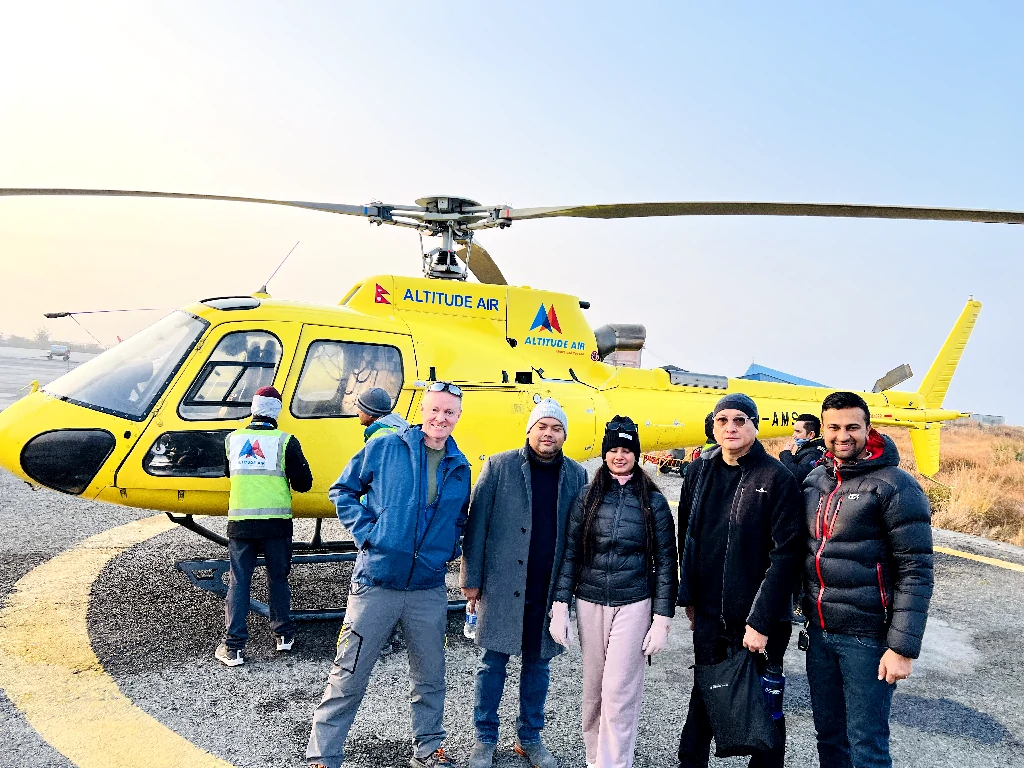
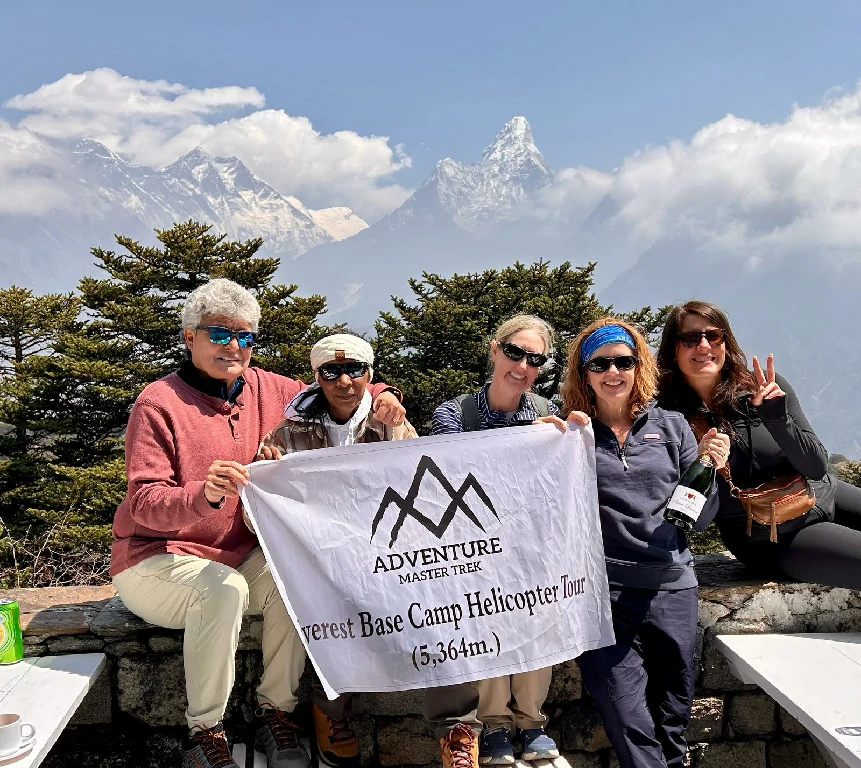
Some of the top helicopter operators for the Everest Base Camp Heli tour include Adventure Master Trek, Altitude Air, Air Dynasty, Simrik Air, and Kailash Helicopter Services. These companies are known for their safety standards and excellent service.
Can I use a drone to take photos during the Everest Base Camp helicopter tour?
Drones are generally not allowed during the tour unless you have special permission. It is essential to obtain prior approval from the relevant authorities in Nepal before bringing a drone on the trip.
Which seat offers the best view during the EBC Heli tour?
For the best views while flying towards Everest, it’s recommended to sit on the right side of the helicopter. However, if you’re on a shared flight, passengers typically rotate seats during the journey to ensure everyone has a chance to enjoy the stunning views.
Does the helicopter land at Kala Patthar and Everest Base Camp?
Yes, helicopters can land at Kala Patthar (5,545m) because it has a solid, rocky surface and offers the best panoramic view of Mount Everest, Lhotse, Nuptse, and Pumori. However, landing at Everest Base Camp is not possible due to the terrain, but helicopters typically make a brief stop to provide stunning views.
What is the cost of a private helicopter tour to Everest Base Camp?
For a private helicopter tour, the cost is typically $3,500 per person for 2 people. For groups of 3 to 5 people, the cost is usually $1,600 per person. Prices may vary depending on the operator and the package details.
How does air traffic congestion affect the Everest Base Camp helicopter tour?
Air traffic congestion is common during the peak seasons of Spring and Autumn, as many helicopter tours take place. This can lead to waiting times at Lukla, the Everest View Hotel, Kala Patthar, or even delays for emergency rescues. It’s important to factor in possible delays during these busy periods.
What is the weight limit per person for the EBC Helicopter Tour?
The weight limit per person for the Helicopter is around 80-90 kg. If the weight exceeds, then additional suttle flights may required.
What costs should I expect to pay in cash during the Everest Base Camp helicopter tour?
Here are some common expenses you should bring cash for:
Sagarmatha National Park Permit: NPR 3,000 (USD 25)
Rural Municipality Fees: NPR 3,000 (USD 25)
Airport Tax: NPR 900 (USD 6)
Breakfast at Everest View Hotel: NPR 4,500 (USD 32)
How does bad weather affect the Everest Base Camp helicopter tour?
If the weather is bad, such as poor visibility, or strong winds, the helicopter tour will be postponed or canceled for safety reasons. In such case, your tour will be rescheduled for the next day.
What is the ideal time for the Everest Base Camp helicopter tour?
Autumn( September to November) and spring (March to May) are the ideal seasons for the tour. These months offer the clearest skies, stable weather conditions, and optimal visibility, allowing you to enjoy the breathtaking views of Mount Everest and the surrounding peaks.
Can I take the Everest Base Camp helicopter tour in winter?
Yes, the Everest Base Camp helicopter tour is possible in winter (December to February), but the weather can be cold and unpredictable. Winter tours may also be subject to delays or cancellations due to snow, wind, or other weather conditions, so it’s important to prepare for potentially challenging weather. So it is less recommended season for the tour.
Do disabled people can do helicopter tours?
Is a special permit required for this tour, or airport tax?
A special permit is not required for the helicopter tour over Mount Everest. Typically, the standard costs associated with airport departure taxes are included in the price of the tour; however, you should confirm this with your tour operator.
How long do helicopters stay landed at Kala Patthar or EBC?
The time for a helicopter to land at high altitude, such as at Kala Patthar (5,545 meters) or Everest Base Camp, is limited to a maximum of 10-15 minutes for safety reasons. A longer stay at high altitude increases the risk of acute altitude sickness due to the low air pressure present there. Thus, this amount of time is sufficient for guests to exit the helicopter, take pictures, and take in the 360-degree view of Everest and all the surrounding giant peaks before heading back down to lower altitudes for breakfast.
How do I reduce the risk of high altitude sickness while taking the helicopter flight to Mount Everest?
Typically, high altitude sickness is not a concern for most people on helicopter flights since the flights are typically short; however, it is important to make sure you are properly hydrated, do not consume any alcohol, and take it easy. Supplemental oxygen is provided in the helicopter if required.
What is the price of a helicopter flight from Lukla to EBC?
Typically, a helicopter flight from Lukla to E.B.C. will cost between $500 to $600 (depending on the model of the helicopter, season, and how many people.) Private charters usually cost more than this, but shared flights might be slightly less expensive.
What happens if bad weather affects my helicopter after takeoff?
If bad weather occurs after takeoff, safety will be the pilot’s first priority, and the pilot may decide to return back to the airport or change directions. All flights are subject to being rescheduled for the safety of all passengers onboard.
What is the price of a helicopter flight from Lukla to Gokyo?
Usually, you will pay between $350 and $450 per person for a helicopter flight from Lukla to Gokyo. These prices tend to change depending on the season and type of helicopter and operator. Be sure to check with your tour provider beforehand to see the differing rates.

Reviews
What Our Travelers Say


Based on 7 ratings
5




The Everest Helicopter Tour began with a smooth Kathmandu pickup and flight over the valley, villages, and Lukla Airport. Highlights included soaring above Everest Base Camp, stunning Himalayan views, and breakfast at the Everest View Hotel. Perfect for busy travelers, Adventure Master Trek arranged a seamless, unforgettable Mount Everest experience.
Fantastic experience, one of the great moments in life to see Everest and the surrounding mountains. It was a good day with clear skies. The trip was well organised with very good pilot from Fishtail Air. Flew over base camp, the ice field then had spectacular views of the mountains. Wonderful photographs. Landed at Everest View Hotel for breakfast, and the hotel team were very efficient. Good omelettes. Back into the helicopter to return to Kathmandu via Lukla. We were well looked after on our trip. Would highly recommend this tour.
Absolutely breathtaking experience! The helicopter ride offered stunning views with plenty of vantage points. Our guide highlighted the major Himalayan peaks, and flying directly over Everest Base Camp was unforgettable. A once-in-a-lifetime adventure I’d highly recommend.
Excellent heli tour to EBC with experience guides that made our trip to Nepal very memorable. Will always choose Adventure master trek for 🙌🏾
An amazing experience & something I will never forget. From the time of booking, the communication was outstanding. The company made everything seamless, enjoyable & worry-free. When you are doing a “once in a lifetime” day trip like this, I could not recommend them for EBC Heli tour. OUTSTANDING.
View Our Similar Packages
Discover our top tours, loved by thousands of travelers annually. Choose the adventure that inspires you and embark on a journey tailored to your desires.
Save 12%

 Nepal
Nepal
 9 Days
Save 20%
Save 31%
Save 7%
Add Review
Reviewing for Everest Helicopter Tour Price with Kala Patthar & Everest View Hotel Landing 2026/2027Request a Callback - Everest Helicopter Tour Price with Kala Patthar & Everest View Hotel Landing 2026/2027
Submit the form and we will be back to you shortly
Request a Callback - Everest Helicopter Tour Price with Kala Patthar & Everest View Hotel Landing 2026/2027
Submit the form and we will be back to you shortly
Narayanhiti Palace Museum

Narayanhiti Palace Museum


