








15-day EBC with Gokyo Lake Trek


Trip Facts


EBC with Gokyo Lake Trek Overview
The Everest Base Camp Trek via Gokyo Lakes and Chola Pass is the ultimate Himalayan odyssey — a breathtaking, multi-dimensional journey that combines the legendary Everest Base Camp experience with the sacred turquoise waters of Gokyo, the dramatic high-altitude crossing of the Chola Pass (5,420 m), the cultural heartbeat of Namche Bazaar, and the iconic gateway town of Lukla into one grand, sweeping adventure through the most spectacular mountain landscape on Earth. This is not simply a trek to a destination — it is a complete immersion into the soul of the Khumbu, where every valley, ridge, glacier, and village tells a story thousands of years in the making. From the moment your boots hit the trail in Lukla to the moment you stand in awe at Everest Base Camp with the Khumbu Icefall thundering beside you, every single day delivers a new and unforgettable chapter.
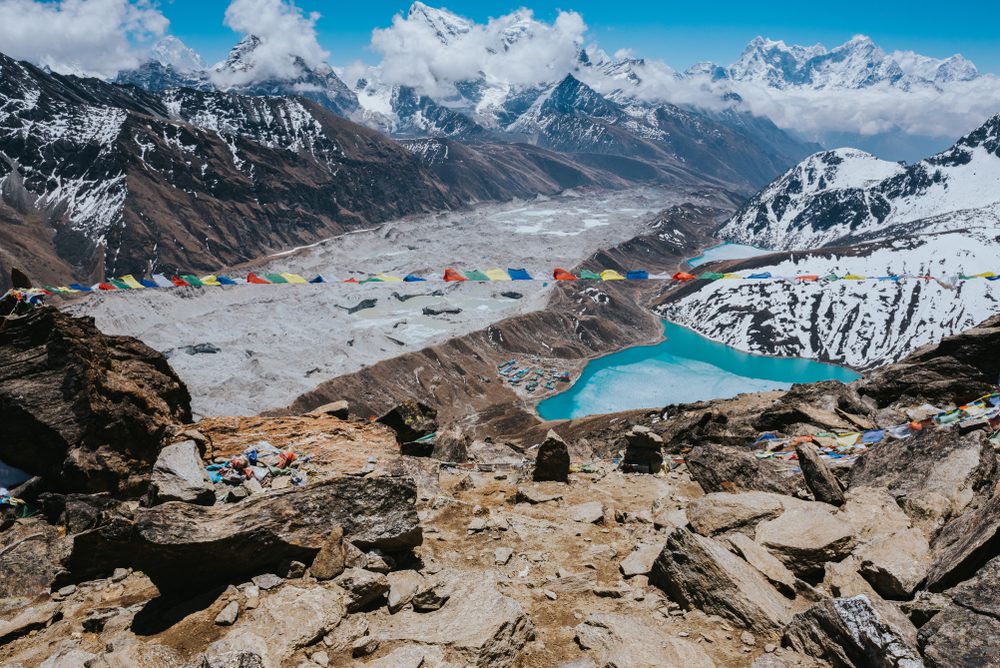
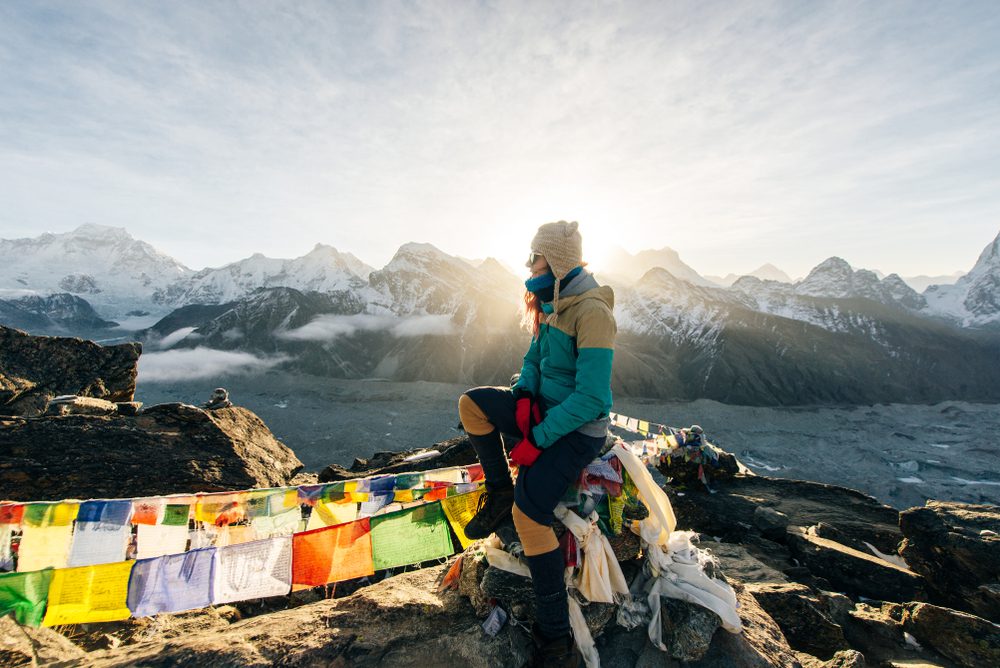
What sets this route apart from the standard Everest Base Camp trek is the magnificent detour into the Gokyo Valley — a remote, pristine corridor of glacier-fed lakes, yak pastures, and towering 8,000-meter giants that most trekkers never get to witness. The Gokyo Lakes, sitting at 4,790 meters amid one of the world’s largest glaciers, possess a raw, otherworldly beauty that many seasoned trekkers describe as even more moving than Base Camp itself. Reaching Gokyo Ri (5,357 m) on a clear morning delivers a panoramic view of four 8,000-meter peaks — Everest, Lhotse, Makalu, and Cho Oyu — a spectacle matched nowhere else on the planet and one that rewards every ounce of effort invested in getting there.
The crossing of the Chola Pass (5,420 m) is the dramatic centrepiece that links the Gokyo Valley to the Everest Base Camp corridor — a high, glacier-draped mountain pass that demands respect, preparation, and a spirit of genuine adventure. The ascent and descent involve sections of rocky scrambling and glacier travel, and the sense of achievement upon crossing is immense. From the pass, the views of the surrounding Himalayan giants are jaw-dropping, and the descent into the Dzongla and Lobuche valleys feels like stepping into one of the most remote and magnificent places on the planet. This crossing is what transforms the trek from a trail into a true mountain expedition.
Namche Bazaar — the vibrant, high-altitude capital of the Khumbu — serves as the cultural anchor of the entire journey. Perched at 3,440 meters in a natural amphitheatre of mountains, Namche is where trekkers rest, acclimatize, shop, eat, and absorb the extraordinary living culture of the Sherpa people. Its famous weekly Saturday market, its Buddhist monasteries, its bakeries and espresso bars, and its panoramic views of Everest, Lhotse, and Ama Dablam make it one of the most remarkable small towns in the world. Lukla, meanwhile, serves as the legendary gateway — home to the Tenzing-Hillary Airport, one of the world’s most dramatic airstrips — and the place where every great Khumbu adventure truly begins and ends, with the mountains calling from the moment you land.
Trip Highlights
- Trek to the iconic Everest Base Camp (5,364m)
- Experience the beauty of the turquoise Gokyo Lakes
- Trek over the thrilling Cho La Pass (5,420m)
- Climb to Kala Patthar (5,545m) for the best views of Mount Everest
- Gaze upon breathtaking views of Everest, Lhotse, Makalu, and Cho Oyu all over 8,000m
- Explore vibrant Namche Bazaar, the gateway to Everest
- Explore the Tengboche Monastery as you experience both spiritual and cultural significance
- Immerse in the peaceful Gokyo Valley and ascend the Gokyo Ri viewpoint
- Explore a truly divine path across the Ngozumpa Glacier—the largest glacier in the Himalayas
- Search for Himalayan wildlife like musk deer and snow pigeons
- Investigate Sherpa culture, traditions and mountain living.
- Scenic flight from Kathmandu to Lukla with breathtaking Himalayan aerial views
- Trek through classic Sherpa villages, pine forests, and suspension bridges along the Dudh Koshi River
- Acclimatization hike to Everest View Hotel (3,880m) with panoramic views of Everest, Lhotse, and Ama Dablam
- Stand at the legendary Everest Base Camp (5,364m) beside the roaring Khumbu Icefall
- Summit Kala Patthar (5,545m) at sunrise for the most iconic close-up view of Mount Everest
- Cross the dramatic Cho La Pass (5,420m) over glacial terrain connecting EBC to the Gokyo Valley
- Climb Gokyo Ri (5,357m) for a simultaneous view of four 8,000m peaks — Everest, Cho Oyu, Makalu & Lhotse
- Explore the sacred Gokyo Lakes — the highest freshwater lakes in the world — and the vast Ngozumpa Glacier
Detailed 15-Day Itinerary for EBC and Gokyo Lake Trek
Your Journey, Step by Step
Trek from Phakding to Namche Bazaar (3,440m) [5-6 hrs]
After breakfast, you’ll follow the trail along the Dudh Koshi River, passing through pine forests and small villages. At Monjo, you’ll enter Sagarmatha National Park and check your permits.
From there, you’ll cross several suspension bridges, including the famous Hillary Bridge, before starting a steep uphill climb to Namche. Along the way, you may catch your first view of Mt. Everest if the weather is clear. You’ll arrive at Namche Bazaar, the main trading town of the Khumbu region, where you’ll rest for the night.
Stay overnight in Namche Bazaar.
Acclimatization Day in Namche Bazaar – Hike to Everest View Hotel (3,880m) [2-3 hrs]
Heading out after breakfast, you will walk along the Dudh Koshi River, through pine forests and villages. At Monjo, the checkpoint where you enter Sagarmatha National Park, you will show your permit. You will go over a few suspension bridges, including the Hillary Bridge, then gain quite a lot of height and begin to head uphill on a steep climbing trail towards Namche, where the Sherpas have their main trading center. If the weather is right, you will have your first view of Mt. Everest.
Overnight in Namche Bazaar.
Trek from Namche Bazaar to Tengboche (3,867m) [5-6 hrs]
You have a rest/acclimatization day to enable your body to get used to the change in height. We will go on a little uphill trek in the morning to the well-known Everest View Hotel, from where there is a fine panorama of Everest, Lhotse and Nuptse, and Ama Dablam is magnificent.
Then, after a warm drink, we return to Namche, where you may visit the Sherpa Museum, potter around the market, or relax at a local café. Taking it easy today will help prevent altitude sickness and prepare your body for the work you will be asking of it in the days ahead. Overnights in Namche Bazaar.
Stay Overnight in Tengboche.
Trek from Tengboche to Dingboche (4,410m) [5-6 hrs]
We pass through the beautiful Pangboche village with its fascinating old monastery. The views from here are magnificent and Ama Dablam appears in all its stunning glory.
The trail continues across open scrub-covered terrain, climbing gently to Dingboche, a quiet village set below some high mountains. Stay overnight at Dingboche.
Stay overnight in Dingboche.
Acclimatization Day in Dingboche – Hike to Nangkartshang Peak (5,083m) [3-4 hrs]
Today is a very important rest day for you to acclimatize to the higher altitude. We leave Dingboche on a short but steep, steady ascent to Nangkartshang Peak with fine views of some of the world’s highest mountains, including Makalu, Island Peak and Lhotse. After enjoying the views and taking some pictures, we retrace our steps, returning without delay towards Dingboche.
Overnight in Dingboche.
Trek from Dingboche to Lobuche (4,940m) [5-6 hrs]
Begin to trek toward Lobuche, crossing Thukla Pass at 4830m, an important point on the trail. Visit the site of the memorial to all climbers who have lost their lives on Everest.
Viewing magnificent sights of Pumori and Nuptse and the massive Khumbu Glacier we arrive after approx 5 -6 hrs walk at Lobuche, a tiny village surrounded by towering peaks.
Overnight in Lobuche.
Trek from Lobuche to Everest Base Camp (5,364m) – Back to Gorak Shep (5,164m) [6-7 hrs]
Today’s a big day for your trek. You’ll walk along the Khumbu Glacier and reach the famous Everest Base Camp, where climbers prepare to climb the world’s highest mountain.
Enjoy incredible views of the Khumbu Icefall and the towering peaks around you. After spending time at Base Camp, you’ll hike back down to Gorak Shep, the highest village on the trail, to rest for the night.
Stay overnight in Gorak Shep.
Hike to Kala Patthar (5,545m) – Trek to Dzongla (4,830m) [6-7 hrs]
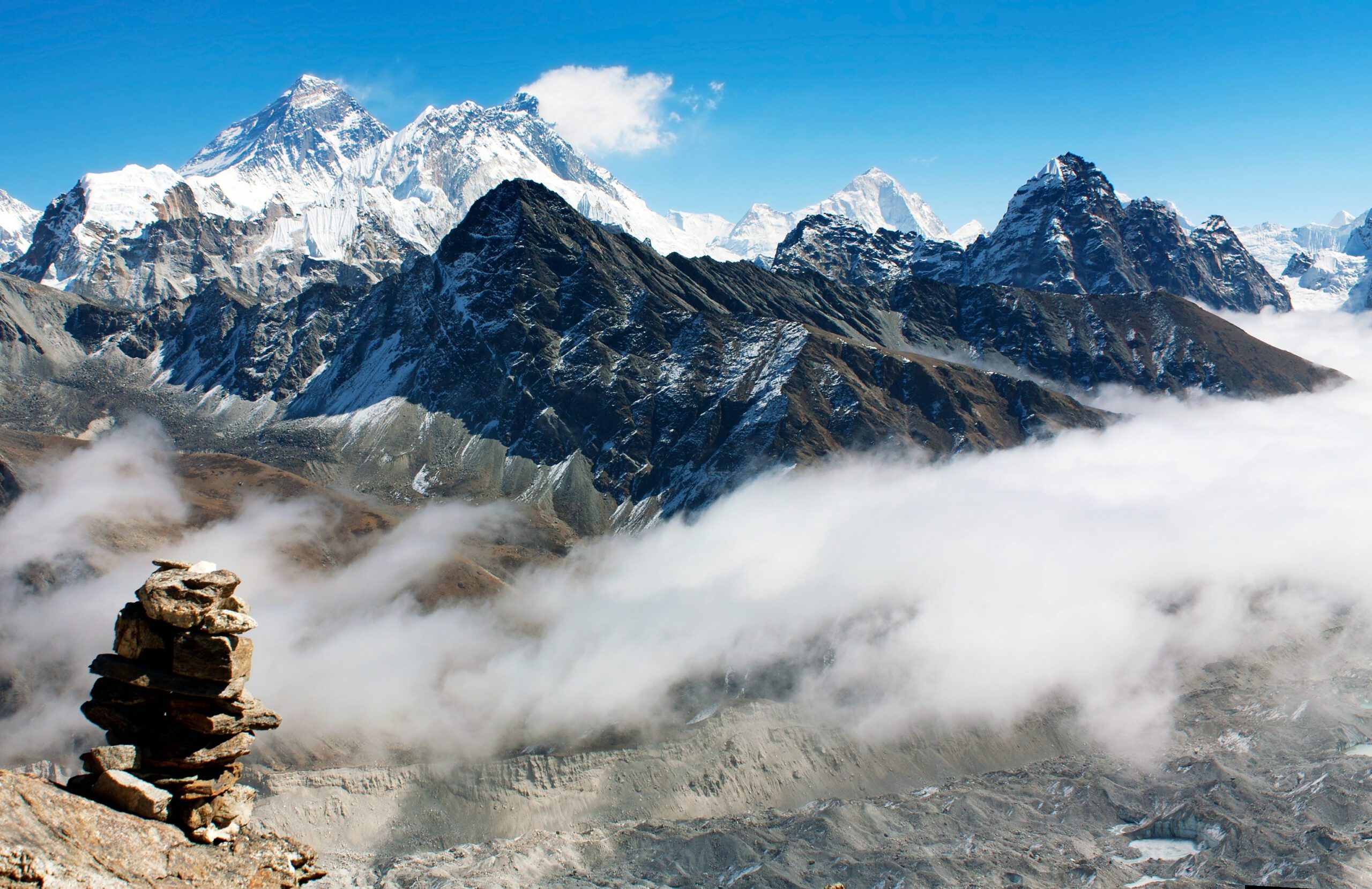
Today you’ll be up at the crack of dawn for the hike up to Kala Patthar, the highest point on this trek and the very best spot to see a spectacular sunrise over Mt. Everest and its neighbouring peaks. Nothing will quite prepare you for the jaw-droppingly stunning photos you’ll be able to take from this super panoramic vantage point of not just Everest, but much of the high Himalaya. You’ve just got to see it.
Once you’ve soaked in the scenery and taken as many photos as you can (or wish!), you’ll retrace your steps back down and then hike on to Dzongla, a tiny village in a gorgeous corner of the Himalaya, from where you can prepare yourself for the next big challenge, the Cho La Pass!
Overnight in Dzongla.
Cross Cho La Pass (5,420m) – Trek to Dragnag (4,700m) [6-7 hrs]
It’s one of the hardest days today. You’ll be climbing back up, this time the steep and sometimes icy slope of Cho La Pass at 5420 m, whilst the views are astounding from the top. This is where you’ll be descending, on the other side of the summit, to Dragnag, a teahouse stop on the lap of the lovely Gokyo Glacier where you’ll rest up a bit after your climb.
Stay overnight in Dragnag.
Trek from Dragnag to Gokyo (4,790m) [3-4 hrs]
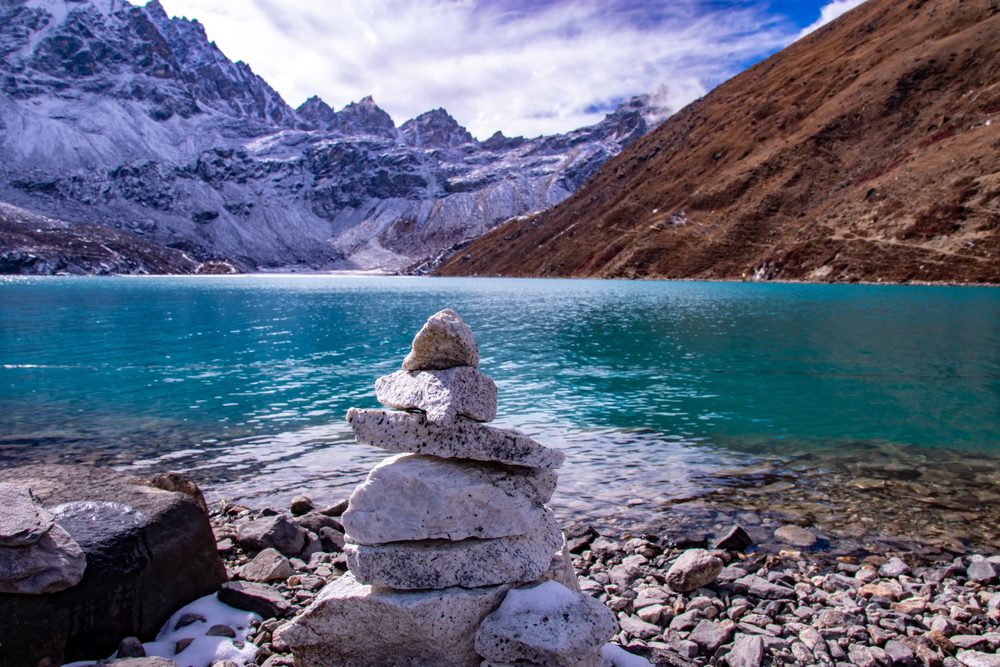
Today you’ll enjoy a shorter and easier hike as you trek to Gokyo village, located near the famous Gokyo Lakes, which are the highest freshwater lakes in the world. These beautiful turquoise lakes are surrounded by towering snow-capped mountains, making it a perfect spot to relax and take photos.
Once you reach it, you can stroll along the tranquil lakeshore, inhale the mountain-fresh air and marvel at the true beauty of nature.
Stay overnight in Gokyo.
Hike to Gokyo Ri (5,357m) – Explore Gokyo Lakes
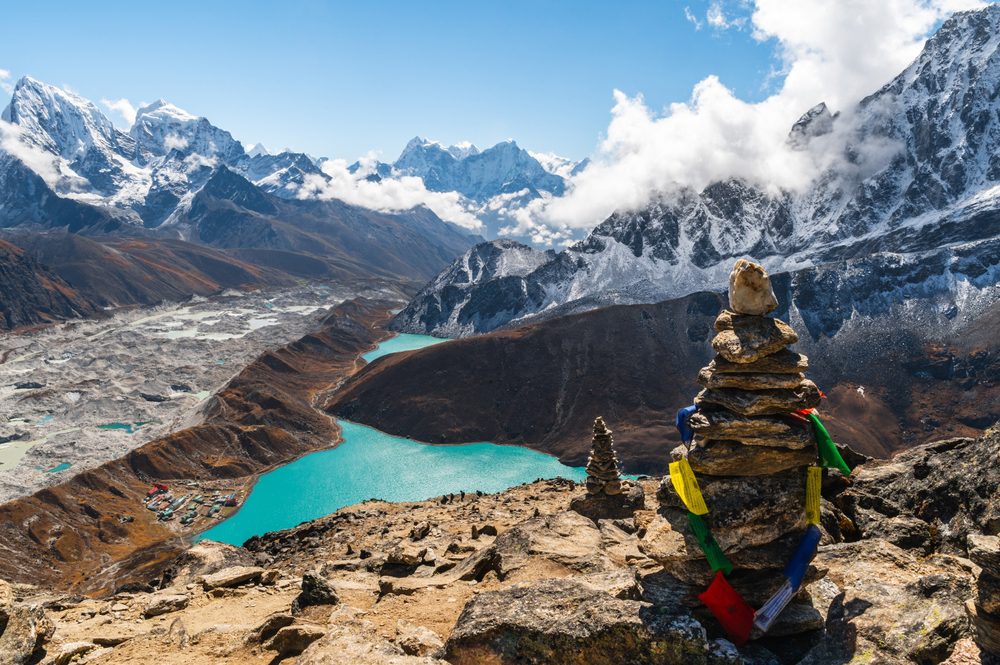
Start early on the hike up Gokyo Ri, a peak believed to offer one of the best views seen of Mt. Everest, Cho Oyu, Makalu, and Lhotse. A steady 2–3 hour climb, but the view from the top is worth the effort, and then return back to the village. Explore Gokyo Lakes and the nice Ngozumpa Glacier, the largest in the country.
Overnight stay at Gokyo.
Trek from Gokyo to Dole (4,038m) [5-6 hrs]
Today you descend to Gokyo, past the beautiful village of Macherma and views of lovely alpine meadows, and especially during spring and summer, they are colorful and pleasant. As you walk through this verdant valley, enjoy great photos of the impressive mountains Thamserku and Kangtega as they stand high in the sky. After a steady walk of five to six hours, reach the beautiful quiet village of Dole.
Overnight at Dole.
Trek from Dole to Namche Bazaar (3,440m) [5-6 hrs]
Today you’ll trek down to Phortse Tenga and cross the Mong La Pass. Wind your way again through forests and small villages, enjoying the mountain scenery as you do so.
You’ll arrive in Namche Bazaar in the afternoon, where you can chill out, shop or enjoy hot food after a long trek.
Overnight in Namche Bazaar.
Trek from Namche Bazaar to Lukla (2,860m) [6-7 hrs]
Retrace the way back again to Lukla from Namche Bazzar passing through Monjo and Phakding, Retrace one last time the way back to Lukla from Namche Bazzar passing through Monjo and Phakding, which you saw at the beginning of your trek.
Take time to get your last sights of the beautiful valleys and forests. Meals are provided in the common dining area. As you gain elevation, etc., the lodges get more basic, although they are mainly clean, cozy and welcoming.
Overnight stay in Lukla.
Fly from Lukla to Kathmandu
You’ll take a scenic flight from Lukla back to Kathmandu early in the morning depending on the weather. This short flight gives you a last chance to see the stunning Himalayan peaks from the sky.
After arriving in Kathmandu, you’ll have time to rest and recover from your trek. You can also explore the city’s lively markets, visit ancient temples, or try some local food. This is a great opportunity to relax and celebrate the amazing journey you’ve just completed.
Stay overnight in Kathmandu.
Customize this trip with help from our local travel specialist that matches your Interests.
Customize This TripEverest Base Camp with Gokyo Lake Trekking Inclusions
What’s Covered in Your Adventure
- Private car service to and from the airport.(International &domestics )
- Two nights at a standard hotel in Kathmandu with breakfast
- Three meals a day:breakfast, lunch, and dinner.
- You will be provided Trekking Lodges (Tea Houses).
- All papers that need to be done, Fees for entering Sagarmatha National Park and Khumbu Pasang Lhamu Rural Municipality.
- Kathmandu to Lukla and back to Kathmandu, or (Ramechap to Lukla, back to Kathmandu flight )with an airport transfer and airport tax within Nepal.
- A highly experienced, helpful, knowledgeable, friendly, English-speaking guide with all of his salary, food, drinks, lodging, transportation, and insurance covered.
- Setting up a service for an emergency helicopter (paid by your Travel Insurance company).
- You can rent a sleeping bag, a down jacket,(if you don't have your own) & Duffel bag provided
- Taxes and official costs paid to the government.
- Certificate of completion of the trip.
- Oxymeter to check your pulse, oxygen saturation, and heart rate twice a day (very helpful to check for signs of Altitude Mountain Sickness, or AMS). This will make sure that your trek is in the safest hands possible, no matter how experienced you are.
- Food that you will eat in Kathmandu for lunch and dinner.
- The cost of a visa to enter Nepal is $30 USD for a 15-day stay.
- Your insurance for travel and medical care.
- International airfare and Your Personal expenses
- All of the sweet desserts, like chocolate, cake, pie, and pudding.
- The tea houses have hot showers and places to charge your phone which will cost you about 2$ to 5$.
- Tip to the guide (Tipping is expected)
- A max 15kg bag is allowed in the flight to Lukla
- One porter for two people it will cost $ 320 USD
Maps
Navigate Your Journey
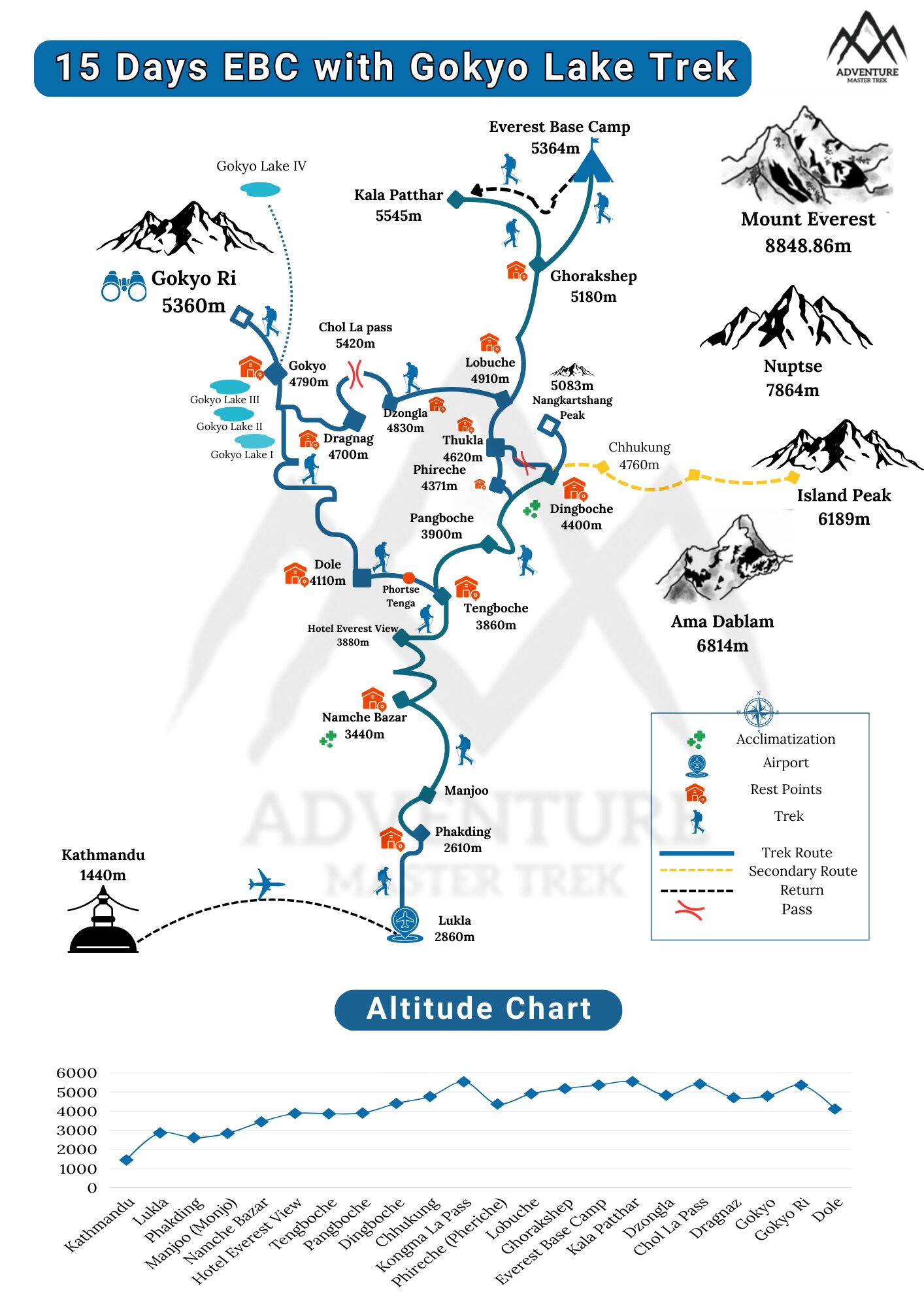
Good To Know for EBC and Gokyo Trekking
Know Before You Go
Accommodation and Acclimatization on trek to EBC with Gokyo Lake
Along the way, you’ll stay in teahouses, which are simple mountain lodges offering basic rooms, usually with twin beds and shared bathrooms. There is a shared eating area where you may eat, and while the amenities get less fancy as you go higher, most places are clean, comfortable, and friendly.
The trek includes planned rest days, usually in Namche Bazaar and Gokyo, to allow your body get used to the high altitude. To minimize altitude sickness, these days generally include short walks to higher elevations before going back to sleep lower. The course goes up more than 5,000 meters, so it’s important to travel slowly, drink plenty of water, and stick to a constant schedule for both safety and fun.
Dingboche is a beautifully quiet, wide-open high-altitude village at 4,410m surrounded by towering peaks and ancient stone-walled potato fields, and your acclimatization day here is best used with a steady morning hike up to Nangkartshang Peak (5,083m) — a steep but deeply rewarding climb that delivers sweeping panoramic views of Makalu, Island Peak, Lhotse, Ama Dablam, and the vast Chhukung Valley below — before returning to the village for a relaxed afternoon of rest, rehydration, and acclimatization, with time to explore the small local gompa, photograph the dramatic landscape of the Imja Khola Valley, and fuel up on hearty Dal Bhat and warm butter tea in preparation for the increasingly demanding high-altitude days that lie ahead on the trail to Lobuche and Everest Base Camp.
How is Food and Drinking Water in EBC Gokyo Lake trekking?
Dal Bhat is the undisputed king of the Everest trail — a generous, endlessly refillable plate of steamed rice, lentil soup, seasonal vegetables, curry, and pickle that fuels trekkers through the longest and most demanding days at altitude, earning its legendary reputation in the famous Sherpa saying “Dal Bhat Power, 24 Hour.” Beyond Dal Bhat, teahouse menus along the route offer a surprisingly diverse selection including fried rice, noodles, Thukpa soup, pasta, momos, hearty Sherpa stew, simple-style pizza, pancakes, porridge, and eggs in every form — though as a general rule, menus become simpler and prices climb higher the further up the valley you go, with food at Gorak Shep and Gokyo costing noticeably more than in the lower villages. For drinks, the trail runs on hot tea — black, milk, ginger, lemon, and the altitude-friendly ginger lemon honey tea are all widely available alongside coffee and hot chocolate — while the traditional Sherpa butter tea, a warming and savory blend of yak butter, salt, and strong black tea, is a cultural experience well worth trying at least once on the journey.
Staying properly hydrated and well-fueled is one of the most important and underestimated aspects of high-altitude trekking. Drinking water is available as boiled water, purification tablet-treated water, or filtered water throughout the route — always avoid untreated tap water — with prices rising from $1–2 per liter in lower villages to $3–5 per liter at Gorak Shep and Gokyo, making a personal filter bottle or purification tablets an excellent investment from both a health and cost perspective. Smart trekkers stock up on snacks in Kathmandu before departure — energy bars, chocolate, nuts, electrolyte powder, and dried fruits are all available on the trail but cost 2–3 times more in mountain villages — and should carry enough to supplement meals throughout the trek. At high altitude, always prioritize carbohydrates, force yourself to eat even when appetite fades, and drink a minimum of 3–4 liters of water daily — while strictly avoiding alcohol, heavy meat dishes, and raw salads above 4,000m, all of which place unnecessary strain on a body already working hard to perform in thin mountain air.
Electricity and Internet Services during EBC with Gokyo Lake Trek
| Facility | Lukla | Namche Bazaar | Tengboche | Dingboche | Lobuche | Gorak Shep | Gokyo |
| NTC SIM | ✅ Available | ✅ Available | ✅ Limited | ✅ Limited | ⚠️ Weak | ⚠️ Weak | ⚠️ Weak |
| Ncell SIM | ✅ Available | ✅ Available | ⚠️ Weak | ⚠️ Weak | ❌ Unavailable | ❌ Unavailable | ❌ Unavailable |
| WiFi | ✅ Available | ✅ Available | ✅ Available | ✅ Available | ✅ Available | ✅ Available | ✅ Available |
| Everest Link | ✅ Available | ✅ Best Speed | ✅ Available | ✅ Available | ✅ Available | ✅ Available | ✅ Available |
| Internet Speed | Moderate | Fast | Moderate | Moderate | Slow | Very Slow | Slow |
| Streaming | Limited | Possible | Limited | Limited | ❌ Not Recommended | ❌ Not Recommended | ❌ Not Recommended |
| Messaging & Email | ✅ Reliable | ✅ Reliable | ✅ Reliable | ✅ Reliable | ⚠️ Slow | ⚠️ Very Slow | ⚠️ Slow |
| Electricity | ✅ Available | ✅ Available | ✅ Available | ✅ Available | ✅ Available | ⚠️ Limited | ✅ Available |
| Charging (Room) | ✅ Free | ✅ Free | ⚠️ Small Fee | ⚠️ Small Fee | ⚠️ Small Fee | ⚠️ Small Fee | ⚠️ Small Fee |
| Solar Charging | ✅ Available | ✅ Available | ✅ Available | ✅ Available | ✅ Available | ✅ Available | ✅ Available |
| Power Bank | ✅ Recommended | ✅ Recommended | ✅ Recommended | ✅ Recommended | ✅ Essential | ✅ Essential | ✅ Essential |
| WiFi Cost | Free – NPR 200 | Free – NPR 300 | NPR 300–500 | NPR 300–500 | NPR 500–700 | NPR 500–800 | NPR 500–700 |
| Everest Link (20GB) | NPR 2,000 | NPR 2,000 | NPR 2,000 | NPR 2,000 | NPR 2,000 | NPR 2,000 | NPR 2,000 |
Tips: Always purchase and activate your NTC SIM card in Kathmandu before departure as NTC provides the strongest and most consistent signal throughout the entire Khumbu region. Carry a fully charged power bank of at least 20,000mAh as charging facilities become increasingly limited and expensive above Dingboche. An Everest Link prepaid card purchased in Kathmandu or Namche offers the most reliable and cost-effective internet solution for the entire length of the trek.
Group size for 15-day EBC and Gokyo trek
The number of people in your group for the EBC and Gokyo trek might change based on what you like and how you like to hike. Most planned treks have groups of 6 to 12 people, which is an excellent number for getting to know individuals and getting personal attention from guides. It’s simpler to handle smaller groups on the route, at teahouses, and during acclimatization, which makes the trip smoother and more adaptable.
You can also go on a trek by yourself with a guide or porter, which provides you more freedom in terms of pace and itinerary. However, it is safer to go with at least one other person in high-altitude locations. Groups of more than 15 people are less usual because they can be tougher to organize and can make teahouses crowded or late. The most important thing is to pick a size that makes you feel comfortable, lets you get the right help, and keeps you safe and happy on your trip.
Altitude Sickness During The Trek
Altitude sickness is a big problem on the EBC climb through Gokyo because the trail goes up to heights of over 5,000 meters. It happens when your body doesn’t get used to the reduced levels of oxygen that are common at high elevations. Headaches, nausea, dizziness, loss of appetite, and tiredness are all common complaints. To avoid becoming sick at high altitudes, the journey includes acclimatization days, which are commonly spent in Namche Bazaar and Gokyo. You can rest and do light walks to help your body get used to the new environment. The most important thing is to move up carefully, drink enough water, and pay attention to what your body is telling you. Don’t drink alcohol, drink a lot of fluids, and don’t skip rest days. Some people who hike also take Diamox, a drug that helps them get acclimated to the altitude, but they should only do this after talking to a doctor. The best thing to do if symptoms get worse is to get down to a lower altitude right away.
EBC via Gokyo Trek Difficulty
This trek is rated as strenuous and is one of the most physically and mentally demanding non-technical treks available in Nepal. The combination of the Chola Pass (5,420 m), Kala Patthar (5,545 m), Everest Base Camp (5,364 m), and Gokyo Ri (5,357 m) — all reached within a single itinerary — places this firmly in the challenging category, suitable only for trekkers with a solid baseline of fitness, prior high-altitude experience, and genuine mental resilience.
Physical Demands
Daily trekking distances range from 5 to 20 kilometers, with the most demanding days involving 8–9 hours of continuous hiking over rugged, rocky, and glacial terrain at extreme altitude. The Chola Pass crossing on Day 8 is the single most physically challenging day of the entire route — involving a steep, technical ascent over loose rock and glacier ice, a high exposed crossing at 5,420 m, and a long descent into the Dzongla Valley — all in a single day. Trekkers should be capable of sustained cardiovascular effort for 7–9 hours, comfortable on uneven and rocky terrain, and physically prepared for consecutive days of high-altitude exertion without significant rest. Prior trekking experience at altitude — ideally above 4,000 m — is strongly recommended before attempting this route.
Altitude & Acclimatization
The altitude profile of this trek is exceptionally demanding. Trekkers spend multiple consecutive nights above 4,500 m and reach summits exceeding 5,500 m, placing the body under sustained hypoxic stress throughout the second half of the journey. A dedicated acclimatization day is built into the itinerary at Namche Bazaar, and the gradual ascent profile through the Gokyo Valley provides additional natural acclimatization before the high passes. However, Acute Mountain Sickness (AMS), High Altitude Pulmonary Edema (HAPE), and High Altitude Cerebral Edema (HACE) are all real risks on this route — trekkers must know the symptoms, communicate openly with their guide, and be prepared to descend immediately if required. No ascent schedule or summit objective is worth risking your health.
Travel Insurance
Travel insurance is a must for the Everest Base Camp and Gokyo Lakes trek because it takes place in a remote area and at a high altitude. Your insurance should cover things like medical crises, treating altitude sickness, helicopter evacuation, and canceling your vacation. Having insurance provides you peace of mind because seeking medical treatment in the mountains can be hard and expensive.
Check to see if your insurance covers high-altitude trekking up to at least 6,000 meters and helicopter evacuation in case of an emergency. This is frequently the quickest method to receive treatment if you are sick or hurt badly. Before you go on your vacation, it’s best to obtain travel insurance and bring a copy with you while you hike. This way, you won’t have to worry about things that go wrong, and you can focus on having a great time on your trip.
Money Exchange
It’s best to change money before you start the Everest Base Camp hike with Gokyo Lake. This normally happens in Kathmandu or Lukla. The local currency is the Nepalese rupee (NPR). Most teahouses and shops along the way only take cash, and credit cards are rarely accepted outside of big cities.
There are money exchange counters in Kathmandu where the prices are better and the service is more dependable. You can change small amounts in Lukla and several bigger communities, but the rates might not be as good. You should always have enough small bills on hand for daily costs, tips, and emergencies. There aren’t many ATMs along the way, so make sure to prepare ahead and keep your money safe the whole time.
Permits Required for the EBC with Gokyo Lake Trekking
There are a few crucial licenses you will need if you want to hike to Everest Base Camp and Gokyo Lake. These papers help keep you safe, benefit local people, and let you into protected places. You will require these three main permits:
TIMS Card (Trekkers’ Information Management System)
- This card keeps track of everyone who is hiking in the area. In case of an emergency, it helps the police find you.
- You can receive it from the Nepal Tourism Board office in Kathmandu or from a trekking company.
Permit to Enter Sagarmatha National Park
- This lets you go into Sagarmatha National Park, which is home to Mt. Going home early from the trek
- You might not be able to get your money back for services you didn’t use if you had to leave the trek early because of illness or personal reasons.
Khumbu Pasang Lhamu Rural Municipality Permit
- This is a local government permit required for all trekkers in the Khumbu (Everest) region.
- It’s available in Lukla or Monjo and replaces the older TIMS card in this region.
Required Documents
- Passport (valid for at least 6 months)
- Passport-sized photos (2–4 copies for permits)
- Nepal visa (can be obtained on arrival at the airport)
- Travel Insurance Document
- Flight Tickets
Trekking Equipments for EBC trek with Gokyo Trekking
General
- Backpack (40–50L)
- Sleeping bag (good for -10°C or colder)
- Trekking poles
- Headlamp with extra batteries
- Water bottles or hydration bladder
- Sunglasses (UV protection)
- Water purification tablets or filter
Upper Body
- Base layer shirts (2–3, moisture-wicking)
- Fleece or down jacket (for warmth)
- Waterproof & windproof jacket
- Sun hat or cap
- Warm hat (wool or fleece)
- Neck gaiter or buff
Torso
- Lightweight mid-layer (fleece or light down)
- Waterproof shell jacket
Lower Body
- Thermal leggings
- Trekking pants (2 pairs)
- Waterproof pants
- Underwear (quick-dry)
Hands & Feet
- Inner gloves (thin)
- Warm gloves (waterproof)
- Trekking socks (3–4 pairs)
- Warm socks (1–2 pairs)
- Trekking boots (broken-in, waterproof)
- Camp shoes or sandals
Essential Extras
- Trekking permits & passport copies
- Sunscreen (SPF 30+)
- Lip balm with SPF
- Quick-dry towel
- Snacks (energy bars, nuts)
- Power bank
Basic Medication & First Aid
- Altitude medicine (e.g., Diamox)
- Painkillers (ibuprofen or paracetamol)
- Blister pads (e.g., Compeed)
- Diarrhea medicine (e.g., Imodium)
- Band-aids & antiseptic cream
Optional Items
- Gaiters (for snow, especially in colder seasons)
- Power bank or solar charger
- Lightweight towel
- Lightweight travel pillow
- Earplugs (teahouses can be noisy)
- Journal or book
- Snacks (energy bars, chocolates, nuts)
- Ziplock bags or dry sacks (for organizing and waterproofing)
- Microspikes (for icy trails, in shoulder seasons)
Booking Policy for EBC trek with Gokyo Lake
How to Book
- To book your trek, you need to pay a deposit of 20% to 30% of the total cost.
- The rest of the payment can be made when you arrive in Kathmandu, before the trek starts.
- Once we get your deposit, we’ll send you a booking confirmation email.
Payment Options
You can pay by:
- Bank transfer
- Credit/debit card
- Cash (USD, Euro, or Nepali Rupees)
Payment details will be shared after you confirm your booking.
Changing Your Booking
- You can change your trek date by letting us know at least 15 days before the start.
- Late changes may cost extra (for example, flight or hotel changes).
Cancellation Policy for EBC trek with Gokyo Lake
Cancellation by participant
- Cancel more than 30 days before the trek start date: 80% of your deposit refunded.
- Cancel between 15 and 30 days before the trek: 50% of your deposit refunded.
- Cancel less than 15 days before the trek: no refund of your deposit.
Cancellation by Operator
- If we cancel the trek due to safety concerns, extreme weather, or government restrictions, you will get a full refund or the chance to reschedule your trek.
Leaving the Trek Early
- If you need to leave the trek early because of illness or personal reasons, refunds for unused services may not be available.
Events Beyond Our Control
- We are not responsible for cancellations or changes caused by natural disasters, political issues, pandemics, or other events outside our control.
Preparation for EBC trek with Gokyo Lake
Getting ready for the Everest Base Camp trek via Gokyo and Chola Pass requires serious and dedicated preparation — this is a 16-day high-altitude expedition that will push your body, mind, and gear to their limits, and the more thoroughly you prepare before leaving home, the more deeply you will enjoy every single step of the journey.
Physical & Fitness Preparation
Begin serious training at least 10–12 weeks before departure for this trek. Your preparation should be significantly more intensive than for a standard moderate trek — this route demands genuine cardiovascular endurance, muscular strength, and mental stamina across 14 consecutive days at high altitude. Focus on long-distance hiking with a 7–10 kg loaded pack on hilly or mountainous terrain, cardiovascular training including running, cycling, and stair climbing, and lower-body strength work targeting quads, hamstrings, glutes, and calves. Weekend back-to-back hikes are especially valuable for building the kind of multi-day fatigue resistance that this trek demands. If possible, undertake at least one overnight trek at altitude before departure to test your body’s response to elevation and ensure your gear is properly broken in and comfortable.
Gear, Health & Documentation
Essential gear for this strenuous, multi-week, high-altitude route includes: a 4-season sleeping bag rated to -20°C, a high-quality insulated down jacket, waterproof and windproof outer shell jacket and trousers, moisture-wicking thermal base layers, sturdy ankle-support trekking boots (fully broken in), microspikes or crampons for the Chola Pass glacier crossing, trekking poles, a 35–40L daypack, UV400 sunglasses, high-SPF sunscreen, and a headlamp with spare batteries. For health, consult your doctor about Acetazolamide (Diamox) for altitude sickness prevention, carry a comprehensive first-aid kit, and ensure your travel insurance explicitly covers helicopter evacuation from altitudes above 5,000 m. Required documentation includes a TIMS card and Sagarmatha National Park permit — Adventure Master Trek arranges both as part of your package. A valid passport and Nepal entry visa are required for all international trekkers.
| Place | Altitude | Day Temp | Night Temp |
| Kathmandu | 1,400m | 15°C – 25°C | 8°C – 15°C |
| Lukla | 2,860m | 10°C – 18°C | 2°C – 8°C |
| Phakding | 2,610m | 12°C – 20°C | 3°C – 10°C |
| Namche Bazaar | 3,440m | 8°C – 15°C | -2°C – 5°C |
| Everest View Hotel | 3,880m | 5°C – 12°C | -5°C – 2°C |
| Tengboche | 3,867m | 5°C – 12°C | -5°C – 2°C |
| Dingboche | 4,410m | 3°C – 10°C | -8°C – -2°C |
| Nangkartshang Peak | 5,083m | 0°C – 6°C | -12°C – -5°C |
| Lobuche | 4,940m | 0°C – 8°C | -12°C – -5°C |
| Gorak Shep | 5,164m | -2°C – 5°C | -15°C – -8°C |
| Everest Base Camp | 5,364m | -4°C – 4°C | -18°C – -10°C |
| Kala Patthar | 5,545m | -5°C – 3°C | -20°C – -12°C |
| Dzongla | 4,830m | 0°C – 8°C | -12°C – -5°C |
| Cho La Pass | 5,420m | -5°C – 2°C | -20°C – -14°C |
| Dragnag | 4,700m | 1°C – 9°C | -10°C – -4°C |
| Gokyo | 4,790m | 1°C – 8°C | -12°C – -5°C |
| Gokyo Ri | 5,357m | -4°C – 3°C | -18°C – -10°C |
| Dole | 4,038m | 4°C – 12°C | -6°C – 0°C |
FAQs for EBC trek with Gokyo Lake
Your Questions, Answered
Where does this trek begin and end?
The trek begins and ends in a small mountain town called Lukla. Most trekkers take a short 30-minute flight from Kathmandu to Lukla to start their journey. After completing the loop, you return to Lukla and fly back to Kathmandu.
How many days does the trek usually take?
The full trek usually takes around 15 to 18 days to complete. This includes a few days for rest and acclimatization, which are very important to help your body adjust to the high altitude.
Is the trek very difficult?
Yes, the trek is considered moderately to very challenging. It involves long days of walking, steep climbs, and hiking at high altitude. However, many people with good fitness and determination complete it successfully, even without prior trekking experience.
What is the highest point on the EBC trek?
The highest point on the EBC trek is Kala Patthar that stands at 5,545 meters (18,192 feet), which is a popular spot for watching the sunrise and getting amazing views of Mount Everest.
Why are the Gokyo Lakes special?
The Gokyo Lakes are a group of six beautiful glacial lakes located high in the Himalayas surrounded by snow-capped mountains offering a magical and spiritual experience away from the busier Everest trail.
Is it safe to cross Cho La Pass?
Cho La Pass can be tricky, especially in bad weather or if it’s icy. It’s steep and sometimes slippery, but with a local guide and proper trekking gear, it’s safe for most trekkers. Many people consider it one of the highlights of the trek.
Can beginners do this trek?
Yes, beginners can do this trek if they are physically fit, mentally prepared, and take their time. It’s helpful to train with regular walking or hiking before the trip. Having a guide and porter also makes the experience much easier and safer.
Do I need a guide and a porter?
Hiring a guide is highly recommended, especially for crossing Cho La Pass and navigating less-traveled areas like Gokyo. A porter can carry your backpack so you can focus on enjoying the trek without too much physical strain.
When is the best time to do this trek?
The best times to do EBC with Gokyo are in the spring (March to May) and autumn (September to November). These seasons offer the clearest mountain views, stable weather, and comfortable trekking temperatures.
What kind of weather can I expect?
During the day, temperatures can be cool but pleasant in the lower parts and colder in the higher parts. Nights are always cold, especially above 4,000 meters. Weather can change quickly in the mountains, so it’s important to be prepared for sun, wind, and snow.
What kind of accommodation is available on the trail?
Trekkers stay in teahouses, which are simple lodges with basic rooms, shared bathrooms, and a dining area. The rooms are small but comfortable enough, and they usually have warm blankets. Meals are served in the teahouse dining areas.
Can I charge my phone or camera during the trek?
Yes, you can charge your electronic devices at most teahouses, but they will charge a small fee. Charging points are usually available in the dining room, and it’s smart to carry a power bank or solar charger.
Will I have access to Wi-Fi on the trek?
Wi-Fi is available in most villages through paid services like Everest Link or Sky Net. However, the connection can be slow or unreliable, especially at higher altitudes.
What kind of food is available during the trek?
The most common meal is dal bhat, a Nepali dish of rice, lentils, and vegetables. Other options include noodles, fried rice, pasta, soups, eggs, pancakes, and momos (dumplings). The food is simple but tasty and energizing.
Is altitude sickness a serious concern?
Yes, altitude sickness is something to take seriously. The air gets thinner as you go higher, and your body needs time to adjust. Going slowly, drinking lots of water, and taking rest days help prevent sickness. Some trekkers also carry medicine like Diamox.
What is acclimatization and why is it important?
Acclimatization means giving your body time to get used to the high altitude. It’s important to take rest days in places like Namche Bazaar and Gokyo so your body can adjust and reduce the risk of altitude sickness.
Is it safe to drink water along the trail?
TIt’s not safe to drink untreated tap or river water. You should bring water purification tablets, a water filter, or buy bottled or boiled water. Using a refillable bottle with a filter is the best eco-friendly option.
Do I need travel insurance for this trek?
Yes, you definitely need travel insurance that covers high-altitude trekking (above 5,000 meters) and emergency helicopter evacuation. This is essential in case of serious altitude sickness or injury.
What is Gokyo Ri and should I climb it?
Gokyo Ri is a hill above the Gokyo village that offers one of the best panoramic views of Mount Everest, Cho Oyu, and other peaks. The climb is steep but short, and it’s absolutely worth it for the sunrise or sunset view.
What kind of clothing and gear should I bring?
You should bring layered clothing to stay warm, a good down jacket, a sleeping bag for cold nights, sturdy trekking boots, gloves, a hat, sunglasses, sunscreen, a headlamp, and a first aid kit. A trekking pole is also helpful.
How is the view from Gokyo Ri (5,357m)?
Gokyo Ri delivers one of the most spectacular panoramas in the entire Himalayas — a simultaneous 360-degree view of four 8,000m peaks including Everest, Cho Oyu, Lhotse, and Makalu alongside the vast Ngozumpa Glacier and the turquoise Gokyo Lakes directly below.
How much does accommodation cost?
Teahouse lodges along the trail cost approximately $5–15 USD per night per room, while premium lodges in Namche Bazaar range from $50–150 USD per night — prices increase with altitude and the Mountains Lodge 5-star experience is priced at $250 USD per room per night.
How do you book the Lukla flight?
Lukla flights are booked directly through licensed airlines such as Tara Air, Summit Air, or Sita Air, or most conveniently through your trekking agency — Adventure Master Trek handles all flight bookings as part of your complete package.
If my flight is canceled, will I get a refund?
Lukla flights canceled due to bad weather are typically rescheduled rather than refunded — airlines offer a rebooking on the next available flight, which is why comprehensive travel insurance covering flight disruption and additional accommodation costs is strongly recommended.
How hard is the Chola Pass trek?
The Chola Pass (5,420m) is the most physically demanding day of the entire route — a steep, technically challenging climb over loose rock and glacial ice at extreme altitude requiring good fitness, trekking poles, and microspikes or crampons for safe crossing.
How much water do I need to drink every day?
At high altitude you must drink a minimum of 3–4 liters of water per day — proper hydration is one of the single most effective ways to prevent Acute Mountain Sickness and maintain your energy throughout the trek.
Can I do a solo trek?
Solo trekking in the Sagarmatha National Park is officially discouraged and increasingly restricted — hiring a licensed guide is strongly recommended for safety, navigation, and cultural experience, and is mandatory for certain high-altitude sections of this route.
Where are the permit checkpoints?
The two main permit checkpoints are at Monjo — the entry gate to Sagarmatha National Park — and at Namche Bazaar, where all trekking permits and TIMS cards are thoroughly checked before you proceed further up the valley.
How much do the permits cost?
The Sagarmatha National Park entry permit costs NPR 3,000 (approx. $23 USD) and the TIMS card costs NPR 2,000 (approx. $15 USD) — both are compulsory for all trekkers and Adventure Master Trek arranges them as part of your package.
How many days is the EBC trek?
The standard Everest Base Camp trek takes 12–14 days from Lukla and back, while the extended EBC via Gokyo Lakes and Chola Pass — the route offered by Adventure Master Trek — takes 16 days for a complete and deeply rewarding Khumbu experience.


View Our Similar Packages
Discover our top tours, loved by thousands of travelers annually. Choose the adventure that inspires you and embark on a journey tailored to your desires.

 Nepal
 1 Days
Add Review
Reviewing for 15-day EBC with Gokyo Lake TrekRequest a Callback - 15-day EBC with Gokyo Lake Trek
Submit the form and we will be back to you shortly
Request a Callback - 15-day EBC with Gokyo Lake Trek
Submit the form and we will be back to you shortly
Narayanhiti Palace Museum

Narayanhiti Palace Museum


