








Bhote Koshi River Rafting


Trip Overview


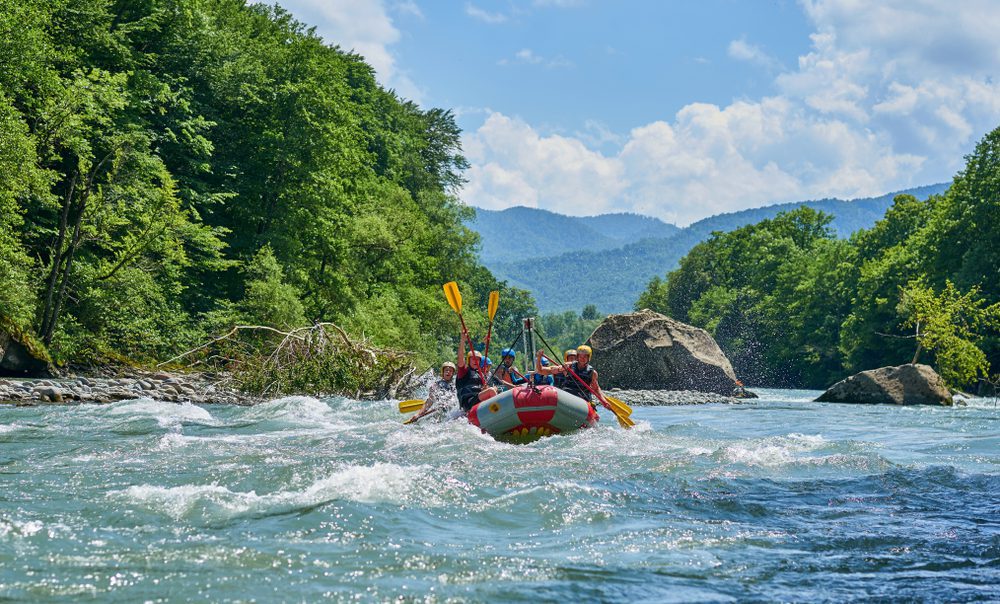
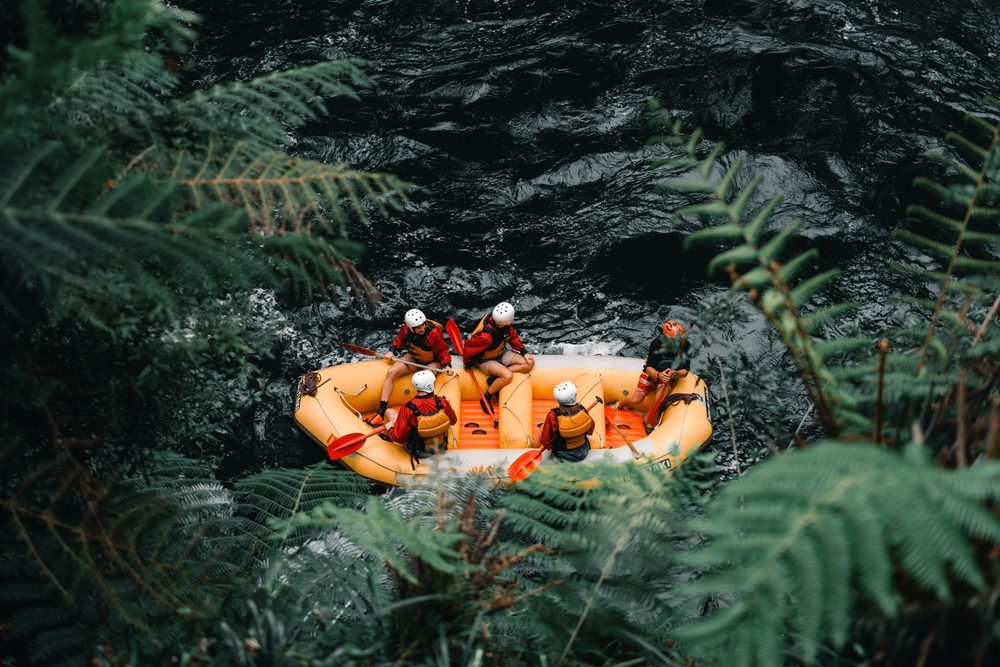
The Bhote Koshi is not a gentle float with occasional splashy waves. It is a steep, relentless torrent of glacial meltwater roaring straight out of the Tibetan plateau through a narrow granite canyon.
Its name translates directly to “River from Tibet.” Among commercially rafted rivers in Nepal, it features the steepest gradient, dropping between 16 and 40 vertical meters per kilometer in its upper canyons. That sheer drop creates continuous, technical white water. Long flatwater pools simply do not exist here. One rapid charges directly into the next, forcing your raft through massive boiling hydraulics, steep boulder drops, and narrow technical chutes.
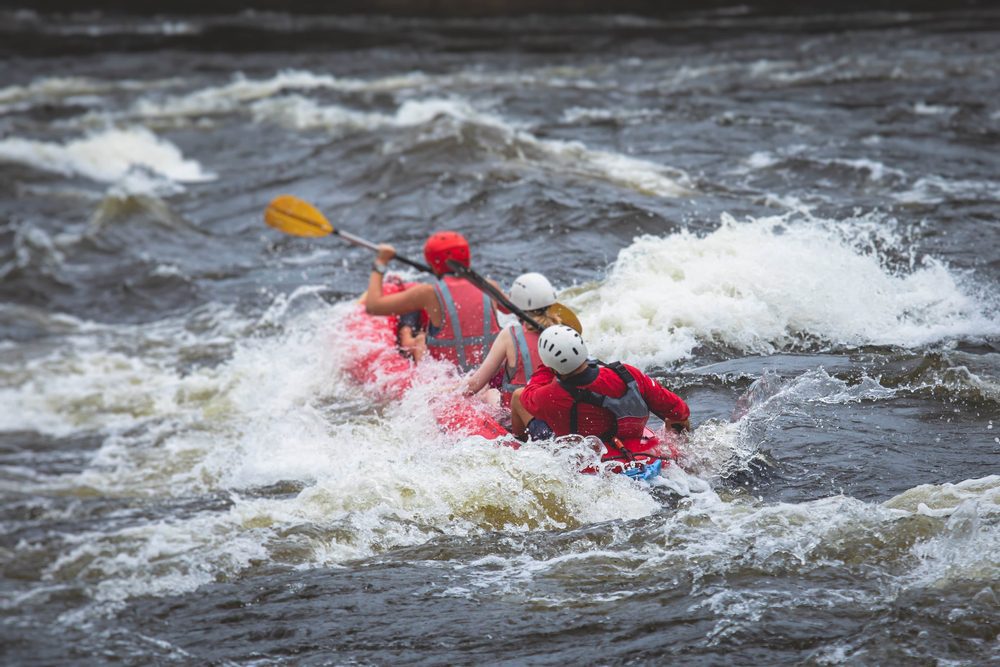
When your lead guide screams “ALL FORWARD!”, there is no hesitating. You lean over the outside tube and bury your paddle into vertical walls of foam. It demands total focus, immediate teamwork, and raw physical grit.
Located 95 kilometers northeast of Kathmandu along the Araniko Highway, this is the premier single-day water expedition in Nepal. It is built for thrill-seekers and experienced paddlers who want world-class Class IV and V white water without spending a week on a remote wilderness expedition.
The Rapids: What Class IV and Class V Really Mean
The Bhote Koshi is recognized internationally as one of the most intense commercially guided rivers in the world.
Class IV Rapids (Advanced White Water)
On the Bhote Koshi, Class IV sections are not mild warm-ups—they are the brief transitions between violent drops. They feature powerful currents, steep drops, unavoidable lateral waves, and narrow technical lines between granite boulders. Every paddler must pull synchronized strokes to hold the raft on line.
Class V Rapids (Expert Level)
These are violent, complex rapids with steep drops, massive recirculating holes, and powerful boiling hydraulics. Swims in Class V water are long, cold, and hazardous. Guides scout every Class V drop from the bank before committing the raft. If seasonal water levels make a rapid unrunnable, the guide will order a portage (carrying the raft along the bank). Portaging an unsafe drop is standard professional safety management on this river.
Legendary Named Rapids on the Run
- “Frog in the Blender”
- “The Great Wall”
- “Gerbil in the Plumbing”
- “John’s Committing Rapid”
Trip Highlights
- High-flotation commercial safety gear and dry bags provided for all personal items.
- Run Nepal’s steepest commercial white-water river, battling continuous Class IV and Class V rapids.
- Navigate deep granite gorges framed by jungle cliffs, terraced hillsides, and waterfalls.
- Paddle with veteran river guides certified by the International Rafting Federation (IRF), backed by dedicated safety kayakers on every rapid.
- Full-day round-trip from Kathmandu: experience extreme Himalayan white water and return to the city for dinner.
- Hot riverside buffet lunch served on clean gravel beaches deep inside the river canyon.
- Option to combine rafting with the 160-meter Bhote Koshi suspension bridge bungee jump or canyon swing.
Itinerary
Your Journey, Step by Step
Optional 2-Day Overnight Camp Expedition
For paddlers who want to experience the river after the day crowds leave, we operate a 2-day wilderness expedition:
Day 1: You complete the full day run detailed above. At 4:30 PM, your raft pulls into a secluded riverside camp. Settle into twin-sharing safari tents with mattresses, take a hot shower, and relax on the river beach. In the evening, gather around a roaring campfire for a hot barbecue and curry dinner under the stars, falling asleep to the rumble of the river.
Day 2: Wake up to valley mist and a hot breakfast of porridge, eggs, toast, and coffee. Launch back onto the river by 8:30 AM to run the lower canyon down toward the Sun Koshi confluence. Take out at midday, enjoy a final hot lunch, and drive back to Kathmandu, arriving by 5:30 PM.
Customize this trip with help from our local travel specialist that matches your Interests.
Customize This TripInclusions
What’s Covered in Your Adventure
- Professional river guide and swiftwater rescue safety kayakers
- High-flotation commercial life jacket (PFD) and CE-certified white-water helmet
- Self-bailing expedition raft and composite paddle
- Round-trip private road transport from Kathmandu
- Hot riverside buffet lunch with tea and coffee
- All local river permits and local government taxes
- Basic emergency first-aid kit carried on board
- Personal dry-land expenses (beers, sodas, snacks at highway stops)
- High-definition photo and video package (available directly from the media crew)
- Personal travel and medical insurance with white-water emergency evacuation coverage
- Pre-trip or post-trip hotel accommodation in Kathmandu
- Tips for river guides, safety kayakers, and transport drivers
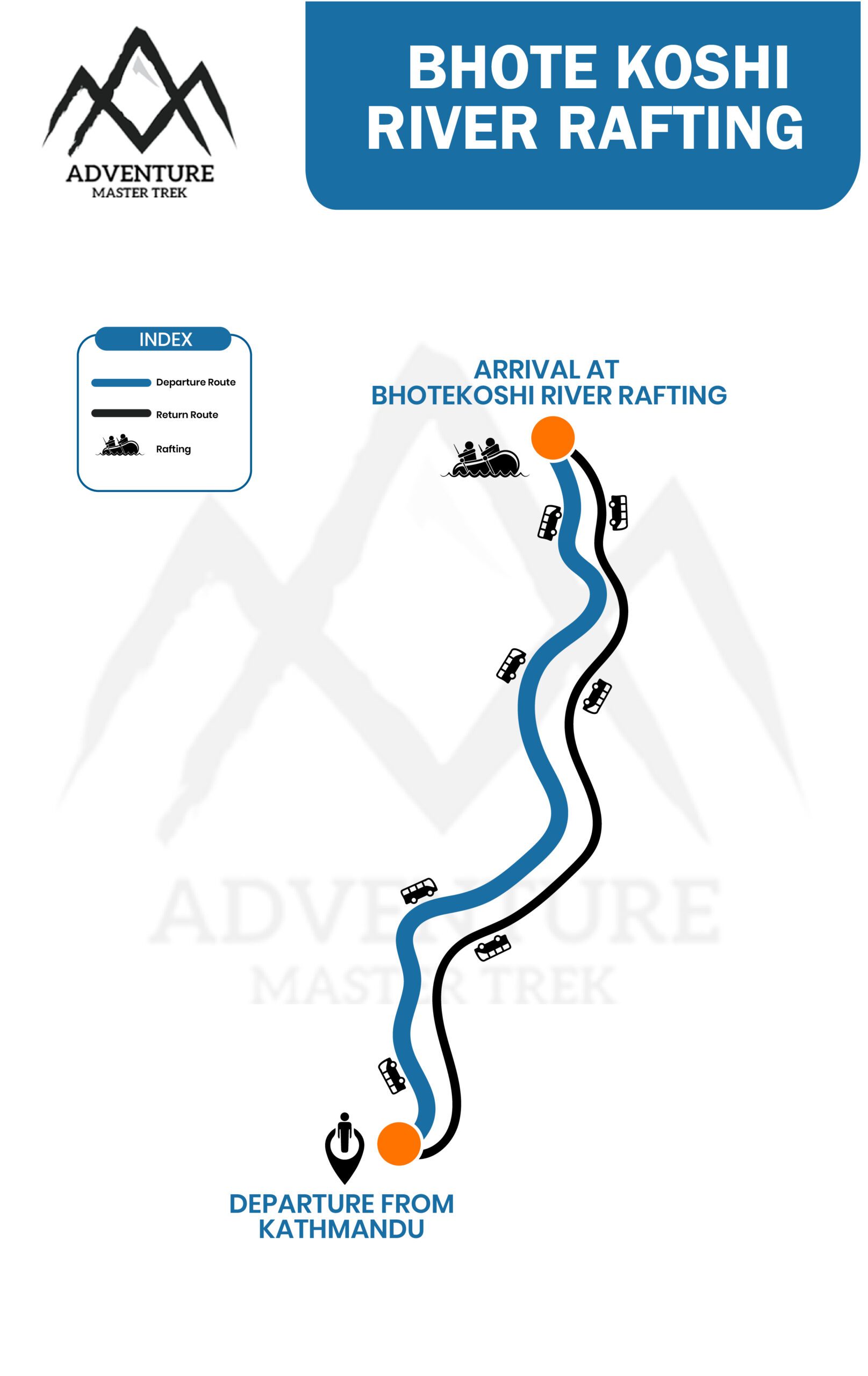
Maps
Navigate Your Journey
Good to Know
Your Journey, Step by Step
Preparation for the Bhote Koshi Nepal Rafting
How to Prepare
A two-day expedition on the Bhote Koshi demands more thorough preparation than a single-day trip. The cumulative physical effort of back-to-back full days of Class IV-V rafting, combined with a night camping in a remote gorge, means that your readiness — physical, mental, and logistical — directly determines the quality of your experience and the safety of everyone in your raft.
Physical Fitness
Begin a targeted fitness programme at least six to eight weeks before departure. Prioritise upper body and core strength through rowing exercises, pull-ups, press-ups, and plank variations, as these muscles carry the primary load during extended paddle work. Add cardiovascular training — running, cycling, or swimming — to build the endurance needed to maintain full performance on day two when cumulative fatigue is at its peak. Regular swimming, ideally including open-water sessions, will build the confidence and capability in moving water that underpins both your safety and your enjoyment throughout the expedition.
Packing for the Overnight
In addition to standard single-day rafting gear, the overnight component requires additional preparation. Pack a full change of warm, dry clothes for the evening — temperatures drop significantly in the gorge after sunset, and a fleece or down layer is essential. Bring a lightweight sleeping liner if you run cold, as camp sleeping bags are provided but a liner adds meaningful warmth. A headtorch with fresh batteries, insect repellent, personal toiletries in a small dry bag, and any required medications are all important inclusions. Keep your overnight bag compact — storage at camp is limited and everything must be transported by raft or support vehicle.
Gear and Clothing
All safety equipment — helmet, PFD, paddle jacket, wetsuit (if conditions require), paddle, and dry bag — is provided. Wear a well-fitting swimsuit or synthetic thermal base layer, never cotton, as cotton becomes dangerously cold when wet. Secure water shoes or old trainers with grip are essential — flip flops and bare feet are not permitted on the river. Sunscreen at SPF 50 or above, a lip balm with UV protection, and sunglasses with a retention strap are all strongly recommended. A small personal waterproof case for a phone or camera is advisable.
Mental Preparation
Two consecutive days on a Class V river in a remote gorge is a significant mental undertaking. The key to performing well is arriving with a clear head, a genuine respect for the river’s power, and an absolute willingness to follow your guide’s instructions without hesitation. Fatigue, ego, and distraction are the most common contributors to incidents on serious white water — arriving rested, humble, and focused eliminates all three. Talk to your guides openly about any concerns before you launch. They have seen every level of paddler on this river and will calibrate their coaching and support to exactly where you are. The Bhote Koshi rewards those who approach it honestly.
Health and Medical Considerations
Arrive fully hydrated and well-rested after avoiding alcohol for at least 24 hours before departure. The gorge environment is warm and humid on the water and cool at night — staying well-hydrated throughout both days is essential and water is provided by guides at regular intervals. Inform your guide team of all medical conditions, allergies, and medications at the initial check-in. A basic first aid kit and emergency communication equipment are carried by the guide team at all times. The nearest medical facilities are in Kathmandu, approximately 3 to 4 hours from the deepest section of the gorge, which underlines the importance of honest self-assessment before committing to this expedition.
Transportation from Kathmandu to Bhote Koshi Nepal Rafting
The Bhote Koshi River lies roughly 95 km northeast of Kathmandu along the Araniko Highway. Typical drive time is 3 to 4 hours each way.
Transport Options:
- Private Tourist Vehicle (Included in All-Inclusive): Comfortable, air-conditioned private cars (1–3 passengers), 4WD Scorpio jeeps (4–6 passengers), or Toyota HiAce vans (7–12 passengers). Offers door-to-door hotel pickup and flexible departure times.
- Local Public Bus (Budget Option): Buses depart from Ratna Park or Koteshwor toward Barabise. They are crowded, take 4 to 5 hours, and stop frequently. Not recommended for tight 1-day schedules.
- Self-Drive / Motorbike: Riding a motorcycle along the Araniko Highway is popular with adventure travelers, though caution is required on mountain switchbacks and gravel sections.
- Motion Sickness Advice: The Araniko Highway winds through steep river valleys. If you are sensitive to motion sickness, take medication (like Dramamine) before boarding the morning bus in Kathmandu.
Bhote Koshi River Rafting (1-Day Trip) Cost
All-Inclusive 1-Day Package
- Cost: $90 to $120 USD per person.
- Includes: Round-trip private road transport from Kathmandu, professional IRF-certified river guide, dedicated safety kayakers, all commercial rafting equipment (self-bailing raft, paddle, high-flotation PFD, helmet, wetsuit/splash jacket if cold), river permits, government taxes, and a hot riverside buffet lunch.
River-Only Package (Self-Drive / Own Transport)
- Cost: $60 to $80 USD per person.
- Best for travelers riding motorbikes, renting their own cars, or staying at resorts along the highway in Sukute. Includes rafting, safety crew, gear, and lunch.
Rates for Nepali Citizens
Nepali citizens receive domestic promotional rates, typically 20% to 30% lower than international pricing. Contact our booking desk with valid citizenship ID for local group packages.
Best Time for Bhote Koshi Nepal Rafting
The Bhote Koshi is fed by Tibetan glaciers and monsoon rainfall. Water volume and rapid intensity change dramatically across the seasons.
Autumn (September to November) – High Water & Massive Waves
- Wind & Weather: Warm, sunny days with clear blue skies and mild canyon temperatures (20°C to 26°C).
- The River Conditions: Swollen by late monsoon runoff, the river runs at high volume. Waves are massive, river speed is intense, and hydraulics are explosive.
- The Reality: This is the premier season for serious adrenaline seekers. It is fast, wild, and requires strong paddling. Light paddle splash jackets are provided.
Spring (March to May) – Technical, Low Water Runs
- Wind & Weather: Sunny, warm weather with dry air and lush greenery along the canyon walls.
- The River Conditions: Glacial melt is steady and volume is lower. Dropping water levels expose granite boulder gardens, sharp drops, and narrow technical chutes.
- The Reality: The river becomes a complex obstacle course. It requires precise technical maneuvering rather than brute force. Water temperatures are cooler, so wetsuits are provided.
Winter (December to February) – Chilly Waters & Low Flow
- Wind & Weather: Sunny, dry days with cool air in the deep gorge (12°C to 17°C).
- The River Conditions: Lowest water levels of the year. The river turns crystal-clear and emerald green.
- The Reality: The water is cold glacial melt straight off the Tibetan peaks. Thick neoprene wetsuits, booties, and splash jackets are mandatory. The rapids are technical and enjoyable, but swimming in winter water is an icy shock.
Monsoon (June to August) – Dangerous Flood Surge (Closed)
- Wind & Weather: Torrential monsoon rainstorms batter the Sindhupalchok canyon.
- The River Conditions: The river surges into an unrunnable, violent brown flood with rolling boulders and debris. Rapid ratings exceed Class VI.
- The Reality: Commercial rafting is strictly closed for safety throughout the peak monsoon months.
Seasonal Rafting Comparison Table
| Season | Months | River Flow Level | Rapid Intensity | Water Temperature | Operational Status |
| Autumn (Peak) | Sep–Nov | High & Fast | Class IV to V (Massive waves) | Mild (16°C to 19°C) | Best season for adrenaline |
| Spring (Peak) | Mar–May | Medium / Technical | Class III+ to IV+ (Rock gardens) | Chilly (12°C to 15°C) | Best for technical paddling |
| Winter | Dec–Feb | Low & Clear | Class III to IV (Maneuvering) | Cold (8°C to 11°C) | Cold; wetsuits mandatory |
| Monsoon | Jun–Aug | Extreme Flood | Class VI (Unrunnable) | Muddy flood | Strictly closed for safety |
What to Bring:
- What to Wear on the Raft:
- Quick-drying athletic clothes: synthetic shorts, swim trunks, and a polyester T-shirt or rash guard. (Cotton is strictly forbidden—cotton holds cold river water against your skin, causing rapid shivering).
- Secure river footwear: water booties, old running shoes with good grip, or sports sandals with secure ankle and heel straps (Tevas or Chacos). Flip-flops and bare feet are strictly banned.
- High-SPF waterproof sunscreen and protective lip balm.
- Sunglass retaining strap if wearing sunglasses on the water.
What to Pack in Your Dry Bag for After the Trip:
- Complete set of warm, dry clothes (trousers, underwear, dry socks, T-shirt, and fleece hoodie) for the ride back.
- Comfortable dry walking shoes or sneakers.
- Quick-dry microfibre towel.
- Plastic bag for wet clothes.
- Cash in Nepalese Rupees for cold drinks, snacks, and guide tips.
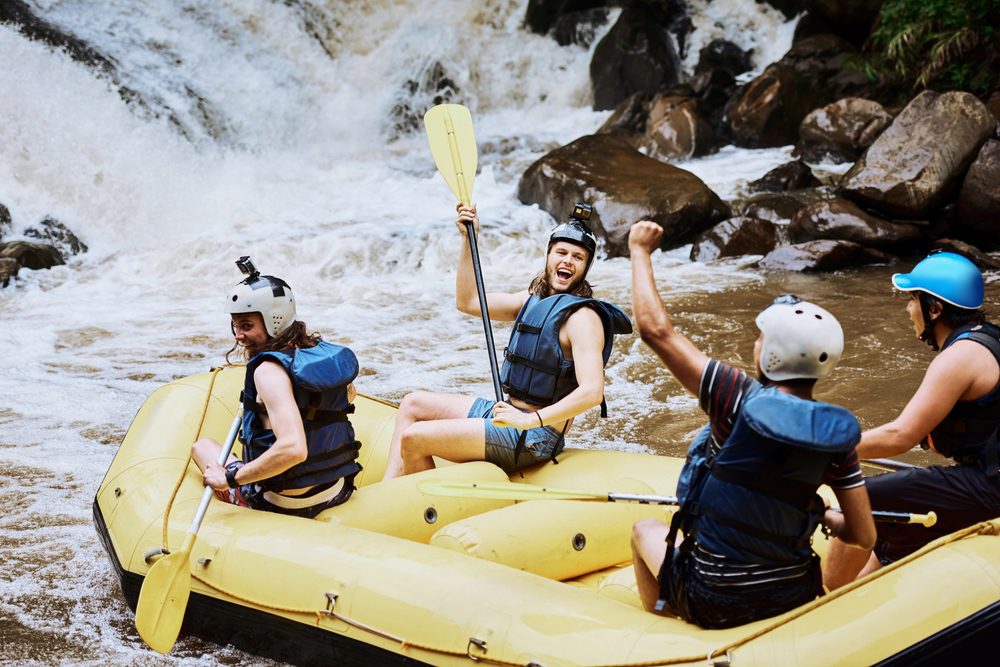
Action Camera (GoPro) Rules: You may bring an action camera only if it is mounted to a certified helmet mount or chest harness. Loose handheld selfie sticks and mobile phones are strictly prohibited on the raft—you need both hands firmly on your paddle at all times. Professional photo and video packages captured from the banks and safety kayaks are available for purchase after the trip.
Safety Considerations for Bhote Koshi Nepal Rafting
- Because the Bhote Koshi is an extreme Class IV-V river, safety infrastructure is managed with zero compromises:
- Mandatory Safety Kayakers: Every commercial departure is accompanied by at least one expert swiftwater safety kayaker. Kayakers paddle ahead through every rapid, set up rescue lines in downstream eddies, and retrieve swimmers within seconds.
- High-Flotation ISO/CE Life Jackets: Standard recreational life jackets are illegal on this river. Every participant wears an ISO/CE-certified commercial vest with high buoyancy and heavy-duty leg straps to prevent the vest from being pulled over your head in violent currents.
- Self-Bailing Heavy-Duty Rafts: We use expedition-grade hypalon and PVC rafts (NRS, Sotar, or Hyside) fitted with self-bailing perimeter floors that drain hundreds of gallons of water instantly.
- Scout and Portage Rules: Guides never run an obstructed Class V rapid blind. Every major feature is inspected on foot from the bank. If high water levels create an unrunnable sieve or dangerous hydraulic, the raft is portaged on land.
Booking Policy for One-Day Bhote Koshi Rafting
How to Book
A non-refundable 30% advance deposit is required to secure your booking date. The remaining balance can be paid in cash or by credit card (Visa/MasterCard subject to a 4% bank processing fee) at our Kathmandu office or on-site prior to river departure.
Guest Cancellation Policy
- Cancellations made 20 or more days before departure receive a full refund of all payments made above the non-refundable deposit.
- Cancellations made less than 20 days before departure, late arrivals, or no-shows on the morning of departure are strictly non-refundable.
Unsafe River Weather & High-Water Guarantee
Safety is absolute. If extreme weather, sudden heavy flooding, or severe landslides along the highway force the trip leader to cancel the trip for safety:
- You will be offered an alternative departure date, a credit voucher valid for 12 months, or a 100% full refund. We never compromise on river safety.
Other Activities in the Area
The Bhote Koshi canyon is Nepal’s original adventure hub. You can easily expand your 1-day rafting trip into a multi-sport weekend:
- The Last Resort Bungee Jump: Leap 160 meters from a Swiss-designed steel suspension bridge into the exact river gorge you just rafted.
- The Canyon Swing: A massive freefall swing from the same 160-meter suspension bridge that arcs across the canyon at over 150 km/h.
- Canyoning: Rappel down vertical waterfalls and slide through rock chutes in tributary canyons feeding into the Bhote Koshi.
- Sukute Beach Resorts: Relax at one of the popular riverside resorts along the lower highway featuring swimming pools, beach volleyball, and lawn bars.
FAQs
Your Questions, Answered
What is included in the Bhotekoshi rafting price?
All-inclusive packages usually cover transport from Kathmandu, expert guides, all safety and rafting equipment, lunch, and necessary permits are included in Bhote Koshi Rafting package.
What makes the Bhote Koshi in Nepal special for rafting?
The river’s Tibetan origin, extreme gradient, continuous Class IV-V rapids, and dramatic canyon setting create Nepal’s most challenging rafting experience makes the Bhote Koshi rafting special.
How far is the Bhote Koshi river from Kathmandu?
The Bhote Koshi river is approximately 3 3-hour drive from Kathmandu along the scenic Arniko Highway toward the Tibet border.
Can I combine Bhote Koshi bungee jumping with rafting?
Yes, we do offer the combination packages, including both Bhote Koshi bungee jumping and rafting for the ultimate adventure experience. For this you should contact is in advance so we can arrange your customized trips to Bhote Koshi.
Is Bhote Koshi rafting safe for beginners?
Due to its continuous Class IV-V rapids and extreme gradient, the Bhote Koshi is not recommended for first-time rafters or beginners. Previous rafting experience at Class III or above is strongly advised. All participants are guided by certified swift water rescue professionals throughout.
What is the best time of year for Bhote Koshi River rafting?
The best seasons are September to December (post-monsoon) and March to May (spring). October is widely considered the single best month, offering peak river flows, clear skies, and ideal temperatures. Monsoon season (June–August) is generally avoided for safety reasons.
What class of rapids is the Bhote Koshi River?
The Bhote Koshi features continuous Class IV and Class V rapids throughout its commercially rafted section, making it the highest-grade regularly guided river in Nepal and one of the most challenging in the world.
What should I wear for Bhote Koshi River rafting?
Wear a well-fitting swimsuit or synthetic thermal base layer — never cotton, as it becomes dangerously cold when wet. Secure water shoes or old trainers with grip are essential. A paddle jacket, wetsuit, helmet, and PFD are all provided by the operator.
What is the minimum age for Bhote Koshi rafting?
The minimum age for Bhote Koshi River rafting is 18 years due to the extreme Class IV-V nature of the rapids. This is strictly enforced by all reputable operators regardless of experience level.
How long is the Bhote Koshi rafting section?
The commercially rafted section of the Bhote Koshi is approximately 8 to 12 km in length, but due to the river’s relentless gradient and continuous rapids, a full day on the water is required to complete it safely with proper scouting and rest stops.
Do I need to know how to swim for Bhote Koshi rafting?
Yes. Confident swimming ability is mandatory for all participants. Even with a certified PFD, swimmers in Class IV-V water must be capable of self-recovery in fast-moving currents. Non-swimmers are not permitted on this river.
What is the Bhote Koshi 2-day rafting trip cost?
A 2-day, 1-night Bhote Koshi rafting expedition including riverside camping, all meals, transport, equipment, and guides typically costs between $150 and $220 USD per person. Prices vary by group size, season, and operator.
Is there a weight or fitness requirement for Bhote Koshi rafting?
Participants should be in good general physical health with reasonable upper body strength and cardiovascular fitness. Most operators apply a maximum weight limit of approximately 100 to 110 kg for safety reasons. Those with serious medical conditions should seek clearance from a physician before booking.
What equipment is provided for Bhote Koshi rafting?
All essential safety and rafting equipment is provided, including a certified helmet, personal flotation device (PFD), paddle jacket, wetsuit (where required by conditions), paddle, and dry bag for personal items.
Can I do Bhote Koshi rafting during the monsoon season?
Most reputable operators suspend Bhote Koshi rafting operations during peak monsoon (June to August) due to dangerously unpredictable water levels, high debris content, and rapidly changing conditions. Some limited operations may run in early June or late August — always check current conditions with your operator.
How do I get to the Bhote Koshi River from Kathmandu?
The most common options are a private tourist vehicle (3–4 hours, door-to-door from your hotel), local bus from Ratna Park or Koteshwor (4–5 hours), self-drive or motorbike along the Arniko Highway, or inclusive resort transport if booked through The Last Resort.
What permits are required for Bhote Koshi rafting?
All necessary river permits and entry fees are typically included in reputable all-inclusive packages. Your operator handles all permit arrangements on your behalf. No separate action is required from participants.
Is the Bhote Koshi suitable for a corporate or group adventure?
Yes. The Bhote Koshi is an outstanding choice for corporate team-building and group adventure experiences. The extreme environment, requirement for communication and teamwork, and shared intensity of the experience create exceptional group bonding. Custom group packages are available — contact us in advance for tailored pricing and logistics.
What happens if a rapid is too dangerous to run?
If a guide assesses a rapid as unsafe to run at current water levels, the raft will be portaged — carried around the rapid on land. This decision rests solely with the lead guide and reflects professional judgement and responsibility. Safety always takes precedence over completing any particular section of the river.
Are there toilets or facilities on the river?
Basic facilities are available at the put-in and take-out points. On the river itself, facilities are limited to natural surroundings. On 2-day trips, riverside camps are equipped with basic toilet facilities. Guides advise on practical arrangements during the pre-trip briefing.
Can I bring a camera or phone on the Bhote Koshi?
Personal electronics can be brought in a waterproof case or dry bag, which is provided by most operators. However, given the intensity and continuous nature of the rapids, in-raft photography requires a secure mount or wrist strap. Guides can advise on the safest moments for photography throughout the day.
What is the difference between Bhote Koshi and Trishuli River rafting?
The Trishuli is Nepal’s most popular rafting river, featuring Class III-IV rapids and suited to a wide range of experience levels. The Bhote Koshi is significantly steeper, more continuous, and more technically demanding — a Class IV-V river recommended only for experienced paddlers seeking an extreme challenge.
Is travel insurance required for Bhote Koshi rafting?
Comprehensive travel insurance that specifically covers extreme water sports and emergency medical evacuation is strongly recommended for all participants. Some operators require proof of coverage at check-in. Given the remote gorge location and distance from Kathmandu’s medical facilities, adequate insurance is an essential, not optional, precaution.
How do I book a Bhote Koshi rafting trip?
Bookings can be made directly through your adventure operator, through a reputable Kathmandu-based travel agency, or via the operator’s website. For combination packages — such as rafting plus bungee jumping — or for customised group itineraries, contact us directly in advance to confirm availability and arrange tailored logistics.

Reviews
What Our Travelers Say


Based on 2 ratings
5




View Our Similar Packages
Discover our top tours, loved by thousands of travelers annually. Choose the adventure that inspires you and embark on a journey tailored to your desires.

 Nepal
 7 Days
Add Review
Reviewing for Bhote Koshi River RaftingRequest a Callback - Bhote Koshi River Rafting
Submit the form and we will be back to you shortly
Request a Callback - Bhote Koshi River Rafting
Submit the form and we will be back to you shortly
Narayanhiti Palace Museum

Narayanhiti Palace Museum


