









Bhote Koshi River Rafting


Trip Overview


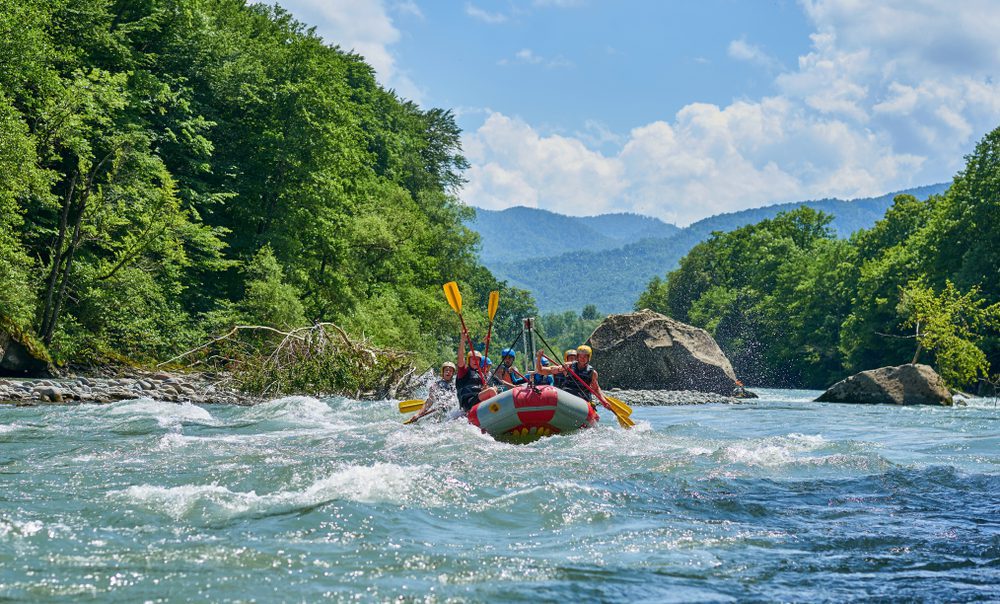
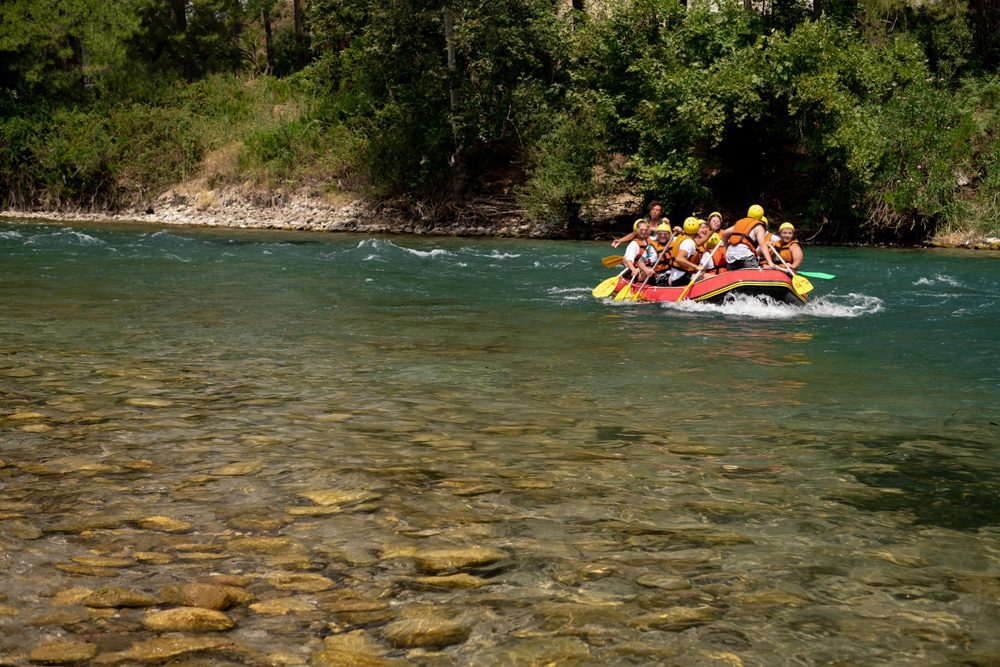
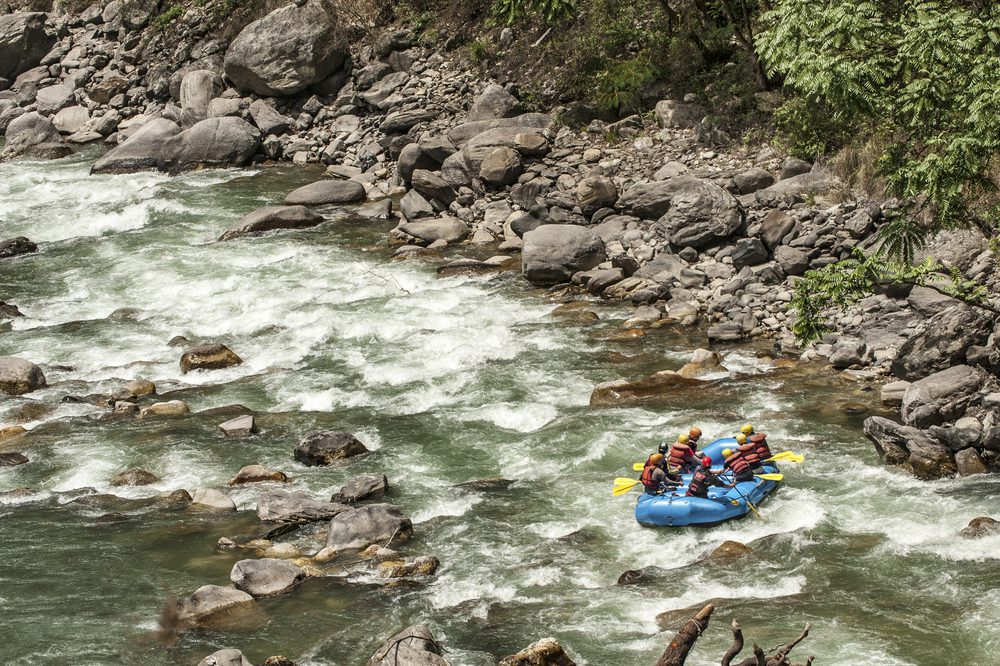
Bhote Koshi Rafting in the Bhote Koshi River offers Nepal’s highest adrenaline-pumping white-water adventure. It features difficult Class IV-V rapids that can test even the most experienced rafters. It is located in the Bhote Koshi Nepal border with Tibet the river provides the most challenging and steepest river rafting in the nation. This river Bhote Koshi literally translates to “river from Tibet,” as is true of its name it is a powerful river that cascades through the mountains into dramatic gorges, small canyons.
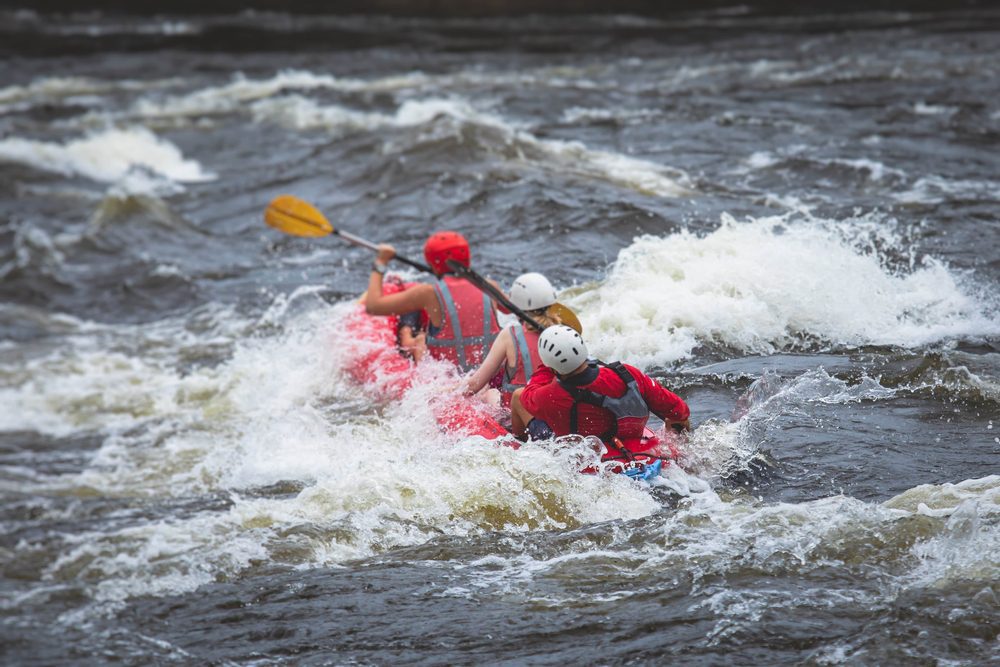
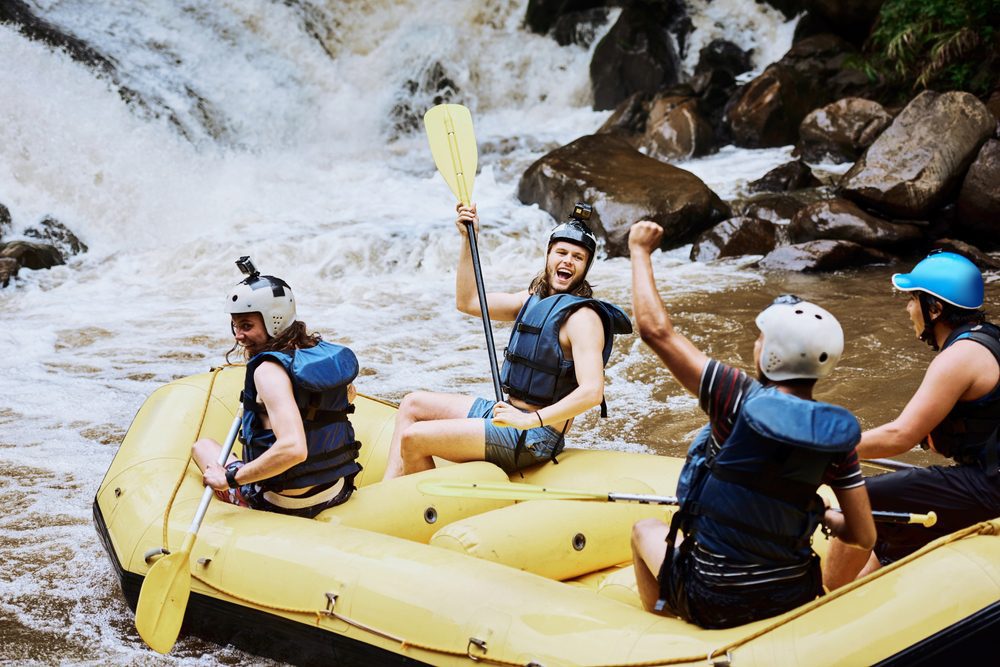
This extremely Bhote Koshi one-day river rafting excursion is ideal for adrenaline junkies as well as experienced rafters seeking the most challenging experience. The steep slope of the river creates endless rapids that are accompanied by massive waves, vigorous hydraulics as well as technical moves. This requires the ability and bravery in person to complete. Together with the famous Bhote Koshi bungee jump, this location is well-known as a place for extreme sports and adventure in Nepal. The river’s power is also harnessed by projects like the Bhote Koshi hydropower plant, a testament to its force. This trip is a true test of nerve and teamwork, rewarding adventurers with stunning natural beauty and an unparalleled sense of accomplishment. This extremely Bhote Koshi one-day river rafting excursion is ideal for adrenaline junkies as well as experienced rafters seeking the most challenging experience. The steep slope of the river creates endless rapids that are accompanied by massive waves, vigorous hydraulics as well as technical moves. If there’s one thing that tests both your courage and your sense of adventure, it’s taking the leap here. You’ll need both guts and grit for this one. Beside the legendary Bhote Koshi bungee jump, this stretch of river is a haven for adventure seekers in Nepal. The Bhote Koshi is pure power, roaring past with a force that could run a hydropower plant. Rafting here isn’t just about the thrill — it’s about working together, testing yourself, and feeling truly alive. And when it’s over, the Himalayan views make every rapid worth it.
Highlights of Bhote Koshi River Rafting
- Experience Nepal’s most challenging Class IV-V rapids on Bhote Koshi, Nepal.
- Navigate through dramatic gorges and steep-walled canyons.
- Perfect for experienced rafters seeking extreme white water adventure.
- Opportunity to combine with the Bhote Koshi bungee jumping experience.
- Witness the impressive Bhote Koshi hydropower infrastructure.
- Scenic drive along the Tibet-Nepal friendship highway.
- Continuous action-packed rapids with minimal flat water sections.
- Professional extreme rafting guides with extensive experience.
- Small group sizes ensure personalized attention and safety.
- Conquer Class IV-V rapids on Nepal’s legendary Himalayan rivers, including powerful named rapids that rank among the most challenging commercially rafted sections in all of Asia.
- Journey through breathtaking river gorges flanked by jungle cliffs, terraced farmland, and soaring mountain scenery accessible only by raft — a perspective of Nepal few travellers ever witness.
- Receive expert guidance from highly experienced local river guides whose deep knowledge of every rapid ensures both maximum safety and maximum excitement throughout the run.
- Enjoy a well-earned riverside lunch in a pristine natural setting, surrounded by the sounds of the river — a moment of calm and camaraderie between morning and afternoon rapids.
- Experience a seamless full-day adventure from Kathmandu with all logistics handled, including transport by bus and jeep, professional equipment, safety gear, and briefings — no prior arrangements needed.
Itinerary
Your Journey, Step by Step
08:30 AM — Arrival & Safety Briefing
Upon arriving at the river bank, you meet your professional guides and receive a thorough safety briefing. This covers paddling commands, swim positions, how to re-enter the raft, and what to do in the event of a capsize. All participants are fitted with certified helmets, personal flotation devices (PFDs), and paddle jackets. Dry bags are provided to secure personal items. This briefing is mandatory and taken seriously — it is the foundation of a safe and enjoyable day on the water.
09:15 AM — Launch & Upper Section Rapids
With adrenaline rising, your raft pushes off from the bank and into the river’s current. The upper section of the run introduces you to progressively powerful rapids, allowing the group to build rhythm, communication, and confidence before the day’s most intense challenges. Guides coach you through the technical moves required to navigate each rapid successfully — reading the water, coordinating paddle strokes, and responding instantly to commands.
12:30 PM — Riverside Lunch
After an action-packed morning on the water, your guides pull the raft ashore at a scenic riverside spot for a well-deserved lunch break. A freshly prepared hot meal is served, and participants have time to relax, swim in calmer pools, and soak in the extraordinary natural surroundings. This is a moment to bond with fellow paddlers, review the morning’s highlights, and recharge for the afternoon’s challenges ahead.
01:30 PM — Lower Section & Class V Challenges
The afternoon section is where the river truly bares its teeth. This stretch contains the most technically demanding rapids of the day — powerful hydraulics, steep drops, and fast-moving channels that demand full concentration and teamwork. Your guides will scout the most challenging sections from the bank, explaining the line before each major rapid. This is the part of the day that paddlers remember most vividly.
03:30 PM — Take-Out & Journey Back
As the river calms near the take-out point, your guides pull the rafts ashore and begin packing equipment. Participants change into dry clothes, share stories of the day’s highlights, and board the return transport. The drive back to Kathmandu retraces the mountain road through the valleys, arriving in the city by early evening — tired, exhilarated, and deeply satisfied.
06:00 PM — Arrival in Kathmandu
The day concludes with drop-off at the original departure point in central Kathmandu. Guides are available to recommend local restaurants and evening activities. Trip certificates and photographs (if the photography add-on was selected) are distributed. This is the end of the official itinerary — though the memories will last considerably longer.
Customize this trip with help from our local travel specialist that matches your Interests.
Customize This TripInclusions
What’s Covered in Your Adventure
- A professional guide.
- All necessary rafting equipment.
- Meals are included during the trip.
- Transportation from Kathmandu is covered.
- Required permits are included. Insurance is also provided.
- Personal expenses (snacks, drinks, etc.)
- Photography or video services (if not mentioned by the operator)
- Tips for guides and staff Extra meals or beverages beyond the included lunch
- Accommodation before or after the trip
- Travel insurance covering trip cancellations or medical evacuation
Maps
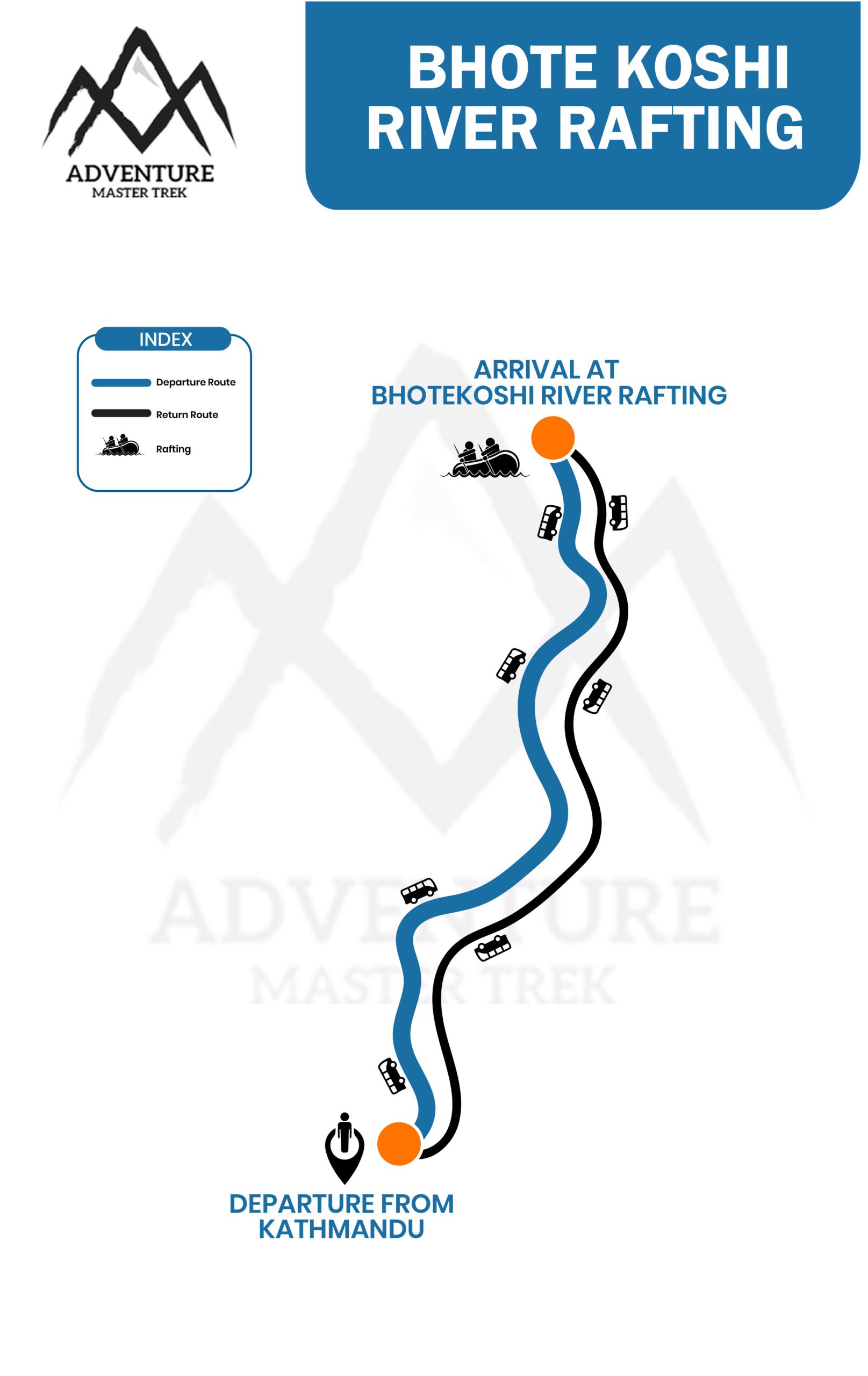
Navigate Your Journey
Good to Know
Your Journey, Step by Step
Preparation for the Bhote Koshi Nepal Rafting
How to Prepare
A two-day expedition on the Bhote Koshi demands more thorough preparation than a single-day trip. The cumulative physical effort of back-to-back full days of Class IV-V rafting, combined with a night camping in a remote gorge, means that your readiness — physical, mental, and logistical — directly determines the quality of your experience and the safety of everyone in your raft.
Physical Fitness
Begin a targeted fitness programme at least six to eight weeks before departure. Prioritise upper body and core strength through rowing exercises, pull-ups, press-ups, and plank variations, as these muscles carry the primary load during extended paddle work. Add cardiovascular training — running, cycling, or swimming — to build the endurance needed to maintain full performance on day two when cumulative fatigue is at its peak. Regular swimming, ideally including open-water sessions, will build the confidence and capability in moving water that underpins both your safety and your enjoyment throughout the expedition.
Packing for the Overnight
In addition to standard single-day rafting gear, the overnight component requires additional preparation. Pack a full change of warm, dry clothes for the evening — temperatures drop significantly in the gorge after sunset, and a fleece or down layer is essential. Bring a lightweight sleeping liner if you run cold, as camp sleeping bags are provided but a liner adds meaningful warmth. A headtorch with fresh batteries, insect repellent, personal toiletries in a small dry bag, and any required medications are all important inclusions. Keep your overnight bag compact — storage at camp is limited and everything must be transported by raft or support vehicle.
Gear and Clothing
All safety equipment — helmet, PFD, paddle jacket, wetsuit (if conditions require), paddle, and dry bag — is provided. Wear a well-fitting swimsuit or synthetic thermal base layer, never cotton, as cotton becomes dangerously cold when wet. Secure water shoes or old trainers with grip are essential — flip flops and bare feet are not permitted on the river. Sunscreen at SPF 50 or above, a lip balm with UV protection, and sunglasses with a retention strap are all strongly recommended. A small personal waterproof case for a phone or camera is advisable.
Mental Preparation
Two consecutive days on a Class V river in a remote gorge is a significant mental undertaking. The key to performing well is arriving with a clear head, a genuine respect for the river’s power, and an absolute willingness to follow your guide’s instructions without hesitation. Fatigue, ego, and distraction are the most common contributors to incidents on serious white water — arriving rested, humble, and focused eliminates all three. Talk to your guides openly about any concerns before you launch. They have seen every level of paddler on this river and will calibrate their coaching and support to exactly where you are. The Bhote Koshi rewards those who approach it honestly.
Health and Medical Considerations
Arrive fully hydrated and well-rested after avoiding alcohol for at least 24 hours before departure. The gorge environment is warm and humid on the water and cool at night — staying well-hydrated throughout both days is essential and water is provided by guides at regular intervals. Inform your guide team of all medical conditions, allergies, and medications at the initial check-in. A basic first aid kit and emergency communication equipment are carried by the guide team at all times. The nearest medical facilities are in Kathmandu, approximately 3 to 4 hours from the deepest section of the gorge, which underlines the importance of honest self-assessment before committing to this expedition.
Transportation from Kathmandu to Bhote Koshi Nepal Rafting
Bhote Koshi River lies approximately 95 km northeast of Kathmandu along the scenic Araniko Highway toward the Tibet border, with a typical driving time of 3 to 4 hours depending on traffic and road conditions. Travellers have several transport options to suit different budgets and preferences. The most comfortable choice is a private tourist vehicle, available in various sizes — car (1–3 passengers), Scorpio/Jeep (3–6 passengers), Hiace Van (7–12 passengers), or Tourist Bus (15+ passengers) — offering door-to-door hotel pickup and flexible departure times, with cost varying by group size and season. Budget-conscious travellers can opt for a local bus departing from Ratna Park or Koteshwor, though the journey takes 4 to 5 hours and additional local transport may be needed to reach the exact rafting put-in point. Adventure travellers often choose to self-drive or ride a motorbike along the highway, enjoying the mountain scenery en route, though caution is advised on narrow roads — particularly during monsoon season. Those booking through The Last Resort will find that transport is conveniently bundled into rafting, bungee, or multi-day adventure packages, making it the most hassle-free arrangement of all.
For a standard one-day rafting trip, the typical schedule begins with a 6:00 AM hotel pickup from Kathmandu, arriving at the Bhote Koshi River by around 10:00 AM, with the return drive departing at approximately 3:00 PM and arriving back in Kathmandu by 7:00 PM. Regardless of which transport option you choose, a few practical tips will make the journey smoother — depart early to clear Kathmandu’s city traffic, carry motion sickness medication if you are sensitive to winding mountain roads, and keep a photocopy of your passport accessible as road checkpoints are occasionally in operation along the Araniko Highway. Road conditions can change significantly during the monsoon season, so it is worth checking the latest situation with your operator before departure.
Best Time for Bhote Koshi Nepal Rafting
The prime seasons are October to November (post-monsoon with excellent, powerful flows) and March to May (pre-monsoon, warmer weather, and good water levels). Water levels are crucial; rafting during peak monsoon (June-August) is generally not recommended for commercial trips due to extremely high and dangerous water.
What to Bring:
- Swimsuit or quick-drying shorts and t-shirt (synthetics are best).
- Secure footwear that will stay on (river sandals with heel straps, old sneakers). No flip-flops.
- Sunscreen and lip balm.
- Sunglasses with a strong retaining strap.
- Reusable water bottle.
- Towel and a complete set of dry clothes and shoes for after rafting.
- Waterproof bag/pouch for small valuables (at your own risk).
- Personal medication, if required.
Other Activities in the Area
The Bhote Koshi region is an adventure hub. In addition to the thrilling rafting experience, you can visit a world-famous bungee jumping site nearby. It is often called “The Last Resort,” which also offers canyoning and accommodation. You might consider combining your rafting trip with these activities. Prices range from $30–100 USD per night based on the type of room and amenities.
Safety Considerations for Bhote Koshi Nepal Rafting
- All participants must wear a certified helmet and personal flotation device (PFD) at all times while on the water — no exceptions regardless of experience level or swimming ability.
- A comprehensive safety and paddling briefing is conducted before entering the river, covering paddle commands, swim positions, self-rescue techniques, and what to do in the event of a capsize or swimmer situation.
- All guides are professionally trained in swift water rescue, first aid, and emergency river management, with extensive hands-on experience specifically on the Bhote Koshi and its unique hydraulic characteristics.
- Throw bags, rescue ropes, and first aid kits are carried in every raft and are accessible at all times throughout the journey — guides are trained to deploy rescue equipment rapidly in any situation.
- Every significant Class V rapid is scouted from the bank before the raft approaches, with guides assessing current water levels, identifying hazards, and walking the team through the chosen line before committing.
- Portaging — carrying the raft around a rapid on land — is employed at the most extreme features when water levels or conditions make running the rapid unsafe, and this decision rests solely with the lead guide.
- Participants are required to disclose all medical conditions, allergies, and medications at check-in so guides can prepare appropriately and ensure emergency protocols are in place for any individual health considerations.
- A minimum age of 18 is strictly enforced for Class IV-V sections, and participants with cardiovascular conditions, spinal or neck injuries, epilepsy, or recent surgical recovery must present medical clearance before being permitted to participate.
- Group sizes are kept between 4 and 12 participants to ensure each raft can be managed safely and every paddler receives adequate attention, coaching, and supervision from the guide team throughout both days.
- The nearest medical facilities are located in Kathmandu, approximately 3 to 4 hours from the deepest sections of the gorge — guides carry emergency communication equipment and are trained in remote first aid to manage any incident until professional medical assistance can be reached.
- Road checkpoints and emergency contact protocols are established with local authorities along the Araniko Highway, ensuring rapid coordination in the unlikely event that evacuation from the gorge is required.
- Participants are strongly advised to avoid alcohol for at least 24 hours before the trip, arrive well-rested and fully hydrated, and maintain honest communication with guides throughout — self-awareness and transparency are the single most important safety tools on any extreme white water expedition.
Booking Policy for One-Day Bhote Koshi Rafting
How to Book
To reserve your Bhote Koshi rafting adventure, a small deposit is required to secure your spot. The remaining payment can be made upon arrival or shortly before the trip begins.
Cancellation Policy
If Participant Cancels
If you cancel in advance, most of your deposit may be refunded. However, cancellations made close to the trip date may result in a partial or full loss of the deposit.
If Operator Cancels
If the trip is canceled due to unsafe river conditions, extreme weather, or insufficient bookings, you will receive a full refund or have the option to reschedule for another date.
FAQs
Your Questions, Answered
What is included in the Bhotekoshi rafting price?
All-inclusive packages usually cover transport from Kathmandu, expert guides, all safety and rafting equipment, lunch, and necessary permits are included in Bhote Koshi Rafting package.
What makes the Bhote Koshi in Nepal special for rafting?
The river’s Tibetan origin, extreme gradient, continuous Class IV-V rapids, and dramatic canyon setting create Nepal’s most challenging rafting experience makes the Bhote Koshi rafting special.
How far is the Bhote Koshi river from Kathmandu?
The Bhote Koshi river is approximately 3 3-hour drive from Kathmandu along the scenic Arniko Highway toward the Tibet border.
Can I combine Bhote Koshi bungee jumping with rafting?
Yes, we do offer the combination packages, including both Bhote Koshi bungee jumping and rafting for the ultimate adventure experience. For this you should contact is in advance so we can arrange your customized trips to Bhote Koshi.
Is Bhote Koshi rafting safe for beginners?
Due to its continuous Class IV-V rapids and extreme gradient, the Bhote Koshi is not recommended for first-time rafters or beginners. Previous rafting experience at Class III or above is strongly advised. All participants are guided by certified swift water rescue professionals throughout.
What is the best time of year for Bhote Koshi River rafting?
The best seasons are September to December (post-monsoon) and March to May (spring). October is widely considered the single best month, offering peak river flows, clear skies, and ideal temperatures. Monsoon season (June–August) is generally avoided for safety reasons.
What class of rapids is the Bhote Koshi River?
The Bhote Koshi features continuous Class IV and Class V rapids throughout its commercially rafted section, making it the highest-grade regularly guided river in Nepal and one of the most challenging in the world.
What should I wear for Bhote Koshi River rafting?
Wear a well-fitting swimsuit or synthetic thermal base layer — never cotton, as it becomes dangerously cold when wet. Secure water shoes or old trainers with grip are essential. A paddle jacket, wetsuit, helmet, and PFD are all provided by the operator.
What is the minimum age for Bhote Koshi rafting?
The minimum age for Bhote Koshi River rafting is 18 years due to the extreme Class IV-V nature of the rapids. This is strictly enforced by all reputable operators regardless of experience level.
How long is the Bhote Koshi rafting section?
The commercially rafted section of the Bhote Koshi is approximately 8 to 12 km in length, but due to the river’s relentless gradient and continuous rapids, a full day on the water is required to complete it safely with proper scouting and rest stops.
Do I need to know how to swim for Bhote Koshi rafting?
Yes. Confident swimming ability is mandatory for all participants. Even with a certified PFD, swimmers in Class IV-V water must be capable of self-recovery in fast-moving currents. Non-swimmers are not permitted on this river.
What is the Bhote Koshi 2-day rafting trip cost?
A 2-day, 1-night Bhote Koshi rafting expedition including riverside camping, all meals, transport, equipment, and guides typically costs between $150 and $220 USD per person. Prices vary by group size, season, and operator.
Is there a weight or fitness requirement for Bhote Koshi rafting?
Participants should be in good general physical health with reasonable upper body strength and cardiovascular fitness. Most operators apply a maximum weight limit of approximately 100 to 110 kg for safety reasons. Those with serious medical conditions should seek clearance from a physician before booking.
What equipment is provided for Bhote Koshi rafting?
All essential safety and rafting equipment is provided, including a certified helmet, personal flotation device (PFD), paddle jacket, wetsuit (where required by conditions), paddle, and dry bag for personal items.
Can I do Bhote Koshi rafting during the monsoon season?
Most reputable operators suspend Bhote Koshi rafting operations during peak monsoon (June to August) due to dangerously unpredictable water levels, high debris content, and rapidly changing conditions. Some limited operations may run in early June or late August — always check current conditions with your operator.
How do I get to the Bhote Koshi River from Kathmandu?
The most common options are a private tourist vehicle (3–4 hours, door-to-door from your hotel), local bus from Ratna Park or Koteshwor (4–5 hours), self-drive or motorbike along the Arniko Highway, or inclusive resort transport if booked through The Last Resort.
What permits are required for Bhote Koshi rafting?
All necessary river permits and entry fees are typically included in reputable all-inclusive packages. Your operator handles all permit arrangements on your behalf. No separate action is required from participants.
Is the Bhote Koshi suitable for a corporate or group adventure?
Yes. The Bhote Koshi is an outstanding choice for corporate team-building and group adventure experiences. The extreme environment, requirement for communication and teamwork, and shared intensity of the experience create exceptional group bonding. Custom group packages are available — contact us in advance for tailored pricing and logistics.
What happens if a rapid is too dangerous to run?
If a guide assesses a rapid as unsafe to run at current water levels, the raft will be portaged — carried around the rapid on land. This decision rests solely with the lead guide and reflects professional judgement and responsibility. Safety always takes precedence over completing any particular section of the river.
Are there toilets or facilities on the river?
Basic facilities are available at the put-in and take-out points. On the river itself, facilities are limited to natural surroundings. On 2-day trips, riverside camps are equipped with basic toilet facilities. Guides advise on practical arrangements during the pre-trip briefing.
Can I bring a camera or phone on the Bhote Koshi?
Personal electronics can be brought in a waterproof case or dry bag, which is provided by most operators. However, given the intensity and continuous nature of the rapids, in-raft photography requires a secure mount or wrist strap. Guides can advise on the safest moments for photography throughout the day.
What is the difference between Bhote Koshi and Trishuli River rafting?
The Trishuli is Nepal’s most popular rafting river, featuring Class III-IV rapids and suited to a wide range of experience levels. The Bhote Koshi is significantly steeper, more continuous, and more technically demanding — a Class IV-V river recommended only for experienced paddlers seeking an extreme challenge.
Is travel insurance required for Bhote Koshi rafting?
Comprehensive travel insurance that specifically covers extreme water sports and emergency medical evacuation is strongly recommended for all participants. Some operators require proof of coverage at check-in. Given the remote gorge location and distance from Kathmandu’s medical facilities, adequate insurance is an essential, not optional, precaution.
How do I book a Bhote Koshi rafting trip?
Bookings can be made directly through your adventure operator, through a reputable Kathmandu-based travel agency, or via the operator’s website. For combination packages — such as rafting plus bungee jumping — or for customised group itineraries, contact us directly in advance to confirm availability and arrange tailored logistics.

Reviews
What Our Travelers Say


Based on 2 ratings
5




View Our Similar Packages
Discover our top tours, loved by thousands of travelers annually. Choose the adventure that inspires you and embark on a journey tailored to your desires.

 Nepal
Nepal
 7 Days
Add Review
Reviewing for Bhote Koshi River RaftingRequest a Callback - Bhote Koshi River Rafting
Submit the form and we will be back to you shortly
Request a Callback - Bhote Koshi River Rafting
Submit the form and we will be back to you shortly
Narayanhiti Palace Museum

Narayanhiti Palace Museum


