








EBC with Island Peak Trek 17 days


Quick Trip Facts


If you’ve ever dreamed of standing at the foot of the world’s highest mountain and then pushing yourself even further to summit a Himalayan peak, then the Everest Base Camp and Island Peak Climbing expedition is exactly what you’ve been waiting for. This is one of the most iconic and fulfilling adventures Nepal has to offer — a journey that combines the magic of classic Himalayan trekking with the raw thrill of real mountaineering. It’s the kind of trip that stays with you long after you’ve returned home, the kind you’ll be telling stories about for the rest of your life.
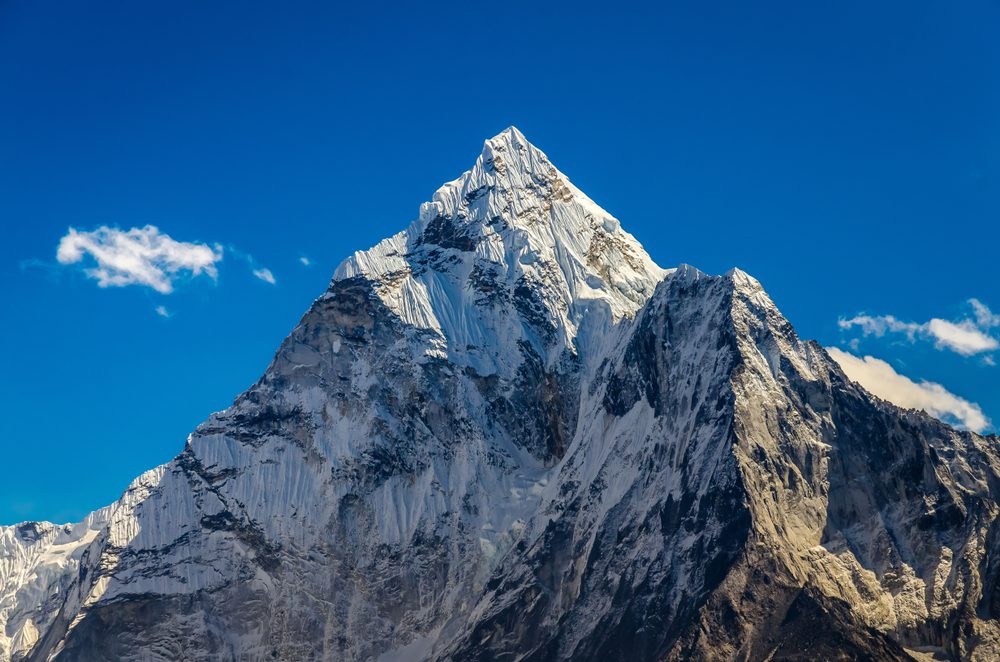
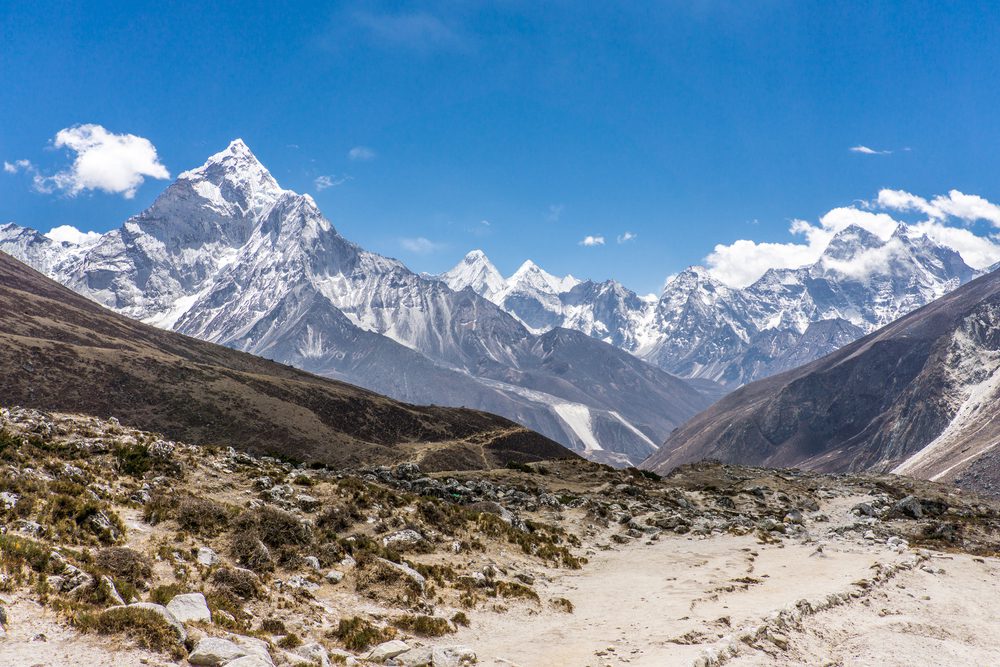
The adventure begins the moment you board your flight from Kathmandu to Lukla, one of the world’s most dramatic mountain airstrips. From there, you’ll set off on foot through the legendary Khumbu region, a place that feels almost untouched by time. Along the way, you’ll pass through colorful Sherpa villages, cross suspension bridges draped in prayer flags, and walk through ancient pine and rhododendron forests. The trail takes you through iconic stops like Namche Bazaar — the buzzing gateway to the Everest region — and the peaceful monastery town of Tengboche, where the views of Ama Dablam and Everest will genuinely stop you in your tracks. Every single day on the trail brings something new, something beautiful, and something that reminds you just how alive you are.
As you climb higher into the Khumbu, the landscape becomes more dramatic and the air thinner, but the experience only gets richer. You’ll pass through Dingboche and Lobuche, small settlements perched in the high altitude wilderness, before finally arriving at Gorak Shep — the last stop before Everest Base Camp. Reaching Base Camp at 5,364m is an emotional milestone that words can barely describe. Standing there, surrounded by the Khumbu Icefall and the towering faces of the world’s greatest peaks, you’ll feel a deep sense of achievement and humility all at once. Many trekkers say it’s one of the most powerful moments of their lives, and it’s easy to understand why.
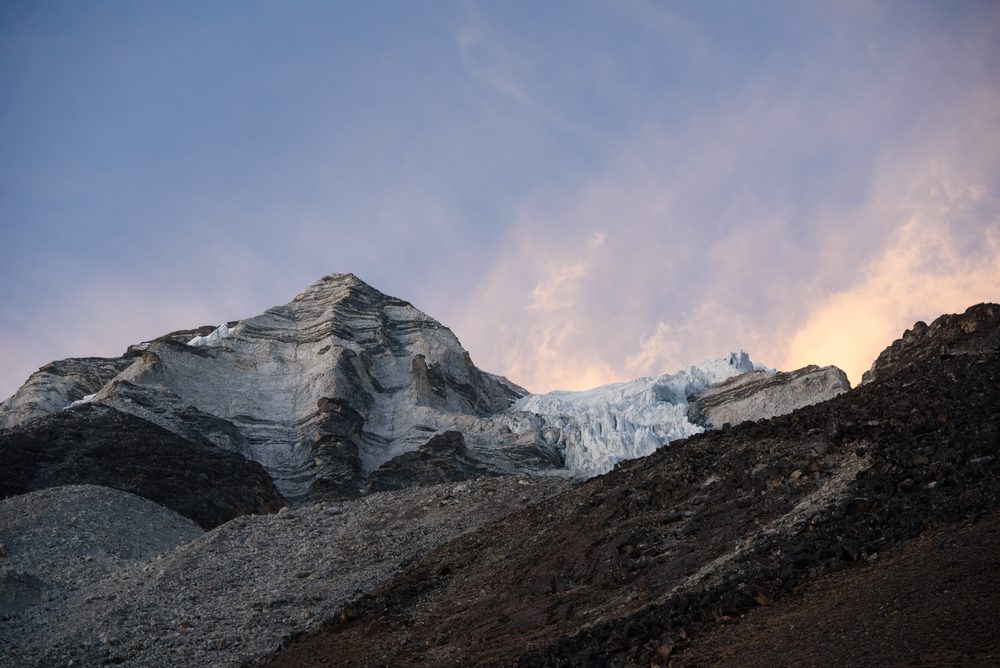
But this journey has even more in store. After the base camp experience, you’ll turn your attention to Island Peak, known locally as Imja Tse, which rises to an impressive 6,189m. Don’t let the name fool you — while Island Peak is considered one of Nepal’s more accessible trekking peaks, it is still a proper mountain that demands respect, preparation, and real effort. You’ll use crampons, ice axes, and fixed ropes to make your way to the summit, crossing glaciers and navigating steep snow slopes along the way. The climbing experience is both challenging and deeply rewarding, giving you a genuine taste of what high-altitude mountaineering truly feels like.
The summit of Island Peak is the crown jewel of this entire expedition. From the top, you are surrounded by an almost unreal panorama of some of the highest mountains on the planet — Everest, Lhotse, Makalu, and Baruntse all visible in one sweeping view. It’s the kind of moment that makes every early morning, every steep climb, and every cold night in a teahouse completely worth it. Whether you’re an experienced trekker looking to take your next big step into mountaineering, or an adventurous soul ready to push your limits in the most spectacular setting on earth, the EBC and Island Peak Climbing expedition promises to be a journey that defines you. Nepal will get into your soul, and these mountains will call you back again and again.
Trek Highlights
- Admire expansive views of the Himalayan Peaks, which include Makalu, Lhotse, Nuptse, and the highest mountain in the world, Mount Everest.
- Explore historic monasteries and Sherpa communities like Tengboche and Namche Bazaar.
- Take on a serious mountaineering challenge by climbing to Island Peak, situated at 6,189m.
- Hike across high-altitude glaciers, across alpine meadows, and through rhododendron forests.
- To acclimate to the altitude, plan rest days in locations like as Dingboche and Lobuche.
- Experience the culture, tradition of the local Sherpa people and discover their customs and lifestyle.
- From the summit of Kala Patthar (5,644m), take in a stunning sunrise above Everest.
- Admire expansive views of the Himalayan peaks, including Makalu, Lhotse, Nuptse, and the highest mountain in the world, Mount Everest.
- Explore historic monasteries and Sherpa communities like Tengboche and Namche Bazaar.
- Take on a serious mountaineering challenge by climbing Island Peak, sitting at an impressive altitude of 6,189m.
- Hike across high-altitude glaciers, open alpine meadows, and beautiful rhododendron forests along the way.
- Rest and acclimatize at key high-altitude stops like Dingboche and Lobuche to help your body adjust before pushing higher.
- Experience the rich culture and traditions of the local Sherpa people and get a genuine glimpse into their customs and way of life.
- Witness a breathtaking sunrise over Everest from the top of Kala Patthar at 5,644m — a moment you will never forget.
- Enjoy a scenic mountain flight to Lukla, soaring above dramatic Himalayan landscapes right from the very start of your adventure.
Itinerary
Kathmandu to Lukla (2,860m) & Trek to Phakding (2,610m)
Flight: 35-minute scenic flight to Lukla.
Trek: 3-4 hours to Phakding along the Dudh Koshi River.
Your trip starts with a picturesque 35-minute flight from Kathmandu to Lukla, which is renowned for its complex Tenzing-Hillary Airport. Lukla is a tiny mountain town situated at 2,860 meters. The flight is short but scenic, offering views of the beautiful Himalayas.
Upon arrival in Lukla, you’ll embark on a 3-4 hour trek to Phakding, situated at 2,610 meters. You will next start your hike to Phakding, which is 2,610 meters above sea level. Along the way, you’ll pass through small villages, cross suspension bridges, and enjoy views of the surrounding mountains. The hike follows the Dudh Koshi River, which offers a gradual descent through lush forests and past traditional Sherpa villages. You can adjust to the altitude and get ready for the more difficult days that lie ahead on this day. The path offers the ideal start to the trekking experience.
Stay overnight in Phakding.
Trek from Phakding to Namche Bazaar (3,440m)
You will travel for 5 to 6 hours from Phakding to Namche Bazaar, which is 3,440 meters above sea level. The trek offers beautiful vistas and a gentle climb through pine forests and small Sherpa communities as it follows the Dudh Koshi River. You’ll travel several suspension bridges throughout the route, including the well-known Hillary Suspension Bridge, which is 410 feet high and 459 feet long.
As you approach Namche Bazaar, you’ll pass through the Sagarmatha National Park entrance at Monjo, where you’ll need to show your trekking permits. You will see Mount Everest for the first time from Top Danda as you climb towards Namche Bazaar, which is a moment that many hikers find motivating. You will have time to recover and adjust when you arrive at Namche Bazaar, which is 3,440 meters above sea level, before continuing on your adventure.
Stay overnight in Namche Bazaar.
Acclimatization Day at Namche Bazaar
Today focuses on aiding your body in acclimatizing to the increased altitude. After breakfast, you short hike to Everest View Hotel (3,880m) for stunning mountain views. You will start on a scenic and gentle hike to the Everest View Hotel (3,880m), where you can take in stunning vistas of Everest and the neighboring peaks. It’s an excellent place to unwind, snap some pictures, and enjoy the mountain atmosphere.
Upon your return to Namche Bazaar, you can take time to discover the town and stroll through local shops, check out the Sherpa Museum to gain insight into the area’s culture and mountaineering heritage. You can also simply enjoy a warm drink at a café while watching daily life in the Himalayas. After that, prepare for the upcoming journey to Tengboche.
Trek from Namche to Tengboche (3,860m)
Today’s journey takes you from Namche Bazaar to the scenic village of Tengboche, and the trek usually takes around 5 to 6 hours. The trek begins with a fairly easy stroll, providing stunning vistas of Everest, Lhotse, and the remarkable peak of Ama Dablam. You will pass little villages and prayer wheels as you travel through pine forests and cross suspension bridges over swift-moving rivers.
After some hours of trekking, you will finally reach Tengboche. When you get there, you’ll go to the well-known Tengboche Monastery, which is the most renowned and holiest monastery in the Khumbu region. It is a peaceful location surrounded by tall peaks where you may observe monks chanting and enjoy the calm surroundings. After that, you can relax and rest at the available teahouse in Tengboche.
Stay overnight in Tengboche.
Trek from Tengboche to Dingboche (4,410m)
Today, you will trek to Dingboche from Tengboche after having a hearty breakfast. It will take you 5 to 6 hours to reach Dingboche. As you walk, you’ll pass through peaceful rhododendron forests and Sherpa villages, offering a serene trekking experience. The route offers breathtaking views of the eastern skyline’s main peaks, such as Ama Dablam, Lhotse, and Nuptse. After enjoying such scenery, you will finally reach Dingboche.
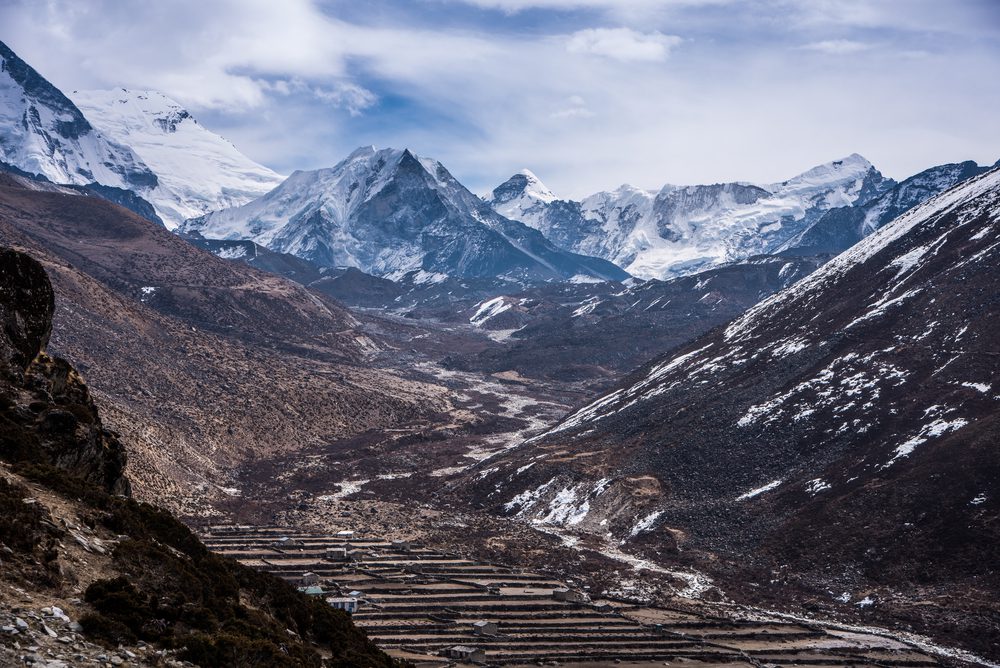
When you arrive at Dingboche, you’ll discover a friendly Sherpa community nestled away in the Imja Valley. This town is well known for its unique stone walls that were built to shield crops from the chilly Imja Valley winds. So, you can acclimate and get ready for the greater elevations that lie ahead.
Stay overnight in Dingboche.
Acclimatization Day at Dingboche
You will spend the seventh day of your journey in Dingboche to help with your body’s altitude adjustment. In order to avoid altitude sickness as you are ready to ascend, this is crucial. If you feel well, you can hike to 5,083-meter Nangkartshang Peak, which is an optional activity.
you can do optional hike to Nangkartshang Peak (5,083m) for panoramic views. From the top, you’ll be rewarded with stunning views of the surrounding mountains and valleys. The weather in Dingboche today is hazy with sunshine. Although these conditions are perfect for a quick hike, it’s still advisable to wear layers for comfort. Keep in mind to relax, drink plenty of water, and take in the beautiful surroundings of Dingboche.
Trek from Dingboche to Lobuche (4,910m)
You will hike for five to six hours from Dingboche to Lobuche on this day. You will pass through alpine meadows, then a steeper climb will bring you to Thukla Pass. The trail goes by Thukla Pass, which is a monument dedicated to mountain climbers who have died there. The Everest region’s high-altitude atmosphere is closer to you on this day.
At Thukla Pass, remember to pace yourself, drink plenty of water, and pause for some medication. As you go ahead, the trail becomes gentle after the pass. Although the trip ahead may be difficult, the sites and experiences will be unforgettable. Relax and rest in Lobuche for tonight.
Stay overnight in Lobuche.
Trek from Lobuche to Everest Base Camp (5,364m) & back to Gorak Shep (5,164m)
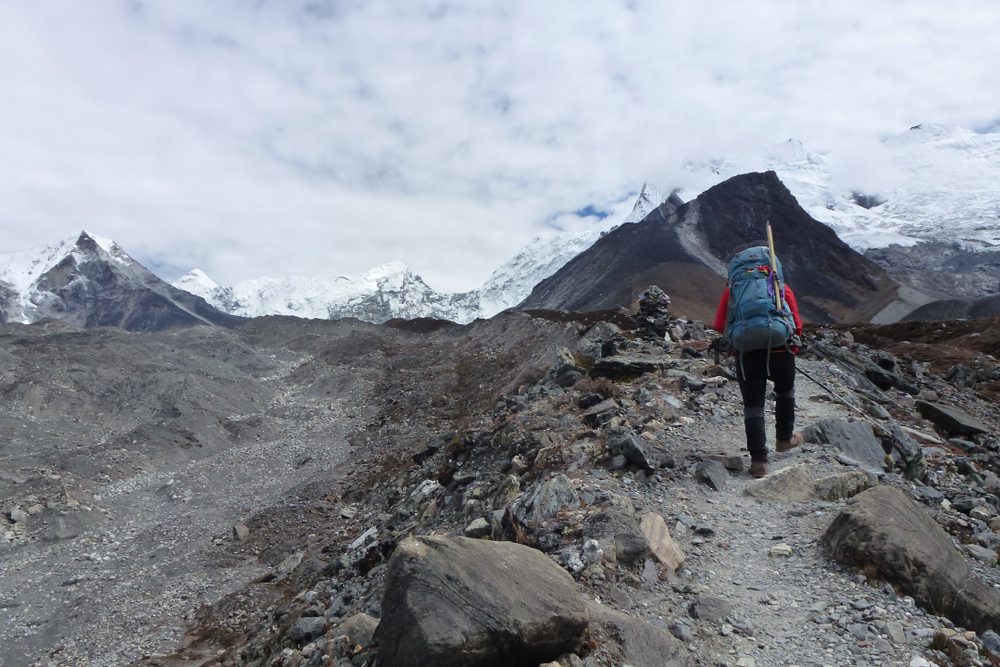
Today is one of the most desired and rewarding days of the Everest Base Camp trip. You will climb for two to three hours along a rough and glacial trail toward Gorak Shep (5,164m), which is the final village before Base Camp as you begin early from Lobuche (4,910m). You will continue your trek toward Everest Base Camp (5,364m) after a brief rest and a modest meal in Gorak Shep. It can be an exhausting climb because of the rocky terrain and glaciers.
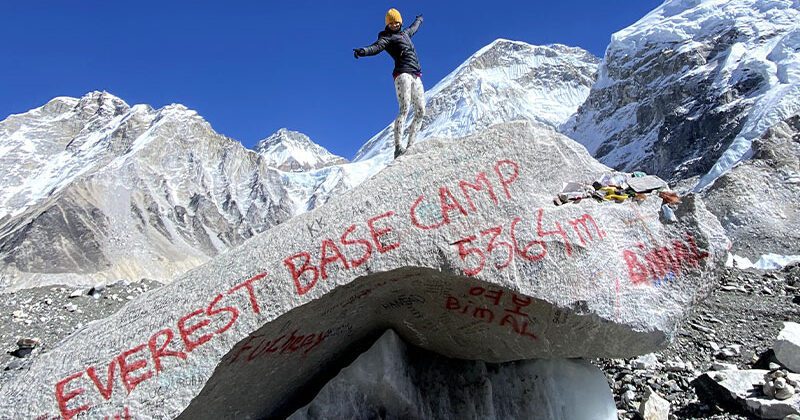
After some hours of trekking, you will finally reach Everest Base Camp (EBC). After arriving at EBC, celebrate your accomplishment, enjoy the vibes, and explore the area, which includes a safe view of the Khumbu Icefall. After taking some pictures and admiring the unique scenery, you will return your back to Gorak Shep by late afternoon. Refresh and relax after completing your trek to EBC at the available teahouse in Gorak Shep.
Stay overnight in Gorak Shep.
Hike to Kala Patthar ( 5,545m) & Trek to Chhukung (4,730m)
You will begin your trip early on Day 10 by climbing to Kala Patthar (5,545m), which is known for providing the greatest views of Mount Everest at sunrise. One of the most famous sunrises in the Everest region covers the beautiful views of Khumbu Icefall, the neighboring peaks, and the expansive Himalayan landscape.
You will return to Gorak Shep after taking in the magnificent view of Everest, Nuptse, and Lhotse more mesmerizing by the golden dawn light. Then you will go to Chhukung (4,730m). It is a peaceful settlement nestled away in the Imja Khola Valley from Dobuche. The opportunity to acclimate while taking in the tranquil alpine surroundings is offered by this section of the climb.
Stay overnight in Chhukung.
Trek from Chhukung to Island Peak Base Camp (5,200m)
Today, you will hike for 3 to 4 hours from Chhukung to Island Peak Base Camp. The trail provides a gradual ascent that allows for acclimatization and taking in the breathtaking views of the surrounding peaks. Although the walk isn’t very long when speaking of miles, the rough terrain and elevation increase make it physically demanding.
You will have a gear check when you get to base camp to make sure everything is in working order. You will be given basic mountaineering training by climbing guides. You will follow the Imja Valley, skirting the Imja Tsho (glacial lake) with stunning views of Island Peak (Imja Tse), Lhotse, and the surrounding Himalayan giants. Then, finally, you will reach the Island Peak Base Camp. Today, you will rest your body in the tented camps set by your agency to continue your journey tomorrow.
Stay overnight in the Island Base Camp.
Island Peak Summit (6,189m) & Return to Chhukung
This is going to be the hardest and challenging day of your EBC trip. Your Island Peak summit will begin in the early hours of the morning. It might take 10-12 hours. It will be risky but not tough. After climbing the stone steps, we will reach the ridgeline, which leads to a thrilling pass on the summit glacier’s nose. The glacier has multiple cracks, so you might have to use the rope up here. Rest assured, though, that you will have guides to assist you in repairing the ropes. When you get to the top, you will soak in the scenery of the beautiful sunrise.
There you can snap some photos and enjoy the scenery to the fullest. After such an amazing climb, you can head back down to Chukkung. Although it can be risky and though, the achievement is worth it for the stunning scenery you see in a lifetime. You can rest your body after returning to Chhukung.
Stay overnight in Chhukung.
Contingency Day
This day is reserved for any unforeseen circumstances, such as bad weather or delays. If the summit attempt was successful on Day 12, you can use this day to rest and recover. Alternatively, if conditions were not favorable, this day allows for another summit attempt. Depending on the situation, you may stay at High Camp or descend to a lower altitude.
Trek from Chhukung to Pangboche (3,985m)
You’ll trek back down to Pangboche from Chhukung. The journey takes you through beautiful alpine meadows and offers stunning views of the surrounding peaks as you go. The trail passes through several Sherpa villages and experience their lifestyle. As you go ahead, you will cross the Imja Tse river and the surrounding peak.
After some hours of trekking, you will reach a village known for its rich Sherpa culture. There, you can visit Pangboche Monastery, the oldest in the region, which holds significant cultural and religious importance. Relax and take rest in the teahouse of Pangboche.
Stay overnight in Pangboche.
Trek from Pangboche to Namche Bazaar
You will travel from Pangboche to Namche Bazaar, which is a bustling town tucked away in Nepal’s Khumbu region. This 6- to 7-hour hike provides an exciting mix of cultural experience and scenic beauty. After descending from Pangboche, the trail passes through thick pine and rhododendron forests, whose colorful leaves improve the appeal of the surroundings.
Along the way, you will pass several suspension bridges of the Dudh Koshi River, which provides stunning views of the surrounding mountains. You will go through traditional Sherpa villages along the route, where you may get to see their lifestyle and experience their culture. Then, finally, you will reach Namche Bazaar, which is a pleasant place to stop and refuel. Namche Bazaar is a bustling town with stores, cafes, and internet access. You can take rest in the teahouse and end your day.
Stay overnight in Namche Bazaar.
Trek from Namche to Lukla
Today, you will hike back to Lukla from Namche Bazaar, which takes about 6-7 hours. As you go ahead, you will pass through villages and woodlands, enjoying the scenery on the way. With views of the surrounding peaks and the Dudh Koshi River below, the trail winds through green rhododendron and pine forests as you descend.
Along the way, you’ll pass through several Sherpa villages, each with its unique charm and character. Then, after hours of trekking, you will reach Lukla. You’ll have time to unwind and consider your trip.
Stay overnight in Lukla.
Final Departure
Today will be your last day of the EBC trek journey. You will return to Kathmandu through a short flight in the morning from Lukla. The flight provides a last glimpse of the Himalayas from above.
After reaching Kathmandu, you will enjoy the remainder of the day to relax and celebrate your wonderful journey. In the evening, a celebration dinner will be held to honor your achievements and the experiences shared during the trek. This journey will be your lifetime memorable trek you’ve ever done. Rest and relax for today.
If you are in a hurry to return to your home, you can take a flight early in the morning. Even if your journey ends here, the memories will always be with you and will be a reason for your pride.
Inclusions
- Private car service to and from the airport.
- Two nights at a standard hotel in Kathmandu with breakfast
- Three meals a day, which include breakfast, lunch, and dinner.
- You will be provided with trekking Lodges (Tea Houses).
- All papers that need to be done, Fees for entering Sagarmatha National Park, and Khumbu Pasang Lhamu Rural Municipality.
- Kathmandu to Lukla and back to Kathmandu, or (Ramechap to Lukla, back to Kathmandu flight) with an airport transfer and airport tax within Nepal.
- A highly experienced, helpful, knowledgeable, friendly, English-speaking guide with all of his salary, food, drinks, lodging, transportation, and insurance covered.
- Setting up a service for an emergency helicopter (paid by your Travel Insurance company).
- You can rent a sleeping bag, a down jacket (if you don't have your own) & Duffel bag provided
- Taxes and official costs are paid to the government.
- Certificate of completion of the trip.
- Oximeter to check your pulse, oxygen saturation, and heart rate twice a day (very helpful to check for signs of Altitude Mountain Sickness, or AMS). This will make sure that your trek is in the safest hands possible, no matter how experienced you are.
- Island Peak climbing permit
- Sherpa guide for climbing with insurance
- Whole Climbing Gear (a part of the sleeping bag and down jacket)
- Food in the climbing
- Food that you will eat in Kathmandu for lunch and dinner
- The cost of a visa to enter Nepal is $30 for a 15-day stay.
- Your insurance for travel and medical care.
- International airfare, your personal expenses
- All of the alcoholic and non-alcoholic cold and hot drinks you buy on trek (along with all of the sweet desserts, like chocolate, cake, pie, and pudding).
- The tea houses have hot showers and places to charge your phone, which will cost you about 2$ to 5$.
- Tip to the guide (Tipping is expected)
- A max 15kg bag is allowed on the flight to Lukla
- One porter for two people will cost $ 240.
Maps
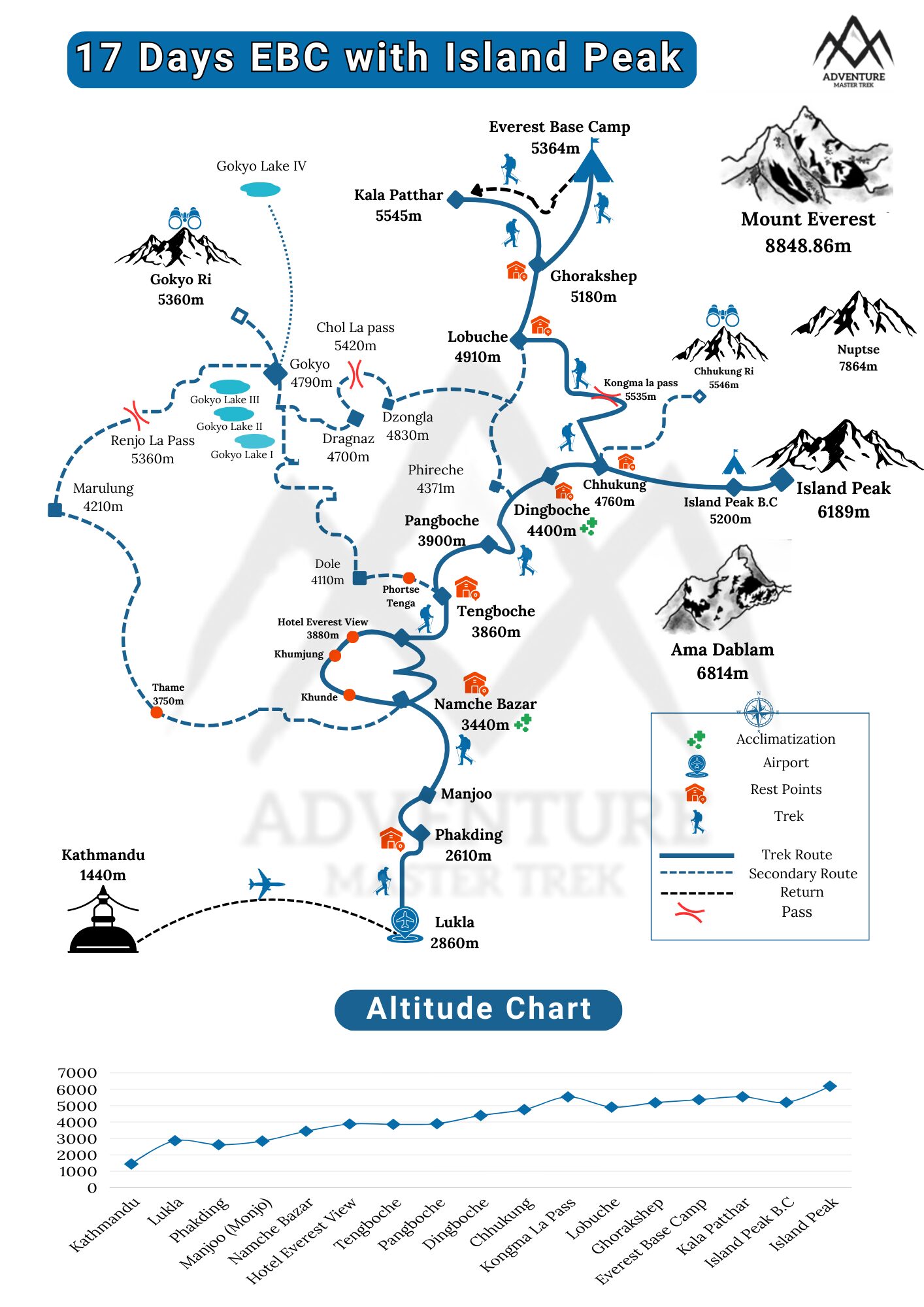
Good to Know
Accommodation and Acclimatization on EBC trek with Island Peak
Acclimatization is one of the most important parts of this entire journey. As you climb higher into the Khumbu region, your body needs time to adjust to the thinning air and decreasing oxygen levels. Rushing through the altitude is the quickest way to ruin your trek, so rest days are not optional — they are essential. Two key acclimatization stops are built into this itinerary, each offering not just recovery time but also incredible hiking opportunities and unforgettable mountain scenery.
Accommodation on the Trek
Throughout the journey, you’ll stay in traditional teahouses run by local Sherpa families. These are simple but warm guesthouses that provide a bed, blankets, and hot meals — everything you need after a long day on the trail. In Kathmandu and Lukla, you’ll stay in comfortable hotels, while at higher camps during the Island Peak climbing section, tented camping is used. The teahouse experience is a highlight in itself, giving you a genuine connection to the local culture and a cozy place to rest, share stories with fellow trekkers, and refuel for the next day.
Acclimatization at Namche Bazaar
Namche Bazaar sits at 3,440m and serves as the main gateway and trading hub of the entire Khumbu region. After the steep climb up from the valley below, your body has already felt the first real effects of altitude, and this is where you pause and let it catch up. Your acclimatization day here is spent on a rewarding hike up to the Everest View Hotel, perched at around 3,880m — one of the highest hotels in the world and a spot that lives up to its name completely.
From this elevated vantage point, you are treated to a sweeping and almost overwhelming panorama of some of the world’s greatest peaks. Everest, Lhotse, Nuptse, Ama Dablam, Thamserku, and Kantega all line the horizon in one breathtaking view. The hike itself is gentle enough to enjoy but high enough to give your body a meaningful taste of altitude before you descend back to sleep at Namche. This classic acclimatization principle — climb high, sleep low — is what makes the rest day here so effective and so important.
Beyond the hike, Namche Bazaar itself is a fascinating place to spend a day. It’s a vibrant, surprisingly well-equipped mountain town with bakeries, gear shops, local markets, and a strong Sherpa cultural identity. You can visit the Sherpa Culture Museum to learn about the history and traditions of the people who call these mountains home, or simply wander the curved streets, soak in the atmosphere, and enjoy a hot coffee with a view that most people only ever see in photographs.
Acclimatization at Dingboche
Dingboche sits at 4,410m and marks your entry into the true high-altitude zone of the Khumbu. The air here is noticeably thinner, the landscape has become more open and rugged, and the scale of the mountains surrounding you feels almost surreal. This is your second and equally vital acclimatization stop, and the rest day here is spent on a challenging but incredibly rewarding hike up to the ridge above the village, reaching an elevation of around 5,100m.
The hike takes you up steep grassy slopes and onto a high ridge that opens up one of the finest panoramic viewpoints on the entire trek. From up here, the views are staggering — Makalu, the world’s fifth highest mountain, dominates the horizon to the east, while Island Peak itself comes into clear view for the first time, giving you a real and exciting look at what lies ahead. Lhotse’s massive south face towers above you, Ama Dablam’s sharp and elegant peak stands proud to the south, and the entire upper Khumbu stretches out before you in every direction.
This hike does more than just help your body acclimatize — it builds your confidence. Standing at over 5,000m for the first time, breathing hard but still moving, still taking in those views, you begin to realize that the summit of Island Peak is within your reach. After descending back to Dingboche for the night, you’ll rest, eat well, and feel genuinely ready for the days ahead. The village itself is quiet and peaceful, with a handful of warm teahouses, yak herders passing through, and the kind of stillness that only exists this high up in the mountains.
Food and Drinking Water on EBC trek
Food and drinking water are very important factors for trekkers during the Everest Base Camp (EBC) trek and Island Peak ascent. Very good facilities for food can be found in teahouses on the way, serving traditional Nepali food, momos (dumplings) Tibetan bread, and dal bhat (lentil soup and rice). However as the trek progresses up the mountain the menu may be limited to the limited, but popular basic foods like eggs, rice and noodles. Foods that are heavy or spicy should be avoided at higher elevations to avoid digestive problems.
There are water sources throughout the trail, however, in order to prevent waterborne infections, it is essential to filter any water before drinking it. A lot of teahouses charge for boiled water. Trekkers can also use water purifying filters or pills. Reusable water bottles are advised for staying hydrated, and frequent drinking is crucial to avoid dehydration, which can worsen altitude sickness.
Overall, even if the EBC journey with Island Peak climbing has access to food and drinking water, safety and health must be guaranteed by planning and appropriate measures.
Electricity and Internet on the EBC trek with Island Peak
Altitude Sickness on EBC trek with Island Peak
When climbing Island Peak, which is at 6,189 meters (20,305 feet), and making an Everest Base Camp (EBC) trip, the probability of getting altitude sickness. The Everest Base Camp (EBC) trip is over 5,000 meters (16,404 feet).
In these altitudes, there can be headaches, disturbances of the stomach, faintness and fatigue, the symptoms of altitude sickness. Thus, it is approved that the proper measures are taken for acclimatization to lessen the chance of such occurrences. Important measures involve drinking plenty of water and giving the body ample time to get acclimatized, and the days for rest are necessary. Furthermore, if the symptoms of altitude sickness appear, knowledge of the symptoms and going down immediately can help to avoid major difficulties ensuing. Island Peak is a difficult climb because of the altitude factor involved and physical stress, but it is regarded as a nontechnical climb.
Difficulty on the EBC trek
This is not a journey to take lightly. The combination of Everest Base Camp trekking and Island Peak climbing places this expedition firmly in the challenging category, and it demands both physical strength and mental resilience. That said, with the right preparation and the right mindset, it is absolutely achievable for fit and determined trekkers who are willing to put in the work.
Trekking Difficulty
The trek to Everest Base Camp on its own is already considered a strenuous high-altitude trek. You’ll be walking five to eight hours a day on rugged mountain terrain, gradually climbing to over 5,300m. The altitude is the biggest challenge — as you go higher, the air gets thinner, and even simple tasks like climbing a short hill can leave you breathless. Proper acclimatization days are built into the itinerary, but you still need to be in solid physical shape before you arrive.
Climbing Difficulty
Island Peak adds a whole new dimension of challenge to this expedition. At 6,189m, it requires basic mountaineering skills including the use of crampons, ice axes, and fixed ropes on steep glaciated terrain. The summit push typically starts in the early hours of the morning and involves crossing crevassed glaciers and ascending a near-vertical headwall near the top. It is demanding, cold, and mentally taxing — but the sense of achievement when you reach the summit is absolutely extraordinary.
Safety and Security for EBC trek with Island Peak
When doing the Everest Base Camp (EBC) expedition with Island Peak climbing, safety and security are of the highest priority. You will be climbing Island Peak Summit, at 6,189 meters (20,305 ft), which is the trek’s highest point. That increases the risk of altitude sickness, severe weather, and difficult terrain. The trip involves mountain climbing and high-altitude trekking, both of which include risks. You should prioritize acclimation, keeping a steady pace, and drinking plenty of water are important for reducing such risk during the EBC trek. You can greatly increase your safety by using a qualified guide and following specified safety procedures. Always have the necessary equipment on hand, such as a first-aid kit, layers of appropriate clothes, and a dependable communication device, and be ready for quickly changing weather conditions. You can enjoy your trek to EBC smoothly if you follow the proper precautions and make good preparations.
Group Size for EBC trek with Island Peak
| Group Size | Cost Per Person |
Preparation for EBC & Island Peak Climbing
Physical Preparation
Mental Preparation
Permits for EBC trek with Island Peak
Most important part during EBC trek are the permit requirements. Certain documents must be secured to provide for conservation efforts and see that the laws of Nepal are obeyed. Here are some permits required for your EBC with Island Peak journey:
Sagarmatha National Park Entry Permit
This is the first and most basic permit you need. Everest Base Camp sits inside Sagarmatha National Park, which is also a UNESCO World Heritage Site, so everyone entering the park must carry this permit. It costs around $25 USD (NPR 3,000) per person for foreign nationals and is checked at the park gate in Monjo, about two days into the trek from Lukla.
You can get this permit in two places. The easiest option is to pick it up at the Nepal Tourism Board office in Kathmandu before you fly to Lukla. You can also get it at the park gate in Monjo on the trail, but during peak season the queues there can be long, so sorting it out in Kathmandu in advance saves you time and hassle. Bring your passport, one passport photo, and cash in Nepali rupees.
Khumbu Pasang Lhamu Rural Municipality Permit
This is the local entry permit for the Khumbu region and it is separate from the national park permit. Think of it as the community’s own entry fee — the money raised goes directly to local schools, healthcare, and infrastructure in the Sherpa villages you pass through. It costs around $15 to $20 USD (NPR 2,000) per person.
This one can only be collected on the trail — it is not available in Kathmandu. You pick it up in Lukla or Monjo when you arrive. Bring a colour copy of your passport and cash in Nepali rupees. Cards are not accepted.
Island Peak Climbing Permit
This is the most important permit for the climbing section of the trip. It is issued by the Nepal Mountaineering Association (NMA) in Kathmandu and is required for every person attempting the summit of Island Peak. You cannot apply for this permit yourself — it must be arranged through a registered trekking or mountaineering agency, which your operator will handle for you.
The cost depends on when you climb. In spring (March to May) it costs $350 USD per person, and in autumn (September to November) it costs $175 USD per person. These fees are paid to the NMA and your agency will process the application using your passport details and climbing itinerary.
Garbage Deposit
Along with the climbing permit, a garbage deposit of $500 USD is required by the NMA. This is fully refundable at the end of the expedition as long as your team brings all waste back down from the mountain. It is Nepal’s way of encouraging responsible climbing and keeping the high-altitude environment as clean as possible.
Permit Cost Summary
| Permit | Cost |
| Sagarmatha National Park Entry | ~$25 USD |
| Khumbu Rural Municipality Permit | ~$15–20 USD |
| Island Peak Climbing Permit (Spring) | $350 USD |
| Island Peak Climbing Permit (Autumn) | $175 USD |
| Garbage Deposit (fully refundable) | $500 USD |
A Few Practical Tips
Always carry your permits with you on the trail as they are checked at several checkpoints between Lukla and Base Camp. Keep cash in Nepali rupees handy as most permit counters do not accept cards or foreign currency. Your trekking agency will take care of the climbing permit and garbage deposit on your behalf, but always double check this when you are booking your trip so nothing gets missed.
These documents are to be required throughout the hike and climb throughout the EBC trek with the Island Peak climb and should be carried throughout. It is deemed wise to consult a respectable trekking organization to see that all the proper documents are secured and that there will be a smooth and lawful trip.
The following are the important papers required for the EBC trek:
- Passports must be validated for a period of at least 6 months.
- Valid Nepal tourist visa (to be secured at Tribhuvan International Airport).
- Two passport size pictures for each permit.
- Copies of the permits
- Copy of Travel Insurance (covering high altitude hikes and evacuation).
Guides and Porters
That is why our Everest Trek has guides and porters who are professionals to give you a smooth, safe and fulfilling trekking experience throughout the journey. These services are well planned to minimize stress, increase the level of safety and make the most out of the trail, enabling the trekkers to concentrate on all the scenery, culture and the adventure.
Practicing Trekking Guides.
Trekking guides are hired by every trek group and are licensed and certified to undertake the treks as per the official standards of trekking in Nepal. Our guides underwent formal education and certification. Their training is based on first aid, high-altitude safety, navigation, environmental awareness, and cultural interpretation. Guides are experienced and are competent in English, and in most cases, they speak more than one language to help international trekkers.
Guides take care of all the logistical preparation, such as route planning, accommodation, meal preparation and permits. They check the health and acclimatization of the group too, and counsel on precautions of hydration, rest and altitude.
Trained Porters
We have also hired professional porters who will deliver trekking equipment, luggage, and supplies, so that trekkers do not have to overburden themselves with the heavy stuff. Learning is done so that each of the porters is trained on how to move gear safely, obey trail rules and how to traverse mountainous terrain profitably. Porter duties also entail packing bags in tea houses and helping trekkers to acclimatize to the accommodation in any given stop.
Porter loads are strictly adhered to with a limit of 2025 kg/per individual, thus maintaining safety and comfort to both the trekkers and the porters. The interaction of Porter services enables the traveler to maximize the trek experience and duration as energy is concentrated on the trails, scenic views and cultural experience instead of being spent on the heavy backpacks.
Both Guide and Porter Support.
In the case of groups or individual trekkers, the package may include the use of porter-guides who may act in the capacity of load-carriers in addition to the simple guiding service provided (such as navigation services, cultural interpretation services and trail pointing services). This alternative suits best all people who are interested in trekking at a low cost without sacrificing their comfort and security.
Travel Insurance for EBC trek with Island Peak
Travel insurance is a very essential need in any mountain trek, the Annapurna Panorama Trek being one of them. Although the road is easy to follow and the terrain is medium in terms of elevation, unexpected circumstances may happen in the deepest mountains, like accidents, illnesses, and emergencies. Comprehensive travel insurance is a guarantee of serenity and professional assistance in case of any disaster.
The importance of Travel insurance.
It is quite dangerous hiking in Nepal: steep paths, bad weather, high altitudes, and the lack of health services in distant villages. Travel insurance covers:
- Medical crises: Hospitalization, visits to doctors, medications.
- Evacuation and rescue: Helicopter or ground evacuation in case of severe altitude sickness, injury or illness.
- Trip interruption or cancellation: Covers non-refundable costs when unexpected events cause one to fail to do the trek.
- Lost or damaged luggage and equipment: This is necessary to secure trekking gear, cameras, and personal property.
Although the Annapurna Panorama Trek goes to moderate altitudes, helicopter evacuation insurance is advisable, as along the Ghorepani and Poon Hill routes, problems of high altitude can occur.
Choosing the Right Policy
In choosing insurance, the trekkers must seek cover in policies that clearly present:
- Hiking beyond 2,500 meters (peak points of this walk are approximately 3,210 meters at Poon Hill).
- Adventure tourism, like hiking, mountain walking, or trekking.
- Helicopter or ambulance emergency evacuation.
- Special trekking cover is provided by a number of international companies such as World Nomads, Allianz or IMG Global. Several Nepali companies also offer local coverage to both domestic and international travelers, and this is at a low cost.
Travel Insurance Practical Advice.
- Always keep a copy of your insurance policy with you, both in hard copy and electronic format.
- You should inform your trekking guide about the share policies so that he/she can help you in case of any emergency.
- Check exclusions: Certain conditions include pre-existing conditions, extreme weather delays, and solo trekking in others.
- Get coverage starting on your arrival in Nepal till your departure to cover with no interruptions.
Money Exchange
It is most important that you plan your money if you intend to take the journey to Everest Base Camp (EBC) via Island Peak, as there are very few banks to be found along the way. Most of the lodges and tea houses only accept payment in Nepalese Rupees (NPR), and very few accept credit cards. Some may accept payment in US dollars, but to avoid problems, it is advisable to take sufficient local money with you.
Accordingly, it is advisable to change your money into Nepalese rupees while in Kathmandu before you start the trek.
Packing list for EBC trek with Island Peak
It is necessary to pack the appropriate equipment. The trail has fluctuating temperatures, moderate altitudes and evolving weather patterns; therefore by having a plan or packing strategically will help out to be ready for both the physical and cultural needs of the journey.
Clothing Essentials
- Layering Clothing: Base layers: moisture-wicking, Mid-layers: insulation, outer-layers: wind and rain. In higher villages, it may get down to 5°C, whereas in Pokhara, it gets up to 20°C; thus, layering is a good option as it offers a range.
- Trekking Jacket: This is an essential waterproof and windproof jacket, which is necessary on those rainy days when one has not foreseen the situation.
- Trekking Pants: Light and fast-drying pants to wear on long walks; for warmer weather so wear thermal pants.
- Warm Clothing: Beanie, gloves and scarf during mornings and evenings when the altitudes are higher.
- Trekking Socks: Thick, moisture-wicking socks in order to keep the feet warm and prevent blisters.
- Hat and Sunglasses: Sun protection: Sometimes it is a good idea to use a hat and some sunglasses because the sun is very strong even at moderate altitudes.
Footwear
- Trekking Boots: Waterproof boots with good ankle support, which are strong enough to go through steep and rocky or slippery trails.
- Camp Shoes / Sandals: Light shoes to wear in the evening and rest in tea houses.
Backpack and Daypack
- Main Backpack (3040L): This bag is used to carry personal belongings, clothes, and equipment.
- Daypack (1520L): To keep water, snacks, camera, and other necessities on daily hikes.
Sleeping and Camping Gear
- Sleeping Bag: Lightweight, small and can withstand temperatures down to -5 °C when used overnight in high altitudes.
- Travel Pillow: This is not a necessity, but it will make the journey at tea houses more comfortable.
Personal and Health Essentials.
- Water Bottle/Hydration System: 2 liters minimum, purification tablets or a water filter suggested.
- Sunscreen and Lip Balm: 30 and above to resist powerful UV rays.
- Personal Toiletries: Toothbrush, toothpaste, biodegradable soap, hand sanitizer, quick-dry towel.
- First Aid Kit: Bandages, antiseptic, blister care, painkillers, small-time ailment medications and altitude sickness medication (e.g., Diamox, but not without advice).
- Trekking Poles: Can be used in steep ups/downs and in cases where the knee is strained.
Technology and Navigation
- Camera / Smartphone: To take panoramic shots and other cultural scenes.
- Power Bank: Necessary because of a power deficiency in the trail.
- Headlamp / Flashlight: This comes in handy when an early start is involved or tea houses have low lighting.
- Offline Maps / GPS Device: It is important when geographical connectivity is low.
Travel Documents and Money
- Passport and Visa: Have photocopies as insurance.
- Trekking Permits: TIMS and ACAP permits for the Annapurna region.
- Cash Nepali: Small-value currency is required since most of the tea houses do not take cards.
Optional Items
- Fast foods and power bars to give energy for long walks.
- Pen or paper to note down your trip.
- Smart and lightweight binoculars for seeing birds or mountains.
Booking Policy for EBC trek with Island Peak
1. Advance Payment & Booking Confirmation
- A 30% deposit of the entire trip cost is needed in order to secure your place for the trip.
- When you arrive in Kathmandu, you can pay the remaining balance.
- Paying the entire amount in advance is an additional choice.
- To finalize the reservation, you need to send:
- The cost of the reservation for the EBC trek with Island Peak
- An electronic copy of your passport
- Additional data is required, including travel insurance details or an emergency contact.
2. Payment Methods
For your convenience, we provide a variety of payment methods to finalize your trek to EBC with Island Peak :
- Online Payment: Use our website’s payment gateway to make a secure online payment.
- Debit/Credit Cards: Visa, MasterCard, and other debit/credit cards are accepted, but there is a 4% bank service fee. Transfer money straight to our bank account by wire transfer or bank transfer (transaction fee).
- Cash or Check: You have the option of paying with cash or a check if you’re in Kathmandu.
3. Final Payment
The balance of 70% of the cost of the trip will be payable before leaving. For trekking, the payment can be made in cash, by card or by bank transfer when you are there.
4. Booking Modifications & Rescheduling
- If you shall need to change or postpone the date of your trek, please give us at least 30 days’ notice.
- Change of date can, depending on circumstances, be made depending on availability and incurred additional costs.
5. Travel Insurance Requirement
It is compulsory for every trekker to have travel insurance covering evacuation, loss of luggage, high altitude medical emergencies, trip cancellation, and delays to ensure complete safety coverage during the EBC trek.
6. Last-Minute Booking
The option for last-minute booking is available, but you can make a booking up to 48 hours before departure for the trek. It may not be available during the peak months. If you want the booking for the EBC trek, it is highly recommended to book in advance for availability.
Cancellation Policy for the EBC trek with Island Peak
1. Cancellation More Than 30 Days Before Departure
If the trek is cancelled more than 30 days prior to commencement, there will be a full refund, less any bank or transaction charges.
2. Cancellation Between 15 and 30 Days Before Departure
Cancellations made 15 to 30 days before the trek will get a 50% refund of the total trip cost.
3. Cancellation Less Than 15 Days Before Departure
If the trek is cancelled less than 15 days prior to departure, there will be no refund for the permits and arrangements.
4. No-Show or Early Departure
If you do not report or continue with the trek for any reason (illness, personal reasons, etc.) there will be no refund.
5. Cancellation by the Company
If the trek is cancelled due to unexpected circumstances like natural disasters or government restrictions, then you may either :
- Receive a full refund
- Reschedule the trek for any later date with no additional cost.
6. Travel Insurance
We strongly recommend that you take out travel insurance that covers trip cancellation, evacuation, lost gears and the medical emergencies.
Cost Breakdown for EBC & Island Peak Climbing
Understanding your day-to-day expenses on the trek helps you plan your budget realistically and avoid any surprises along the way. Below is a honest and practical breakdown of what you can expect to spend on the essential things during your time in the Khumbu region. Keep in mind that costs generally increase the higher you go, as everything has to be carried up by porters or yaks.
Cost of Accommodation
Teahouse accommodation along the EBC route is generally affordable, but prices do rise significantly as you gain altitude. In lower elevation villages like Phakding and Monjo, a basic twin room costs around $5 to $10 USD per night. In Namche Bazaar you can expect to pay $10 to $20 USD, while at higher stops like Dingboche, Lobuche, and Gorak Shep, prices climb to $15 to $25 USD per night. Most teahouses offer free or discounted accommodation if you agree to eat all your meals there, which is a common and worthwhile arrangement.
Cost of Food
Food is one of your bigger daily expenses on the trail, and again, prices increase with altitude. A typical meal like dal bhat, pasta, or fried rice costs around $5 to $8 USD at lower elevations and $10 to $15 USD higher up. Breakfast items like porridge, eggs, and toast range from $4 to $8 USD. Hot drinks like tea, coffee, and hot lemon cost $2 to $5 USD per cup at altitude. Budget roughly $25 to $40 USD per day for all your meals combined once you are deep into the trek.
Cost of Internet
WiFi is available at most teahouses along the route but the quality and speed vary greatly. Most lodges charge a fee for access, typically around $2 to $5 USD per hour or $5 to $10 USD for a day pass. At higher elevations the connection becomes slower and more expensive. Don’t expect to be streaming or video calling smoothly above Namche — it’s basic connectivity at best, useful mainly for sending messages and checking in with loved ones back home.
Cost of SIM Card and Internet Data
Buying a local Nepali SIM card in Kathmandu is one of the smartest and most affordable things you can do before heading to the mountains. Ncell and Nepal Telecom are the two main providers. A SIM card costs around $1 to $2 USD and a data package of 10GB to 20GB costs roughly $5 to $15 USD. Nepal Telecom tends to have better coverage in the higher Khumbu areas. Mobile data signal can be patchy above Namche but it is available in most villages up to Gorak Shep, making it a reliable backup to teahouse WiFi.
Cost of Renting Gear
If you don’t want to invest in buying all your own equipment, renting gear in Kathmandu or Namche Bazaar is a practical and cost-effective option. Here is a general guide to rental costs per day or per trip:
- Down jacket — $1 to $3 USD per day
- Sleeping bag (rated -20°C) — $1 to $3 USD per day
- Trekking poles — $1 to $2 USD per day
- Crampons — $1 to $2 USD per day
- Ice axe — $1 to $2 USD per day
- Harness and helmet — $1 to $2 USD per day
- Mountaineering boots — $3 to $5 USD per day
Renting a full set of climbing gear for Island Peak from a Kathmandu shop for the duration of the trip typically costs between $50 to $100 USD in total, making it a very reasonable option for those who don’t plan to climb again soon.
Cost of Buying and Purifying Water
Buying bottled water along the trail gets expensive quickly and is also harmful to the environment. A bottle of water costs around $1 to $2 USD at lower elevations and can rise to $3 to $5 USD higher up. The far smarter and more eco-friendly approach is to carry a quality water filter or purification tablets. A bottle of purification tablets costs around $5 to $8 USD and lasts the entire trek. A reusable filter bottle like a Sawyer Squeeze or LifeStraw costs $25 to $50 USD to buy in Kathmandu and eliminates the need to buy plastic bottles altogether, saving you a significant amount of money over 17 days.
Cost of Charging Phone, Power Bank, and Camera
Electricity for charging devices is available at most teahouses but it comes at a cost, especially at higher elevations. Expect to pay around $1 to $2 USD per charge at lower stops and $2 to $5 USD per charge above Namche. Charging a power bank or camera battery is charged at the same rate per device. To keep costs down, carrying a high-capacity power bank is strongly recommended — charge it up fully in Kathmandu and Namche, and use it to top up your devices on the trail between charging stops. A solar charger is also a worthwhile investment for longer days above treeline where sunshine is plentiful.
Tips for Sherpa Guide and Porter
Tipping is not officially required but it is a deeply appreciated and culturally important gesture in Nepal. Your guide and porters work incredibly hard in difficult conditions to make your trek safe and successful, and a tip is the best way to show your genuine gratitude. General tipping guidelines are as follows:
- Lead Sherpa Guide — $15 to $25 USD per day or a total tip of around $150 to $250 USD for a 17-day expedition
- Assistant Guide — $10 to $15 USD per day
- Porter — $8 to $12 USD per day or a total of around $80 to $120 USD for the trip
- Cook (if applicable at high camp) — $10 to $15 USD per day
It is best to tip in cash at the end of the trek, ideally in Nepali rupees or US dollars. If you are part of a group, pooling tips together and presenting them collectively is a thoughtful and respectful approach that your crew will genuinely appreciate.
Island Peak Climbing Details
Rising to 6,189m, Island Peak — known locally as Imja Tse — is one of Nepal’s most popular and accessible trekking peaks and the ultimate highlight of this expedition. The peak gets its name from the way it appears to rise like an island surrounded by a sea of glaciers when viewed from Dingboche below. While classified as a trekking peak, this is a real Himalayan climb that demands genuine effort, focus, and respect.
No prior experience above 6,000m is required, making it an ideal first high-altitude mountaineering objective for fit and motivated trekkers. Before the summit attempt, your guide will run a thorough training session at base camp covering crampons, ice axe use, fixed rope techniques, and safe glacier travel. Summit day lasts 8 to 12 hours round trip, starting between 1 and 2 in the morning. The route crosses glaciated terrain before reaching the steep headwall, where fixed ropes assist your ascent to the top. The summit panorama of Everest, Lhotse, Makalu, and Baruntse makes every step worth it
Major Highlights
Standing at Everest Base Camp at 5,364m is one of those rare experiences that genuinely lives up to its reputation. You are right at the foot of the world’s highest mountain, surrounded by the Khumbu Icefall and towering Himalayan giants. The scale and silence of the place hits differently for everyone.
Watching sunrise from Kala Patthar at 5,545m is widely considered the finest Everest viewpoint in the world. Rising before dawn and reaching the top just as golden light spills across the face of Everest is one of the most memorable moments of the entire journey.
Beyond the big milestones, the trek itself is rich with experience — ancient monasteries at Tengboche, the vibrant Sherpa trading hub of Namche Bazaar, the vast Khumbu Glacier, and the dramatic mountain flight into Lukla that sets the tone for the entire adventure.
Best Advice
Always keep one to two buffer days in Kathmandu after the trek ends. Flight delays from Lukla are common and entirely weather dependent, and having that buffer means you won’t risk missing an international connection. Always book the earliest possible morning flight to and from Lukla, as mountain weather deteriorates through the afternoon. In peak season, a helicopter return is a much safer option for anyone with a tight onward flight.
Required Fitness and Preparation
You don’t need to be an elite athlete, but you do need to arrive genuinely fit. Build cardiovascular endurance through hiking, running, or cycling in the months before the trip. You should comfortably manage six to seven hours of walking per day on consecutive days. Leg and core strength training helps significantly on steeper terrain and during the Island Peak climb. Mental endurance is equally important — the altitude, cold, and early starts will test your resolve, and a strong and flexible mindset will carry you further than fitness alone.
Lukla Flight – Fixed Wing
From Kathmandu or Ramechhap?
During peak seasons from March to May and September to November, most Lukla flights operate from Ramechhap’s Manthali Airport, around a four to five hour drive from Kathmandu. In the off-season, flights depart directly from Kathmandu. Always confirm your departure point when booking as it significantly affects your early morning logistics.
Flight Duration and Cost
The flight takes 25 to 35 minutes and costs approximately $220 to $235 USD per person one way for foreign nationals. Baggage allowance is 15kg total — 10kg checked and 5kg hand carry. Flights operate in the early morning only and are fully weather dependent. Delays and cancellations are common, so buffer days are always recommended.
Transportation Options – Kathmandu to Lukla
Fixed Wing Flight — $220 to $235 USD per person one way
Sharing Helicopter — $500 USD per person
Private Helicopter Charter — $3,000 USD for up to 5 people
Ramechhap to Lukla – Fixed Wing — $195 USD per person one way
Kathmandu to Ramechhap – Drive
Weather Conditions
Lukla
During peak seasons, Lukla enjoys clear and stable morning weather ideal for flights. Autumn temperatures range from 5°C to 15°C and spring from 8°C to 18°C. Winter brings sharp temperature drops and potential airstrip closures due to snowfall. The monsoon season from June to August brings heavy rain, low cloud, and frequent flight disruptions.
Everest Base Camp
At 5,364m, conditions are cold and changeable year-round. Autumn daytime temperatures sit around 0°C to 5°C with nights dropping to -10°C to -15°C. Spring is similar with more afternoon cloud build-up as the pre-monsoon approaches. Winter temperatures can fall to -20°C or below at night.
Island Peak Climbing
Summit conditions in peak seasons start clear and cold, with temperatures between -15°C and -25°C before sunrise. Wind is the biggest variable and can make conditions feel considerably colder. Spring is the favored climbing season for its reliable early morning weather windows and gradually warming temperatures. All summit pushes begin between 1 and 2 in the morning to take advantage of stable pre-dawn conditions.
FAQs
2. What is the difficulty level of the EBC trek with the Island Peak trek?
The EBC trek with the Island Peak is much difficult but achievable, which requires hard climbs and high-altitude trekking. It is recommended to have some hiking experience and to be physically fit.
3. What is the best time to do the EBC trek with the Island Peak trek?
The best seasons to do the EBC trek are spring (March to May) and autumn (September to November), as they offer stable weather and clear skies perfect for the trek.
4. What is the maximum altitude reached during the EBC trek with Island Peak?
The maximum altitude reached during the EBC trek with Island Peak is the summit of Island Peak, which is 6,189 meters (20,305 feet) above sea level
6. What permits are required during the EBC trek?
You’ll need a Sagarmatha National Park permit, a TIMS card, and an Island Peak climbing permit during the EBc trek.
7. What type of accommodation is available?
During the trek, you’ll stay in teahouses with basic facilities, which are simple but impactful. On the climb, you’ll camp in tents as there aren’t many tea houses available as you ascend.
8. What kind of food is provided?
You will be served meals, which include Nepali dishes like dal bhat, noodles, and soup, along with some Western options like Pancakes, toast with butter, jam, or peanut butter, boiled or scrambled eggs, French toast, etc.
9. Can I see Mount Everest from Island Peak?
No, Mount Everest is not visible from Island Peak. However, you’ll have views of other peaks like Ama Dablam and Lhotse, which are some of the most stunning peaks of Nepal.
10. What is the cost of the EBC trek with Island Peak?
The cost of the EBC trek with Island Peak varies depending on the duration of the trek, but a typical package ranges from $2,500 to $3,500, which excludes international flights.
11. What should I pack for the trek?
There are many essential items, including trekking boots, warm clothing, a sleeping bag, a headlamp, and climbing gear like crampons and an ice axe, which are needed for the EBC trek.
12. How can I prevent altitude sickness during the EBC trek with Island Peak?
You should follow a proper acclimatization schedule, stay hydrated, avoid alcohol, and listen to your body during the EBc trek with Island Peak. The risk of altitude sickness can be controlled or minimized if you take proper precautions before starting the trek.
13. What are the symptoms of altitude sickness?
The symptoms of altitude sickness include headache, nausea, dizziness, and shortness of breath. You should be careful about altitude sickness while trekking.
14. What is the weather like during the EBC trek?
The weather during the EBC trek can range from 10°C to 15°C during the day, and at night temperatures can drop below freezing at higher altitudes.
16. What is the accommodation like during the EBC climb?
During the EBC climb, you’ll camp in tents with basic facilities higher camps may have shared sleeping arrangements.
18. What is the elevation gain during the trek?
The trek ascends from Lukla at 2,860 meters to Island Peak Base Camp at 5,200 meters, with the summit at 6,189 meters.
19. Are there emergency evacuation services?
Yes, helicopter evacuations are available in case of emergencies, which ensures you have appropriate insurance coverage.
20. What is the success rate of the trek?
The success rate is high with proper preparation and acclimatization, but individual health should be considered properly during the EBC trek due to elevation changes and weather conditions.

Reviews
What Our Travelers Say


Based on 5 ratings
5
Reaching Everest Base Camp and summiting Island Peak was a lifetime achievement for us. Huge thanks to Shambhu and Naran for their expert guidance and constant motivation.
This trek was challenging but incredibly rewarding. Raj and Umesh took great care of acclimatization and safety throughout the journey. Highly professional team!
The views, the climb, and the Sherpa culture were unforgettable. Special thanks to Santosh and Shambhu for making our Island Peak climb smooth and enjoyable.
From EBC to the Island Peak summit, every day was an adventure. Naran and Raj were supportive, knowledgeable, and always encouraging.
A perfectly organized trek and climb. Umesh and Santosh were fantastic throughout the expedition, ensuring safety, comfort, and a great experience.
View Our Similar Packages
Discover our top tours, loved by thousands of travelers annually. Choose the adventure that inspires you and embark on a journey tailored to your desires.

 Nepal
 14 Days
Add Review
Reviewing for EBC with Island Peak Trek 17 daysRequest a Callback - EBC with Island Peak Trek 17 days
Submit the form and we will be back to you shortly
Request a Callback - EBC with Island Peak Trek 17 days
Submit the form and we will be back to you shortly
Narayanhiti Palace Museum

Narayanhiti Palace Museum


