









Helambu Short Trek – 4 Days


Trip Facts


Helambu Short Trek Overview
The Helambu Short Trek is a relaxed four-day stroll just outside Kathmandu. You get to breathe crisp mountain air, take in lush valleys, and watch the peaks change color, all without a long drive or high altitude. It is ideal for first-timers, families, or busy travelers who still want a taste of Nepal’s famous hiking scene.
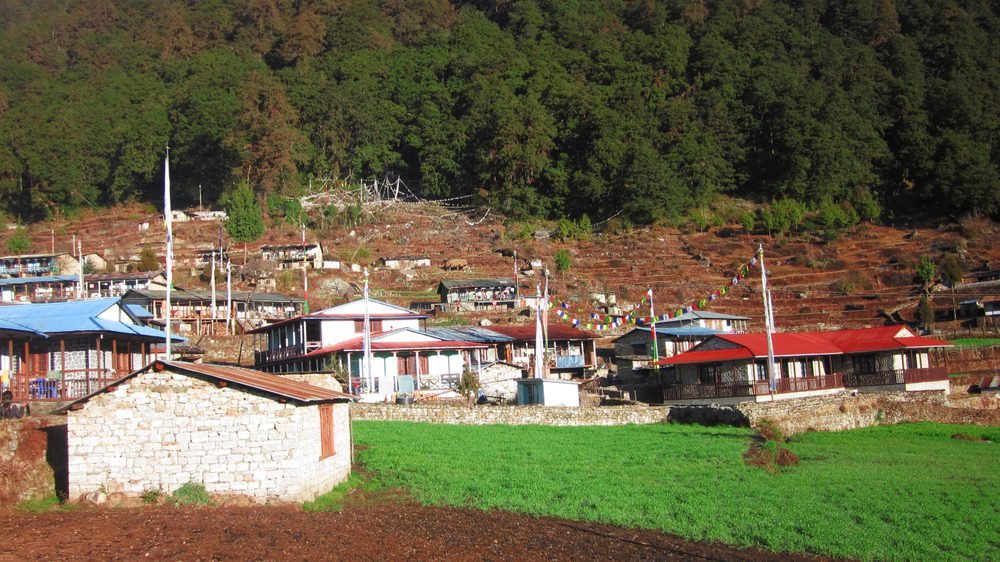
Your adventure begins with a brief drive from Kathmandu to Sundarijal, where the city noise gives way to fresh air and birdsong. From that little river settlement, you follow a well-worn path through patchwork fields, shady pine woods, and stone cottages.
By evening on the first day, you arrive in Chisapani, which is a great place that serves up sweeping sunsets. The next trek leads you past Kutumsang and Thadepati, which is the highest point on this route at 3,650 metres, before you descend into Tarkeghyang, a charming Sherpa hamlet framed by ancient carved doors and welcoming smiles.
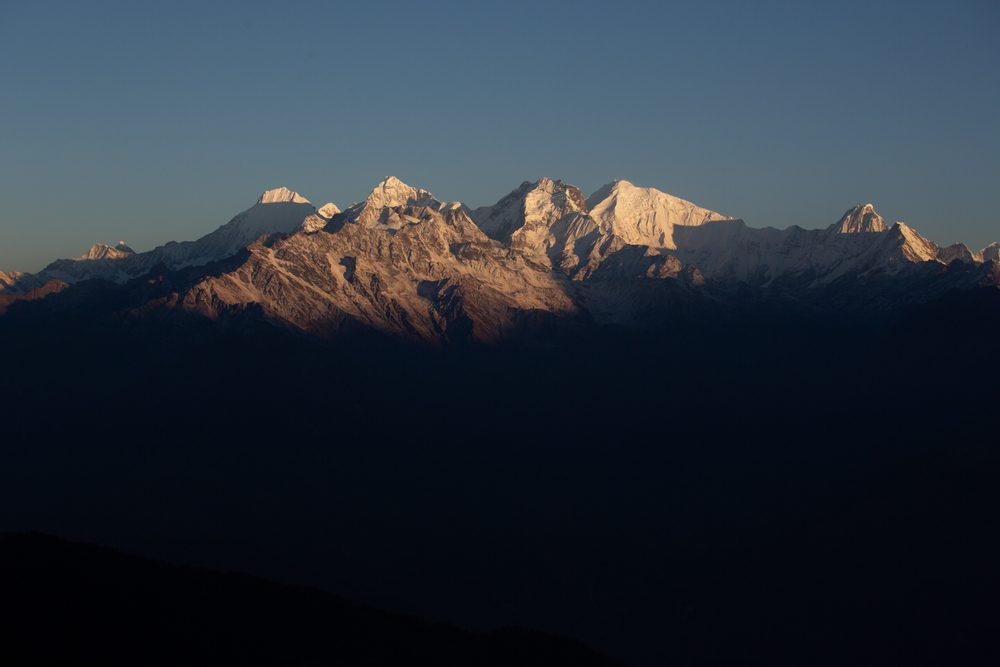
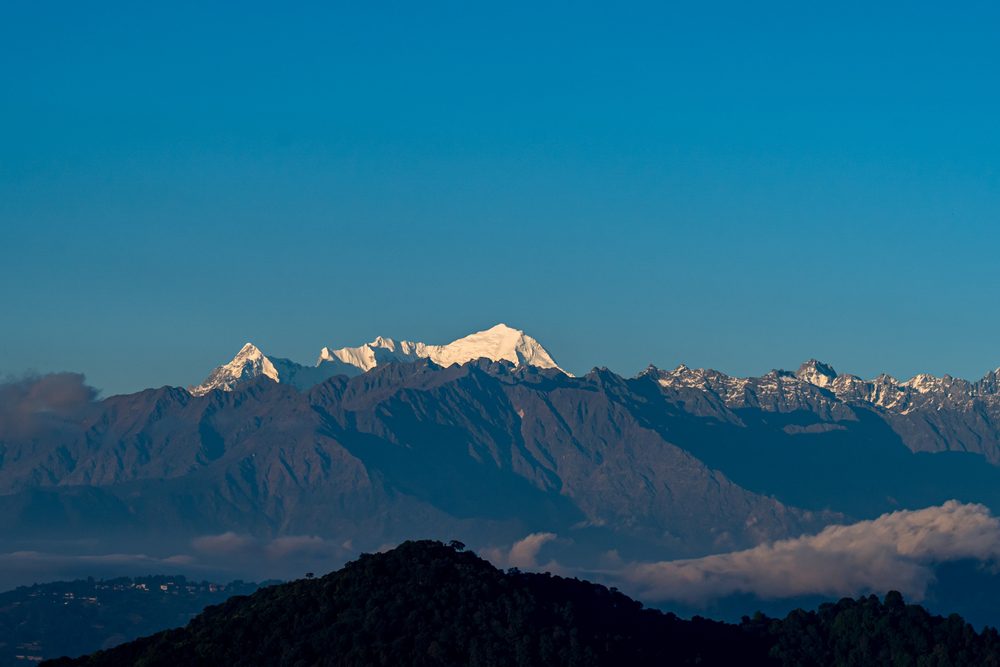
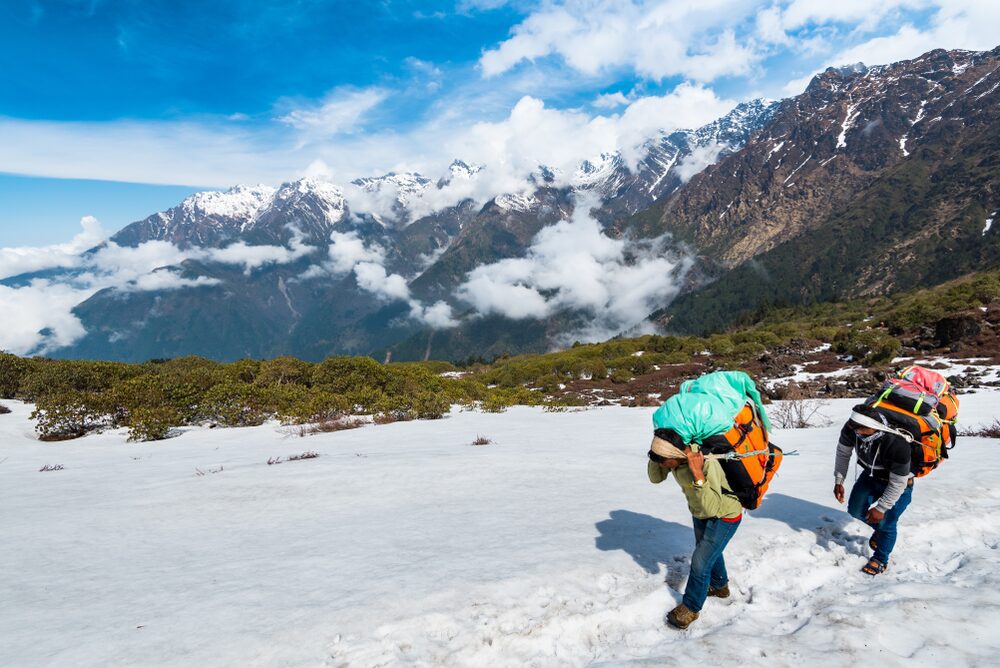
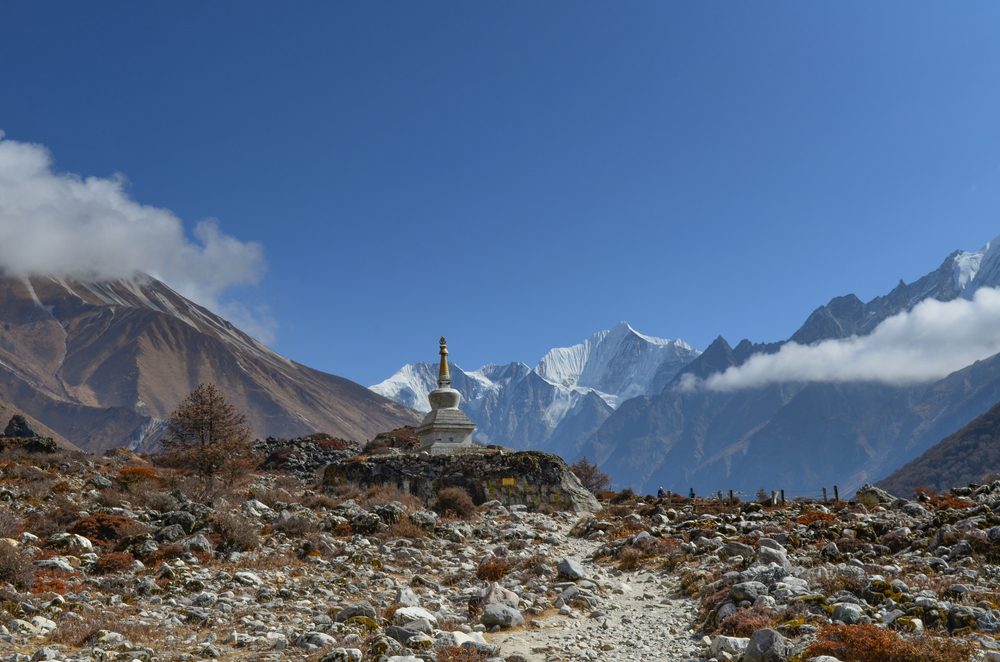
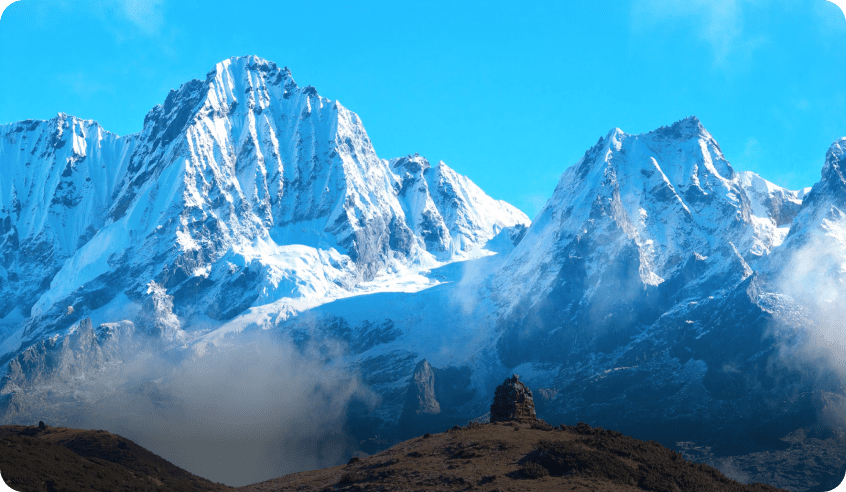
You get to see snow-peaked giants like Langtang and Ganesh Himal on the skyline, while the trail passes through rhododendron blooms, and invites short chats with farmers tending their fields. Because the path is less travelled than the bigger trek areas, it is peaceful, as even a single rustling leaf can break the silence.
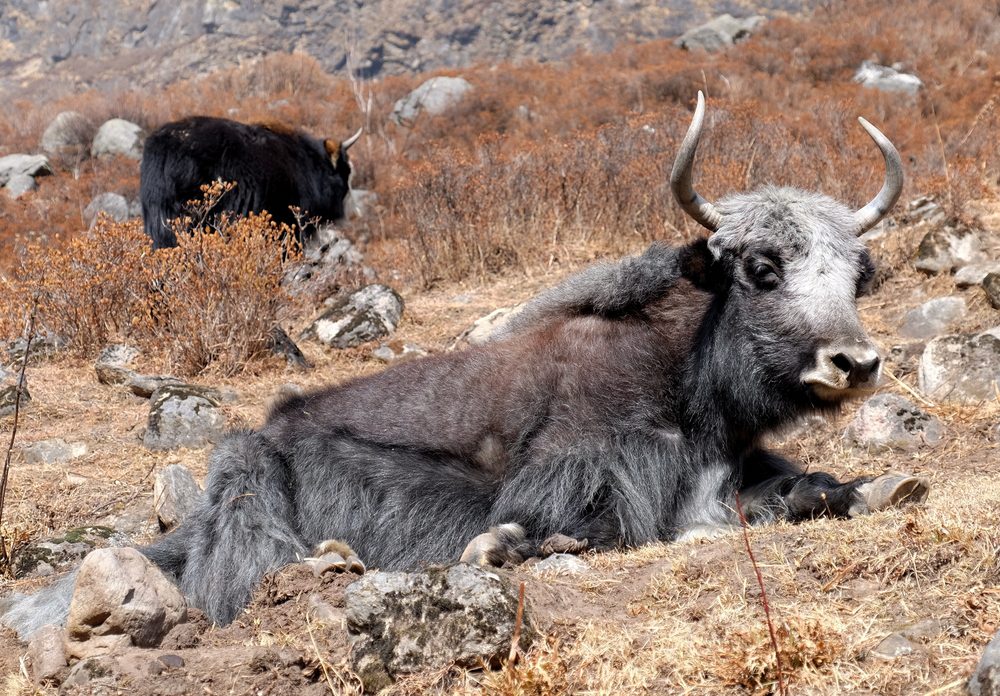
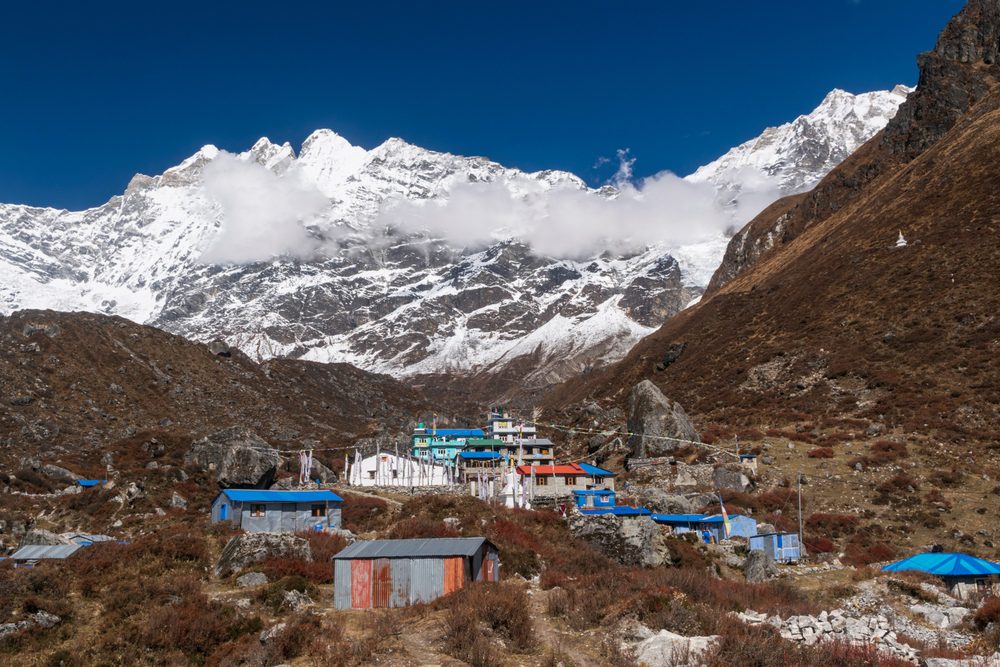
In the evenings, you will stay in simple teahouses that serve steaming traditional food. You get to share stories by candlelight. The teahouses offer narrow beds warmed by yak blankets, which make the perfect night after trekking for so long. Their hospitality and kindness remind a feeling of family.
Trip Highlights
- Enjoy stunning views of the Langtang range, Ganesh Himal, and other snow-capped peaks, especially from Thadepati (3,650m), the highest point of the trek.
- Walk through traditional Sherpa and Tamang villages. Learn about their daily life, culture, and simple way of living in the mountains.
- Trek through beautiful forests filled with pine, oak, and rhododendron trees, especially colorful in spring. See birds, animals, and natural beauty all around.
- Reach Thadepati, which is the highest and most exciting point of the Helambu trek at 3,650m.
- Enjoy the perfect mix of nature, adventure, and culture.
Detailed Itinerary for Short Helambu Trek
Your Journey, Step by Step
Trek from Chisapani to Kutumsang (2,470m, 6–7 hours)
After breakfast in Chisapani, you begin trekking towards Kutumsang, which is about 6 to 7 hours away. The trail takes you through beautiful forests of pine and rhododendron, with chances to see birds and maybe some wildlife. You will pass through small villages where locals live simple mountain lives and can learn about their culture.
The path goes up and down with some steep sections, so it’s a good workout, but very rewarding. As you get closer to Kutumsang, you’ll start to see more open views of the mountains and valleys around you. Kutumsang sits at 2,470 meters (8,100 feet) and has cozy teahouses where you can rest, enjoy hot meals, and relax after a full day of trekking. The fresh mountain air and peaceful surroundings make it a great place to spend the night.
Stay overnight in Kutumsang.
Trek from Kutumsang to Thadepati (3,650m), then to Tarkeghyang (2,600m, 7 hours)
You start early from Kutumsang and hike uphill through dense forests of pine and rhododendron to reach Thadepati, the highest point of the trek at 3,650 meters. The climb is challenging but rewarding, with amazing panoramic views of the Himalayan peaks like Langtang and Ganesh Himal. After taking time to rest and enjoy the scenery at Thadepati, you begin descending along a beautiful trail that passes through colorful rhododendron forests and small traditional villages where you can see local life.
The trek down to Tarkeghyang, at 2,600 meters, takes several hours. Tarkeghyang has simple but comfortable teahouses where you can relax, have a warm meal, and prepare for the last day of trekking. The whole day takes about 7 hours of walking, offering great views and a chance to experience nature and culture up close.
Stay overnight in Tarkeghyang.
Trek from Tarkeghyang to Sermathang (2,590m) and drive back to Kathmandu
After an early breakfast in Tarkeghyang, you begin your last day of trekking. The trail to Sermathang is gentle and not too hard, with only a few small ups and downs. You walk through quiet forests, green hills, small farms, and peaceful villages. Along the way, you can see local people working, animals like cows and goats, and sometimes children playing outside their homes.
The views of the mountains and valleys are still very beautiful, and the fresh air makes the walk very nice. After walking for about 3 to 4 hours, you reach Sermathang, a clean and lovely village at 2,590 meters. You can rest there for a while and have lunch.
Later, you take a jeep or bus back to Kathmandu. On the drive, you see rivers, hills, terraced fields, and many small villages. Once you arrive in Kathmandu, your trek is finished. You can relax, eat good food, and remember all the fun you had on your journey through the mountains.
Customize this trip with help from our local travel specialist that matches your Interests.
Customize This TripShort Helambu Trek Inclusions
What’s Covered in Your Adventure
- Pick up and drop by taxi
- An English-speaking guide with all expenses
- Accommodation in the mountains
- Helambu permit
- Meals, which include breakfast/lunch/dinner
- Travel insurance
- Treking gear
- All snacks, including all hard drinks
Maps
Navigate Your Journey
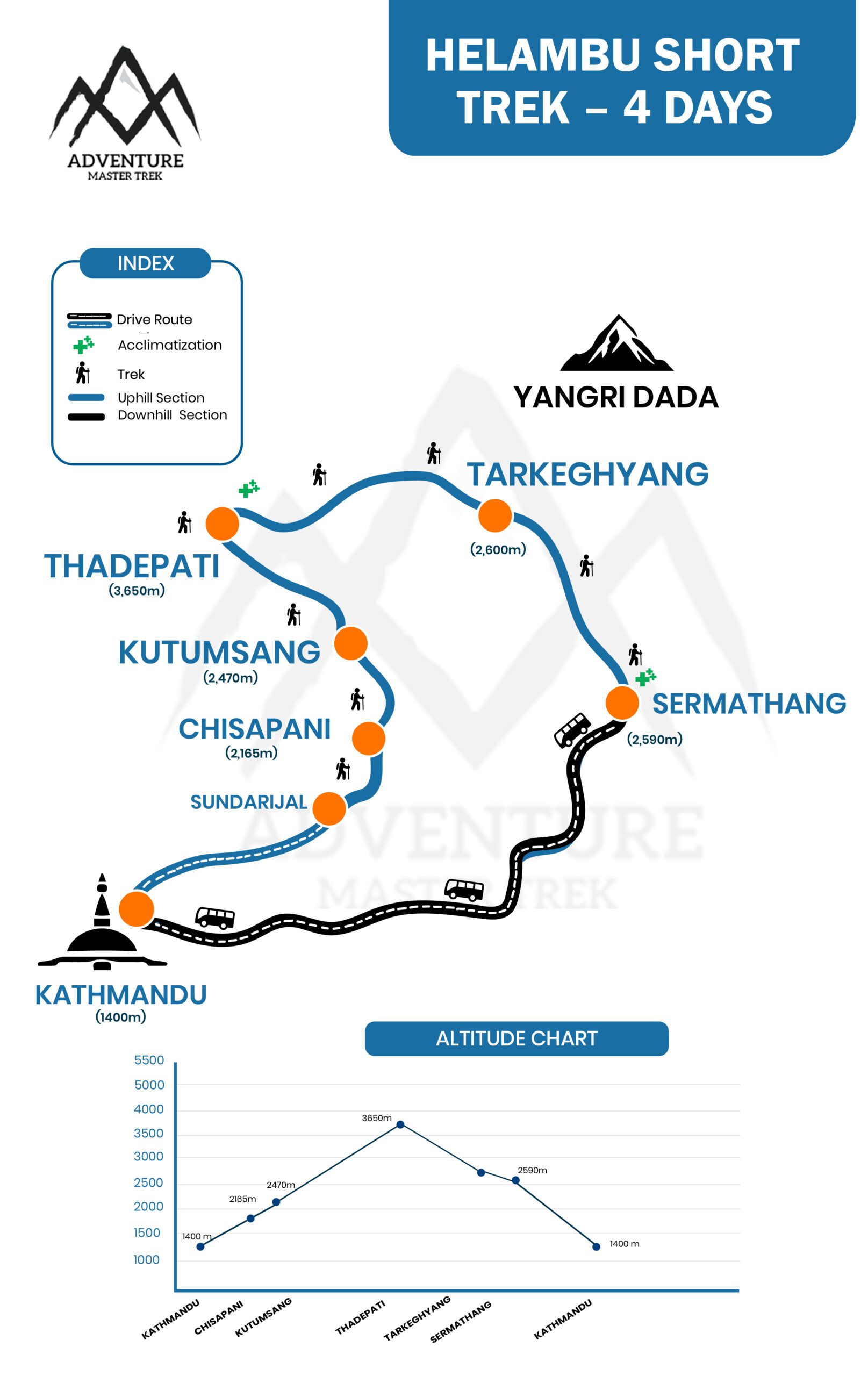
Good to know During Trekking to Helambu
Know Before You Go
Accommodation During the Trek to Helambu
Accommodation on the 4-day short Helambu Trek is simple, comfortable, and offers a warm local experience. Most trekkers stay in teahouses which are small, family-run lodges found in the villages along the trail. These teahouses usually provide basic rooms with twin beds, clean sheets, and warm blankets. Bathrooms are often shared, and hot showers may be available for a small extra cost, depending on the place.
You can get a variety of food options in the teahouses with great hospitality. The dining areas often have a warm stove, which becomes a popular gathering spot for trekkers in the evenings. Some teahouses even offer charging facilities and Wi-Fi (for a fee), though it might be limited.
The accommodation may be basic, but it offers a genuine and peaceful experience, making your journey through Helambu even more memorable.
Food and Drinking Water on 4-day Helambu Trek
Food and water during the trek to Helambu are straightforward, wholesome, and offer you great energy and satisfaction in the Helambu trek. You will eat at neighborhood teahouses along the trail, where the food is prepared locally and is prepared at home. Dal Bhat, lentil soup, and veggies are a typical and well-liked dinner. They are delicious, nutritious, and provide a lot of energy for hiking. Noodles, soups, fried rice, pancakes, and occasionally even pasta or eggs are also available.
Hydrating your body is the most important part of the trek. However, tap water should not be used for drinking. Small stores and teahouses sell bottled water. Using a SteriPen, water purification tablets, or filters along with a reusable bottle is a more environmentally responsible choice.
Electricity and Internet service during the trek to Helambu
The short Helambu Trek has internet access and electricity. They might not always be trustworthy and have limitations. You may charge your phone or camera in most of the teahouses along the path using solar or local power. However, there might be a small fee. Having a power bank on hand is a smart idea.
Some towns have internet access, mainly via Wi-Fi. However, it can occasionally be slow or absent, particularly in inclement weather. There are certain locations where mobile network coverage is available, but not all of them.
Before the trek begins, you can get a Nepal SIM card with data if you wish to stay connected. Don’t expect a powerful signal all the way. While it’s possible to stay somewhat connected, the Helambu trek is also a great chance to disconnect from screens and enjoy nature and peace all around you.
Difficulty during Short Helambu Trek
The Helambu Short Trek is one of the easier treks in Nepal, which makes it a great choice for beginners, families, or anyone who is looking for a peaceful walk in the hills. The trail takes you through gentle ups and downs, with some short climbs, but nothing too steep or too long.
You don’t go to very high altitudes, so the risk of altitude sickness is very low compared to other Himalayan treks. You will still be walking for 4 to 6 hours a day, so a basic level of fitness is helpful.
Altitude sickness During the Trek
Altitude sickness is rare on the trek to Helambu because the trail does not go too high. The highest point on this trek is usually around 3,600 meters (11,800 feet), which is much lower than many other treks in Nepal. Most people can walk comfortably at this height without serious problems. However, some might feel a bit short of breath or tired when climbing uphill, which is normal and usually goes away with rest and hydration.
To stay safe, it is important to walk at a steady pace, drink plenty of water, and get enough sleep. If you do feel dizzy, very tired, or have a headache that will not go away, it’s best to tell your guide and take it easy. Helambu is a low-risk trek for altitude issues, which makes it a good choice for beginners or anyone worried about high altitudes.
Group size for 4 Day Helambu Short Trek
Group size on the trek to Helambu can vary, but it’s usually small and friendly, which makes the experience more enjoyable. Most trekking groups have around 2 to 8 people, so it’s easy to get to know each other and enjoy the walk at a relaxed pace.
Smaller groups also mean better care from your guide and more personal attention. If you prefer, you can also do the trek solo with a guide or porter, which gives you more freedom and privacy. Whether you’re with a few others or going solo, the quiet trails of Helambu offer a peaceful and rewarding trekking experience.
Do I need Travel Insurance for Helambu Trek
Even though the short trek to Helambu is not very high or risky, it is still a good idea to have travel insurance. It gives you peace of mind in case something unexpected happens, like getting sick, needing to cancel your trip, or losing your bags. Some parts of the trail are in remote areas, so if you ever need medical help or a quick evacuation, insurance can cover the cost.
Make sure your policy includes basic medical coverage, trip delays, and, if possible, emergency rescue. It’s a small step that can help you stay safe and stress-free during your trek.
Permits required for the Helambu Short Trek
A few permissions are needed for the 4-Day Helambu Short Trek in order to preserve the area’s natural beauty, support local people, and guarantee a safe trekking experience. These permits help in the control of tourism and preservation of the peaceful surroundings of the Helambu region. The permits you’ll need for this hike are listed below:
- Langtang National Park Permit: This permit is required to enter Langtang National Park, which covers part of the Helambu trekking route. The fee helps with conservation work, trail upkeep, and protecting the local wildlife and forests.
- TIMS (Trekkers’ Information Management System) Card: This permit is used to register trekkers and keep track of visitors in the region. It helps authorities provide safety support and manage trekking routes. It’s important for your safety and helps in case of any emergencies during the trek.
Required Documents
- A passport with at least 6 months’ validity
- Valid Nepal Visa
- 2 to 4 passport-sized photos
- Travel Insurance
- Emergency contact and trip details
Packing List for the Short Helambu Trek
General
- Passport, extra copies, and passport‑size photos for permits
- Trekking permits
- Sleeping bag rated –10 to –15 °C
- Cash: Nepali rupees in small notes for tea‑houses & tips
- Duffel bag for the porter
- Backpacks: main + daypack
Upper body
- Sunglasses with UV protection
- Sun hat + woolen beanie
- Scarf or buff
Torso
- 1–2 moisture‑wicking base layer tops
- Fleece jacket or pullover
- Insulated jacket (down or synthetic)
- Waterproof shell jacket
Lower Body
- 1–2 trekking pants
- Thermal base‑layer bottoms
- Waterproof over‑pants
- Lounge pants for evenings
Hands
- Lightweight liner gloves
- Insulated, waterproof gloves
Footwears
- 3–4 pairs of wool/merino trekking socks
- Waterproof, broken‑in trekking boots
- Camp shoes or sandals for the teahouse
Undergarments
- Moisture‑wicking underwear (4–5 pairs)
- Sports bra (if needed)
- Optional thermal bottoms
Medication and First Aid Box
- Altitude sickness meds (Diamox/acetazolamide)
- Sunscreen (SPF 50)
- Lip balm with SPF
- Pain relievers (ibuprofen/paracetamol), rehydration salts
- Bandages, blister plasters, antiseptic cream
- Personal meds (e.g., for cold, upset stomach)
Other Essentials
- Hand sanitizer
- Water bottles or hydration bladders and purification tablets or filters
- Toiletries: toothbrush, quick‑dry towel, wet wipes, soap/shampoo
- Headlamp + spare batteries
- Trekking poles (optional but helpful)
- Power bank + chargers
- Phone, camera + spare batteries
- Dry bags for electronics
Optional
- Snacks: energy bars, nuts, chocolate
- Notebook + pen
- Earplugs + eye mask
- Small lock for the teahouse
- Mini duct tape roll
Booking policy for Helambu trek
Advance Payment & Booking Confirmation
- To book your Helambu Trek, please pay 30% of the total cost in advance.
- The rest can be paid when you arrive in Kathmandu.
- Full payment in advance is also welcome.
- To confirm your booking, please send:
- Payment receipt
- A clear copy of your passport
- Travel insurance details or an emergency contact
Payment Methods
We offer flexible payment options:
- Online payment through our secure website
- Credit/Debit cards (Visa/MasterCard) with 4% bank charge
- Bank transfer (fees may apply)
- Cash or check payments in Kathmandu
Final Payment
The remaining 70% must be paid before the trek starts. You can pay by cash, card, or bank transfer in Kathmandu.
Booking Modifications & Rescheduling
Please inform us at least 15 days before the trek if you need to change your dates. Date changes depend on availability and may include a small fee.
Last-Minute Booking
We accept last-minute bookings up to 24 hours before the trek. However, during peak seasons (March–May & Sept–Nov), early booking is advised as space can be limited.
FAQs for Short Helambu Trek
Your Questions, Answered
What is the highest point on the trek?
The highest point on the trek is Tharepati, at about 3,650 meters (11,975 feet) above sea level. This altitude is generally manageable for most trekkers without the need for special acclimatization.
When is the best time to do the Helambu Short Trek?
The best times to do the Helambu trek are spring (March–May) for blooming rhododendrons and mild weather, and autumn (September–November) for clear skies and cool temperatures.
What permits are required for the trek?
You need the Langtang National Park Entry Permit (NPR 3,000 foreign, NPR 1,500 SAARC) and Shivapuri National Park Entry Permit (NPR 500 foreign, NPR 200 SAARC). Permits can be bought in Kathmandu or at park entrances.
What should I pack for the trek?
You should pack layered clothes, trekking boots, waterproof gear, a warm sleeping bag, a water purifier, a first-aid kit, sunscreen, a headlamp, snacks, and optional trekking poles. You should keep your gear light and suitable for changing weather.
Is a guide necessary for the trek?
Yes, it is mandatory to hire a licensed guide for the Helambu trek. Guides provide safety, cultural insights, and help navigate the trail.
What type of accommodation can I expect?
Accommodations for the Helambu trek are primarily in basic teahouses and lodges, offering beds, shared bathrooms, and communal dining areas. Some places may have hot showers available for an extra fee.
What kind of food is available during the trek?
The teahouses serve various local meals such as Dal Bhat (lentil soup with rice), momos (dumplings), noodles, fried rice, Tibetan bread, and potatoes. The vegetarian options are common, and it’s best to be cautious with meat at higher altitudes.
Are there facilities for charging electronic devices?
Yes, as many teahouses provide charging facilities for a small fee. However, electricity supply can be limited in remote areas, so bringing extra power banks is recommended.
Is mobile network coverage available?
Yes, mobile coverage is available in most villages along the route through Ncell and Nepal Telecom (NTC), but signal strength may be weak or absent in remote areas.


View Our Similar Packages
Discover our top tours, loved by thousands of travelers annually. Choose the adventure that inspires you and embark on a journey tailored to your desires.

 Nepal
Nepal
 8 Days
Save 36%
Add Review
Reviewing for Helambu Short Trek – 4 DaysRequest a Callback - Helambu Short Trek – 4 Days
Submit the form and we will be back to you shortly
Request a Callback - Helambu Short Trek – 4 Days
Submit the form and we will be back to you shortly
Narayanhiti Palace Museum

Narayanhiti Palace Museum


