









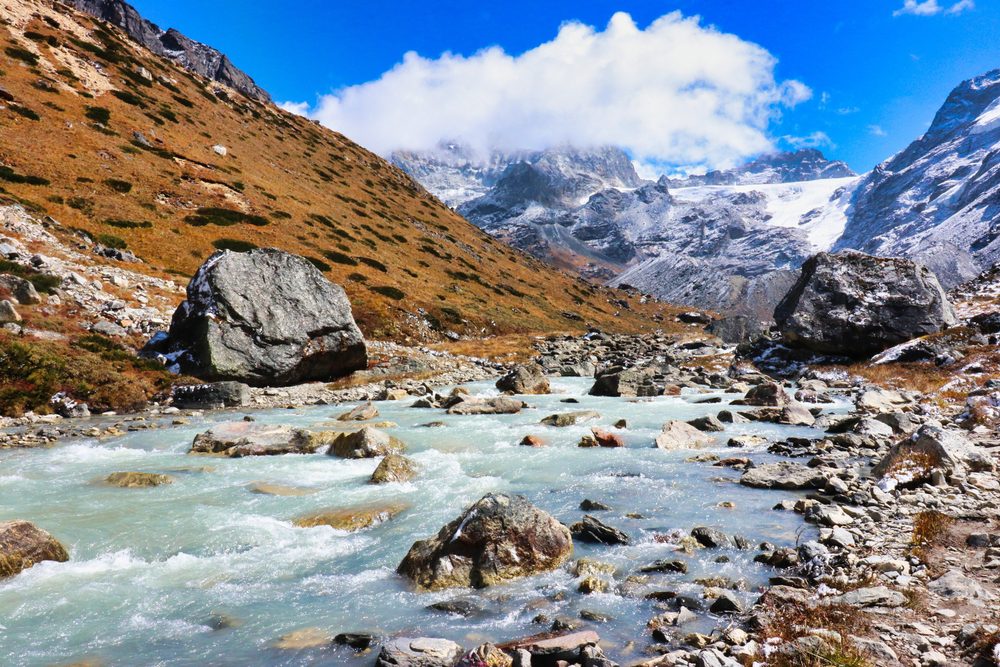
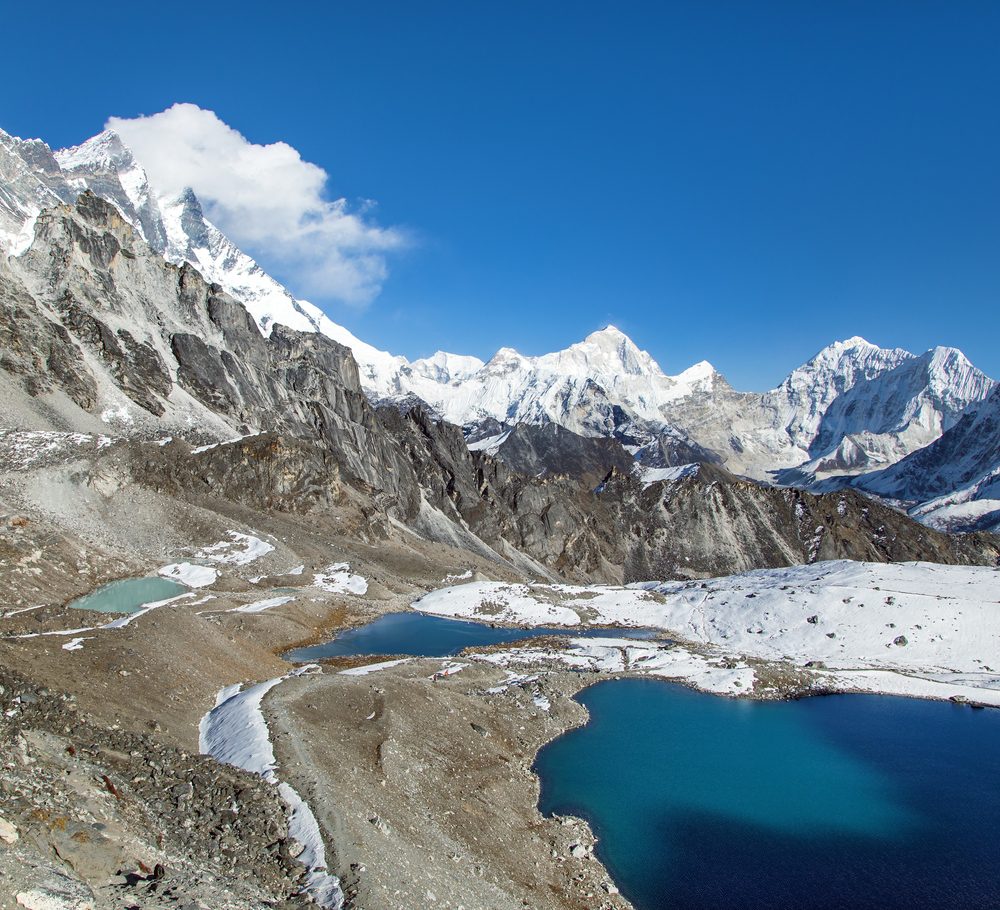
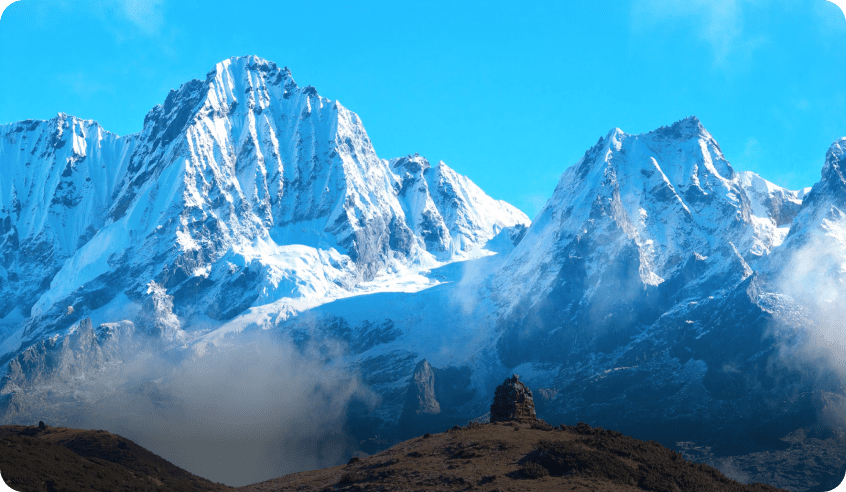
Mera Base Camp Trek with Mera Peak Climbing


Quick Trip Facts


Overview
Mera Peak Climbing is Nepal’s tallest trekking peak, which rises to 6,476 meters. Although the climb is non-technical, it still tests hikers who are familiar with ice axes and crampons.
The adventure starts with a plane hop from Kathmandu to Lukla and a steady walk through rhododendron forests and busy Sherpa hamlets. Along the way you stop at Paiya, Pangkongma, and Kothe, each village adding a fresh dose of culture and jaw-dropping scenery. When you finally get to Khare, sitting at 5,045 meters, the group pauses for an acclimatization day, checking gear and swallowing plenty of tea. Next comes the pull up to Base Camp at 5,350 meters, where everyone pitches tents and stashes energy bars before the big push.
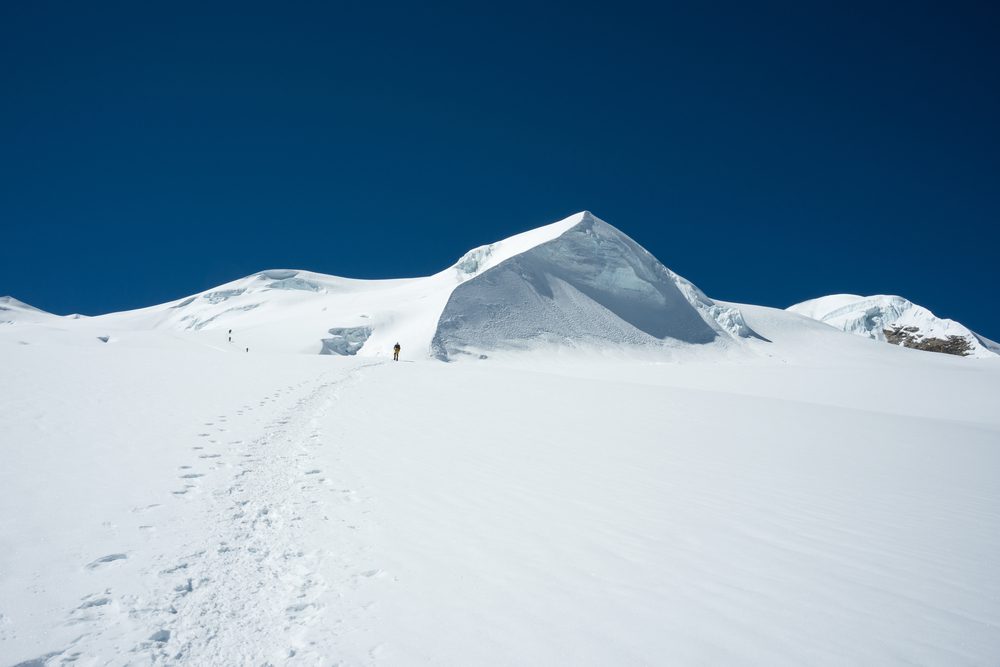
From there the path scrambles to High Camp at 5,800 meters across rock, snow, and the ever-growing shadow of Everest, Makalu, and Cho Oyu. On summit day the alarm chirps at 2:00 A.M., too early for most humans but ideal for calm weather. Climbers lace on crampons, clip into a fixed rope, and inch up the icy shelf and soft slopes toward the sun. Every step burns, yet the moment you step over the airy rim the horizon explodes into a 360-degree gallery of the tallest mountains on earth. After snapping photos and grinning through shaky legs, you turn around and follow the same tracks back down through the Hinku Valley toward Khare.
The best seasons for the Mera Peak Climbing are the pre-monsoon months from March to May and the post-monsoon stretch between September and November. At that time the weather tends to be stable and skies stay mostly clear, letting trekkers drink in sweeping views of the surrounding giants. Spring greets trekkers with blooms of red rhododendron, while the fall rewards them with crisp, dust-free horizons left behind by the last monsoon showers.
For anyone chasing both a workout and a taste of the mighty Himalayas, the hike to Mera Base Camp is as exciting as it is satisfying. The route is tough and gains altitude quickly, yet a fit, determined group can tackle it without needing technical climbing skills. Along the way, travellers are not just moving toward a summit; they are stepping through welcoming villages, ancient forests, and vistas that carve Nepalese culture into every unforgettable frame.
Mera Peak Climbing Trip Highlights
- Scenic flight from Kathmandu to Lukla, which is the gateway to the Everest region
- Experience the Hinku Valley on serene, less-traveled paths.
- Travel through picturesque river basins, mountain forests, and Sherpa communities.
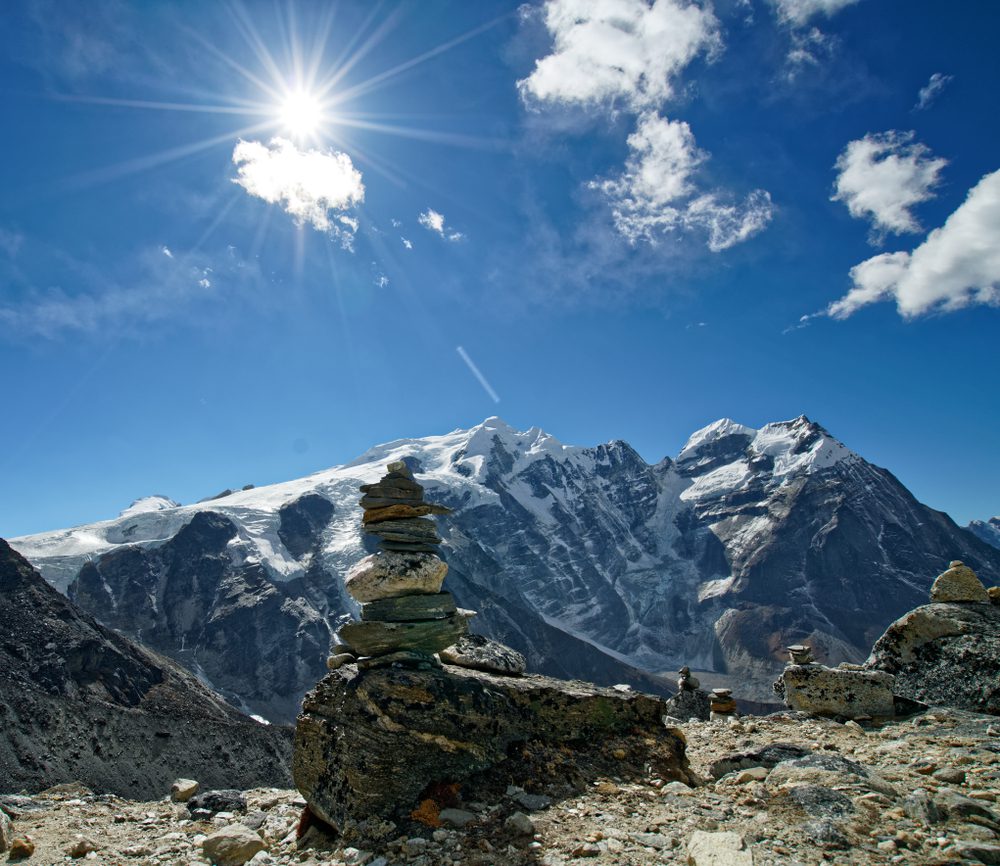
- Magnificent views of Makalu, Kanchenjunga, Lhotse, and Everest from Mera Peak
- Acclimatization days for increased summit chances and safety
- With sweeping views of the mountains, camp at Mera Base Camp and High Camp.
- Climb Mera Peak, the highest trekking peak in Nepal (6,476m).
- A fantastic combination of non-technical mountaineering and trekking adventure
- Savor the cuisine, hospitality, and culture of the Sherpa people.
- Experience the thrill of standing atop the Himalayas.
Itinerary
Fly to Lukla (2,800m) and Trek to Paiya (2,730m)
Approximate trekking time: 5-6 hours
Today, you will start your journey into the Himalayas with an early morning flight from Kathmandu to Lukla, which is located at an altitude of 2,800 meters. This 30–35 minute flight is short but offers you incredibly scenic views of terraced hillsides, deep valleys, and snow-capped peaks as you approach the famous Lukla airstrip.
After landing, you’ll meet your porters and start the trek. The trail leads you southward through forested paths, small farming settlements, and suspension bridges, with plenty of opportunities to enjoy the peaceful mountain surroundings. The trek to Paiya (2,730m), also known as Chutok, is moderately challenging, with some steep sections and slippery descents, especially if the trail is wet. You will walk for about 5 to 6 hours before reaching Paiya which is a quiet village surrounded by green hills, where you will rest for the night.
Stay overnight in Paiya.
Trek from Paiya to Panggom (2,846m)
Approximate trekking time: 5-6 hours
You will start your trek from Paiya to the quiet mountain village of Panggom, which lies at an altitude of 2,846 meters. You will begin the day with a steady ascent as you cross the Kari La Pass, a scenic ridge that offers sweeping views of the surrounding valleys and forested hills. The trail passes through rich rhododendron and bamboo forests, providing a peaceful and shaded walk. Along the way, you may pass by small settlements and terraced farmland where you can get a glimpse into the rural life of the region. The trek takes approximately 5 to 6 hours, with some ups and downs, but nothing too steep or technical.
As you approach Panggom, the landscape opens up slightly, and you will begin to feel more immersed in the magnificent views of the Himalayas. Finally, you will reach Panggom, which is a small, culturally rich Sherpa village. You will rest for the night and enjoy your first full day of walking in more isolated, less-traveled terrain.
Stay overnight in Panggom.
Trek from Panggom to Ningsow (2,863m)
Approximate trekking time: 4-5 hours
Today, your trek continues from Panggom to Ningsow (2,863m), which takes you deeper into the remote and scenic Hinku Valley. You will begin your day with a steady climb up to the Panggom La Pass, which offers panoramic views of the surrounding hills and the peaks in the distance. After crossing the pass, the trail descends through forested areas before rising again along varied and sometimes rocky terrain.
You will pass through rhododendron and pine forests, cross small streams, and walk along narrow mountain paths that reveal the untouched beauty of the region. The trek takes about 4 to 5 hours, with a mix of uphill and downhill sections that test your endurance but also reward you with peaceful natural scenery. As you reach Ningsow, a quiet and less-visited village, you’ll begin to feel the growing sense of adventure as the trail becomes more remote and wild.
Stay overnight in Ningsow.
Trek from Ningsow to Chhatra Khola (2,800m)
Approximate trekking time: 7-8 hours
You will leave Ningsow and trek to Chhatra Khola, situated at 2,800 meters. This is a longer day, taking about 7 to 8 hours, but it’s filled with natural beauty and changing landscapes. Early in the trek, you’ll enter the Makalu Barun National Park, which is a protected area known for its rich biodiversity and remote wilderness.
The trail follows a mix of forest paths and steep sections, eventually leading you to walk alongside the Inkhu Khola River offering soothing river views and the sound of flowing water as you move deeper into the mountains. The route is peaceful and less crowded, giving you a true feeling of trekking in the wild. You’ll end the day at Chhatra Khola, a quiet spot ideal for resting and recharging for the days ahead.
Stay overnight in Chhatra Khola.
Trek from Chhatra Khola to Kothe (3,691m)
Approximate trekking time: 6-7 hours
Today, you will continue your journey from Chhatra Khola to Kothe, climbing higher to an altitude of 3,691 meters. The trail passes the Inkhu Khola River, winding through dense forest and scenic riverbanks as you gradually gain elevation. This section of the trek is incredibly beautiful, and you begin to feel more alpine as the trees thin out.
You will get your first clear view of Mera Peak’s south face, which is a thrilling moment that adds excitement to the climb ahead. The trek takes around 6 to 7 hours and includes steady ascents, making it a challenging but rewarding day. You’ll reach Kothe by afternoon, a small settlement where you’ll rest and start to truly feel the mountain environment around you.
Stay overnight in Kothe.
Trek from Kothe to Thaknak (4,358m)
Approximate trekking time: 3- 4 hours
You will trek from Kothe to Thaknak, which reaches an altitude of 4,358 meters. The trail follows the upper part of the scenic Hinku Valley, passing through wide, open yak grazing pastures surrounded by dramatic Himalayan landscapes. As you ascend, you’ll notice a change in vegetation, with fewer trees and more alpine terrain. The hike takes around 3 to 4 hours, making it a shorter day to help with proper acclimatization.
After arriving in Thaknak, which is a small settlement with a few basic lodges used by trekkers and herders, you will rest and have time for a short acclimatization walk to nearby viewpoints. This is an important step in adjusting to the altitude and preparing your body for the more demanding days ahead. You will also start seeing incredible views of Mera Peak and surrounding glaciers, building excitement for the summit push.
Stay overnight in Thaknak.
Trek from Thaknak to Khare (5,045m)
Approximate trekking time: 2-3 hours
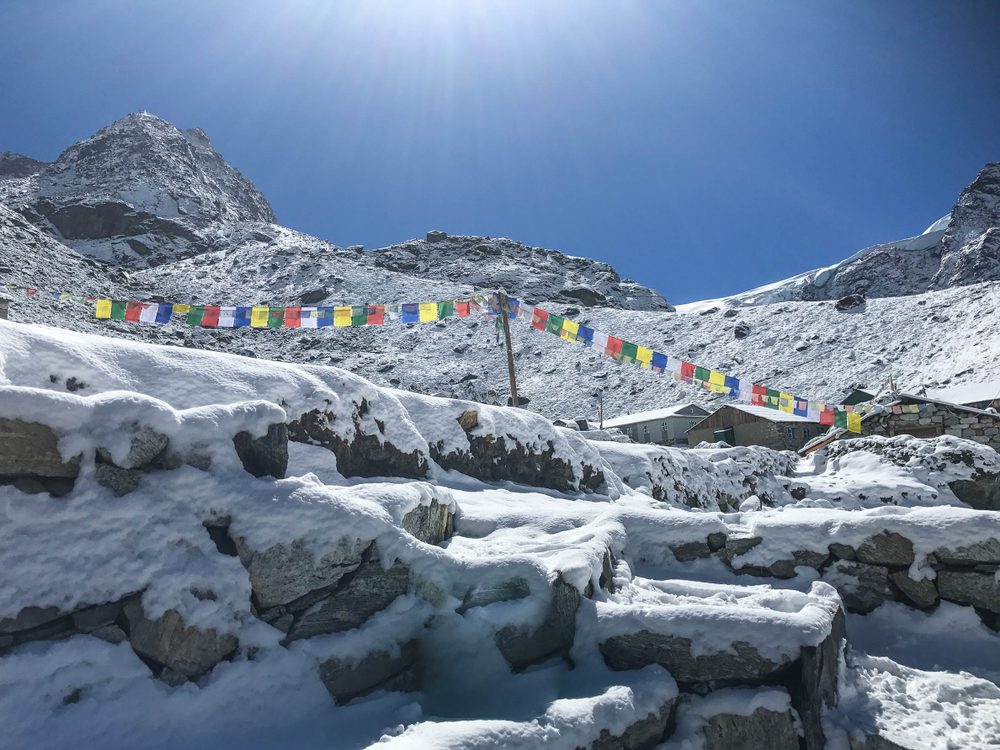
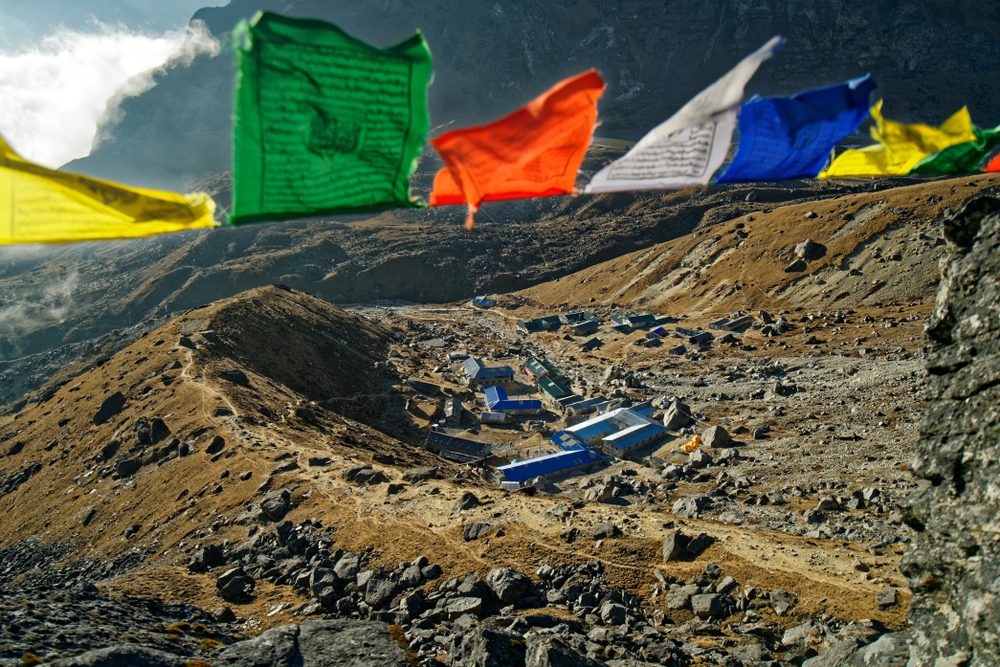
Today, you will trek from Thaknak to Khare, reaching an altitude of 5,045 meters, which marks the beginning of the high-altitude climbing section of your journey. The trail leads you alongside the impressive Dig Glacier, where you can admire the stunning ice formations and rugged mountain scenery. The hike is relatively short, around 2 to 3 hours, allowing your body to continue acclimatizing to the thinner air at this high elevation.
Upon arriving in Khare, you’ll settle into the base camp village, where the afternoon is spent preparing for the Mera Peak ascent. This includes organizing and checking your climbing gear, attending briefings from your guides, and resting well to build energy for the challenging climb ahead. You will finally reach Khare, which is a quiet, remote settlement that provides a peaceful atmosphere to focus on acclimatization and mental preparation for the summit attempt.
Stay overnight in Kare.
Acclimatization and Pre-Climb Training in Khare
You’ll spend a full day in Khare focused on acclimatization and pre-climb training to prepare for the challenging summit attempt ahead. This day is essential for helping your body adjust to the high altitude of over 5,000 meters. You’ll practice using important climbing gear like crampons, ice axes, harnesses, and ropes under the guidance of your experienced guides, building your confidence and skills for the technical sections of Mera Peak.
In addition to gear practice, you will take short hikes around the area to slowly increase your endurance and help your body get used to the thinner air. This combination of training and acclimatization helps reduce the risk of altitude sickness and ensures you’re physically and mentally ready for the climb. The day also offers time to rest, hydrate, and eat well, which are all important for a successful summit push.
Trek from Khare to Mera High Camp (5,780m)
Approximate trekking time: 4-5 hours.
Today, you’ll trek from Khare to Mera High Camp, altitude of 5,780 meters. This is one of the most challenging days so far, with a steep and steady ascent across snow and rocky terrain. The trail takes you over the Mera Glacier, where you’ll use your climbing gear and move cautiously as the altitude increases. The trek takes about 4 to 5 hours, with stunning views of Everest, Makalu, and other towering peaks along the way.
Upon reaching High Camp, you’ll settle into your tent and rest while making final preparations for the summit push early the next morning. Hydration, nutrition, and conserving energy are key at this stage of the climb.
Stay overnight in Mera High Camp.
Summit Mera Peak (6,476m) and descend to Khare
Total climbing and descent time: 8-9 hours.
Today, you will begin your summit push to Mera Peak (6,476m) with an early morning start, usually around 2–3 AM, to take advantage of stable weather and catch the sunrise from the summit. The climb is steady but demanding, as you ascend over glaciated terrain using crampons and an ice axe, with breathtaking views of five of the world’s highest mountains, such as Everest, Lhotse, Makalu, Cho Oyu, and Kangchenjunga. Reaching the summit is an unforgettable experience, offering 360-degree views of the Himalayas.
After spending a short time at the summit for photos and celebration, you’ll begin your descent back to Khare, carefully retracing your steps down the glacier and slopes. The full journey of summiting and descending takes approximately 8 to 9 hours, depending on conditions and individual pace. It is a long, demanding day, but reaching the top of Mera Peak is an incredible achievement and a highlight of the expedition. Once back in Khare, you will rest, rehydrate and reflect on the success of your climb.
Stay overnight in Khare.
Contingency Day
Day 12 is planned as a contingency day, a vital part of any high-altitude expedition like Mera Peak Climbing. This extra day is reserved to account for unpredictable weather conditions, health-related delays, or any other unforeseen challenges that might prevent a summit attempt on the scheduled day. Weather in the Himalayas can change rapidly, and having this buffer ensures that your team can wait for a safe weather window without having to rush or compromise safety.
If you were able to summit on Day 11 as planned, this day may be used to begin the descent earlier or to rest and recover at a lower elevation like Khare or Kothe. Alternatively, if poor conditions delayed the climb, this day gives you another opportunity to reach the summit. Whether it’s used for waiting, climbing, or descending, this flexible day plays a key role in increasing your chances of a safe, successful, and well-paced trek.
Trek from Khare to Kothe
Approximate trekking time: 4-5 hours.
You’ll begin your descent from Khare and trek back to Kothe, returning the route through the beautiful Hinku Valley. After the excitement of the summit, this day offers a more relaxed pace as you make your way downhill through familiar landscapes of alpine meadows, glacial rivers, and rocky trails. While the descent is easier in terms of breathing, it can be a bit challenging on the knees, so it’s important to take your time and use trekking poles if needed.
Along the way, you’ll pass through Thaknak, where you may stop briefly before continuing toward Kothe. The trek takes about 4 to 5 hours, giving you plenty of time to soak in the views and reflect on your achievement. Once you reach Kothe, you’ll return to a lower altitude where the air feels thicker and the environment greener making it a great place to rest and recover.
Stay overnight in Kothe.
Trek from Kothe to Thuli Kharka (4,300m)
Approximate trekking time: 5-6 hours
Today, you’ll trek from Kothe to Thuli Kharka, climbing to an altitude of 4,300 meters. The trail ascends steadily through dense pine and rhododendron forests, offering a peaceful and scenic journey through the hills. As you gain elevation, you’ll leave the river valley behind and begin to see more open alpine landscapes.
The trek takes about 5 to 6 hours and includes a few steep sections, but the views and fresh mountain air make it enjoyable. Thuli Kharka is a beautiful open pasture area used by yak herders, and it serves as your final stop before crossing the high pass on your way back to Lukla.
Stay overnight in Thuli Kharka.
Trek from Thuli Kharka to Lukla via Zatrwa La Pass (4,600m)
Approximate trekking time: 6-7 hours
Today is your final trekking day, which takes you from Thuli Kharka back to Lukla, with a significant crossing of the Zatrwa La Pass, which stands at an altitude of 4,600 meters. The day starts with a steady climb up to the pass, where you’ll be rewarded with breathtaking views of the Dudh Kosi Valley, and, on a clear day, distant glimpses of Lukla and even parts of the Everest region. After enjoying the views from the top, you’ll begin the long descent along a rocky and forested trail, gradually making your way down toward Lukla.
The full trek takes around 6 to 7 hours, depending on the pace and weather conditions. As you approach Lukla, the trail becomes more familiar, and you’ll start to see more villages, farms and people. Reaching Lukla marks the end of your adventurous trek and climb, and you’ll have the evening to rest, reflect and celebrate with your team before the flight back to Kathmandu.
Stay overnight in Lukla.
Fly Back to Kathmandu
You will take an early morning flight from Lukla back to Kathmandu, offering one last chance to enjoy spectacular aerial views of the towering Himalayan peaks, deep valleys and remote villages you’ve trekked through. The flight is usually about 30 to 35 minutes, but weather conditions can sometimes affect the schedule, so it is important to be prepared for possible delays. Once you arrive in Kathmandu, you will be transferred to your hotel, where you can finally rest, relax, and recover after your incredible mountain adventure.
This is a great time to enjoy a hot shower, a comfortable bed and good food, things that might have felt like a luxury on the trail. The rest of the day is free for you to explore the vibrant city, visit local markets, or see cultural landmarks like Durbar Square and Pashupatinath Temple. It is also a perfect opportunity to reflect on your trek and celebrate your achievement with your team or fellow climbers before preparing for your journey home.
Stay overnight in Kathmandu.
Day 17: Departure from Kathmandu
Your unforgettable journey in Nepal comes to an end as you are transferred from your hotel to Tribhuvan International Airport in Kathmandu for your onward flight. Depending on your departure time, you might have some free time in the morning to do a bit of last-minute shopping, enjoy a leisurely breakfast, or visit a nearby cultural site.
This day marks the conclusion of your incredible adventure trekking through the remote Himalayan landscapes, summiting Mera Peak, and experiencing the unique culture of Nepal. As you say goodbye to the mountains and your trekking team, you’ll carry with you memories and stories that will last a lifetime. Wishing you safe travels and hoping you’ll return to explore more of Nepal’s wonders in the future!
Customize this trip with help from our local travel specialist that matches your Interests.
Customize This TripInclusions
- Private car service to and from the airport.
- Two nights at a standard hotel in Kathmandu with breakfast.
- Three meals a day, which include breakfast, lunch, and dinner.
- You will be provided with trekking Lodges (Tea Houses).
- All papers that need to be done, Fees for entering Sagarmatha National Park, and Khumbu Pasang Lhamu Rural Municipality.
- Kathmandu to Lukla and back to Kathmandu, or (Ramechap to Lukla, back to Kathmandu flight) with an airport transfer and airport tax within Nepal.
- A highly experienced, helpful, knowledgeable, friendly, English-speaking guide with all of his salary, food, drinks, lodging, transportation, and insurance covered.
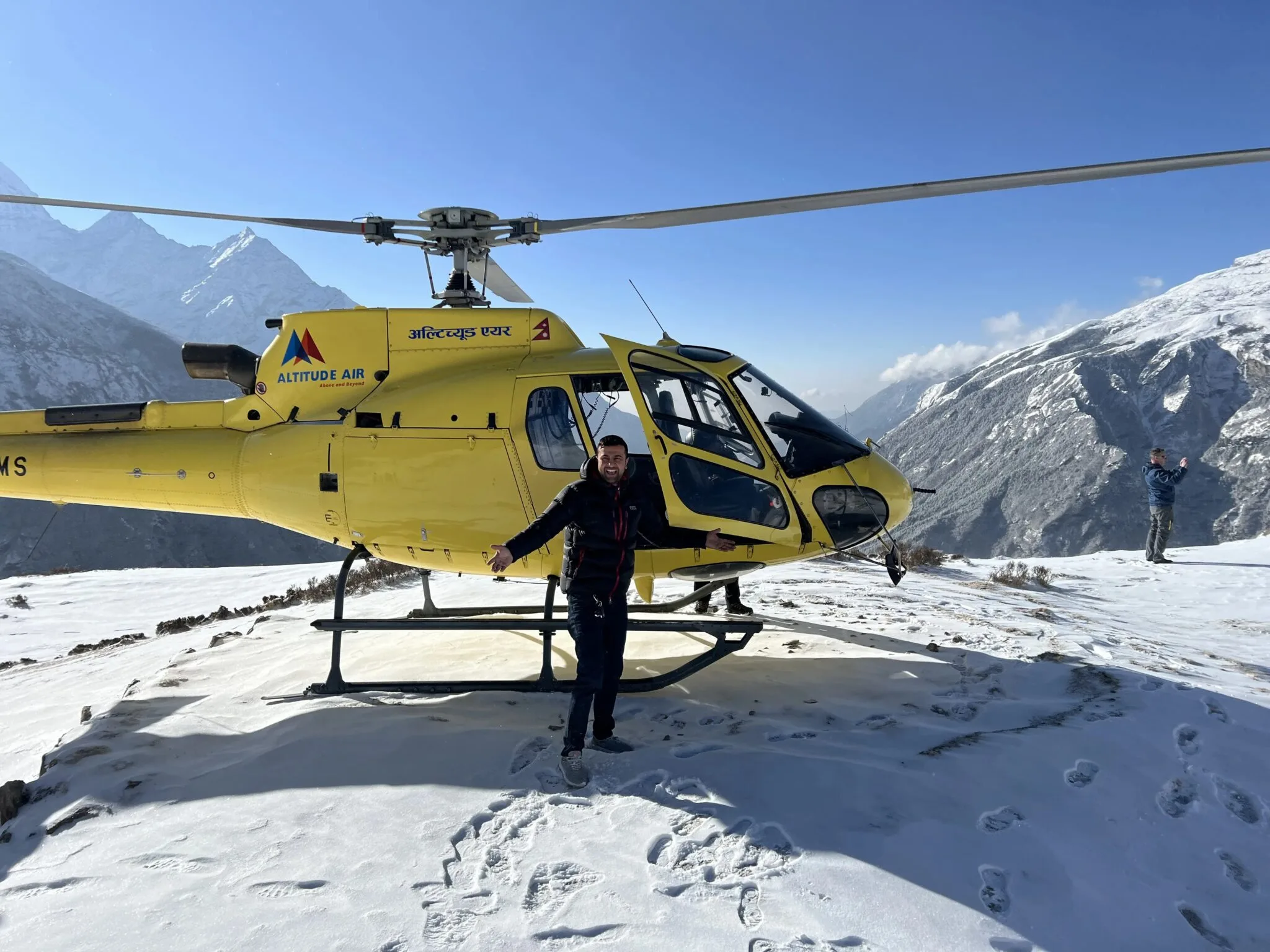
- Setting up a service for an emergency helicopter (paid by your Travel Insurance company).
- You can rent a sleeping bag, a down jacket (if you don't have your own) & Duffel bag provided
- Taxes and official costs are paid to the government.
- Certificate of completion of the trip.
- Oximeter to check your pulse, oxygen saturation, and heart rate twice a day (very helpful to check for signs of Altitude Mountain Sickness, or AMS). This will make sure that your trek is in the safest hands possible, no matter how experienced you are.
- Island Peak climbing permit.
- Sherpa guide for climbing with insurance.
- Whole Climbing Gear (a part of the sleeping bag and down jacket).
- Food in the climbing.
- Food that you will eat in Kathmandu for lunch and dinner.
- The cost of a visa to enter Nepal is $30 for a 15-day stay.
- Your insurance for travel and medical care.
- International airfare, your personal expenses.
- All of the alcoholic and non-alcoholic cold and hot drinks you buy on trek (along with all of the sweet desserts, like chocolate, cake, pie, and pudding).
- The tea houses have hot showers and places to charge your phone, which will cost you about 2$ to 5$.
- Tip to the guide (Tipping is expected).
- A max 15kg bag is allowed on the flight to Lukla.
- One porter for two people will cost $ 240.
Maps
Navigate Your Journey
Good to Know
Accommodation and Acclimatization in the Mera Base Camp Trek with Mera Peak Climbing
The Mera Base Camp Trek with Mera Peak Climbing offers simple but suitable accommodation for the remote mountain setting. You will stay in teahouses or mountain lodges in the lower parts of the journey, which typically include basic twin-sharing rooms with beds and blankets. Hot showers are provided for an additional fee, and most bathrooms are shared.
The trekking team will set up tents for you as you ascend higher and arrive at more isolated locations, particularly at Mera Base Camp and High Camp. To keep you warm and safe, these camps will provide sleeping tents, a kitchen tent, and maybe a dining tent.
In order to assist your body to adapt to the rising altitude, acclimatization is an essential part of this journey and is carefully included in the schedule. Rest days are planned in locations like as Thagnak and Khare, where you can either relax or go on quick climbs to higher altitudes before going back to sleep at a lower altitude. This procedure increases your chances of a successful summit and lowers the danger of altitude sickness.
You will receive the support you require to remain secure, well-rested, and prepared for the task at hand with appropriate lodging and carefully thought-out acclimatization.
Food and Drinking Water in the Mera Base Camp Trek with Mera Peak Climbing
The food and water provided on the Mera Base Camp Trek with Mera Peak Climbing are basic, yet sufficient in nutrients for maintaining your energy levels. Along the road, the majority of teahouses serve typical Nepalese food such as momos (dumplings), dal bhat (rice and lentils), noodles, soups, and potatoes.
Pasta, eggs, and bread are examples of Western-style foods that are available, particularly in larger settlements. Eating healthily is essential to sustaining your energy levels for climbing and trekking.
Drinking a lot of water is important, but since tap water can contain germs, it should never be used without first boiling or filtering. To keep safe and cut down on plastic waste, many hikers use portable filters or carry water purification tablets because bottled water is frequently accessible but can be costly.
Several popular hot beverages are available, which keep you warm at high elevations, including tea and coffee. All things considered, maintaining good health and strength during this high-altitude adventure depends on correct food and hydration management.
Electricity and the Internet service
On the Mera Base Camp Trek with Mera Peak Climbing, internet and electricity are available but quite limited, particularly as altitude increases. The majority of teahouses and lodges along the trekking trail use solar panels or tiny generators to offer basic electricity. You can usually charge your phone, camera, or other devices for a small fee, but the power supply isn’t always reliable and may be limited to certain hours of the day.
There are a few locations at lower elevations and larger villages like Lukla where internet connectivity is available, although the connection is frequently unstable, slow, and occasionally costly. You will visibly lose internet and cell phone coverage as you ascend higher near Mera Base Camp and the summit.
It is also better to plan for limited connectivity and take the chance to disconnect from the outside world, soak in the peaceful mountain setting, and immerse yourself in the Himalayas’ breathtaking natural beauty. You should consider bringing a portable satellite device or a local SIM card with data for restricted use in lower locations if maintaining connectivity is crucial for you during the trek.
Altitude Sickness During Trek to Mera Base Camp with Mera Peak Climbing
The Mera Base Camp Trek with Mera Peak Climbing involves reaching very high elevations up to 6,476 meters on the summit, which makes altitude sickness a regular worry. Altitude sickness symptoms can include fatigue, headache, nausea, lightheadedness, and shortness of breath. The schedule incorporates multiple rest days for appropriate acclimatization, which decreases the danger by giving your body time to acclimate to the thinner air.
Drink plenty of water, eat nutritious food, refrain from drinking alcohol, and avoid strenuous activity when trekking. If needed, your knowledgeable guides can slow down the pace, provide oxygen, or set up an emergency evacuation.
They will also keep a careful eye on everyone’s health. To keep safe, it’s best to pay attention to your health, avoid exerting yourself, and report any symptoms as soon as possible.
Difficulty in the trek
Those who are in good physical condition are best suited for the moderately difficult Mera Base Camp Trek with Mera Peak Climbing. The journey involves many days of walking on rocky, uneven paths that can occasionally be high, with a peak elevation of 6,476 meters. Although you don’t need to be a professional climber, you should feel at ease using simple equipment like ropes and crampons.
The schedule includes rest days for acclimation because altitude sickness can be a problem. Proper equipment and preparation are essential because the weather can be chilly and change rapidly. All things considered, for those who are prepared for non-technical climbing and high-altitude walking, it’s a challenging but rewarding journey.
Safety and Security in the Mera Base Camp Trek with Mera Peak Climbing
The Mera Base Camp Trek with Mera Peak Climbing places a high focus on security and safety. At every stage, knowledgeable guides and support experts are available to keep an eye on your health, help you navigate difficult parts, and deal with any problems.
To help avoid altitude sickness, the itinerary includes days for proper acclimatization. Before the ascent, you will get safety briefings, information about altitude sickness, weather changes, and have all required equipment inspected.
There is an emergency helicopter evacuation available in the event of serious issues. It is possible to complete the hike to Mera Base Camp and climb Mera Peak safely and confidently with the correct planning, direction, and the right team assistance.
Group size for the Mera Base Camp Trek with Mera Peak Climbing
Depending on the needs of the participants, the group size for the Mera Base Camp Trek with Mera Peak Climbing is typically adjustable. Smaller groups, typically consisting of two to twelve people, often go on treks, making the experience more personal and intimate. The smaller group size allows for simpler speed adjustment, more individualized attention from guides, and a calmer, more laid-back travel experience.
Larger groups of up to 15 or even 20 individuals, however, can also be organized. To ensure everything goes according to plan in certain situations, the group is frequently divided into smaller groups with additional porters and guides. The walk is well-planned to provide you with a safe,entertaining, and memorable experience in the Himalayas, regardless of the size of your group.
Permits for the Mera Base Camp Trek with Mera Peak Climbing
A few crucial permits are required if you intend to climb Mera Peak to ensure the safety and legality of your journey. These licenses secure your safety, control the number of climbers, and add to environmental protection. Here are some permits required for the Mera Base Camp Trek with Mera Peak Climbing:
TIMS Card (Trekkers’ Information Management System): It is required for all trekkers in Nepal, which can be obtained from the Nepal Tourism Board office in Kathmandu or Pokhara.
Makalu Barun National Park Permit: You need this permit for the Mera Peak, which is in this national park. It can be obtained from the Nepal Tourism Board office in Kathmandu or through your trekking agency.
Mera Peak Climbing Permit: A Special climbing permit issued by the Nepal Mountaineering Association (NMA) for Mera Peak, which allows you to legally climb Mera Peak.
Local Area Permit: Sometimes required, depending on your route and local regulations. This is needed to climb the peak. It can be obtained upon arrival in Lukla or through your trekking agency.
Required Documents
- A passport must be valid for a minimum of six months.
- Nepal Visa (obtainable at Nepalese embassies or upon arrival)
- Passport-Sized Photos (for official documents and permits)
- Travel insurance (must include coverage for helicopter rescue and high-altitude trekking)
- A copy of your passport is required to process your permit.
- Medical Certificate (preferred for proof of fitness, but optional)
Travel Insurance for the Mera Base Camp Trek with Mera Peak Climbing
When trekking and climbing in isolated, high-altitude areas like Mera Peak, travel insurance is essential. If things don’t work out as planned, it provides comfort and guarantees you get the assistance you require. Here are some things your insurance should cover:
High-Altitude Coverage: Your travel insurance must cover trekking and climbing above 5,000 meters, as Mera Peak is 6,476m, which can be a risky elevation to trek.
Emergency Evacuation: This includes helicopter rescue and medical evacuation from remote areas for altitude sickness or injuries.
Trip Cancellation: Covers refunds if you cancel or postpone due to illness, injury, natural disasters, or political unrest.
Equipment Loss/Damage: Protects you if your trekking or climbing gear gets lost, stolen, or damaged.
Money Exchange for the Mera Base Camp Trek with Mera Peak Climbing
It is more beneficial to convert your foreign currency into Nepalese Rupees (NPR) in Kathmandu or Pokhara when preparing for the Mera Base Camp Trek and Mera Peak climb, as these locations offer more dependable and favorable exchange rates. Thamel is the main tourist hub with many official money changers offering good rates. You can also exchange your money in Tribhuvan International Airport, but they provide lower rates than in the city, so it’s good for small amounts or emergencies only.
Since credit cards are rarely accepted and ATMs are rare or unreliable on the route, bring cash, mostly, preferably small notes like $1, $5, and $10.
Because USD coins are difficult to convert, don’t carry them. Be sure to bring enough Nepalese rupees for emergencies, food, lodging, and permits. You should keep some additional USD on hand, as an emergency fund is also a good idea. Before you begin your adventure, have a strategy because exchanging money at the airport or in small towns typically results in a lower rate.
Packing Checklist for the Mera Base Camp Trek with Mera Peak Climbing
Making the appropriate packing choices for the Mera Base Camp Trek with Mera Peak To be warm, safe, and comfortable in the mountains, climbing is essential. Your equipment must be able to endure chilly nights and intense physical demands because you will be walking across a variety of terrains and weather conditions and ascending beyond 6,000 meters. A detailed packing list is provided below to assist you in being ready:
General
- Duffel bag or large backpack
- Daypack for daily use
- Sleeping bag (-15°C to -20°C)
- Headlamp with extra batteries
- Water bottles + purification tablets or filter
- Trekking map or GPS
Upper Body
- Warm hat/beanie
- Neck gaiter or buff
- UV-protection cap or sun hat
- Sunglasses (UV protection)
Torso
- Moisture-wicking base layers (2–3)
- Fleece or softshell jacket
- Insulated down jacket (summit nights)
- Waterproof shell/jacket (wind & rainproof)
Lower Body
- Thermal leggings (2 pairs)
- Trekking pants (2 pairs)
- Waterproof pants
- Insulated pants (for summit)
- Underwear (quick-dry, several pairs)
- Gaiters (for snow protection)
Footwear
- Waterproof trekking boots (broken-in)
- Mountaineering boots (for the summit)
- Camp shoes or sandals
- Warm socks (4–5 pairs) and liner socks
- Crampons (match your mountaineering boots)
Medication & First Aid
- Personal medications
- Diamox (for altitude)
- Painkillers, anti-diarrhea meds
- Blister plasters and bandages
- Antiseptic cream
- Sunscreen and SPF lip balm
Other Essentials
- Gloves (liners, insulated, and waterproof outer gloves)
- Trekking poles
- Climbing gear: harness, helmet, carabiners, ice axe (can rent)
- Lightweight towel & toiletries
- Wet wipes and toilet paper
- Snacks/energy bars
Optional Items
- Camera or GoPro
- Power bank or solar charger
- Notebook or book
- Lightweight thermos
- Extra batteries or memory cards
Booking Policy for the Mera Base Camp Trek with Mera Peak Climbing
1. Advance Payment & Booking Confirmation
- A 30% deposit of the entire trip cost is needed in order to secure your place for the trip.
- When you arrive in Kathmandu, you can pay the remaining balance.
- Paying the entire amount in advance is an additional choice.
- To finalize the reservation, you need to send:
- The cost of the reservation for the Mera Base Camp trek with Mera Peak Climbing.
- An electronic copy of your passport
- Additional data is required, including travel insurance details or an emergency contact.
2. Payment Methods
To make your climb to Mera Base Camp with Mera Peak climbing more convenient, we offer several payment options:
- Online Payment: To make a safe online payment, use the payment gateway on our website.
- Debit/Credit Cards: There is a 4% bank service fee. However, Visa, MasterCard, and other debit/credit cards are accepted. Send funds directly to our bank account with a bank transfer or wire transfer (transaction fee).
- Cash or Check: If you’re in Kathmandu, you can choose to pay with cash or a check.
3. Final Payment
Before the departure, the remaining 70% of the trip cost must be paid. When you arrive for your trek, you can pay with cash, a card, or a bank transfer.
4. Booking Modifications & Rescheduling
- Please give us at least 30 days’ notice if you must change or delay the date of your trek.
- Depending on the circumstances, date adjustments may be done upon availability and at additional fees.
5. Travel Insurance Requirement
For each trekker to have complete coverage during the Mera Base Camp trek, they must obtain travel insurance that covers evacuation, lost equipment, high-altitude medical emergencies, trip cancellations, and delays.
6. Last-Minute Booking
The option for last-minute booking is available, but you can make a booking up to 48 hours before departure for the trek. It may not be available during the peak months. If you want the booking for the Mera Base Camp trek with Mera Peak Climbing, it is highly recommended to book in advance for availability.
Cancellation Process for the Mera Base Camp Trek with Mera Peak Climbing
1. Free Cancellation (Up to 30 Days Before)
To get a complete refund, less any bank or transfer fees, you must cancel the booking at least 30 days before the start date.
2. Cancellation Within 15–29 Days
You will receive a 50% refund of the entire fee if you cancel between 15 and 29 days prior to the trip. This aids in paying for non-refundable costs such as logistics and permits.
3. Cancellation Less Than 15 Days Before
Since all arrangements (permits, guides, porters, etc.) have already been confirmed, cancellations made within 15 days of departure are not refundable.
4. No-Show or Early Exit
The cost will not be refunded if you choose to leave the trip early or do not show up.
5. Cancellation by Operator
You will be given a complete refund or the option to reschedule your trip at no additional cost in the unusual event that the climb is canceled due to bad weather, natural disasters, or safety concerns.
FAQs
Is previous climbing experience required for the Mera Base Camp Trek with Mera Peak Climbing?
It’s not required to have any prior climbing experience for the Mera Base Camp trek with Mera Peak climbing. However, prior hiking skills and a high level of physical fitness are recommended.
How long does the Mera Base Camp trek with Mera Peak Climbing take?
The Mera Base camp trek with Mera Peak climbing typically takes 16 days, depending on your route and acclimatization plan. This includes days for trekking, acclimatization, the summit attempt, and contingency in case of bad weather.
Where is Mera Peak located?
Mera Peak is located in the Makalu Barun National Park, to the east of Everest. It’s a wild and beautiful region with fewer trekkers.
What is the difficulty level is the Mera Base Camp trek with Mera Peak Climbing?
Due to its high altitude and unpredictable weather, the Mera Peak climb and Mera Base Camp trek is regarded as non-technical but difficult.
Where does the Mera Peak trek begin?
The Mera Peak trek typically begins with a flight from Kathmandu to Lukla. From there, you go through the Hinku Valley, a stunning, isolated path that gradually increases in elevation before arriving at Mera Base Camp.
What is the best time to visit to Mera Base Camp?
The best time to go to Mera Base Camp is spring (March–May) and autumn (Sept–Nov), which offer the best weather and views of the magnificent mountains such as Makalu, Kanchenjunga, Lhotse, and Everest.
What permits do I need for the Mera Base Camp trek with Mera Peak Climbing?
There are several permits you need for the Mera Base Camp trek with Mera Peak Climbing. They are: Mera Peak Climbing Permit, Makalu Barun National Park Permit, TIMS card, and sometimes a local area permit.
Do I need a guide and porter for the trek?
Yes, you need a guide and porter, especially for the summit push. Guides are required for safety, and porters help carry gear and lighten your load.
Is altitude sickness a risk on the Mera Base Camp trek and Mera Peak Climbing?
Yes, as you’ll be above 5,000m for several days, altitude sickness is a risk during the Mera Base Camp trek and Mera Peak Climbing. You should go slow, hydrate, take rest days, and consider taking Diamox for prevention.
Do I need travel insurance for the MBC trek?
Yes, you will need travel insurance for the MBc trek. So, make sure your policy covers high-altitude trekking/climbing (up to 6,500m) and includes helicopter rescue.
Can I do the trek solo?
Yes, you can trek solo, but climbing Mera Peak legally requires a guide, as it’s a permitted trekking peak. So, it is best to have professional guides who are knowledgeable about the terrain and trails.
What kind of food is available on the MBC trek with Mera Peak Climbing?
The foods on the MBC trek are mostly local and basic, which include dal bhat (rice & lentils), noodles, eggs, potatoes, soup, and tea. You can carry energy bars/snacks for extra fuel.
Is there a phone signal or Wi-Fi on the route?
There is limited signal in lower areas like Lukla. Some teahouses along the trail offer Wi-Fi, which can cost a small fee, but don’t expect consistent service at higher camps.
How fit do I need to be to do the Mera Base Camp trek?
You should be able to walk 6-8 hours a day for several days, frequently uphill, and in good physical condition. Strength, stamina, and cardiovascular endurance are crucial. It is advised to engage in regular gym training, running, or trekking two to three months before your vacation.
Is tipping expected?
Yes, tipping guides and porters is customary in Nepal. It’s a way to thank them for their hard work and service during your journey.
Can I combine Mera Peak with other treks or peaks?
Yes! Many trekkers combine Mera with Island Peak, or extend the trek through Amphu Laptsa Pass into the Everest region for a more adventurous, technical route.
Is it safe to trek and climb Mera Peak?
Yes, with a reputable guide, proper gear, and acclimatization, Mera Peak is a safe and rewarding climb. As with any mountain adventure, follow your guide’s advice, listen to your body, and respect the altitude.
Can I bring my kids on this trek?
Mera Peak is challenging and at high altitude, so it’s not recommended for young children. Teenagers with good fitness may be okay with careful preparation.


View Our Similar Packages
Discover our top tours, loved by thousands of travelers annually. Choose the adventure that inspires you and embark on a journey tailored to your desires.

 Nepal
Nepal
 15 Days Days
Add Review
Reviewing for Mera Base Camp Trek with Mera Peak ClimbingRequest a Callback - Mera Base Camp Trek with Mera Peak Climbing
Submit the form and we will be back to you shortly
Request a Callback - Mera Base Camp Trek with Mera Peak Climbing
Submit the form and we will be back to you shortly
Narayanhiti Palace Museum

Narayanhiti Palace Museum


