









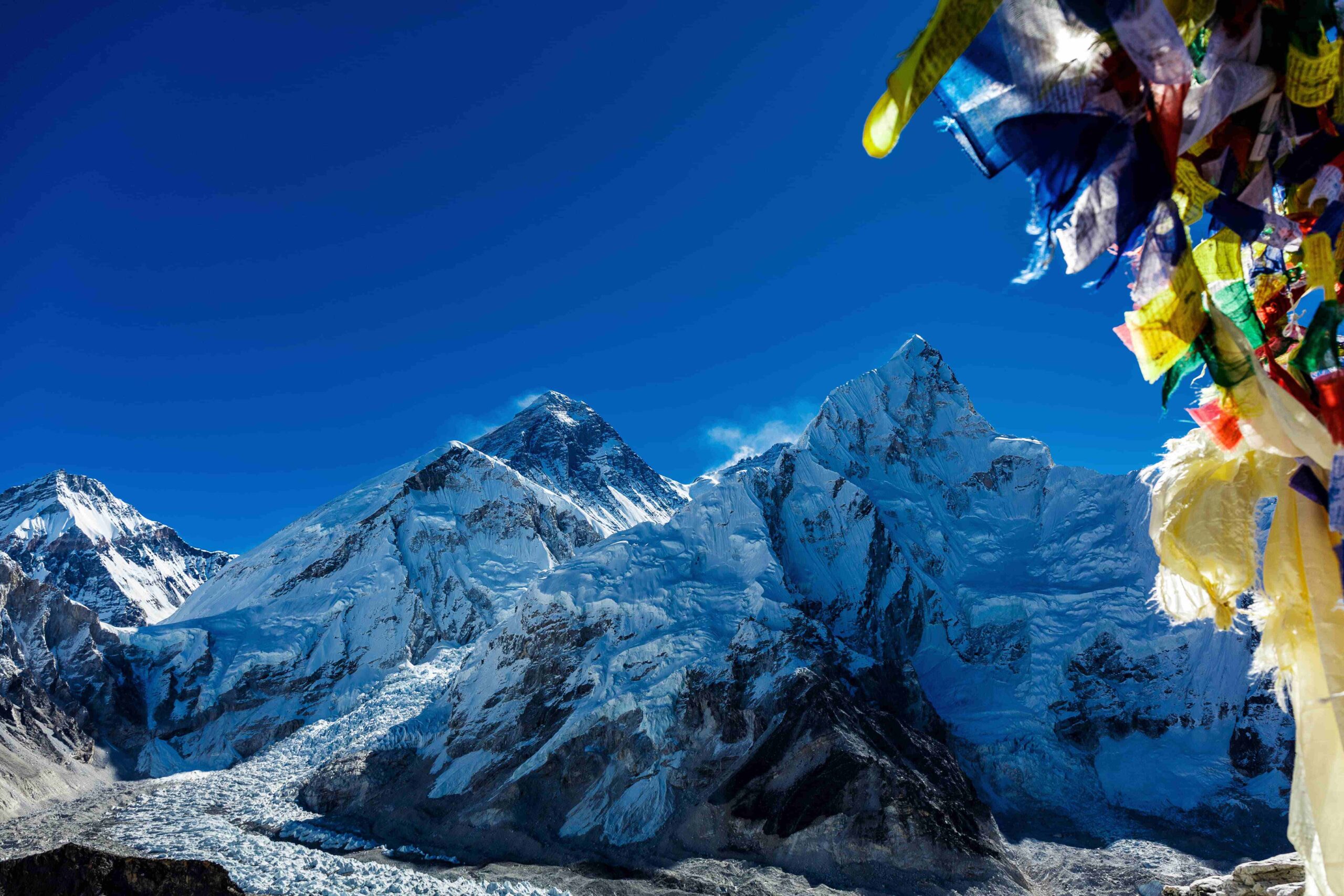
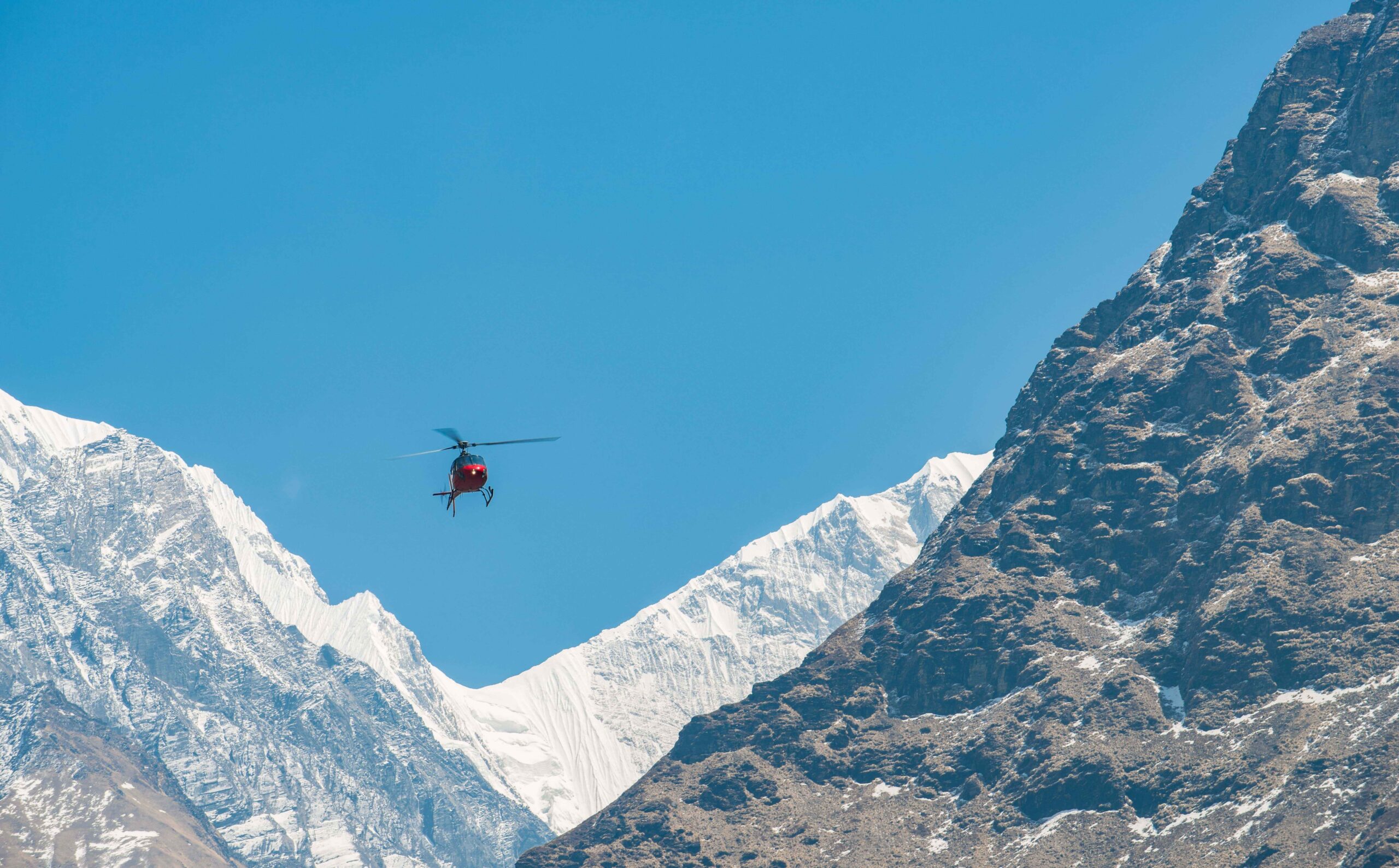
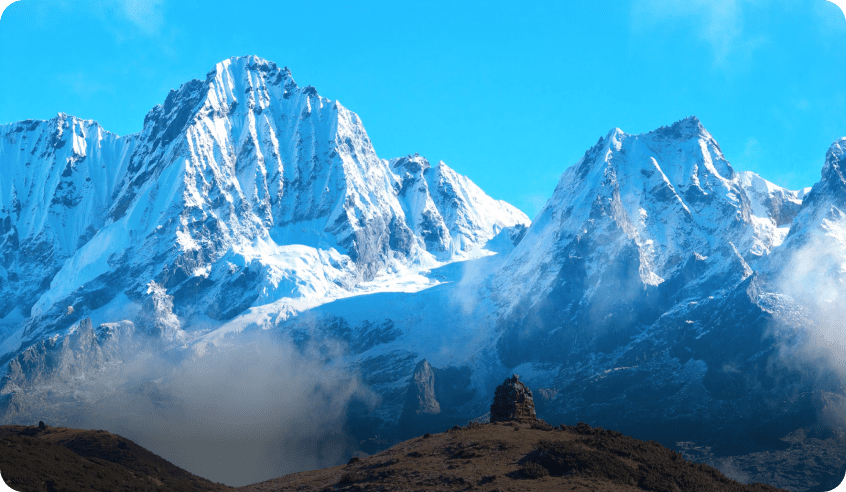
Namche to Everest Trek with Helicopter Transfers In & Out


Quick Trip Facts


Namche to Everest Trek with Helicopter Overview
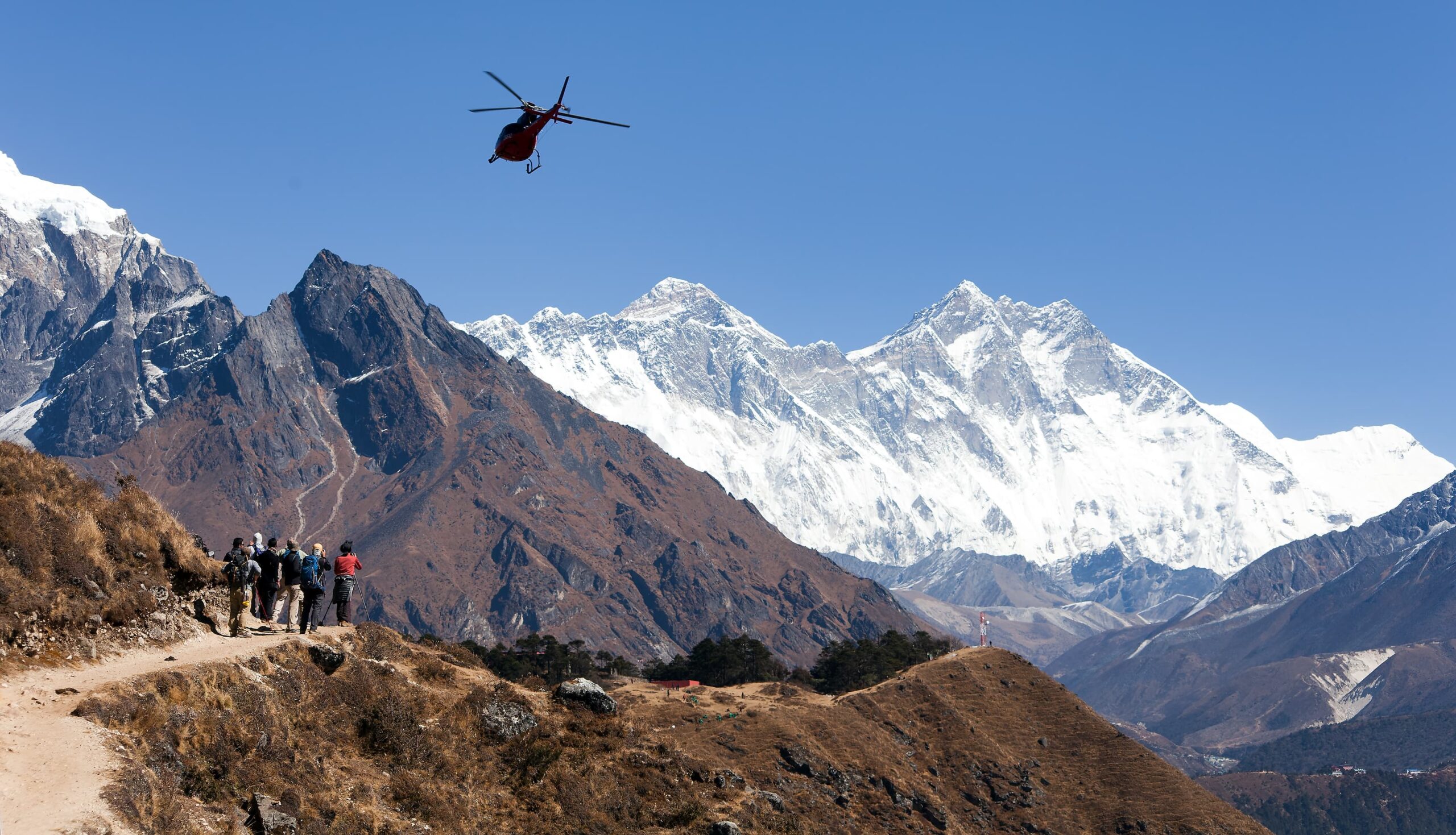
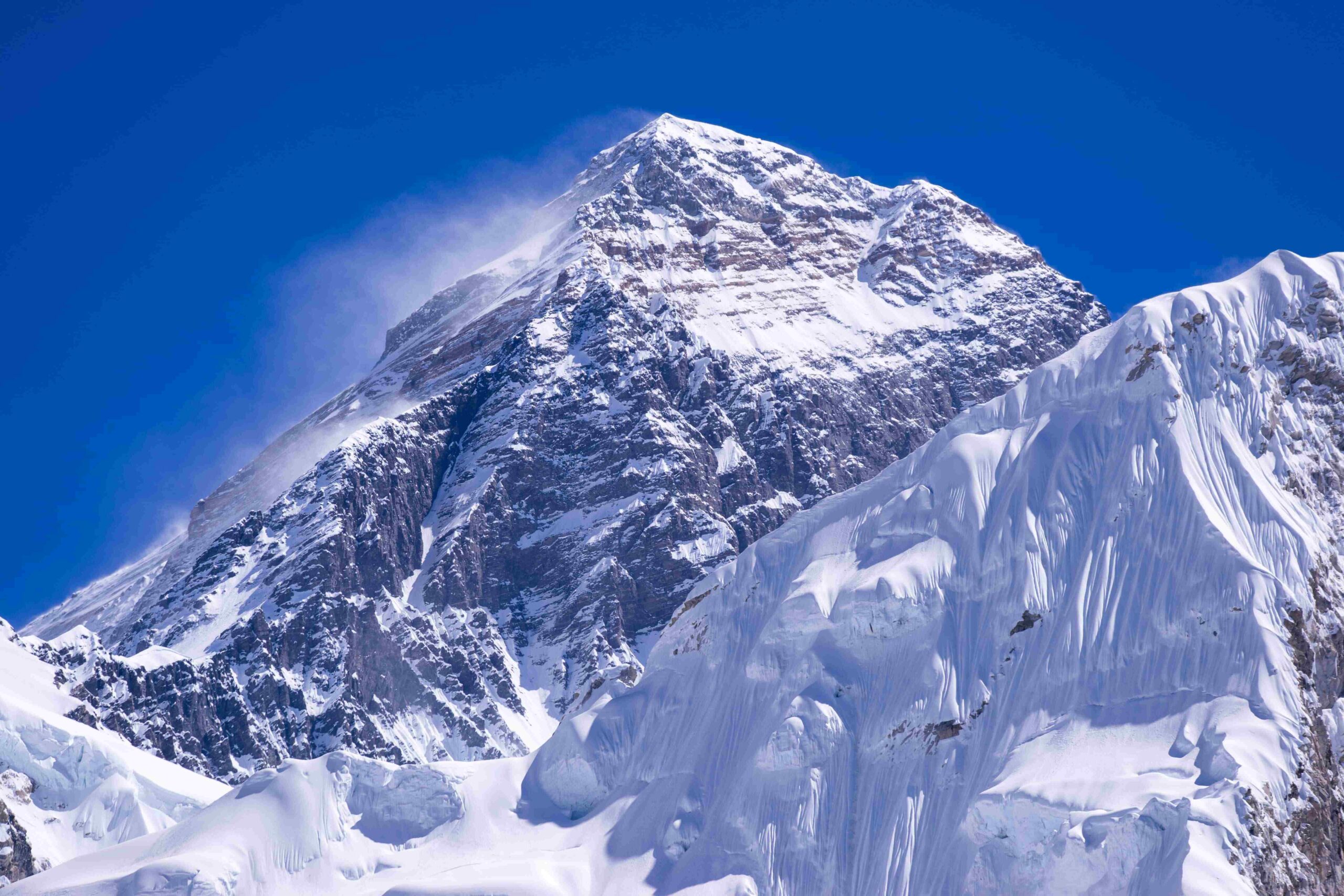
Namche to Everest Trek with Helicopter is a perfect trek for hikers to get closer to the most beautiful and highest peak mountain in the world, Mount Everest and explore the majestic Himalayas in a short time. The individuals who don’t have many days but still want to enjoy the famous Everest trek, this is the right choice for you.
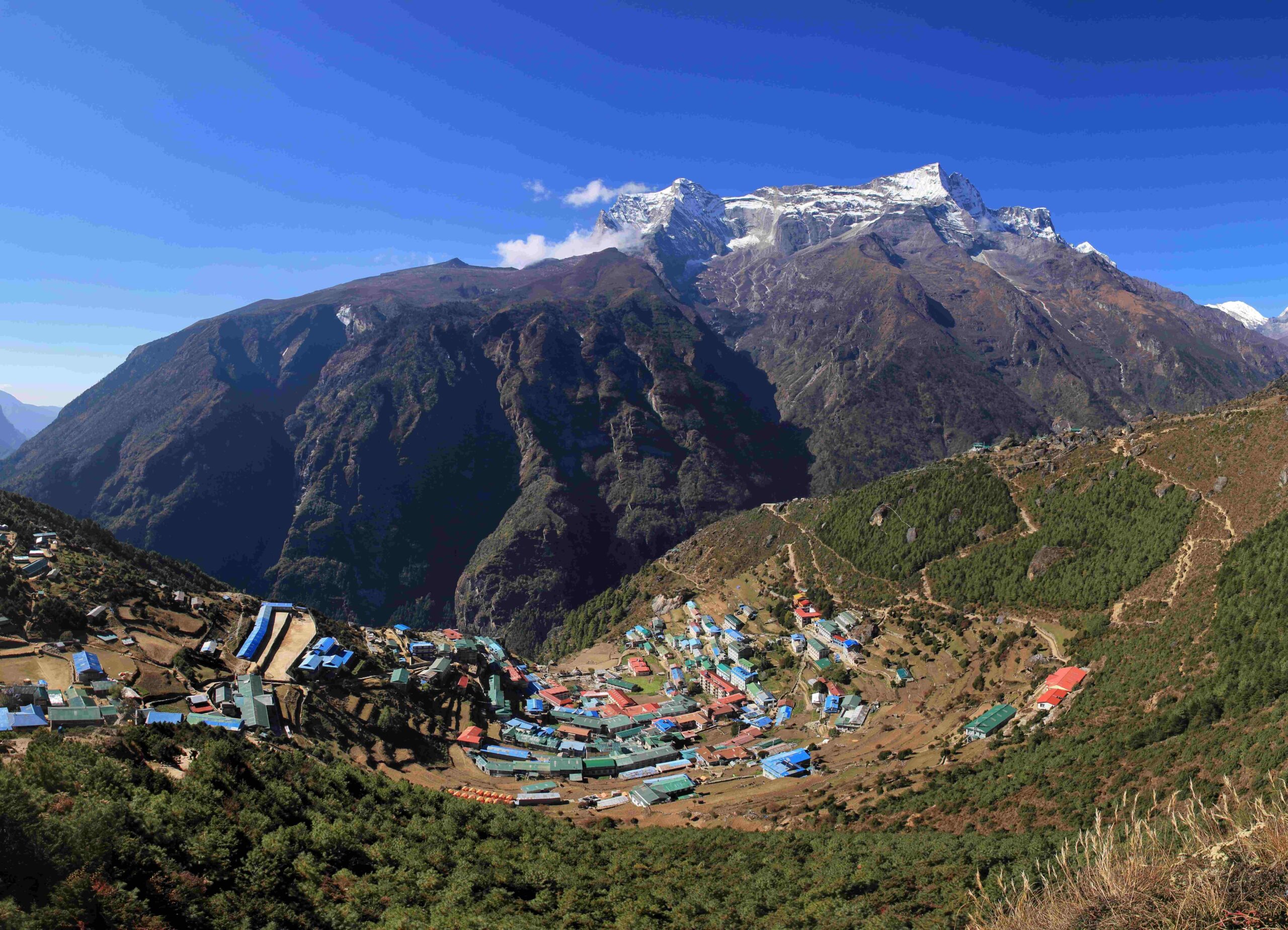
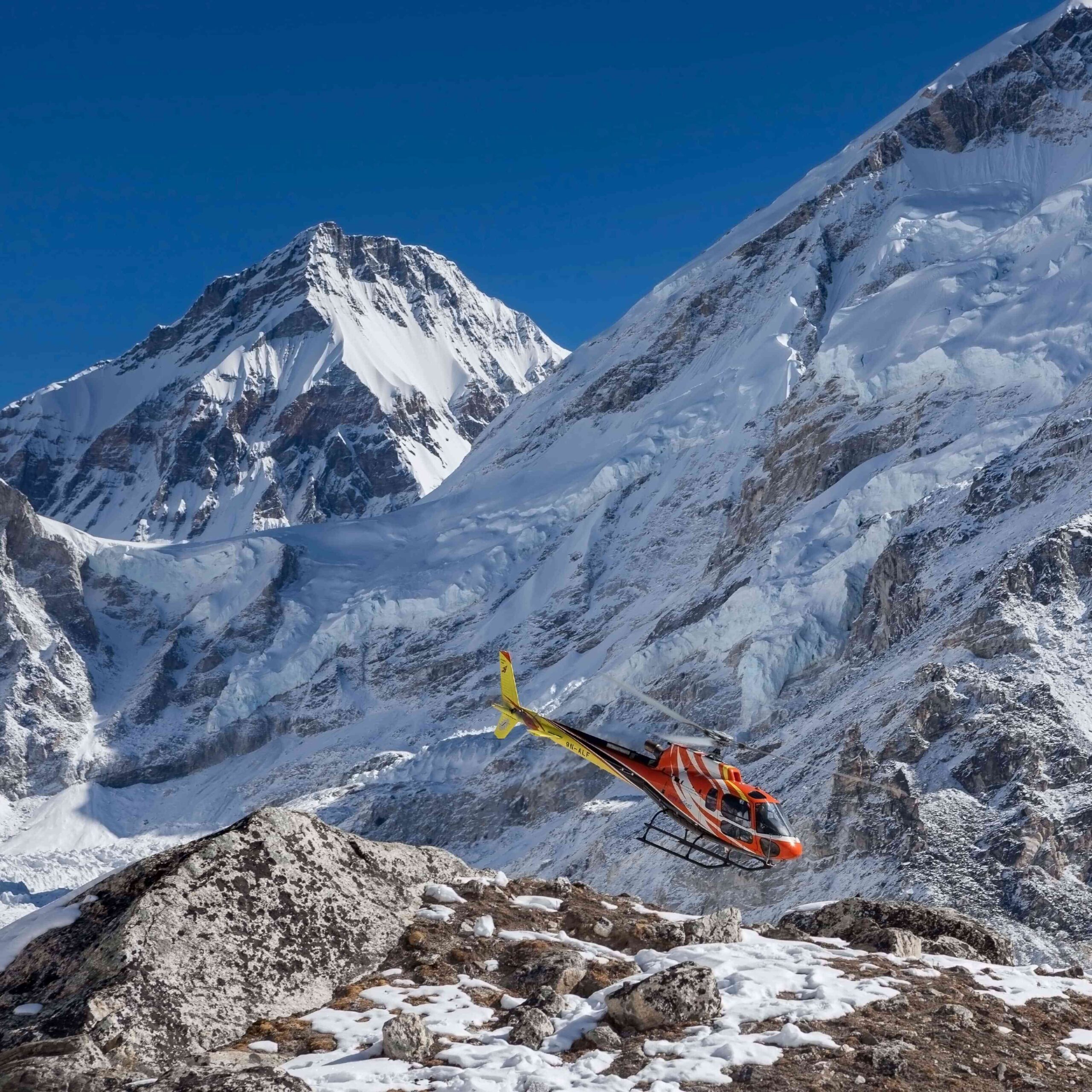
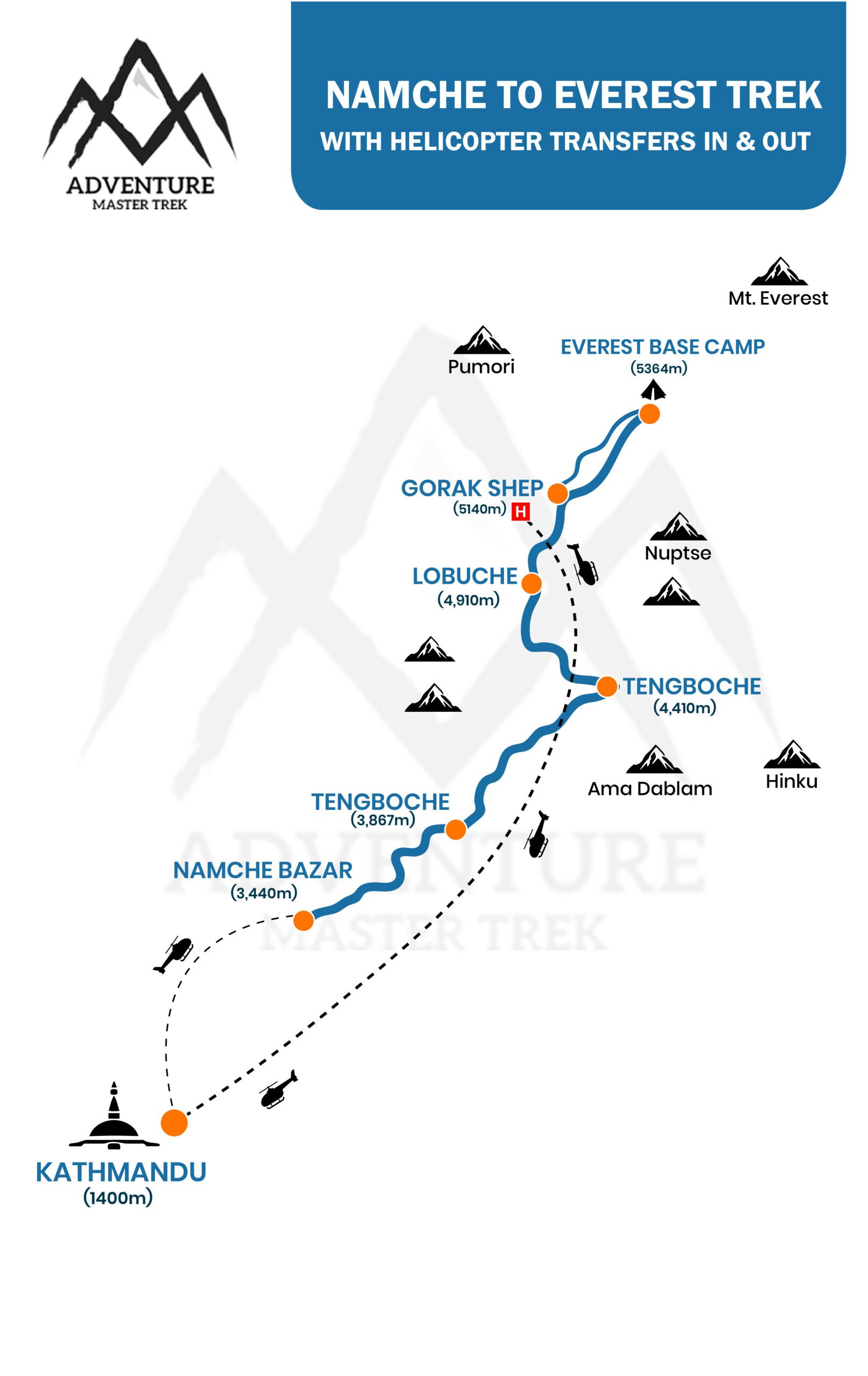
It starts off with an exciting helicopter ride from Kathmandu to Namche Bazaar, a quaint mountain town, saving you precious days and making you skip the tiresome flight or walk from Lukla. From Namche, you begin your trek through amazing mountain paths, green forests, and small Sherpa villages. You will pass places like Tengboche (famous for its monastery), Dingboche, and Lobuche. Along the way, you will see tall snowy peaks like Ama Dablam, Lhotse, and, of course, Mount Everest. After reaching Gorakshep, you hike to Everest Base Camp (5,364m), where climbers start their journey to the top of the world. Once you reach Base Camp, the return path becomes its highlight. A helicopter whisks you back to Kathmandu.
This Namche to Everest Trek with Helicopter is short, thrilling, and packed with fresh experiences. This adventure serves up the full Everest flavor without endless up-and-down days. It welcomes newcomers, families, and anyone eager to meet the giants of the Khumbu in a comfortable yet exhilarating way. Ready to start this trekking journey with us? Grab your gear and let’s go.
Trip Highlights
- Scenic and thrilling Helicopter flight to Namche Bazaar, which is the heart of the Khumbu region.
- Trek to the base of the World’s Highest Mountain, i.e., Everest Base Camp (5,364 m).
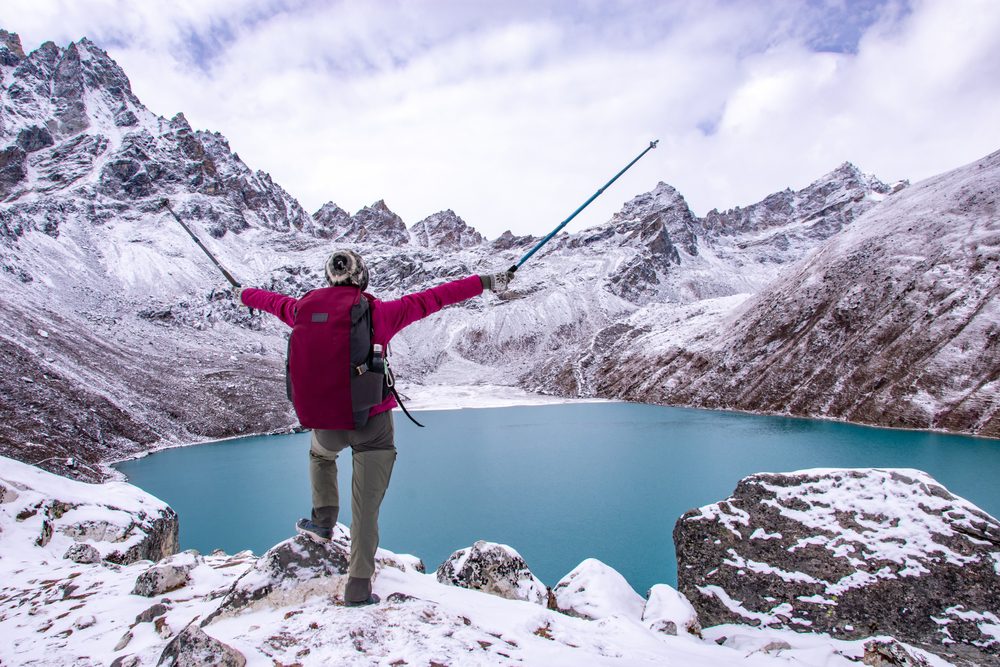
- Witness stunning panoramas of Mt. Everest, Lhotse, Ama Dablam, and Nuptse from various points along the trail.
- Experience authentic Sherpa culture, tradition, and the lifestyle of the people.
- Explore a UNESCO World Heritage Site, Sagarmatha National Park, which is filled with rhododendron forests, suspension bridges, and diverse wildlife.
- Get the best sunrise from Kala Patthar (5,545 m), which is the famous viewpoint of the trek.
Itinerary
Helicopter Flight to Namche Bazaar (3,440m)
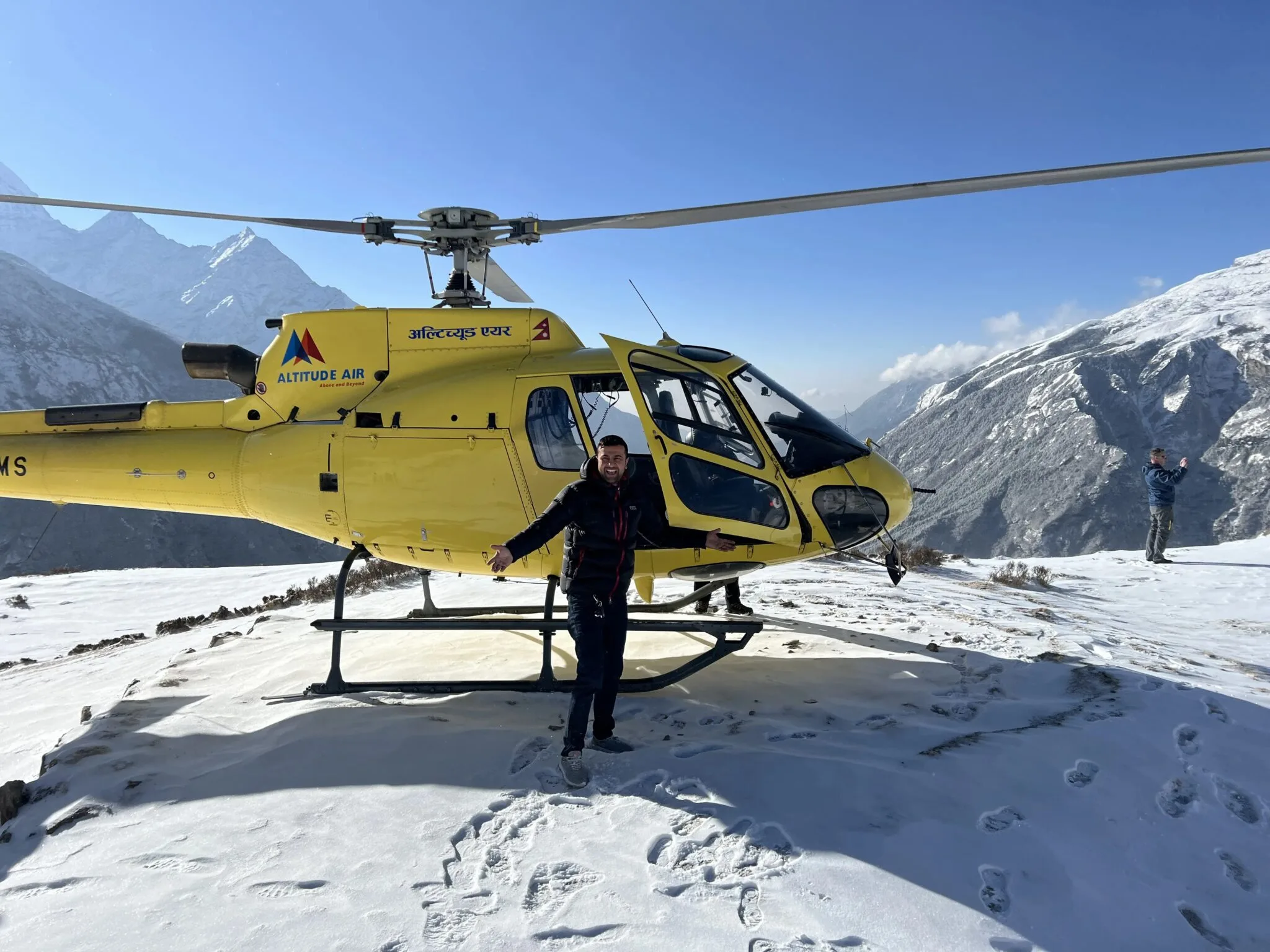
Today, your Everest adventure starts with a breathtaking helicopter ride from Kathmandu to Namche Bazaar in the early morning. You will fly above terraced hillsides, flowing rivers. You get to see the amazing and magnificent Himalayan peaks in just 45 minutes. This trek offers you an incredible overview of the Everest region. After reaching Namche, you will settle into your lodge and rest for a while to acclimate to the higher elevation.
You can also enjoy breathtaking views of Everest, Lhotse, and Ama Dablam during a leisurely acclimatization stroll in the afternoon to the Everest View Hotel or neighboring hills. You will also have time to explore Namche’s lively streets, colorful markets, bakeries, and Sherpa cultural museums.
Stay overnight in Namche.
Trek to Tengboche (3,867m)
As you depart from Namche, you will travel a trail through green pine and rhododendron trees. The journey today is both picturesque and moving. You’ll pass through small Sherpa settlements, getting to see stunning views of Everest, Lhotse, and the breathtakingly picturesque Ama Dablam, as well as suspension bridges covered with prayer flags.. The trail includes some uphill climbs, but the breathtaking scenery makes every step worthwhile.
You will arrive in Tengboche in the afternoon. You can go for a visit to Tengboche Monastery, which is home to the region’s most significant spiritual landmark. The monastery is a peaceful place where monks chant prayers and offer blessings. You can take time to explore its beautiful architecture, or you can even join a prayer session if you’re lucky. It is a perfect time for you to soak in the peaceful energy of this sacred place. As the sun sets behind the mountains, you will feel a deep sense of peace and connection to the landscape. It will be an amazing moment you have ever experienced in your life.
Stay overnight in Tengboche.
Trek to Dingboche (4,410m)
Your trek will take you much closer into the heart of the Khumbu as you leave the forests behind and enter the high alpine zone. After a peaceful morning descent, you’ll cross the Imja Khola, which is a glacial river flowing through the valley, and continue through Pangboche, considered one of the oldest Sherpa villages in the region. You will get to see and explore its stunning mountain vistas and historic monastery. The landscape becomes much more open as you continue on. You will pass through several valleys with more natural beauty and fewer trees.
The trail will gradually descend toward Dingboche, a charming town encircled by fields with stone walls. The tall peaks, such as Island Peak and Ama Dablam, are visible. Dingboche provides you with the ideal setting for rest and acclimatization, with some breathtaking vistas and a tranquil ambiance.
Stay overnight in Dingboche.
Trek to Lobuche (4,910m)
Today, you will go higher into the Everest landscape as you pass through the solemn memorials at Thukla Pass, where climbers who have lost their lives on Everest are remembered with heartfelt tributes. The trail follows the edge of the mighty Khumbu Glacier, which offers you spectacular views of towering icefalls, sharp peaks, and vast expanses of ice and rock.
As you gain altitude, the air becomes thinner and the terrain more rugged. You’ll arrive in Lobuche, which is a small mountain village that serves as the final stop before the Everest Base Camp. Take time to rest and soak in the incredible mountain scenery. Overnight in Lobuche.
Stay overnight in Lobuche.
Trek to Everest Base Camp (5,364m) & Helicopter Out to Kathmandu via Lukla
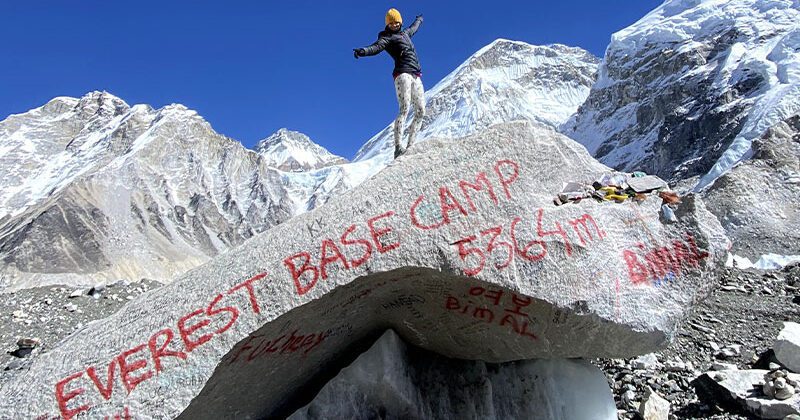
You will start the day early with a trek from Lobuche to Gorakshep. It is the last stop before Everest Base Camp. You will continue to the legendary Everest Base Camp itself. You will enjoy a place filled with history, awe, and incredible mountain views. Explore the camp at your own pace and take lots of pictures. You will experience the energy of being at the base of the tallest peak in the world while you take pictures of those moments.
Following the celebration of this remarkable accomplishment, you will be picked up by helicopter for an amazing return journey to Kathmandu. You may take in breathtaking panoramic views of the Himalayan range, which includes Ama Dablam, Lhotse, and Everest. You will be taken to your hotel upon your return to Kathmandu, where you can relax, refresh, and cherish the memories of your incredible adventure.
Stay overnight in Kathmandu.
Final Departure
Your journey in Nepal comes to an end today after such an incredible adventure in the Everest area. For your international flight, you will be transported in comfort from your hotel to Tribhuvan International Airport in Kathmandu. You can take a pause as you are ready to depart to consider the magnificent mountains you have seen, the cultures you have encountered, and the difficulties you have overcome. The experiences you make on this trip will last a lifetime, even though the expedition is complete. We hope you will return to experience more of Nepal’s beauty in the future and wish you a safe trip home.
Customize this trip with help from our local travel specialist that matches your Interests.
Customize This TripInclusions
What’s Covered in Your Adventure
- Pick-up and drop-off from Kathmandu airport
- Helicopter flight from Kathmandu to Namche Bazaar
- Helicopter flight from EBC to Kathmandu
- 2 nights in a 3-star hotel in Kathmandu with breakfast
- All meals (breakfast, lunch, dinner) during the trek
- Best available teahouse accommodations during the trek
- Licensed English-speaking trekking guide
- Porter service (1 porter per 2 trekkers)
- Sagarmatha National Park Permit & TIMS card
- First aid kit
- All ground transfers and government taxes
- International airfare
- Nepal visa fee (USD 30 for 15 days)
- Travel insurance (must include helicopter evacuation)
- Meals in Kathmandu (except breakfast)
- Tips for the guide and the porter
- Personal expenses (Wi-Fi, hot showers, snacks, battery charging, etc.)
- Extra hotel nights in Kathmandu due to early return or delays
Maps
Navigate Your Journey
Good to Know
Where You’ll Stay: Lodging on the Namche to EBC Heli Trek
You will stay mostly in cozy teahouses and mountain lodges along the trail during the Everest Base Camp climb. These basic yet cozy accommodations provide hot meals, hot baths (if available), and a place to relax after a long day of hiking. You will experience the friendly hospitality of local families that own these lodges in villages like Namche Bazaar, Tengboche, Dingboche, and Lobuche, providing you with a real understanding of Sherpa culture.
As you ascend higher in altitudes, the accommodation becomes more basic, but the breathtaking mountain views and welcoming environment make it more worth it. You can rest and refresh in cozy hotel rooms in Kathmandu before and after your amazing Himalayan journey.
Meals and Drinking Water on the Trail: What to Expect from Everest Trekking
During the Everest Base Camp trek with a helicopter in and out, you’ll enjoy a variety of delicious and hearty meals that fuel your body for the challenging journey ahead. The teahouses and lodges along the route serve various traditional Nepalese dishes like dal bhat, a nutritious plate of rice, lentils, and vegetables that’s a favorite among trekkers.
You will also find tasty momos, comforting soups, noodles, fried rice, and sometimes meat dishes like chicken or yak stew. For those craving familiar flavors, many places offer simple Western options such as pasta, pancakes, eggs, and toast. Breakfasts are usually light but filling to start your day strong. Since proper nutrition is vital at high altitude, these meals provide a good balance of carbohydrates, protein, and fats to keep your energy steady.
Staying hydrated is equally important, so it’s best to drink plenty of boiled or filtered water available at the lodges. Drink at least 3-4 litres of water and avoid drinking tap water. You can carry purification tablets or a portable filter to ensure your water is safe. Many teahouses boil the water in a small fee too. Eating well and drinking enough clean water will help you stay healthy, acclimate better, and enjoy every moment of your trek.
Electricity and Wi-Fi Availability from Namche to Base Camp
Electricity and internet are available during the Everest Base Camp trek with a helicopter in and out, but they can be limited and more expensive the higher you go. In most villages like Phakding, Namche Bazaar, and even up to Gorakshep, tea houses and lodges offer electricity for charging phones, cameras, and power banks. However, charging usually comes with a small extra cost, especially above Namche. It is smart to bring a fully charged power bank or even a solar charger if you can.
Wi-Fi is available in many lodges, mostly through the Everest Link or Airlink services, which you can buy using a prepaid card. The connection is decent in lower areas like Namche, but it gets weaker and slower as you get closer to Base Camp. In some spots, especially near Everest Base Camp itself, the internet may not work at all due to weather or limited signal. Local mobile networks like Ncell or NTC sometimes offer 3G coverage in certain areas, but it is not always reliable. If you need to stay connected, it’s best to inform family or friends ahead of time and enjoy the break from screens.
Everest Base Camp with a helicopter in and out, Difficulty
The Everest Base Camp trek with a helicopter in and out is still a challenge, even though it’s shorter than the full trek. You don’t need to be a professional hiker, but you should be in good shape and ready for long days of walking, often uphill, with less oxygen as you go higher. The trails can be rocky and steep in some parts, and the altitude can make you feel tired more quickly than usual.
Altitude sickness is a real risk, even for fit people, so it’s important to take your time, drink plenty of water, and listen to your body. As taking a helicopter in or out means less walking and less time at high altitude, it can can make the trek easier and safer. With a little preparation and the right mindset, most people can complete this trek and enjoy one of the most incredible experiences in the world.
Altitude sickness during the trek
There is a high risk of altitude sickness during the Everest Base Camp trek, even if you’re taking a helicopter in or out. As you climb higher, the air gets thinner and has less oxygen, which can make some people feel sick. You might get a headache, feel dizzy, tired, or lose your appetite. It can happen to anyone, no matter how fit or healthy you are.
That’s why it’s important to walk slowly, drink plenty of water, and take time to rest, especially when you reach places like Namche Bazaar. If you start feeling worse, it’s best to stop, rest, or even go down to a lower place. If you do feel unwell, you can fly down quickly and safely. Listening to your body is the most important thing when trekking at high altitudes.
Group size
The group size for the Everest Base Camp trek with a helicopter in and out can affect your experience. Some people prefer trekking in small groups of 4 to 8 people because it feels more personal, easier to manage, and allows for better connections with guides and fellow trekkers. Smaller groups also move at a more comfortable pace and make it easier to get to know each other.
On the other hand, private treks are perfect if you’re with family, a partner, or just want a quieter and flexible journey. Larger groups can be fun too, with more energy and shared experiences, but they might move slower and feel a bit less personal. You can enjoy the trek to the fullest if you have a friendly guide and a supportive team that makes the whole experience smoother and safer, no matter the size.
Travel Insurance
Travel insurance is a must for the Everest Base Camp trek, especially since you’re going to high altitudes and remote areas. It protects you if you get sick, injured, or need to be rescued by helicopter, which can be very expensive. It also helps if your flight gets delayed, your bags are lost, or your trip gets canceled for any reason. Make sure your insurance covers trekking up to at least 5,500 meters and includes emergency medical care and evacuation. It’s something you hope you won’t need, but it’s really important to have just in case.
Trek Permits for Helicopter-In & Helicopter-Out Everest Route
The 6-Day Helicopter Trek to Everest Base Camp requires a few permits in order to help local communities, ensure safety, and save the environment. These permits are useful in controlling the number of hikers and guaranteeing a smooth and safe experience for all. The following is a list of permits needed for the hike:
Sagarmatha National Park Permit: This permit is needed to enter the Sagarmatha National Park, home to Mount Everest and many other Himalayan peaks. The area is protected, and the fee helps with conservation efforts and trail maintenance.
Khumbu Pasang Lhamu Rural Municipality Permit: This local permit is required to trek in the Khumbu region, where Everest is located. It supports community projects and helps manage tourism in the villages along the trail.
TIMS (Trekkers’ Information Management System) Card: While this card is usually required for most treks in Nepal, it is not needed for the Everest Base Camp trek if you already have the Khumbu Rural Municipality Permit.
Required Documents
- 6 months’ valid passport
- Nepal Visa
- Passport-Sized Photos ( 2 to 4)
- Travel Insurance
- Flight Details
Packing list for the Everest Base Camp Trek with Helicopter In and Out from EBC
If you intend to hike to Everest Base Camp and then take a helicopter back, you should pack wisely because you will be walking at high elevations and through changing weather conditions. Due to limited helicopter space, you will need to travel a little and ensure that you are comfortable, dry, and warm throughout the hike. Here is some packing list for the EBC trek:
General Gear
- Backpack (40–50 L with rain cover)
- Small daypack (15–25 L)
- Duffel bag (often provided by the trekking company)
- Sleeping bag (–10 to –15 °C)
- Sleeping bag liner
- Trekking poles (foldable)
- Water bottles (2) + water purification tablets
- Sunglasses (UV-protected)
- Power bank or extra batteries
- Dry bags or plastic bags for packing
- Thermos (optional)
Clothing – Upper Body
- 1–2 base layer tops (moisture-wicking)
- Warm fleece or jacket
- Down jacket (for cold weather)
- Waterproof/windproof jacket
- 2–3 light t-shirts
- 1–2 long-sleeve shirts
Lower Body
- 1 thermal base layer (bottom)
- 1–2 trekking pants
- Waterproof pants
- Insulated pants (for cold nights)
- Shorts (optional)
Accessories
- Warm hat
- Sun hat or cap
- Neck buff or scarf
- Gloves (thin + warm pair)
- Sunglasses
Footwear
- Trekking boots (broken-in)
- Sandals or Crocs (for lodges)
- 3–4 pairs of arm socks
- Gaiters (optional)
Toiletries & Essentials
- Sunscreen (SPF 50+)
- Lip balm with SPF
- Wet wipes & tissues
- Towel (quick-dry)
- Toothbrush & toothpaste
- Hand sanitizer
- Toilet paper
- Menstrual items (if needed)
- Nail clippers & small mirror
Medicines & First Aid
- Personal medicines
- Diamox (for altitude) – ask your doctor
- Painkillers (like Ibuprofen)
- Antibiotics (optional)
- Anti-diarrhea tablets
- Blister plasters & band-aids
- ORS (rehydration salts)
- Insect repellent (for lower areas)
Optional Items
- Camera or GoPro
- Power bank
- Snacks (nuts, bars, chocolates)
- Earplugs & eye mask
- Book or travel games
Booking policy for the Everest Base Camp Trek with Helicopter In and Out from EBC
1. Booking and Deposit
To reserve your spot on this trek, we ask for a 30% deposit of the total cost. If you prefer, you can pay the full amount upfront. The rest can be paid once you arrive in Kathmandu.
To confirm your booking, please send us:
- Proof of your deposit payment
- A clear copy or photo of your passport
- Your emergency contact details and travel insurance information
2. How to Pay
We want to make paying as easy as possible. You can choose from:
- Online payment through our secure website
- Credit or debit card (Visa and MasterCard accepted; a small 4% fee applies)
- Bank transfer directly to our account (your bank might charge fees)
- Cash payment if you’re already in Kathmandu
3. Paying the Balance
You’ll need to pay the remaining 70% before your trek begins. This can be done in Kathmandu by cash, card, or bank transfer, whatever works best for you.
4. Changing Your Dates
If you need to move your trek dates, just let us know at least 30 days before your start date. We’ll do our best to help, but please keep in mind that extra fees may apply.
5. Travel Insurance
Make sure you have travel insurance that covers:
- Emergency helicopter rescue
- Medical care for altitude sickness or other illnesses.
- Lost or damaged luggage
- Trip delays or cancellations
6. Last-Minute Bookings
If you decide to book at the last minute, we can usually accept bookings up to 48 hours before the trek starts. But during busy times like spring and autumn, it’s best to book early to guarantee your spot on the helicopter and accommodations.
Cancellation Policy for the Everest Base Camp Trek with Helicopter In and Out from EBC
1. Cancellation by You (the Guest)
- 30 days prior to the expedition, cancel: complete refund (less bank costs)
- 30% of the total fee will be returned if you cancel ten days in advance.
- 50% of the cost will be refunded if you cancel five days or fewer in advance.
- There are no additional fees for last-minute cancellations or postponements.
- There are no refunds for any reason (sickness, injury, early return) after the journey has begun or the helicopter transfer is complete.
2. Cancellation by the Company
In the event of emergencies or natural disasters, we will:
- Give you a complete payment, or
- Let’s put off your hike until later.
3. Cancellations Due to Weather or Flight Delays
- If there are flight delays or bad weather, we will attempt to reschedule at no extra cost.
- Trek routes can alter if necessary.
- If you decide to cancel because of delays, you will receive a 30% refund (not including lodging, permits, or transportation fees).
4. No-Show Policy
You will not receive a refund if you fail to show up on the start date.
FAQs
Your Questions, Answered
2. How long does the trek take?
The EBC trek with a helicopter-supported trek usually takes about 6 days, which includes flying to Namche and flying back from Everest Base Camp.
3. When is the best time to go for the EBC trek with a helicopter in and out?
The best times to go the EBC trek with a helicopter in and out are autumn (September to November) and spring (March to May) because the weather is clear and the views are fantastic.
4. What permits do I need?
You’ll need a Sagarmatha National Park Permit and a local area permit. These are arranged by your trekking company, so you don’t need to worry about getting them yourself.
5. Will I get a cellphone and internet service there?
Yes, you can find cellphone and internet service in Namche and most villages along the route, but it may be slow or limited at Everest Base Camp itself.
6. What kind of gear should I bring?
You should bring warm clothes, good trekking boots, a sleeping bag for cold nights, and basic essentials like sunscreen and a water bottle. Since it’s a shorter trek with helicopter support, pack light but prepare for cold weather.
7. Is altitude sickness a concern?
Yes, altitude sickness can still happen because you’ll be walking at high elevations. Make sure to drink plenty of water, go slowly, and tell your guide if you feel unwell.
8. How many people will be in the group?
The group sizes vary, but many prefer smaller groups of 4 to 8 people for a more personal experience and easier coordination.
9. Can I book the trek last minute?
Yes, you can book up to 48 hours before the trek starts, but during busy seasons it’s best to book early to make sure there’s space on the helicopter and in lodges.
10. Is travel insurance necessary?
Yes, travel insurance that covers helicopter evacuation and medical emergencies is required for your safety.


View Our Similar Packages
Discover our top tours, loved by thousands of travelers annually. Choose the adventure that inspires you and embark on a journey tailored to your desires.

 Nepal
Nepal
 15 Days Days
Add Review
Reviewing for Namche to Everest Trek with Helicopter Transfers In & OutRequest a Callback - Namche to Everest Trek with Helicopter Transfers In & Out
Submit the form and we will be back to you shortly
Request a Callback - Namche to Everest Trek with Helicopter Transfers In & Out
Submit the form and we will be back to you shortly
Narayanhiti Palace Museum

Narayanhiti Palace Museum


