







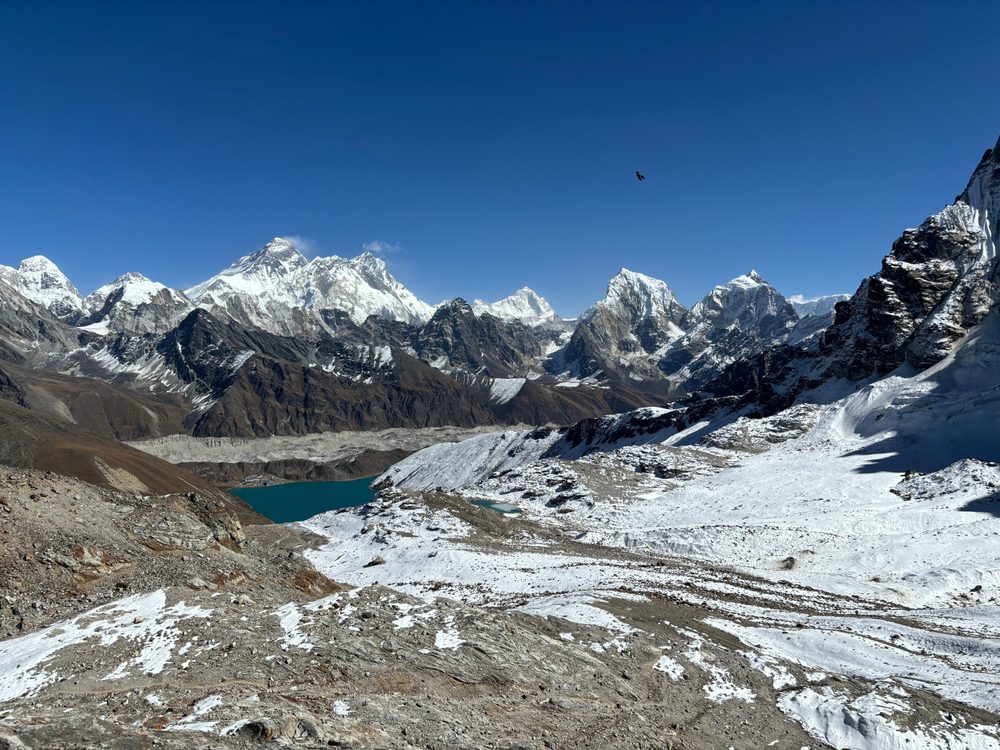
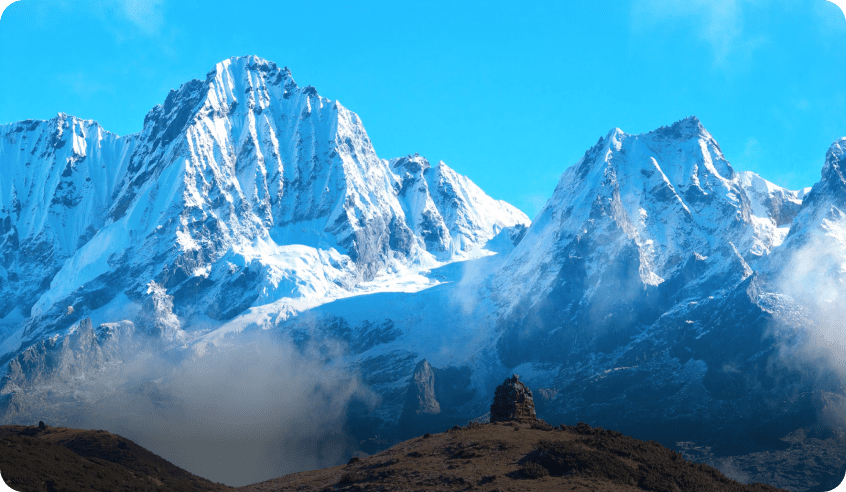
18-Day Everest Three Passes Trek


Quick Trip Facts


Everest Three High Pass Trek Overview
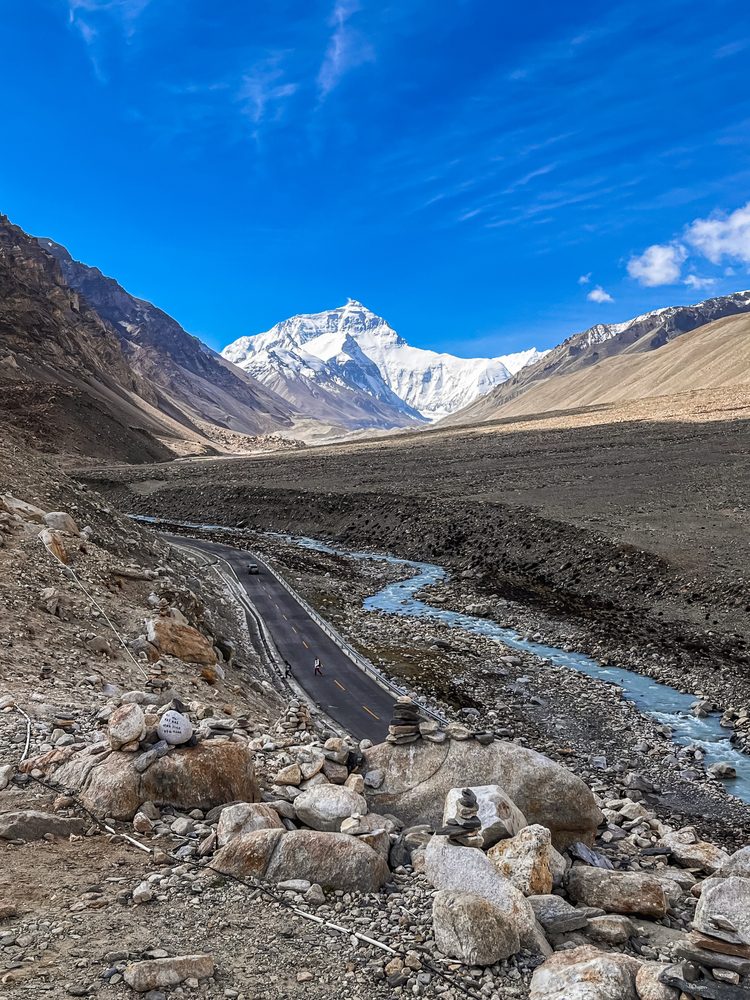
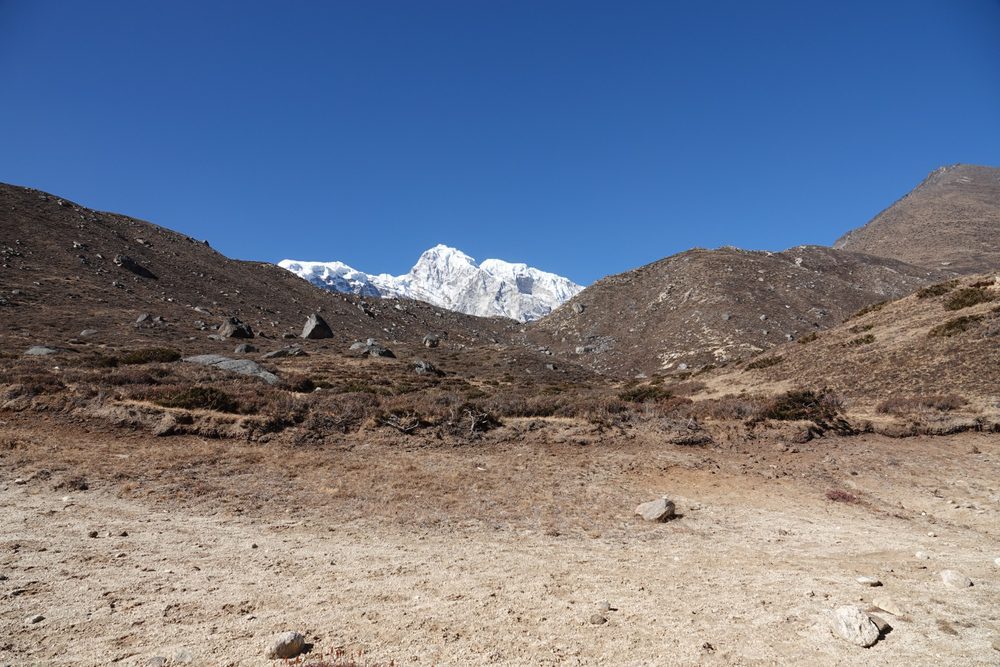
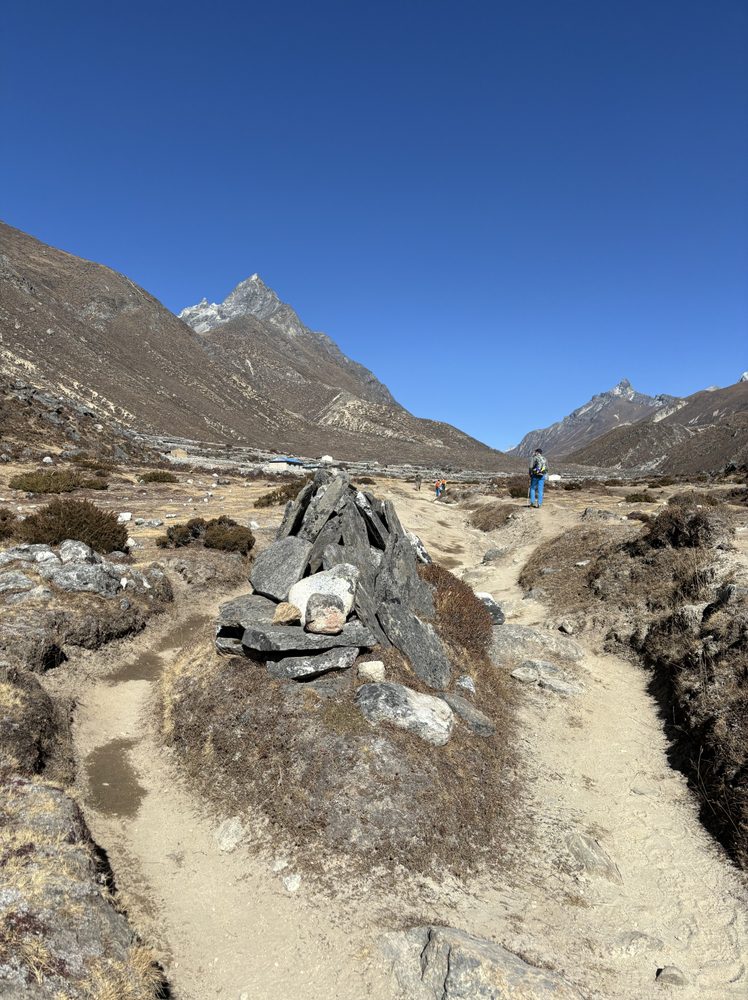
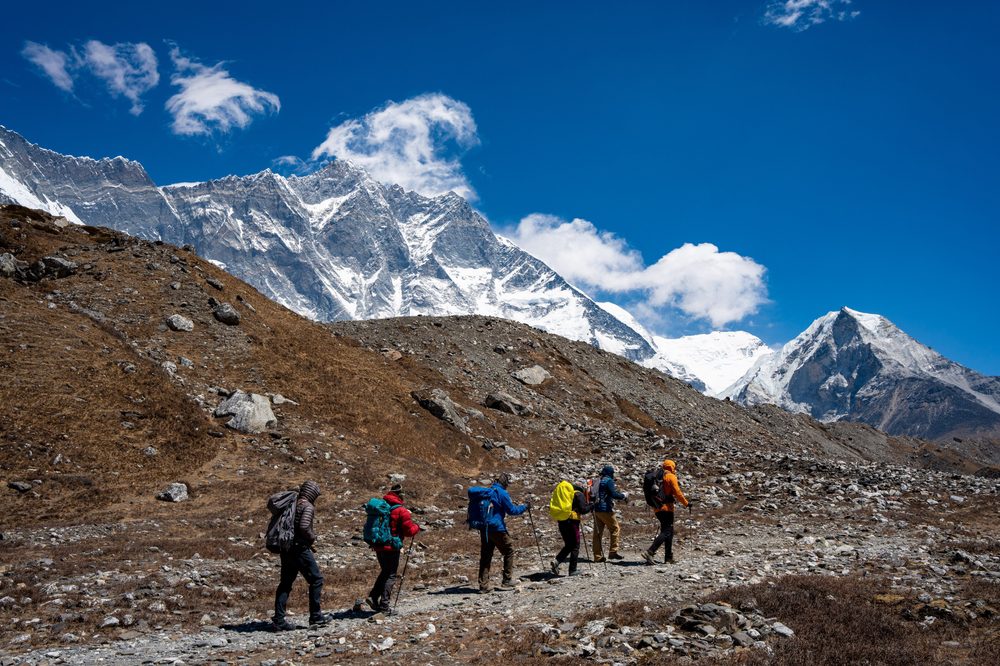
The Everest Three Passes Trek is definitely one of the most spectacular and rewarding trekking experiences in the world. It allows you to be fully immersed in nature, more specifically in the Himalayas. It gives trekkers a one-of-a-kind opportunity to view some of the world’s most beautiful and tallest peaks.
The trek begins and ends in Kathmandu, the capital city of Nepal. During this 18 day journey, you’ll explore the magnificent Everest region, where you’ll pass through breathtaking landscapes and traditional Sherpa villages. The Everest Three Passes Trek is certainly one of the most thrilling and rewarding trekking experiences in the world. You will get to see Mount Everest, Lhotse, Makalu, Cho Oyu, Ama Dablam, and other renowned peaks from unique vantage points.
Even though crossing the arduous passes is a worthwhile challenge, the landscapes in this region will take your breath away. The trek leads you past ancient monasteries and the charming welcoming personality and heritage of the Sherpa culture.
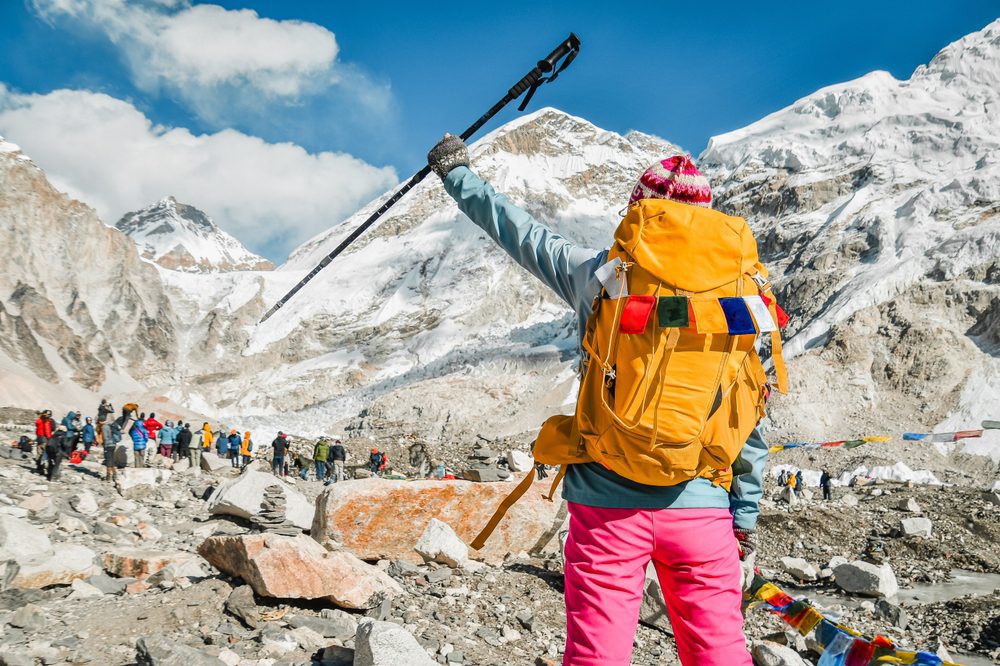
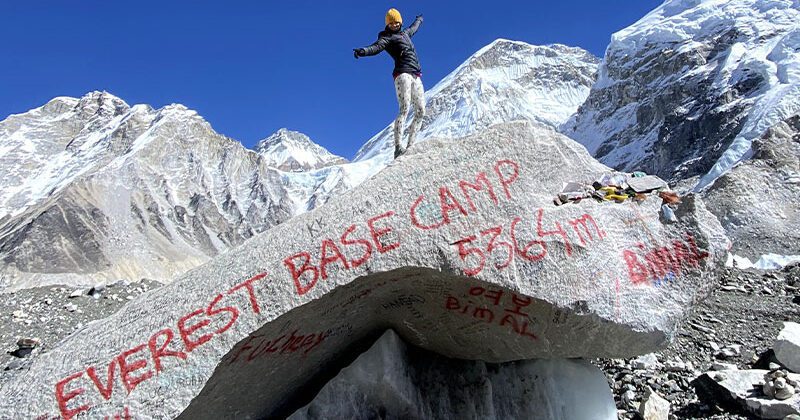
Additionally, you will be able to feel the majesty of Mount Everest by standing on the Everest Base Camp and enjoying the stunning view of the Khumbu Glacier. This trek would appeal the most to the experienced and naturalist, cultural, adventure types. There are many adventurous moments, moments of pure exhaustion, spectacular scenery, and memories that you will never forget. So be ready for this amazing journey with us!
Trip Highlights
- Complete Circuit of Everest Region and traverse all three high mountain passes: Kongma La (5,535m), Cho La (5,420m), and Renjo La (5,360m).
- The Epic Himalayan Route connects Everest Base Camp, Gokyo Lakes, Chukhung, and Thame through remote, dramatic trails.
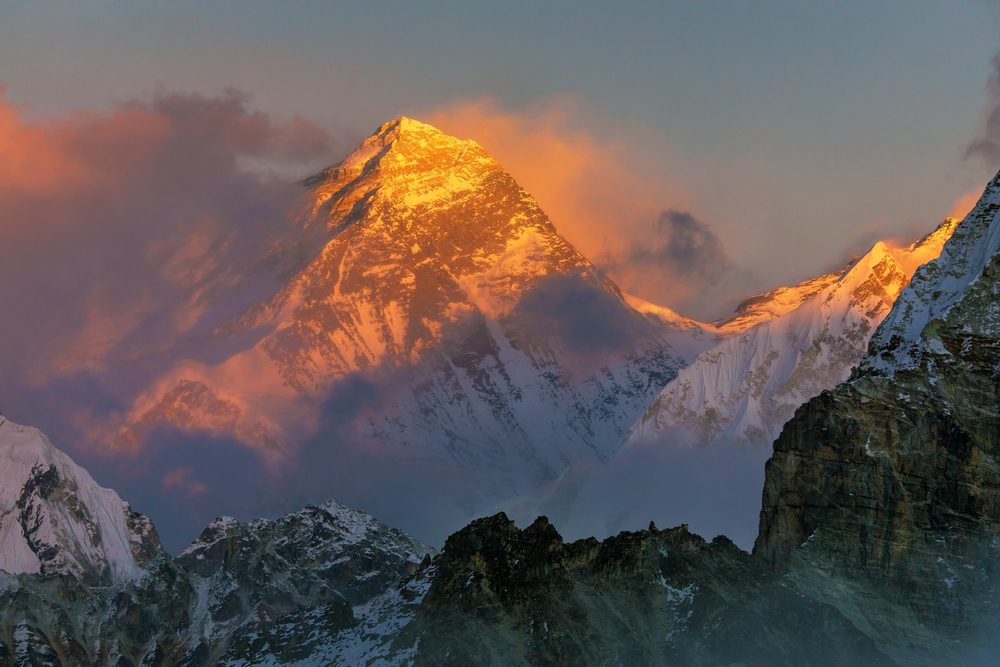
- Witness Mount Everest, Lhotse, Makalu, Cho Oyu, Ama Dablam, and more from unique vantage points.
- Experience the beautiful sunrise hike to Kala Patthar (5,545m) and panoramic views from Gokyo Ri (5,360m) and Nangkartshang Peak (5,083m).
- Explore the breathtaking Gokyo Lakes, one of the highest freshwater lake systems in the world.
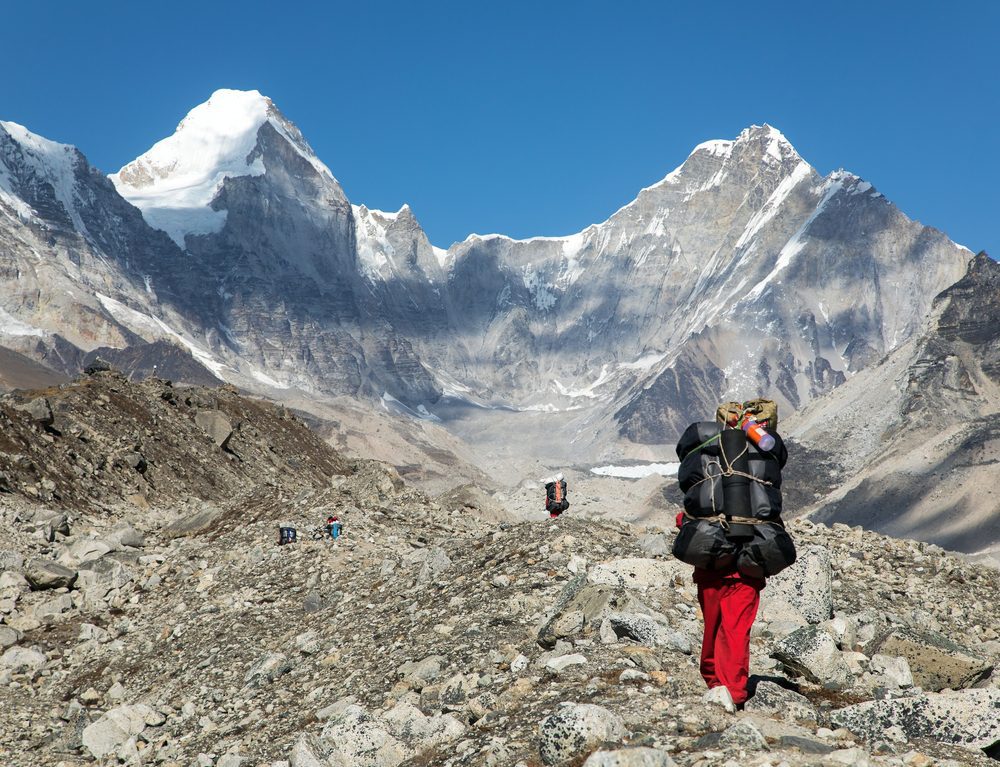
- Cross glacial moraines, alpine valleys, and high passes with ever-changing scenery and raw Himalayan beauty.
- Experience Sherpa Culture & Monasteries and immerse yourself in local traditions in Namche Bazaar, Tengboche Monastery, and remote Sherpa villages.
- Trek through Sagarmatha National Park, a UNESCO site rich in biodiversity and Himalayan ecosystems.
Itinerary
Trek from Phakding to Namche Bazaar (3,440m) [5-6 hrs]
After breakfast in Phakding, you’ll continue trekking north along the Dudh Koshi River, crossing several suspension bridges and passing through pine forests and traditional villages. At Monjo, you officially enter Sagarmatha National Park, a UNESCO World Heritage Site. The trail then leads you across the famous Hillary Suspension Bridge, followed by a steady and challenging uphill climb through forested switchbacks.
As you ascend, you’ll catch your first glimpse of Mt. Everest, peeking behind the ridges, which is an unforgettable moment. By late afternoon, you’ll arrive at Namche Bazaar, the vibrant Sherpa town nestled in a natural amphitheater, where you’ll rest for the night.
Stay overnight in Namche Bazaar.
Acclimatization Day in Namche Bazaar – Hike to Everest View Hotel (3,880m) [2-3 hrs]
This day is a planned acclimatization day to help your body adjust to the altitude. After a relaxed morning, you’ll take a short but rewarding hike to the Everest View Hotel, one of the highest-altitude hotels in the world, offering panoramic views of Everest, Lhotse, Ama Dablam, and other stunning peaks. On the way, you may pass small Sherpa settlements and colorful rhododendron forests, depending on the season.
After enjoying the scenery and some tea with a view, you’ll return to Namche Bazaar. The rest of the day is free to explore the lively town, visit the Sherpa Museum, or browse local shops and bakeries in the bustling market area.
Stay overnight in Namche.
Trek from Namche Bazaar to Tengboche (3,867m) [5-6 hrs]
Your trek starts from Namche Bazaar to Tengboche after an early breakfast. The trail gently climbs and offers incredible views of Everest, Ama Dablam, and Thamserku along the way. You’ll walk through beautiful rhododendron and pine forests, passing small villages and prayer flags fluttering in the wind. After crossing the Dudh Koshi River, the trail ascends more steeply toward Tengboche.
Upon arrival, you’ll visit the famous Tengboche Monastery, the largest and most important monastery in the Everest region, set against a stunning mountain backdrop. You may even witness the monks performing evening prayers. It’s a peaceful and spiritual place to end the day.
Stay overnight in Tengboche.
Trek from Tengboche to Dingboche (4,410m) [5-6 hrs]
After a peaceful morning in Tengboche, you begin your trek toward Dingboche. The trail descends through a forest before crossing the Imja Khola river, then climbs steadily toward the village of Pangboche, one of the oldest Sherpa settlements in the region. Along the way, you’ll be treated to amazing views of Ama Dablam, which feels almost within reach, as well as Lhotse and Island Peak in the distance.
As you continue, the landscape becomes more open and alpine, with fewer trees and more rocky terrain. Dingboche welcomes you with its wide fields, stone-walled terraces, and stunning mountain views all around. This high-altitude village is often used for acclimatization and offers a peaceful atmosphere. You’ll spend the night here, surrounded by the towering peaks of the Everest region.
Stay overnight in Dingboche.
Acclimatization Day in Dingboche – Hike to Nangkartshang Peak (5,083m) [3-4 hrs]
This 6th day is a rest day in Dingboche to help your body adjust to the higher altitude. In the morning, you’ll take a short and steady hike up to Nangkartshang Peak, which offers amazing views of Makalu, Island Peak, Lhotse, and the surrounding mountains. The climb is a bit steep, but you can take your time and enjoy the scenery along the way.
Reaching the top feels rewarding, and the wide mountain views are truly unforgettable. After spending some time there, you’ll walk back down to Dingboche. The rest of the day is free to relax, explore the village, or simply enjoy the peaceful mountain surroundings. You’ll stay another night in Dingboche to prepare for the days ahead.
Stay overnight in Dingboche.
Trek from Dingboche to Chhukung (4,730m) [3-4 hrs]
The walk of day 7 is shorter and easier, giving you a chance to relax and enjoy the beautiful mountain views as you head to Chhukung. The trail goes gently uphill through rocky paths and open meadows. Chhukung is a small, quiet village and an important stop because it’s where you’ll prepare to cross the Kongma La Pass later.
The village has amazing views of nearby mountains like Island Peak and Lhotse. It’s a peaceful spot to rest and get ready for the next part of your trek. You’ll spend the night here, surrounded by the calm and fresh mountain air.
Stay overnight in Chhukung.
Cross Kongma La Pass (5,535m) – Trek to Lobuche (4,940m) [7-8 hrs]
The 8th day is a big and challenging day as you cross Kongma La Pass, the highest of the three passes at 5,535 meters. The day starts early with a steep climb, and although it’s tough, the views from the top are truly amazing. You’ll see huge mountains like Lhotse, Makalu, and Nuptse all around you.
After reaching the top, the trail goes down over rocky and glacier-covered paths, which can be slow and tricky in some parts. Take your time and enjoy the changing scenery. By the afternoon, you’ll reach Lobuche, a small village close to the Khumbu Glacier. It’s a long and tiring day, but crossing this high pass is a great achievement. You’ll rest here for the night and prepare for the journey ahead.
Stay overnight in Lobuche.
Trek from Lobuche to Everest Base Camp (5,364m) – Back to Gorak Shep (5,164m) [6-7 hrs]
Today is one of the most memorable days of the trek as you reach Everest Base Camp, the starting point for climbers aiming to summit the world’s highest peak. The trail from Lobuche is rocky and follows the edge of the Khumbu Glacier, offering amazing views of ice formations, snow-covered peaks, and the famous Khumbu Icefall.
After a few hours of walking, you’ll arrive at base camp, where you can take photos, enjoy the views, and soak in the moment of standing at 5,364 meters. Even though you can’t see the top of Everest from here, the feeling of being at its base is truly special. After spending some time at base camp, you’ll return to Gorak Shep, a small settlement where you’ll rest for the night. It’s a long but unforgettable day.
Stay overnight in Gorak Shep.
Hike to Kala Patthar (5,545m) – Trek to Dzongla (4,830m) [6-7 hrs]
You will start your hike early in the morning to Kala Patthar, the best viewpoint for sunrise over Mount Everest. The climb is steep and cold, but reaching the top is worth every step. From here, you get a close-up view of Everest, Nuptse, Pumori, and other surrounding peaks glowing in the morning light. It is one of the most breathtaking sights of the entire trek.
After enjoying the views and taking photos, you’ll return to Gorak Shep for breakfast and then begin your descent toward Dzongla, a small, peaceful village surrounded by mountains. The trail is scenic and less crowded, offering a quiet and relaxing walk after the morning hike. You’ll spend the night in Dzongla, getting ready to cross the Cho La Pass the next day.
Stay overnight in Dzongla.
Cross Cho La Pass (5,420m) – Trek to Dragnag (4,700m) [6-7 hrs]
This day of the three high passes of the Everest trek is a tough but exciting day as you cross Cho La Pass, the second high pass of the trek at 5,420 meters. The day starts early with a steep climb that can be icy and slippery, so you’ll need to walk carefully. The views from the top are stunning, with snow-covered peaks and glaciers all around you.
After reaching the top, the trail goes down through rocky and glacier sections before reaching Dragnag, a small village near the Gokyo Glacier. It’s a long and challenging day, but the amazing mountain scenery makes it very rewarding. You’ll spend the night in Dragnag and get ready to explore the Gokyo region next.
Stay overnight in Dragnag.
Trek from Dragnag to Gokyo (4,790m) [3-4 hrs]
Your trek is shorter and easier in the 12th day, giving you time to relax and enjoy the stunning scenery. You’ll walk across the Ngozumpa Glacier, which is the longest glacier in the Himalayas, and make your way to Gokyo, a beautiful village set beside a series of turquoise lakes.
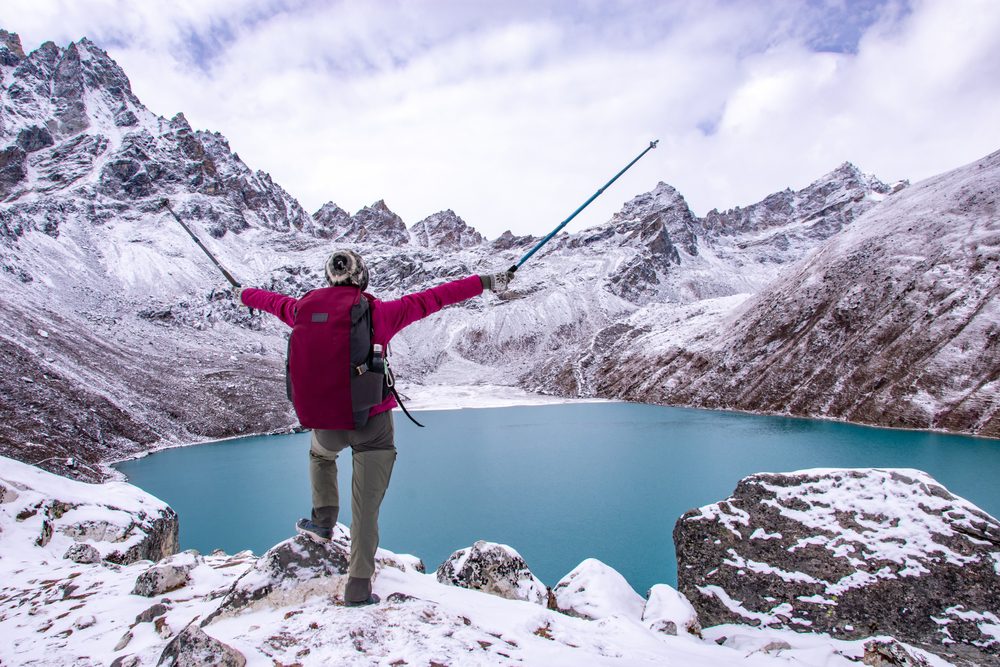
The Gokyo Lakes are the highest freshwater lake system in the world, and their deep blue color surrounded by snow-capped peaks is truly breathtaking. Once you arrive, you can take a gentle walk around the lakes and soak in the peaceful mountain views. You’ll spend the night in Gokyo, a perfect place to rest and enjoy nature at its best.
Stay overnight in Gokyo.
Hike to Gokyo Ri (5,357m) – Explore Gokyo Valley
Start your day with an early morning hike up to Gokyo Ri, a popular viewpoint at 5,357 meters. The climb is steady but not too difficult, and the reward is amazing, which is a stunning panoramic view of some of the world’s tallest peaks, including Everest, Cho Oyu, Makalu, and Lhotse.
After enjoying the incredible mountain views, you can explore the peaceful Gokyo Valley and visit the nearby fifth Gokyo Lake, known for its beautiful turquoise waters. It’s a perfect day to soak in the natural beauty and calm of this special part of the Himalayas. You’ll return to Gokyo village to relax and spend the night.
Stay overnight in Gokyo.
Cross Renjo La Pass (5,360m) – Trek to Lungden (4,380m) [7-8 hrs]
You’ll cross your third and final high pass, Renjo La, at 5,360 meters today. The climb is challenging but rewarding, with stunning views of the Gokyo Lakes below and the majestic Everest mountain range stretching out in the distance.
After reaching the top, you’ll begin a long descent to Lungden, a quiet and friendly Sherpa village surrounded by beautiful mountain scenery. This peaceful village is a great place to rest and reflect on the amazing journey so far. You’ll spend the night in Lungden, enjoying the calm atmosphere and fresh mountain air.
Stay overnight in Lungden.
Trek from Lungden to Namche Bazaar (3,440m) [6-7 hrs]
On the 15th day of your trek, you’ll begin a long but mostly downhill trek back to Namche Bazaar. As you descend, the landscape changes as trees and green fields start to appear again, and the air feels warmer and lighter at the lower altitude.
You’ll pass through peaceful villages and enjoy the fresh mountain views along the way. Returning to Namche Bazaar feels like coming back to a lively hub where you can relax, explore local shops, and enjoy a good meal. You’ll spend the night here, resting after a full day of trekking.
Stay overnight in Namche Bazaar.
Trek from Namche Bazaar to Lukla (2,860m) [6-7 hrs]
On this day, you’ll retrace your steps as you trek back from Namche Bazaar through the familiar villages of Monjo and Phakding, making your way down to Lukla. The trail feels easier as you descend to lower altitudes, and you can take in the last views of the mountains and rivers you’ve passed on the way up.
Reaching Lukla marks the end of your trekking adventure, and you’ll celebrate with your team over a special dinner, sharing stories and memories from the journey. You’ll spend the night in Lukla, enjoying a well-earned rest before heading back to Kathmandu.
Stay overnight in Lukla.
Fly from Lukla to Kathmandu
Today, you’ll take a morning flight from Lukla back to Kathmandu, depending on the weather. The flight is usually quick but offers beautiful views of the mountains one last time.
Once in Kathmandu, you’ll have time to rest and relax after your long trek. You can also explore the city by visiting busy markets, buying souvenirs, or seeing some of the famous temples and cultural sites. Enjoy a nice meal and soak up the lively atmosphere of the city. You’ll spend the night in Kathmandu, feeling proud of your amazing journey.
Stay overnight in Kathmandu.
Departure from Kathmandu
The final day marks the end of your unforgettable adventure in Nepal. After enjoying your final breakfast, you’ll be transferred to Tribhuvan International Airport for your international flight home.
As you prepare to leave, take a moment to reflect on all the amazing experiences you’ve had like walking among the world’s highest peaks, crossing challenging mountain passes, meeting friendly Sherpa people, and soaking in the rich culture of Nepal. The trek may be over, but the memories, friendships, and stories you’ve gained will stay with you forever. Safe travels, and may your journey home be as smooth and peaceful as your time in the Himalayas!
Customize this trip with help from our local travel specialist that matches your Interests.
Customize This TripInclusions
- Private car service to and from the airport. (International &domestics )
- Two nights at a standard hotel in Kathmandu with breakfast
- Three meals a day, including breakfast, lunch, and dinner.
- You will be provided with Trekking Lodges (Tea Houses).
- Khumbu Pasang Lhamu Rural Municipality.
- Kathmandu to Lukla and back to Kathmandu, or (Ramechap to Lukla, back to Kathmandu flight) with an airport transfer and airport tax within Nepal.
- A highly experienced, helpful, knowledgeable, friendly, English-speaking guide with all of his salary, food, drinks, lodging, transportation, and insurance covered.
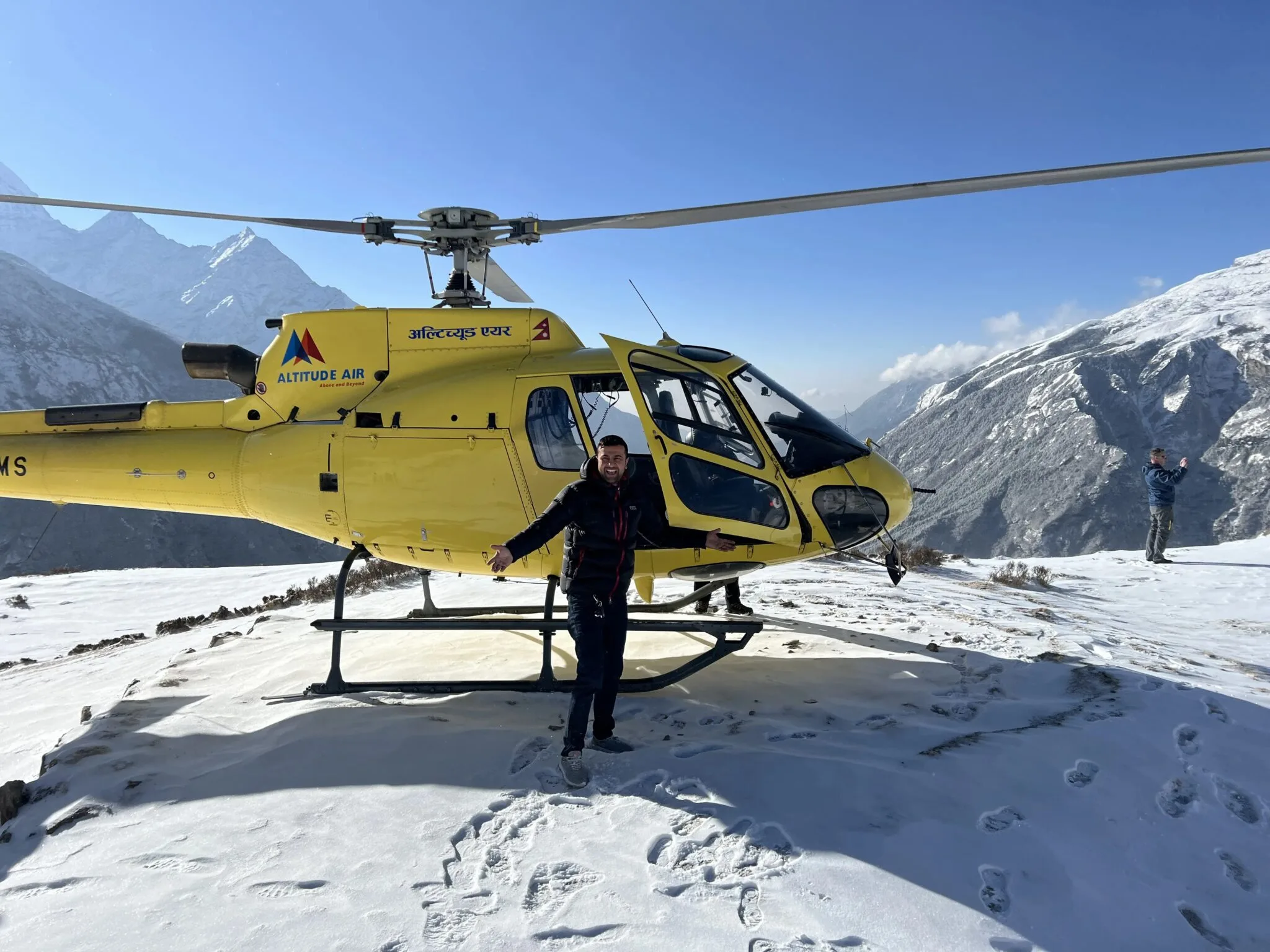
- Setting up a service for an emergency helicopter (paid by your Travel Insurance company).
- You can rent a sleeping bag, a down jacket (if you don't have your own) & Duffel bag provided.
- Taxes and official costs are paid to the government.
- Certificate of completion of the trip
- Oximeter to check your pulse, oxygen saturation, and heart rate twice a day (very helpful to check for signs of Altitude Mountain Sickness, or AMS). This will make sure that your trek is in the safest hands possible, no matter how experienced you are.
- Food that you will eat in Kathmandu for lunch and dinner.
- The cost of a visa to enter Nepal is $30 for a 15-day stay.
- Your insurance for travel and medical care.
- International airfare, your expenses.
- All of the alcoholic and non-alcoholic cold and hot drinks you buy on the trek.
- All of the sweet desserts, like chocolate, cake, pie, and pudding.
- The tea houses offer hot showers and phone charging stations, with prices ranging from $2 to $5.
- Tip to the guide (Tipping is expected).
- A max 15kg bag is allowed on the flight to Lukla.
- One porter for two people will cost USD 320.
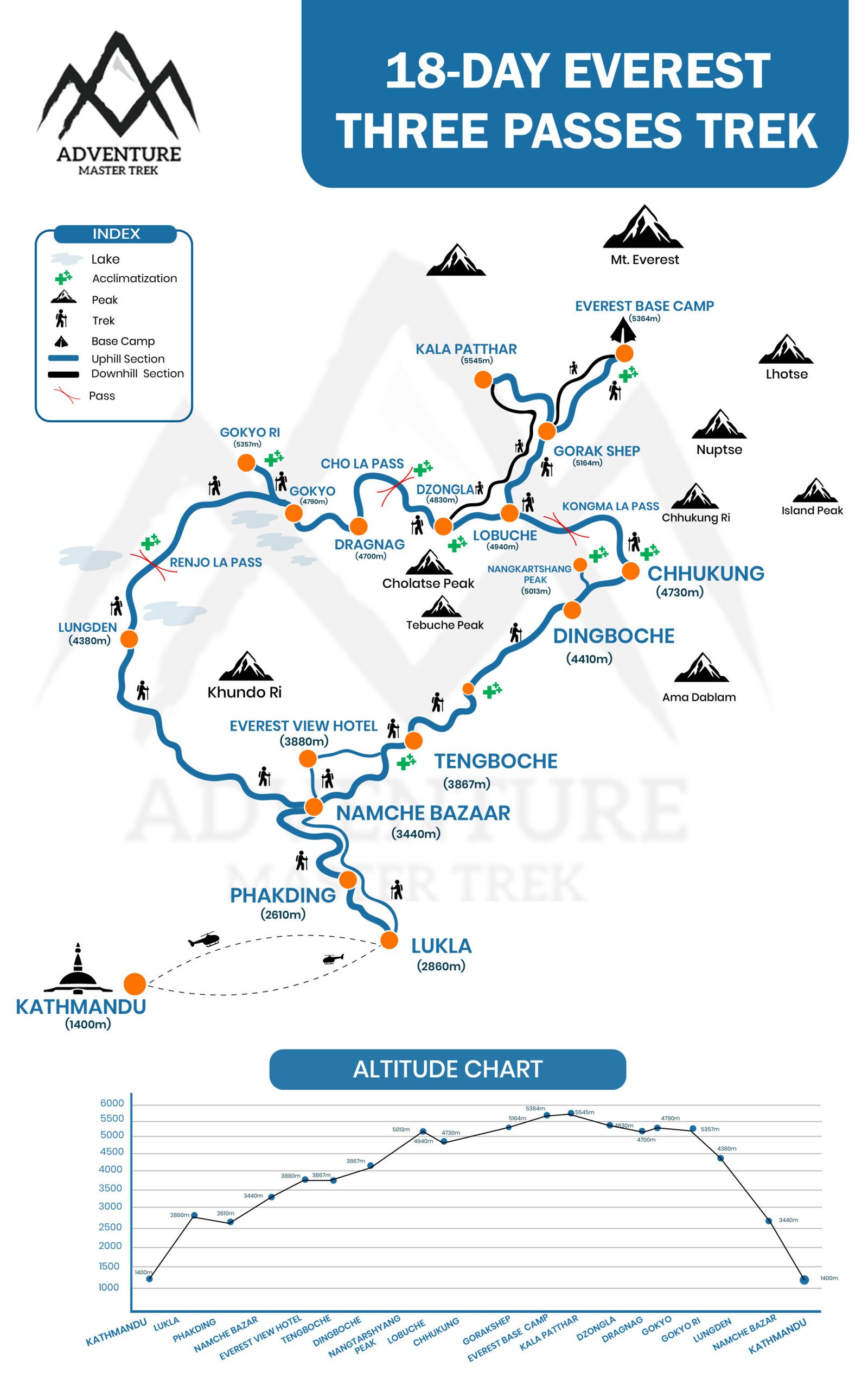
Maps
Navigate Your Journey
Good to Know
Important Tips
Every foreign citizen except the citizen of India will require a visa to enter Nepal. If you are
interested to trek on Nepal then you will have to go through the following process to get the tourist
visa of Nepal.
Accommodation During the Everest Three Pass Trek
The accommodation during the trek is in small lodges called teahouses. These are simple places run by local families where you can sleep, eat, and rest. Most rooms have two single beds with a mattress, pillow, and blanket. It’s a good idea to bring your own sleeping bag, especially for the cold nights at higher altitudes. Bathrooms are usually shared, and hot showers are available in some places for an extra cost.
As you go higher, the teahouses become more basic, but they still offer warm meals like dal bhat (rice and lentils), noodles, soup, and tea. The dining room is often heated with a stove, and that’s where trekkers gather to eat and stay warm. Even though the rooms are simple, teahouses are friendly, welcoming, and a comfortable place to rest after a long day of trekking.
Electricity and Internet Services on the Everest Trek
Electricity and internet are available on the 18-day Everest Three Passes Trek, but they can be limited, especially at higher altitudes. In most villages, you can charge your phone, camera, or power bank, but there’s often a small fee. The power usually comes from solar panels or small hydro systems, so it’s not always reliable, especially in bad weather.
The internet is available in many teahouses through Wi-Fi or mobile data (if you have a local SIM like Ncell), but the signal gets weaker and slower the higher you go. In remote areas, there may be no internet at all. It’s a good idea to download anything important before the trek and bring extra batteries or a power bank. While you may not always be connected, this also gives you a chance to enjoy the mountains fully and take a break from the digital world.
Group Size for Everest Three Passes Trek
The group size for the 18-day Everest Three Passes Trek can vary, but most trekkers go in small groups of 2 to 10 people. Smaller groups are more flexible, easier to manage, and create a more personal and enjoyable experience. You can also join a guided group trek, which usually has around 6 to 12 people, including a guide and porters.
Some experienced trekkers choose to go solo or with just one partner, but because the Three Passes route is challenging and remote, having a guide or being in a group is safer and more supportive. A smaller group also means less impact on the environment and better chances to connect with locals and fellow trekkers. Whether you go with friends, join a group, or hire a guide, the most important thing is to travel with people you’re comfortable with and who share a similar pace and trekking style.
Altitude Sickness during the trek to Everest Three Passes
Altitude sickness is a common concern on the Everest Trekking because the trail goes above 5,000 meters several times. As you go higher, the air has less oxygen, which can cause symptoms like headache, nausea, tiredness, loss of appetite, and trouble sleeping. This can happen to anyone, even if you’re fit. To avoid altitude sickness, it’s important to walk slowly, drink plenty of water, and take rest days to let your body adjust.
Most trekkers spend a couple of nights in places like Namche Bazaar and Dingboche to help with acclimatization. If symptoms worsen, the best treatment is to rest, descend to a lower altitude, and avoid pushing through serious signs. Having a guide or being with someone experienced can help in spotting early symptoms. With the right pace and care, most people complete the trek safely and enjoyably.
Difficulty in Everest Three Passes Trek
The Everest Three Passes Trek is a tough but amazing adventure. It is long and includes crossing three high mountain passes, which are very steep and can be snowy or icy. You will walk many hours every day, often in cold and windy weather, and the high altitude makes it harder to breathe and walk.
This Everest trek is best for people who are fit and have some hiking experience. You don’t need special climbing skills, but you do need to be ready to take your time, rest well, and listen to your body. With good preparation and a steady pace, most people can finish the trek and enjoy the incredible views and experience.
Safety and Security in the Everest Base Camp Trek
Safety and security on the Everest Base Camp Trek are essential because the trail goes through remote and high-altitude areas. The biggest risks are altitude sickness, bad weather, and difficult trails, so it’s important to be prepared and take things slowly. Trekking with a guide or a group helps a lot for safety, as they know the route well and can help if problems arise.
It is also important to carry a good first-aid kit and keep in touch with your team. The local people are friendly and welcoming, and there are rescue services available in case of emergencies, but they can take time to reach you. Overall, if you follow safety advice, listen to your body, and prepare well, the trek is safe and a wonderful experience.
Travel Insurance for Everest Three Passes Trek
It is highly recommended to have travel insurance while hiking the Everest Three Passes Trek, which covers the unique risks associated with trekking in remote, high-altitude regions. Your insurance should cover:
Emergency medical coverage: All of your altitude sickness-related medical costs should be covered by your emergency medical coverage when you travel over 2,500 meters.
Evacuation: You might require an emergency helicopter evacuation from a remote area to a hospital in Kathmandu if you have a serious injury or medical emergency.
Protection for trip interruptions: You should purchase short-term protection insurance if you have to cancel your trip due to a significant illness or injury while trekking.
Lost gear: Protection against losing personal items such as a phone, trekking equipment, or other belongings.
High-altitude trekking: Make sure you have insurance that specifically covers high-altitude trekking, as the Everest Three Passes Trek reaches elevations above 5,000 meters on passes like Kongma La, Cho La, and Renjo La.
Money Exchange for Everest Trek
When trekking the Everest Three Passes, it’s best to exchange most of your money into Nepalese Rupees (NPR) before you start or when you arrive in Kathmandu. Money exchange is easy in the city, with many banks and exchange shops offering good rates. Along the trek, there are a few places like Namche Bazaar where you can withdraw cash from ATMs, but they are limited and don’t always work.
It’s a good idea to carry enough cash with you for the whole trek, as credit cards are rarely accepted in teahouses. Also, keep smaller notes handy for buying snacks, drinks, or tips. Planning your money well will help you avoid problems and enjoy your trek without worry.
Permits Required for the Everest Three Passes Trek
Trekking the Everest Three Passes Trek requires several permits to ensure safety, conservation, and proper regulation of tourism. These permits help protect the natural environment and local communities while making sure trekkers have a safe and enjoyable experience. Mainly two permits are required SNP and the Khumbu permit. TIMS is typically not required but can be helpful in your safety and security. The required permits for the Everest Three High Pass trek are briefly discussed here:
Sagarmatha National Park Permit (SNP)
This permit is needed to enter Sagarmatha National Park, a protected area that covers much of the Everest region and the trekking route.
Khumbu Pasang Lhamu Rural Municipality Permit
The local administration of Khumbu Pasang Lhamu Rural Municipality, which includes some of the trekking region, has granted this permit. It promotes community development and local infrastructure.
TIMS (Trekkers’ Information Management System) Card
This is a general trekking permit required for all trekkers in Nepal. It helps authorities keep track of trekkers for safety and management.
If you are in Nepal, you can apply for these permits yourself or get help from a trekking agency. Many trekking agencies assist in securing all the necessary permits, making the process easier and quicker.
Required Documents
- A passport with at least 6 months’ validity
- Valid Nepal tourist visa
- 2 passport-sized photos
- Copies of all trekking permits
- Copy of travel insurance
Trekking Equipment for Everest Trekking
Having the right equipment is essential for the Everest Three Passes Trek. The trail is long, high, and the weather can change quickly. Good gear will keep you warm, safe, and comfortable through cold nights, strong sun, and windy or snowy conditions. Here’s a simple list of the must-have trekking equipment for this journey:
General
- A passport with at least 6 months’ validity and extra copies
- Permits: Sagarmatha National Park Permit and TIMS Card
- Sleeping bag (rated for -10°C or colder)
- Cash in Nepalese Rupees
- Duffel bag for the porter
- Daypack for essentials
Upper Body
- UV protection sunglasses
- Sun hat and warm woolen hat
- Neck gaiter or buff
Torso
- Moisture-wicking base layers
- Fleece or a light insulated jacket
- Down or synthetic insulated jacket
- Waterproof and windproof shell jacket
Lower Body
- Quick-dry trekking pants
- Thermal leggings or long johns
- Shorts for lower elevations
- Waterproof pants
Hands
- Light gloves
- Insulated waterproof gloves
Footwear
- Waterproof trekking boots with ankle support
- Wool or thermal socks
- Camp shoes or sandals
Undergarments
- Moisture-wicking underwear
- Sports bra (for women)
- Thermal base layer bottoms
Health and First Aid
- Altitude sickness medication (Diamox)
- Sunscreen and lip balm with high SPF
- Basic first aid kit
- Personal medication
Other Essentials
- Hand sanitizer
- Water bottles or hydration system (3+ liters)
- Toiletries (toothbrush, wet wipes, soap)
- Headlamp or flashlight with extra batteries
- Quick-dry towel
Optional
- Trekking poles
- Camera with extra batteries
- Energy snacks (bars, nuts, chocolate)
- Power bank
- Dry bags or waterproof covers
- Notebook or journal
- Earplugs and an eye mask
Booking Policy for the Everest Three Passes Trek
Advance Payment & Booking Confirmation
A 30% deposit of the total trip cost is required to secure your place on the Everest Three Passes Trek. This ensures your booking is confirmed and your adventure is reserved.
The remaining balance can be paid upon your arrival in Kathmandu, giving you flexibility and peace of mind. If you prefer, you can also choose to pay the full amount in advance for added convenience.
To finalize your reservation, please send:
- The trip cost deposit for the Everest Three Passes Trek (18 days)
- A clear electronic copy of your passport
- Additional details such as travel insurance information and an emergency contact
- Payment Methods
We offer several easy payment options to make your booking process smooth and secure:
- Online Payment: Use the secure payment gateway on our website for fast and safe transactions.
- Debit/Credit Cards: Visa, MasterCard, and other major cards are accepted. A 4% bank service fee applies. You may also transfer funds directly to our bank account via wire transfer (transaction fees may apply).
- Cash or Check: If you are already in Kathmandu, you can pay in cash or by check for added convenience.
- Final Payment
The remaining 70% balance must be paid before your trek begins. You can settle this payment when you arrive in Kathmandu by cash, card, or bank transfer, whichever works best for you.
- Booking Modifications & Rescheduling
If you need to change or reschedule your trek, please notify us at least 30 days in advance. Changes will be subject to availability and may incur additional fees depending on the circumstances.
- Travel Insurance Requirement
To ensure your safety and peace of mind throughout the challenging Everest Three Passes Trek, comprehensive travel insurance is mandatory. Your policy should cover emergency evacuation, high-altitude medical issues, lost or damaged equipment, trip cancellations, and delays.
- Last-Minute Booking
We do accept last-minute bookings up to 48 hours before departure, but availability is limited, especially during peak trekking seasons. To guarantee your spot on this popular 18-day trek, we strongly recommend booking well in advance.
Cancellation Policy for the Everest Three Passes Trek
If You Cancel More Than 60 Days Before the Trek
- You’ll usually get most or all of your money back (sometimes minus a small processing fee).
- Some companies refund 90%, others hold a small deposit
If You Cancel 30 to 59 Days Before
- You may get back 50% of what you paid.
- The other 50% is often kept to cover bookings and preparations.
If You Cancel Less Than 30 Days Before
- No refund in most cases.
- Some companies may offer you credit to use later within a year.
If the Company Cancels Due to Weather or Natural Disasters
- You’ll usually get a full refund or the option to reschedule.
- They won’t refund if you cancel because of personal reasons (like illness or change of plans), unless your travel insurance covers it.
FAQs
How long does the Everest Three Passes trek take?
The Everest Three Passes trek usually takes about 18 days. This includes time for resting and acclimatizing your body to the high altitudes to avoid sickness.
How hard is the Everest Three Passes trek?
The Everest Three Passes trek is difficult because of the high altitudes, long walking days (6-8 hours), and sometimes rough or snowy trails. You need to be physically fit and mentally prepared.
What are the three passes I will cross?
You’ll cross Kongma La (5,535m), Cho La (5,420m), and Renjo La (5,360m). These passes are steep and can be covered with snow or ice depending on the season.
Is hiring a guide necessary?
A guide is not required by law, but having a guide is highly recommended. Guides help with navigation, safety, and local knowledge, and can assist if you get sick or injured.
What permits do I need for the trek?
You’ll need a Sagarmatha National Park Permit and a TIMS (Trekkers’ Information Management System) Card. These permits help protect the environment and keep track of trekkers for safety.
How high will I be trekking?
The passes are all above 5,300 meters (around 17,400 feet), which is very high and means you need to be careful with altitude sickness.
What is altitude sickness, and how can I avoid it?
Altitude sickness happens when your body struggles to adjust to low oxygen at high elevations. Symptoms include headache, nausea, dizziness, and fatigue. To avoid it, walk slowly, rest often, stay hydrated, and don’t climb higher too quickly.
Where do I sleep during the trek?
You’ll stay in teahouses, which are simple lodges or guesthouses offering basic rooms, food, and a warm place to rest.
What food will be available on the trek?
You’ll mostly find local dishes like dal bhat (rice and lentils), noodles, soups, and momos (dumplings). Food is nutritious and filling to keep your energy levels up.
Can I charge my phone or camera?
Yes, but electricity is limited, and you often have to pay to charge your devices. Carrying a power bank is a good idea for backup.
Is the internet available on the trail?
Wi-Fi is available in some villages but is often slow or unreliable, especially at higher altitudes.
What clothes and gear should I bring?
You should bring layers, moisture-wicking base layers, warm fleece or down jackets, waterproof jackets, sturdy trekking boots, hats, gloves, and a warm sleeping bag.
How much does the trek cost?
The costs can vary depending on guides, accommodation, permits, food, and flights. The budget to cover all these, for emergencies or tips, can cost you extra.
Can I trek alone?
You can, but trekking with a guide or group is safer and more enjoyable. Solo trekking increases risks if you get sick or injured.
How fit do I need to be?
You need good fitness because of long walking days, steep climbs, and high altitude. Training beforehand helps a lot.
Is it safe to trek alone?
Solo trekking is riskier because you have no one to help if you get altitude sickness or an injury. It’s safer with a guide or group.
How do I get to the starting point?
Most trekkers fly from Kathmandu to Lukla, a small mountain airport near the Everest region. Flights are weather-dependent.
What kind of accommodation is on the trail?
Teahouses offer basic rooms with simple beds and shared bathrooms. Facilities are more basic the higher you go.
What if there is an emergency?
Emergency rescues, including helicopter evacuations, are available but can be delayed by weather or location. Guides and trekking agencies usually assist in emergencies.
Can I drink water from the taps?
It is safer to purify water by boiling, using filters, or water purification tablets to avoid stomach illnesses.
Are ATMs available along the trek?
ATMs are only in bigger villages like Namche Bazaar. You should carry enough cash to cover expenses in more remote areas.
Should I bring trekking poles?
Yes, trekking poles help reduce strain on your knees, improve balance, and make walking on steep or uneven terrain easier.
Do I need travel insurance?
Yes, you must have travel insurance that covers high-altitude trekking, medical emergencies, and helicopter evacuation. It’s very important for your safety.


View Our Similar Packages
Discover our top tours, loved by thousands of travelers annually. Choose the adventure that inspires you and embark on a journey tailored to your desires.

 Nepal
Nepal
 15 Days Days

Add Review
Reviewing for 18-Day Everest Three Passes TrekRequest a Callback - 18-Day Everest Three Passes Trek
Submit the form and we will be back to you shortly
Request a Callback - 18-Day Everest Three Passes Trek
Submit the form and we will be back to you shortly
Narayanhiti Palace Museum

Narayanhiti Palace Museum


