









North Annapurna Base Camp Trek Cost & Permits in 2026
Find out how much the North Annapurna Base Camp Trek costs in 2026. Learn about permits, food, accommodation, and guide prices.
-
 Adventure Master Trek
-
30 October, 2025
-
9 mins read
-
2293 Views
-
0 Comments


Introduction
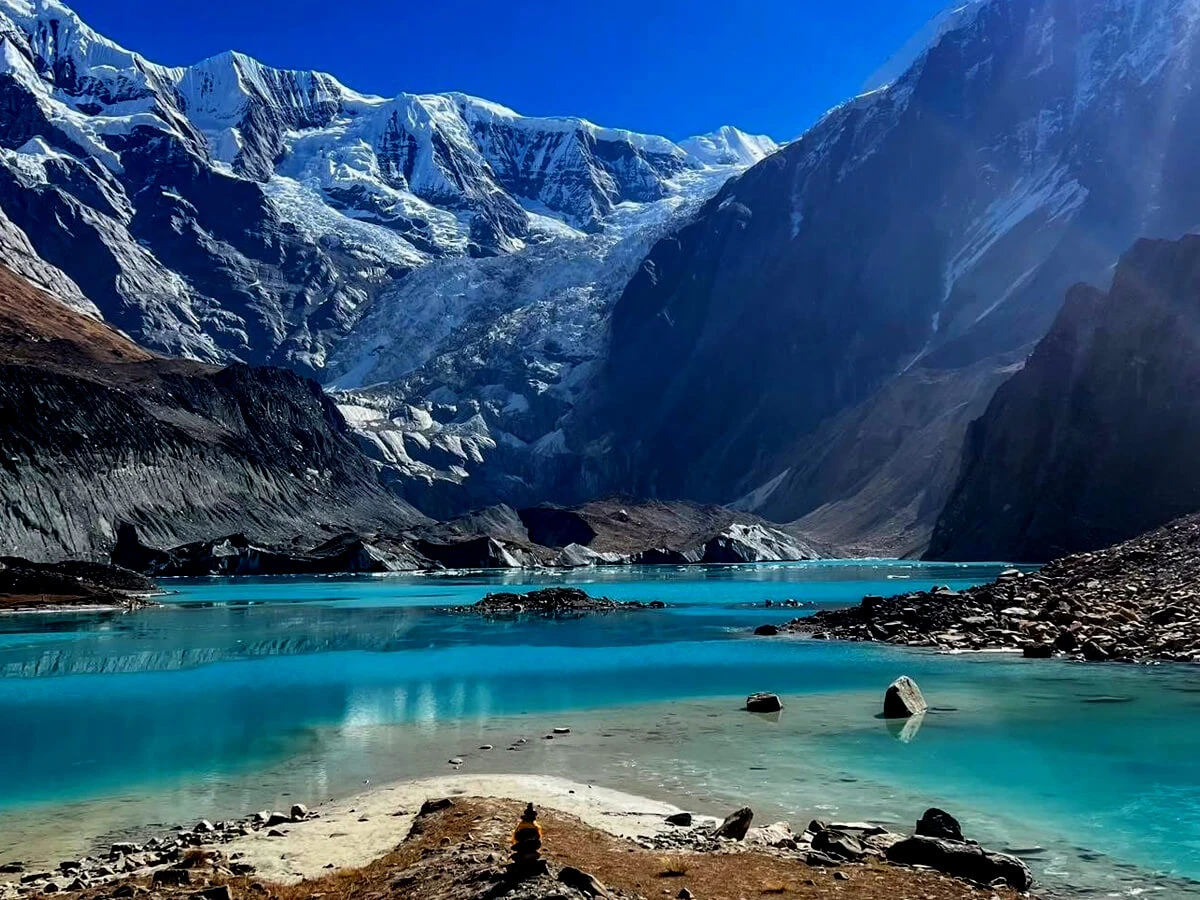
Want to visit the North Annapurna Base Camp Trek while maintaining a proper budget? We are here for you. As the ABC trek is one of Nepal’s hidden gems, it is quiet, wild, and full of breathtaking scenery. This leads you to the wild northern side of Annapurna I, through peaceful valleys and rugged paths and villages all suffused with Tibetan culture. There is a sense of adventure on this route which is real and far from the busy trekking areas of Nepal.
If you are thinking of trekking in 2026, it is suggested to know what to expect in the way of costs from all the permits and guides through food, accommodation and transport. By knowing these details you will be able to plan your trek wisely. This simple guide will enlighten you as to your total trek pricing and give you handy hints so that you can enjoy the wonderful trek without any anxieties regarding your budget.
Quick Answer – Average North Annapurna Base Camp Trek Cost 2026
The North Annapurna Base Camp is likely to cost you in 2026, USD 1200–1600 per person for 12–14 days. This includes all your permits, guide, accommodation, food and transport.
| Trek Type | Duration | Total Cost (USD) | Daily Budget |
| Guided Trek | 12–14 days | $1,200–$1,600 | $90–$120 |
| Budget Group Trek | 12–14 days | $1,000–$1,200 | $70–$90 |
Included: All permits, food, basic accommodation, guide, and transport from Pokhara.
Note: The total cost may vary depending on group size, comfort level, and season.
Permits and Fees
To ensure your safety, protection of surrounding, local communities you must have two main permits before starting the trek. You can have smooth and enjoyable trek, so must take them with you:
1. Annapurna Conservation Area Permit (ACAP)
- Cost: NPR 3,000 (around USD 23)
- Where to get: Nepal Tourism Board in Kathmandu or the ACAP office in Pokhara
- Purpose: Helps preserve the Annapurna Conservation Area and supports local development
2. Restricted Area Permit (RAP)
- Cost: USD 20 per week
- Issued by: Registered trekking agency only
- Group size: Minimum of two trekkers
- Reason: The region borders Tibet, so special permission is required for safety and cultural protection
As for the additional information, you should bring two passport-size photos and a copy of your passport. Your trekking agency will handle the paperwork easily in Pokhara or Kathmandu.
Food and Meals During the Trek
Eating well is key to keeping your energy high during the trek. Fortunately, local tea houses along the route offer plenty of simple and tasty meals.
A typical breakfast consists of toast, omelette, tea or coffee costing in the region of $5–$6. Most trekkers have for lunch Dal Bhat which is the national dish of Nepal, rice, lentils and vegetables costing in the region of $6–$8.
For dinner soup, noodles or pasta are provided at a cost of $7–$9. As you rise in altitudes, the prices rise slightly as everything needs to be carried by a porter. You may easily spend between $5–$10 a day for snacks, tea or bottled water. If you want to save money you should bring a refillable water bottle and purification pills.
Energy Bars are useful, as also are snacks such as nuts, biscuits etc. These are easier to carry and can be obtained cheaper at the beginning of your trek at Pokhara, thus giving you wholesome food on the long trekking days.
Accommodation Costs on the Trail
During the trek you will spend the night in local tea houses or homestays. These are basic but comfortable. After a long day of walking you will find a clean bed and warm hospitality. In all, around $8-$10 sharing rooms can be found at the lower camps of the trek and rooms above this level will cost you about $12-$20 dollars.
You bucking will pay for shared rooms. These rooms will be provided with a bed and a blanket. The toilet facilities are shared or even a hole in the ground. Some of the tea houses charge $2-$4 more if you want to take a hot shower. Also for tea and other beverages.
There are many tea houses where you can get discounts or even free lodging if you partake of their meal service. This type of service will certainly help you a lot in saving expenditures as well as helps the local family in charge of the lodges.
Guide and Porter Cost in 2026
Since the North Annapurna region is situated in a restricted area you are obliged to take a licensed guide through whom you organize the trip. A guide costs you on the average between 25-30 dollars per day.
They can help you in every situation of the trek whether it is to locate excursion points or organizing the permits or working out the details of your accommodations. And above everything else they will watch over your safety while on the trek. Besides, the guide helps you to gain much knowledge about respecting the local cultures of the towns and valleys that you will be passing through.
The hiring of a porter is not obligatory and is left to your own discretion. The cost will run between about $20-$25 a day. They will carry your baggage having the possible maximum limit of about 20-25 kg to carry.
By this means you will enjoy the benefits of easy walking, beautiful scenery and rest and still have no burden to carry. It is generally considered polite to the guide and porter to give a tip amounting to about 10-15% of the cost of the trek. It will be equally divided by the guide and porter as a little thank you for their hard work and services.
Transportation Costs
The trek starts at Pokhara and you will need to reach Pokhara from Kathmandu. From Pokhara to the trailhead (Madi Khola), a local bus or shared jeep costs $10–$20 per person, or around $100–$120 for a private round trip. After finishing the trek, you can return to Pokhara the same way.
- Tourist Bus:
The bus is the cheapest option to get to Pokhara from Kathmandu. It takes roughly 6- 8 hours giving you plenty of opportunity to see the beautiful hills, rivers and villages along the way. It is a good option if you are not in a hurry and are looking for a comfortable, inexpensive mode of transport.
- Domestic Flight:
A domestic flight between Kathmandu and Pokhara takes only 25-30 minutes. This is a quick, easy and cheap way to see the beautiful views of the Himalayas. It is more expensive than the bus and slightly more dangerous, but it is a great time saver and good for people with a limited schedule.
- Private Jeep:
Booking private jeep booking allows the traveller to be comfortable, flexible and to stop when necessary. It is also ideal for a small group or family who are looking for smoothness and a more private ride, of course slightly more expensive.
Gear Rentals and Other Expenses
You can save money by renting gear in Pokhara instead of buying new equipment.
| Item | Average Rental Price (per day) |
| Sleeping Bag | $1.5 |
| Down Jacket | $2 |
| Trekking Poles | $1 |
Small extra charges for the use of wifi, charging devices and hot showers $2-$4 per stop. It is very crucial to have an emergency fund close to hand. Such as $100-$200 in order to put away for delays and other unwanted expenses that the traveller may incur. It is also wise to keep a power bank to save on money as well as being able to share the wifi with your team.
How to Save Money Without Losing Comfort
Trekking in the North Annapurna region can be inexpensive with a few good decisions. Below, are a few easily and quickly ways to save money but also be comfortable and enjoyable:
- Rent gear instead of buying new
- Join a small trek group and share costs
- Travel March to May or October to November for cheaper rates and good weather
- Carry a water bottle instead of buying bottled water
- Eat local Dal Bhat, which is a tasty, healthy and inexpensive meal.
- Skip alcohol and imported snacks (very expensive at high altitudes).
FAQs
1. How much extra cash should I take with me?
You should have about $200 to $300 in cash for snacks, wifi, tips and shopping.
2. Are there ATM machines on this route?
No. As there are no ATM machines, you must take enough cash out in Pokhara before you start your trek.
3. Can I use my credit card on the trail?
Not usually. Most teahouses accept only Nepali Rupees (cash), so carry enough cash.
4. Is travel insurance necessary?
Yes, travel insurance is most necessary. It must cover high altitudes (above 4,500 m.) and emergency evacuation.
5. Can a solo trekker obtain a Restricted Area Permit?
No. There must be at least two trekkers together from a registered trekking company.
6. How long does it take to get the permits?
Usually permits are obtained within one working day if you use an agency.
7. What is the best season to go?
The months March to May and October to November are the best for stable weather and clear views of the mountains.
Final Takeaway – Plan Smart, Trek Confidently
The North Annapurna Base Camp Trek is remote, calm, and full of natural beauty. You can expect to pay approximately $1,200 to $1,600 per person for the full 12 to 14 day trek, including permits, guide, food, and lodging.
Your ACAP and Restricted Area Permit (RAP) permits must be obtained through a recognized trekking company. For your safety, I advise you to go with a certified guide. You may experience one of Nepal’s most stunning hidden trekking routes. They are an incredible mix of rocky paths, peaceful valleys and pure Himalayan charm if you make proper preparation and careful budgeting.
Comments (0)
Write a comment- Introduction
- Quick Answer – Average North Annapurna Base Camp Trek Cost 2026
- 1. Annapurna Conservation Area Permit (ACAP)
- 2. Restricted Area Permit (RAP)
- Food and Meals During the Trek
- Accommodation Costs on the Trail
- Guide and Porter Cost in 2026
- Transportation Costs
- Gear Rentals and Other Expenses
- How to Save Money Without Losing Comfort
- FAQs
- Final Takeaway – Plan Smart, Trek Confidently
Read the latest Blogs & Insights
Explore our collection of articles and insights to gain in-depth travel knowledge, expert advice, and stay updated on the latest trends and tips.


No comments yet.