








Kanchenjunga Trek Cost & Permit Requirements in 2025
Find out costs, permit requirements, tips and everything to be aware of to be ready for this remote Nepali adventure.
-
 Adventure Master Trek
-
18 November, 2025
-
8 mins read
-
2086 Views
-
0 Comments


Introduction
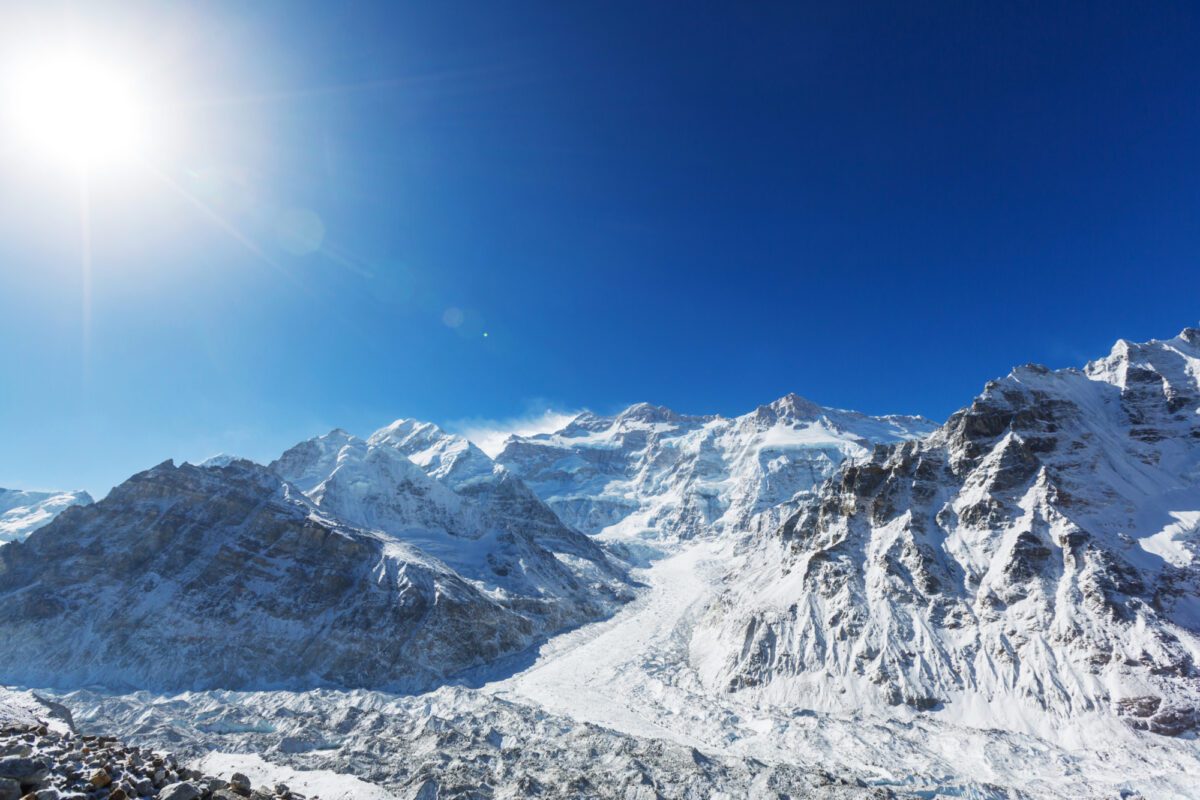
The Kanchenjunga Trek is one of Nepal’s most remote and beautiful treks, travelling through the untouched eastern Himalayas. It is far from the busy trails of Everest or Annapurna, where the emphasis is on real natural beauty, untouched villages and great mountain views. As the Kanchenjunga trek is a restricted area, trekkers are required to have special permits and to trek under a licensed guide.
We will keep it simple in this blog, with everything you need to know about the Kanchenjunga trek cost, what permits you will need and how to arrange your sum for 2025. Whether you are a first-time visitor or a seasoned trekker, this information will give you a good idea of what to expect in one of Nepal’s most untouched areas before heading off on your journey.
Overview: Where is Kanchenjunga Located?
Kanchenjunga is in the far eastern part of Nepal near the frontier with India and Tibet. It is a quiet and pleasant trekking area, away from the busy trails such as Everest and Annapurna.
The trails lead through small villages, green forest and broad mountain valleys. It is quiet and natural and perfect for trekkers who want to see the real nature, free from crowds.
Why Kanchenjunga is a Restricted Trekking Area
The Kanchenjunga area is a restricted area in order to protect its uncontaminated environment and local culture. Not so many trekkers are allowed which makes it possible for nature to stay untouched and the villages to retain their way of life. These rules will ensure that the area remains beautiful and safe for both residents and visitors.
Average Kanchenjunga Trek Cost in 2025
For a trek of 20-25 days in the Kanchenjunga region in 2025 you will be looking at about USD 2,000-3,500 per person. The price very much depends on your route, the number of days you go, the size of your party, and how many guides/porters you use. Here are some of the items that will affect your budget in the trek:
- Trekking Permits
You will need two permits, the RAP (Restricted Area Permit) and the CAP (Conservation Area Permit). Together they will cost about USD 30-50. You must have them before you leave for your trek.
Where to obtain your permits?
You can get the CAP (Otherwise known as the Conservation Area Permit) for yourself at the service centre of the Nepal Tourism Board in Kathmandu. After you have presented your passport copy, photo, and paid your charge, it will take no more than a few minutes before you get your permit.
For the RAP (The Restricted Area Permit) you cannot apply for it alone, you must go through a registered trekking agency in Nepal, who will fill in your forms and obtain the permit for you, as no solo applications are allowed.
- Guide and Porter Charges
A guide is necessary in the Kanchenjunga region as it is a restricted area. A guide costs approximately USD 25-35 per day, while a porter costs about USD 20-25 per day. They will help you in safety, carry your bag, and find the right path.
- Accommodation and Meals
You will be accommodated in small tea houses, run by local families. The accommodation is simple and the food is ordinary, but warm and plentiful. Expect to pay about USD 25-40 per day for accommodation and food.
- Transportation
To reach the starting point of the treks most trekkers fly from Kathmandu to Bhadrapur or Biratnagar, which costs about USD 150 to 200. The transport from the airport will either be on a jeep or by bus, which can be about USD 30 to 50.
- Miscellaneous Expenses
You should also allow some spare cash for insurance, tips, snacks, wi-fi, and charging equipment. These small things can easily mean another USD 100 to 200 for the whole trek. It is advisable to have more money for contingencies along the path.
Trek Options for Trek in Kanchenjunga
Kanchenjunga treks can be arranged to fit any budget, whether it be merely an adventure, something easier or a luxury experience. Here is a short summary of the options found for 2025.
Budget Trek: A budget Kanchenjunga trek in 2025 can cost about USD 1,500—2,000. You will be accommodated in simple tea houses with shared guides or porters and cheaper means of transport. The permits are generally included with a few small expenses for snacks and tips.
Mid-Range Trek: The mid-range kind of trek will cost as a general rule USD 2,000—3,500. You will get private quarters, full guide or porters’ supplies and also for the flights and jeep ride to the start of the walking. The meals are better and permits and insurance included.
Luxury Trek: The luxury trek will cost as a general thing USD 3,500—5,000. You will be provided with comfortable quarters, more meals and services, private guides or porters and speedier transport. The charging supplies for wi-fi, tips and insurance would also be covered in this case.
Kanchenjunga Trek Budget: Table Breakdown (2025 Estimate)
Here is a simple costing for the trek in Kanchenjunga according to 2025 with a breakdown of what normally is to be spent for budget, mid-range and luxury treks. Use it to discover a formula for time this time and a comfort and wallet:
| Category | Budget ($) | Mid-Range ($) | Luxury ($) | Notes |
| Restricted Area Permit | $20/week | $20/week | $20/week | Needed for everyone |
| KCAP Permit | $15–20 | $20 | $20 | Conservation area permit |
| Guide & Porter | $20–25/day | $30–50/day | $50–70/day | Guide needed, porter optional |
| Accomodation & Meals | $15–25/day | $25–40/day | $40–70/day | Tea house or guesthouse; private rooms cost more |
| Transportation | $100–150 | $150–250 | $250–400 | Flight + jeep or bus |
| Miscellaneous(insurance, tips, snacks, Wi-Fi) | $50–100 | $100–150 | $150–250 | Small extras |
| Total (Approx.) | $1,500–2,000 | $2,000–3,500 | $3,500–5,000 | Depends on trek length and style |
Budgeting Tips for the Kanchenjunga Trek
As you plan for your 2025 trek in the Kanchenjunga area, good budgeting gives you the opportunity to have the experience and have the fun of spending money. Here are some easy tips to make the trek cheaper without sacrificing adventure, and the fact that this trek is worth all the pennies paid out for the trip experience.
How to Save Money
These things can make your trek cheaper, and no loss of adventure. Here are some simple tips for saving money on the trek:
- Travel with a party and halve the costs of the permit and guide.
- Carry energy bars, nuts, and simple equipment along with you from Kathmandu to escape the high prices on the trail.
- Use a jeep or bus rather than flying to reach the trailhead when possible.
- Put up with simple tea houses rather than going to modern lodges.
- Eat local food such as dal, bhat instead of expensive, foreign articles.
Why It’s Worth the Cost
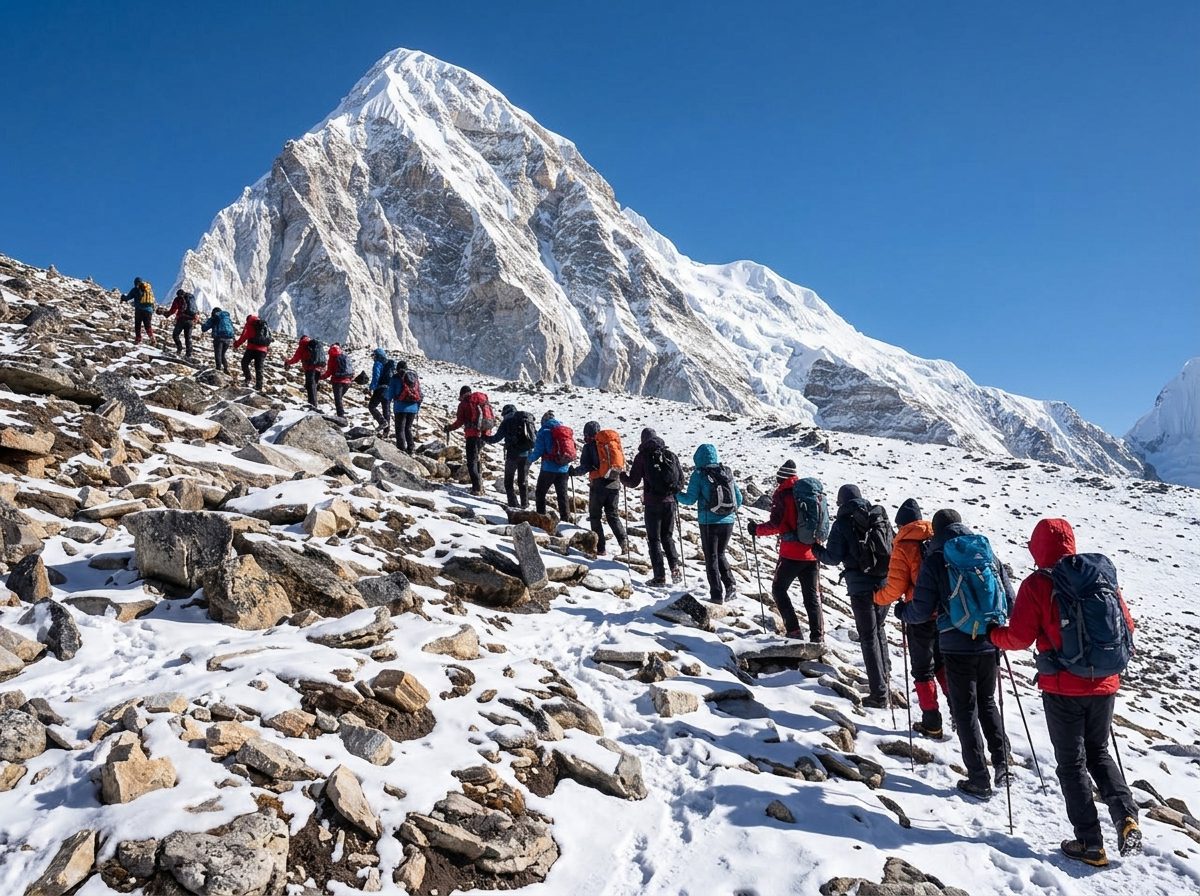
You will walk on clear trails, through the virgin and solitary regions, with hardly any other trekkers on the trails, passing little villages, on which the big tourism is yet no reflection, and have glorious views of the houses of the Himalayas which are wild and glorious.
Since you will be in a restricted zone, you are guided by a licensed man and then you are not just out in the hills, but are exploring, in safe, wild and glorious territory that is led by local experience and knowledge.
Final Thoughts
You will see that the budget of Kanchenjunga in 2025 is affected by the style of living, comfort and time of stay, whether the trek is for a budget, mid-range or luxurious one, and it is rich in experience value, true peace, spectacular scenery, and walks few have taken.
Plan ahead, think of the sort of walking that suits you, respect the mountains and the local people. In the proper frame of mind you are not merely going out for a walk, you are making memories that are yours for all time.
FAQs
Q1: What are the permits needed for the trek?
You will need two main permits – they are the Restricted Area Permit (RAP) and the Kanchenjunga Conservation Area Permit (KCAP). They need both to be done through a properly registered trekking agency.
Q2: How much are the permits?
The RAP is about USD $20 per head per week for the first four weeks, and the KCAP is about USD $20 per head for foreign trekkers.
Q3: Can I trek alone?
No, it is not permitted to trek in this area alone, one has to trek in a group (a minimum of two people) and a licensed guide is essential.
Q4: How many days does the trek take?
Treks in most cases in this area take about 18 to 25 days, depending upon routes and how many rest or acclimatisation days are taken.
Q5: Why is this trek more expensive than other treks?
Because it is remote and also in a restricted area: special permits are necessary, a licensed guide has to be taken and services are harder to get at (transport, accommodation), these slow things up, make things costly, but increase the peculiarity of the trek.
Comments (0)
Write a comment- Introduction
- Overview: Where is Kanchenjunga Located?
- Why Kanchenjunga is a Restricted Trekking Area
- Average Kanchenjunga Trek Cost in 2025
- Trek Options for Trek in Kanchenjunga
- Kanchenjunga Trek Budget: Table Breakdown (2025 Estimate)
- Budgeting Tips for the Kanchenjunga Trek
- How to Save Money
- Why It’s Worth the Cost
- Final Thoughts
- FAQs
- Q1: What are the permits needed for the trek?
- Q2: How much are the permits?
- Q3: Can I trek alone?
- Q4: How many days does the trek take?
- Q5: Why is this trek more expensive than other treks?
Read the latest Blogs & Insights
Explore our collection of articles and insights to gain in-depth travel knowledge, expert advice, and stay updated on the latest trends and tips.


No comments yet.