









Best Photography Spots on the Everest Base Camp Trek
The Everest Base Camp trek is not an ordinary walk to the highest mountain on planet earth. It is a gradual submergence into dimension, elevation, culture, and light.
-
 Adventure Master Trek
-
2 February, 2026
-
9 mins read
-
1554 Views
-
0 Comments


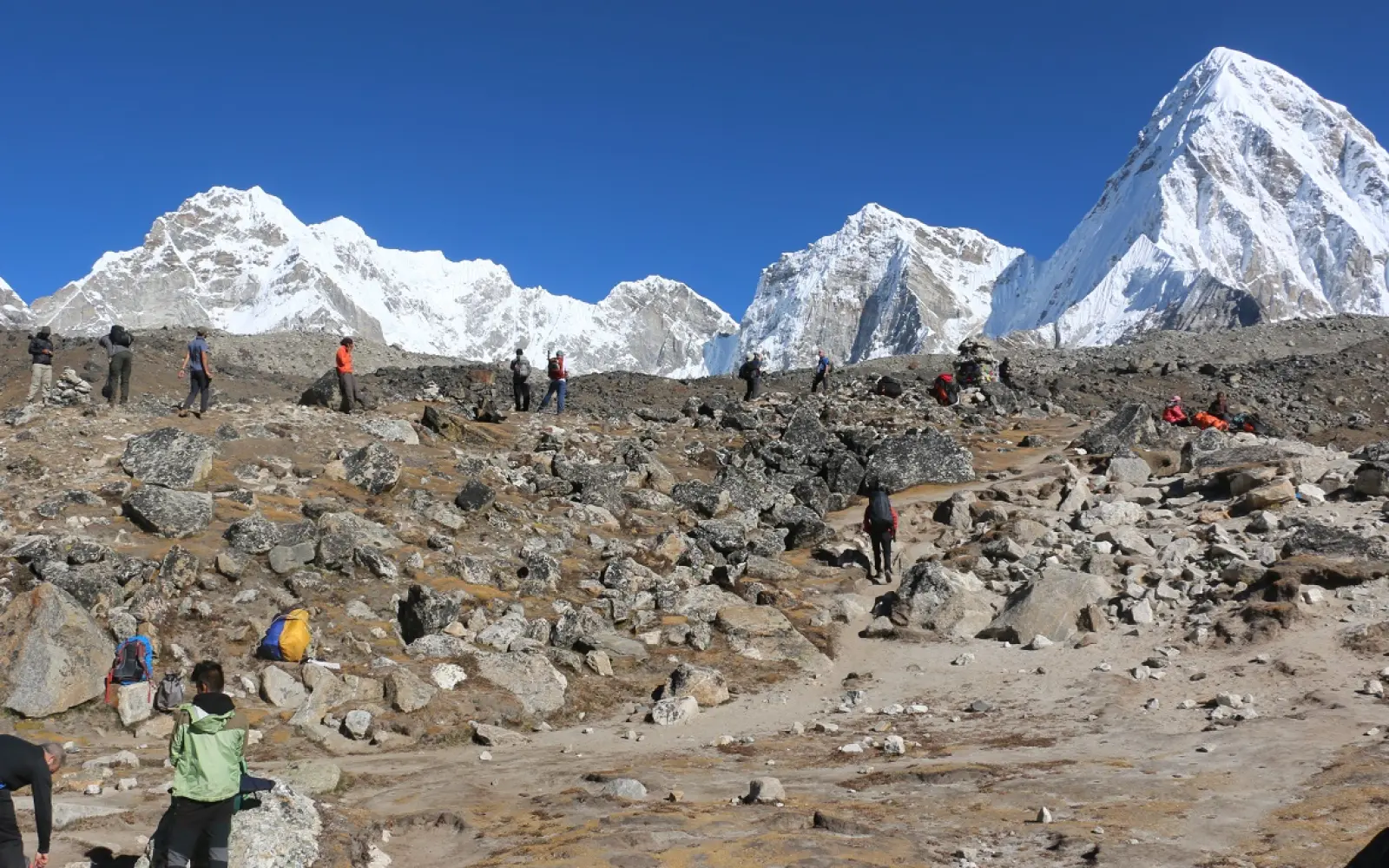
The Everest Base Camp trek is not an ordinary walk to the highest mountain on planet earth. It is a gradual submergence into dimension, elevation, culture, and light. To the photographers, this path is no longer about pursuing the single iconic image, but rather it is what the Himalaya presents in its own time. The mood varies on a day-to-day basis. Colours fade out of stature. Shadows stretch longer. Human presence is reduced and more significant.
On the level of professionalism, the Trek to Everest Base Camp photography involves reading the terrain and weather, anticipation and discerning when to take photos and when not. You are trying to work in sharp contrast, thin air and erratic lighting. It is a virtue of patience and forbearance rather than of technical ability.
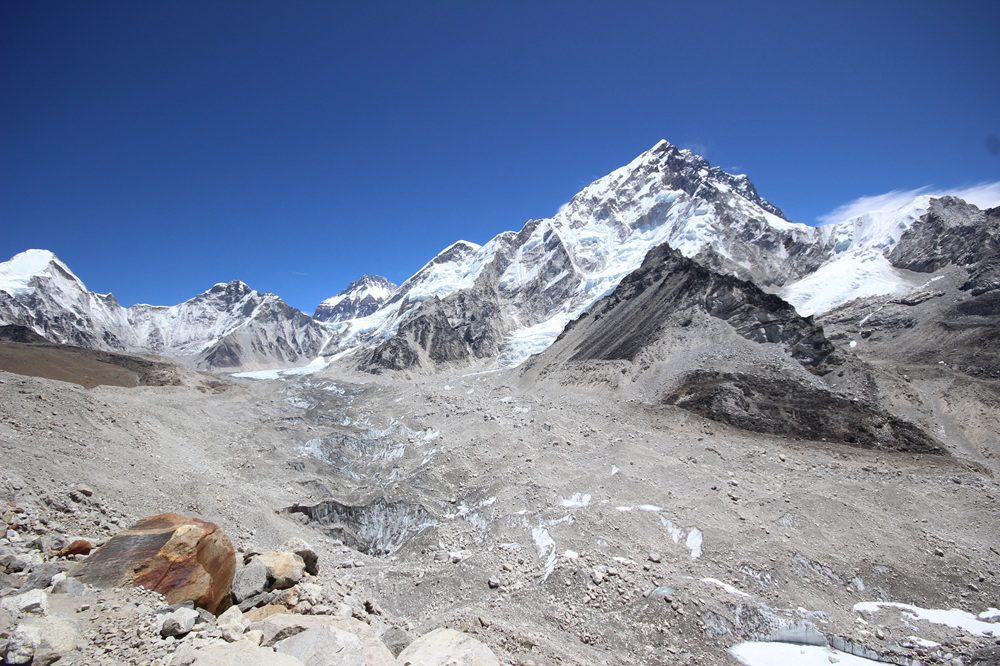
As far east as the busy Sherpa villages to the desert wasteland of glaciers, these photographic destinations are the most beautiful and emotionally stirring places of the traditional route to the Everest Base Camp.
Lukla. The Beginning of the Story
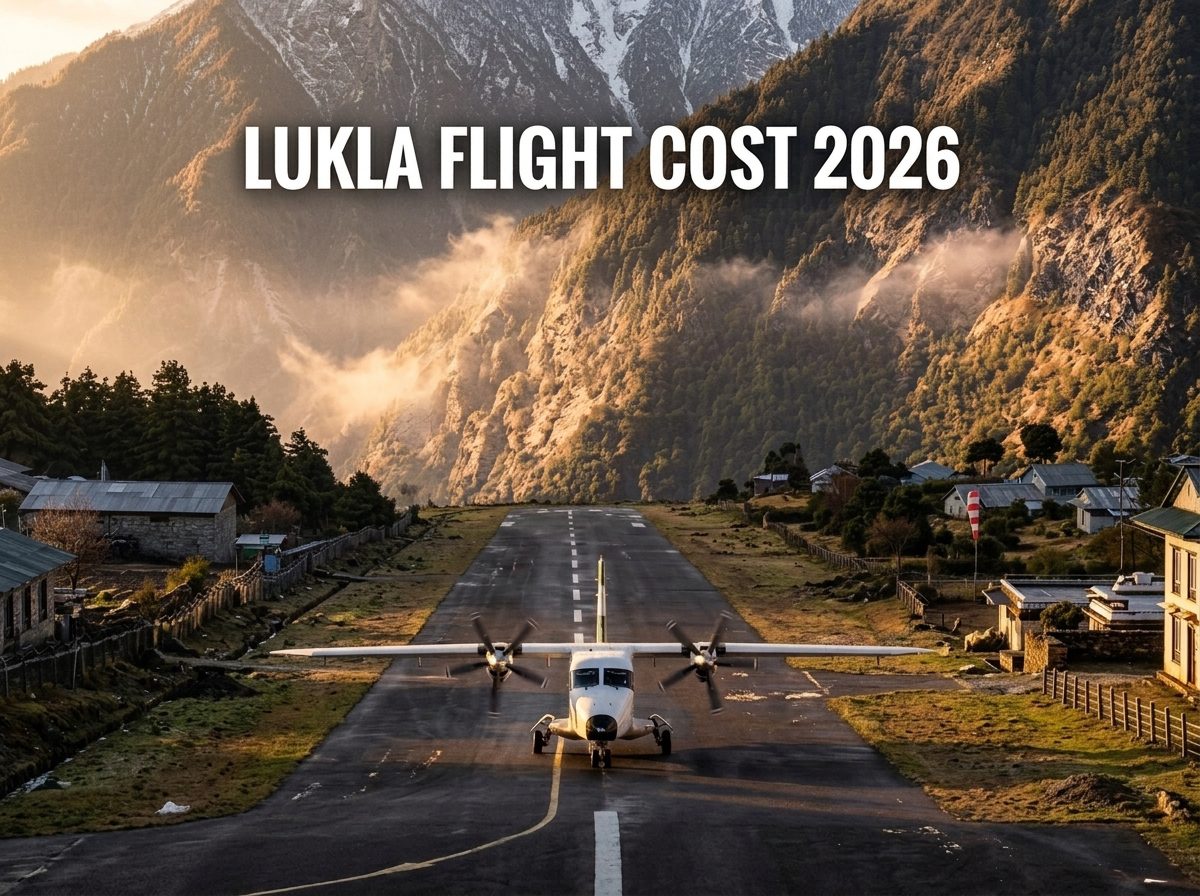
Lukla is anarchic, noisy, and vibrant. The majority of the trekkers pass through it with their minds fixed on what is to come. The contrary should be done by photographers.
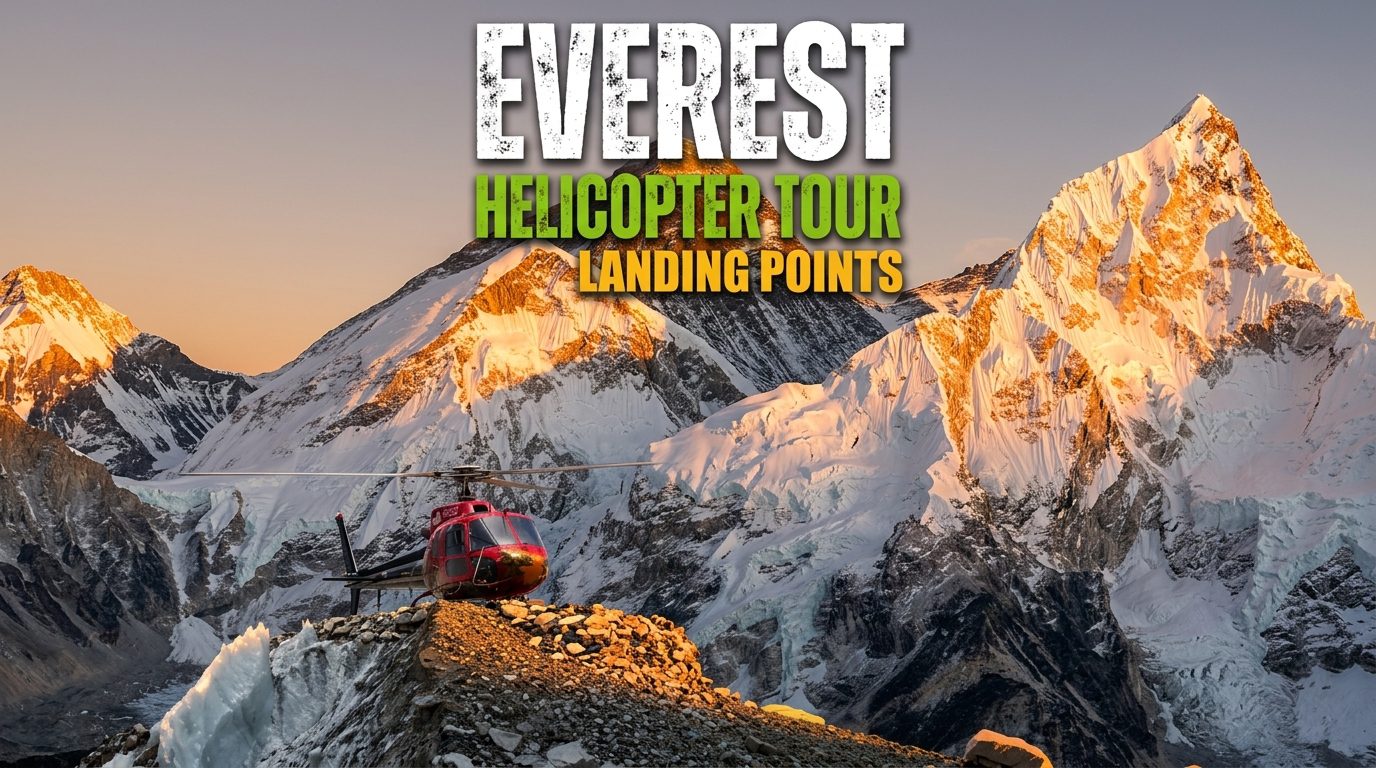
This is the point of initiation of the narrative. The airport itself is a full-fledged tale of danger, accuracy, and human acclimatization. Early morning flights are received in a short span of time with clear weather. Ridges are filled with clouds. Abstract forms of mist are stirred by helicopter rotors.
Early morning is the most appropriate time of day because the sun is behind the nearby hills and forms soft directional highlights. Environmental portraits are very effective in this case. Pilots in quiet focus. Porters are adjusting loads. The first tea of the trip is being consumed by Trekkers.
Use only close shots of tourists. Seek out stacked forms with foreground apparatus, runway markings, or bordered hillsides to create depth.
Phakding to Monjo. Movement and Flow
This is a stretch that brings out the traditional Khumbu scenes. Suspension bridges. Pine forests. Fast-moving glacial rivers.
The bridges are dynamic objects. Natural leading lines are made by prayer flags. Wait until one of the subjects passes. Narrative contrast is provided by porters with loads that just cannot be carried or the monks who walk slowly.
Here, water photography comes into the limelight, particularly in the afternoon when the sun passes through trees. Selective use of a slower shutter speed is used to demonstrate motion without the loss of texture. Get out of the trail to shoot upstream shots, which get rid of the people and rubbish.
Specialists in photography, in many cases, disregard sound and motion indications here. Watch how the wind moves flags. Note the reflection of light on wet stones. Such minor details uplift scenes that one has heard.
Namche Bazaar Viewpoint. The Khumbu Amphitheater.
Namche Bazaar is among the most photographed of the Himalaya settlements, yet most photographs are just but superficial of it.
Namche is naturally winding into the side of the hill like an amphitheater, seen in the main perspective above town. Mountains such as Kongde Ri are in the background, which adds to the scale. The morning light discloses cold textures on roofs. The late afternoon provides dramatic shadows which cut depth into the village.
However, Namche photography is the strongest in the town. Markets. Bakeries. Children playing. Old civilians turning prayer wheels. Your mountain pictures have a foundation in human reality in these scenes.
Namche becomes different at night. There are lights in the bowl like stars fallen down. Long exposure photographs make a striking contrast between human habitation and the great darkness of the boon of clear evenings.
Ama Dablam and Tenzing Norgay Stupa. Iconic Himalayan Balance
The Tenzing Norgay Stupa is one of the most characteristic compositions in the Khumbu region, which is located near Namche. The stupa is brightly seen in the foreground with Ama Dablam looming behind it and being considered the Matterhorn of the Himalayas.
This position is very effective during soft and directional light in the early morning or late afternoons. Prayer flags bring out movement and color. Wind direction matters here. See, the flags are placed so as not to be clutched together.
Expert framing can be done by shooting off-center and leaving some negative space around Ama Dablam. This prevents fatigue in symmetry and gives room to the eyes.
Tengboche Monastery. And Culture now Meets Grandeur
One of the religious and aesthetic destinations of the trek is the Tengboche Monastery. It is placed in an idealistic position right in front of Ama Dablam, almost like it was meant to be photographed.
Ideally, and most likely in the golden hour, but misty mornings are calm, more thoughtful. As clouds pass by, the monastery is seen and lost, and this gives the picture more depth and mystery.
Within the monastery, the task of photography is more difficult. Technical control and cultural sensitivity are needed in low light and motion. In this case, high ISO shots are tolerable provided that the grain is taken care of. It is the silence that is more significant than sharpness.
To cleaner compositions, stroll past the monastery. This eliminates congregations and leaves prayer flags to naturalize the Ama Dablam.
Pangboche. Silent Power and Sincerity.
Pangboche is also among the oldest Sherpa villages in the Khumbu and is much more sombre in act compared to Tengboche. This silence is an opportunity for a photographer.
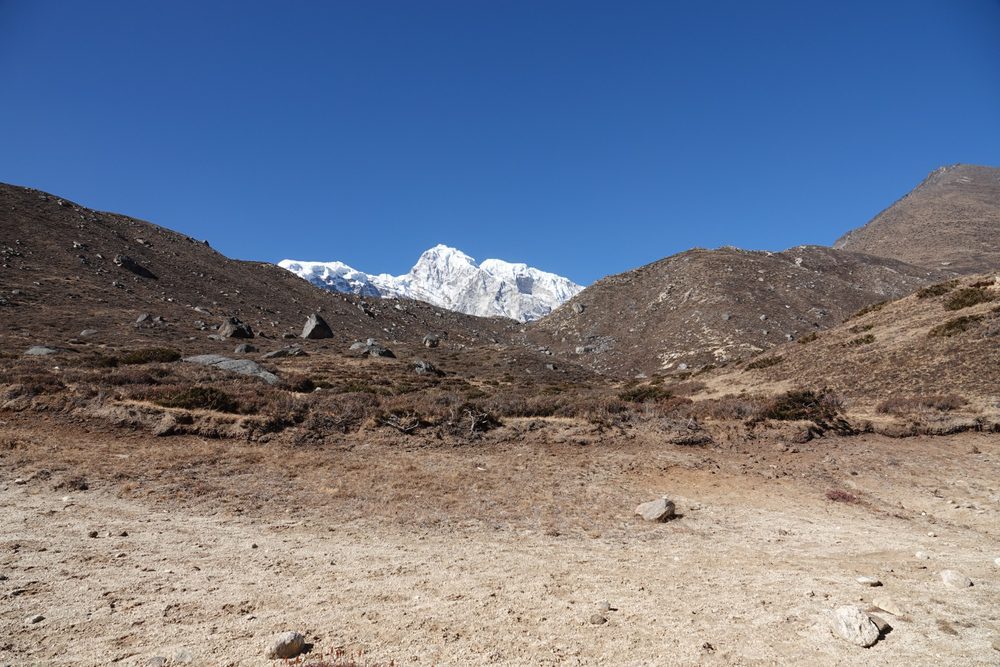
The foregrounds are composed of stone houses, yak pasture, and mani walls. Here, Ama Dablam is very close, almost intimate. The addition of natural diffusion is achieved by the afternoon light and the smoke emitted in the kitchen.
Pangboche is a good place for portrait photography. Permission to take pictures of locals in their habitual activities. These are faces that narrate about survival, heights, and legacy.
Ground your frames at low angles as well as use foregrounds to have the peak occupying the background.
Dingboche. Minimalism at Altitude
Dingboche is a turn in the visuals. Trees disappear. The surroundings are made harsh and angular.
Dry stone walls cut across the scenery. Isolated in massive skies, Lodges are. Mountains such as Lhotse and Island Peak take over the horizon.
Minimalist music is the best here. Simplify frames. Use negative space. Allow structure to be light and shadow.
Sunsets are exceptional. The skinnier air preeminently enhances color gradients, and long shadows are cast out on the valley floor.
Dingboche, too, is good at astrophotography. The combination of cold nights, clear skies, and little light pollution makes Milky Way photographing especially impressive with stone walls or the figure of mountains.
Nangkartshang Peak. Scale and Perspective
Another most fulfilling photography experience during the trek is the acclimatization hike above Dingboche.
Off the summit of Nangkartshang, you have a panoramic view of the valley. Lodges shrink. Humans become dots. The frame is dominated by mountains.
The use of midday light is unexpected since it is the altitude contrast. Graded filters assist in balancing land and sky.
In this case, panoramic stitching has its uses, and attention should be especially careful towards overlap and alignment. The valley has an inherent flow of stream, which is very powerful when managed correctly.
Lobuche Memorials. Photography with Weight
Close to Lobuche are memorials that are dedicated to climbers who have died on Everest. It is amongst the most emotive places on the trek.
Approach slowly. Avoid rushed compositions. Details matter here. Names etched in stone. Weathered prayer flags. Mountains that stand humanly mute.
Scale and consequence are brought to the fore with wide shots. Close-ups imply closeness and defeat. Hard light usually fits the mood; therefore, do not struggle with contrast in this case.
This is not where one can act dramatically. Let the landscape speak.
Gorak Shep. Desolation and Anticipation
Gorak Shep is raw and exposed. Dust. Wind. Rock. The place is drained down to bare necessities.
This is the point at which there is a high degree of anticipation leading to the Base Camp. plant surfaces instead of landscapes. Footprints in glacial sand. Wind-carved patterns. Tents bending under gusts.
The evening sun provides depth to what would be a two-dimensional terrain. Shadows are used to define form and volume.
Night photography may be extraordinary provided that the conditions are right. Everest, Pumori and Nuptse are in the air with a thick blanket of stars.
Everest Base Camp. Ice, Color, and Chaos
Everest Base Camp is overwhelming and strangely silent when at 5,364 meters.
In climbing season, there are brightly colored tents all over the Khumbu Icefall. As compared to the artificial color of the ice, the raw ice is visually conspicuous.
Morning light is best. The Icefall is blue and white. Crevasse structure is shown by shadows.
The wide shots should be avoided. Focus on details. Ice textures. Ropes. Prayer flags. Climbers preparing gear. These frames are more personal and natural.
Emotion matters here. Get exhausted, rest, and pensive contemplation instead of artificial glorifying.
Kala Patthar. The Ultimate Everest Portrait.
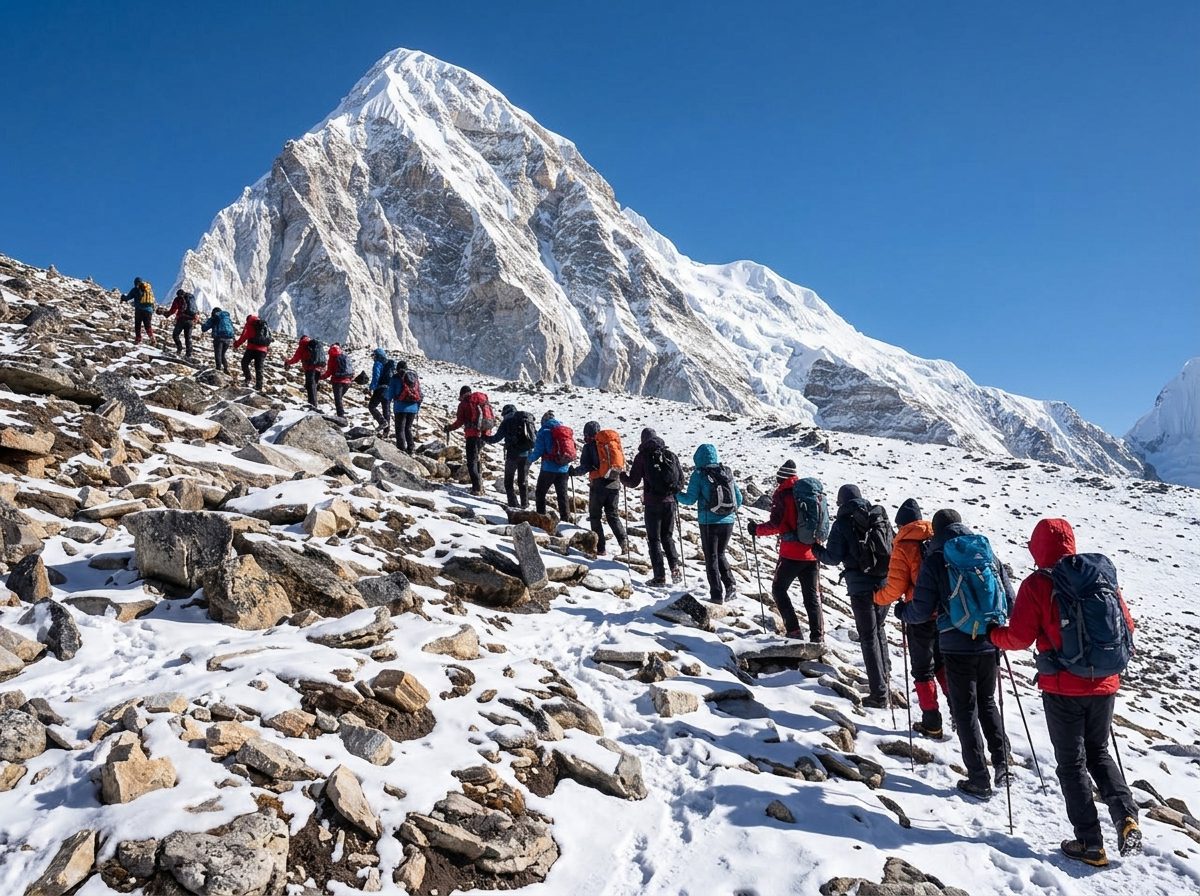
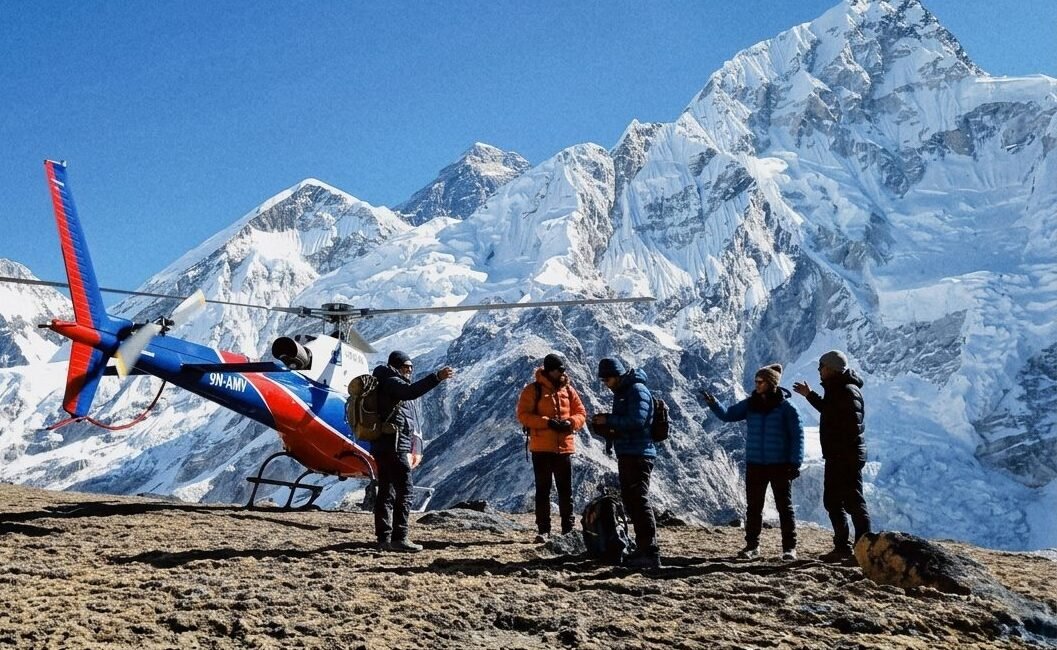
Kala Patthar is the highest point in the trek at 5,545 meters, where it gives the most iconic and clear view of Mount Everest.
Sunrise is legendary. The peak of Everest is the first to receive the first light, and Lhotse and Pumori are in warm colors. It is terribly chilly, yet it is well worth the frozen minute.
Arrive early. Secure your position. The telephoto lenses are necessary. Everest is also better photographed in the compressed format as opposed to the wide format.
Sunset is often overlooked. Fewer crowds. Warmer colors. There is alpenglow which lingers long.
Stay after most people leave. The silent scenes can create the most sincere images.
Gokyo Lakes. Beyond the Classic Route of Color and Reflection.
To people continuing their journey, the Gokyo Lakes are a totally different palette with respect to photographic aspects.
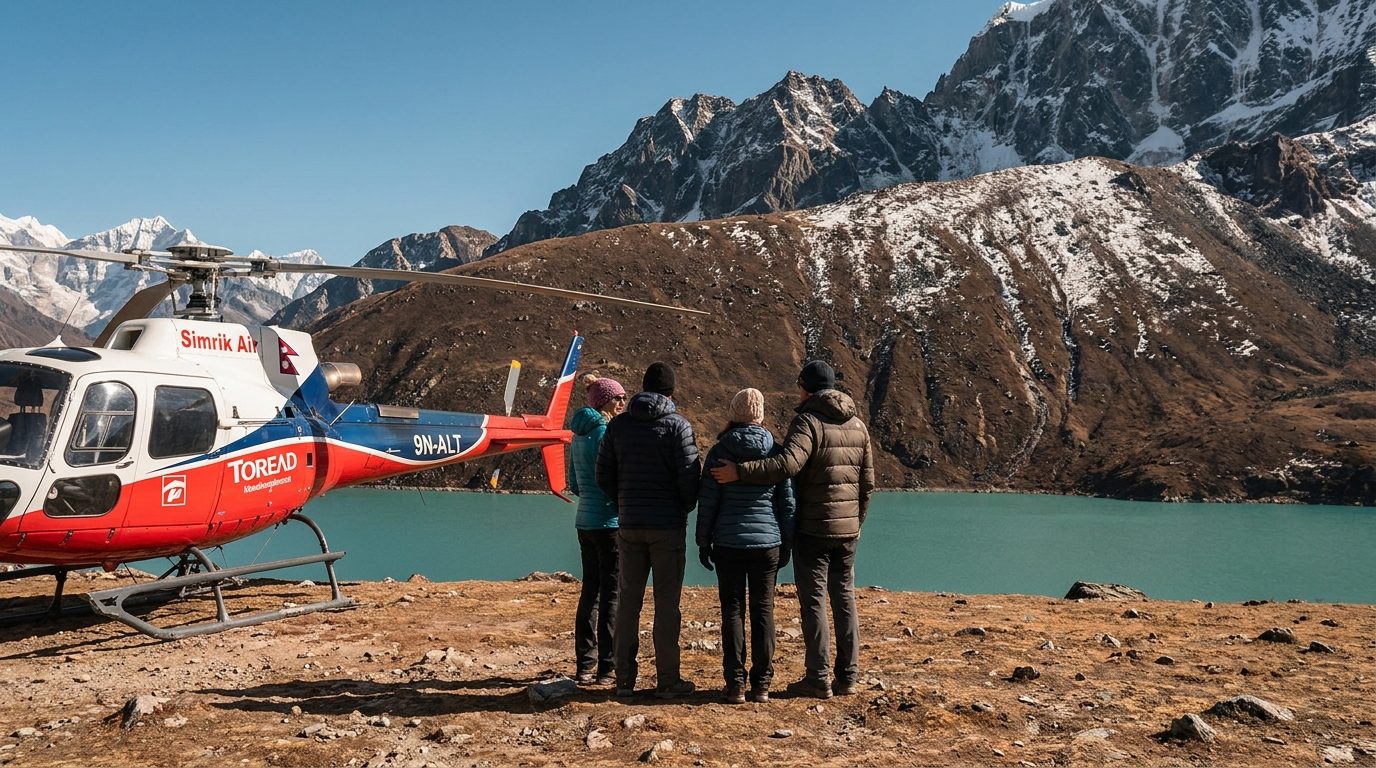
These turquoise lakes are mirrors of Cho Oyu and ridges at an approximate altitude of 4,750 meters. The differences between the blue water, the white snow and the dark rock are prominent.
The midday light is a good one here because of the reflection of the water. Foreground rocks provide size and support.
Polarizers are used in controlling glare, yet not to the extent of saturation. The power of natural color is sufficient.
Final Thoughts
The trek to Everest Base Camp is not all about taking pictures. It is of frozen time enough to make time pass.
However, the loud images are not always the best in this case. They are quiet. Honest. Grounded in experience. A prayer flag tossing in the breeze. A porter who is lying on a load. Everest is peeking out of a cloud.
Walk slower. Look back often. Note light, people, and silence.See Everest at its finest with Adventure Master Treks
Comments (0)
Write a comment- Lukla. The Beginning of the Story
- Phakding to Monjo. Movement and Flow
- Namche Bazaar Viewpoint. The Khumbu Amphitheater.
- Ama Dablam and Tenzing Norgay Stupa. Iconic Himalayan Balance
- Tengboche Monastery. And Culture now Meets Grandeur
- Pangboche. Silent Power and Sincerity.
- Dingboche. Minimalism at Altitude
- Nangkartshang Peak. Scale and Perspective
- Lobuche Memorials. Photography with Weight
- Everest Base Camp. Ice, Color, and Chaos
- Kala Patthar. The Ultimate Everest Portrait.
- Gokyo Lakes. Beyond the Classic Route of Color and Reflection.
- Final Thoughts
Read the latest Blogs & Insights
Explore our collection of articles and insights to gain in-depth travel knowledge, expert advice, and stay updated on the latest trends and tips.


No comments yet.