









Everest Base Camp (EBC) Preparation and Difficulty Guide: Expert Tips for a Safe and Successful Trek
Planning the Everest Base Camp trek? Learn about preparation, difficulty level, fitness tips, altitude safety, and expert advice for a safe and successful EBC journey.
-
 Adventure Master Trek
-
9 February, 2026
-
13 mins read
-
1365 Views
-
0 Comments


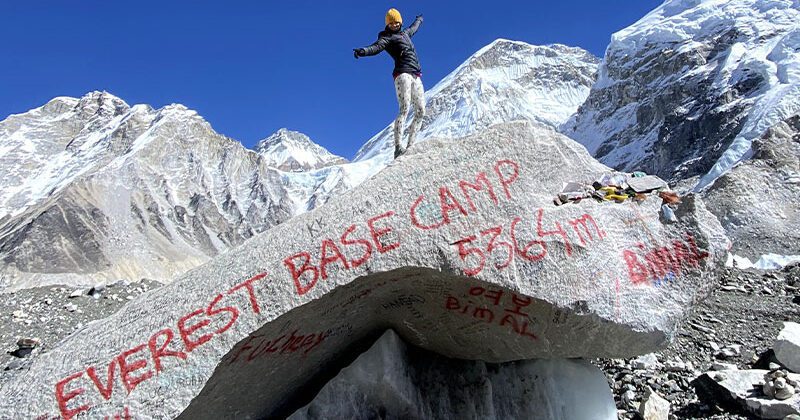
One of the most recognized adventure experiences on this planet is hiking to Everest Base Camp. Everest Base Camp is the most popular high-altitude trekking route in Nepal, with upwards of 45,000 trekkers visiting it each year at an elevation of 5,364 meters (17,598 feet). Nonetheless, the trek is physically challenging and psychologically tough, even though it is popular. Long walking days, rough ascents, low temperatures, changes in bad mountain weather, and extremely high altitude make it absolutely necessary to prepare.
There is no need to use ropes, harnesses, or climbing skills as with technical mountaineering expeditions; the EBC trek does not require any such equipment. However, it must never be underestimated. Research indicates that almost 30 % of trekkers develop some kind of altitude sickness, and approximately 8-10 % of the trekkers are unable to finish the trek because of exhaustion, sickness or lack of acclimatization. Effective planning, training, and knowledge of the level of difficulty will go a long way toward enhancing success rates and the overall trekking experience.
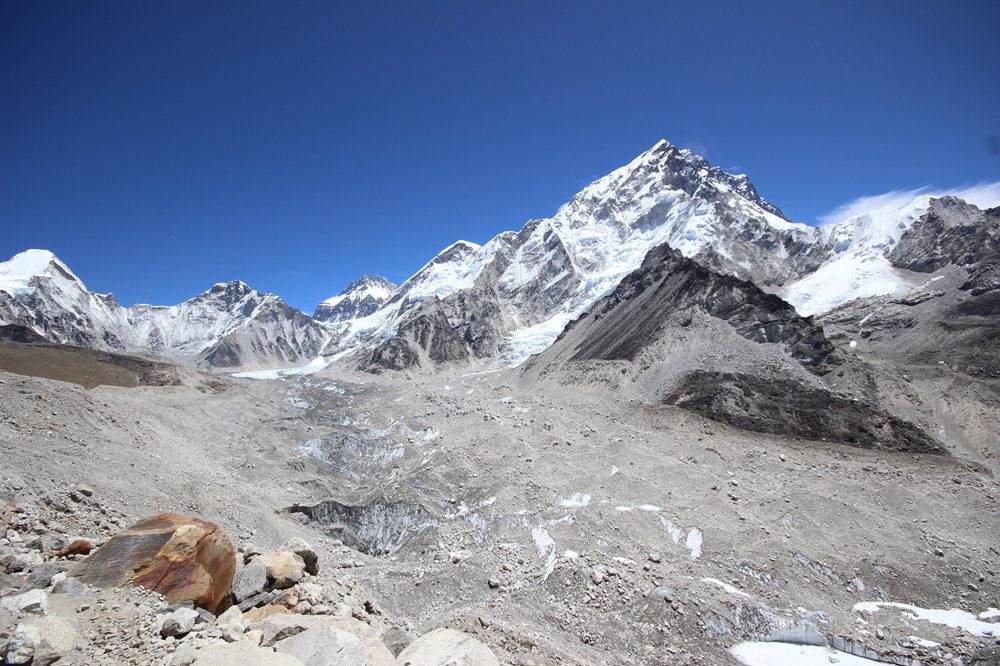
Overview and Major Statistics of Everest Base Camp Trek.
The basic anatomy and physical dimensions of the Everest Base Camp trek should also be known before plunging into the preparation and the challenge. Numbers provide a practical outlook on what will happen to the trekkers regarding distance, altitude, and physical performance.
The popular Everest Base Camp hike includes a round trip of about 130 kilometers (80 miles), and this actually begins in Lukla at 2,860 meters up to Base Camp at 5,364 meters. The bulk of itineraries is 12-14 days, including two days of acclimatization. The average walking time is between 5 and 8 hours per day, but this depends on terrain, altitude, and walking speed. The cumulative elevation gain during the trek exceeds 4,500 meters, placing a significant burden on the cardiovascular and muscular systems.
At the Everest Base Camp, the amount of oxygen is approximately half that at sea level, and this has a considerable impact on breathing efficiency and physical stamina. Studies of high-altitude physiology demonstrate an elevation in heart rate (15-25%) and a reduction in aerobic capacity (VO2 max) of up to 40%. That is why even the trained athletes are out of breath and tired at the higher altitudes. Once these figures are understood, the trekkers can be prepared physically and mentally for the demands they are about to experience.
Everest Base Camp Trek – Day-wise Distance, Altitude & Walking Duration Table
| Day | Trek Route | Distance (km) | Walking Time | Start Altitude (m) | Max Altitude Reached (m) | Elevation Gain |
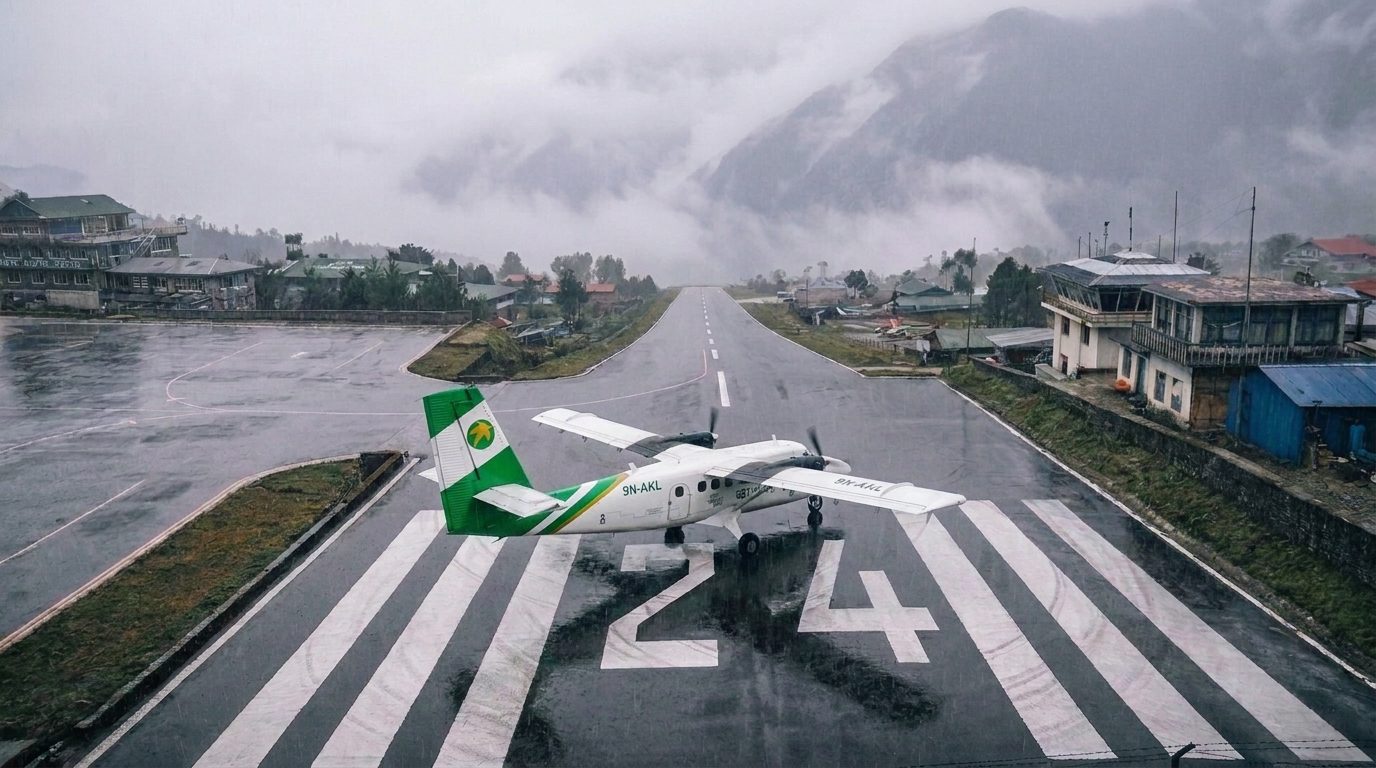
| Day 1 | Flight Kathmandu → Lukla → Phakding | 8 km | 3–4 hrs | 2,860 | 2,610 | +250 m |
| Day 2 | Phakding → Namche Bazaar | 11 km | 6–7 hrs | 2,610 | 3,440 | +830 m |
| Day 3 | Acclimatization Day – Namche Bazaar (hike to Everest View Hotel) | 4–6 km | 3–4 hrs | 3,440 | 3,880 | +440 m |
| Day 4 | Namche → Tengboche → Deboche | 11 km | 5–6 hrs | 3,440 | 3,860 | +420 m |
| Day 5 | Deboche → Pangboche → Dingboche | 12 km | 5–6 hrs | 3,820 | 4,410 | +590 m |
| Day 6 | Acclimatization Day – Dingboche (hike to Nangkartshang Peak) | 5–7 km | 3–4 hrs | 4,410 | 5,083 | +670 m |
| Day 7 | Dingboche → Thukla → Lobuche | 9 km | 5–6 hrs | 4,410 | 4,940 | +530 m |
| Day 8 | Lobuche → Gorakshep → Everest Base Camp → Gorakshep | 15 km | 7–8 hrs | 4,940 | 5,364 | +424 m |
| Day 9 | Gorakshep → Kala Patthar → Pheriche | 13 km | 6–7 hrs | 5,164 | 5,545 | +381 m |
| Day 10 | Pheriche → Namche Bazaar | 15 km | 6–7 hrs | 4,240 | 3,440 | -800 m |
| Day 11 | Namche Bazaar → Lukla | 18 km | 7–8 hrs | 3,440 | 2,860 | -580 m |
| Day 12 | Fly Lukla → Kathmandu | — | — | 2,860 | 1,400 | -1,460 m |
Everest Base Camp Trek Level Difficulty Explained
Everest base camp trek is usually classified as moderate to difficult depending on the fitness of the individual, experience in trekking, acclimatization plan and weather. Although no technical climbing is required, the lack of technical skills makes the trek difficult due to the daily, exhausting activity and the extremely high altitude and oxygen shortage.
The body is placed in a state of perpetual exertion. Hours of walking up the mountain on rough pathways strain the cardiovascular system. At altitudes above 4,000 meters, the simplest tasks, like tying shoelaces or getting on their feet, may cause them to lose their breath. Research in the Khumbu region indicates that walking speed usually declines by 30-40% above this height, even in fit individuals.
The task is also taxing psychologically. Coldness, fatigue, and simple living conditions may influence motivation and emotional stability when people are exposed to them over a long period. One effect of high-altitude breathing abnormalities is sleep disturbance, which affects more than 60% of trekkers and reduces recovery quality. All these physical and psychological characteristics make the Everest Base Camp trek a real challenge.
Altitude and Acclimatization Problems
The most important variable that affects the difficulty of the trek is altitude. With increasing elevation, atmospheric pressure decreases, and there is less oxygen available for respiration. The oxygen is reduced by almost 50% compared to sea level, resulting in extreme pressure on the respiratory and cardiovascular systems at 5364 meters of altitude.
It has been scientifically proven that among trekkers, 25-30% develop mild Acute Mountain Sickness (AMS) above 3,500 meters, and 5-10% experience moderate symptoms above 4,500 meters. The symptoms normally involve headaches, dizziness, nausea and fatigue, loss of appetite and sleep disturbance. The symptoms may further develop into more serious conditions (High Altitude Pulmonary Edema (HAPE) and High Altitude Cerebral Edema (HACE) if timely acclimatization is not performed, and these conditions are life-threatening.
Effective acclimatization has a tremendous decreasing effect on altitude-related risk. The incidence of AMS is reduced by 70% with Trek itineraries that include rest days at Namche Bazaar (3,440 m) and Dingboche (4,410 m). It is on these acclimatization days that trekkers walk uphill to a higher altitude and downhill to sleep with the idea of; climb high and sleeping low. This technique increases red blood cell production, enhances oxygen use, and enhances physiological adaptation.
Difficulty of Terrain and Trail Breakdown.
The Everest Base Camp trail involves varying terrain, which tests balance, stamina and stability of the joints. Through wooded trails and river valleys to rocky moraines and glacial terrain, no two parts of the road offer equal physical challenge.
The climb between Phakding and Namche Bazaar is one of the most challenging parts, as the gain is more than 600 meters in a single day. This walk has over 2000 sharp stone steps that tremendously raise the heartbeat and muscular exhaustion. The ascent between Namche and Tengboche, though shorter, has sustained, steeper uphill gradients that challenge cardiovascular endurance.
Furthermore, as you leave Dingboche, the road becomes increasingly rocky and open. Trekkers walk over glacial debris, glacial ridges and loose moraine routes, particularly between Lobuche and Gorakshep. Even slight slopes at this altitude would be laborious. Together with the thin air and cold winds, the physical demands compound as the trekkers head towards Base Camp.
Physical Preparation for Everest Base Camp Trek
Proper physical conditioning significantly reduces fatigue, injury risk, and altitude-related stress.
Cardiovascular Training Benchmarks
Recommended weekly training:
- Running or brisk walking: 4–5 days/week
- Stair climbing or hill hiking: 2–3 days/week
- Cycling or swimming: 1–2 sessions/week
Target fitness benchmark:
- Ability to walk 10 km with a 10 kg backpack in under 2.5 hours
Strength Training Requirements
Muscle endurance is essential due to repetitive strain.
Key strength targets:
- 50+ bodyweight squats without stopping
- 2–3 minute plank hold
- 20 controlled lunges per leg
Mental and Psychological Preparation
Studies show that mental fatigue contributes to nearly 35 % of trekking dropouts in high-altitude expeditions.
Factors include:
- Isolation
- Physical exhaustion
- Cold temperatures
- Limited comfort
- Repetitive food
Mental strategies such as pacing, mindfulness, goal segmentation, and expectation management improve trek completion rates by up to 40%.
Nutrition and Hydration Strategy.
Good nutrition and hydration are the main pillars in maintaining physical performance and aiding acclimatization in high altitudes. Trekkers need a well-balanced diet due to higher metabolic activity and faster fluid loss, which support energy and muscle function, as well as immune function.
Daily Hydration Needs
The minimum amount of fluids Trekkers should consume is 3-4 litres per day. At high altitude, the respiratory rate increases, and dehydration occurs 30% faster than at sea level. Cold temperatures and parched mountain conditions also worsen fluid loss through breathing and sweating.
Dehydration is a major factor in the development of altitude sickness, fatigue, and headaches. Frequent intake of fluids such as warm soups, herbal teas, and electrolyte solutions helps to maintain circulation, digestion, and oxygen availability. It is advisable to be well hydrated at all times in order to enhance the effectiveness of acclimatization and general comfort during the trek.
Preparation of the Health and Medical plan.
To reduce the risks associated with altitude and ensure safe trekking results, it is necessary to be medically ready. Low-altitude conditions reveal pre-existing cardiovascular, respiratory, and haematological susceptibility, which means that health screening prior to the trek is extremely important. A thorough medical assessment enables an early detection of risk factors that can undermine the altitude tolerance.
Pre-Trek Medical Screening
Tests such as a resting electrocardiogram (ECG), lung function tests, blood pressure screening, and haemoglobin and iron level testing are recommended. They are cardiovascular efficiency, pulmonary, and oxygen-carrying capacity tests, whose efficiency is very important for high-altitude performance.
Low haemoglobin and iron deficiency reduce the efficiency of oxygen transport by 10-15 %, which is highly likely to cause altitude illness, fatigue, and shortness of breath. Research indicates that trekkers who suffer from untreated anaemia are almost in the danger of moderate to severe AMS. Before travelling, it helps immensely to correct deficiencies to enhance altitude tolerance and physical endurance.
Diamox and Medication Usage
Acetazolamide, also known as Diamox, is one of the most commonly used drugs that can help lower the occurrence and severity of Acute Mountain Sickness. It has been clinically demonstrated that when used prophylactically, Diamox reduces the incidence of AMS by 50-60%. Its effect is that it activates breathing and increases acclimatization.
The preventive dose is 125-250mg twice daily, to be started the day before a climb and continued until reaching peak altitude. Medical consultation is, however, necessary since side effects could be experienced, such as tingling sensations, increased urination, and mild nausea. That is why correct medical advice assures safe and effective use depending on personal health conditions.
Optimal Trekking Diet
The best high-altitude trekking meal includes 60-65% of carbohydrates, 15 to 20% of protein, and 15 to 20% of fats. Carbohydrates are the most efficient fuel source, which uses 10-15 %of oxygen to be metabolized, as opposed to fats. This necessitates high-carbohydrate foods above 4,000 meters.
Food usually consists of rice, pasta, potatoes and bread, lentils, soups and eggs. The foods provide long-term energy, muscle recovery, and metabolic needs. Proper caloric intake, ranging between 3,500 and 5,500 calories per day, helps prevent muscle degradation, overfatigue, and immune system decline.
Common Challenges Faced During the Trek
Trekking presents a variety of physiological and environmental challenges to the trekker that become increasingly severe with increasing altitude, despite adequate preparation. Knowledge of such challenges will assist in better preparation and management in the trek.
Fatigue Accumulation
Fatigue also increases with altitude due to reduced oxygen supply and repeated muscle tension. Research indicates that the trekking rate reduces by 30-40% above 4500 meters, even in well-conditioned trekkers. Constant hiking in an upward direction, low temperatures, and heavy breathing are among the factors that cause immediate fatigue.
Lack of sufficient pacing and rest leads to the build up of fatigue over successive days, making a person more likely to suffer injury, illness, and emotional burn out. Hydration, strategic rest days and calories consumed play a great role in reducing cumulative exhaustion.
Cold Exposure
It is not unusual to have temperatures of -15 °C to -20 °C at Gorakshep at night, and heavy winds create wind chills that even makes the weather feel 10-12 °C lower. Cold stress elevates energy expenditure and hastens the decline in energy.
Poor thermal insulation causes numbness of the extremities, loss of dexterity and more susceptibility to frostbite. Thermal protection and recovery at night require proper layering, insulated jackets, gloves, and sleeping bags.
Sleep Disturbances
More than 60 % of trekkers have sleep abnormalities above 4,000 meters as a result of breathing abnormalities caused by hypoxia. The meaning of periodic breathing, shallow respiration, and frequent waking is that they lower sleep quality, deteriorate recovery, and increase fatigue.
Lack of sleep is harmful to cognitive functions, emotional balance and physical stamina. Sleep patterns at altitude can be enhanced greatly by proper acclimatization, hydration and gradual ascent.
Acclimatization Strategy and Itinerary Optimization
An itinerary for a scientific structure intensively enhances success, safety, and comfort during trekking. Studies have shown that high success rates of treks are associated with proper planning of the acclimatization process, which has seen a steep decrease in the incidence of altitude illnesses and also increased the success of treks by more than 75 %.
The ascent profile that is recommended is that there should be no more than 500 meters of sleeping altitude gain per day above 3,000 meters, and that one should take an acclimatization day every 1,000 meters of ascent. This progressive development permits physiological adaptation, such as; higher red blood cell production, better utilization of oxygen, and high-efficiency respiration.
It is possible that strategy-oriented acclimatization halts at Namche Bazaar (3,440 m) and Dingboche (4,410 m), creating the basis of successful ascent. Those trekkers who adhere to this protocol have much lower AMS rates, greater energy efficiency, and better sleep quality, and overall better performance in terms of overall trekking, which makes their experience of the Everest Base Camp a safer and more enjoyable time.
Is the Everest Base Camp Trek Suitable for Beginners?
Everest Base Camp trek is widely considered a suitable trek for beginners, provided one engages in systematic physical training and adheres to a well-planned itinerary. The statistics provided by the Nepal Tourism Board and trekking companies working in the Khumbu region show that more than 55% of EBC trekkers annually are first-time high-altitude trekkers, with some having no experience with high-altitude trekking above 4,000 feet. These novices have a completion rate of more than 85 % with appropriate acclimatization programs, showing the accessibility of the trek with the right preparation.
Unlike technical mountaineering expeditions, the EBC route does not require any climbing gear, rope work, or technical abilities. The trail is marked, the infrastructure, including teahouses, is fully developed, and evacuation services in case of an emergency are very common in the area. This logistical assistance significantly minimizes the dangers which are normally related to remote trekking. Nonetheless, first-time climbers cannot undervalue the combined effects of elevation, extended hiking time, and exposure to nature. Even fit people cannot keep up without proper fitness training, maintaining pace, and knowing the altitude.
To the novice, the secret of success is gradual physical conditioning, psychological preparation, and an itinerary that is not extravagant. The introduction of either one or two buffer acclimatization days can go a long way toward enhancing safety and comfort, with AMS reduction of up to 70%. The use of trained guides and porters will only increase safety during treks by providing appropriate pacing, monitoring altitude, and providing logistical assistance. In these plans, the Everest Base Camp trek not only becomes accessible to first-time trekkers but is also highly rewarding, providing a strong initiation into high-altitude trekking.
Conclusion
Everest Base Camp trek is one of the most difficult yet easy-to-reach high-altitude trekking expeditions globally. It is not that difficult because it is a technical challenge, but rather a blend of physiological, psychological, and environmental pressures at extreme altitude, protracted physical activity, and severe mountain conditions.
The trek turns into a life-changing Himalayan adventure, and an intense feeling of individual achievement with proper planning.
Ready to conquer Everest Base Camp? Join Adventure Masters Trek and turn your dream into reality—book your trek today!
Comments (0)
Write a comment- Overview and Major Statistics of Everest Base Camp Trek.
- Everest Base Camp Trek – Day-wise Distance, Altitude & Walking Duration Table
- Everest Base Camp Trek Level Difficulty Explained
- Altitude and Acclimatization Problems
- Difficulty of Terrain and Trail Breakdown.
- Physical Preparation for Everest Base Camp Trek
- Cardiovascular Training Benchmarks
- Strength Training Requirements
- Mental and Psychological Preparation
- Nutrition and Hydration Strategy.
- Daily Hydration Needs
- Preparation of the Health and Medical plan.
- Pre-Trek Medical Screening
- Optimal Trekking Diet
- Common Challenges Faced During the Trek
- Fatigue Accumulation
- Cold Exposure
- Sleep Disturbances
- Acclimatization Strategy and Itinerary Optimization
- Is the Everest Base Camp Trek Suitable for Beginners?
- Conclusion
Read the latest Blogs & Insights
Explore our collection of articles and insights to gain in-depth travel knowledge, expert advice, and stay updated on the latest trends and tips.




No comments yet.