









Best Time for the North Annapurna Trek – What Each Season Feels Like Up There
Plan your North Annapurna hike with advice, the ideal seasons, and necessary equipment for a safe, easy, and amazing journey.
-
 Adventure Master Trek
-
6 November, 2025
-
8 mins read
-
984 Views
-
0 Comments


Introduction
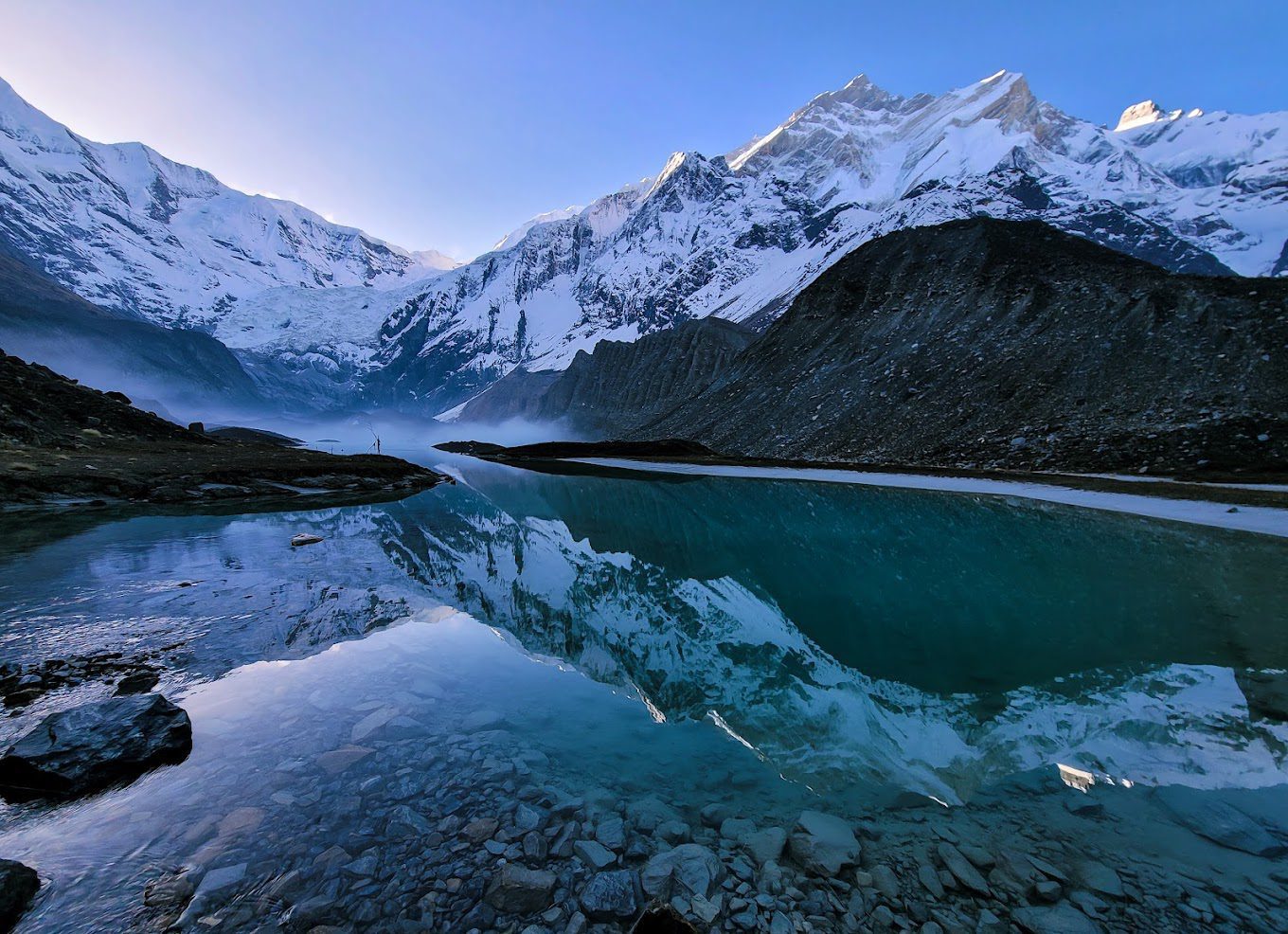
Concerning yourself with which one will be the best time for your visit to The North Annapurna Base Camp Trek? You will be able to get the answers to all your queries to make a perfect plan for treks. You won’t soon forget the North Annapurna Base Camp Trek. It will be a dream come true when you walk through those lovely, colourful rhododendron woods, tranquil, welcoming mountain villages, then look in wonder at long, snowy peaks. It will be like walking into a dream, and those memories will stay with you forever.
To enjoy such an amazing experience, many people from around the world come here every year. But the main thing is when to go to have such an amazing experience right? Going for a trek without knowing what each season offers might bring some serious problems in the future.
There are days which are bright and perfect and also days which are misty, rainy or even snowy. The trekking can be challenging due to seasons but it can also make them more peaceful and budget friendly.
I’ll offer you a genuine, honest impression of the trek month by month in this book which will explain what it’s really like to be on the trail. In this way, before you put on your boots, you can properly organize your trip and know what to expect.
Quick Overview – Best Time to Trek in North Annapurna
If you are planning the North Annapurna Base Camp Trek, you can visit like every trekker book their for which are usually during the month March to May and September to November. These months are mainly spring and autumn seasons. You will have stable and clear weather with clear skies at these times. The trails are easy to walk on while you get to appreciate the stunning view of the mountains. Spring will provide you with colorful flowers of rhododendron full of forest and fresh greenery. As for the autumn, it offers crisp air and golden sunlight that makes the peaks glow. That said, the other months have their own special charm too.
As for winter from December to February, it gives you quiet, snow-clad scenic surroundings, but the treks in the higher reaches can be very cold and hard work. But the temperatures can drop negative and make trekking more challenging mainly in higher elevations treks. So, knowing the season helps you pick the right time for the kind of experience you want on the trek. Making proper planning truly makes your trek smooth and systematic.
Season-by-Season Feel – What It’s Really Like Up There?
As you already know what to expect in each season, let’s look at it in more detail. The mountains can change with Nepal’s every season that give trekkers a completely different experience each time. You will get to know the advantages and challenges of each season whether it is from colorful spring blooms to peaceful winter snows. First, understand the seasons properly and make decisions. So, you have to make a better plan and enjoy the trekking experience in Annapurna Region to the fullest.
- Spring (March to May): Picturesque Trails and Wonderful Days
During the Spring, it provides you with wonderful picturesque trails with the Rhododendrons blooming with comfortable weather.
Pros: The weather is pleasant and stable. The trails are mostly dry and visibility is clear to magnificent mountain views.
Cons: This is a popular season, so some trails and lodges are crowded which may not be a peaceful feeling.
- Summer / Monsoon (June to August): Silent Trails and Rainy Adventures:
If you love trekking in quietude and would love to travel through the lush green landscapes, this sounds the perfect season to trek.
Pros: The trails are lonely; the scenery is beautiful and splendid and the trekkers are few.
Cons: May rain suddenly, which would make paths so muddy and slippery. As due to great humidity, some areas would be risky to landslides.
- Autumn (September to November): The Traditional Trekking Season
Autumn is the most popular and busiest trekking season of all times. You will be offered decent mornings and golden views of the Himalayas.
Pros: The weather is stable, the skies are clear. It is also suitable for photography and also the trekking conditions are excellent.
Cons: This is a busy season, hence the trails are crowded and accommodation could be more costly.
- Winter (December to February) : Cold, Clear and Quiet
The winter trekking proves to be cold, but quiet treks. But most of the time, you will get the perfect crystal clear views that are utterly beautiful.
Pros: Quiet trails, tremendous visibility and think of the beautiful and enchanting snow clad scenery.
Cons: Very cold, very few open lodges, some high mountain routes may be blocked or inaccessible too
North Annapurna Trek – Detailed Seasonal Breakdown
| Season | Months | Temperature(Approx.) | How It Feels | Weather & Trail |
| Spring | Mar-May | Day: 10°C -18°CNight: 0°C – 5°C | Bright, fresh and full of color. | Warm days, clear skies and blooming rhododendrons. |
| Summer / Monsoon | Jun-Aug | Day: 18°C – 23°CNight: 8°C – 12°C | Warm, rainy and peaceful. | Green hills, misty air, and quiet trails. |
| Autumn | Sep-Nov | Day: 10°C – 18°CNight: -2°C – 5°C | Clear, sunny and golden. | Best visibility, comfortable weather and stunning mountain views. |
| Winter | Dec-Feb | Day: 5°C -10°CNight: -10°C – -2°C | Cold, calm and breathtakingly clear. | Snow on trails, crisp mornings and peaceful lodges. |
When to Visit the North Annapurna Trek?: Peak Season vs Off-Season
Before you can begin your walk you will have to learn about the time of the year according to the kind of walk you want to go on. You can get anything from busy trails where the views are good to lonely flats with different sights. Trekking is done either in peak season or in slack seasons according to the cost of the trek involved and to the mood of the individual and the kind of adventure styles.
Peak Seasons
It is in spring (March to May) and autumn (September to November) that North Annapolutta treks really deserve it.They provide you with blue sky, sun, and breathtaking mountain views. It is where the trails are crowded and the teahouses are packed, but the fine weather and the breathtaking views are worth it.
Off-Season
The off season trekking periods are rainy or summer months (June to August) and winter months (December to February). They are the periods for those who prefer quiet trails and a relaxed pace. The whole scene is different and one sees the misty forest during the rains and the pathways of snow in the winter. The only thing which should be taken into consideration is that the weather is uncertain, there may be some lodges or some of the higher paths shut, and therefore your journey must be flexible.
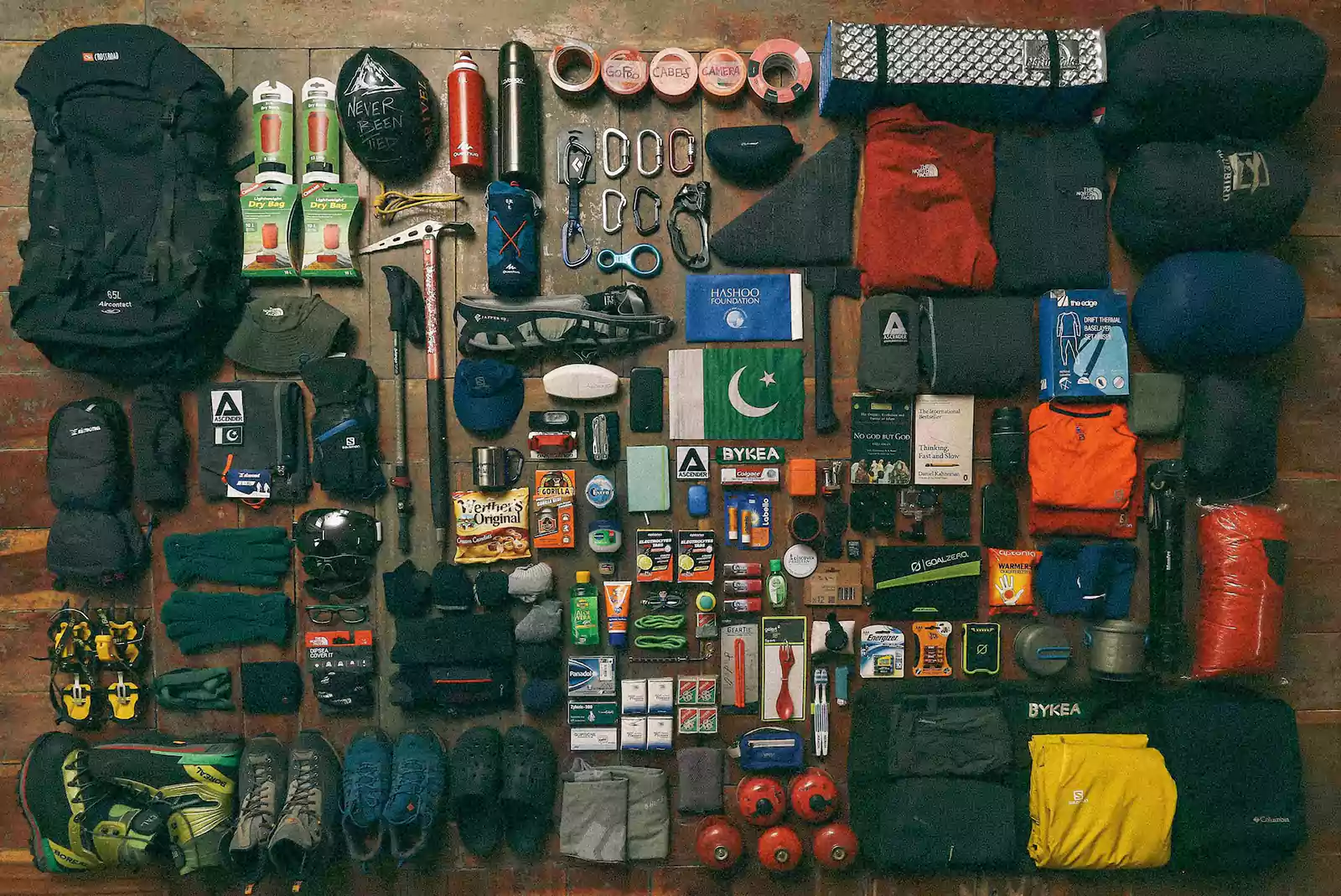
Essential Packing Gears
- Light layers
- Sun protection hats, sunglasses, sunscreen
- Trekking shoes
- Waterproof jacket and pants
- Waterproof shoes or covers
- Quick dry clothes
- Warm layers like: fleece, down jacket
- Gloves, scarf
Tips for a Smooth Trek in Any Season
Planning makes everything perfect whether it is for travelling or doing some sort of business. As for your trek to Annapurna North trek, we have some final tips which will make you trek more perfect and enjoyable. Some of these are given below:
- Wear layers during the daytime since the weather is not consistent.
- Always cover the head against the sun with a hat and sunglasses and apply sunscreen.
- Use waterproof caps to keep the clothes or haversack dry.
- Drink water at regular intervals, and always be on the safe side of keeping up the fluids in the system.
- Use marked paths and care should be taken as regards acclimatization when at high altitudes.
- Make arrange-ments beforehand for lodges or tea- houses, and especially so in peak season.
- Only essential things should be taken in a haversack, such as first-aid, eatables, and trekking poles.
FAQs
1. What is the best time to walk North Annapurna?
The best time is Spring (March – May) and Autumn (September – November), the North ABC weather is clear, they have dry tracks and delightful views of the mountains. The weather is pleasant at that time which is convenient for most walkers.
2. Is it safe to walk in the monsoon or summer?
Yes, it is safe, but it is wet and slipperery. Peaceful are the tracks, which are much greener. There also are not so many people about. The road may be slippery and muddy, so pack the appropriate weather equipment.
3. How cold is it during Winter?
In Winter (December – February), it is very cold, particularly at night. Day temperature is 5° to 10°, but at night decreases to -10° at high elevations.Warm clothes and sleeping with good sleeping address is a must
4. Which is the best season for photography? Autumn and Spring are good. In Spring one gets flowers and greenery and in Autumn clear sky and golden light such as one dream of in order to take splendid mountain photos.
5. Can beginners walk in all the seasons?
Beginners can walk safely in respect of the seasons, Spring and Autumn as the weather is favourable for them and the tracks very easy, Monsoon is not safe to walk in this case on account of the mud and rain and Winter is meant for the experienced walker on account of the snow and extreme cold.
Comments (0)
Write a comment- Introduction
- Quick Overview – Best Time to Trek in North Annapurna
- Season-by-Season Feel – What It’s Really Like Up There?
- North Annapurna Trek – Detailed Seasonal Breakdown
- When to Visit the North Annapurna Trek?: Peak Season vs Off-Season
- Peak Seasons
- Off-Season
- Essential Packing Gears
- Tips for a Smooth Trek in Any Season
- FAQs
Read the latest Blogs & Insights
Explore our collection of articles and insights to gain in-depth travel knowledge, expert advice, and stay updated on the latest trends and tips.





No comments yet.