







Overview of Kanchenjunga Region
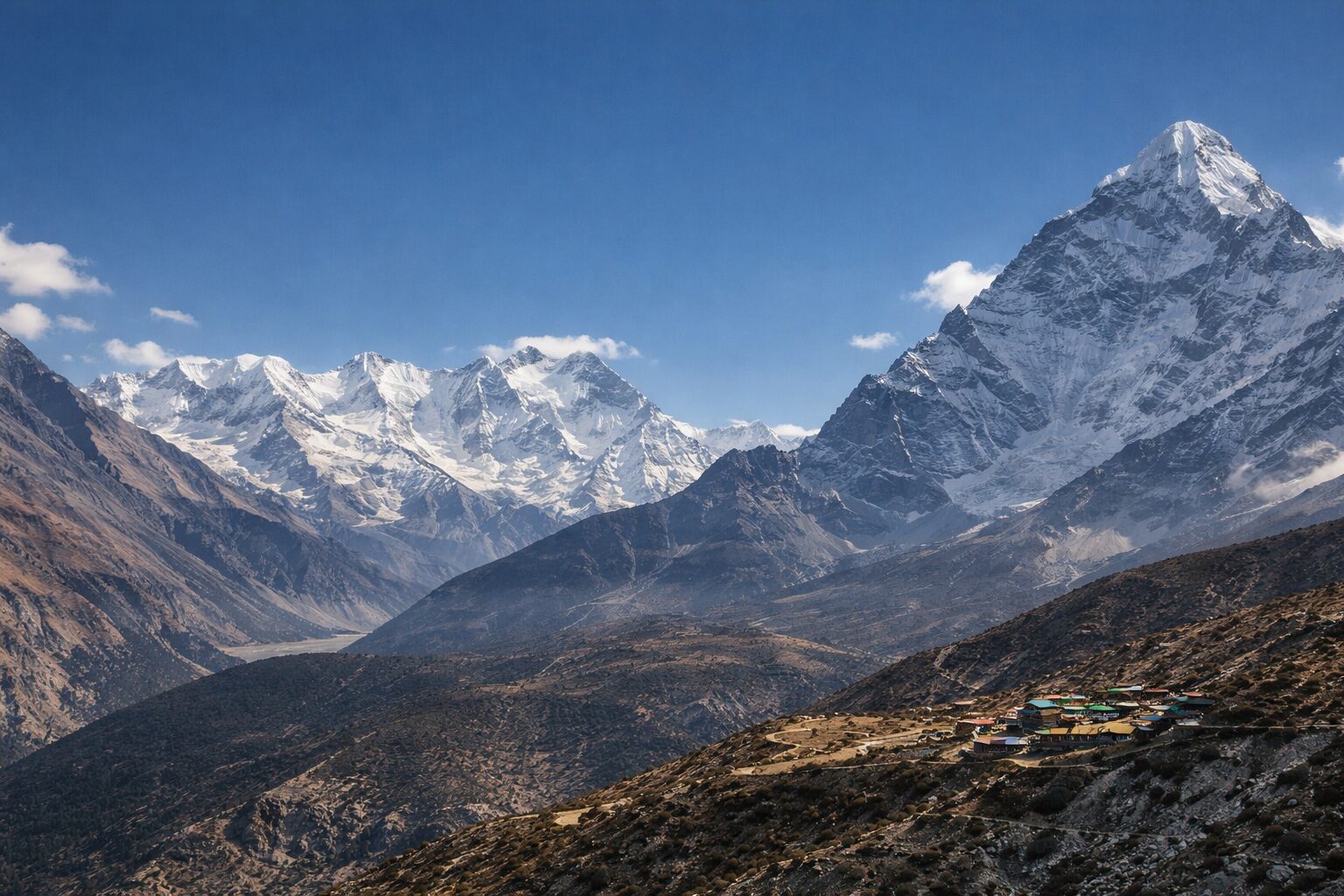
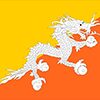
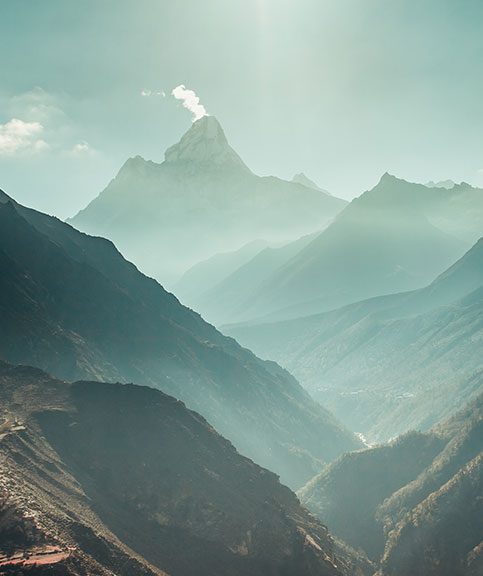
The Kanchenjunga trek region is the home to the world’s third-highest mountain at 8,586 meters elevation. This remote region is full of the changing landscapes ranging from subtropical valleys to alpine meadows.
The Kanchenjunga region is renowned for its biodiversity, rare species like the red panda, snow leopard, and Himalayan black bear within its protected conservation areas. The trek to Kanchenjunga region has the visitors with cultural diversity, as trails passes through villages of Limbu, Rai, Sherpa, and Tibetan communities who maintain their traditional lifestyles and spiritual practices.
The Kanchenjunga region trek is considerably challenging, requiring good physical fitness and typically taking 19-24 days to complete the full circuit.The Kanchenjunga Circuit Trek stands as the premier adventure, taking hikers to both North and South Base Camps while showcasing the magnificent Kanchenjunga massif and surrounding peaks.
Throughout these journeys, trekkers will have the chance to witness an impressive towering peaks including Kanchenjunga itself, including Yalung Kang (8,505m), Kambachen (7,903m), Janu (7,710m), Jongsong (7,483m), Kabru (7,353m), and Tent Peak (7,365m).
The Kanchenjunga Circuit Trek is very popular among all the trekkers for its breathtaking scenery, and remote wilderness. Among other trails Kanchenjunga is also most chosen treks.
Explore Our Diverse Trips and Tours Across Nepal
Uncover a wide range of travel options tailored to your interests, from adventurous treks to cultural explorations through Nepal’s stunning landscapes.
Showing of 1 Packages
Save 11%

 Nepal
Nepal
 19 Days
Find Your Answers In Our Nepal FAQs
Find answers to your most pressing questions about traveling in Nepal, including details on itineraries, safety, cultural tips, and more to help you plan a perfect journey.
Most Kanchenjunga trekking packages is long that range from 19 to 24 days, depending on the route and pace. The Kanchenjunga Circuit Trek is the trek that includes both base camps.
The best seaons for Kanchenjunga trek are spring and autumn seasons. The seasons come with good skies and blooming rhododendrons with stable weather.
Yes, the Kanchenjunga trek now offers basic tea houses in most villages, though facilities are far more limited than in the Everest or Annapurna regions.Camping may still be required in remote areas depending on the route, especially if doing side treks or extending to less-developed villages.
No. One of Kanchenjunga’s biggest advantages is that it is very remote and uncrowded. You’ll often walk for days without seeing many other trekkers this is best for solitude travel.
Read the latest Blogs & Insights
Explore our collection of articles and insights to gain in-depth travel knowledge, expert advice, and stay updated on the latest trends and tips.