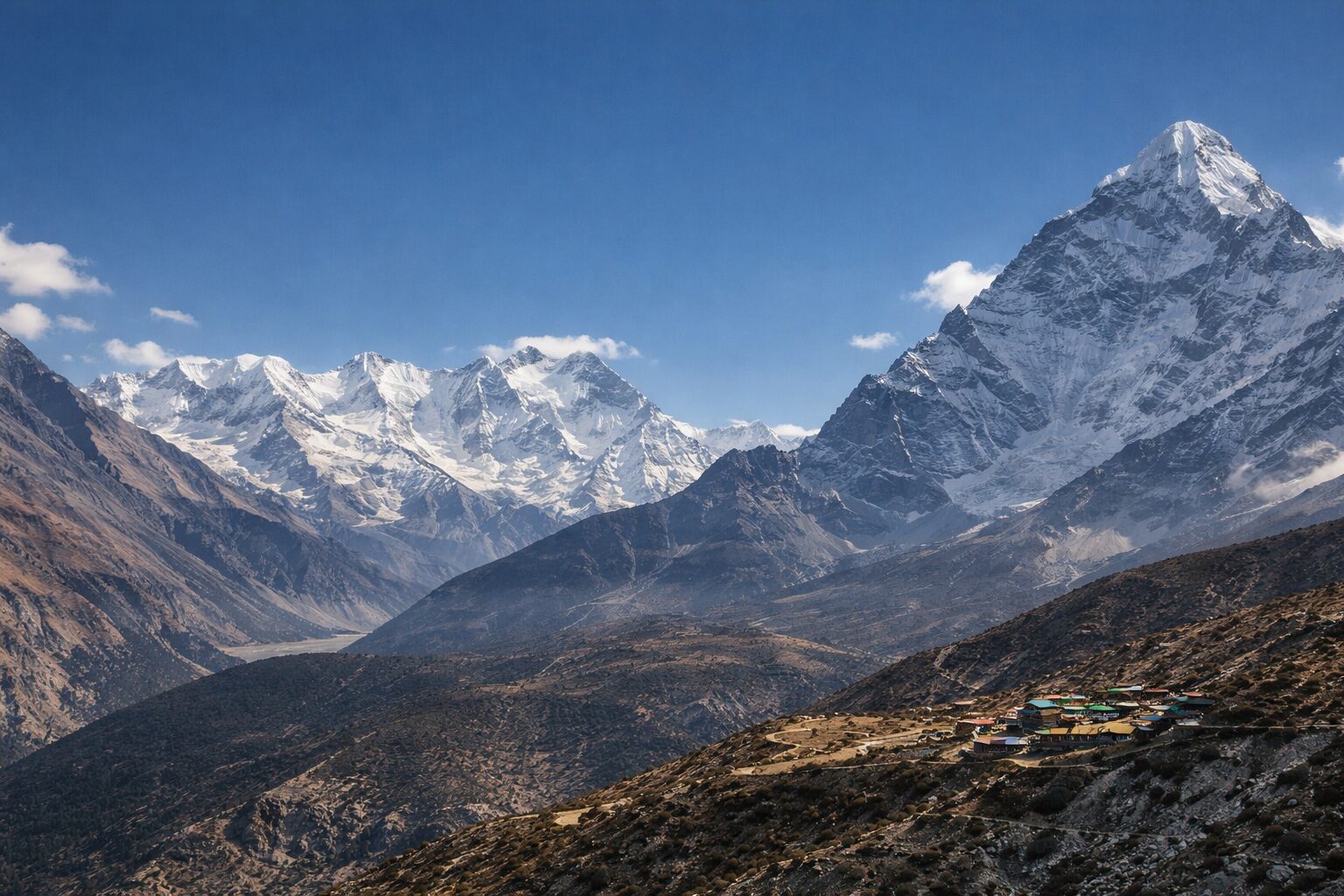
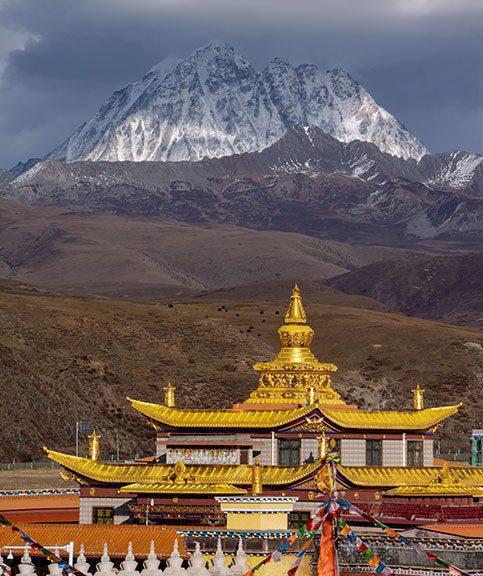
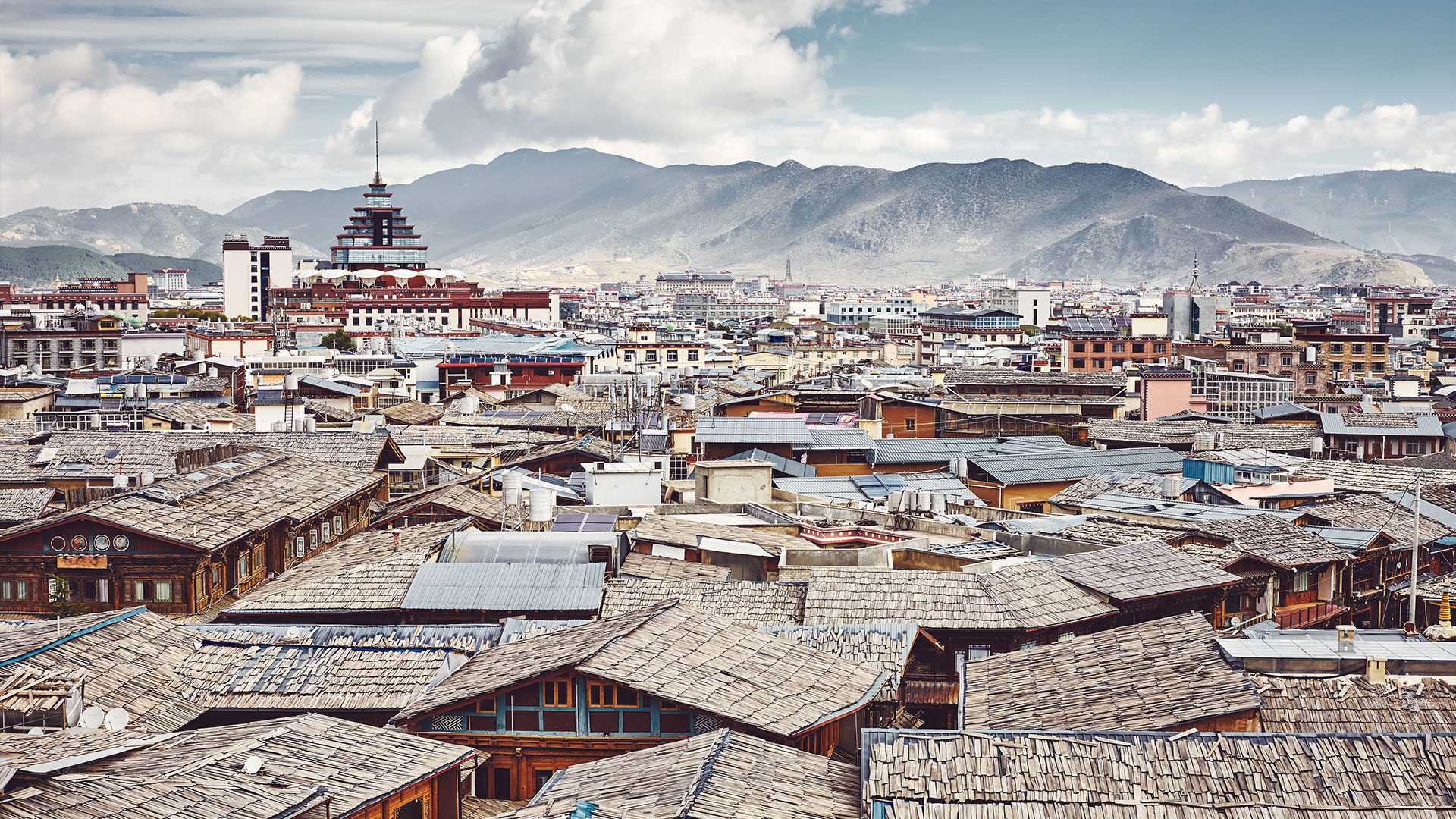
Tibet, often referred to as the ” Roof of the World,” is a land where ancient spirituality, raw natural beauty, and deep cultural heritage come together to form one of the most fascinating regions in the world. Situated in the heart of Central Asia and forming part of the People’s Republic of China, Tibet sits at an average elevation of over 4,500 meters, making it the world’s highest plateau. The region is bordered to the south by the mighty Himalayas, which include the northern face of Mount Everest (Chomolungma).
Culturally and spiritually significant, Tibet is the birthplace of Tibetan Buddhism and a pilgrimage destination for Buddhists, Hindus, and followers of the indigenous Bon tradition. At the core of Tibetan religious life is Mount Kailash, revered across multiple faiths as the sacred abode of the gods. Nearby Lake Mansarovar, with its crystal-clear waters, is considered one of the highest freshwater lakes in the world and holds immense religious importance. Tibet is divided into several historical provinces: U-Tsang, the central heartland; Amdo, in the northeast; and Kham, stretching to the east. Much of U-Tsang now makes up the Tibet Autonomous Region (TAR), the main gateway for foreign travelers entering Tibet today. Visitors often begin their journey in Lhasa, the capital, where the majestic Potala Palace, once home to the Dalai Lamas, towers above the city like a watchful sentinel. The nearby Jokhang Temple, built in the 7th century, is the spiritual heart of Tibetan Buddhism and draws pilgrims who circle it in devout prayer along the Barkhor Street.
The best time to visit Tibet is between May and October, when the weather is stable and high passes are accessible. During this season, travelers can experience the best of Tibetan culture, including festivals, open landscapes, and breathtaking mountain vistas. Tibet is not just a destination, it is a spiritual experience. Whether one seeks adventure in its mountains, peace in its monasteries, or insights into ancient wisdom and resilience, Tibet offers a journey unlike any other on Earth.
Adventure Master Trek Tibet Tour Package will take you on to journey from Kathmandu to Lhasa through a breathtaking overland route filled with cultural wonders and natural beauty. Starting with a scenic drive to Kyirung, you’ll pass waterfalls, forests, and deep gorges before crossing into Tibet. Travel through high-altitude landscapes with views of Mt. Cho Oyu and Mt. Xishapangma, visit Everest Base Camp near Rongbuk Monastery, explore the historic cities of Shigatse and Gyantse, and enjoy sacred sites like Tashilhunpo Monastery, Kumbum Stupa, and Yamdrok Lake. Your adventure ends with two days of sightseeing in Lhasa, including the Potala Palace and Jokhang Temple.
Other Details:
Religions: Tibetan Buddhism (dominant), Bon (indigenous), Animism
Languages: Tibetan (major), Chinese (Mandarin; official), minority dialects
Culture: Deep-rooted in Tibetan Buddhism; rituals for weddings, funerals, and daily life
Festivals: Tibetan New Year (Losar), Monlam Prayer Festival, Shoton Festival, Horse Racing Festival
Currency: Chinese Yuan (CNY)
Time Zone: China Standard Time (UTC +8)
Geography: High-altitude plateau region (average elevation over 4,500 m / 14,800 ft)
Climate: Cold and dry; alpine climate with strong sun exposure
Borders: Nepal, India, Bhutan, and several Chinese provinces
Economy: Dominated by agriculture, animal husbandry, tourism, and government investment
Traditional Dress: Chuba (long-sleeved robe), accessories with religious or cultural symbolism
Notable Sites: Potala Palace, Jokhang Temple, Mount Kailash, Namtso Lake
Biodiversity: Home to snow leopards, Tibetan antelopes (chiru), yaks, and unique flora
Transportation: Lhasa Gonggar Airport, Qinghai-Tibet Railway








 Tibet
Tibet
 8 Days