








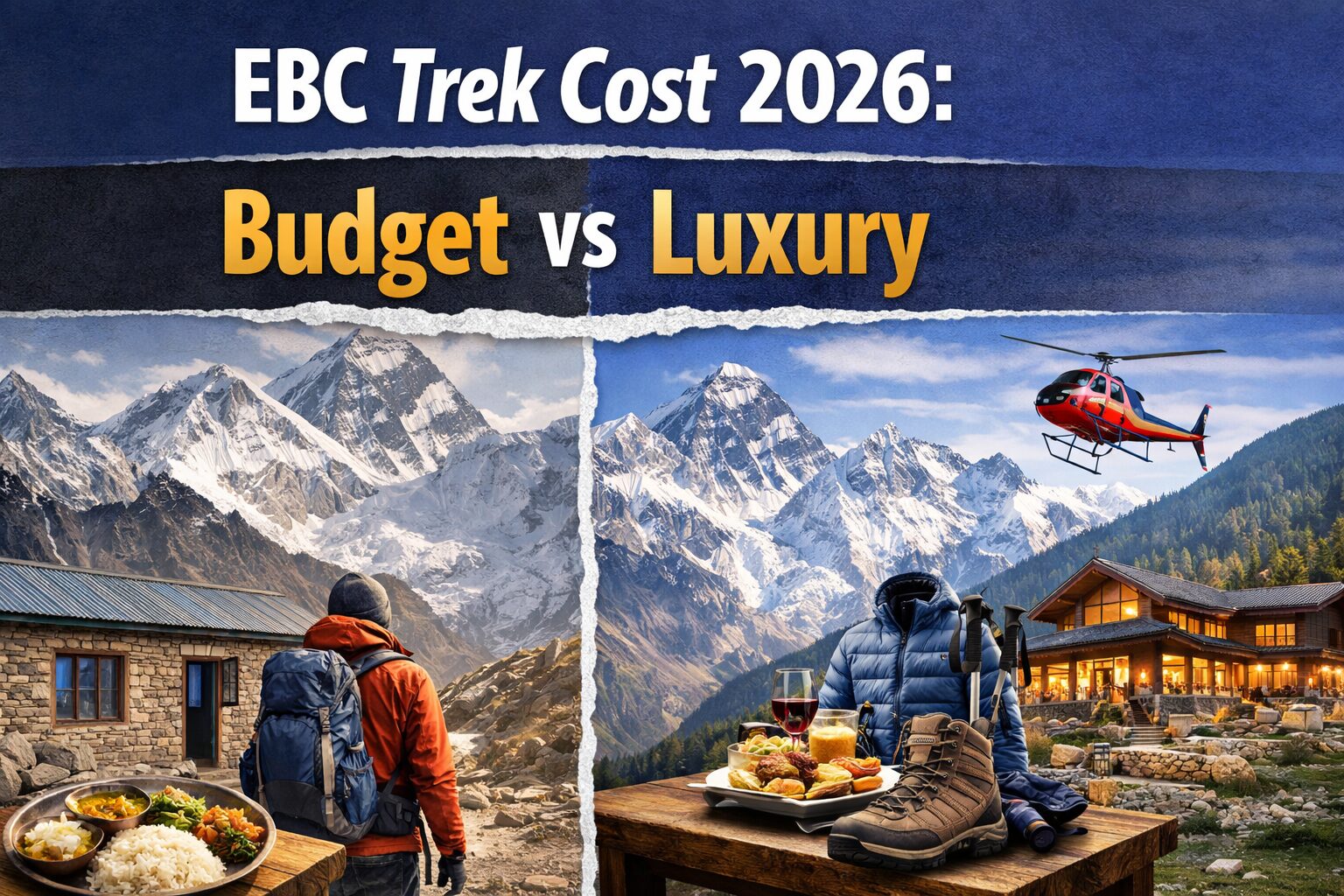
Everest Base Camp Trek Cost Breakdown (2026/2027): Budget vs Luxury Packages Compared
Everest Base Camp trek cost 2026/2027 explained: budget vs luxury packages, permits, flights, food, and hidden costs for smart planning.
-
 Adventure Master Trek
-
17 March, 2026
-
10 mins read
-
172 Views
-
0 Comments


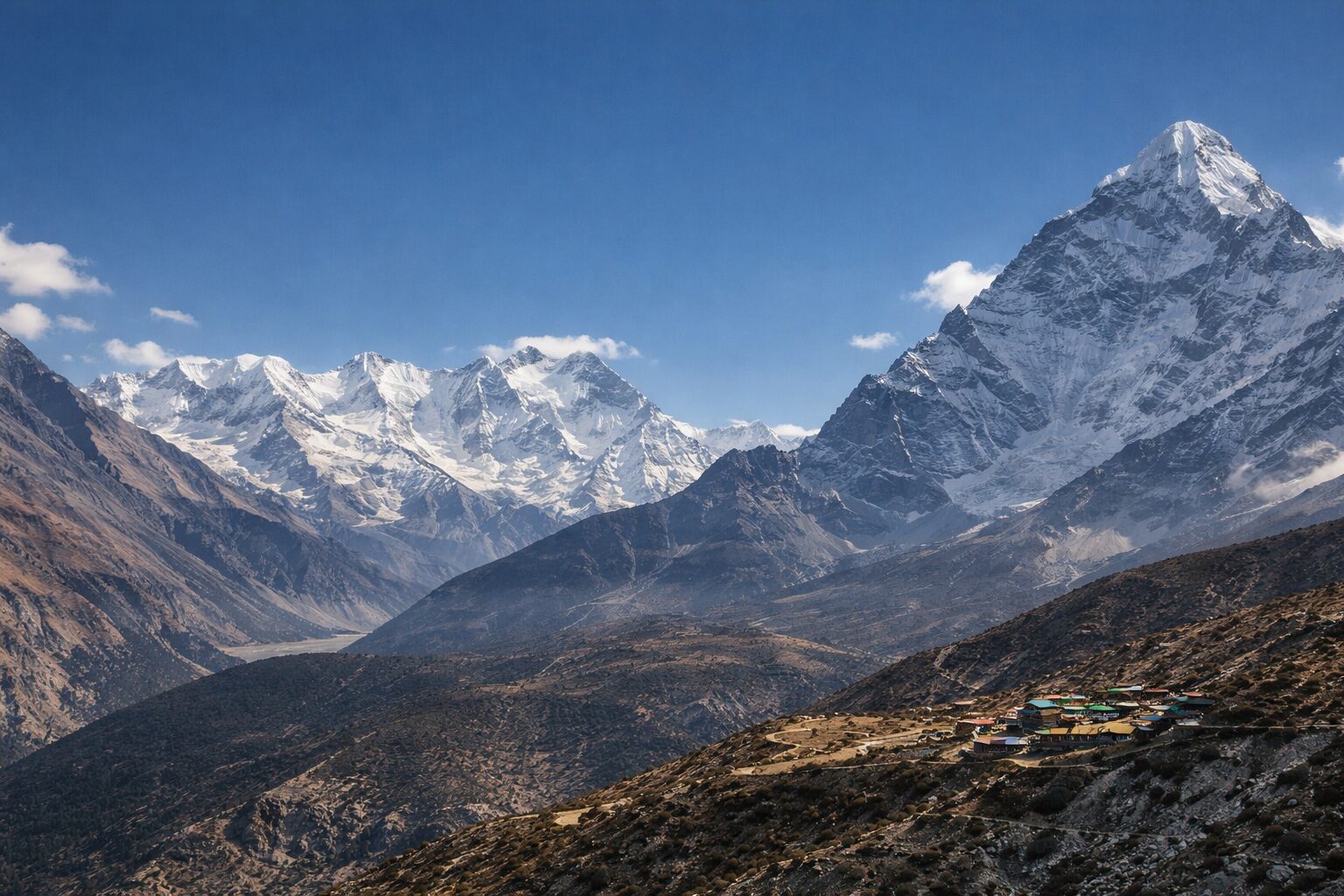
So you’ve decided you want to do it. You’ve watched one too many documentaries, spent too many late nights Googling “Everest Base Camp photos,” and now your brain won’t let it go. You want to stand at 5,364 meters, look up at the Khumbu Icefall, and feel that thing — that impossible, electric thing — that only the roof of the world can give you.
But before any of that happens, you have one very practical question to answer: how much is this actually going to cost?
Here’s the honest truth — the Everest Base Camp trek can run you anywhere from $1,300 to $6,500+ all-in, depending entirely on how you choose to do it. Budget backpacker or luxury lodge-hopper, both versions of this trek are extraordinary. You just need to know what you’re signing up for before you book anything.
This guide breaks down every single cost — permits, flights, food, guides, gear, tips, the works — so you can plan your Himalayan adventure without any nasty financial surprises waiting at altitude.
First, What Kind of Trekker Are You?
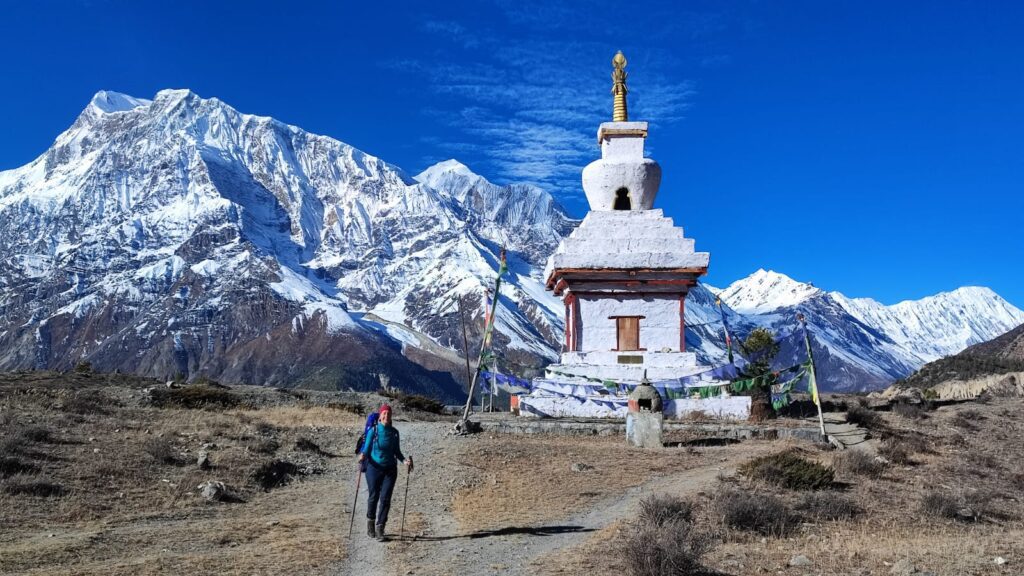
Most people fall into one of three camps, and figuring out which one you are makes the whole planning process a lot cleaner.
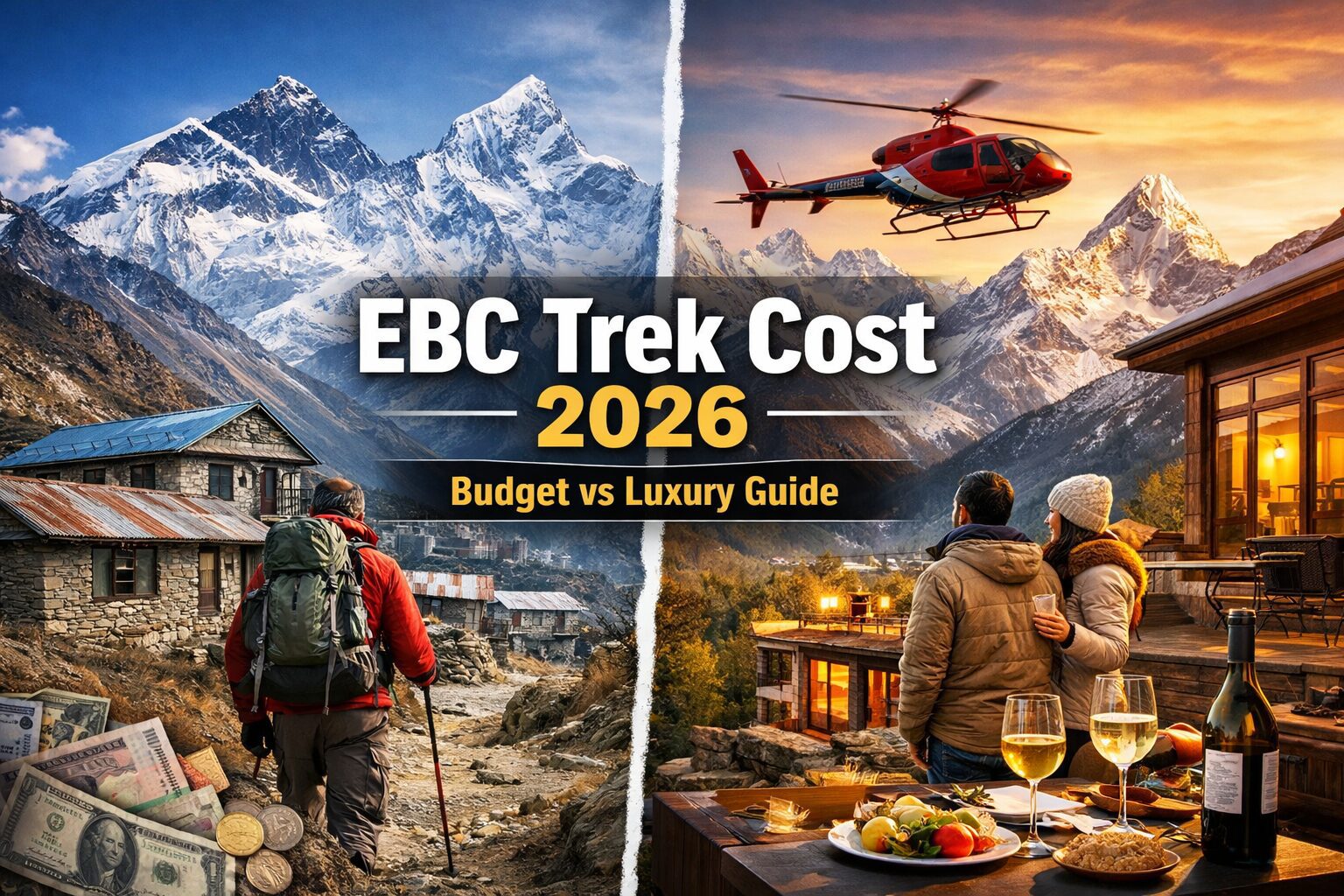
Budget trekkers are completely comfortable with basic teahouses, shared bathrooms, dal bhat for dinner (and honestly? it’s delicious), and a no-frills approach to the whole thing. You’re here for the mountains, not the mattress. A well-planned budget trek runs around $950 to $1,200 for the package itself, and roughly $1,300 to $1,800 all-in once you factor in visas, insurance, and personal spending.
Standard trekkers want a decent experience — private room where possible, a knowledgeable guide, a porter so they’re not wrecked by day four, and meals that go beyond survival food. This is honestly where most people land, and it’s a sweet spot. Standard guided packages run $1,200 to $1,800, with total trip costs landing somewhere between $1,800 and $2,500.
Luxury trekkers want the full experience. Premium lodges with actual hot showers. Chefs. Private senior guides. Maybe a helicopter back to Kathmandu after reaching base camp, because why not. Luxury packages start at $3,000 and can push $5,000+, with all-in costs potentially reaching $6,500 depending on your flights and add-ons.
Now let’s get into where all that money actually goes.
The Permits: A Fixed Cost Nobody Can Escape
Everyone needs permits to enter the Everest region. No exceptions, no negotiating. The good news is these are pretty reasonable:
- Sagarmatha National Park Entry Permit — $30
- Khumbu Pasang Lhamu Rural Municipality Permit — $20
- TIMS Card — $20 (sometimes waived when booking through a registered agency)
That’s roughly $50 to $70 per person total. These fees go directly toward conservation in the Khumbu region, so they’re worth every cent. Most full-service packages include these in the price, so double-check what’s covered before you book.
Getting There: Kathmandu to Lukla
The trek starts in Lukla — home of the famously terrifying Tenzing-Hillary Airport, which sits at 2,845 meters and has a runway that ends at a sheer cliff. Landing there is either exhilarating or terrifying depending on your constitution, but either way, you’ll never forget it.
A round-trip flight from Kathmandu (or Ramechhap Airport during peak season) to Lukla costs between $300 and $434 per person. Most standard and luxury packages include this.
If you’re keen to save money and add some adventure, the overland Jiri route bypasses Lukla flights entirely. It adds several days to the trek but gives you a more traditional, quieter experience that hardcore trekkers absolutely love.
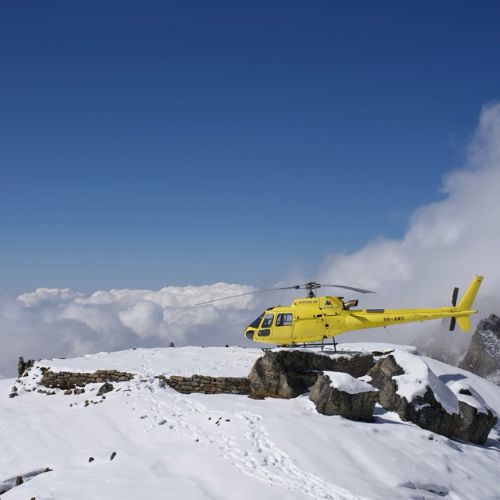
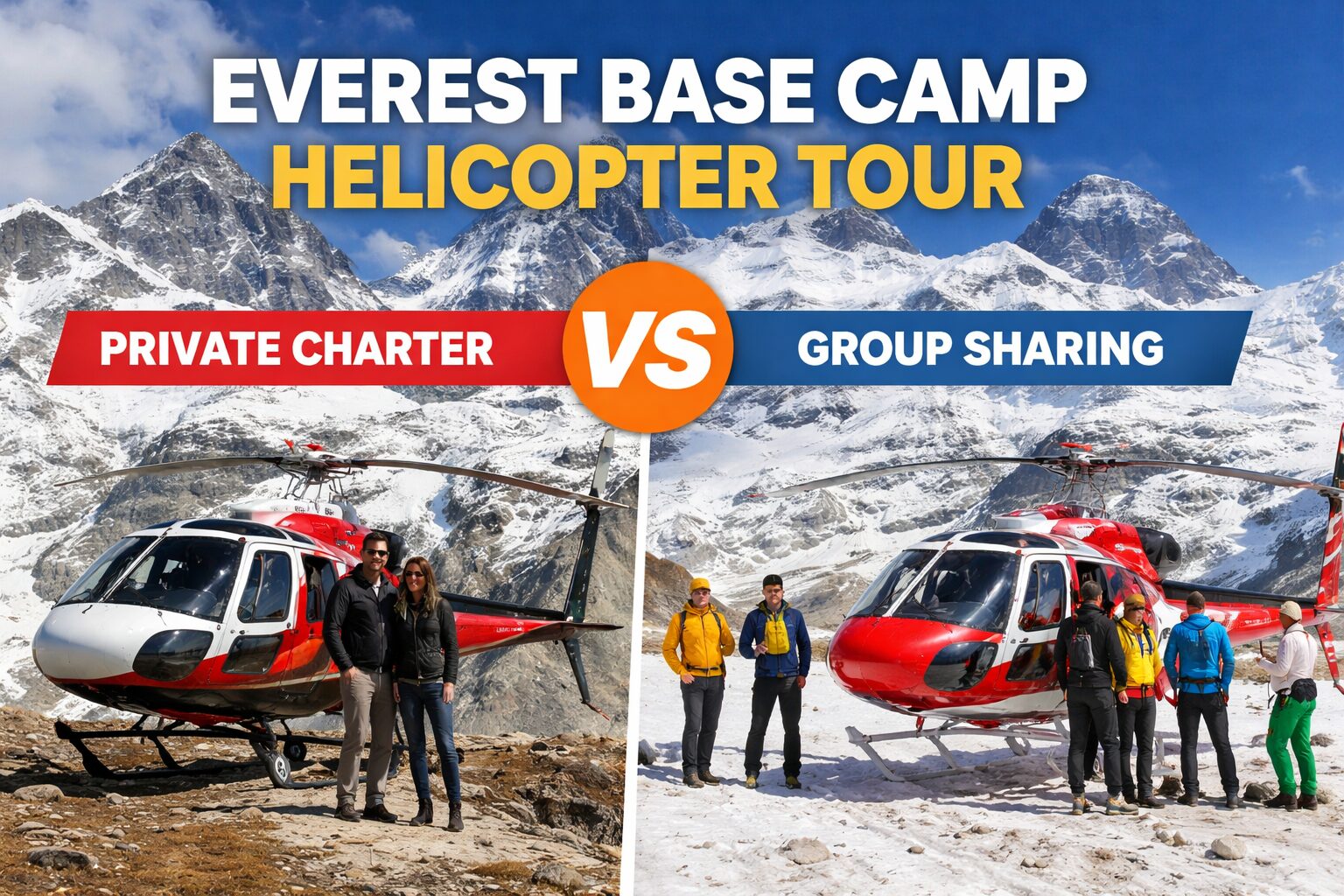
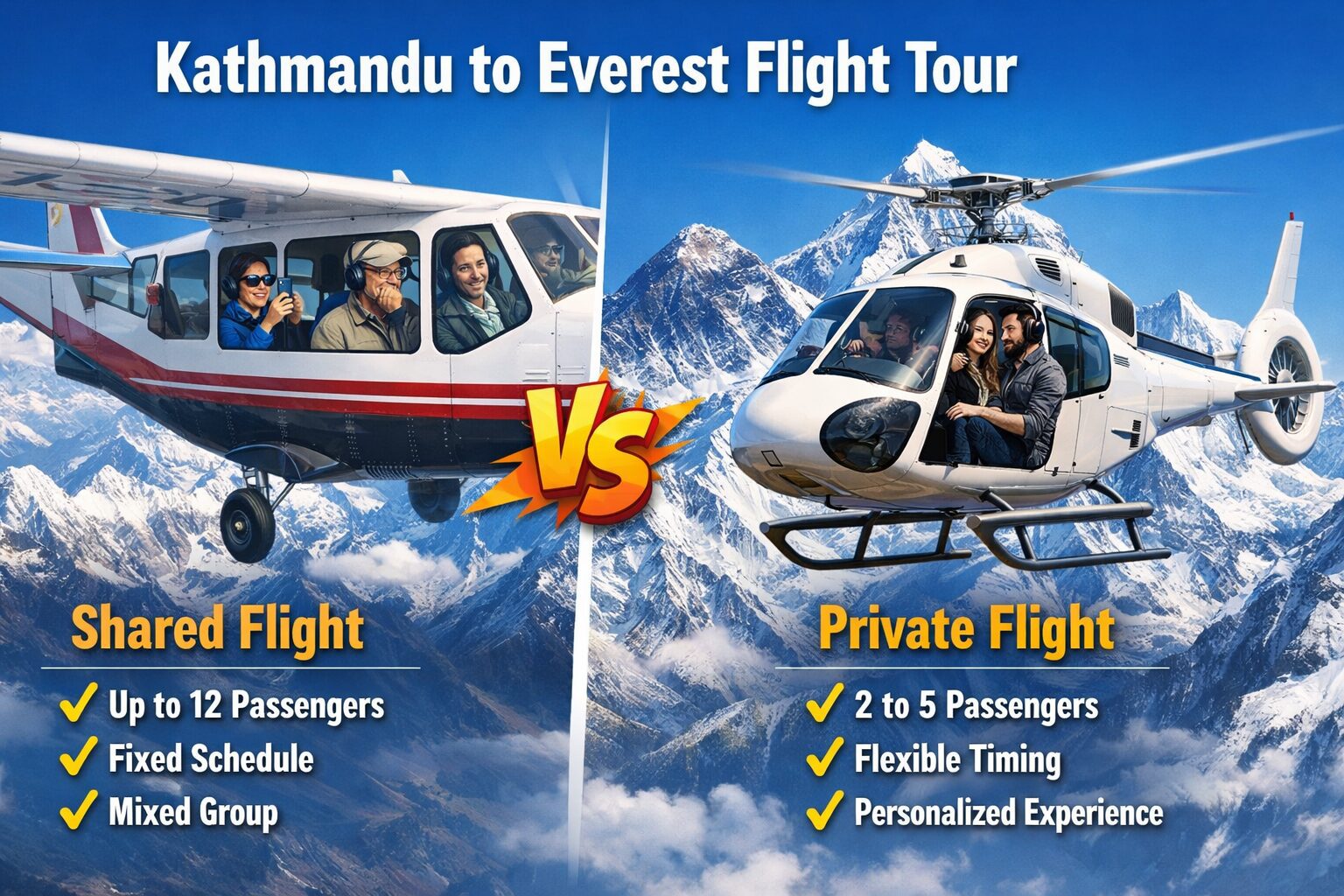
For the other end of the spectrum, private helicopter transfers have become increasingly popular — especially as a return option after reaching base camp. Adventure Master Trek, for example, offers EBC helicopter tour packages from $1,500 per person, which gives you the aerial perspective on the Himalayas that no trail can match. Clients consistently rave about the smooth flights and the jaw-dropping view of Everest from the air.
Accommodation: From Teahouse to Himalayan Lodge
This is where budget and luxury experiences really split apart.
Basic teahouses are the heartbeat of the EBC trail — family-run guesthouses with simple twin beds, thin blankets, and shared bathrooms. In lower villages like Phakding and Namche Bazaar, you’re paying $5 to $15 a night. Higher up, the facilities get more basic but the views outside your window get increasingly ridiculous.
Mid-range teahouses — particularly around Namche and Tengboche — offer attached bathrooms, warmer rooms, and better food. Expect to pay $20 to $40 per night for a noticeable step up in comfort.
Luxury lodges are a completely different world. Properties in Namche and other key stops offer heated rooms, proper hot showers, restaurant-quality menus, and the kind of mountain panoramas that make you forget you’re at 3,400 meters. These run $40 to $100+ per night and fill up fast in peak season — so booking well ahead is essential.
Over a 12–14 day trek, here’s what accommodation costs look like by tier:
- Budget: $60–$150 total
- Standard: $200–$400 total
- Luxury: $600–$1,400 total
Food: The Dal Bhat Equation
Let’s talk calories, because you burn a lot of them at altitude.
A budget food budget sits around $20–$25 per day — breakfast, lunch, dinner, and a few cups of tea. Dal bhat deserves a special mention here: it’s the national staple (lentil soup, rice, curry, vegetables), it comes with free refills at virtually every teahouse, and it gives you sustained energy that processed snacks simply can’t match. Experienced guides will tell you: eat the dal bhat.
Standard meal spending runs $25–$35 per day, which gives you enough flexibility to enjoy pancakes at Namche, a surprisingly good pizza in Tengboche, and the legendary apple pie that somehow appears at teahouses above 4,000 meters. (Don’t question it. Just eat the pie.)
Luxury packages include all meals, prepared by dedicated lodge chefs with considerably more variety and quality than standard teahouses.
One thing people consistently underestimate: drinking water costs. A 1-liter bottle costs around $1 in lower villages and up to $4 near Gorak Shep. Budget-conscious trekkers should absolutely bring a quality water filter or purification tablets — saves you real money and reduces plastic waste on the trail.
Don’t forget to budget for the little extras that add up: tea ($1–$2 a cup), coffee ($1.50–$3), hot lemon honey ginger ($3–$4 a glass), and the inevitable chocolate bars and Snickers at $3–$5 each when your willpower gives out somewhere above Lobuche.
Guide and Porter: Not Optional, Really
Some people plan to go solo to save money. And technically, yes, independent trekking is still permitted in the Everest region. But here’s the thing — a guide isn’t just someone who knows the path. They speak English, they know how to spot altitude sickness before it gets serious, they have relationships with medical facilities and helicopter services, and they make the whole cultural experience about ten times richer.
A licensed guide costs $25–$50 per day depending on experience. For a 14-day trek, that’s $350–$700 total.
A porter — who carries your pack (usually capped at 15–20 kg) so you can actually walk without destroying your knees — costs $15–$25 per day, or $210–$350 for the full trek.
Reputable agencies like Adventure Master Trek make sure their guides and porters have proper insurance, accommodation, and fair pay included in the package. If an agency’s quote seems suspiciously cheap, the first thing to check is whether they’re cutting corners on guide and porter welfare — because unfortunately, some do.
Travel Insurance: The One You Cannot Skip
A helicopter evacuation from the upper Khumbu region costs between $5,000 and $10,000. That bill is entirely yours without insurance.
A good travel insurance policy covering high-altitude trekking up to 6,000 meters and helicopter evacuation costs around $100–$200 for a two-week trip. It’s the best money you’ll spend on this entire trip. Read the fine print carefully — many standard travel policies specifically exclude trekking above 4,000 or 5,000 meters, so make sure yours doesn’t.
Budget vs. Standard vs. Luxury: Side by Side
| Cost Element | Budget | Standard | Luxury |
| Package/Agency Fee | $950–$1,200 | $1,200–$1,800 | $3,000–$5,000 |
| Permits | May be extra | Usually included | Always included |
| Lukla Flights | Sometimes extra | Usually included | Included or helicopter |
| Accommodation | Basic teahouse | Mid-range teahouse | Premium lodges |
| Meals | Simple teahouse | Standard teahouse | Lodge chef meals |
| Guide | Shared group | Private | Senior private guide |
| Porter | Not always included | Usually included | Included |
| Travel Insurance | Your cost | Your cost | Sometimes included |
| Extra Personal Spend | $200–$400 | $300–$600 | $500–$1,000 |
| Estimated Total | $1,300–$1,800 | $1,800–$2,500 | $4,000–$6,500 |
The Hidden Costs Most First-Timers Miss
Even the most carefully researched budget has a few surprises. Here are the ones that catch people off guard most often:
Nepal Visa: Available on arrival at Tribhuvan Airport. 15 days costs $30, 30 days is $50, 90 days is $125. Don’t arrive without the cash.
International Flights: Not included in any trekking package. Flights from Europe or the US to Kathmandu range from $800 to $1,500 depending on timing. Book 3–4 months ahead for the best prices.
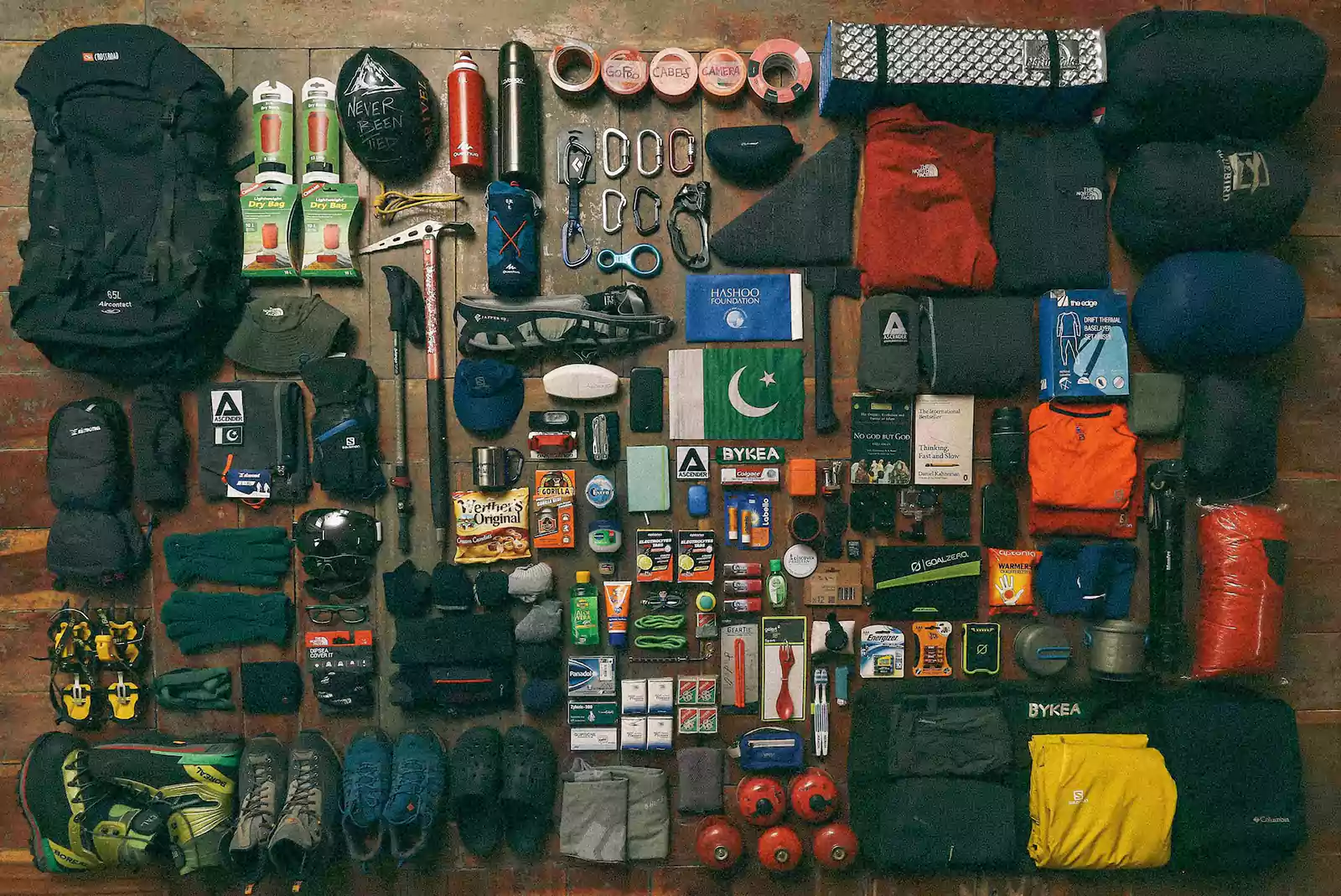
Gear: If you don’t already own trekking equipment, outfitting yourself properly adds up fast. Good trekking boots alone run $150–$300. A four-season sleeping bag is another $150–$350. The good news is Kathmandu’s Thamel district has excellent gear rental shops — sleeping bags rent for $2–$5 per day, down jackets for around $3–$5 per day — so you don’t need to buy everything.
Tips: Tipping guides and porters is culturally important and genuinely makes a difference to the people who work incredibly hard to make your trip happen. Standard practice is $10–$15 per day for your guide and $7–$10 per day for your porter. Budget $150–$250 total for tips.
Device charging and Wi-Fi: Teahouses charge $2–$5 per device charge and $1–$5 per internet session. It adds up. At higher altitudes, Wi-Fi becomes patchy anyway, so don’t rely on it.
Hot showers: Between $3–$7 at basic teahouses. Worth every rupee after a hard day on the trail.
Local Agency vs. International Agency: What’s the Real Difference?
A local Nepali agency based in Kathmandu — like Adventure Master Trek — will typically charge $1,100 to $1,600 for a full standard EBC package. They operate with lower overhead, employ local guides, and put money directly back into Nepali communities.
An international agency (based in the US, UK, or Australia) typically charges $1,400 to $2,500 for the same experience, with the premium covering their own margins and often a Western trek leader alongside the local guide.
The trail is the same. The teahouses are the same. The mountains are definitely the same. Where a local agency wins on price, an international agency sometimes wins on pre-departure hand-holding and the comfort of dealing with someone in your own time zone. It comes down to personal preference and budget.
Whatever you choose, verify the agency is registered with the Nepal Tourism Board, and check reviews on TripAdvisor and Google. Recent client reviews are worth more than any marketing copy.
A Note on Going Solo
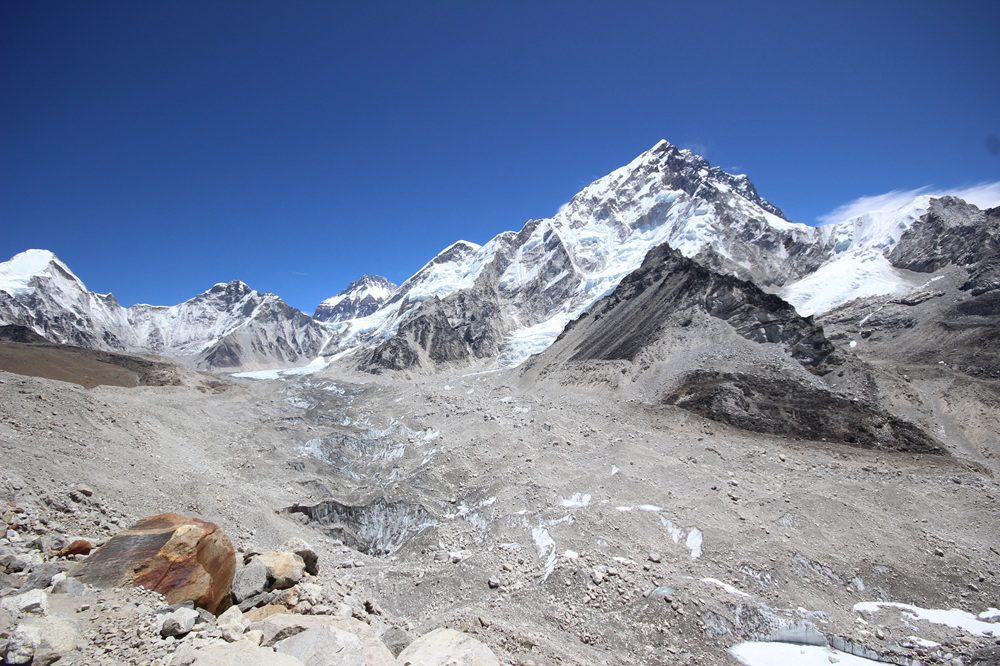
You can do EBC independently. The trail is well-marked, teahouses are easy to find, and solo trekkers complete it every season. An independent trek can theoretically cost $700–$900 excluding flights and insurance.
But altitude sickness doesn’t discriminate by fitness level or experience. Having a guide who knows the warning signs, has contacts with evacuation services, and can make a call when you can’t think clearly because your brain is oxygen-deprived — that’s not a luxury. That’s just smart. The extra few hundred dollars for a professional guide is probably the best risk management decision you’ll make on this trip.
When to Go and How It Affects Your Budget
The spring season (March–May) and autumn season (October–November) are peak trekking times for good reason — clear skies, stable temperatures, and the best mountain views. Demand is high, popular lodges fill up, and you absolutely need to book ahead.
Off-season trekking (winter or summer monsoon) can cut accommodation costs by 10–20% and gives you far emptier trails. The tradeoffs are cold temperatures in December–February and low cloud cover plus slippery paths during the June–August monsoon. For experienced trekkers who don’t mind the conditions, it can be a brilliant choice.
Ready to Book? Adventure Master Trek Has You Covered
Here’s where a lot of the stress goes away: working with the right agency means you don’t have to figure any of this out alone.
Adventure Master Trek is a government-registered, Nepal-based trekking company with a strong track record on the EBC route and beyond. Led by Raj and a tight-knit team of local experts, they handle permits, flights, guides, accommodation, and every logistical detail — so you can focus entirely on the experience of actually being there.
Comments (0)
Write a comment- First, What Kind of Trekker Are You?
- The Permits: A Fixed Cost Nobody Can Escape
- Getting There: Kathmandu to Lukla
- Accommodation: From Teahouse to Himalayan Lodge
- Food: The Dal Bhat Equation
- Guide and Porter: Not Optional, Really
- Travel Insurance: The One You Cannot Skip
- Budget vs. Standard vs. Luxury: Side by Side
- The Hidden Costs Most First-Timers Miss
- Local Agency vs. International Agency: What’s the Real Difference?
- A Note on Going Solo
- When to Go and How It Affects Your Budget
- Ready to Book? Adventure Master Trek Has You Covered
Read the latest Blogs & Insights
Explore our collection of articles and insights to gain in-depth travel knowledge, expert advice, and stay updated on the latest trends and tips.


No comments yet.