









Everest North Face vs. South Face | How Do they Differ?
Compare the Mount Everest North Face vs South Face located in Nepal and China. Read this blogs to know about the major differences.
-
 Adventure Master Trek
-
30 November, 2025
-
12 mins read
-
802 Views
-
0 Comments


Introduction: Why Compare Everest’s North and South Faces?
More climbers and trekkers in 2025 want basic, straightforward answers about the two different routes to Mount Everest. This guide will help people identify the differences between the two main routes to Everest so that they can make an informed choice. The South Face of Mount Everest, located in Nepal, has a more supportive trekking route and more gradual acclimatization than does the North Face of Mount Everest in Tibet, which is less crowded but requires more technical ability and physical fitness. When people conduct research about climbing Mount Everest, they typically seek the answers to questions such as, “Which side is easier?” “Which side is safer?” and “Which side is less expensive?”
In general, the South Face of Mount Everest is more suitable for beginning climbers and has more support. The North Face of Mount Everest is more technically challenging and requires greater physical fitness and experience. In this guide, readers will learn about all the features of each side of Mount Everest to help them determine which side best meets their individual goals and levels of comfort.
Everest North Face vs South Face—Comparison Table
| Factor | South Face (Nepal) | North Face (Tibet) |
| Cost | Permit: US $15,000total expedition $40,000–$80,000 | Permit: $15,800–$18,000total: $30,000–$45,000 |
| Difficulty | Technically challenging: Khumbu Icefall, steep slopes, well-supported | Steeper, exposed ridges, Second Step; more technical and demanding |
| Risk | Icefall collapses, avalanches, crowding | Extreme winds, cold, long time in Death Zone, limited rescue |
| Access | Flight to Lukla + 10–12 day trek | Road access to Base Camp are faster but less acclimatization |
| Crowds | Heavily trafficked | Less crowded, more solitude |
| Success Rate | Higher due to Sherpa support and logistics | Slightly lower due to harsh conditions and limited support |
| Weather | Milder, more stable summit windows, monsoon can affect trek | Colder, windier, narrower summit windows |
Everest Overview – Understanding the Two Main Routes
What is the South Face (Nepal Route)?
The South Face of Mount Everest is the most well-traveled by climbers starting from Nepal. Climbers make their way to the South Base Camp through an engaging high-altitude trek through the scenic Khumbu Valley. Along the way, they pass through Sherpa villages and work their way up to climbing altitude.
The South Face of Everest has been established over many years with a strong and supportive infrastructure with very experienced guides and training facilities as well as well-established camps. Although travelling this route involves challenges such as navigating the Khumbu Icefall and Lhotse Face, there are many opportunities for climbers to acclimatize gradually, and many climbers choose this route above others.
Benefits of choosing the South Face Route for the Everest
For climbers looking for a safer, supported journey to the summit of Mount Everest, the South Face has the advantage of having strong direction from Sherpas and established on-the-ground bases. It is an easier route to climb because climbers have more time to acclimatize themselves to altitude sickness. Travelling through the Sherpa villages over several days also provides an enhanced cultural experience in comparison to other routes, so it is both enjoyable and more accessible for first-time climbers.
What are the difficulties in Everest’s South Face?
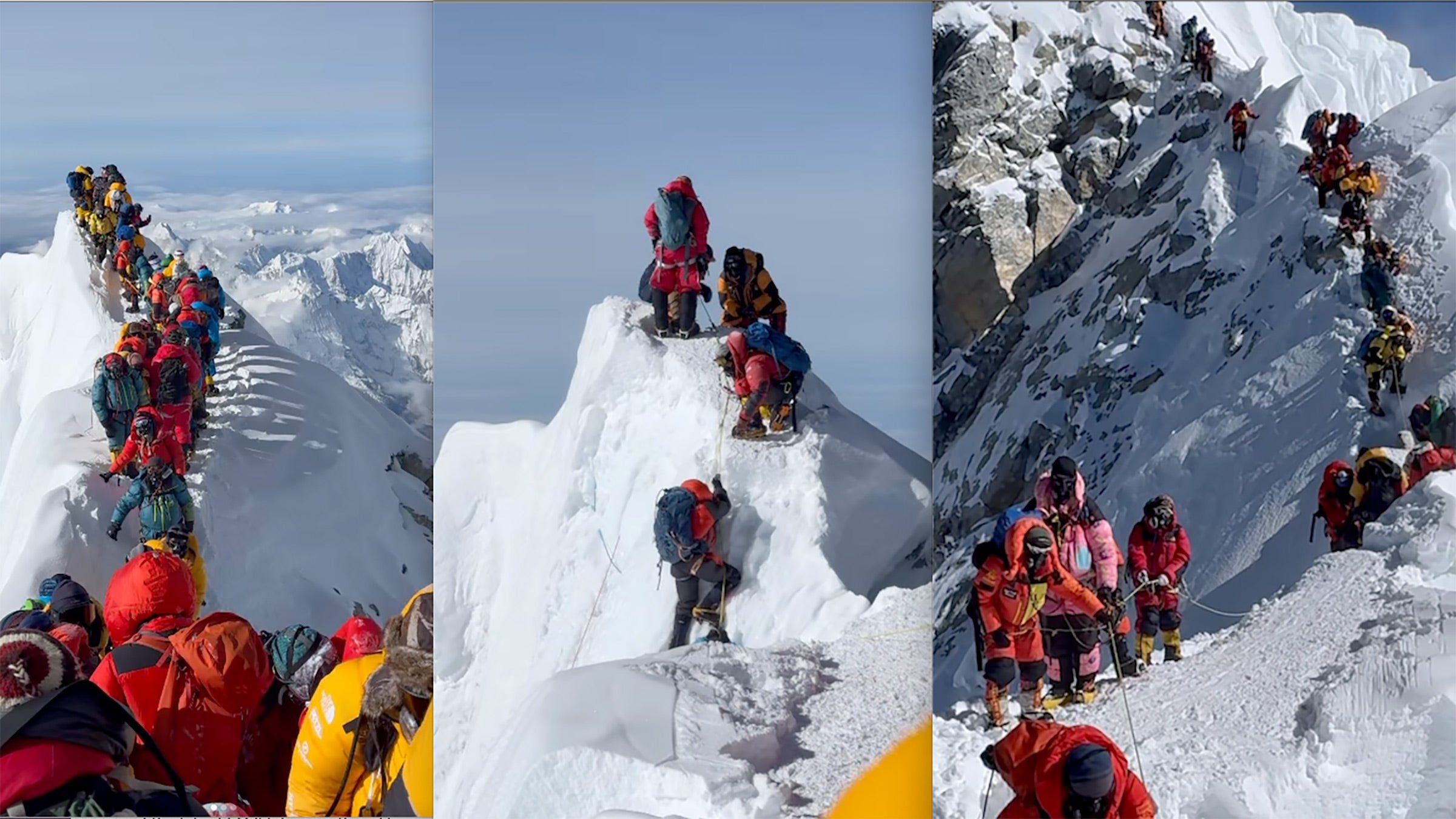
Climbers on the South Face of Everest must navigate the Khumbu Icefall, which can shift and change frequently, while attempting to climb through the Western Cwm, the steep slope of the Lhotse Face. During peak summit climbing season, the routes can be very crowded, making it difficult to make progress through traffic jams and creating higher risks of accidents.
What is the North Face (Tibet Route)?
The North Face route starts from the Tibetan side of Mount Everest and provides direct access by road to Base Camp, thus avoiding the lengthy trek required to reach the Nepal Base Camp. It is however, a more extreme, exposed and windy route, making it more technical than the South Face. Near the summit, climbers are faced with very steep ridges and the famous Second Step.
The North Face offers experienced mountaineers an opportunity for a more difficult and remote climb, with limited rescue options and harsh weather. As well, because it is less crowded, climbers will enjoy solitude and will save time by not needing to trek back to Base Camp.
Benefits of choosing the North Face Route for the Everest
Choosing the North Face Route of Everest will give experienced climbers an opportunity to push themselves in a more remote area, away from crowds. The North Face Route provides a sense of solitude, as it is far less travelled than the South Face Route, and the direct road access to Base Camp saves time for the climbers. The rugged terrain and technical ridges provide both challenges and rewards for those with the proper equipment, skills, and training to face harsher and colder conditions.
What are the difficulties in Everest’s North Face?
Technical ridges, particularly the famous Second Step, which define the North Face Route of Everest. Climbers face extreme winds and harsh temperatures, putting more strain on their bodies and requiring a higher level of climbing experience to safely navigate the route.
Historical background of both routes
Both routes have a historic significance to the climbing community. The South Face became popular after Sir Edmund Hillary and Tenzing Norgay made the first successful ascent of Everest in 1953, making it the classic route. On the other hand, the North Face was being attempted by British expeditions beginning in the 1920s, but it remained unclimbed for a number of decades due to the difficulty of climbing it. Each of these routes, however, has an ongoing history and provides climbers with unique challenges.
Access & Approach: How to Reach Each Base Camp
Everest’s South Face can be reached via a series of gradual treks through people-occupied areas of the Khumbu Valley, which will help acclimatization, while the North Face can be accessed through the Tibet Road to Base Camp, thus allowing for a quicker, but more difficult, ascent of the world’s tallest mountain.
South Face (Nepal) – Khumbu Valley Trek
This trek starts with a flight into Lukla Airport, which is known as one of the most famous mountain airports in the world. Once at Lukla, the trek begins and goes through the Khumbu Valley, past villages such as Namche Bazaar and Tengboche, until arriving at South Base Camp. Because the trek is gradual in nature, it provides ample time for the body to become acclimatized to high altitudes, allowing for more successful acclimatization and less incidence of altitude sickness.
In short:
- Trek though the Khumbu Valley and passing several villages
- Gradual acclimatization due to a slower pace
- A unique cultural experience thoughout the way
North Face (Tibet) – Drive to Base Camp
The North Face route differs significantly from the South Face, as climbers drive from Lhasa or Shigatse directly to Base Camp in Tibet. Because no trekking is required, this method is faster, but it allows less time for natural acclimatization. Due to the rushed ascent, climbers need to adequately prepare for the trek and have a detailed plan for acclimatization prior to attempting the climb.
In short:
- Direct drive to Base Camp
- Faster travel option
- Fast ascent can create more difficult climbing conditions due to lack of acclimatization planning.
Key Dangers & Risks – Safety Comparison
Though both the South and North face route offers you amazing experiences of Everest, there are risks you have to be aware of when choosing routes:
South Face Risks
The South Face has been associated with several serious risks. The icefall is unpredictable and can collapse without warning. Therefore, the Khumbu Icefall has the potential to be one of the most dangerous sections of the mountain. Furthermore, repeated avalanches due to steep slope conditions are ever-present. Therefore, the potential for increased traffic at peak season creates an even higher number of accidents and slower progress.
North Face Risks
Climbing the North Face presents climbers with significant challenges due to colder, more powerful winds that place additional strain on the climber’s body. Because spending time in the Death Zone increases the likelihood of developing altitude sickness. This severely limits the ability of climbers to be rescued by helicopter; sufficient preparation for emergencies and an independently supported expedition are necessary.
Logistics, Support & Climbing Infrastructure
Climber’s comfort and security are primarily reliant upon logistical support, local support, and climbing infrastructure. There are many differences in logistics and support services between the South Face of Everest (Nepal) and the North Face of Everest (Tibet):
South Face (Nepal)
There is a wide variety of teahouses along the South Face route to aid climbers in locating food and places to sleep as they climb. Because of the strength of the local Sherpa community, it is relatively easy for climbers to carry heavy loads through difficult terrain. Nepal has a highly developed rescue system that allows for rapid delivery of emergency medical care.
North Face (Tibet)
The North Face route has fewer available resources for climbers, a more strict permitting process than the South Face, and minimal local support. As a result, the majority of climbers on the North Face of Everest must self-support their ascent by carrying all of their own supplies and equipment, adding additional logistical and physical pressure on climbers.
Cost Comparison—Which Route Is Cheaper?
The price for climbing a mountain in the Himalayas is an important consideration for many climbers. The price may vary widely depending on the route selected. The different components that contribute to the total cost of climbing in the Himalayas.
Permit Cost Differences
There are a variety of different ways that the amount of money spent on your climbing expedition will depend on the cost you pay for your climbing permit to climb on Mount Everest, including the type of climbing permit you have; in general, the North Face climbing permit costs less than the South Face climbing permit.
Overall Expedition Cost Trends
The tours from the South Face of Everest are pricier than the tours from the North Face due to additional expenses that include permits, hiring Sherpas and utilizing teahouses while on the climb. The North Face, while cheaper in permits, may require more investment in self-supplied logistics, equipment, and transport.
Why South is Often More Expensive
The South Face Route that is accessed via Nepal has a significantly higher cost than the North Face Route from Tibet. The increased cost is mainly due to the support services provided to climbers that include Sherpas, organized support camps, and rescue operations. It ensures proper safety and comfort for climbers but also add substantially to the climbing cost.
Weather & Climbing Conditions on South and North Face
Climbers need to understand the climate and weather patterns of Mount Everest. Climbers need to understand the differences in climatological and meteorological behaviors on the South Face and North Face of Mount Everest. So that they can effectively plan their climbing expeditions and develop safety protocols.
South Face Weather
- The South Face is generally warmer than the North Face.
- It offers a more stable weather window for summit attempts.
- Weather on this side is strongly influenced by the monsoon.
North Face Weather
- The North Face experiences strong winds coming from the Tibetan Plateau.
- Nights are extremely cold on this side.
- The summit window is narrower and less predictable compared to the South Face.
Success Rate Comparison—Which Side Has More Summits?
Because of these differences, there have been more than three times as many successful climbers on the South Face than on the North Face (over 9,000 vs. approximately 3,700 climbers). The ease of taking advantage of the widespread Sherpa support and pre-established routes on the South Face make it the most desirable location for ascending the highest mountain on Earth.
Since the North Face is more technical in nature and much more exposed to the elements, the likelihood of successfully climbing it is greatly influenced by the experience, preparation, and weather conditions of a climber. This is especially true in the case of traversing the Second Step, a challenging ridge on the North Face.
There are seasonal variations with the success rates on both faces, as success rates are highest during stable weather patterns when proper planning has taken place. Overall, the South Face will provide the highest probability of successful summits, while the North Face is more suited to experienced, high-level adventure climbers.
Best For Whom? Choosing the Right Route
The experience level and climbing objectives are most often considered to be the best determining factors in determining what climbing route to take to climb Mount Everest.
The South Face Best Suited For
The Southern Side (South Face)/Khumbu region has more support available for beginner climbers because the acclimatization process is much slower. Also, the Sherpa teams there have a much greater amount of experience because they’ve been assisting successful expeditions to Mount Everest for many years.
North Face Best Suited For
The North Side will offer a greater challenge to those who want to test their advanced climbing skills on extremely exposed ridge lines and through the 2nd Step of the North Face; however, the North Side also offers experienced climbers a unique and adventurous experience because they will be climbing in a relatively remote area compared to the south.
Final Verdict—Which Side Should You Choose?
When deciding what side of Mount Everest to climb, consider your interests and your level of experience as a climber. The South Face is warmer and has the best Sherpa support, teahouses and a highly reliable rescue system. It makes it a safer choice for a climber going up Mount Everest for the first time or for someone wanting to have support while climbing Mount Everest. The North Face is colder and windier, so it will generally have fewer climbers on it than the South Face.
You will also have to become self-sufficient while at Base Camp by living off the food you bring up with you. Therefore, climbers must adhere to stricter permits to reach Base Camp and maintain self-sufficiency during their stay. The South Face takes less physical strength than the North Face, and if you want to experience more adventure while at Base Camp, then the North Face is a good choice for you. Prior to making your decision, consider how fit you are, how much high-altitude experience you have and what type of support you would like by using either the South or North Face as your climbing route.
Comments (0)
Write a comment- Introduction: Why Compare Everest’s North and South Faces?
- Everest North Face vs South Face—Comparison Table
- Everest Overview – Understanding the Two Main Routes
- What is the South Face (Nepal Route)?
- What is the North Face (Tibet Route)?
- Historical background of both routes
- Access & Approach: How to Reach Each Base Camp
- South Face (Nepal) – Khumbu Valley Trek
- North Face (Tibet) – Drive to Base Camp
- Key Dangers & Risks – Safety Comparison
- South Face Risks
- North Face Risks
- Logistics, Support & Climbing Infrastructure
- Cost Comparison—Which Route Is Cheaper?
- Weather & Climbing Conditions on South and North Face
- South Face Weather
- North Face Weather
- Success Rate Comparison—Which Side Has More Summits?
- Best For Whom? Choosing the Right Route
- The South Face Best Suited For
- North Face Best Suited For
- Final Verdict—Which Side Should You Choose?
Read the latest Blogs & Insights
Explore our collection of articles and insights to gain in-depth travel knowledge, expert advice, and stay updated on the latest trends and tips.




No comments yet.