









Lhosar Festivals of the Sherpa: Celebrating the Himalayan New Year
Experience Gyalpo Lhosar in Nepal with Sherpa rituals, dances, cuisine and blessings. Celebrate the Tibetan New Year in Namche, Khumbu and Solu.
-
 Adventure Master Trek
-
17 February, 2026
-
12 mins read
-
199 Views
-
0 Comments


Squeezed between the giant mountains of the Himalayas, where prayer flags wave like colorful promises to the sky, is one of Nepal’s most heart-wrenching and visually arresting festivals: Gyalpo Lhosar. This New Year festival is not merely a date on a calendar to the Sherpa community; it is a living tradition tailored with ritual, food, dance, prayer, and fellowship.
When you are a culture-loving, spiritually inclined, locally oriented, and experience-seeking traveller, you must place the Gyalpo Lhosar in person on your travelling bucket list. This paper will discuss the definition, origin, customs, cuisine, dances, and why this festival is a must-visit when visiting the Sherpa areas of Nepal.
What is Gyalpo Lhosar?
Gyalpo Lhosar may not be a phrase that you are likely to repeat in cultural studies or a travel brochure, but once you have been in the middle of it, you will feel it in your heart.
The Gyalpo Lhosar is the New Year celebration of the Sherpa community, which is based on the Tibetan calendar. Rather than city celebrations and pyrotechnic displays, this celebration is a combination of spirituality, family life, and the happiness of the society.
The word Lhosar is a combination of the words Lo and Sar, where the former means year and the latter means new, thus translating to ‘New Year’. To the Sherpas, it is a time to look back, pay tribute to the old generations, seek blessings, and begin new lives with hope and gratitude.
In Sherpa destinations such as Namche Bazaar, Khumbu, and Solu, visitors to the area during Lhosar experience a form of rhythm of life where each ritual has a purpose, and each smile has a purpose. It is not the feeling of being an outsider who peeps in, but rather it is the sense of being welcomed into a very much alive celebration.
Roots of History and Culture.
Knowing the origin of Gyalpo Lhosar helps enhance the festival experience and deepen understanding of each ceremony and tradition.
Ancient Tibetan Origins
Even before the invention of modern calendars and routes, seasonal and lunar changes were marked on the Tibetan Plateau by people who held ceremonies and gatherings. Gyalpo Lhosar originally started as an agricultural day, the day of the termination of winter and the hope of spring. People would come together to appreciate the earth, pray against bad omen, and bring riches.
When Tibetan Buddhism entered the Himalayas, it added spiritual practices to ancient folk practices. Such practices as sacred prayers and dances started being conducted by monks who seamlessly integrated with village practices. This amalgamation of religion, folklore, and seasonal cycle is what the festival is built on culturally.
Local Significance and Sherpa Adoption.
The practices and spirit of Lhosar were followed by Sherpa ancestors who moved into the valleys of modern Nepal after migrating to eastern Tibet. Over generations, it evolved into a specifically Sherpa feast, influenced by local scenery, values, and Buddhist principles.
To Sherpas, Gyalpo Lhosar is a cultural anchor – an occasion to re-establish the sense of identity, to re-establish relationships, and to re-establish communication with ancestors and nature. The depth to which these traditions are ingrained in daily life also tends to astonish the traveler, not only in the form of performance but also in the form of experience, meaning, and continuity.
Go to one of the Sherpa villages around Lhosar, and you will find houses with prayer flags, people eating special foods together, elders smiling at the youth with a sense of spiritual belonging, and hearing the stories of the festival’s origin. You can see, hear, smell, and taste its history.
Timing and the Lunar Calendar
If you intend to visit Nepal to enjoy Gyalpo Lhosar, the first practical point to understand is when to go. The festival does not always fall on the same Gregorian day each year; rather, it is based on the Tibetan lunar year and usually occurs in February or March.
The years of this calendar are accompanied by one of 12 animals: Rat, Ox, Tiger, Rabbit, Dragon, Snake, Horse, Sheep, Monkey, Bird, Dog, and Boar, as in other Asian astrological systems. The names of these animals are not mere symbols, and to the locals, they hold some belief in the nature of the year and fortune. As an illustration, a Dragon year may be regarded as active and aggressive, whereas a Sheep year lays stress on the harmony and community.
To the traveller this is an addition of a pleasant dimension of planning and anticipation. A moving target, a festival which seems to be bound up to some ancient rhythms of the cosmos instead of modern times, takes the place of a fixed date. When you enter a Sherpa area in the period of Gyalpo Lhosar, you will feel that you have entered a living calendar in which culture and time collide.
Preparations Before the Festival
The preparation of the Gyalpo Lhosar starts much earlier than the real New Year’s Day. The preparations are observed with reverence and joy, and their value lies in a deliberate transition from cleansing the old to bringing in the new.
Cleaning and Decoration of the house.
Before Lhosar, families perform housecleaning. All parts, niches, and areas are swept of debris and dust from the previous year. However, it is not just housekeeping; it is a symbolic clearing of spiritual and emotional space.
After cleaning is done, houses are decorated using fresh flowers, bright decorations, and new prayer flags (Lungta). It is thought that the red, blue, yellow, white, and green flags are spreading blessings in the air, carrying peace, prosperity, and good health to all parts of the valley.
When you come at this time of the year, you will find the streets and rooftops changing color and intoxicated. The locals are also usually happy to explain to interested tourists and are likely to greet you with a smile, so that you can be part of the general cleaning and renewal.
Offerings to Nature and Ancestors
The Sherpa culture highly respects nature and its ancestors. During preparations for the festival, families offer their offerings in sacred rivers, mountain shrines, and water sources, as signs of their gratitude and peace with the land that supports them.
Butter candles, incense, and some small meals are also set to serve the ancestors and allow their blessings to protect them and bring happiness in the next year as well. To a visitor, it is interesting to watch these rituals because this worldview views people, ancestors, and nature as intertwined.
Tourists are free to look, and even to join, and experience moments that will linger long after they have taken the trip.
Main Festival Days: Celebration Unfolds
There is tension and excitement at this point. Gyalpo Lhosar is a three-day festival of purpose, enthusiasm, and village warmth.
Day 1 – Setting the Mood
The festivities start on the first day. Families are brought together, Chhaang or Changkol (a brew made of barley or rice) is served, and final preparations are made. This day is the first line of a book that tells everybody to sit down to the beat of the festival.
Tourists who come on day 1 are likely to have close family moments- the elderly laughing about their past experiences, children in the yard, and neighbors welcoming each other with warm wishes. It is an excellent idea to immerse yourself in local life in a pleasant and welcoming way before the celebrations take a full swing.
Day 2 – The New Year
The centerpiece is day two, which is the official New Year. It is the day when all the ceremonies, prayers, and hopes meet.
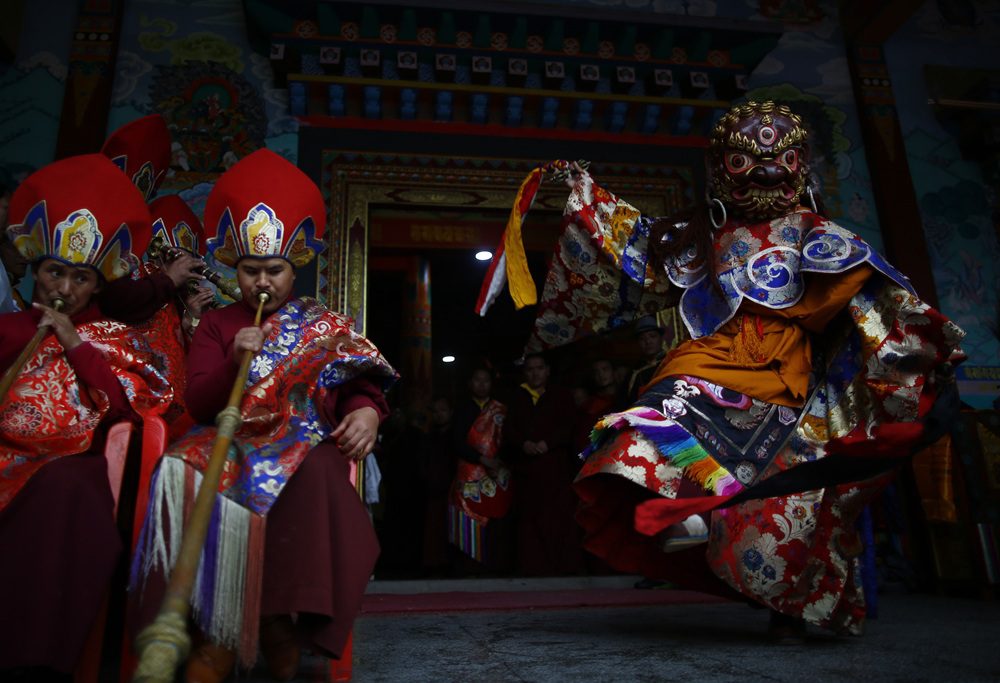
Monasteries are places where families seek blessings, and monks sing ancient mantras and perform rituals intended to cleanse the coming year. There is a buzz of greetings at homes and even in public places, welcoming Tashi Delek!, meaning good fortune, health, and happiness.
The meal on the day is generous – tables covered with traditional cuisine that carries symbolic value to prosperity, luck, and community happiness. You, as a traveler will be sucked into the fond smells, the overflowing dishes, and the good hospitality that characterize the Sherpa dinner table.
Day 3: Community Spirit and Sharing.
Day Three turns the gaze outwards, and the day glorifies community and cultural expression. Folk dances, music, and performances in villages are part of the Sherpa heritage at its most alive.
It is the day when visitors truly become part of the cultural landscape. It may be rhythmic dances, it may be sharing food with locals, or taking photographs of smiling people, but the warmth of Day Three does not leave you. It is not a festival da,y it is a human celebration.
Rituals, Symbolism, and Spiritual Elements
Although the social element of Gyalpo Lhosar is very attractive, it is the spiritual rituals that give the festival its ultimate meaning.
Monastic Rituals and Masked Dances.
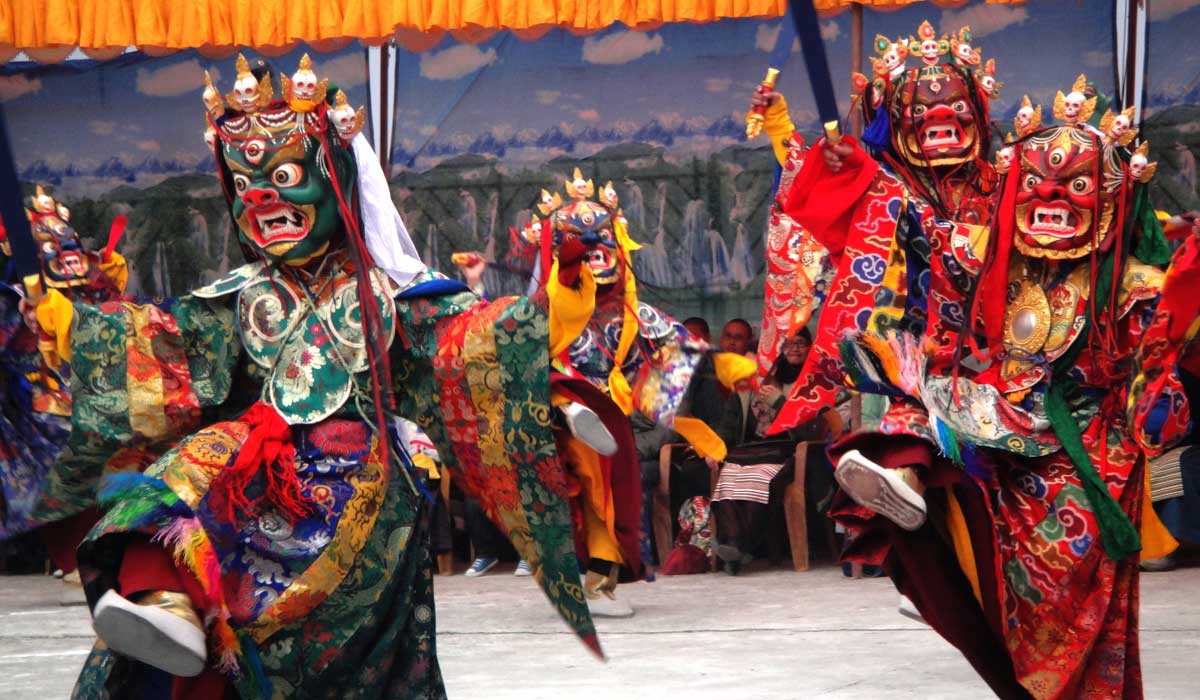
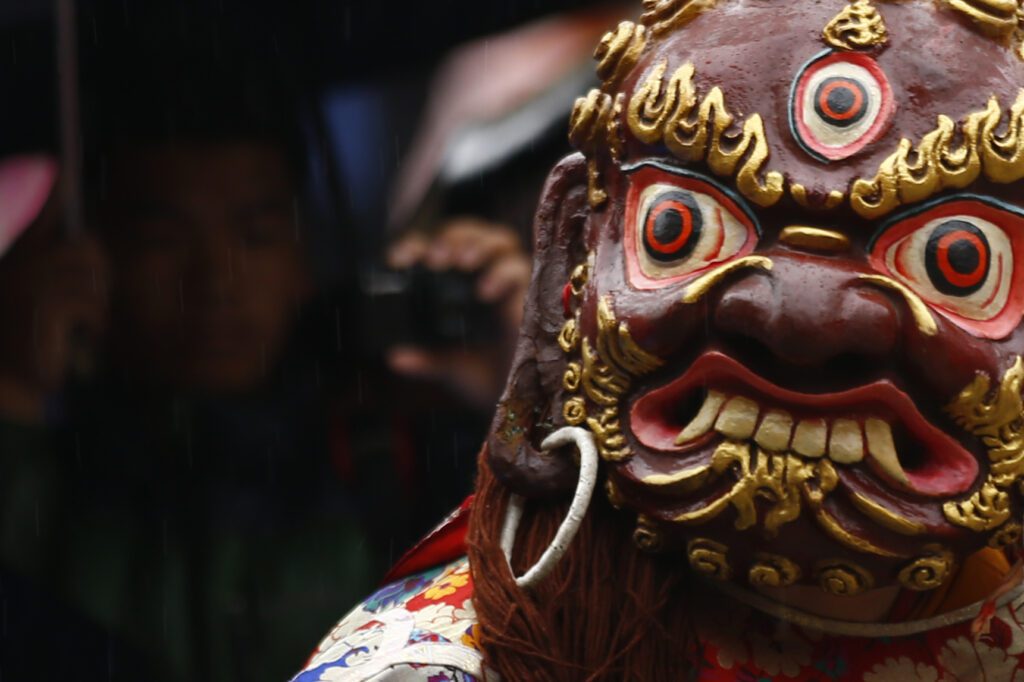
Cham dances by monks are considered to be among the most captivating parts of the celebration. Such religious dances are characterized by fancy masks and costumes depicting deities, spirits, and mythical creatures. The dances are not show business, but the religious practices of spiritual cleansing and guarding.
These are the moments that travelers usually refer to as hypnotic and humbling, a feeling that they are part of something old and deep.
Fire Rituals and Mantras
The fire in Lhosar symbolizes purification and transformation. Taking lit lamps or walking around sacred fires is regarded as chasing the bad and welcoming well-being. Monks recite mantras; families listen, reflect, and even participate, adopting a spiritual sense of personal and community.
Ancestor Veneration
The Sherpas have a strong attachment to their ancestors. Food, incense, and butter lights are offered in honor of the past, asking them to guide and bless. To visitors, these moments can offer insight into a worldview in which the present is respectfully and meaningfully related to the past.
Festive Foods That Tell a Story
Gyalpo Lhosar offers one of the most pleasant experiences of recognizing its food traditions, with every dish carrying symbolism and a history.
Guthuk / Gutung -The Nine-Ingredient Soup
Guthuk is not just food; it is a ritual food. This soup is a nine-ingredient soup traditionally consumed on the eve or the first days of Lhosar, which symbolizes plenty and cleansing. A few of the dumplings in the soup have tiny items such as chilies, salt, or coins that are rather jokingly understood as a foreshadowing of the lucky or unlucky years to come, or even as a characterization of the personality.
Those who have tried a bowl of Guthuk in the company of locals will not just have a tasting experience but will have participated in a cultural event and the festival experience.
Khapse and Other Festival Dishes.
Khapse are deep-fried pastry that represents happiness and triumph. Their elaborate designs and gold color bring a touch of taste and celebration to the table. Other cultural dishes like momo (dumplings), sel roti, butter tea, and meat stews are a fitting finale to the feast, offering travelers an unforgettable culinary experience of Sherpa culture.
Chang / Changkol – A Toast to Joy
There is no Lhosar feast that is not served with Changkol or Chhaang that makes people laugh, share stories, and connect with one another around the table.
Dance, Music, and Folk Arts
In case food is the soul of the festival, dance and music are the soul of the soul.
The village squares and community halls have traditional Sherpa dances such as Syabru. These dances are accompanied by native instruments, such as drums, cymbals, flutes, and unite everyone in dancing and singing.
Epic tales of ancestors, mountain spirits, and heroic myths are narrated in words and in time. Tourists are usually drawn into the energy, applause, tapping feet, and celebration as though they have been there all along.
Such performances are not just entertainment; they are a living history of Sherpa culture, handed down orally from generation to generation.
Why Travelers Should Experience Gyalpo Lhosar
Since you have read about the rituals, foods, festivals, and spiritual aspects, the biggest question is: Why should you, as a traveler, experience Gyalpo Lhosar?
1. Cultural Full Immersion Even without Sightseeing.
This is not the kind of festival you observe, but one you can feel, taste, share, and take part in. Locals are friendly, hospitable, and willing to explain the meaning of their traditions.
2. Not a Tourist Event, a Living Festival.
Gyalpo Lhosar is not a staged cultural performance or one performed by tourists, but a genuine, community-oriented event. You will go through customs as they are done by the people without business interference.
3. A Feast for the Senses
Senses of smells of traditional foods, colors of prayer flags, and rhythms of folk dances, all the senses are involved. Gyalpo Lhosar is often referred to by tourists as one of the most colorful cultural events in Nepal.
4. Deep Human Connection
Eating together, shaking hands, or just smiling with people from the villages, this festival creates genuine human connections that will stay in your memory after your trip.
Conclusion
Gyalpo Lhosar is more than a celebration of time passing — it is a festival of hope, community, and renewal. For the Sherpa people, it’s a moment to honor the past, embrace the present, and welcome the future with open hearts. For travelers, it’s a rare opportunity to step into a living cultural tradition that is warm, spiritual, and deeply human.
If your travels in Nepal ever align with Gyalpo Lhosar, seize the chance. You won’t just observe a festival — you’ll experience one of the richest cultural celebrations in the Himalayas.
Ready to witness Gyalpo Lhosar in all its vibrant glory? Don’t just read about it — experience it firsthand with Adventure Masters Trek.
Comments (0)
Write a comment- What is Gyalpo Lhosar?
- Roots of History and Culture.
- Ancient Tibetan Origins
- Local Significance and Sherpa Adoption.
- Timing and the Lunar Calendar
- Preparations Before the Festival
- Cleaning and Decoration of the house.
- Offerings to Nature and Ancestors
- Main Festival Days: Celebration Unfolds
- Day 1 – Setting the Mood
- Day 2 – The New Year
- Day 3: Community Spirit and Sharing.
- Rituals, Symbolism, and Spiritual Elements
- Monastic Rituals and Masked Dances.
- Fire Rituals and Mantras
- Ancestor Veneration
- Festive Foods That Tell a Story
- Guthuk / Gutung -The Nine-Ingredient Soup
- Khapse and Other Festival Dishes.
- Chang / Changkol – A Toast to Joy
- Dance, Music, and Folk Arts
- Why Travelers Should Experience Gyalpo Lhosar
- 1. Cultural Full Immersion Even without Sightseeing.
- 2. Not a Tourist Event, a Living Festival.
- 3. A Feast for the Senses
- 4. Deep Human Connection
- Conclusion
Read the latest Blogs & Insights
Explore our collection of articles and insights to gain in-depth travel knowledge, expert advice, and stay updated on the latest trends and tips.






No comments yet.