









How Difficult Is the Annapurna Circuit Trek?
Discover the Annapurna Circuit Trek: difficulty, tips, permits, gear, and advice for a safe, rewarding, and unforgettable Himalayan adventure.
-
 Adventure Master Trek
-
30 December, 2025
-
14 mins read
-
614 Views
-
0 Comments


Introduction
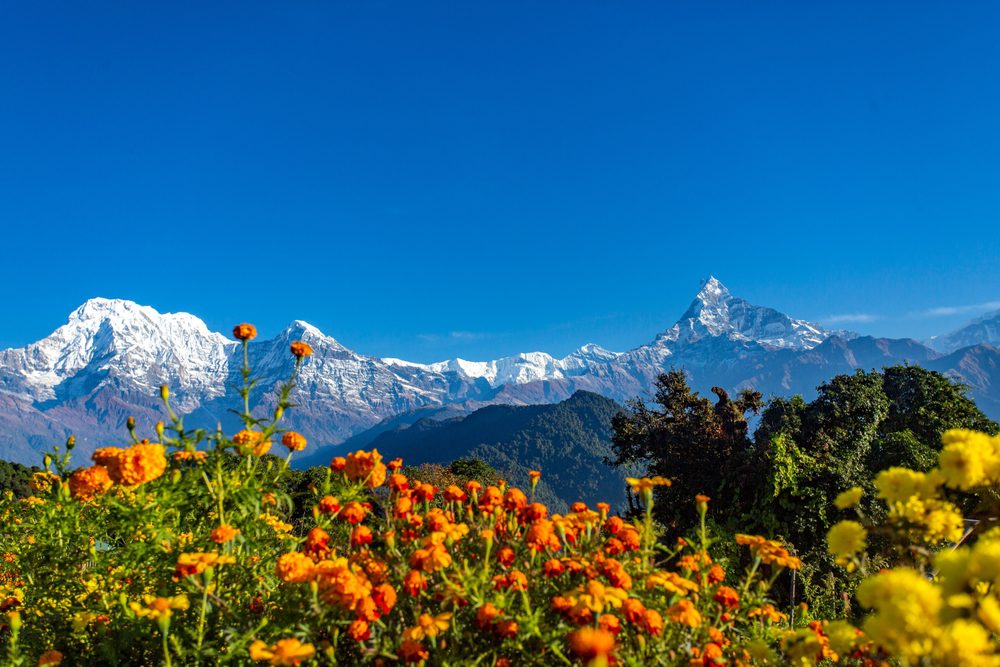
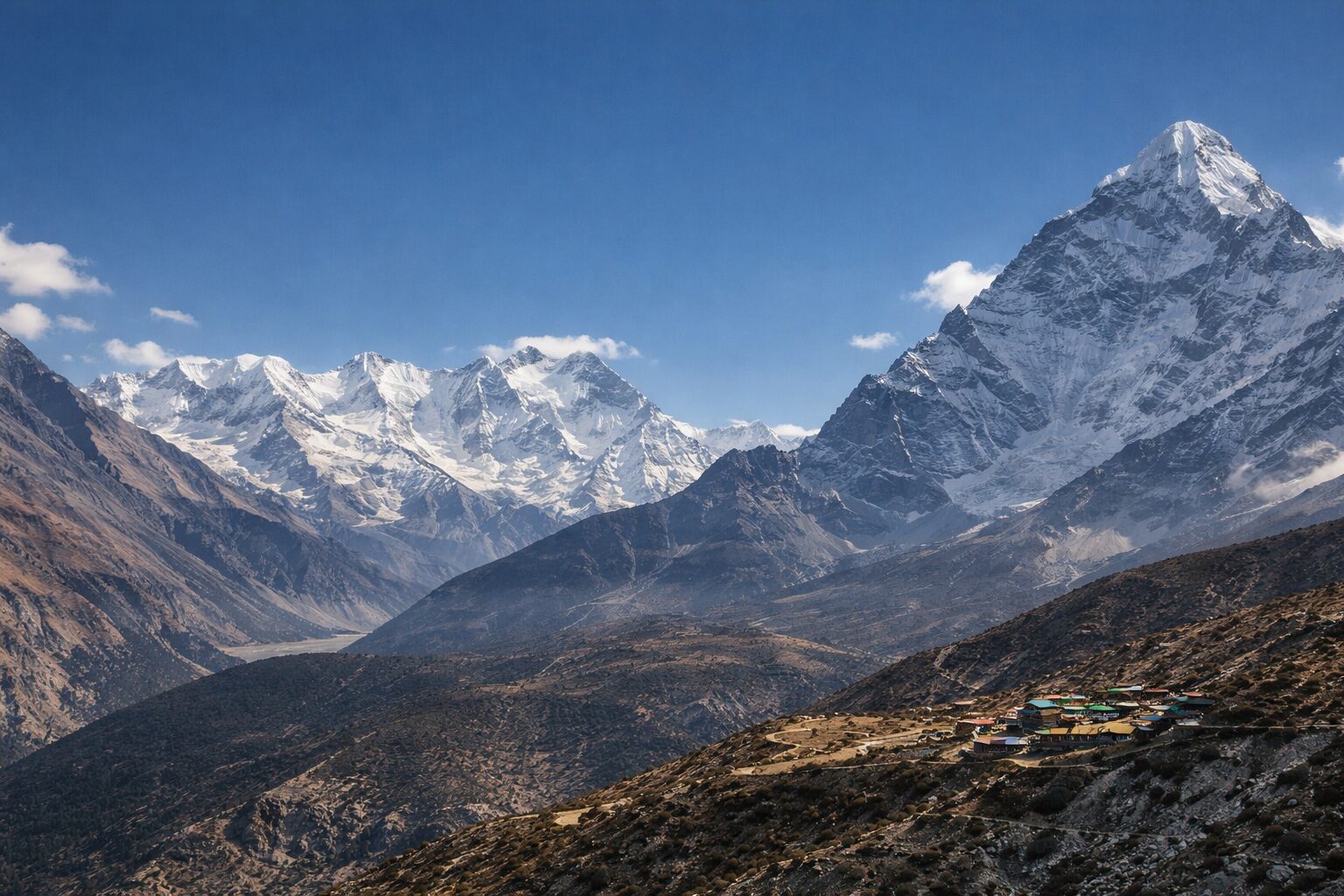
The Annapurna Circuit Trek is regarded as one of the top trekking routes in Nepal. As you walk this route, you will experience a wide variety of cultures, breathtaking views of the Himalayas, and picturesque traditional villages. The trail wraps around the Annapurna Massif and provides trekkers with unbeatable views, as well as the experience of trekking through lush valley areas, traversing extreme high-altitude mountain passes, and venturing into remote regions where few trekkers visit.
Understanding the physical and mental challenges associated with this trek will be invaluable when planning your trip because it will allow you to prepare accordingly and ultimately help you to avoid altitude sickness and tremendous fatigue during your trek.
Overall Difficulty Level of Annapurna Circuit
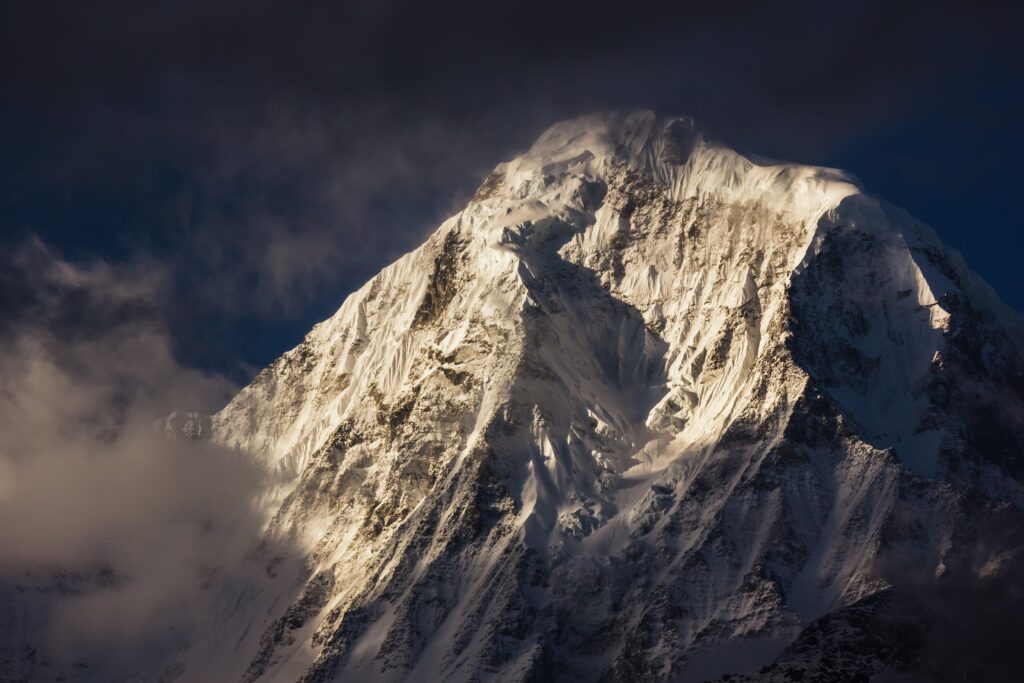
The Annapurna Circuit is usually regarded as a moderate to challenging Trek. It consists of numerous long days of hiking, climbing steep hills, and crossing numerous high-altitude passes like Thorong La Pass (5,416 m). The Annapurna Circuit is also known for having teahouses along the trail; however, because of its length, height, and variations in weather, it can be a very demanding experience.
People who are comfortable completing this trek are typically trekking veterans who have the proper fitness level and can navigate the terrain. Beginners must carefully prepare and acclimatize prior to starting the trek in order to complete it successfully. Trekkers will find that the Annapurna Circuit Trek is an excellent opportunity to create an amazing view of the mountains and have the opportunity to be part of a diverse culture while feeling an incredible sense of accomplishment like few others have experienced while trekking.
How Difficult Is the Annapurna Circuit?
While the Annapurna Circuit is classified as a moderately difficult trek, it does require a lot of effort on the part of the hiker. Each hiker must walk long distances for several days, endure extreme changes of altitude and weather, and prepare themselves physically by building enough stamina through strength, cardio, and practicing hiking before starting the trek. Below are the challenges all trekkers will face:
Physical Difficulty
Trekkers will generally experience a minimum of five to eight hours of walking in one day with various levels of climbing and descending, which will tire your feet and legs. The longest and most demanding portion of the circuit will be crossing over Thorong La Pass (5,416 m). Before you attempt the circuit, you should build your stamina with both cardiovascular and strength training and practice hiking for many days prior to the trek.
Terrain Difficulty
The trekking route passes through a wide variety of different types of terrain, including river valleys, rocky trails, and high ridgelines. In many locations, the trails will be narrow and uneven and when the snow or monsoon season has occurred, many of the paths may be increasingly difficult to traverse due to wetness or mud. Therefore, it is important to wear appropriate footwear and exercise caution while hiking.
Weather Challenges
The weather is unpredictable and can be cold in the early morning and evening hours and experience snowfall on occasion while traversing Thorong La Pass. During the monsoon (June-August), heavy rain, mud, and landslide potential will make trekking difficulty increase.
Altitude Difficulty
There is the possibility of suffering from Acute Mountain Sickness (AMS) while trekking at higher elevations. Symptoms of AMS include headache, nausea, dizziness, and a high level of fatigue. Trekkers will have specific days to acclimate to the new altitude. Staying hydrated, sleeping at a lower altitude, and acclimating to higher elevations will decrease all chances for AMS.
The Annapurna Circuit is accessible to avoid trekkers who can take proper care of their heights with proper preparation and pacing. Additionally, the Annapurna Circuit presents trekkers with one of the best trekking experiences in Nepal.
Factors That Affect the Difficulty
There are many factors that determine the difficulty of the Annapurna Circuit. Altitude, length, trail conditions, weather, physical fitness, and lodging availability all contribute to the trek’s level of difficulty; understanding how to navigate such circumstances will ensure a safe and successful journey.
1. Altitude and Risk of AMS
The highest point on the Annapurna Circuit is Thorong La Pass, which sits at an altitude of 5,416 meters; however, as one ascends to this elevation, one can experience AMS or Acute Mountain Sickness, which presents with symptoms such as dehydration, nausea and headache and/or dizziness, and extreme fatigue. While no established treatment exists for AMS, one can avoid getting AMS by adhering to the general safety rules associated with high altitude, including hiking slowly, drinking plenty of water, and resting on acclimatization days.
2. Trekking Distance and Duration
The length of the Annapurna Circuit varies based on which route is taken, ranging from 160 to 230 km, depending on which route is taken, a typical trek would normally take between 14 and 18 days, inclusive of rest and acclimatization days.
3. Trail Conditions
The Annapurna Circuit is rugged terrain, which varies from steep ascents and descents to river valleys and rocky trails. One should also be aware that weather conditions can leave paths wet, muddy or even snowy, so it’s important to wear proper footwear and exercise caution, especially if soaking-slick surfaces consist of mud or ice.
4. Weather and Temperature
The most suitable times of year to complete the trek are March through May (spring) and September through November (autumn). During the earlier months, one should expect cold temperatures and precipitation, while during the later months, one should expect wet and snowy conditions that can hinder safe travel along the pathways, thus evidencing that wearing layered clothing and carrying waterproof gear are important for staying warm and dry throughout the trek.
5. Physical Fitness Requirements
Getting yourself into good general physical condition is a very good idea to prepare for completing this trek, training for the trek to include large amounts of aerobics (cardio), leg strength, core strength, etc. Doing many practice hikes with an appropriate amount of weight in your backpack and gradually working up to the same size backpack that you will be carrying on the actual trek will allow your body to become properly conditioned to complete this level of physical activity.
6. Accommodation and Food Availability
Teahouses are situated throughout the Annapurna hike; while teahouses vary in their level of comfort, most provide basic, if proper, sleeping accommodations and serve basic rice or noodle-based menus. Eating well and getting adequate rest while on the trek will allow one to maintain energy and make the trip easier.
Preparing for the Annapurna Circuit
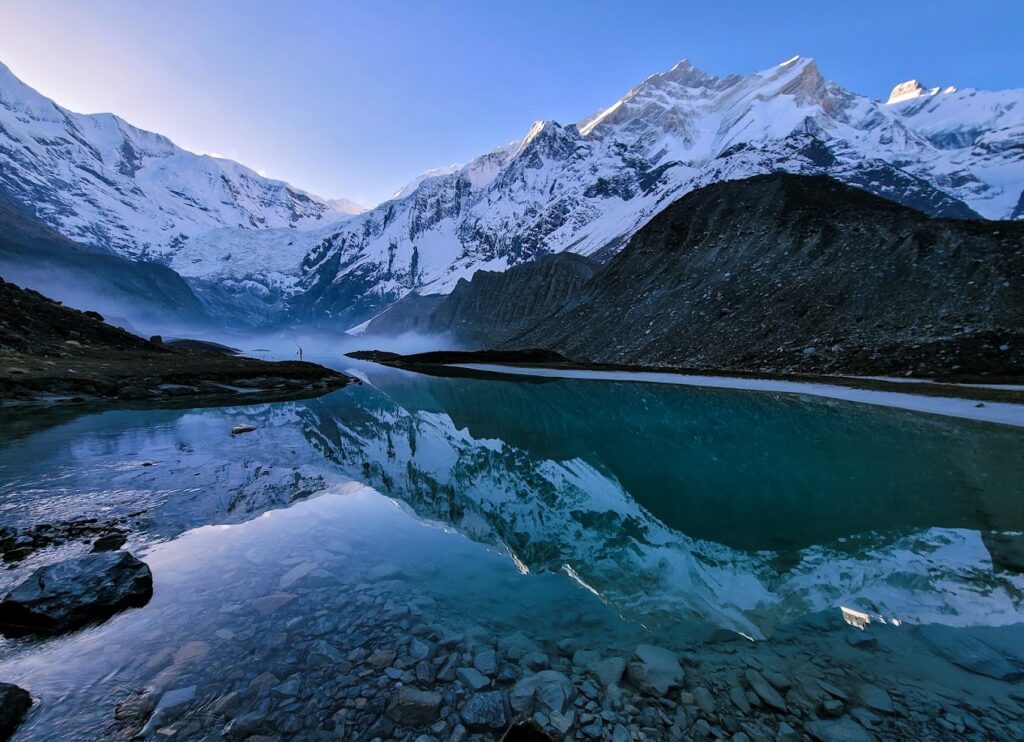
The preparation you have made is essential to enjoy and safely complete the Annapurna Circuit Trek. In order to have the best experience, we suggest maintaining good physical fitness, bringing the right equipment, and obtaining all necessary permits.
Recommended Fitness Training
To prepare your body for the long hikes and the uneven terrain of the Annapurna Circuit you should engage in cardio activities such as running, cycling, and stair climbing. This will build up your stamina for daily hikes. In addition, you will also need to strengthen your legs and core muscles for the steep ascents and descents on the trek. On top of this, it would be a good idea to get used to carrying your own gear over long periods of time; therefore, you should practice hiking with a light backpack on.
Essential Gear
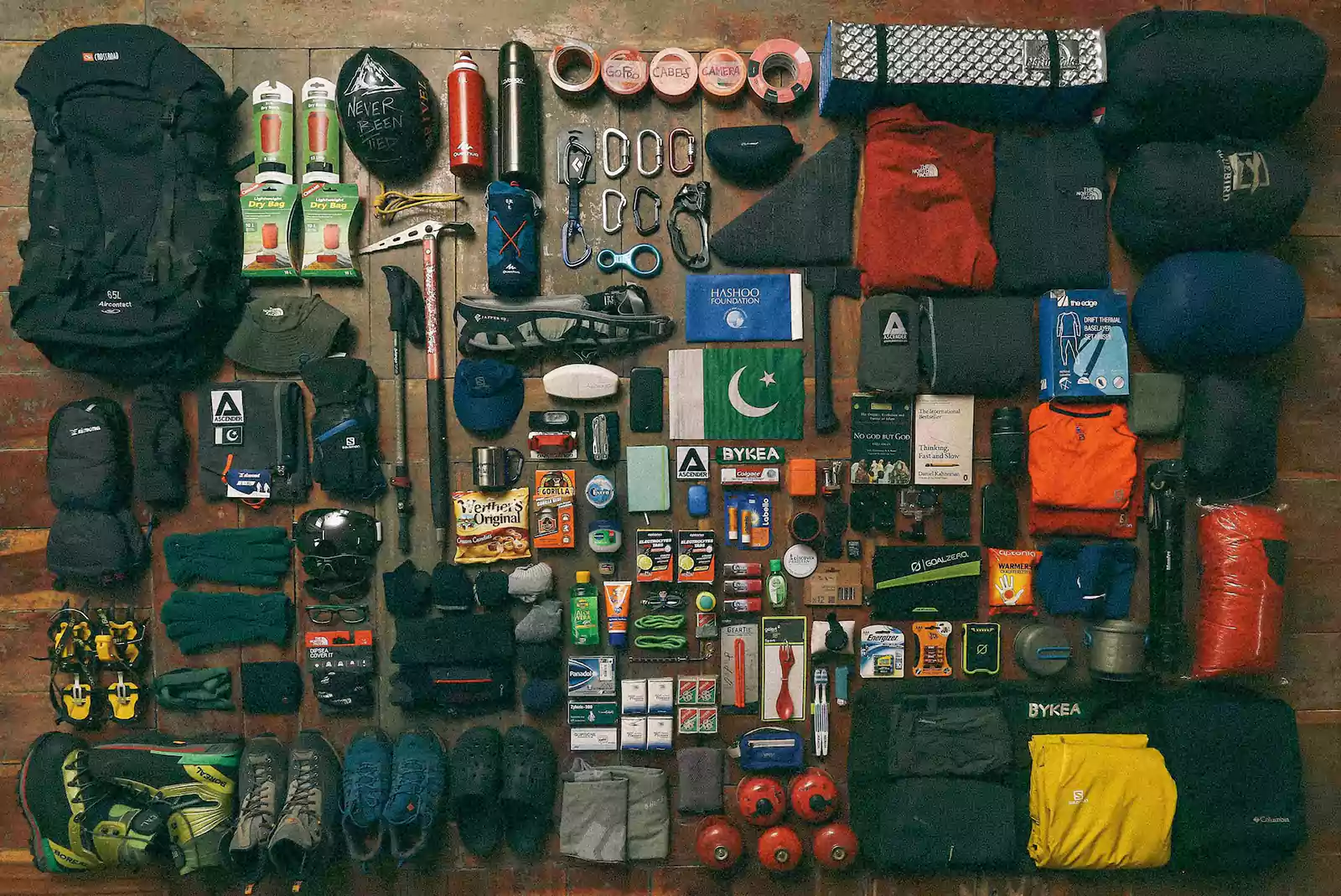
You must use the proper gear for safety and comfort while trekking the Annapurna Circuit:
- Trekking Boots: You want a well-fitting, comfortable pair of boots that provide you with good grip for rocky trails and river crossings.
- Cold Weather Clothing: When you reach a higher elevation nearing Thorong La Pass, you will need a warm jacket, a thermal top, gloves, and a beanie hat.
- Trekking Poles: Trekking poles can help maintain your balance on steep trails while also taking pressure off your knees when hiking long distances.
- Layered Clothing System: For warm weather down low, you’ll need to wear base layers that wick away sweat, mid-layers that keep you warm when it’s cool, and an outer layer that keeps you dry when it rains or fogs up in the mountains.
- What You Need in Your Backpack: If something goes wrong on the path, you should have water, snacks, a first-aid kit, and a headlamp in your pack.
Permits and Regulations
You need to have an ACAP (Annapurna Conservation Area Permit) to hike the Annapurna Circuit. If you just want someone to help you find your way around, you don’t have to hire a guide to walk the circle. After getting a pass, you can be sure that your trek is legal and well-organized, so you can enjoy it without any worries.
Is the Annapurna Circuit Difficult for Beginners?
The Annapurna Circuit is a moderately difficult hike, and if you are going to attempt it as your first time hiking, you should prepare for your hike carefully. It would be wise for a novice hiker to do the following: ensure they are fit enough physically to complete the trek, take additional days for acclimatization, plan for steady-paced walking, and protect their safety and comfort by preparing for extended day hikes with variable weather and at high elevations.
What Beginners Should Prepare For
Novice hikers should prepare themselves by developing their physical fitness through cardiovascular exercise and strength training, learning how to prevent altitude sickness, and planning how much to rest and how much to eat while hiking. Mental preparation will help the novice enjoy the experience much more if they are aware of the possibility of long days on remote trails.
How to Make the Trek Easier: Short Tips
Although the Annapurna Circuit is a challenging trek, by employing the following 10 basic strategies, trekkers can provide themselves with a more pleasant and comfortable journey while completing the trek:
1. Plan to spend some time on acclimatization days while you acclimatize to the altitude prior to beginning the trek.
2. To ensure your safety and to provide you with additional support, you should engage the services of an experienced guide or hire a porter.
3. To maximize comfort and enjoyment during your trek, you should be sure to pack a variety of items, including comfortable boots, layered clothing, and trekking poles.
4. When hiking the Annapurna Circuit, it is best to maintain a slow, steady pace to reduce the fatigued state.
5. To avoid becoming fatigued and without adequate energy to finish the trek, you should drink lots of water and eat plenty of nutritious food during each day of hiking.
6. To experience the best weather and the availability of a place to sleep at the teahouse after a full day of trekking, you should begin trekking as early in the morning as possible each day.
Who Should Avoid the Trek?
Preparing to hike the Annapurna Circuit is demanding, and it is not recommended for all individuals. This type of trek is not recommended for individuals who have serious medical conditions such as heart problems, chronic illness, or lung problems because the high altitude and physical effort required are too great for an individual who is physically unable to complete this trek. A novice who is physically unfit should not attempt to hike this route due to the extensive effort involved, which includes climbing steep mountain passes, extended day hiking, and remote locations on the trail. The trek will also be much more difficult to complete during inclement weather (like the Monsoon season, which runs from June to August), as well as during times of excessive snowfall, which could make all of the trails dangerous.
Trekking and Climbing Fatalities in the Annapurna Region
The Annapurna region has seen some of the worst trekking disasters in Himalayan history. In October 2014, an unexpected snowstorm swept through the Annapurna Circuit and Thorong La Pass, catching many trekkers off guard. Heavy snowfall and avalanches struck areas that were busy with hikers and guides, leaving more than forty people dead from exposure, burial under snow, and exhaustion. This event made it clear how quickly conditions can turn dangerous on high-altitude trails, even for experienced trekkers.
Beyond trekking paths, the main peak of Annapurna I has long been one of the most dangerous mountains to climb. Over the years, avalanches, steep icy slopes, and sudden weather changes have claimed many lives. In April 2020, several trekkers and local climbing staff were killed by avalanches and landslides as conditions shifted unexpectedly during the spring climbing season. And in April 2022, a powerful avalanche near Thorong La struck a group of trekkers, killing both foreign visitors and Nepali guides as they crossed a high-altitude section. Rescue teams struggled with bad weather and difficult terrain, and the tragedy reminded everyone that danger in the Annapurna region is not limited to the highest peaks but can happen along popular trails as well.
Climbing Annapurna I has always carried a level of risk far higher than most Himalayan peaks. By the start of 2022, climbers had reached the summit 365 times, while 72 people lost their lives during attempts on the mountain. This means that nearly one in five climbers who stood on the summit did not return safely, a figure that places Annapurna I among the most dangerous mountains in the world. The main causes of death have been large avalanches, falls on steep ice and rock sections, and physical collapse caused by extreme altitude and exhaustion, often during the descent. Even in recent years, with improved equipment, weather forecasting, and professional guiding teams, the mountain has continued to claim lives. After 2022, at least one additional fatality was recorded, bringing the total to around 73 deaths, while the number of successful ascents rose to just under 400, leaving the fatality-to-summit ratio still close to 20 percent. These figures, drawn from expedition records and Himalayan climbing databases, reflect the ongoing danger that defines Annapurna I.
Fatality Rate of Annapurna I
Annapurna I is widely regarded as one of the most dangerous mountains in the world, even among the fourteen peaks that rise above 8,000 meters. Known for its steep terrain, heavy snowfall, and constant avalanche risk, the mountain has challenged climbers since the first successful ascent in 1950. By 2022, records show that 365 climbers had reached the summit, and in the years following, the total number of successful ascents increased to around 395.
Despite this growing number of summits, Annapurna I continues to have a grim safety record. Over time, the mountain has seen more than 73 recorded climbing fatalities, most of them caused by avalanches, falls on exposed sections, extreme cold, and altitude-related exhaustion during descent. These figures mean that roughly one out of every five climbers who successfully summit Annapurna I does not make it back safely. This fatality-to-summit ratio remains significantly higher than that of other major Himalayan peaks.
In conclusion, Annapurna I stands as a reminder that technical difficulty and objective danger matter as much as height in high-altitude climbing. Even with modern equipment, better forecasting, and professional expedition support, the mountain’s unstable snowfields and unpredictable weather continue to pose serious risks. With a fatality rate still close to 20 percent, Annapurna I retains the highest fatality rate among all 8,000-meter mountains, earning both respect and caution from climbers worldwide.
Key Statistics at a Glance
| Category | Data |
|---|---|
| Total summit attempts | 500+ climbers |
| Successful summits | ~395 climbers |
| Total recorded deaths | 73+ climbers |
| Fatality rate | ~20% (about 1 in 5 climbers) |
| Rank among 8,000 m peaks | Highest fatality rate |
Conclusion
The Annapurna Circuit is a moderate to challenging trek; however, it is possible for the average person to complete this trek safely with adequate preparation (including daily fitness training) and by maintaining their normal, steady-paced effort while trekking. Please take your time and follow the recommended acclimatization schedule. Listen to your body. Along the trek, be sure to appreciate the stunning views of the mountains, the local villages, and the different cultural experiences. With proper preparation, equipment, and your positive attitude, you will have a wonderful experience on this trek; it will be an adventure of a lifetime for anyone who is willing to take on this challenge.
Comments (0)
Write a comment- Introduction
- Overall Difficulty Level of Annapurna Circuit
- How Difficult Is the Annapurna Circuit?
- Physical Difficulty
- Terrain Difficulty
- Weather Challenges
- Altitude Difficulty
- Factors That Affect the Difficulty
- 1. Altitude and Risk of AMS
- 2. Trekking Distance and Duration
- 3. Trail Conditions
- 4. Weather and Temperature
- 5. Physical Fitness Requirements
- 6. Accommodation and Food Availability
- Preparing for the Annapurna Circuit
- Recommended Fitness Training
- Essential Gear
- Permits and Regulations
- Is the Annapurna Circuit Difficult for Beginners?
- What Beginners Should Prepare For
- How to Make the Trek Easier: Short Tips
- Who Should Avoid the Trek?
- Trekking and Climbing Fatalities in the Annapurna Region
- Fatality Rate of Annapurna I
- Key Statistics at a Glance
- Conclusion
Read the latest Blogs & Insights
Explore our collection of articles and insights to gain in-depth travel knowledge, expert advice, and stay updated on the latest trends and tips.





No comments yet.