









How Hard is Everest Base Camp Trek?
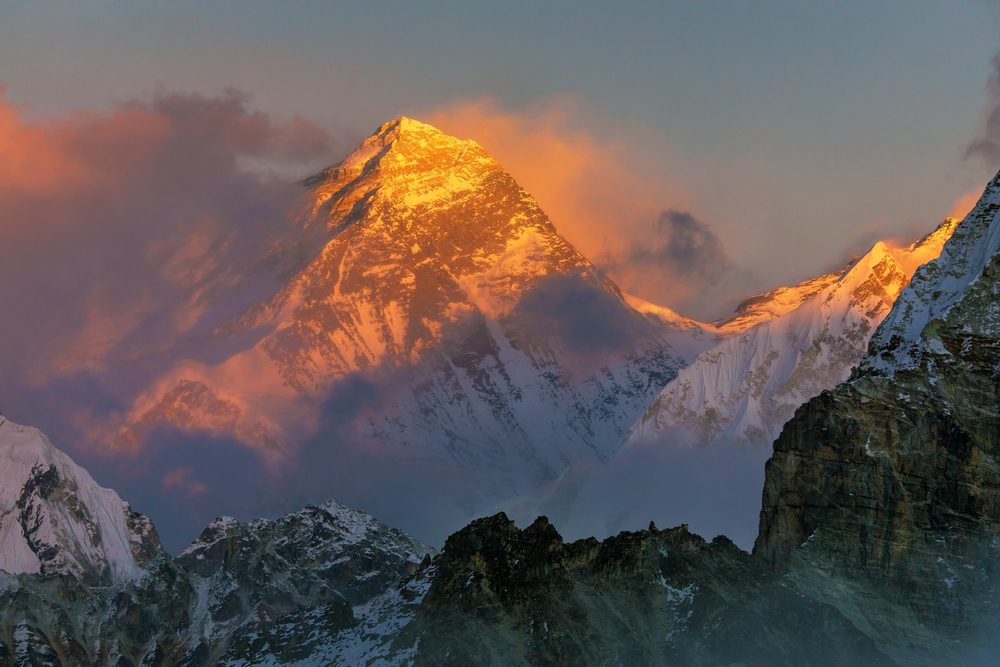
Come experience the Everest Base Camp trek—an exhilarating challenge with breathtaking views of the Himalayas, Sherpa culture, and a lifetime of memories!
-
 Adventure Master Trek
-
31 December, 2025
-
16 mins read
-
605 Views
-
0 Comments


Introduction—Is the Everest Base Camp Trek Really That Hard?
Every year thousands of people take to the Everest Base Camp (EBC) trek; one of the most famous treks in the world. The beauty of the mountains, the Sherpa culture, the legendary trails, and many other reasons make EBC an extremely popular trek but with this popularity comes the common question of “How difficult is EBC really?”
A lot of trekkers worry about altitude, long days of hiking, steep climbs and whether or not they are fit enough to complete the trek. This guide will help you with everything you need to know to prepare for your trek including the types of terrain that you will encounter, how to acclimatize to altitude, what your fitness level should be, what to expect from the weather, how far you should walk each day, and how to prepare mentally for the trek.
The trek to Base Camp is suitable for anyone who is reasonably physically fit and has the will to complete it. By understanding the specifications of the trek, you can make an informed decision about whether or not it is for you.
What Makes the Everest Base Camp Trek Challenging?
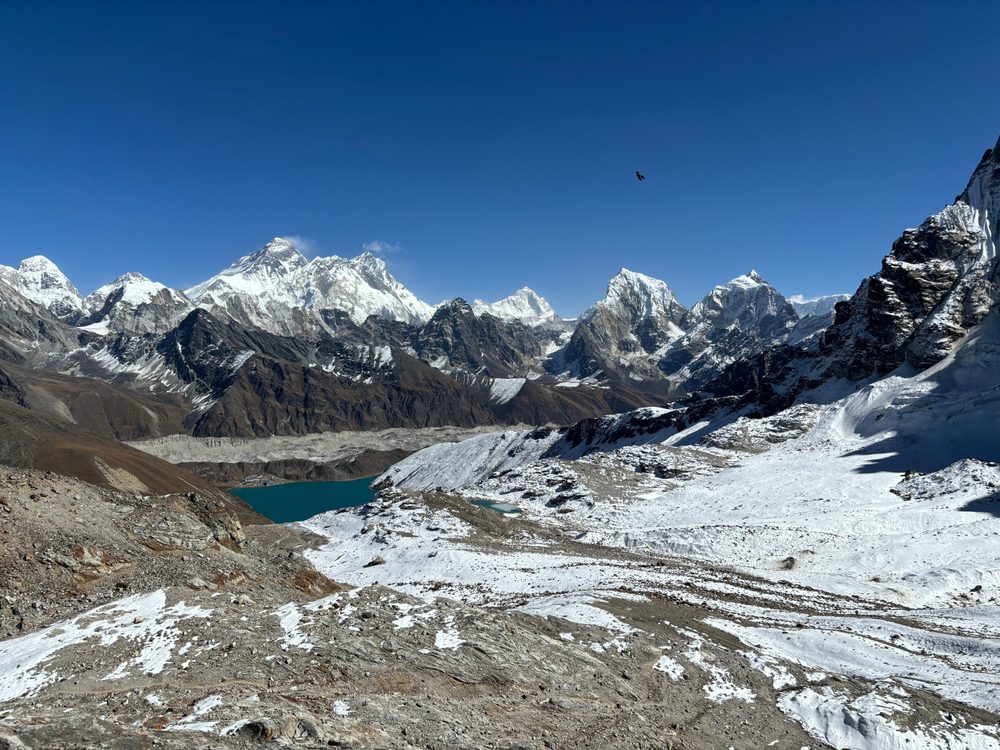
While the Everest Base Camp trek offers breathtaking views, it is not without its challenges. There are various elements, such as altitude, long days of walking, and steep trails, that contribute to the physical and mental demands of the trek. Recognizing these factors is necessary to ensure that you are prepared and safe while on the trek.
High Altitude and Acclimatization Needs
The trek begins at about 2800 meters and ascends to 5364 meters at Base Camp. As the altitude increases, the amount of Oxygen in the air decreases, making it more difficult to breathe and increasing the amount of fatigue a trekker feels. Therefore, acclimatization days in Namche and Dingboche are extremely important to allow the body to get used to the change in altitude..
Common symptoms of altitude sickness are headaches, appetite loss, dizziness and trouble sleeping. Walking at a slow pace and drinking plenty of fluids can help reduce your chances of developing altitude sickness.
Long Trekking Days
Most days of trekking will be between 5-8 hours long. The longer you are above sea level, and the thinner the air becomes, the harder it will be to walk for long periods of time. A moderate hike may feel much harder at high altitudes than at sea level. On the way up to the Everest Base Camp (EBC), you will face steep hills, which will require you to use good fitness, and as many early hikers have done, pace yourself along the way.
Rugged Terrain and Remote Trails
You’ll travel the EBC trail on rocky terrain, with uneven steps and some glaciers to cross along the way, and there are several areas along the trail that have hazards (e.g., narrow paths, rockfalls) and can cause injury if not careful and well-prepared for them. The majority of trails are well-trodden, but they are isolated, and when deep in the Khumbu region, there will be limited access to medical assistance.
Daily Distances and Elevation Profile of the EBC Trek
The Everest Base Camp trek will take you through low-forested areas to high alpine terrain, all of which will offer different challenges based upon the distance you have to walk, elevation and type of land. Use the following schedule for each day for information about the difficulty levels of each day and what you can expect throughout your trip.
- Day 1: Kathmandu → Lukla → Phakding
On this day, you will be taken to one of the famous flights to Lukla, which is a quick and exhilarating flight but can be impacted greatly by the weather conditions. After the exciting flight to Lukla, you will begin your walking journey to Phakding for 3-4 hours (mostly downhill), which will give your body a chance to adjust for the mountain climbs you’ll face throughout your journey.
- Day 2: Phakding → Namche Bazaar
A big challenge day. From the Walking Path, the hike from Phakding to Namche Bazaar will not be an easy one but will build on the confidence you gain, giving you a good base to move forward.
- Day 3: Acclimatization in Namche
A recovery day but still some hiking. You will do some uphill trekking to viewpoints like the Everest View Hotel along the way. Prepare yourself for the trek of your choice by following the “Climb Higher, Sleep Lower” Rule.
- Day 4: Namche → Tengboche
Get ready for a magnificent day of walking through a scenic yet challenging landscape filled with rolling trails and a steep ascent into the monastery village at Tengboche.
- Day 5: Tengboche → Dingboche
Once you’ve reached the tree line, you’re entering the alpine environment. The elevation will prevent you from moving fast while hiking; however, this will allow for magnificent views of the valleys below.
- Day 6: Dingboche Acclimatization Day
Acclimatization can also be improved by taking a short but steep hike to the Nangkatsang Peak. Resting and consuming fluids are very critical today.
- Day 7: Dingboche → Lobuche
You will begin a gradual ascent from Dingbouche through rocky country that will enable you to see and feel the effects of altitude and the increasing difficulty in breathing.
- Day 8: Lobuche → Gorakshep → Everest Base Camp
Today will be the hardest day, as you will be walking across a glacier moraine, stopping for lunch at Gorakshep before continuing onto Base Camp, so it should prove to be an exciting yet tiring experience.
- Day 9: Kalapatthar Sunrise Climb
An early morning steep climb to Kala Pattar will give you one of the best vistas of Everest with a sunrise view! Although it’s hard work, every step will be worth it.
- Days 10–12: Return Journey
It will be easier on your lungs when returning to Lukla. However, it will take its toll on your knees. Long walks will take you back through some of the same villages.
How Fit Do You Need to Be for Everest Base Camp?
You don’t have to be an athlete to complete the Everest Base Camp trek. However, you must have a good level of fitness and endurance to trek the Everest Base Camp trail safely, easily and with more enjoyment. Here is how you can get fit, build your endurance and be prepared for the trek:
Physical Fitness Requirements
You will need to develop your cardiovascular fitness to get through the long days of trekking in the higher elevations. Leg strength and leg endurance will help you get up the steep hills and reach the challenging rocky terrain. You don’t need to be in peak physical condition to be able to complete this trek; however, if you complete regular training prior to your trek, you will reduce your chances of fatigue and reduce your chance of getting injured while trekking at the higher elevations.

Recommended 8–10 Week Training Plan
As you hike up rocky terrain, you will get real trail walking. So, practice hiking on rocky trails to get yourself used to what it feels like to trek. Leg muscles can be strengthened by climbing stairs. By adding weight to your pack, you can get your body accustomed to carrying extra equipment when trekking.
Do You Need to Be Young to Do EBC?
Age does not define who can hike to Base Camp, but rather, it is your general health. People from 10 years old to 75 years old have made it to Base Camp successfully. As long as you are in good physical condition, have an active lifestyle, and have been approved by your physician, you are qualified to undertake the trek. If you have pre-existing medical problems or concerns, consult your physician before making plans to go on your trek.
Mental Challenges on the EBC Trek
The Everest Base Camp trek is physically demanding, but it can also be mentally tough. You will have long days, very cold sleeping bags at night, and high altitudes. You may experience fatigue, colds, and inconveniences on a regular basis. In addition to being physically prepared, mental preparation is also critical to being able to complete the trek.
Dealing with Tiredness and Altitude
Walking in thin air at high altitudes can cause fatigue and sometimes cause some dizziness and headaches. You will probably eat less than you usually do, and your energy level will feel reduced. Always walk at a steady pace and rest whenever you need to. Drink adequate amounts of water. Listen to your body to avoid potential major medical issues.
Coping with Weather and Delays
The weather in the mountains can change quickly. Heavy snow may occur on rare occasions, as well as heavy rain and flight cancellations from Lukla. If you plan to stay calm, patient, and flexible during such occurrences, it will help you handle the situation without stressing yourself out.
Keeping Motivation
Long days of trekking in very cold temperatures and very thin air will wear you down. Plan to complete small goals each day, enjoy the incredible views, and keep reminding yourself why you have chosen to hike this specific trail. If you have a positive outlook on your trek, you can have a great impact on your ability to finish the journey.
Accommodation & Food Challenges on the EBC Trail
The accommodations on the Everest Base Camp trek are straightforward and modest. Most tea houses provide shared bathrooms and a communal dining room with basic sleeping quarters. As you know what expectations to make ahead of time for your Everest Base Camp trek you will keep your trek comfortable throughout your journey.
Tea House Conditions
The majority of tea houses in the Everest region offer small, simple-sized rooms with basic beds with little heat. Therefore, it can get cold at night, mostly at higher altitudes. You may have to share a bathroom with a few other guests, which can be uncomfortable due to the limited heat and lack of privacy. It can be more severe if you trek in higher elevations. Be sure to bring proper warm clothing and a high-quality sleeping bag and slippers. If you stay warm and comfortable, you will be able to rest and relax from the previous day’s trek.
Food Options
Dal Bhat (the staple food in the Everest region) is rice and lentils and is the most versatile and dependable food source. Other options include noodles, pasta (though limited), eggs, and fried rice; however, the selection becomes increasingly limited when you go to the higher elevation villages. While the meals you will receive will be simple (such as boiled potatoes), they are filling and will provide the necessary energy to sustain your power throughout the trek. It’s also important to drink plenty of water, and you should pack some snacks such as chocolate and nuts to snack on for additional energy during your long trek days.
Weather and Seasonal Difficulty
Your ability to successfully manage the challenges of the Everest Base Camp trek largely depends on the seasonal weather conditions. Knowing when to expect good weather allows you to better prepare, making it much more enjoyable.
Best Seasons: Spring and Autumn
The best weather conditions for trekking are in the springtime, from March until May, or fall, from September until November, as these are the seasons with the most stable weather conditions. The trails will be the safest, the skies will be mostly clear, and the mountain views have the highest potential for awe. The temperatures will be relatively mild, and the chances of rain/snow are low; therefore, these are the two most popular seasons for trekking.
Why Winter Makes EBC Harder
During the winter (December through February), temperatures can reach extremely low levels with freezing nights and very cold daytime temperatures. There will be snow on the trekking paths, making the paths slippery and more difficult to navigate. Lukla flight cancellations are common because of bad weather. This could slow down your trekking schedule and create much unneeded stress for you.
Why Monsoon Is Not Recommended
The heavy rains and slippery trails associated with the Monsoon (June to August) make trekking conditions very hazardous across wide territories; you may find leeches in some areas and swollen rivers can create dangerous circumstances for walking. Given these, most hikers will find trekking during the monsoon neither safe nor enjoyable.
Altitude Sickness on the EBC Trek
The most concerning factor for the altitude sickness is altitude sickness. Even trekkers who are physically fit can develop altitude sickness. So, it is very critical to be knowledgeable about symptoms and prevention in order to stay safe.
What Altitude Sickness Is
When you are at a high altitude, your body has to work harder to obtain oxygen from the air; this condition creates altitude sickness. Common symptoms of altitude sickness include severe headaches, vomiting/nausea, dizziness, shortness of breath, and/or feeling fatigued. Altitude sickness can be very serious if it is not managed properly.
How to Prevent Altitude Sickness
Altitude sickness can occur when you are at a very high elevation; however, you can decrease your risk by following a few basic measures:
- Walk at a comfortable and steady pace to allow your body to acclimatize to altitude.
- Drink plenty of fluids all day long to keep your body hydrated and help reduce your risk of developing altitude sickness.
- Consume regular and well-balanced meals to keep your body energized and healthy at high altitudes.
- Take regular rest days to help your body acclimatize
- Do not drink alcohol or smoke, as these substances may increase the severity of symptoms associated with altitude sickness. Some trekkers will choose to take medication such as Diamox, with their physician’s approval, to decrease their risk of developing altitude sickness.
When to Turn Back
If you become very ill and/or confused or develop swelling in your hands, feet or face, then your first line of action is to immediately descend less than 3,000 ft. and once again, descending is the only proven treatment for very serious altitude sickness. Always remember, your health comes before the trek. Trekking is a great experience but you should always stay alert and focus on your body.
How Hard Is the Terrain?
The trails on the Everest Base Camp trek can be rocky at times, making them a challenge physically. In addition, there are many obstacles along the way to deal with. To say it in a clearer way, the terrain can be uneven with loose surfaces, or in some cases, there can be the presence of glaciers and other difficult places.
Suspension Bridges, Exposure
High, swaying suspension bridges cross rivers and deep valleys on most of the trails. These bridges may be intimidating, particularly when strong winds or rushing water are underfoot. It is important to keep calm and to walk slowly while holding onto the ropes for stability. If you are nervous, try to focus on a single step at a time. Looking down will only increase your anxiety. Wet conditions may make the bridges slippery. Therefore, it is necessary to wear supportive shoes and pay close attention to your feet. Successfully crossing the bridge will give you confidence and will be a cherished memory of your trek.

Steep Ascents & Tough Descents
Steep, physically demanding climbs, like that from Namche Hill to Tengboche, will test the strength and stamina of your legs. Likewise, steep descents from places like Gorakshep or high-altitude areas will impose significant pressure on the knees and ankles. Trekking poles are helpful in relieving some of this constant pressure as well as aiding in providing stability, and maintaining a proper pace and taking frequent small breaks will help stop fatigue from setting in. Focus on your breathing to develop a constant rhythm that optimally manages your energy level. It is critical to have good shoes with enough grip to guarantee safety and also to be mentally prepared to take these difficult sections at a controlled pace.
Glacier Moraine and Rocky Sections close to the EBC
Trails close to Everest Base Camp will typically take trekkers over potentially hazardous rocky/uneven/loose moraine areas. Trekkers should carefully consider how to position their feet, and walk slowly and with precise movements to prevent slips and other forms of injury. Trekking poles provide excellent stability, while good hiking boots with sufficient ankle support help prevent ankle twists/sprains. Weather conditions can also pose additional hazards, in that wet or slippery rocks can create unforeseen complications.
Packing, Gear & Support
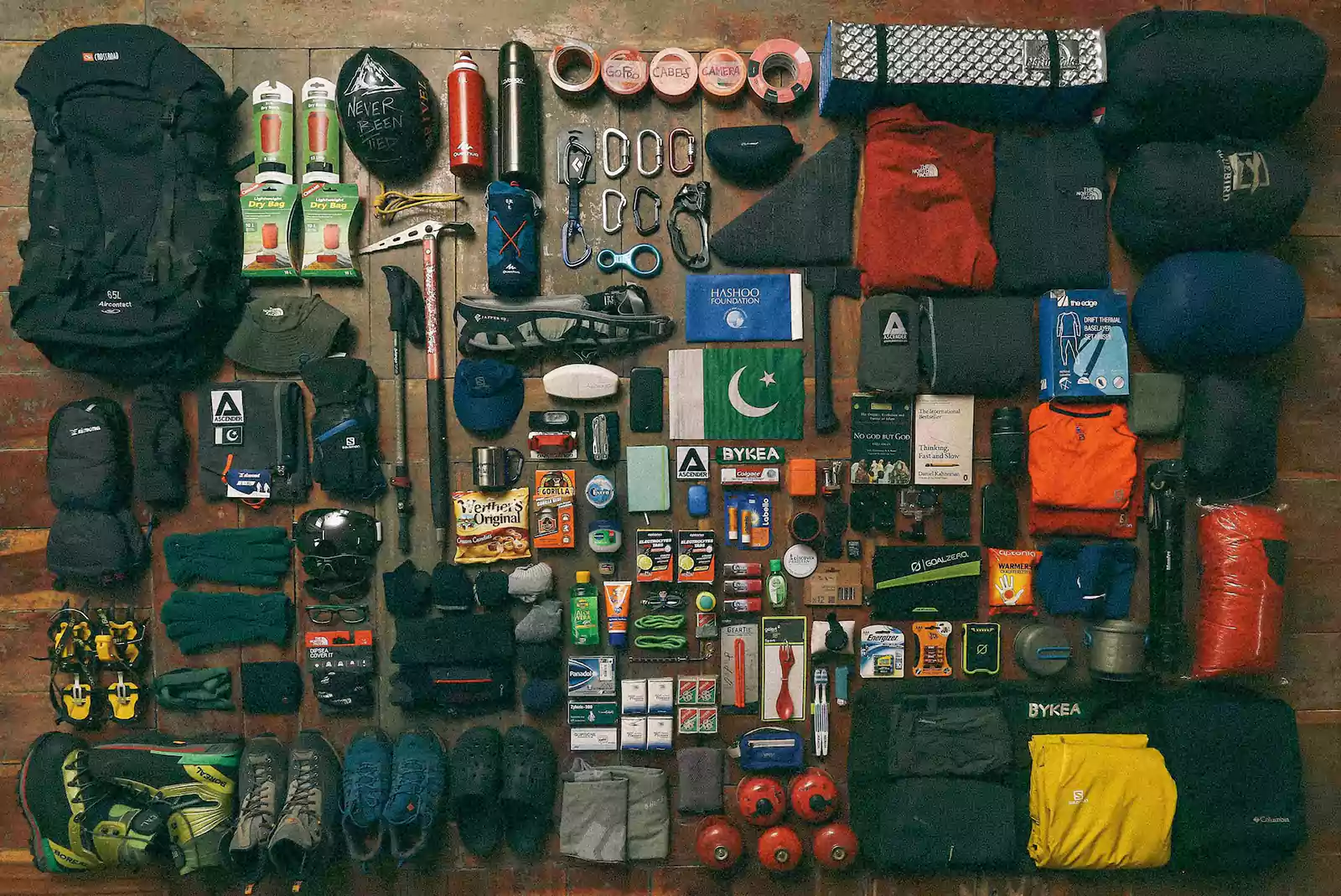
It is critical to have the necessary equipment for a successful and comfortable trekking experience at Everest Base Camp to ensure that you keep warm, protected, and prepared for weather conditions that may change and treks that may be difficult.
Essential Gear for a Less Difficult Trek
- Warm clothes (layers)
- Good hiking boots
- Sleeping bag
- Gloves and hat
- Trekking poles
- Backpack with essentials
- Water bottle or hydration system
- Sunglasses and sunscreen
- Headlamp or flashlight
- First aid kit
Hiring a Guide and Porter
The use of a guide will greatly improve your chances of having a successful and safe trek by assisting you with navigating to and from destinations while also informing you about the local culture and history. You will also have porters who will carry heavy backpacks (usually a maximum of 10-15 kg) for you, allowing you to save energy and enjoy the trek even more.
Final Verdict—How Hard Is the Everest Base Camp Trek?
While the hike to Base Camp isn’t too easy, it is doable with the right amount of planning, training, and patience. The high altitude at Base Camp will be both a physical and mental task that will require both stamina and endurance to complete. For this reason, building mental stamina is just as important as building physical fitness.
As someone who has done this trip several times, I can promise you that it will be very difficult. You can get through these problems, though, if you go at your own pace, take the right steps, and plan ahead. Take it easy on the days you need to get used to the altitude and listen to your body. Then you won’t have to worry about finishing the trip. As difficult as it can be, the views of the snow-covered peaks, glaciers, and beautiful Khumbu Icefall make the trip to Base Camp on Mount Everest well worth it.
Why the Difficulty Is Worth It
While the trek to Base Camp on Mount Everest can be extremely challenging, the breathtaking views of the snow-covered peaks, glaciers, and beautiful Khumbu Icefall that surround you during this journey are truly breathtaking and make it worth every tough step along the way. In addition, the trek provides the opportunity to experience Sherpa culture and visit ancient monasteries. Many beautiful traditional villages that now exist very much as they did centuries ago.
This trek is a great physical accomplishment and also allows for an exceptional connection to both nature and the local people. When you eventually arrive at the base of the world’s highest mountain, it is guaranteed that you will feel immense pride and amazement, making all the effort, long hours, and struggling with the altitude well worth it.
Comments (0)
Write a comment- Introduction—Is the Everest Base Camp Trek Really That Hard?
- What Makes the Everest Base Camp Trek Challenging?
- High Altitude and Acclimatization Needs
- Long Trekking Days
- Rugged Terrain and Remote Trails
- Daily Distances and Elevation Profile of the EBC Trek
- How Fit Do You Need to Be for Everest Base Camp?
- Physical Fitness Requirements
- Recommended 8–10 Week Training Plan
- Do You Need to Be Young to Do EBC?
- Mental Challenges on the EBC Trek
- Dealing with Tiredness and Altitude
- Coping with Weather and Delays
- Keeping Motivation
- Accommodation & Food Challenges on the EBC Trail
- Tea House Conditions
- Food Options
- Weather and Seasonal Difficulty
- Best Seasons: Spring and Autumn
- Why Winter Makes EBC Harder
- Why Monsoon Is Not Recommended
- Altitude Sickness on the EBC Trek
- What Altitude Sickness Is
- How to Prevent Altitude Sickness
- When to Turn Back
- How Hard Is the Terrain?
- Suspension Bridges, Exposure
- Steep Ascents & Tough Descents
- Glacier Moraine and Rocky Sections close to the EBC
- Packing, Gear & Support
- Essential Gear for a Less Difficult Trek
- Hiring a Guide and Porter
- Final Verdict—How Hard Is the Everest Base Camp Trek?
- Why the Difficulty Is Worth It
Read the latest Blogs & Insights
Explore our collection of articles and insights to gain in-depth travel knowledge, expert advice, and stay updated on the latest trends and tips.



No comments yet.