









How Hard is the Kanchenjunga Circuit Trek?
Experience the Kanchenjunga Circuit Trek's remote trails, stunning Himalayan views, authentic local culture, and an unforgettable adventure.

-
 Adventure Master Trek
-
19 December, 2025
-
16 mins read
-
644 Views
-
0 Comments


Introduction—Why Trekkers Ask About the Kanchenjunga Difficulty
When you’re getting ready to tackle the Kanchenjunga Circuit Trek, you should understand that it’s among the most remote treks in Nepal and features beautiful vistas of the third highest mountain in the world. However, its remote location and long duration mean that it will pose some challenges to all who take on the challenge of this trek. But how difficult is this trek, really?
Since this is a long and physically demanding trek through rough terrain with few facilities, you will need to acclimatize to the high altitudes on this trek. Acclimatization should start before you arrive, as well as before you begin the trek, because it will aid you greatly on the trek. Weather conditions along the route can be very unpredictable, making it a very challenging trek to tackle.
You should be fit physically and mentally to be able to enjoy the trek safely and have your food and shelter prearranged ahead of time.
This guide will include the basic information needed to prepare for the Kanchenjunga Circuit Trek, including trekking challenges, terrain, altitude, training requirements, seasonal conditions, and the primary audience for this trek, so that you can prepare for an absolutely incredible experience in the Himalayas.
What Makes the Kanchenjunga Circuit Trek Challenging?
The Kanchenjunga Circuit Trek is one of the most demanding and remote treks in Nepal, with its long duration, high altitude, and rugged terrain, testing both your physical and mental limits. Proper preparation and acclimatization will be necessary to ensure that you complete the trek safely. Here is why trek to Kanchenjunga Circuit is challenging:
High Altitude Challenges
The trek reaches above 5,140 meters and has several nights above 3,500 meters, where there is not enough oxygen for the average person to breathe normally, thereby causing the average person to work harder than normal to breathe and function. This can lead to the occurrence of altitude sickness, with symptoms of headache, nausea, and tiredness.
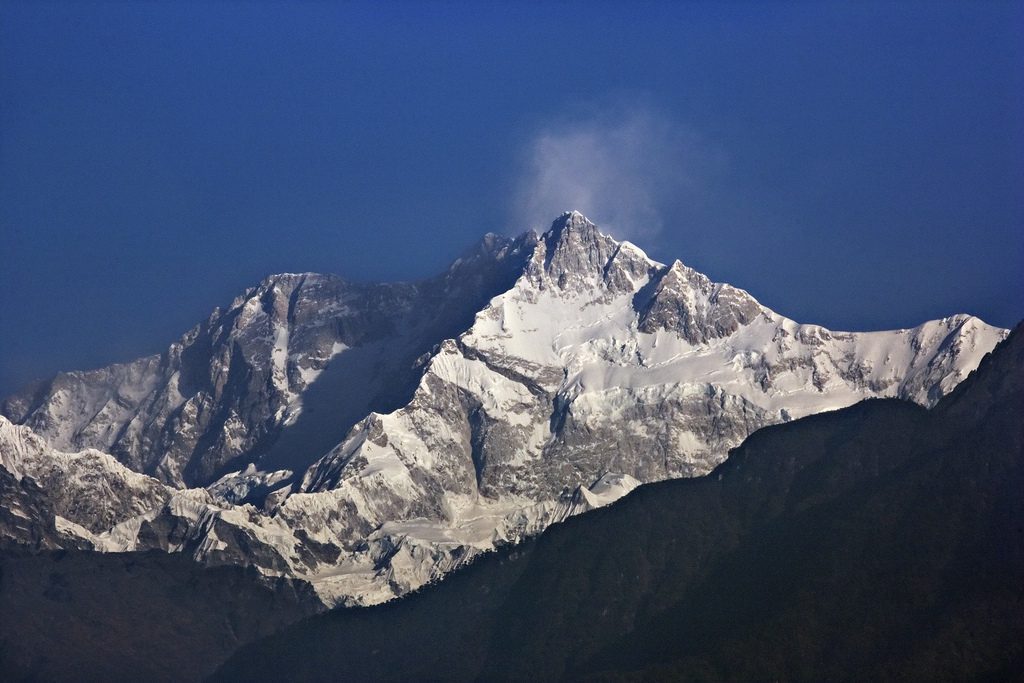
To ensure safety while trekking, trekkers should adhere to strict acclimatization schedules, move slowly, and remain hydrated while trekking. Trekkers should pay close attention to their bodies and take extended breaks if other symptoms appear, in addition to following proper acclimatization schedules, moving slowly on their way to their destination, and drinking enough fluids throughout the day to stay hydrated.
Long Trekking Days
The Kanchenjunga Circuit is approximately 18 to 24 days, with approximately 6 to 8 hours of walking time required each day to walk on steep, uneven trails. As walking for long hours over multiple consecutive days places considerable physical stress on the trekker, proper physical fitness training, participation in endurance training, and controlling pacing through use of proper techniques while walking are critical. Additionally, long days spent in isolation may cause mental fatigue and dramatic fluctuations in excitement.
Remote and Rugged Terrain
Because the rugged nature of this terrain varies from the upper mountain slopes to steep, rocky ascents, trails independent of vehicular access, and extremely little support, trekkers must be prepared to traverse the Kanchenjunga Circuit on their own with their proper gear. As weather conditions, trail conditions, and availability of resources are unpredictable, it is necessary for trekkers to adequately prepare for different possible variations of weather and trail conditions to complete the Kanchenjunga Circuit.
Daily Distances, Elevation & Route Complexity
The Kanchenjunga Circuit encompasses great distances on different surfaces in addition to daily and cumulative altitude changes. By understanding the daily distances, elevations, and trail conditions throughout your journey, you can appropriately manage your pace, rest, and acclimatization during your trek.
Total Distance
The Kanchenjunga Circuit consists of a series of days, each day covering a distance of approximately 170 to 220 kilometers (106 miles to 137 miles) from start to finish, depending on the exact route. Each day’s walk consists of approximately 10 to 18 kilometers (6.2 to 11.2 miles) of walking based on the day’s terrain and elevation. To prevent exhausting oneself during the longer walking days, good endurance and controlled pacing are necessary.
Elevation Profile
You will begin your trek approximately 1,800 m above sea level and slowly climb through many villages, forests, and valleys as you progress. You will have to complete a series of high-altitude pushes to get to both base camps located on the north and south sides of the mountain. You need to respect the importance of proper acclimatization and effective energy use. Thus, you must appropriately prepare every day for the daily ascent in altitude.
Terrain Transitions
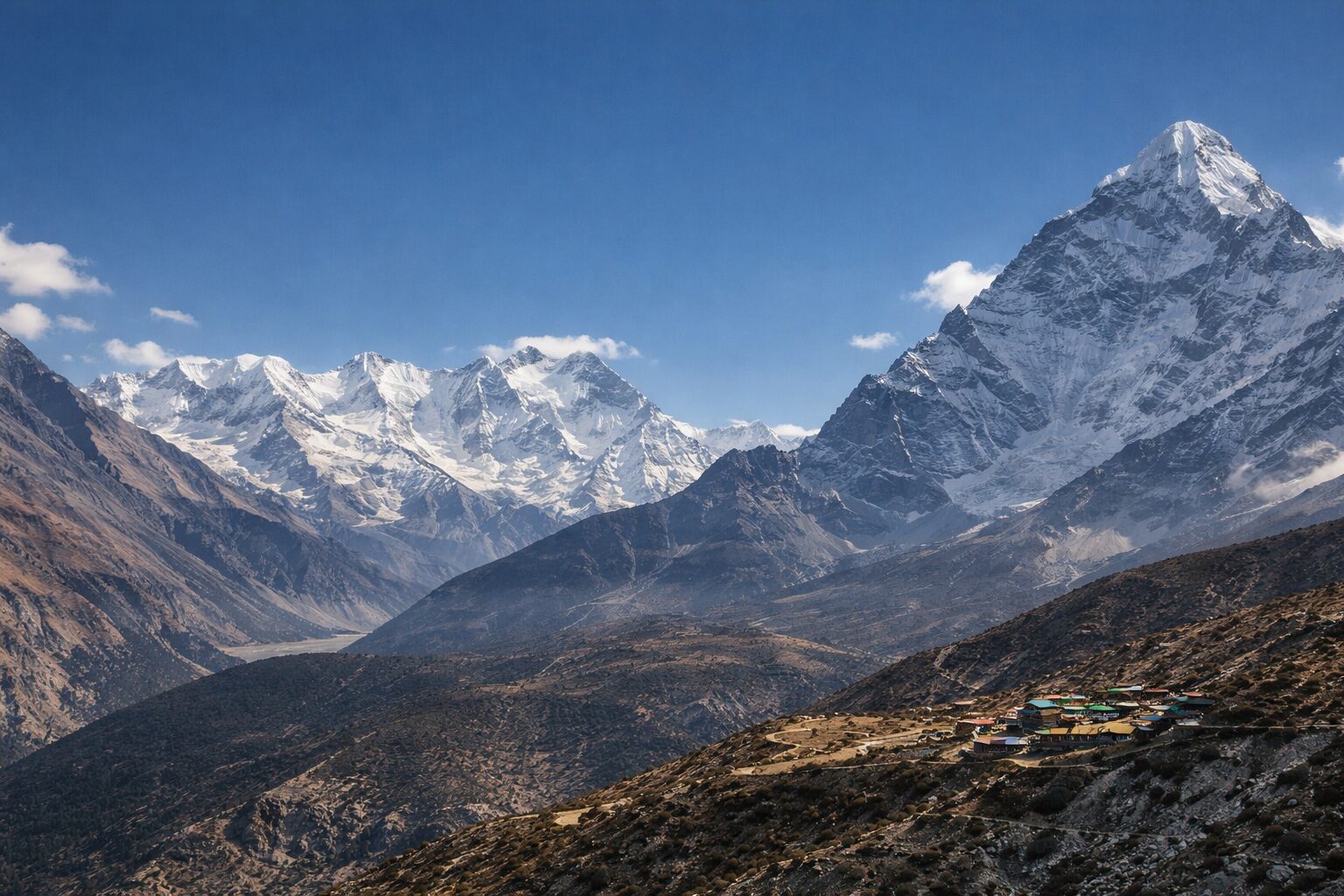
Along the way, the trail traverses subtropical forests, remote mountainous villages, narrow trails that lie near the tops of sheer cliffs, alpine meadows at high elevations, and over the glaciers. Each type of terrain is unique and, above 4,000 m, presents distinct challenges that require the trekker to follow a cautious but focused approach regarding foot placement.
Fitness Requirements for the Kanchenjunga Circuit
Although the Kanchenjunga Circuit is a lengthy, physically demanding trek, being physically prepared is the best way to minimize the effects of fatigue and injuries so that you can enjoy it to the fullest while trekking in the Kanchenjunga region.
Physical Strength
You will need to have good endurance, aerobic fitness, and strong legs to complete this trek successfully. Also, it is critical to develop a strong base of fitness before attempting to hike for long stretches at higher elevations due to the combination of long stretches of hiking at higher elevations. Therefore, to prepare adequately, it is recommended that you train by participating in a variety of long-distance hikes with moderate to major elevation gain.
Recommended Training Plan (8–12 Weeks)
Additional training to improve leg strength and aerobic fitness may include hill runs/stair climbing and resistance training for the arms, shoulders, trunk, and core. It also includes endurance conditioning (using cycling, swimming, and jogging) workouts to help develop the stamina needed to support your hiking efforts for multiple consecutive days.
Do You Need Prior Trekking Experience?
This trek is best accomplished by someone who has previously been on one or more multi-day high-elevation-themed treks. Because of its remoteness, long duration, and difficult-to-access terrain, it is not recommended for beginner hikers.
Mental Challenges on the Kanchenjunga Circuit
Among the many challenges associated with the Kanchenjunga Circuit are both physical rigors and mental stresses. There are long-distance trek days and remote trekking paths, with various unanticipated weather conditions.
Mental Challenges on the Kanchenjunga Circuit
Due to basic facility conditions, there are various times that trekkers need focus, patience, and a high degree of mental strength to get through the trek. Trekkers on this trek also must be prepared to experience solitude, slow ascent, and fewer comforts at altitude, so mental readiness will be as crucial as physical readiness for travelers to be successful on this trek.
Handling Isolation and Loneliness
There will not be many other people travelling along the Kanchenjunga Circuit, which will result in extended times of trekking alone. Not having an adequate amount of social interaction can be mentally exhausting and feel isolating. Being able to accept solitude, creating and maintaining a positive attitude, and following a limited amount of daily routines will be beneficial for trekkers who have trouble coping with these feelings.
Adapting to Basic Comforts
Teahouses are the basic accommodations available along the Kanchenjunga Circuit and will provide little to no heating, with no private bathrooms available. Room accommodations typically include shared bathrooms, and beds will be without heating or hot water available for washing. Electricity and/or internet (Wi-Fi) access is commonly weak and may not be available. However, it will assist trekkers with their travel to know there is a standard of what to expect for teahouse accommodations and to bring comfort items such as a sleeping bag liner or headlamp with them for these circumstances.
Accommodation & Food Conditions
Accommodations and meals along the Kanchenjunga Circuit consist of functional (but basic) teahouses or local food sources along the trek. Here are some things you should know about your place to stay and food to eat:
- Basic Teahouses
Teahouses will provide basic, functional accommodation and meals along the Kanchenjunga Circuit. Accommodations within the teahouses along the Kanchenjunga Circuit typically do not include heating. Room facilities generally consist of wooden rooms and will require the sharing of bathrooms. These bathrooms will often have squat toilets (squat-style) and limited hot water, particularly at elevations where temperatures are lower and limited sun exposure.
- Food Availability
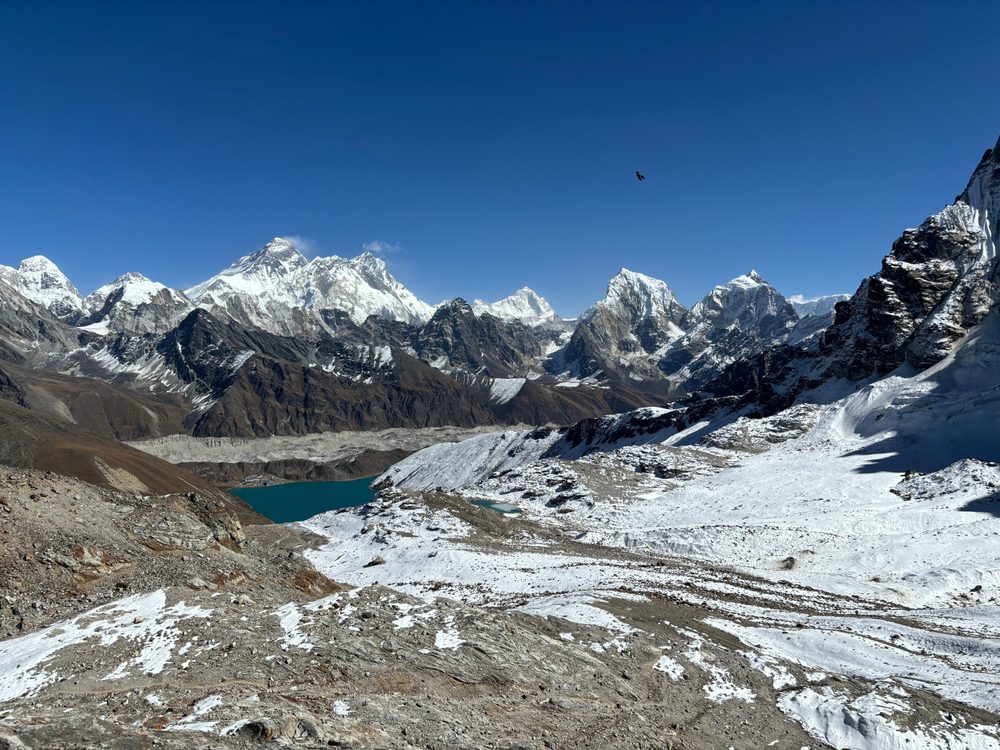
Many of the foods that can be eaten during Kanchenjunga Circuit treks include dal bhat, fried rice, noodles, soups, potato dishes, and lastly, Tibetan bread. Fresh vegetables are difficult to obtain from the higher altitudes. All hot beverages will be available at elevated prices as you travel further up the trek. It is always advisable to carry safe & treated water with you (or water tablets), as drinking water will help keep you healthy throughout the entire trek and provide adequate hydration.
Weather & Seasonal Difficulty
Weather will play an important role on the Kanchenjunga Circuit. Knowing what the best seasons are for the trek and also all possible conditions to expect will allow you to plan safely for the trek and make the adventure enjoyable.
Best Seasons
Spring season: Spring (March through May) is one of the busiest periods for trekking and offers a wide range of weather & visibility along the way. The temperatures are moderate with stable weather, and the views of the mountains are crystal clear. Flowering plants also appear in the
lower elevations, adding beauty to the trek as well.
Autumn season: Autumn (September through November) is the other best time for trekking, because after the rainy months the skies are mostly clear; the trails are safer for long days of trekking, and there are comfortable temperatures. Both spring and autumn present a good balance of weather, visibility, and trail conditions.
Winter Challenges
Winter Season Trekking from December through February is much more challenging. This is because of heavy snow (average -15 degrees to -20 degrees Celsius at higher altitudes) as well as frozen trail conditions caused by the very low temperatures. Most of the teahouses are closed, and some of the trails are blocked because of heavy snowfall, thus making it difficult to find shelter and provisions.
Monsoon Season Difficulty
Monsoon season, from June through August, will result in more heavy rains, landslides, and slippery trails. In lower elevations, there will be leeches present, and due to the clouds, the views of the mountains will be obscured as well. Wet weather conditions typically are an added stress of trekking and will require greater energy; thus, this is not an ideal season for trekking.
Altitude Sickness on the Kanchenjunga Trek
Because of the high altitude and rapid elevation change on the Kanchenjunga Circuit, there is a risk of altitude sickness, so understanding the risks of altitude sickness and how to prevent it is very important.
What Causes Altitude Sickness
Altitude sickness occurs when your body’s ability to adjust to less oxygen at the high elevations is compromised. An increase in altitude sickness risk can occur due to the dual forces of dehydration and physical strain combined with a fast ascent to altitude. Even the most experienced trekker will likely experience mild symptoms of altitude sickness unless they have prepared appropriately by allowing time to acclimatize to the altitude. Symptoms of altitude sickness include headache, nausea, dizziness, and difficulty breathing.
Preventing AMS
Due to the severity of altitude sickness on the Kanchenjunga Circuit Trek, it is important to take preventive measures. To reduce your risk of developing altitude sickness, you should practise the following precautions:
- Ascend slowly to allow your body to adapt to the increased altitude.
- Drink plenty of fluids to stay well hydrated.
- Trek at a slow, steady pace to decrease the degree of effort you put into your trek.
- Do not drink alcohol, as it will exacerbate altitude sickness.
- Only take Diamox under the supervision of a healthcare provider.
- If you begin to exhibit serious symptoms of altitude sickness, descend to a lower elevation immediately for your safety.
Why Kanchenjunga Is Higher Risk
The Kanchenjunga Circuit Trek has multiple days at elevated altitudes (over 4,000m), which puts you at a significantly higher risk for developing altitude sickness due to significantly lower oxygen levels in such high elevations. Please remember that the Kanchenjunga Circuit is in a remote area where medical assistance may be limited and take a long time to arrive. In addition, with the possibility of inclement weather, even helicopter rescues may not be possible. Therefore, allow ample time for your body to adjust, follow the safety recommendations provided, and be cautious when trekking at such high elevations.
Trail Conditions—What to Expect
The Kanchenjunga Circuit Trek covers multiple kinds of trail terrain that can be experienced on the trek. From the unpaved or narrow cliff paths and rocky moraines that exist throughout the trek, trekkers should expect a variety of types of elevation gain and loss as they move onward.
Without prior experience in hiking and trekking, it is necessary to be able to identify what will be found over the course of the trek so that you can prepare your body and plan the right pace for yourself.
Suspension Bridges
The majority of the trails cross high, long suspension bridges that sway in the wind and are located throughout lower valley precipitation, and these bridges offer incredible scenic views of both rivers and valley landforms. While a few high, long suspension bridges can offer scary sensations when walking across, walking slowly with a rope in hand can provide a safe crossing.
Rocky & Steep Sections
As trekkers ascend, the narrowness of the trails increases, and the elevation gain becomes strenuous and more exposed. As you travel through rocky moraines and loose scree, a proper foot placement is critical. Using trekking poles and maintaining a steady pace will ease the stress of hiking through rocky mountains to allow you to reach the summit safely.
River Crossings & Boulders
There are several points during the trek that will require the crossing of rivers or the climbing of large boulders, which may be extremely slippery, especially following rain or snow. Using trekking poles in addition to planning your steps carefully will help you to maintain your balance and prevent you from falling.
Packing & Gear Essentials
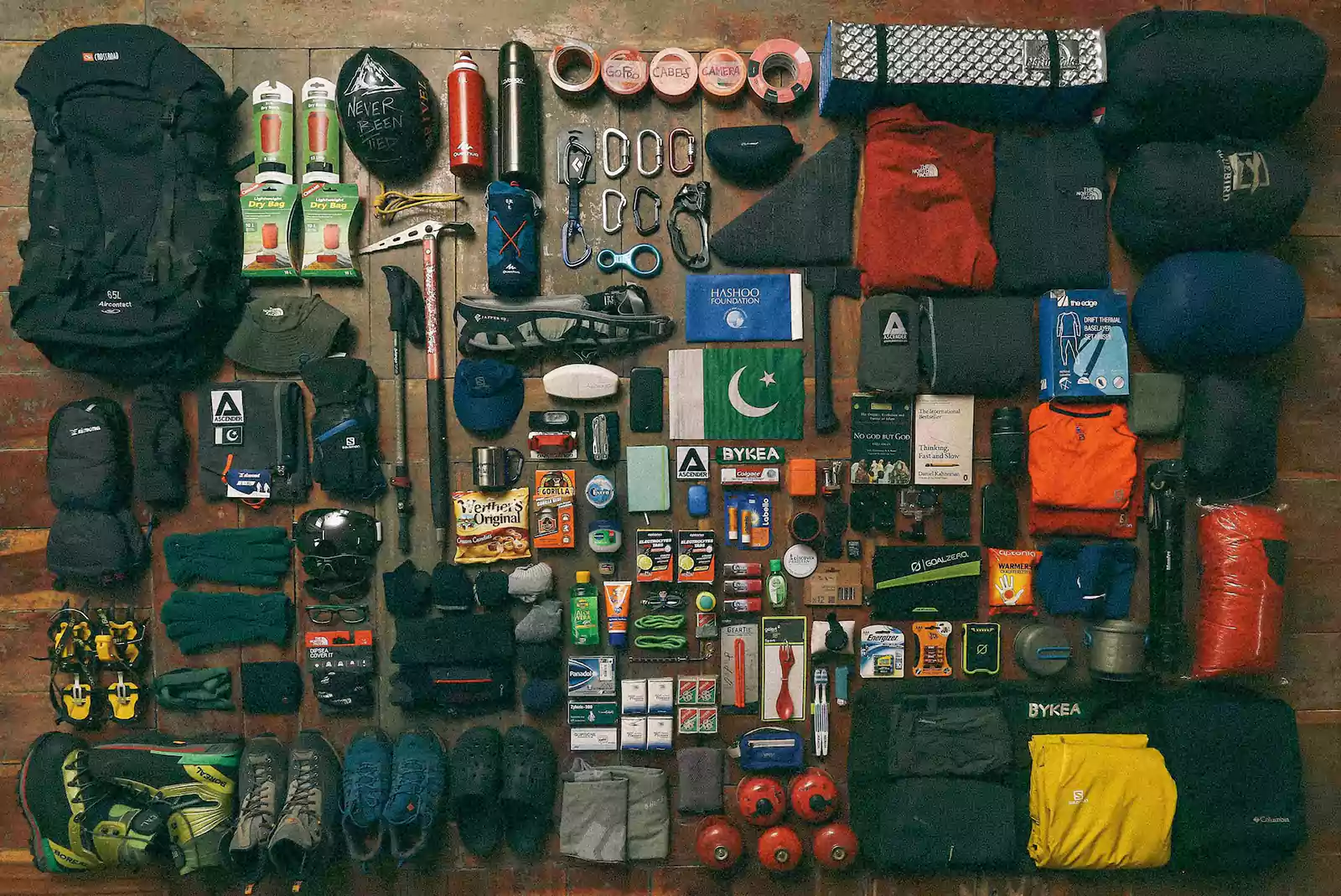
It is very important to bring the correct equipment and materials with you on your Kanchenjunga Circuit Trek. There are several reasons for this, such as the fact that this walk takes place at a high elevation during the day and on different types of terrain at night. For this reason, making sure you have the right clothes, shoes, and other gear will help keep you safe while you’re walking.
Need to have Gears
- Trekking boots for walking on rocky and uneven trails.
- -10°C and -20°C rated sleeping bag.
- Layer your clothes to be ready for when the weather changes.
- Body Thermal base layers make it easier to keep heat in.
- When you’re up high, a down jacket will keep you warm.
- To keep warm, people wear gloves and a hat.
- Gear for hiking, like trekking poles and water filters
Optional, but Helpful Accessories
- Gear for snowy or muddy trails that aren’t required but still useful
- Microspikes for Trails That Are Icy in the Early Spring or Late Fall
- Lip balm or sunscreen to protect against the sun
- Camp sandals that are easy to carry
Guides, Permits & Support
Because the Kanchenjunga Circuit is a remote walk with strict rules and rough terrain, trekkers must get the right permits and travel with licensed guides. Having help, like porters, can make the trip safer and easier.
Permit Requirements
You require both a Restricted Area Permit and a Kanchenjunga Conservation Area Permit to trek in this region. You cannot trek alone, so you must travel with a licensed guide. These rules ensure your personal safety and the continued protection of the fragile environment.
Hiring Porters & Guides
By utilizing a porter, the physical challenge of carrying a load of 20-25 kg or more will be greatly reduced and allow you to concentrate on your trekking experience, as well as provide additional safety support. Your guide will also provide you with useful information—they know the trails, manage safety, provide communication and can help you in case of any type of emergency. For trekking in such a remote area, it is highly recommended you utilize both services.
Who Should (and Should Not) Do This Trek
Because the Kanchenjunga Circuit is a long and strenuous trek, both physically and mentally, it is most suitable for adventurers who are physically fit and capable of accommodating the remote nature of the trail, the unpredictable weather, and basic accommodations, and understand their limitations and expectations prior to attempting this trek.
Ideal For
This trek is ideal for experienced trekkers who like to hike for long hours, explore remote wildernesses and be alone with nature. It is most suited for people who are fit and want an authentic, off-the-beaten-path Himalayan trekking experience and for those who are capable of dealing with limited facilities and independence in the mountains.
Not Ideal For
It is not recommended for first-time trekkers, people who want to stay in comfortable lodges, or people who have medical conditions that are sensitive to altitude. Trekkers that cannot devote 3 – 4 weeks to continuous trekking or do not like being isolated and dealing with basic facilities should not undertake this trek.
Final Verdict—How Hard Is the Kanchenjunga Circuit Trek?
The Kanchenjunga Circuit Trek is hard, long, and remote and requires preparation, stamina and mental toughness. I have first-hand experience of how pacing yourself, being patient on sections of difficult trekking terrain, and acclimatizing to the altitude are the keys to success in trekking. Even though this trek is not suitable for novice trekkers, once you have made the trek, you will have an overwhelming sense of accomplishment in addition to experiencing gorgeous scenery and gaining new cultural insights along each step of the way. For those who want to have an amazing adventure in the Himalayas, this trek will provide a truly memorable experience that will change your life.
Why the Kanchenjunga Circuit Trek Is Rewarding
The Kanchenjunga Circuit Trek is a very difficult yet extremely fulfilling experience. You will enjoy incredible views of Kanchenjunga, visit pristine valleys, and explore remote wildernesses. You will also be exposed to the authentic village life and culture of people living in areas untouched by tourism. Each hard step gives you a sense of peace, success, and connection to nature. The trek is beautiful to look at and mentally and emotionally rewarding.
Comments (0)
Write a comment- Introduction—Why Trekkers Ask About the Kanchenjunga Difficulty
- What Makes the Kanchenjunga Circuit Trek Challenging?
- High Altitude Challenges
- Long Trekking Days
- Remote and Rugged Terrain
- Daily Distances, Elevation & Route Complexity
- Total Distance
- Elevation Profile
- Terrain Transitions
- Fitness Requirements for the Kanchenjunga Circuit
- Physical Strength
- Recommended Training Plan (8–12 Weeks)
- Do You Need Prior Trekking Experience?
- Mental Challenges on the Kanchenjunga Circuit
- Mental Challenges on the Kanchenjunga Circuit
- Handling Isolation and Loneliness
- Adapting to Basic Comforts
- Accommodation & Food Conditions
- Weather & Seasonal Difficulty
- Best Seasons
- Winter Challenges
- Monsoon Season Difficulty
- Altitude Sickness on the Kanchenjunga Trek
- What Causes Altitude Sickness
- Preventing AMS
- Why Kanchenjunga Is Higher Risk
- Trail Conditions—What to Expect
- Suspension Bridges
- Rocky & Steep Sections
- River Crossings & Boulders
- Packing & Gear Essentials
- Need to have Gears
- Optional, but Helpful Accessories
- Guides, Permits & Support
- Permit Requirements
- Hiring Porters & Guides
- Who Should (and Should Not) Do This Trek
- Ideal For
- Not Ideal For
- Final Verdict—How Hard Is the Kanchenjunga Circuit Trek?
- Why the Kanchenjunga Circuit Trek Is Rewarding
Read the latest Blogs & Insights
Explore our collection of articles and insights to gain in-depth travel knowledge, expert advice, and stay updated on the latest trends and tips.




No comments yet.