









How Many People Have Died on Mount Everest
Discover how many climbers have died on Mount Everest, the main causes, and essential safety tips for anyone attempting the world’s highest peak.
-
 Adventure Master Trek
-
9 December, 2025
-
16 mins read
-
757 Views
-
0 Comments


Introduction
Mount Everest, which is currently recognized as the tallest mountain in the entire world at a whopping height of 8,848 meters (29,029 feet), has long captivated adventurers. For climbers, it represents the ultimate test, and as a result, it continues to draw climbers from all parts of the world who wish to ascend to the top of the world. In addition to being a venue for achieving one’s dream, Everest remains one of the most dangerous of all mountains due to the high number of deaths associated with climbing. Approximately 310-320 climbers are reported to have died while attempting to summit Mount Everest (since the first successful summit in 1953). Weather extremes, avalanches, altitude sickness, and high levels of exhaustion increase the permanent risk each time a climber climbs the mountain. In every climbing season, climbers are confronted with potentially fatal risks—and many of them lose their lives in trying to achieve this dream.
In addition to these inherent risks, climbing Everest has never been easy due to climate overload, and many inexperienced climbers increase the risks associated with climbing, and there is very little chance of rescuing a climber who encounters difficulty due to the fact that there are so many climbers on the mountain at any one time. In this blog, we’ll look at statistics on the total number of deaths that have occurred on Everest. We will also look at the main reasons why climbers have died, and we will identify the deadliest areas of the mountain. An understanding of these factors will allow individuals who are considering climbing Everest to be better equipped to prepare for and understand the inherent allure of this iconic mountain.
Total Number of Deaths on Mount Everest
Climbing Mount Everest is extremely dangerous and has seen many climbers die in their attempts to reach the peak. Fatal incidents have been reported as early as the first expeditions and continue to grow due to the boom in commercial climbing and its rising popularity. Tracking when, how, and how many climbers have died on Mount Everest highlights the dangers associated with climbing the famed mountain and emphasizes the need for climbers to prepare themselves and exercise extreme caution before embarking upon their ascent.
Historical Overview of Fatalities
The first known climbing-related deaths on Mount Everest occurred as far back as the initial expeditions that were conducted in the early 1920s. The number of individuals attempting to reach the summit was very low during the early years of exploration; however, during this period the mountain established itself as a hazardous destination for climbing. In succeeding decades, as climbing grew in popularity and as the advancement of climbing technology improved, deaths due to climbing-related injuries began to become systematically tracked through climbing databases.
The introduction of commercial climbing expeditions in the early 1990s produced an unprecedented number of climbers making attempts to climb Mount Everest, resulting in an increased level of mortality on the mountain as well. Overcrowding, inexperienced climbers, and the extreme difficulty of the summit ascent were contributing factors to a large number of climbing-related fatalities. For generations climbing Mount Everest was regarded as requiring respect and preparation; however, as climbing Mount Everest has become a commercial product, climbing-related fatalities have become even more visible due to more climbers attempting to climb it.
How Many Climbers Have Died on Everest Up to Now
According to a number of recent reports, approximately 310 to 320 climbers have died attempting to climb Mount Everest since the first successful summit was made in 1953. On average approximately 5 to 10 climbing fatalities occur during each climbing season; however, climbing fatalities tend to spike significantly during times of extreme activity or extreme weather conditions. The data from over the years indicates the increase in fatalities associated with the climbing season as commercial expeditions increased. However, advances in technology such as improved gear, weather forecasting and support teams have helped reduce the number of deaths in recent years to more stable levels. But the mountain remains unpredictable with every ascent and climbers continue to face life-threatening risks.
Most Common Causes of Death on Everest
Climbing Mount Everest presents a wide range of hazards and problems; many of these hazards can result in death or serious injury. Understanding the major causes of death allows climbers to understand the extreme risk that even the most qualified climbers can encounter.
Avalanches and Falling Ice
One of the biggest killers on Mount Everest is avalanches. Large blocks of snow or ice may break off from above and without warning descend on climbers. Examples like the 2014 avalanche on the Khumbu Icefall have taken many lives and illustrated the unpredictability of avalanches.
Altitude Sickness and Lack of Oxygen
The area of Mount Everest that lies above 8,000 meters is referred to as “The Death Zone” because oxygen concentrations are dangerously low. Acute mountain sickness can develop in even the most fit, healthy, and experienced mountaineers, resulting in impaired thinking, coordination and, in some cases, death.
Falls, Slips, and Crevasse Accidents
The terrain on Mount Everest can be very hazardous with icy slopes and large crevasses. Slipping or falling or becoming detached from a rope or anchor can be fatal and thus it is critical that climbers move carefully and deliberately.
Exposure to Extreme Weather
Frostbite, hypothermia and sudden storms represent some of the ready dangers for climbers. Rapid changes in weather may leave the climber in life-threatening conditions even on the summit.
Exhaustion and Poor Decision-Making
When climbers are fatigued, they are more prone to make mistakes. This includes making poor decisions about their climbing route and ignoring severe weather warnings.
The Deadliest Years in Everest’s History
Over the years, there have been seasons on Mount Everest with much higher death rates than others. For example, in some seasons, there were over 20 climbers who died on Everest due to extreme weather. By studying these years, we learn what it was like for those climbers to climb, the challenges they experienced, and how advances in climbing technologies have changed the way climber safety is being managed.
Notable Tragedies and Disaster Events
Years of climbing on Mount Everest have had many years where there were natural disaster or climbing tragedy events that resulted in a large number of deaths due to harsh weather conditions, avalanches or other events. These climbing seasons are sometimes referred to as “black years.” These events highlight the significant risk of attempting an ascent of Mount Everest and how even highly experienced climbers can encounter life-threatening conditions.
- 1996 Tragedy: A sudden and extreme blizzard resulted in the deaths of eight climbers within only a few days. This was among the deadliest climbing seasons in Everest history.
- 2014 Khumbu Icefall Avalanche: An avalanche struck this treacherous area and killed 16 Sherpas, highlighting the risk that support staff face as well.
- 2015 Earthquake Triggered Avalanche: A massive avalanche generated by the earthquake in Nepal created 22 deaths and severely affected base camp and other areas.
These disasters are a reminder of how fast conditions can go from good to disastrous on Everest. A well-planned expedition run by very experienced climbers can be caught off guard and become victims of a disaster.
Lessons Learned After Each Tragedy
Each of the above-mentioned disasters led to adjustments to enhance safety for climbers. After the 1996 tragedy, for example, climbers started using better weather forecasting services, getting stricter turnaround times, and having better communication systems. The protocols for Sherpas leading climber safety will continue to improve and the management of climbing routes will also improve to reduce risks for climbers.
Climbers on Everest have benefited from past tragedies to make wiser decisions when attempting to summit the mountain. Lessons learned enable climbers to prepare better and act more carefully to avoid accidents that might otherwise have been prevented. These fatalities and other incidents of bad judgement demonstrate that knowledge as well as proper preparation can help save lives.
Where Do Most Deaths Occur on Mt. Everest?
Mt. Everest is not an equally dangerous climb at every point along the way to the summit. Some locations present far greater levels of danger due to unstable rock, extreme altitude, and exhaustion. With a better understanding of these areas, one can better understand how and why deaths happen even to climbers who have had prior experience climbing Everest.
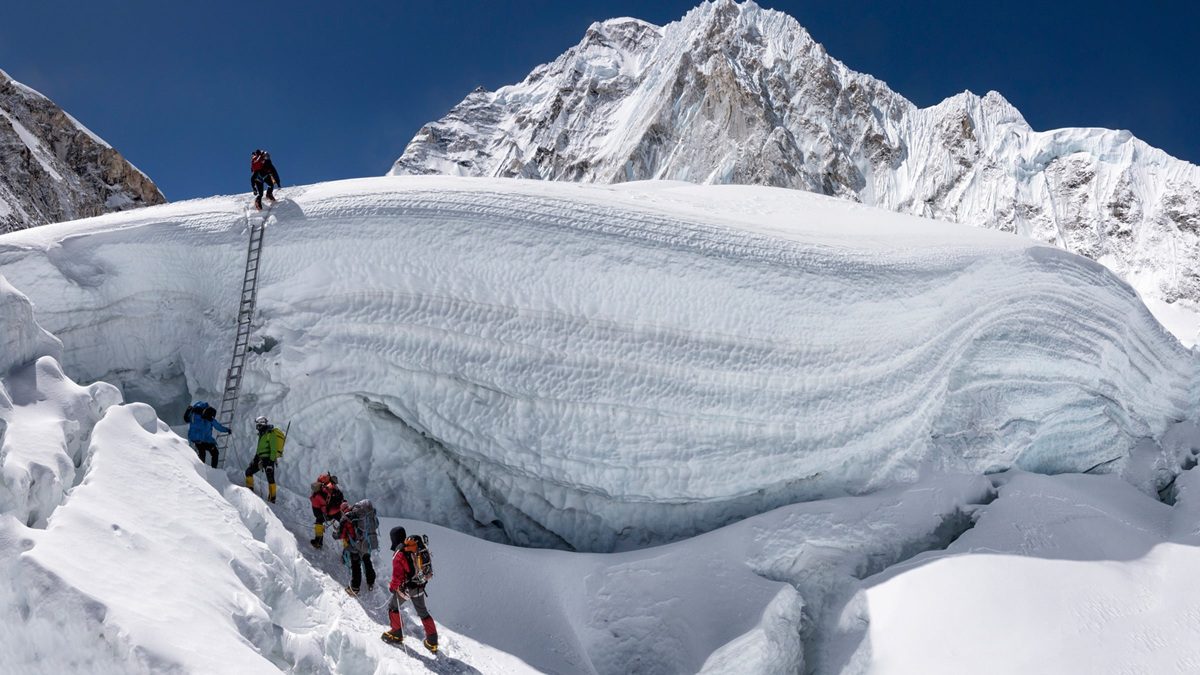
The Khumbu Icefall
The Khumbu Icefall is located at approximately 8,140m on the south side of Everest and is widely accepted to be one of the most difficult sections of the mountain. This area of the mountain is constantly shifting due to avalanches, so crevasses can appear without warning, making it extremely dangerous and unpredictable. Due to the avalanche risk and the fact that climbing in this area requires such a high level of skill, there have been dozens of climber fatalities in the Khumbu Icefall.
The Death Zone (Above 8,000m)
The area above 8,000m on Everest is referred to as the “death zone” and has extremely low oxygen levels. Above this elevation, your body cannot completely adjust to the low altitude, resulting in fatigue, confusion, and altitude sickness (which can be fatal). A large number of climbers, even those with experience climbing Everest, have become disoriented and lost consciousness or made critical errors that resulted in their deaths in this segment of the mountain.
The Descent—Why Most Deaths Happen on the Way Down
Most climbers that die on Everest do so after they summit. This is due to the extreme fatigue, dehydration, and potential for low oxygen levels at the summit level that are present after reaching the summit, all of which can reduce response times and decision-making ability in a climber. Additionally, adverse weather and heavy traffic are other possible contributors to deaths during a climbers descent of Everest. Due to the physical fatigue, it makes it dangerous to return to base camp and many lives have been lost in these critical hours.
What Happens to Bodies on Mount Everest?
Mount Everest is not just a perilous mountain for climbers to ascend, but it has also become increasingly difficult to recover deceased climbers. Due to the extreme conditions (steep terrain, harsh climate, and extreme altitude) present on Everest, there is an increased risk of retrieving deceased climbers, which may even be impossible.
Therefore, many climbers who died while attempting to climb Mount Everest are left where they fell. As the years have passed, some of these fallen climbers have become famous landmarks for other climbers to recognize as they navigate their way around the mountain. These fallen climbers serve as a grim reminder of Mount Everest’s perilous environment.
Why Many Bodies Remain on the Mountain
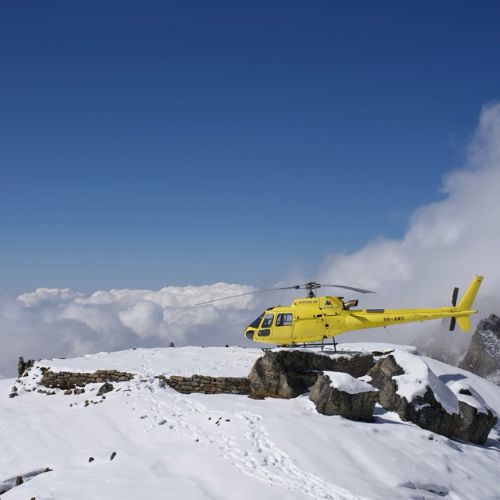
Getting a body off of Mount Everest requires considerable effort, resources, and risk. Helicopter rescues typically can only reach lower altitudes on the mountain and recovery efforts in the death zone or icefall are incredibly dangerous for those attempting to recover the body. For this reason, most bodies are permanently left where they fell.
Landmark Bodies and Recovery Efforts
There have been a few famous deceased climbers such as green boots that have emerged as well-known landmarks along the climbing routes. Additionally, in the past couple of decades there have been expedition teams that have made attempts to remove deceased climbers whenever possible, both for the sake of respect for the deceased climbers and for eliminating the danger posed to other climbers by these deceased climbers. However, there are still numerous remains on Mount Everest that serve as a sobering reminder of the many dangers posed by this mountain.
Factors That Increase Risk for Climbers
Climbing Mount Everest is always extremely dangerous, however, there are several factors that increase the potential risk associated with climbing Mount Everest. These variables may convert the typical difficult ascent of Mount Everest into a life-threatening situation for those who do not properly prepare themselves for this ascent or are simply taken off guard.
- New Climbers and Lacking Experience: Due to the fact that many commercial expeditions toMount Everest have little to no restrictions, thus allowing inexperienced climbers the ability to attempt their expedition. Not only does this increase the danger of injury or even death due to the lack of experience, but also due to the lack of proper training, acclimatization, and physical fitness.
- Traffic Congestion on Summit Day: On days when the weather is good, climbers create traffic congestion by crowding the popular climbing routes. During peak summit day conditions, climber traffic increases climber fatigue, which delays the climber’s trip back to safety.
- Weather and Climate Changes: As climbers know, Mount Everest’s weather can change unexpectedly and at all times. Thus, as the weather can abruptly change to snowstorms, blizzard conditions, and excessive winds, this creates an increased risk of encountering frostbite, hypothermia, and/or becoming stranded.
- Climbing Oxygen and Gear Issues: Climbing gear is highly dependent on supplemental oxygen and has a direct impact on the safety and success of a climber. Oxygen tanks, in particular, can fail, run out, or become empty, leading to a climber’s death if there is no other means of safe descent in the death zone.
How Death Rates Have Changed Over Time
Over the decades, with the advancements of technology, equipment, and climbing techniques, Mount Everest has become a less hazardous place due to its greater accessibility and improved safety standards. Although fatalities still remain an issue, climbers, guides, and expedition teams have learned from their mistakes of the past and continue to work towards reducing the death rate on Mount Everest.
Improvements in Gear and Navigation
With the ongoing advancements in climbing gear and high-tech clothing, it is far more feasible for present-day climbers to climb Mount Everest. The ongoing advancements in climbing gear and high-tech climbing clothing make climbing Mount Everest a much safer endeavour than it was in the past. With modern equipment, climbers have better protection from the extreme temperatures of Mount Everest. With GPS enabled gear, they can track their climbing path or routes with a high degree of accuracy, thereby preventing injuries and falls.
Better Sherpa Support and Rescue Teams
The introduction of trained Sherpa aides and rescue teams has been a tremendous asset to the safety of climbers on Mount Everest. These aides help set the route, carry gear and supplies to base camp, and provide a quick response in case of an accident or emergency. As a result, the number of climbers who have died unnecessarily while on Mount Everest has decreased.
Still-Present Risks Despite Modern Advancements
Even with the advancements in technology and training, Mount Everest continues to pose a serious risk to climbers. The combination of overcrowding on the mountain, swift weather changes, and climbers’ own mistakes accounts for a large number of climber deaths, especially within the death zone (above 8000 m). Success on this mountain relies not just on the gear being used and the teams supporting the climber, but also on the preparation, judgement, and respect of its unpredictable nature.
Safety Tips for Climbers Attempting Everest
Remember that climbing Mount Everest is one of the toughest and most dangerous things you will ever do. You cannot fully eliminate the risk of climbing (it is inherent to climbing), but if you take the time to prepare properly, make sound decisions, and use qualified support services, you will have much greater odds of staying safe.
Essential Physical and Mental Preparation
As part of their preparation for climbing Mount Everest, climbers need to be both physically fit and mentally sound. Such capabilities include developing strength, endurance and stamina, as well as becoming acclimatized to high altitudes through repeated practice of climbs.
Climbers also need to develop strong mental focus and good judgement in making decisions under stressful conditions so they can better deal with the extreme conditions on Mount Everest.
Choosing a Reputable Expedition Company
Choosing an appropriate expedition company can save a climber’s life. When hiring a qualified Sherpa, climbers will receive invaluable assistance from a qualified person who knows all the routes and procedures for climbing Mount Everest. A reputable expedition company will also have a comprehensive plan for ensuring that each customer is properly outfitted with gear, as well as guiding them through the process of planning and executing their trip.
Monitoring Weather and Making Smart Decisions
The forecast for mountains is ever changing, and therefore the climbers will always have to adapt to changing weather forecasts. Monitoring the most current weather, noticing when there are signs of dangerous weather and knowing when to turn around are all very important to surviving on Everest. As well, even for the most experienced climbers, it is critical to put safety above reaching the summit, as poor decision making can result in loss of life in a very short time frame.
Frequently Asked Questions About Everest Deaths
What Is the Death Rate On Everest?
The estimated death rate on Everest is approximately 1 to 2 Percent for all climbers, and although it may vary from year to year, it depends on the weather, conditions of the route and the skill level of the climbers.
Is The South Side Of Everest More Dangerous Than The North?
Yes, generally the South side of Nepal has many more themes and hazards, including the Khumbu Icefall and higher levels of climber traffic. The North side of Tibet is also very dangerous and extremely challenging.
Why Are Bodies Not Brought Down From Everest?
It is very dangerous and expensive to recover the bodies. In addition, there are many bodies in the death zone on the mountain that cannot be recovered safely, and often times they cannot be removed at all.
How Many Climbers Attempt To Climb Everest Each Year?
Several hundred to over a thousand climbers attempt to reach the summit of Everest during either the main or secondary climbing seasons of spring or autumn, not including the support staff (Sherpas) involved with these climbs.
How Safe Is Climbing Everest Compared To Years Past?
The safety of climbing Everest has improved due to improved equipment, expanded access to experienced guides and improved ability to monitor weather. However, Everest always remains a very dangerous place to climb, with risks of altitude sickness, avalanches and extreme weather.
Conclusion
Sir Edmund Hillary and Sherpa Tenzing Norgay were the first people to reach the top of Everest in 1953. Since then, more than 310 hikers have died. Loss of life is attributed to falls, altitude sickness, weather, exhaustion, and avalanches among mountain climbers. New or inexperienced climbers often do not grasp the danger of climbing and will frequently base the satisfaction of making it to the top with little thought of the implications if they fail.
Even expert route-finders advise novice climbers to always remember that the mountain can be unpredictable and should always be treated with care and cautiousness. In addition to caution and being cautious, novice climbers learn to have as much fun as possible from their climbs by placing emphasis on safety, consulting with experts, and preparing themselves for the climb. Everest deserves the utmost respect, and all hikers need to be aware of the risks that come with it.
Comments (0)
Write a comment- Introduction
- Total Number of Deaths on Mount Everest
- Historical Overview of Fatalities
- How Many Climbers Have Died on Everest Up to Now
- Most Common Causes of Death on Everest
- Avalanches and Falling Ice
- Altitude Sickness and Lack of Oxygen
- Falls, Slips, and Crevasse Accidents
- Exposure to Extreme Weather
- Exhaustion and Poor Decision-Making
- The Deadliest Years in Everest’s History
- Notable Tragedies and Disaster Events
- Lessons Learned After Each Tragedy
- Where Do Most Deaths Occur on Mt. Everest?
- The Khumbu Icefall
- The Death Zone (Above 8,000m)
- The Descent—Why Most Deaths Happen on the Way Down
- What Happens to Bodies on Mount Everest?
- Why Many Bodies Remain on the Mountain
- Landmark Bodies and Recovery Efforts
- Factors That Increase Risk for Climbers
- How Death Rates Have Changed Over Time
- Improvements in Gear and Navigation
- Better Sherpa Support and Rescue Teams
- Still-Present Risks Despite Modern Advancements
- Safety Tips for Climbers Attempting Everest
- Essential Physical and Mental Preparation
- Choosing a Reputable Expedition Company
- Monitoring Weather and Making Smart Decisions
- Frequently Asked Questions About Everest Deaths
- Conclusion
Read the latest Blogs & Insights
Explore our collection of articles and insights to gain in-depth travel knowledge, expert advice, and stay updated on the latest trends and tips.





No comments yet.