









Is Everest Base Camp Safe for Solo Trekkers
Planning a solo Everest Base Camp trek? Learn key safety tips, risks, costs, and smart advice to enjoy a safe, confident, and unforgettable EBC adventure.
-
 Adventure Master Trek
-
9 January, 2026
-
20 mins read
-
553 Views
-
0 Comments


Introduction
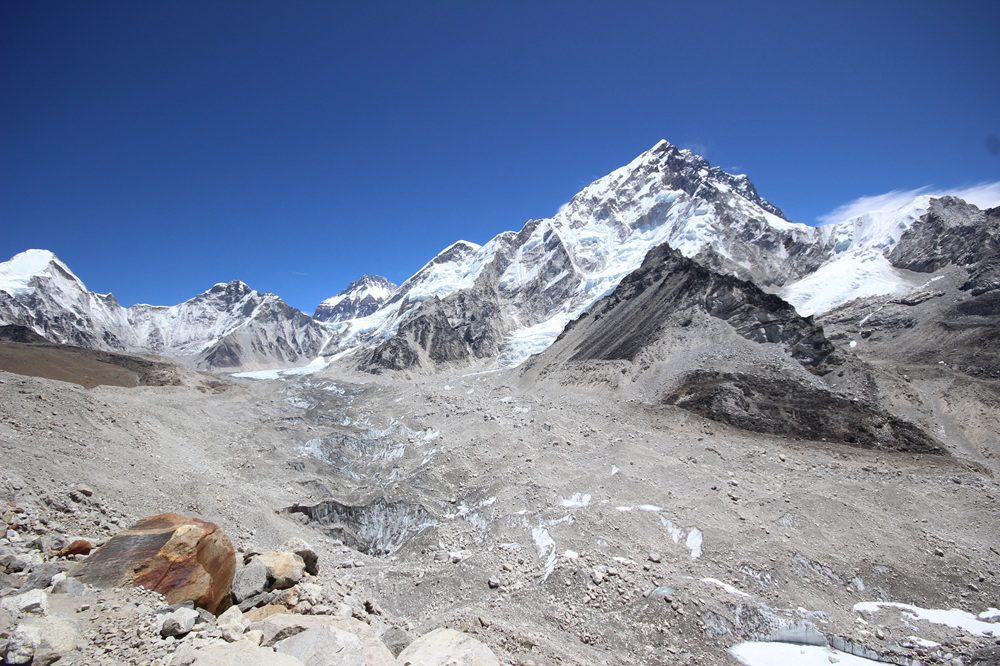
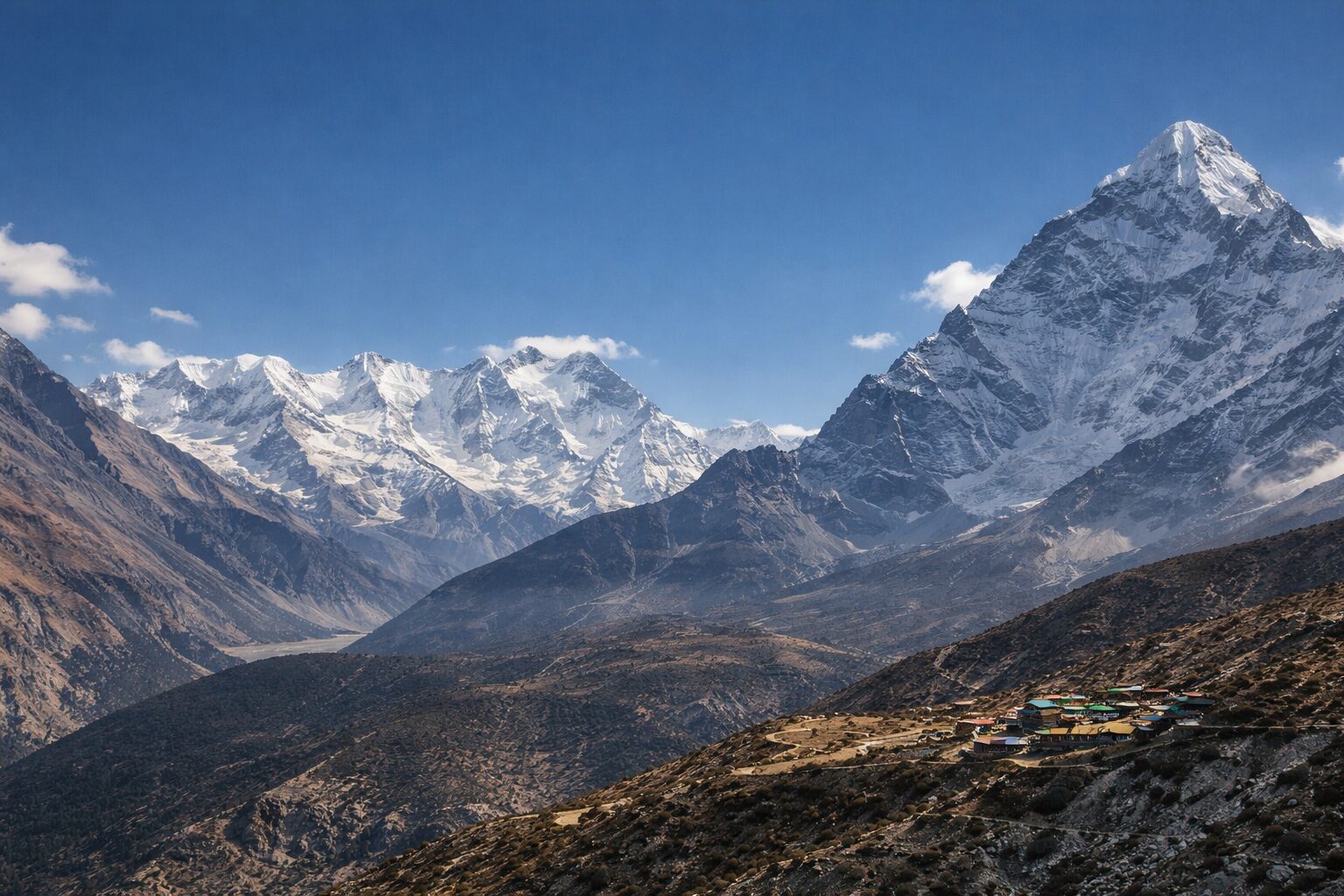
The Everest Base Camp trek is one of the most popular trekking destinations in Nepal. It takes you through picturesque Sherpa settlements and stunning high-altitude valleys and offers spectacular views of the Himalayan mountain range. Thousands of individuals travel along this route each year to enjoy seeing Mount Everest from a close distance.
Over the past few years, the trend of ‘solo trekking’ has gained immense popularity because more travellers seek personal adventure, increased flexibility, and the ability to walk at their own leisure. A number of individuals engage in this trekking experience to develop their own personal skills, allow themselves to connect with nature, and avoid traveling with others.
In this guide, we will explore the safety for solo trekkers on the Everest Base Camp trek, the various risks associated with this trek, various safety tips for you, and current regulations that apply to this trek. By reading this guide, you will be able to determine if solo trekking to Everest Base Camp is an adventure that is suitable for you.
Overall Safety Rating on EBC
Trekking to Everest Base Camp is generally viewed as moderately safe, even for someone to attempt as a solo trekker. However, for a person to enjoy this moderately safe experience, they must have made adequate preparations prior to the trek and follow a well-planned itinerary. The trekking trail itself is considered to be a very popular trail with a well-developed trail-marking system and a vast number of teahouse accommodations, which provide both guidance and support. The greatest risks, which include altitude sickness, sudden weather shifts and physical exhaustion, should never be taken lightly. The solo trekker must exercise caution, as it is unlikely that they will receive immediate assistance in an emergency situation.
Who Should Consider Trekking Solo
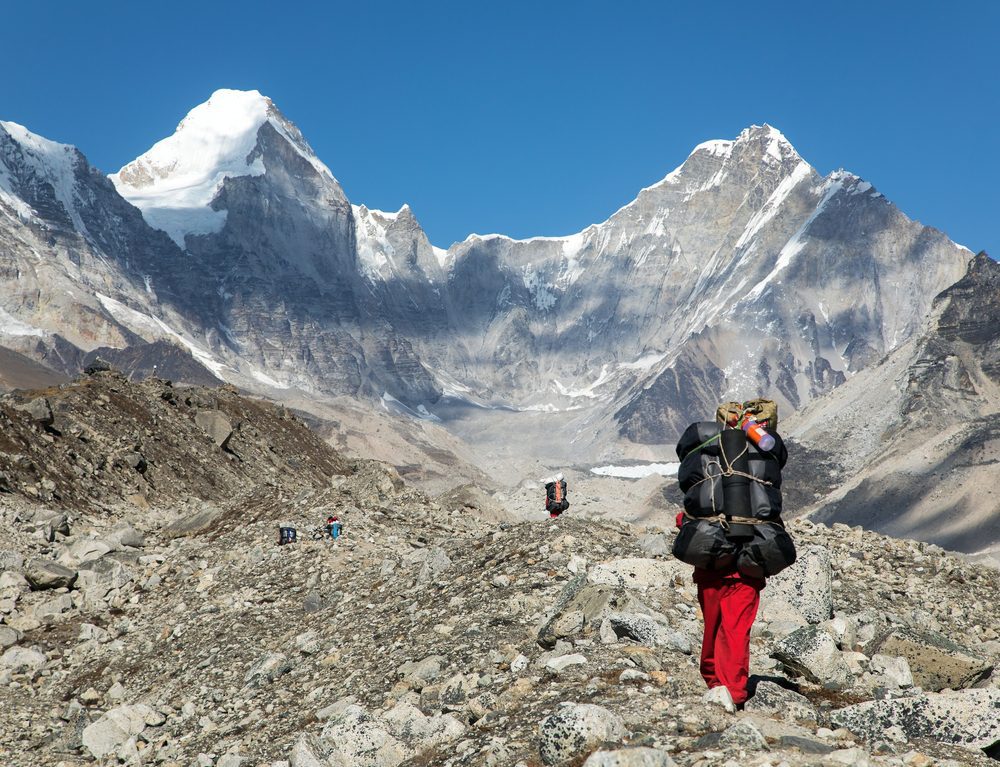
Solo treks are a viable option for individuals who have previously trekked at altitude and have experience in other high-altitude treks. Those who prefer independent trekking, set their own pace, and want to create their own itinerary will find solo trekking to be very rewarding as well. Confident trekkers who manage their gear, utilize maps, and can listen to their body’s signs are generally very satisfied with their solo trekking experiences. If you enjoy the quiet solitude of nature and you can feel confident in your ability to make independent decisions, then you may find that trekking to Everest Base Camp alone can be a great option for you.
Who Should Avoid It
If you lack experience with walking at high altitudes, have little or no experience with high-altitude treks, or are uncomfortable with navigation or decision-making under stressful circumstances, then solo trekking is not for you. If you are physically unfit, have medical issues, or become anxious when alone in a remote location, then you are better off going trekking with a guide or as part of a group. The Everest Base Camp trek is challenging, and without others to support you, you will have increased risk during emergency situations while trekking alone. Additionally, if your budget is extremely low, solo trekking is not an option since you will need to invest in proper equipment, proper insurance, and communications devices to ensure safety while trekking alone.
Understanding the Main Risks of Trekking to Everest Base Camp Alone
Trekking to Everest Base Camp can be a thrilling experience, but individuals trekking to EBC alone need to take extra precautions. The trek is remote, high elevation, and physically demanding; however, while many trekkers successfully complete the EBC trek, those trekking alone face greater challenges as they do not have immediate assistance in an emergency situation. Below are some of the most important risks that individuals should understand before they choose to go trekking to Everest Base Camp alone.
Altitude Sickness (AMS)
Being aware of altitude sickness is one of the biggest concerns when hiking to EBC. If you’re hiking solo, it’s much easier to ignore your growing symptoms and continue to push yourself without realizing how serious your situation is. Having no one around to watch for the signs makes it more difficult to know when to take a break and rest. You may also miss out on some of the signs that show up early in the process if you wait too long to take action.
Signs you can’t ignore
The most common symptoms include headaches and feeling dizzy. If you are feeling nauseous, have no appetite, and are unable to sleep well. If this continues to get worse, you may be in serious danger. Therefore, when you are hiking alone, it’s important to act immediately and take a break, hike back down to a lower elevation, or contact someone for assistance before it is too late.
Weather Challenges
Rapidly changing temperatures
In the Himalayas, weather can change very rapidly. For example, you may wake up to a warm sunny morning only to have freezing cold temperatures or a snowstorm by the afternoon. As a result of this changing weather, a solo hiker may not be adequately prepared to handle these changes and therefore may find himself/herself susceptible to hypothermia or exhaustion.
The monsoon season, winter, or peak season
During the monsoon, the trail is slick and visibility is limited. During the winter, the weather is extremely cold and can produce a lot of snowfall, which can cover up paths that were previously open. Additionally, even during the peak hiking seasons, hikers may experience severe cold nights and high winds. As a result, solo hikers need to constantly keep track of the weather conditions and make the appropriate preparations.
Trail Navigation Difficulties
How easy is it to become lost?
Most of the EBC is well marked. However, there are areas that are difficult to find if there is fog or snow on the ground or if the trails are not marked. Thus, a solo hiker may have a difficult time finding their way back to the trailhead if they do happen to become lost.
The following areas will require additional caution:
Namche Bazaar, Tengboche, and Dingboche to Lobuche. When traveling through these areas, travelers may find they get confused by the vast amount of side trails and will find fewer clearly marked trails than coastal areas, which can cause confusion. The rocky areas and open valleys may make the path more difficult to navigate. Solo trekkers should be alert if traveling in low visibility conditions.
Physical Strain and Injuries
Common injuries (knees, ankles, slips):
Injuries resulting in injury are common injuries: knee injuries, ankle injuries, slipping or tripping. The path can be steep up and long down that can result in knee pain from prolonged standing or resting, as well as twisting and rolling of the ankle and slipping/tripping over loose rock. These injuries are a common occurrence among even experienced trekkers.
Why going alone increases risk:
If you sustain an injury while traveling alone, there is no one to assist you. There is no one to support you or carry your pack; therefore, any injury will take longer to recover from. For example, if you get injured between Dingboche and Lobuche, the distance to reach the next village is great (approximately 10 hours), and if traveling by yourself, it will be up to you to either make your way back to the start of the trail or wait for help to arrive. Therefore, a small injury can take longer to recover from when there is no support system available.
How long rescue can take:
If you are in a remote area where an injured person has fallen and requires rescue, it can take hours before rescue personnel can reach them, depending upon conditions and the number of rescues available in that area. Delays can be especially dangerous for solo travelers, as it may take longer to respond to help if you have to call for assistance.
Communication limitations:
In remote areas, many parts of the trail have no cellular signals or phones; therefore, not only is it difficult to call for assistance, but many solo trekkers do not have the means to contact for help without GPS, communication devices, and/or satellite phones. Travelers should also carry reliable communication devices to stay in contact with family and friends back home.
How Safe Is the Everest Base Camp Trail Structure?
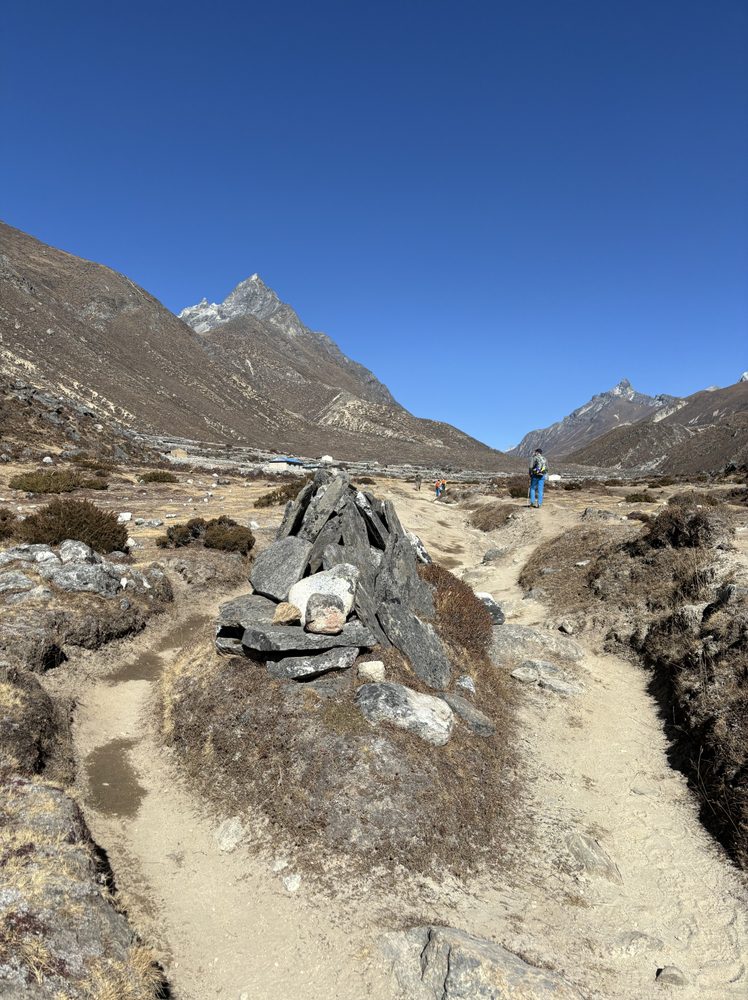
Everest Base Camp is one of the best-organized trekking routes in the country with many villages, tea houses, and a very strong culture of trekking within the area. Although organized trekking routes allow for increased safety by having supportive staff and supportive structures. So, proper planning and being aware of how the route operates will increase your level of safety:
Availability of Tea Houses & Settlements
The entire trail to EBC has tea houses at intervals of no more than 1-2 hours. They provide not only a mattress and a meal but also shelter for tired trekkers. The existence of a number of tea houses at regular intervals along the trek minimizes the chance of being without shelter should a problem arise while on the trek.
It is generally safe for solo trekkers to stay in tea houses alone. Owners of teahouses are accustomed to taking care of solo trekking guests and usually provide a welcoming environment for their guests. Rooms at tea houses are generally only lockable via a simple mechanism and offer a peaceful atmosphere. However, trekkers should choose tea houses that are more heavily trafficked and not stay out late into the night.
Trekker Traffic and Popularity
The EBC trek is one of the highest-volume trekking routes in the entire world. The sheer number of trekkers, guides, and porters along the route means that assistance can be found quickly if a problem arises. With high trekker volume, it is unlikely that solo trekkers will be on a section of the trail for a prolonged period of time without running into someone else.
The safest time for solo trekkers to navigate the EBC route is during the peak trekking seasons (October to November). These months are generally considered safe for solo trekkers because of increased traffic, clearer weather, and more opportunities to meet other trekkers. Off-peak months (e.g. winter and rainy season) can present challenges due to lack of human traffic.
Local Support and Sherpa Communities
Sherpa communities are known for their kindness and wealth of knowledge regarding mountain activities, such as trekking and climbing. Sherpas provide helpful tools for trekkers, including assistive devices for finding their way, advice regarding altitude sickness, and safety tips. Most Sherpas working in this capacity are professionals and thus are very easy to obtain.
The level of community support tends to be highest in the main villages along the EBC trek which include Lukla, Namche Bazaar, Tengboche, Dingboche, and Gorak Shep. The areas mentioned contain medical clinics and experienced natives who can provide assistance if needed. The farther you go into the wilderness, the less assistance you will have available to you. Plan your trip accordingly.
Essential Safety Tips for Solo Trekkers on EBC
Although a solo trek to the Everest Base Camp (EBC) is extremely rewarding, it is critical that you have properly prepared your trip to help ensure your safety while hiking. The correct itinerary, proper support, navigation equipment, and clothing will make your trek more manageable and safer. Every solo trekker should follow these essential safety tips:
Acclimatization and Itinerary Planning
Typically, a safe EBC trek will take approximately 12 to 14 days to complete. Those who rush through their EBC treks will have a greater likelihood of developing altitude sickness. For solo trekkers, it is even more critical to take the necessary additional time, because they do not have anyone to assist them should they experience symptoms of acute mountain sickness (AMS).
When creating your itinerary, ensure that you are allowing for acclimatization days in both Namche Bazaar and Dingboche. Allowing yourself time to acclimatize will give your body time to adjust to altitude changes, and will assist in reducing your likelihood of experiencing AMS. The best advice for all solo hikers is to go slow and steady.
Hiring Local Guides or Porters (Even If Trekking Solo)
Hiring a local guide will typically cost around $25 to $35 a day, and hiring a porter will typically cost around $20 to $30 a day. Many solo treks will be accompanied by a local guide. This is for safety reasons, and many solo trekkers will hire both a guide and a porter when they are not trekking with a group.
A guide will help you get to your destination by providing navigational assistance, advice about the altitude you are hiking, and communication with the teahouse owners. A porter will help you carry the weight of your gear, which will help reduce your chances of suffering from injuries and exhaustion. Both local guides and local porters will help increase the safety and confidence of all trekkers.
For solo trekkers, a single guide or a single porter is generally sufficient. Should you desire increased safety support, you can hire both. However, an experienced guide will usually be all you need to obtain the required level of support.
GPS Navigation & Communication Tools
Some GPS tools also work as navigation tools. Using tools like Gaia GPS or the (free) InReach app can help with your navigation. To download any of the tools, please read the instructions for the specific devices provided. If you are using Gaia GPS, the first time you use it, select the ‘Download Map’ option so that you can download your maps directly to your device.
Both Ncell and Namaste have coverage in most villages. If you have to be away from a village for an extended period of time, you should consider using a Satellite Phone or a Garmin inReach device for true emergency communication when you are hiking alone.
Packing Smart and Light
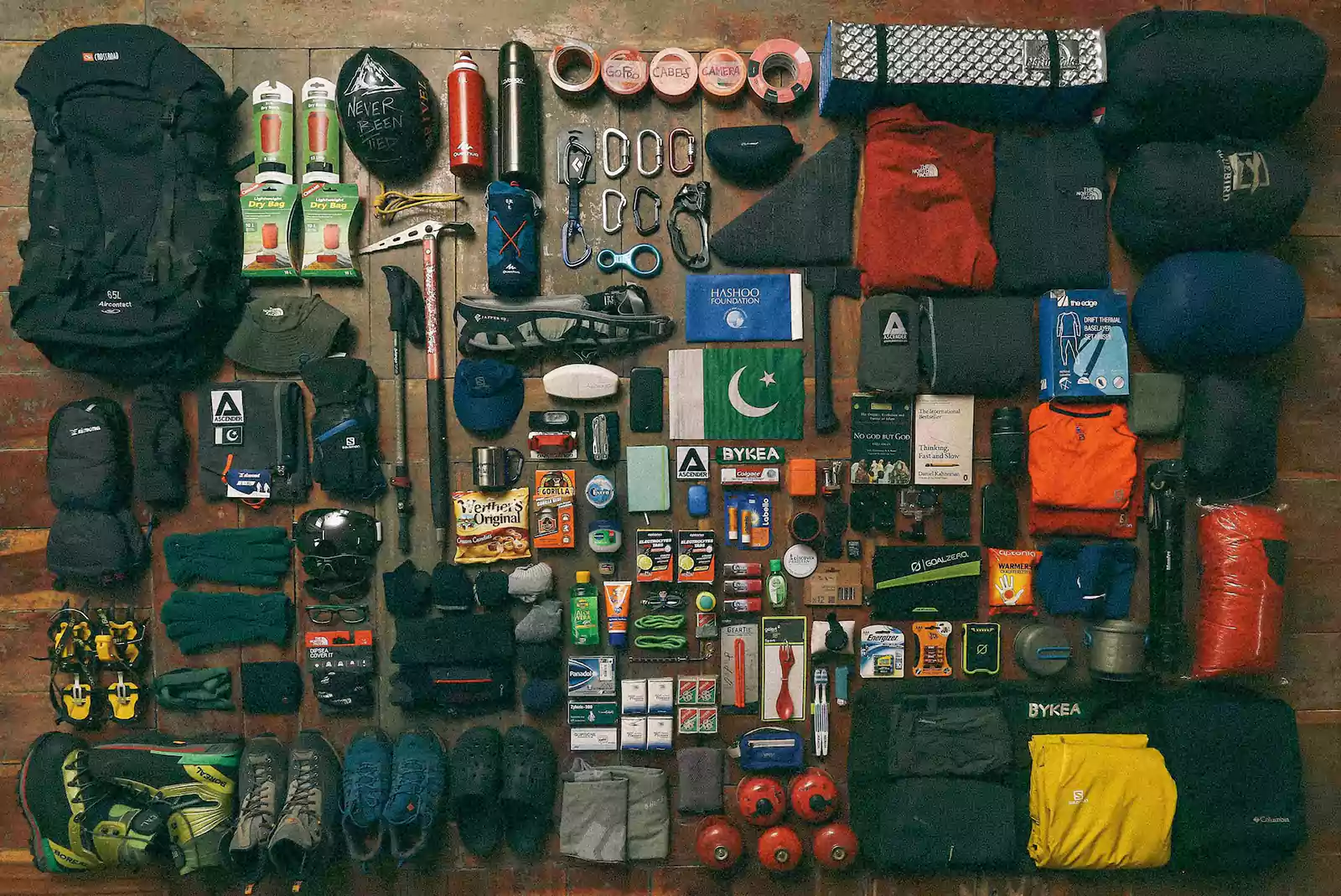
Smart packing keeps you safe and injury-free while helping you conserve your energy throughout your trek. The most effective method for remaining safe while trekking solo is by always being as light as possible because you’ll be carrying your own gear with no additional support.
In terms of safety gear:
- Waterproof and windproof jacket
- Warm thermal layers
- Proper footwear
- Hiking poles
- Headlamp with extra batteries
- Power banks
- Water purification tablets or filter
In terms of first aid items:
- Altitude sickness medication (such as Diamox)
- Pain relief, Band-aids & blisters
- Antiseptic cream
- Basic wound supplies
- Rehydration salts
Hydration, Food, and Hygiene Tips
The most important thing you can do to stay safe while trekking at a high altitude is to stay hydrated. Drink at least 3 – 4 L of water each day (irrespective of whether you feel thirsty). Keep your energy levels consistent by consuming only simple foods like soups, Dal Bhat or noodles. Also, avoid meat, which may not be properly stored at higher altitudes. Wash your hands (or use hand sanitizer) every time before you eat to avoid getting any gastrointestinal problems while trekking.
Do not drink unpurified water. Always use purified water to drink, and there are many ways you can purify water: Use water purification tablets, portable water filters or ultraviolet purifiers.
Cost Considerations for Solo Trekkers
When you’re trekking alone, you may save yourself some money, but there are some things that you should never budget out of safety concerns. Proper budgeting will help keep you safe and comfortable on the trail.
Budgeting for Safety
Permit Fees—All trekkers will need to purchase two types of permits: Either a Sagarmatha National Park Permit or a Khumbu Pasang Lhamu Rural Municipality Permit. These permit fees are used to maintain the trails and contribute to local communities.
Accommodation and Food – A basic Tea House Stay will cost you between $5 – $15 per night. The average price for meals will run between $5 and $10 depending on altitude. Meals and accommodation are much more expensive in higher-altitude villages because the items are transported to the village by way of either porters or yaks. Be sure to budget a little extra for hot water, snacks, and occasional treats while on the trail.
Guide and Porter—This is an optional expense. If you choose to hire a Guide and/or Porter, your added expense would be approximately $20 – $35 per day. Although this is an optional expense, when trekking alone, a Guide can increase your safety.
Emergency Evacuation Insurance: This is likely the most important expense. Be sure that your travel insurance policy covers helicopter rescue to at least 5,500 meters. Failure to obtain this insurance can lead to thousands of dollars in medical bills should you require emergency evacuation from higher altitude areas. Emergency evacuation coverage is necessary for anyone who is trekking alone.
Regulations to Know Regarding Trekking in Nepal
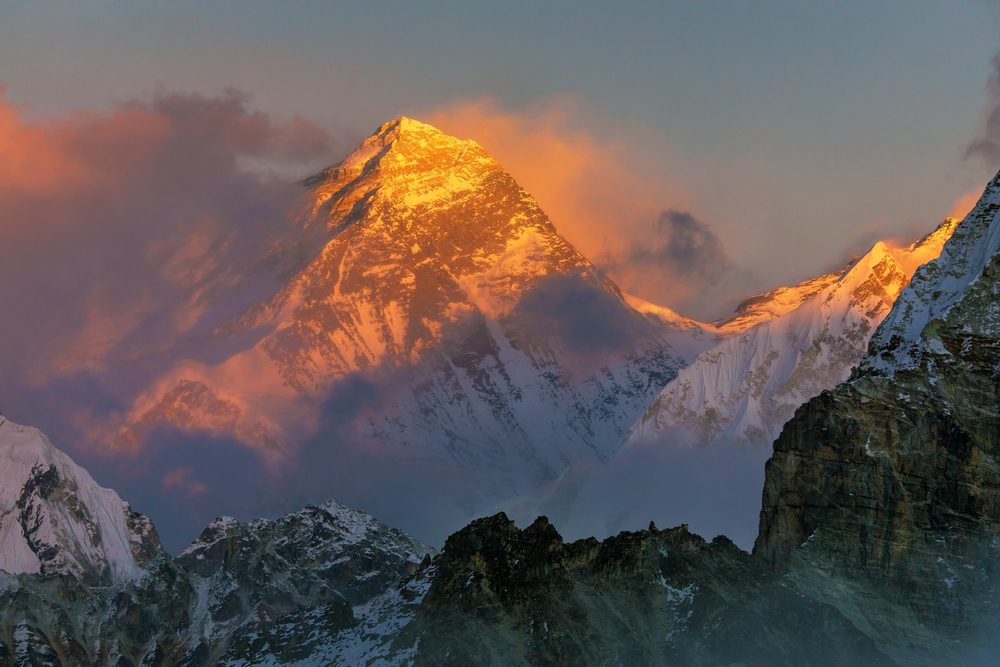
If you are planning to trek solo to Everest Base Camp, you need to be aware of the most current rules and regulations regarding permits. These regulations are designed to protect both trekkers and the environment.
Are Solo Treks to EBC Legally Allowed?
At this time, yes, you can trek to Everest Base Camp without a mandatory guide. However, you will need to obtain the correct permits to travel independently.
While trekking in Nepal may require hiring a guide in some regions, trekkers are still able to trek solo in the Everest region. This is not to say that a guide will not be beneficial; changes in rules can happen at any given time. Thus, always check for the most recent rule changes before you travel. Safety is of utmost importance, and we would therefore encourage anyone going solo to hire a reputable guide.
TIMS and Sagarmatha National Park Permit Breakdown
Where to get your TIMS and Sagarmatha National Park Permit:
The Sagarmatha National Park Permit can be obtained at the entrance of Sagarmatha National Park in Monjo or in Kathmandu. The Khumbu Pasang Lhamu Permit can be obtained at Lukla. Although TIMS Card is not required for EBC at this time, we recommend checking with either the Nepal tourism office or your guide before coming to Nepal.
What documents do you need to apply for your permits?
You’ll need to bring a valid passport, a few passport-sized photographs, and cash to pay for your permits. Additionally, it is strongly recommended that you keep a copy of your passport and insurance policy on you while trekking to the Everest Base Camp.
Who Should Not Trek to Everest Base Camp Alone?
Not all trekkers are suited to trek solo to EBC. The EBC trek is strenuous and dispersed and has severe challenges due to unforeseen circumstances; therefore, it is better for some trekkers to avoid the trek altogether.
Trekking First Time and Limited High-Altitude Experience: If this is your first time trekking over 3,000 meters, we do not recommend trekking to EBC on your own due to difficulty and altitude sickness occurring within the first few hours of the trek.
Medical Conditions: Individuals with underlying medical conditions such as heart disease, respiratory disease, etc., should not trek to EBC without another person. Medical assistance may not be readily available throughout the entire trek, and in the case of an emergency, it would be very dangerous to not have someone with you.
Very Low Budget: Solo trekking requires most of your money to be spent on high-quality gear, good food and emergency services, as compared to trekking with a group.
Pros and Cons of Trekking to Everest Base Camp Solo
Deciding to trek solo from the base camp of Mount Everest has its benefits and drawbacks. Being aware of each of these will assist you in deciding whether trekking alone is suited to your travel style, ability and personal comfort level.
The advantages of trekking alone are the many advantages that independent travellers find beneficial.
- Freedom: trekking alone will give you the highest level of flexibility to walk according to your own pace, schedule stops based on your interests, and adjust your itinerary whenever you want without having to rely on a group.
- Lower costs: When you trek with a guide, you pay more than you would if you were to simply hike on your own or with a friend. However, as long as you have knowledge on how to pack out all of your gear and plan your route without the help of a guide, then you should save yourself some money when trekking by yourself.
- Personal development and growth: One of the benefits of trekking alone is that it allows for personal growth. You will encounter personal challenges that push you out of your comfort zone; overcoming these challenges will provide you with feelings of accomplishment and ultimately increase your confidence.
However, with the positive aspects of trekking alone come some drawbacks as well.
- Safety concerns: If you trek by yourself, you will be at greater risk since there is nobody to help you if you experience altitude-related sickness, injury or extreme weather.
- Isolation: Depending on the time of year and location of your trek, you may find that certain places on the trail are not well travelled and during the winter months. So, if you find yourself trekking through one of these areas alone, you may feel lonely or isolated.
- Emergency response: If you encounter a problem during your trek, it will most likely take longer to get help because you will be in an area that is isolated from other people, making your ability to communicate with others limited.
Therefore, the risk associated with trekking alone greatly outweighs the benefit that can be obtained when hiking with others because of the hazards that exist with altitude sickness, extreme weather and emergency situations.
Final Verdict—Is Solo Trekking to Everest Base Camp Worth It?
If you are an experienced hiker or confident in your capability to manage high-altitude conditions and make sound decisions regarding your health and safety, solo hiking on Mount Everest could be a safe and reasonable choice. The only caveat to this is the greater risk of trekking alone when compared to trekking as part of a group; risks associated with a solo trek to Everest Base Camp include but are not limited to altitude sickness, inclement weather, and emergencies.
For First-Timers:
It is always advisable to hire a guide to accompany you on your first trek or inexperienced trekkers should only consider joining a group. Group trekking also provides the benefits of shared experience and will likely result in greater safety for all on the trek. You can have the best of both worlds with this option: you can experience the freedom of independence while still having the luxury of assistance when needed.
A good impression of your trekking prowess through previous experiences and a high level of fitness is essential. Successful solo trekkers will also have a high degree of navigation ability and confidence in their abilities when hiking alone. Trekking during peak season with clear weather and other trekkers present on the trail reduces the risk of danger associated with trekking alone.
Conclusion
For trekkers capable of assuming personal responsibility and making plans as necessary, a solo trek to Everest Base Camp can be a life-changing adventure! While on a solo trek, you will enjoy an opportunity for extensive growth and the formation of lifelong memories of your time spent in the Himalayas. With that said, safety is the number one priority. Be sure to prepare yourself adequately, purchase adequate health insurance, follow acclimatization procedures, and always be aware of your surroundings. A well-planned, positive attitude will make a solo trek to EBC one of the most rewarding experiences you’ll ever have!
Comments (0)
Write a comment- Introduction
- Overall Safety Rating on EBC
- Who Should Consider Trekking Solo
- Who Should Avoid It
- Understanding the Main Risks of Trekking to Everest Base Camp Alone
- Altitude Sickness (AMS)
- Weather Challenges
- Trail Navigation Difficulties
- Physical Strain and Injuries
- How Safe Is the Everest Base Camp Trail Structure?
- Availability of Tea Houses & Settlements
- Trekker Traffic and Popularity
- Local Support and Sherpa Communities
- Essential Safety Tips for Solo Trekkers on EBC
- Acclimatization and Itinerary Planning
- Hiring Local Guides or Porters (Even If Trekking Solo)
- GPS Navigation & Communication Tools
- Packing Smart and Light
- Hydration, Food, and Hygiene Tips
- Cost Considerations for Solo Trekkers
- Budgeting for Safety
- Regulations to Know Regarding Trekking in Nepal
- Are Solo Treks to EBC Legally Allowed?
- TIMS and Sagarmatha National Park Permit Breakdown
- Who Should Not Trek to Everest Base Camp Alone?
- Pros and Cons of Trekking to Everest Base Camp Solo
- Final Verdict—Is Solo Trekking to Everest Base Camp Worth It?
- Conclusion
Read the latest Blogs & Insights
Explore our collection of articles and insights to gain in-depth travel knowledge, expert advice, and stay updated on the latest trends and tips.


No comments yet.