









Is the Everest Base Camp Trek Worth the Money?
Wondering if the EBC trek is worth the investment? Discover the true costs, hidden rewards, and why standing at the foot of the world's highest peak is priceless.
-
 Adventure Master Trek
-
12 February, 2026
-
8 mins read
-
152 Views
-
0 Comments


Whenever the majority of the population envisions trekking in the Himalayas, Everest comes to mind. Mount Everest has been the greatest wonder of the world and the most fascinating since it is the world’s highest mountain.
For most travellers, it is not necessary to climb to the peak of this mountain; however, the Everest Base Camp trek offers an affordable way to enjoy the magnificence of the world’s highest mountain. But to most people, the question is whether it is really worth the money? As experienced guides, planners, and trekkers who have spent years in Nepal, we will offer a comprehensive perspective to ensure the trek is worthwhile, cover the expenses, and even assess whether it is worth the money.
Understanding the Cost of the Everest Base Camp Trek
Fiscal realities should be known before a debate on whether the trek is worth the cost can be held. The cost of the Everest Base Camp trek may differ greatly depending on the method used: traveling cheaply or opting for a guided tour.
Local Trekking Packages
In Nepal, packages offered by local trekking agencies cost around 12 to 14 days and range between one thousand and two thousand US dollars. All the required permits, such as Sagarmatha National Park entry, TIMS card, Kathmandu to Lukla flights, and Kathmandu to Lukla and Kathmandu to flights, as well as meals, are often included in these packages. The service of an experienced guide and porter is also included.
Local agencies are better at delivering value for money because they are familiar with the terrain, have close relationships with lodges, and offer a genuine cultural experience. In some cases, when the traveler seeks adventure and cultural experience, local operations are usually the best option for the balance between price and quality.
International Trekking Packages
International trekking operators are usually more expensive, with prices ranging from 1,800 to 4,000 US dollars or more. Increased prices are seen as value-added services, including foreign guides with vast experience and mountain rescue expertise, assured high-quality lodging or rooms, and pre- and post-trek logistics.
Even some of the packages include comfort extras, such as hot showers or Wi-Fi. Although the comfort and convenience of such packages may be attractive, most trekkers believe that such high spending is unnecessary, since the trail itself is a minimalist, high-altitude journey where staying in rustic teahouses is part of the attraction.
Budget or Independent Trekking
For travelers looking to save money, budget trekking is still possible, but solo trekking is no longer permitted on most Everest region routes due to government regulations implemented in 2023. All independent treks now require hiring a registered guide, even on newly opened trails. Costs for such treks generally range from 700 to 1,300 US dollars, depending on the arrangements. This includes organizing flights, securing permits and the TIMS card, arranging accommodations along the trail, and purchasing meals in teahouses, all while being supported by a registered guide.
Although this approach is less structured than full-service packages, it offers flexibility and a more personalized experience. It is best suited for experienced trekkers who are comfortable with moderate self-management but want the assurance and safety provided by a professional guide.
Daily Trail Costs and Extras
After going on the trail, other expenses must be considered daily. Teahouse rooms are between $7 and $30 a night, and meals are between $4 and $10 a day. Additional amenities like hot showers, Wi-Fi, phone charging, and bottled drinks get more expensive with altitude, by 2 to 5 dollars per service. Guides and porters are expected to be tipped, and this would be an added hundred to two hundred dollars a trek in Nepal. International air travelers are likely to spend between $700 and $ 1,500 to Kathmandu, depending on the departure location and season. All these reasons suggest that the budget needs to be carefully planned to avoid surprises during the process.
What You Truly Get for Your Money
Knowing the price is not the only step towards assessing the worthiness of the Everest Base Camp trek.
Tangible Benefits
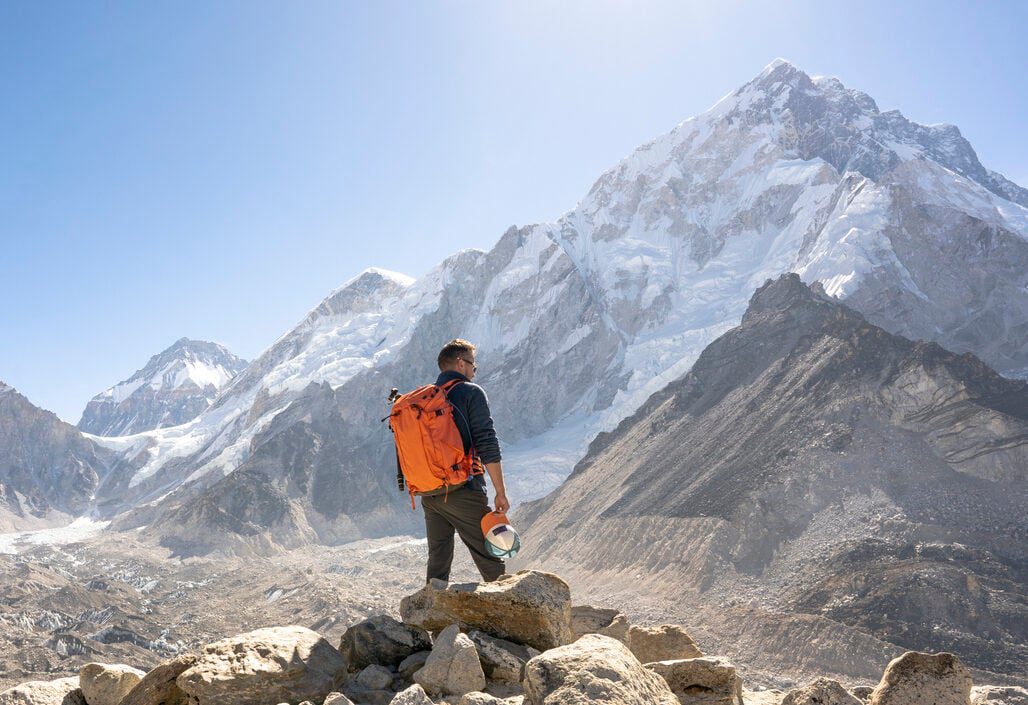
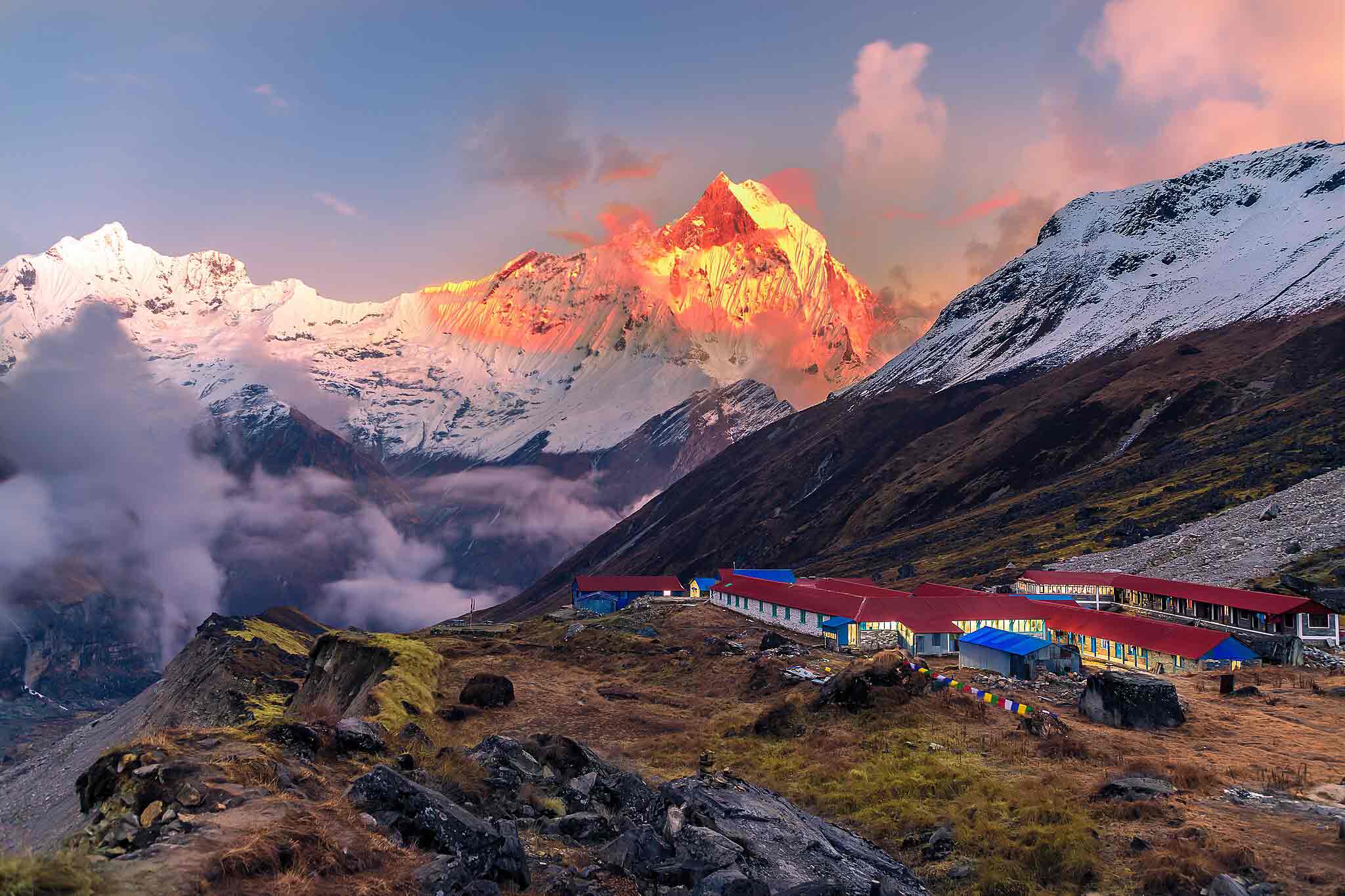
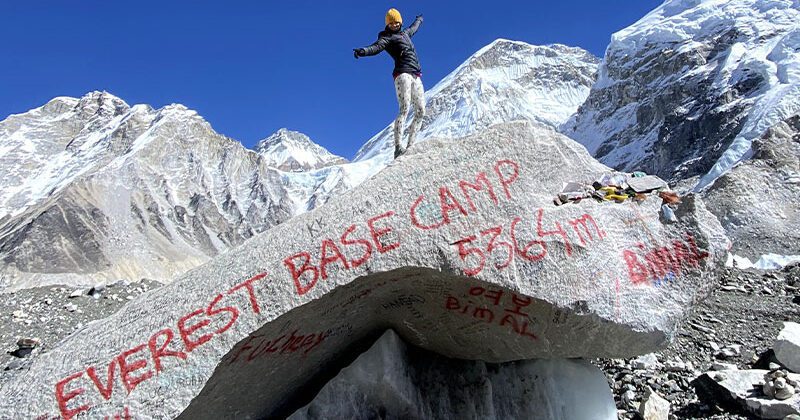
What counts in the trek is the actual value it brings, beyond the monetary amount. The walk itself is admittedly magnificent. The base camp of Everest is situated at about 5,364 meters and offers views of some of the most famous peaks in the world, including Lhotse, Nuptse, Ama Dablam, and, of course, Everest itself.
Along the path are Sherpa villages such as Namche Bazaar, Tengboche, and Dingboche, which offer insights into local life and culture. The expedition. It is in a national park (UNESCO World Heritage) called Sagarmatha National Park, which contains various flora and fauna. Getting to Base Camp is a physical accomplishment that is both a test of perseverance and dedication and thus a milestone for both hikers and adventurers.
Cultural Immersion
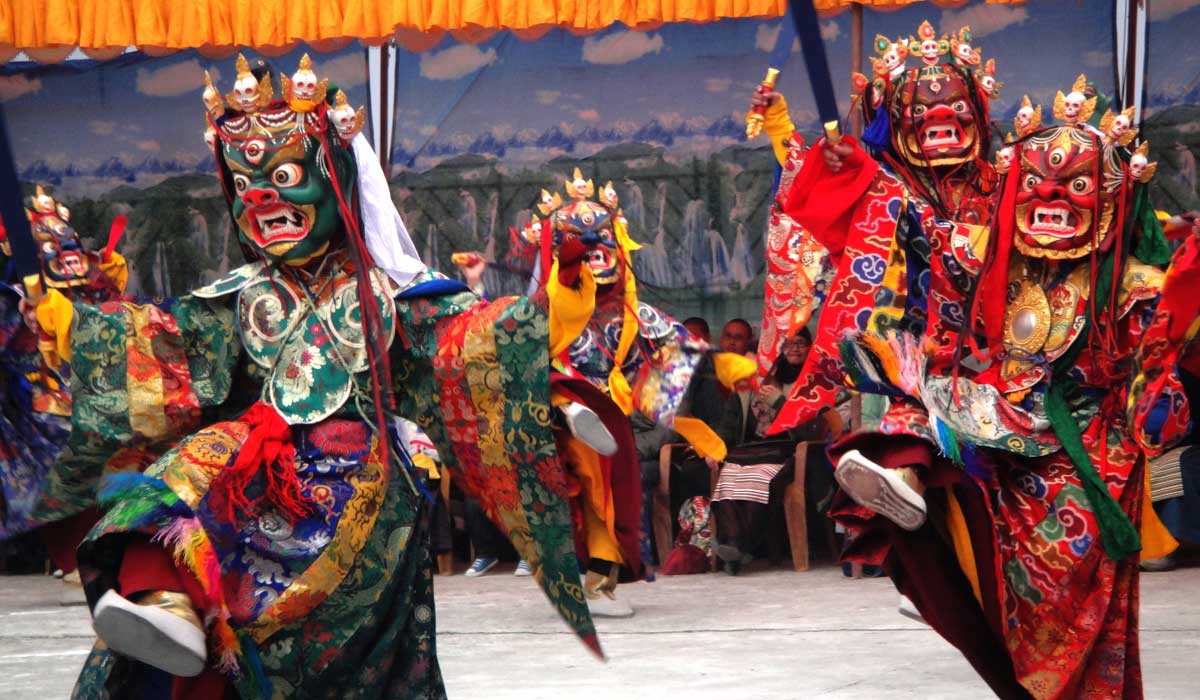
The other important factor of the Everest Base Camp trek is cultural immersion. Hiking in this area offers opportunities to interact with Sherpa communities, explore Buddhist temples, and experience colorful prayer flags against the backdrop of the mountainous landscape. Every single visit to a teahouse, every single local dish, and communication with locals help gain an idea of the Himalayan lifestyle, providing experiences that cannot be purchased or copied elsewhere. This cultural element adds more value to the trek itself, giving it a sense of something beyond physical achievement.
Intangible Benefits
The advantages of the trek go deeper into the intangible world. Most trekkers report a deep sense of achievement and personal growth. The physical aspect of high-altitude trekking enhances stamina, muscle strength, and confidence, whereas the experience builds psychological resilience. The stunning scenery, the silence in the mountains, and the companionship with other trekkers are memories that remain in the mind long enough to make them the highlight of a lifetime. The emotional pay-off of the Everest Base Camp trek is often more than one anticipates, whether one is a first-time trekker or an experienced climber of other mountain ranges.
Is the Trek Really Worth It?
The truth? Yes–in case you think more of experience than luxury.
Why It’s Worth Every Penny
- Landscape: You are strolling down some of the most recognizable mountains on the planet. Scenes such as Ama Dablam during sunset are not comparable.
- Success: There are no other hikes that offer the same combination of high challenge and accessible adventure. The accomplishment of Base Camp is an achievement.
- Culture: Sherpa folks, monasteries, and local experiences are invaluable to travelers who enjoy them.
- Guided Assistance: Professional porters and expert guides provide reassurance regarding safety, maximizing pleasure, and overcoming the challenges of trekking at high altitudes.
When It Might Not Be Worth It
- Looking forward to spa and luxurious hotels.
- In hope of a quick sightseeing excursion – it is a journey that needs time and perseverance.
- Physically or psychologically unprepared to operate at high altitude.
For the traveler with the right state of mind, the money they spend is well worth the memorable experience, personal development, and immersion in the Himalayas.

Among the Misinformation on Cost
- It costs a fortune just to trail.
Although the trail is free, permits, guide skills, porter service, and logistical support are required and essential at elevated altitudes.
- “I can do it cheaper alone.”
Yes, but you lose important safety assistance, correct altitude guidance, and culture.
- Luxury is a high experience.
Premier packages can be comfortable; however, the essence of EBC lies in common experiences, breathtaking views, and real teahouse life.
Tips to Maximize Value
There are ways to get more bang for your buck, even when you are ready to spend some money:
- Go with a Local Agency with a Good Book Rep: They offer high-quality experiences at lower prices than international operators and create genuine cultural experiences.
- Travel in Shoulder Seasons: The best months are early spring (March, April) and late autumn (September, November) with low cost, fewer crowds, and fantastic views.
- Share Guides and Porters: When you are on a trip with friends, you will save hundreds of dollars by splitting the support staff costs.
- Rent Gear Instead of Buying: Better jackets, boots, and sleeping bags can either be rented in Kathmandu or Namche Bazaar; there is no necessity to purchase new ones.
- Bring your own Snacks and Water purification. The higher the altitude, the higher the trail prices; the less money spent on the essentials, the less money spent on an ordinary day.
Conclusion
To sum up, the Everest Base Camp trek can be highly valuable to those who want adventure, nature, and immersion in the culture. It is the most appropriate option among those who are physically and mentally ready and who appreciate the authenticity of high-altitude trekking. It is not necessarily the best choice when one desires luxury or minimal effort, yet to those who take on the challenge, it will be worth more than the price. Each step, each early morning, and each hour spent in the shade of the Himalayas add up to a unique experience of both personal and travel value. The Everest base camp trek is not just a voyage, it is an accomplishment, a sort of cultural experience and a one time in life experience that none who have managed to do it will ever forget.
Comments (0)
Write a comment- Understanding the Cost of the Everest Base Camp Trek
- Local Trekking Packages
- International Trekking Packages
- Budget or Independent Trekking
- Daily Trail Costs and Extras
- What You Truly Get for Your Money
- Tangible Benefits
- Cultural Immersion
- Intangible Benefits
- Is the Trek Really Worth It?
- Why It’s Worth Every Penny
- When It Might Not Be Worth It
- Among the Misinformation on Cost
- Tips to Maximize Value
- Conclusion
Read the latest Blogs & Insights
Explore our collection of articles and insights to gain in-depth travel knowledge, expert advice, and stay updated on the latest trends and tips.


No comments yet.