









Mustang Permit Cost Breakdown 2026: Upper Vs Lower Mustang Revised Guide
Updated 2026 guide to Mustang permit costs. Compare Upper vs Lower Mustang permits, understand the $50 vs $500 difference, rules, and trekking requirements.
-
 Adventure Master Trek
-
16 January, 2026
-
10 mins read
-
599 Views
-
0 Comments


Mustang permit costs $50 vs $500
The Mustang area of Nepal has always been a place of interest to the traveler who wants dramatic scenery, Tibetan-inspired culture and an experience that is far away, as opposed to the trekking trails, which are always crowded.
But what puzzles trekkers the most is the large discrepancy in the cost of the permit in Upper Mustang and Lower Mustang. Given the significant policy shifts that have been introduced in the recent past, it is crucial to comprehend the new permit structure that should be used in 2026 to undertake proper budgets and trips.
This guide will offer a straightforward, fact-driven, and understandable analysis of Mustang permit expenses, the reasons behind the price variation being so high, and allow travelers to identify the appropriate area depending on costs, access regulations, and the purpose of travel.
Understanding the Mustang Region
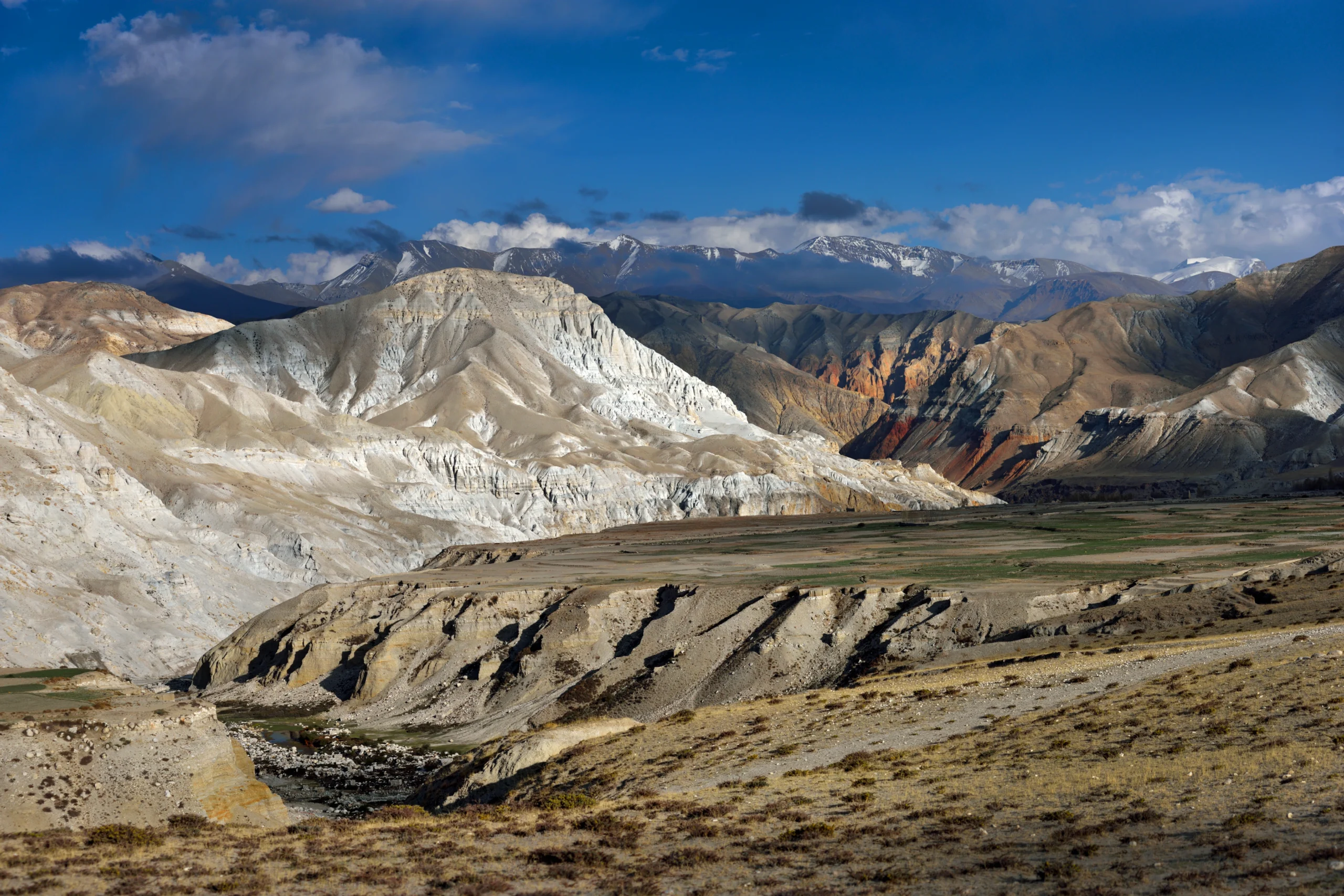
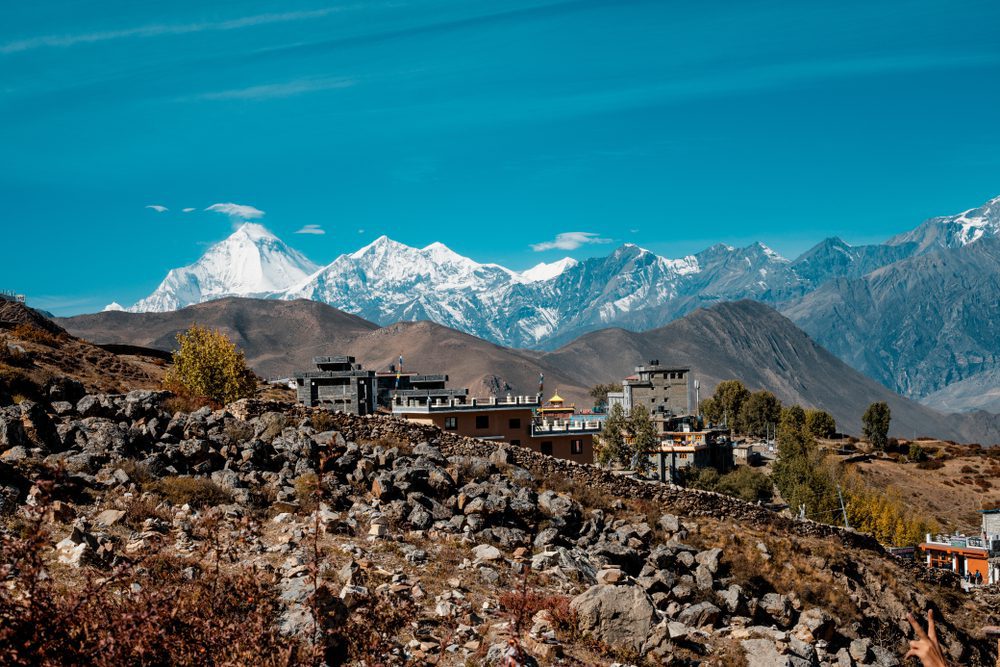
Mustang is located in the rain-shadow of the Dhaulagiri and Annapurna to the north-central parts of Nepal. The region is administratively and functionally separated into Lower and Upper Mustang, differentiated close to Kagbeni.
The Lower Mustang is open and is included in the Annapurna Conservation Area. The Upper Mustang is considered a restricted area with more stringent rules to safeguard the delicate culture and environment.
This division is what dictates the costs and requirements of the permits directly.

Why Mustang Permits Exist
Mustang permits are not an administrative formality. They have three fundamental functions.
For starters, they control tourist traffic in nature and culturally sensitive places. Second, they bring revenue to conservation and local development. Third, they enable the government to track the movement along the international borders in restricted areas.
The Upper Mustang bordering Tibet is much more tightly controlled than the Lower Mustang, which is the reason behind the huge price difference that still persists despite the recent change.
Lower Mustang Permit Requirements for 2026
Lower Mustang is completely in the Annapurna Conservation Area and does not need a Restricted Area Permit. This renders it one of the most convenient trans-Himalayan trekking places in Nepal.
Trekkers are free to walk on their own without having to have an obligatory guide, and permits are easy to obtain.
Annapurna Conservation Area Permit (ACAP)
All foreign trekkers who travel to Lower Mustang are obligated to the ACAP.
To the foreign nationals, the fee for ACAP is still around NPR 3,000, which is about USD 25 at the exchange rate. While Indian nationals pay USD 8, the nationals of SAARC are charged a lower fee; Nepali citizens are not charged or charged a nominal fee.
The ACAP deals with environmental conservation and trail maintenance, and community development projects in the Annapurna region.
TIMS Card Requirement
Lower Mustang treks usually need a TIMS (The Information Management System of Trekkers) card.
The TIMS card fee is USD 8 for SAARC nationals and USD 16 for foreign travelers. The map helps authorities track trekkers’ whereabouts to offer any emergency response.
Upper Mustang 2026 Permit Requirements.
The nature of the regulatory framework of Upper Mustang is completely different. It is marked as a restricted area, i.e. accessibility is deliberately restricted and closely controlled.
The recent policy reforms have changed the calculation of the permits, where the Upper Mustang is considered one of the most costly trekking areas in Nepal.
Restricted Area Permit (RAP) Structure
According to the latest Government amendment, Upper Mustang is no longer governed according to what is now the old standard of USD 500 per 10 days. Rather, the permit system has been transformed into a daily pricing model.
The Restricted Area Permit fee that is currently implemented is USD 50 per individual per day in the Upper Mustang.
This design eliminates the previous minimum stay requirement and suggests versatility regarding shorter itineraries. Nevertheless, in most cases, the overall price is the same as the previous model for typical trekking times.
Annapurna Conservation Area Permit (ACAP)
Although confined, Upper Mustang still belongs to the Annapurna Conservation Area. Thus, trekkers are also required to acquire an ACAP, on top of the RAP.
The ACAP fee has also been kept at USD 25 for foreigners.
TIMS Card Applicability
Practically, most trekking agencies consider the Restricted Area Permit an adequate one to keep track of the Upper Mustang. Nevertheless, there are still itineraries that require a TIMS card based on the approach route and agency policy.
The TIMS card will increase the total permit cost by about USD 20 when necessary.
Mandatory Guide and Agency Processing
The Upper Mustang permit is not available alone. The trekkers should book with a registered Nepalese trekking firm, and a licensed guide is required.
Although guide fees are not considered permit costs, they are a direct result of permit regulations and need to be included in general budgeting.
Upper Mustang Permit Cost Calculations by Duration
Due to the introduction of charges on permits in Upper Mustang on a daily basis, the overall expenses will differ based on the length of the itinerary.
A Restricted Area Permit on its own costs USD 350 when one intends to spend 7 days in Upper Mustang. During 10 days, it is USD 500, and during 14 days, the cost is USD 700.
It implies that even shorter itineraries will be much more costly than trekking in Lower Mustang.
Upper vs Lower Mustang: Permit Cost Comparison
There is a great difference between the Upper and Lower Mustang.
The only usual conservation and tracking permits that are needed in Lower Mustang are of a lower permit cost, which is less than USD 60. Even before additional travel expenses are added, Upper Mustang is a place that needs a Restricted Area Permit, which has to be calculated on a daily basis.
The disparity in prices does not depend on the quality or comfort of the infrastructure but on the policy, priorities regarding preservation and the issues of border security.
Seasonal Considerations and Permit Virtuality.
Costs of permits themselves are also not seasonal, but the days it takes to do an itinerary can be.
The weather and road conditions during monsoon and winter can slow down travel, which means the number of permit days to spend in Upper Mustang is going to be more. This has an indirect increase in the overall permit expenses through the per-day system.
The situation is not as massive in Lower Mustang since there are no daily permit fees.
Who Should Choose a Lower Mustang Based on Permit Cost?
Lower Mustang is also recommended to the traveller who wants to experience the trans-Himalayan environment, a culture that is affected by Tibet, and does not have to be confined to an inflexible itinerary due to high financial requirements.
It appeals to the lone trekkers, low-cost travellers, photographers, and people with little time to spend in the location and seek more than the limited area guidelines.
In terms of permit cost, Lower Mustang has one of the best value-to-cost ratios in Nepal.
Who Should Choose Upper Mustang Despite Higher Permit Costs
The draw of Upper Mustang is to tourists who are inspired. By exclusivity in their cultural experiences, historical fascination and a countryside that has not been overcrowded by mass tourism.
The increased permit fee becomes a filter to retain the number of visitors at low levels. This exclusiveness is an attraction to many and not a repellent.
Trekking tourists opting to go to Upper Mustang must not take the permit fee as an expense but as a donation to the cultural conservation and regulated tourism.
Key Planning Tips to Avoid Permit Issues
There are stringent permit regulations in Mustang and especially in Upper Mustang. It should be completed before the application, passport and visa validity are checked, and buffer days added in case of weather delay.
Going around the permit law may attract fines, rejection or rejection at control grounds.
Having an educated trekking workforce agency is a major elimination of the administrative risk, particularly within confined areas.
Final Thoughts on Mustang Permit Costs in 2026
The Mustang permit system is a calculated compromise of access and preservation. Lower Mustang is affordable and open, whereas Upper Mustang is still high-end since it is limited.
In the case of 2026, the transition to a per-day pricing system in Upper Mustang will provide more flexibility but does not alter the cost structure between the two areas at a fundamental level.
The decision between Upper and Lower Mustang arrives at the stage of having to decide between affordability and adaptability on the one hand, or isolation and cultural immersion on the other hand. The pre-knowledge of the costs involved in the permits is to guarantee realistic anticipations and a hassle-free ride into one of the most unique regions in Nepal.
Frequently Asked Questions (FAQs).
1. What is it about the Upper Mustang that makes it much more expensive than the Lower Mustang?
The Government of Nepal categorizes Upper Mustang as a restricted region because of its sensitive geographic positioning along the Tibetan border and the Tibetan culture that was well preserved. Higher permit fee aims at regulating the number of tourists, safeguarding the cultural heritage and reducing the environmental effects. Lower Mustang, however, comes under the Annapurna Conservation Area. General trekking is allowed, and that is why it does not require any special conservation permits.
2. Does the 2026 upper mustang permit (an old USD 500) still exist?
No. The previous flat rate USD 500 permit of 10 days has been substituted with a daily price model. Trekker USD 50 per day per capita was the current charge at the time of the last update on the number of days to spend in Upper Mustang. This will enable greater flexibility on shorter itineraries, although it may end up with a similar or greater overall cost than longer treks.
3. Is there a Restricted Area Permit to Lower Mustang?
No. Lower Mustang does not need the Restricted Area Permit. All that trekkers require is an Annapurna Conservation Area Permit (ACAP) and in the majority of instances a TIMS card. This renders Lower Mustang a much easier destination to visit for independent and cost-conscious travellers than Upper Mustang.
4. Can I get a refund of the permits in case of cancellations or when I reduce my trek?
The Restricted Area Permit to Upper Mustang, in particular, and the Mustang permits in general are not usually refundable or transferable. In case you limit your trip once the permit is granted, the unused days do not get refunded. This is also the reason why the completed itinerary should be finalized before getting the permits, especially under the per-day payment structure.
5. Do both the Upper and Lower Mustang need a guide?
To Upper Mustang, it is required to have a guide. Without a registered trekking agency and a licensed guide, they cannot be given a permit. In the case of Lower Mustang, a guide can be employed, though this is not mandatory, but suggested as a way of gaining cultural knowledge, directions and precautions. Lower Mustang remains open to independent trekking as of 2026.
From accurate permit processing to custom itineraries for Upper and Lower Mustang, we handle every detail professionally.
Contact Adventure Master Trek today for a clear cost breakdown and expert planning for your 2026 Mustang adventure.
Comments (0)
Write a comment- Mustang permit costs $50 vs $500
- Understanding the Mustang Region
- Why Mustang Permits Exist
- Lower Mustang Permit Requirements for 2026
- Annapurna Conservation Area Permit (ACAP)
- TIMS Card Requirement
- Upper Mustang 2026 Permit Requirements.
- Restricted Area Permit (RAP) Structure
- Annapurna Conservation Area Permit (ACAP)
- TIMS Card Applicability
- Mandatory Guide and Agency Processing
- Upper Mustang Permit Cost Calculations by Duration
- Upper vs Lower Mustang: Permit Cost Comparison
- Seasonal Considerations and Permit Virtuality.
- Who Should Choose a Lower Mustang Based on Permit Cost?
- Who Should Choose Upper Mustang Despite Higher Permit Costs
- Key Planning Tips to Avoid Permit Issues
- Final Thoughts on Mustang Permit Costs in 2026
- Frequently Asked Questions (FAQs).
- 1. What is it about the Upper Mustang that makes it much more expensive than the Lower Mustang?
- 2. Does the 2026 upper mustang permit (an old USD 500) still exist?
- 3. Is there a Restricted Area Permit to Lower Mustang?
- 4. Can I get a refund of the permits in case of cancellations or when I reduce my trek?
- 5. Do both the Upper and Lower Mustang need a guide?
Read the latest Blogs & Insights
Explore our collection of articles and insights to gain in-depth travel knowledge, expert advice, and stay updated on the latest trends and tips.



No comments yet.