









North Annapurna Base Camp Trek Guide 2025: Everything You Should Know Before You Go
Choose the North Annapurna Base Camp trek in Nepal for stunning views of mountains, local adventure, and a safe, guided trekking experience ever done in Nepal

-
 Adventure Master Trek
-
18 October, 2025
-
16 mins read
-
1059 Views
-
0 Comments


Introduction – Why the North Annapurna Base Camp Trek Should Be on Your List
The North Annapurna Base Camp trek is one of the most beautiful, authentic, and uncrowded experiences in the Himalayas in Nepal. You will find peace in those beautiful and dramatic mountain vistas, the rich cultural landscapes, and the warmth of the people and the villages throughout the trek. As you go ahead, the trek follows a north route which is more undomesticated and offers intimate views of Annapurna I and Machhapuchhre compared to the southern Annapurna Base Camp classic route. Here, the trekkers are fewer in number.
This guide is suitable for all types of trekkers. We have provided the outline from all relevant to most up to date 2025 information on every costs, permits, weather, packing gears and trekking routes. You can wisely choose the best time and weather whatever works in your favour and still maintain your budget.
Overview of the Trek to North Annapurna Base Camp
The North ABC trek is an unforgettable experience in a beautiful and most diversely picturesque region of Nepal. Usually, your adventure will start in the Pokhara region where the topography and the geography of the region starts with elevation in the area of Conservation.
The trek normally takes around 10-12 days which depends on the itinerary and your pace during the trek. It is through moderately challenging terrains which may not be as much as difficult as Everest. Beginners with proper physical and mental stamina can complete without any worry. If you want to do more and have some trekking experience, you can choose to go on the individual trek. At 4,130 meters (13,550 ft) above sea level, the North Annapurna Base Camp offers a breathtaking, complete view that makes the struggle worthwhile for you .
Trekking route to North Annapurna Base Camp
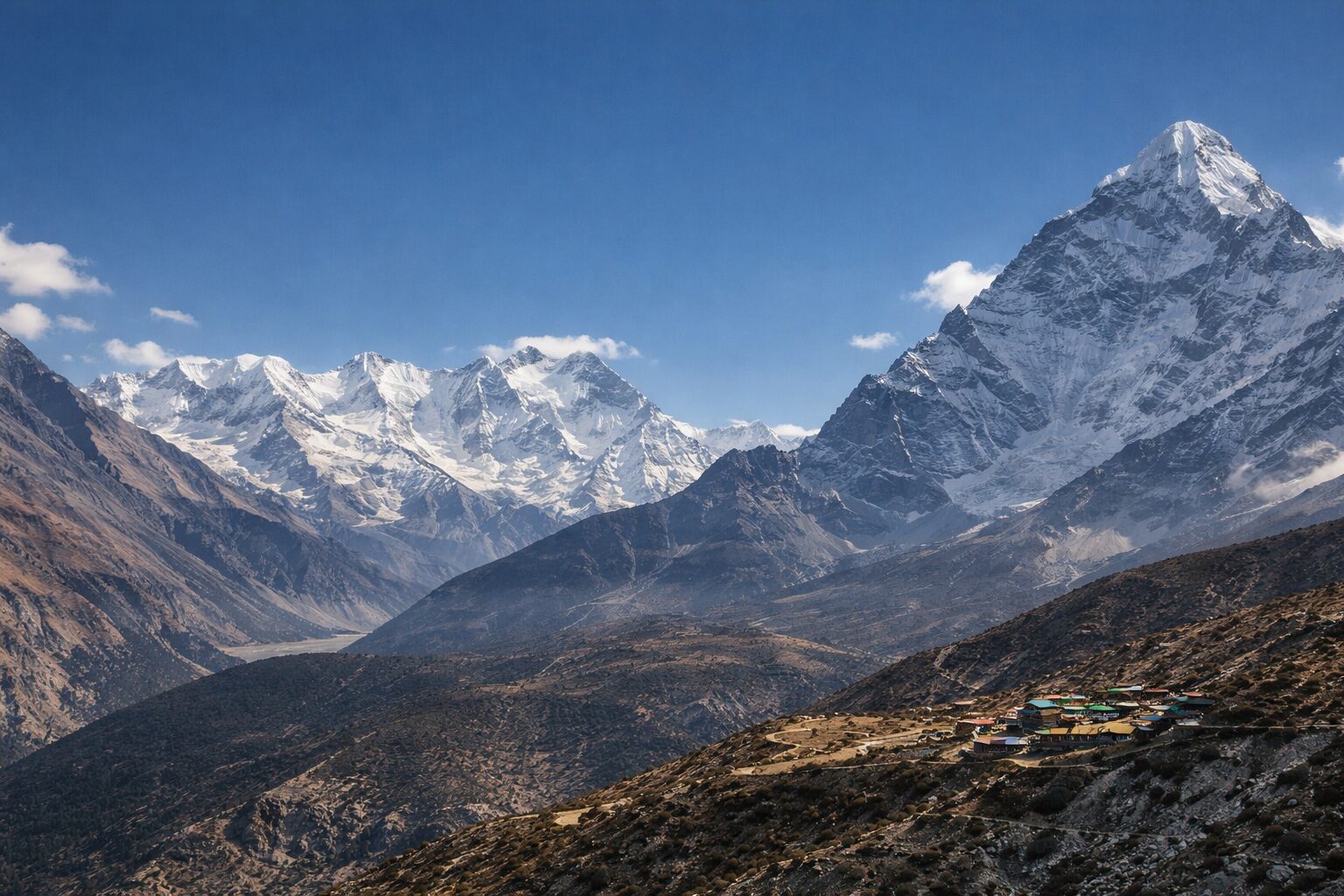
As you continue your travel to Annapurna Base Camp North, you will marvel at the charms and the peace of the country-side about Pokhara. The little villages, terraced agriculture, and wooded spots, will all add to the beauty of your way. The view of Annapurna I., Hiunchuli, Machhapuchhre, and the other neighbouring peaks, will astound you. It will be a genuine taste of the Himalaya that you will get in the course of your wandering operations.
Where to Start and How to Get There
Before setting forth on the expedition, you will have to arrive at Pokhara. For the completion of your walk you may arrive at Pokhara by a domestic flight, or on a glorious 6–8 drive from Kathmandu. From Pokhara you may proceed to your starting point by means of a jeep or a native bus. The bus stopping quarters are at Nayapul or Kimche, according to the route selected.
Detailed Itinerary
You can easily customize your itinerary according to your own taste. The simple 12 days tour will give you any desired information about the distance, the time it takes to walk, and the route you will take. In this way you can have your walk mapped out while enjoying the scenery while walking at your own pace.
Day 1: Arrive at Pokhara (827 m.).
Day 2: Walk to Tikhedhunga (1540 m., 8 km. 3–4 hours (from Pokhara to Nayapul).
Day 3: Tikhedhunga-Ghorepani (2874 m. 12 km. 6–7 hours.
Day 4: Tadapani-Poon Hill, Ghorepani, (10 km. 2630 m. 5–6 hours.
Day 5: Chame-Tadapanai (12 km.): 2670 m. 5–6 hours.
Day 6: Upper Pisang (12 km.) 3300 m. 6 hours.
Day 7: Upper Pisang-Manang (3540 m. 12 km.) 5–6 hours.
Day 8: Acclimatization Manang (3540 m. 5–6 km. 2–3 hours).
Day 9: Manang to Ice Lake/High Camp (10 km, 4,100 m, 5–6 hrs)
Day 10: North Annapurna Base Camp to Ice Lake/High Camp (4,130 m, 6–8 km, 4–5 hrs)
Day 11: High Camp to Thorong Phedi / Pisang (2,990 m, 12 km, 5–6 hrs)
Day 12: Trek back to Nayapul, drive to Pokhara (827 m, 16 km, 5–6 hrs)
Day 13: Departure from Pokhara (827 m, N/A)
Optional side trips or extensions
There are a few extra things you can do if you wish for further explorations or have time to spare. So as to take in a bit of the surrounding villages, to climb up Gangapurna Lake near Manang or to visit some of the local monasteries, this will allow you to get more of the beauty of the country without making your hike too strenuous these short detours. These short hikes will allow you to see more of the mountains.
Map and Route Variations
Instead of taking the conventional ABC trekking route the Northern Annapurna Base Camp Trek uses on the whole a quieter, less visit route through the villages of Chame, Pisang, and Manang. Alternatives paths for trekkers and returning routes for those who wish to refresh their trek owing to time, or fitness or appeal for the exploration of the valley are also available.
Cost of the North ABC Trek in 2025
Yes, the trek to the ABC is exciting and very thrilling but you must know the costs you need to complete the trek beforehand so it makes your budget friendly and avoid surprises. your total trek cost depends on the factors whether you choose a guided trek or go independently, where you stay, what meals you eat, permits, transportation, and gear you have prepared for this trek. We have made a certain breakdown on what your average expenses will be to give you some tips to save money, and help you plan a trek that fits your budget without compromising the adventure.
Average Total Cost Breakdown
| Category | Estimated Cost (USD) | What’s Included | What’s Excluded |
| Trek Package (Guided) | $800–$1,200 | Guide, porter, permits, accommodations, meals, transport | Personal gear, tips, optional activities |
| Independent Trekking (Daily) | $30–$45/day | Accommodation, meals | Guide, porter, permits, transportation, gear |
| Accommodation (Teahouses) | $5–$25/night | Basic room | Meals, hot shower, Wi-Fi |
| Meals (Daily) | $10–$30/day | Breakfast, lunch, dinner at teahouses | Snacks, drinks, alcohol |
| Permits (ACAP & TIMS) | $35–$40 | Trekking permits | None |
| Transportation (Kathmandu–Pokhara) | $10–$130 | Bus, jeep, or flight fare | Local transfers to trailhead if independent |
| Guide (Daily) | $25–$35/day | Licensed guide, accommodation, food | Personal expenses, tips |
| Porter (Daily) | $20–$30/day | Carry luggage (up to 20kg), accommodation, food | Guide fee, tips |
| Equipment Rental (Total) | $50–$150 | Sleeping bag, down jacket, trekking poles | Shoes, clothing, personal gear |
| Miscellaneous Costs | $50–$100 | Hot showers, charging, Wi-Fi | Souvenirs, emergencies |
Budget Tips to Save Money
You can have an amazing adventure in ABC trekking without any worry of spending much money. These tips will help to make smart choices so that you can easily enjoy the journey while taking in the views of vitas and still maintain the budgets. The tips are given below:
- To save money, book flights, hotels, and guided hikes in advance.
- Choose to stay in family-run teahouses in the area rather than larger lodges.
- To split the expense of the guide, porter, and transportation, travel in a group.
- Instead of renting on the path, bring your own necessary trekking equipment.
- Instead of having packaged or imported food, enjoy simple Nepali meals at tea houses.
Best Time to Trek – Weather and Seasons
Your trekking experience to the North Annapurna Base Camp vastly differs on which season you choose. In Nepal, weather, trail conditions and mountain visibility changes with the seasonal changes. You must plan and prepare properly so you can make memorable memories and enjoy safer and more enjoyable treks in Annapurna region.
Ideal Trekking Months
Spring (March–May): The most demanding and famous season is definitely the spring season. You will be offered with the most beautiful forests filled with the rhododendron flowers along the trail. The weather is usually pleasant for treks that offer clear skies, stable temperatures, perfect road conditions and proper visibility of the great mountain views of Nepal.
Autumn (September–November): Another best time of the year to do a trek is autumn. Many trekkers prefer this season due to its suitable weather and temperatures. Same as the spring, it offers dry roads, proper visibility of the mountains and stable temperatures. It is also perfect for taking perfect photographs, sightseeing and making awesome memories.
Off-Season Trekking
Winter (December–February): If you don’t mind the cold temperature and prefer quiet roads, less travelers, and peaceful surroundings, winter is truly the best season for you to travel. Some areas may have snow, and a few teahouses might be closed, so make sure you do proper planning before starting the trek.
Monsoon (June–August): Usually, we don’t prefer trekkers to do trekking in monsoon seasons but if you want to experience the lush and green landscape and few trekkers, you can visit in this season. On the downside, heavy rain can make trails slippery and increase the risk of landslides. As due to rain, there may be leeches in lower areas so, you have to be extra careful.
When to go for a trek toAnnapurna Base Camp?
It all depends on your preference to choose a seasonal trek to the Annapurna Base Camp North. Personally, autumn will be the best option to choose as it offers suitable temperature along with the most stunning and spectacular views which adds color to the trek. If you are fond of the bright flowering rhododendron you will most likely enjoy the spring trek more. As to avoiding the heavy crowds and doing a peaceful trek, the winter offers these advantages for this solitude. You may enjoy the stillness of the snow covered mountains, however, it will be cold, and some of the teahouses will be closed. The monsoon will give you green and luxuriant scenery, but while doing less visits the people on the trek will be less, the tracks will be slippery and landslides must be guarded against. You can choose on which seasons to travel easily here.
Permits and Regulations
Understanding the permits and regulations is crucial before beginning the North Annapurna Base Camp hike. To protect the environment and nearby populations, you need to follow and stick to the rules to get the guarantee of responsible, safe, and easy trekking experience.
Required permits
You need to bring the following permits to hike to Northern Annapurna Base Camp in smooth and easy way:
ACAP (Annapurna Conservation Area Permit): To visit the Annapurna Conservation Area, you must have an ACAP permit. This protects and preserves the environment of Annapurna Region.
TIMS (Trekkers’ Information Management System): You must have access to TIMS (Trekkers’ Information Management System) which is needed to keep updating on your activities and for safety purposes.
Where and how to get them?
ACAP and TIMS permits are available in Kathmandu or Pokhara. You should visit the official office, give a copy of your passport, complete a form, and pay the necessary expenses. Before beginning their journey, most hikers purchase them in Pokhara.
Accommodation and Food on the Trail
Trekking North of ABC offers the chance to experience the warm hospitality, delicious Nepali food, and cozy teahouses of the locals residing there. The walk is going to be easier and more pleasurable if you know what the food and lodging will be. You will see why I say this if you have a nice, home-cooked lunch at a remote high-altitude lodge. This section will give you an idea of what to expect in terms of lodging and meals throughout the walk.
Types of Lodges and Teahouses
The most basic accommodations at the Teahouses in the North along the Annapurna Base Camp route offer both private and shared bathrooms. Although rooms have cozy bedding, heating becomes limited at higher elevations, so it’s a good idea to pack warm clothing. trekkers can enjoy the hot showers available at the majority of the stops, however there is a little price on it. Wi-Fi and power outlets are available at some teahouses, however they might be expensive and limited. As you go to the higher altitudes, you may not be able to get teahouses and may have to spend your night in camps. But Usually in lower areas, the facilities become more comfortable and handy. Overall, teahouses offer a cozy and safe place to rest after a long day of trekking.
Typical Meals and Drinks
The trekkers will be served Nepali food, such as momos, noodles, soup and the customary dal bhat (rice and lentils) to restore their energies for the trekking. Although we have safe drinking water, we shall prefer bottled or processed water. You are to eat hot foods and avoid raw vegetables and frequently wash your hands, thereby avoiding sickness of the stomach. It is advisable that one should take along his own foods, such as granola bars, chocolate and almonds, as they help keep him on the trek. You can also get different drinks, such as steaming hot tea, coffee and hot chocolate in the tea houses, owing to the cold mountain atmosphere. It is a wonderful refresher after a long, strenuous hike.
Packing List and Gear Guide
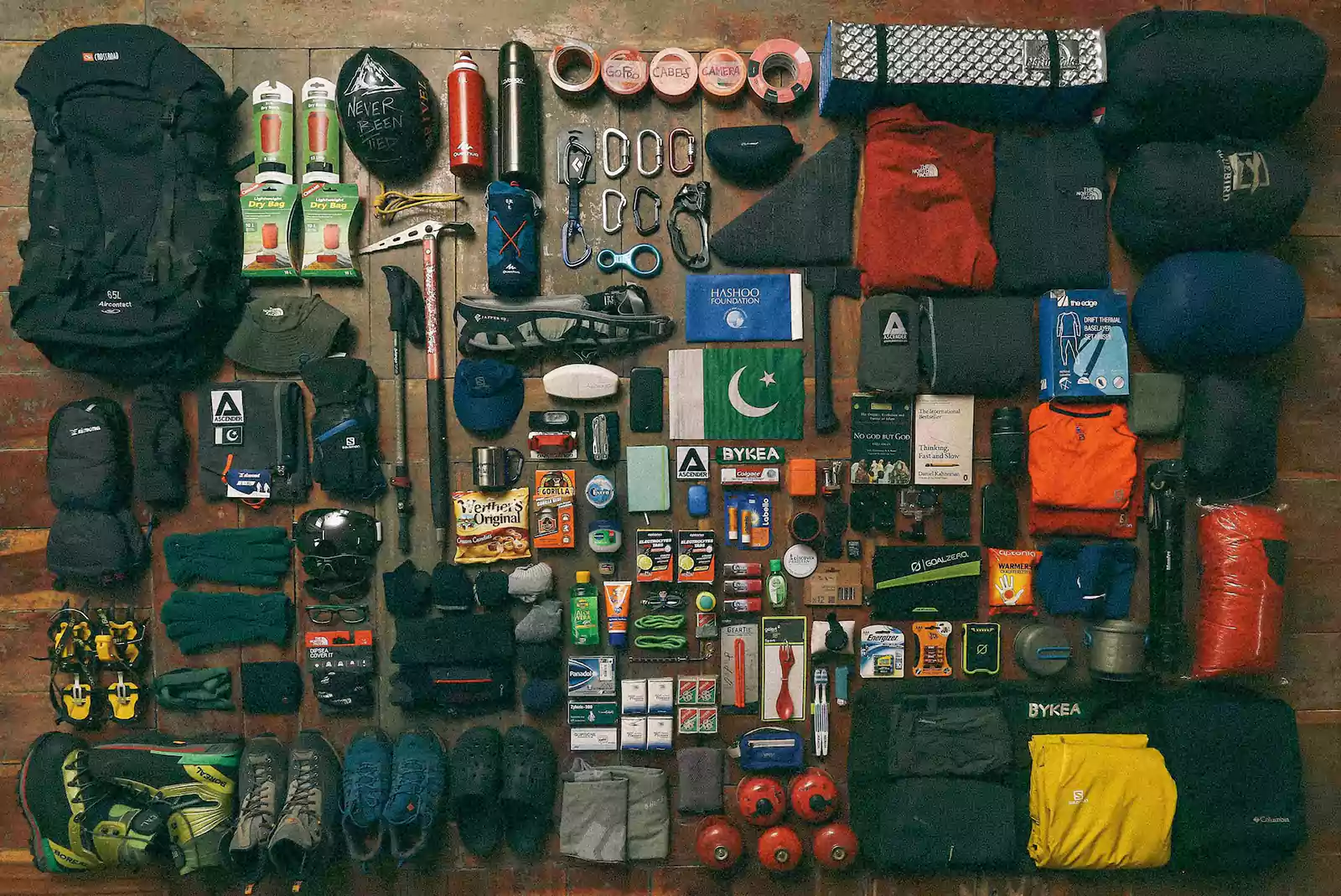
The most important part is to bring the proper and needed gears for your trek. So, this guide will help to provide you with the clothing, footwear, and equipment essential for the Northern trek to ABC. Here are some packing list:
Clothing Layers (Upper Wear)
- Lightweight base layers like moisture-wicking t-shirts and leggings
- Insulating mid-layers like fleece or down jacket
- Waterproof and windproof outer layers of jacket and pants
- Warm hat, gloves, and thermal socks
Footwear
- Sturdy trekking boots
- Comfortable trekking shoes or sandals for evenings
- Gaiters
Accessories
- Sunglasses with UV protection
- Trekking poles for stability
- Headlamp or flashlight with spare batteries
- Water bottle or hydration system
Essentials
- Backpack (30–40L for daypack, 50–60L for full trek)
- Sleeping bag (rated for -10°C to -15°C for higher camps)
- Personal toiletries and quick-dry towel
- Sunscreen, lip balm, and first-aid kit
Extras
- Snacks and energy bars
- Camera or phone with power bank
- Lightweight travel towel and reusable cutlery
Guided vs. Independent Trekking
Employing a guide or going alone on a trek, it will have an effect on the experience. Either of these alternatives have their pros and cons, and knowing the various alternatives will help in making decisions. Are you not familiar with trekking at altitude? Is it your first time trekking? Do you want a local guide and help? Then you will find that guided trekking is for you. The guide will do the navigation and emergency plans and if necessary will get the permits which are needed. This leaves you free to enjoy the trek without a worry of the details.
If you are good at navigation and planning, and are fairly well experienced at trekking, you may want the independence of going on a self guided trek. A self guided trek, although much more flexible and, in most cases inexpensive, requires more planning and entraps more risks. If you do self guided treks you will have to do more careful planning, you will need to watch for dangers.
Final Tips for the Perfect Trek to North ABC
To prevent any trouble from sickness during or after the trek, a physical preparation is appropriate:
Be Physically and Mentally Fit
You should have the endurance to trek 5-7 hours a day and carry a backpack weighing 6-8 kg and in that way rehearse safety and enjoyment in your trek. Begin your exercises 2-3 months prior to your trip and make the heart work by practicing jog or cycle, and for leg strength do stair climbing and exercise. Mental fitness is also very important.
Book with a Reliable Trekking Company
A good trekking company guarantees health, proper permits and that there is local backing. At Adventure Master Trek we have experienced guides, honest fees and a great reputation for the best services possible. We help in the gear rental and in the transportation which make the physical preparations for the trek a real pleasure and enjoyment.
Be Up to Date
Always check the last word in weather and trail conditions before your trek. Himalayan Hero and Everest Hikes are great websites that have recent altitude sickness prevention guides, and trail safety information along with gear lists for your trek.
Carry Important First-Aid Supplies
Having a complete first-aid kit is a very important item. This includes articles such as bandages, antiseptic wipes, pain killers and any medicines which you may require to prevent altitude sickness (such as Diamox) and also a pulse oximeter for your oxygen levels. It is wise to consult with a health agent before going on your trek so that you may have whatever medicines and aids you may require.
.
Frequently Asked Questions (FAQs)
1. Is the North Annapurna Base Camp trek safe for beginners?
Yes, trek is safe for beginners as long as they follow the guide instructions and make proper plannings . You will not be trekking untamed paths, as guides from Adventure Master Trek will walk you through and address any predicaments.
2. How cold does it get at the base camp?
The temperature at night will be about -5 to -10 degrees celsius. It can be difficult for you especially at the coldest parts of the night when temperatures are around -5 to -10 degrees celsius.
3. Can I do this trek solo?
Solo treks are allowed, but this will not be the most exciting or safe option. With an organized trek you will have the most minimum local help, and it is someone to help with the permits, accommodation, and navigation.
4. How long does the trek take?
The North Annapurna Base Camp trek lasts 7 to 10 days, according to the pace of the individual and rest days, etc. Because of the altitude, scenery and rest, it requires that the trek are of 7 to 10 days duration.
5. How fit do I need to be?
You don’t need to be a super athlete for this. However, a moderate level of fitness is definitely an asset.You can do some uphill practice, or do regular cardio before the trek, you will prepare yourself well if you want to be perfectly fit before starting the trek.
6. Will I need special gear?
The ordinary trekking gear needed for this includes the hiking shoes, warm clothing, good pack, and trekking poles. If you don’t have everything, gear rental through Adventure Master Trek will be of help to us.
7. Is food available on the trail?
Yes, you will be provided with simple yet tasty meals like rice, noodles, soup, and dal along the teahouses. We can also request special diet food options if needed.
8. Do I need a permit for this trek?
Yes, you must have permits required for this trek. Adventure Master Trek helps us get the Annapurna Conservation Area Permit (ACAP) and TIMS card so we don’t have to worry about paperwork.
Comments (0)
Write a comment- Introduction – Why the North Annapurna Base Camp Trek Should Be on Your List
- Overview of the Trek to North Annapurna Base Camp
- Trekking route to North Annapurna Base Camp
- Where to Start and How to Get There
- Detailed Itinerary
- Optional side trips or extensions
- Map and Route Variations
- Cost of the North ABC Trek in 2025
- Average Total Cost Breakdown
- Budget Tips to Save Money
- Best Time to Trek – Weather and Seasons
- Ideal Trekking Months
- Off-Season Trekking
- When to go for a trek toAnnapurna Base Camp?
- Permits and Regulations
- Required permits
- Where and how to get them?
- Accommodation and Food on the Trail
- Types of Lodges and Teahouses
- Typical Meals and Drinks
- Packing List and Gear Guide
- Guided vs. Independent Trekking
- Final Tips for the Perfect Trek to North ABC
- Be Physically and Mentally Fit
- Book with a Reliable Trekking Company
- Be Up to Date
- Carry Important First-Aid Supplies
- Frequently Asked Questions (FAQs)
Read the latest Blogs & Insights
Explore our collection of articles and insights to gain in-depth travel knowledge, expert advice, and stay updated on the latest trends and tips.




No comments yet.