









North vs South Annapurna Base Camp Trek – Which One Should You Pick?
Choose your Annapurna trek: North for solitude and rugged adventure, South for culture, comfort, and social experiences.
-
 Adventure Master Trek
-
31 October, 2025
-
8 mins read
-
1028 Views
-
0 Comments


Introduction: So, Which Side of Annapurna Should You Choose?
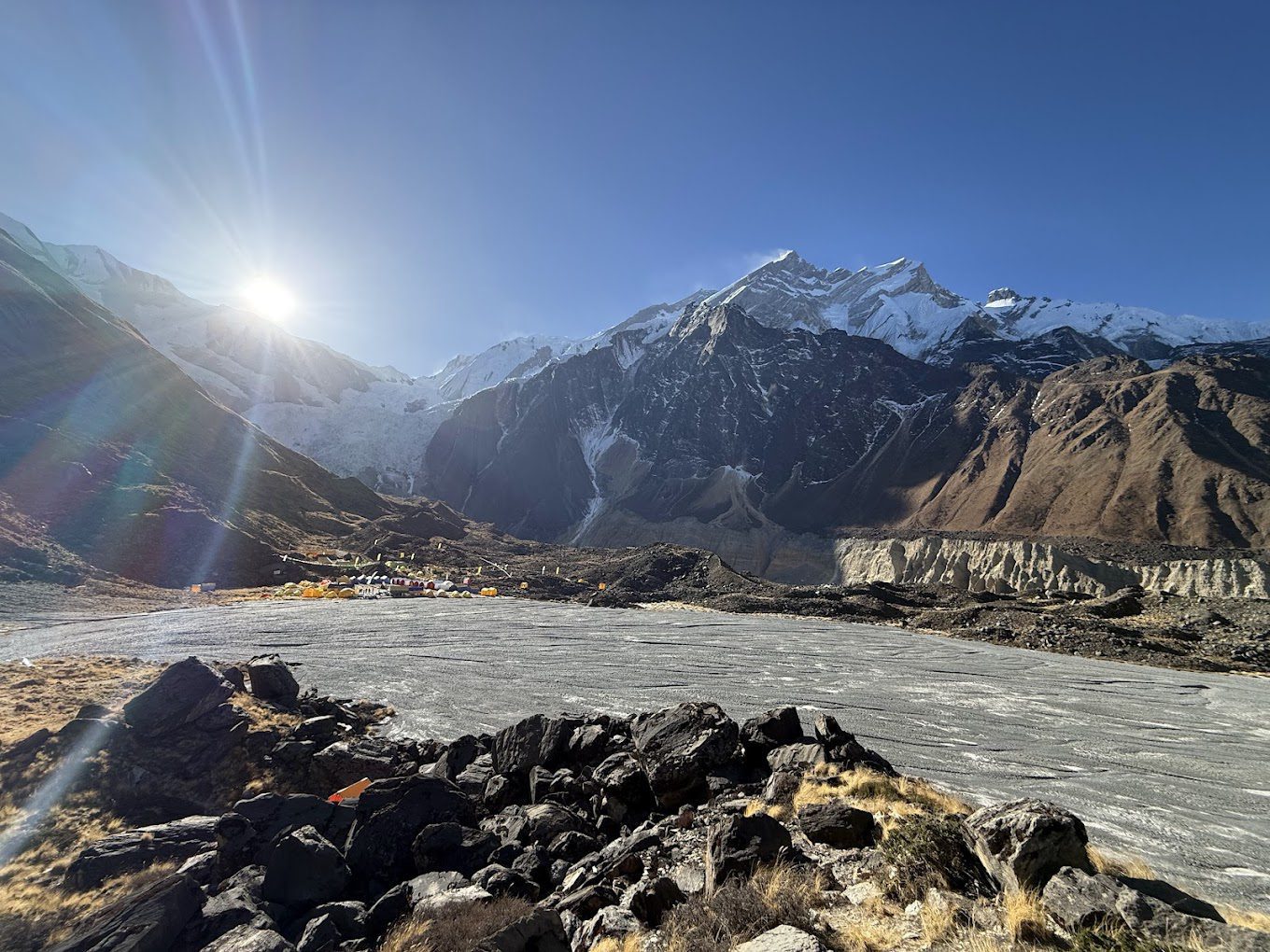
Want to do trekking in Nepal, especially in the Annapurna Region? You have mainly two routes to enjoy the Annapurna Base Camp, which are the North and the South. Even if they are the same paths to ABC, each one offers you the same breathtaking destination with amazing views throughout the trek. Though experience during the North vs South ABC trek can be slightly different. As for the information, if you enjoy the classic and well loved trails where you can easily find comfy teahouses, friendly locals and meet other travelers on the way to share stories, then the South Route is for you. On the other hand, if you want some quiet and peaceful surroundings with less crowds and want to experience the beauty of raw and clear mountains, then go for the North route.
Sometimes, choosing the right route can be quite confusing and you may not know which you will prefer for ABC trek. But no need to worry, in this guide I will break down about the pros and cons of both Annapurna routes so that you can easily decide which one will be more of your trekking style if this is your first trek in Nepal. As both will provide amazing experiences, choose wisely and get started to have the most thrilling journey.
Understanding the Routes: What’s the Difference Between North and South ABC Treks?
As you decide to go for the Annapurna Base Camp before, it is very important to know what the South and North route make the experience different. Both offer amazing mountain views, but the experience feels totally different. The North Route is quiet, wild, and peaceful that is great if you love nature and fewer people. The South Route is the classic, friendly trail with cozy teahouses and lively villages. Simply put, go North for calm adventure, or South for culture and comfort.
North Route Overview
The North Annapurna Route usually begins from areas like Lete or Tatopani, winding through remote valleys and rugged mountain terrain. In this route, there are few trekkers due to which trekkers can have peaceful treks with the sense of solitude. You will travel through the small villages along the trails, forests filled with pines and lastly the breathtaking views of Himalayans. This route feels more untouched and is ideal for adventurers who love peace, nature, and quiet trails.
South Route Overview
As for the South Annapurna Route, it is a more traditional and popular trail than the North route. You will often start from Nayapul or Kimche near Pokhara to travel in this trial. As you travel it passes through many charming Gurung villages experiencing the local cultures and traditions. After moving forward, lush rhododendron forests, and well established teahouses can be visited as you end the long tiring treks.
If you want to experience friendly welcoming, meet other fellow trekkers, share your adventure stories and want to enjoy a cozy mountain atmosphere, this is definitely the best choice for you. The sense of comfort, beautiful sceneries and adjust in the community vibes while exploring their traditions and cultures make your trip more interesting and enjoyable.
Route Comparison – Let’s Break It Down
Now, want to find the detailed route comparison for North and South trails? You still may have some confusion on which one to choose according to your preference. As you already know, each one is special in their own way and has a different rhythm to the trekking style. One can feel more wild and peaceful, while the other can feel warm and full of life.
Here, we have provided you a complete breakdown which will definitely help you decide which path fits your trekking style best:
1. Scenery & Views
If you love peaceful, remote mountains, simply head to the Northern Route. As for the trails, they are quite rugged but still provide untouched vistas. You will find the South’s more varied filled forests, hills, and charming villages. North is for peaceful surroundings and South is for those who enjoy a mix of nature and culture.
2. Difficulty & Trek Duration
The North trails offer steeper and rough trails with fewer people. It can be quite challenging and might give a sense of adventure and solitude. Still climbs are rewarding though it is tough. The South is gentler and slightly longer, with plenty of spots to rest in villages or forests. North suits challengers whereas South is more relaxed.
3. Local Experience & Culture
The South shines if you love meeting locals and stopping at teahouses. The North is quieter, with fewer villages, offering peaceful stretches to reflect. The South is perfect for cultural experiences as the North is ideal for solitude.
4. Crowds & Popularity
The North is quiet and less visited, which is great for peace and calm. The South is busier, especially in peak season, and social. For the calming vibes go for North trails whereas want more lively and sociable experience, visit South
5. Weather & Best Time to Go
Now, for the most important factor of the trek which is the best seasons and weather. As for the North, they are colder at higher altitudes, while the South provides mild temperatures with occasional rain. Also know the fact that, the best times to trek either route are spring (March-May) or autumn (Sept–Nov). These seasons offer clear skies and comfortable conditions.
Detailed Table Breakdown: North vs South Route trek
For a more clear version for you to easily differentiate, here is a table format for the comparison of South and North Route to do Annapurna Base Camp trek:
| Feature | North Route | South Route |
| Scenery & Views | Rugged, remote mountains, peaceful | Lush forests, hills, villages, diverse landscapes |
| Difficulty & Trek | Steeper, shorter, more rugged | Gentler, slightly longer, easier to rest |
| Local Culture | Fewer villages, more solitude | Villages, teahouses, cultural interactions |
| Crowds | Quiet, less touristy | Popular, busy in peak season |
| Weather | Colder at higher altitudes | Milder, occasional rain in forests |
| Best For | Peace, nature, solitude | Variety, culture, meeting people |
What are the Pros and Cons for Each Route?
Still wondering what might be the benefits and disadvantages of each North and South route? Each one has its own vibe and experience. So, both can cause benefits for one traveler and disadvantage for another. Here’s a quick look at the pros and cons of the North and South routes:
For North Annapurna Route
Pros:
- It is peaceful and quiet which is perfect if you love escaping the crowds.
- You experience a genuine, natural, and vibrant mountain journey.
Cons:
- You must be somewhat prepared because there are less facilities.
- The hike will be more difficult because the trails are a little more difficult.
For South Annapurna Route
Pros:
- Plenty of teahouses and comfortable stops make it easy to relax.
- The villagers and locals will get you to explore the cultural and social experiences.
Cons:
- IIt is lively and a good place to socialise but it may get packed mainly during the busiest times of the year.
- You spend less time alone which makes it more difficult to find peace.
So, Which One Is Right for You?
Lastly, let me make this clear. If you love adventure and quiet trails, the North Route is ideal for you. Some trekkers also shared their experience on this route. They often say, “With fewer people around and untouched mountain views everywhere, it felt like I was exploring a hidden world.” Yes, the trails can be rough but still what a trek will be without any thrills and adventures. If you love challenges, go for it.
As for the South Route trek, If you are a first-timer and want to enjoy social experiences, it will be a perfect choice. Many trekkers share, “Stopping at teahouses, chatting with locals, and exploring lively villages made each day feel full of stories and connections.” so, what do you think? You should go for it if you want to do a gentle trek and less challenging trek experience along with cultural encounters with locals and a more lively atmosphere.
Frequently Asked Questions (FAQs)
1. Which route is better for beginners: North or South?
You can take any of the routes as per your preference for trekking to ABC. If you are new, South Route will be more convenient to trek as the best clear trails with facilities and many tea houses for resting.The North Route is designed for people who enjoy a challenge and appreciate solitude along the trek.
2. What is the duration of the Annapurna Base Camp trek?
Most trekkers take the North Route for somewhere between 10 to 14 days whereas the South Route is completed in 7 to 10 days. However, it is possible to customize your itinerary to your personal fitness level and time constraints.
3. Is it possible that I combine the North and South routes?
You can, indeed. Some hikers decide to take one path and return to the other. You will be able to experience the cultural south and the calm north.
4. When is the best time to hike to Annapurna Base Camp?
The best time for the hike is during the spring (March to May) and autumn (September to November). There will be excellent weather and beautiful views.
5. Do I need a guide for the trek?
You are not required to hire a guide, however, for the North Route, we strongly suggest you get a guide.
Comments (0)
Write a comment- Introduction: So, Which Side of Annapurna Should You Choose?
- Understanding the Routes: What’s the Difference Between North and South ABC Treks?
- North Route Overview
- South Route Overview
- Route Comparison – Let’s Break It Down
- 1. Scenery & Views
- 2. Difficulty & Trek Duration
- 3. Local Experience & Culture
- 4. Crowds & Popularity
- 5. Weather & Best Time to Go
- Detailed Table Breakdown: North vs South Route trek
- What are the Pros and Cons for Each Route?
- For North Annapurna Route
- For South Annapurna Route
- So, Which One Is Right for You?
- Frequently Asked Questions (FAQs)
Read the latest Blogs & Insights
Explore our collection of articles and insights to gain in-depth travel knowledge, expert advice, and stay updated on the latest trends and tips.





No comments yet.