









Rainbow Valley Everest—Death Zone of Mount Everest
Explore Rainbow Valley on Everest, where tragedy meets warning: discover the Death Zone risks, real stories and what climbers must know.
-
 Adventure Master Trek
-
12 December, 2025
-
14 mins read
-
799 Views
-
0 Comments


Mount Everest is beautiful; however, Everest also holds some of the world’s most inhospitable environments and places on Earth. Rainbow Valley is the most haunting of these dangerous zones. It is located relatively near the summit, and the valley area provides climbers with visual reminders of what can happen to them while climbing at high altitude. The many colorful jackets of fallen climbers remain preserved due to the extreme temperatures above 8000m. These brightly colored jackets can be found scattered throughout Lottery Valley, giving an impression of an almost perfect and stunning landscape.
The stories surrounding rainbow valley provide another dimension to the rainbow valley area. Every year, dozens of climbers die in Lottery Valley due to low oxygen, frostbite, and dehydration. These deaths provide a chilling reminder of the very real possibilities of perishing in Rainbow Valley, regardless of a climber’s level of expertise.
What is the Rainbow Valley on Mount Everest?
To most external observers, Rainbow Valley is simply a visually striking area on the summit of Mount Everest. To seasoned climbers and observers, however, this valley is symbolic of the intense environmental challenges faced by the climbers. Many climbers use Lottery Valley as a metaphor for the overall dangers associated with the summit of Everest.
This valley conveys the idea that reaching the top of Mount Everest is an extremely high-risk endeavor. It also serves as a stern warning to climbers preparing to summit Mount Everest. When climbers see the sheer number of jackets scattered throughout Rainbow Valley, it underscores how deadly the summit can actually be. Climbers are better served to arrive at the summit with sound planning, sound judgement, and training that prepares them to be mentally and physically ready for all extreme environments that may be encountered.
Where Is Rainbow Valley Located?
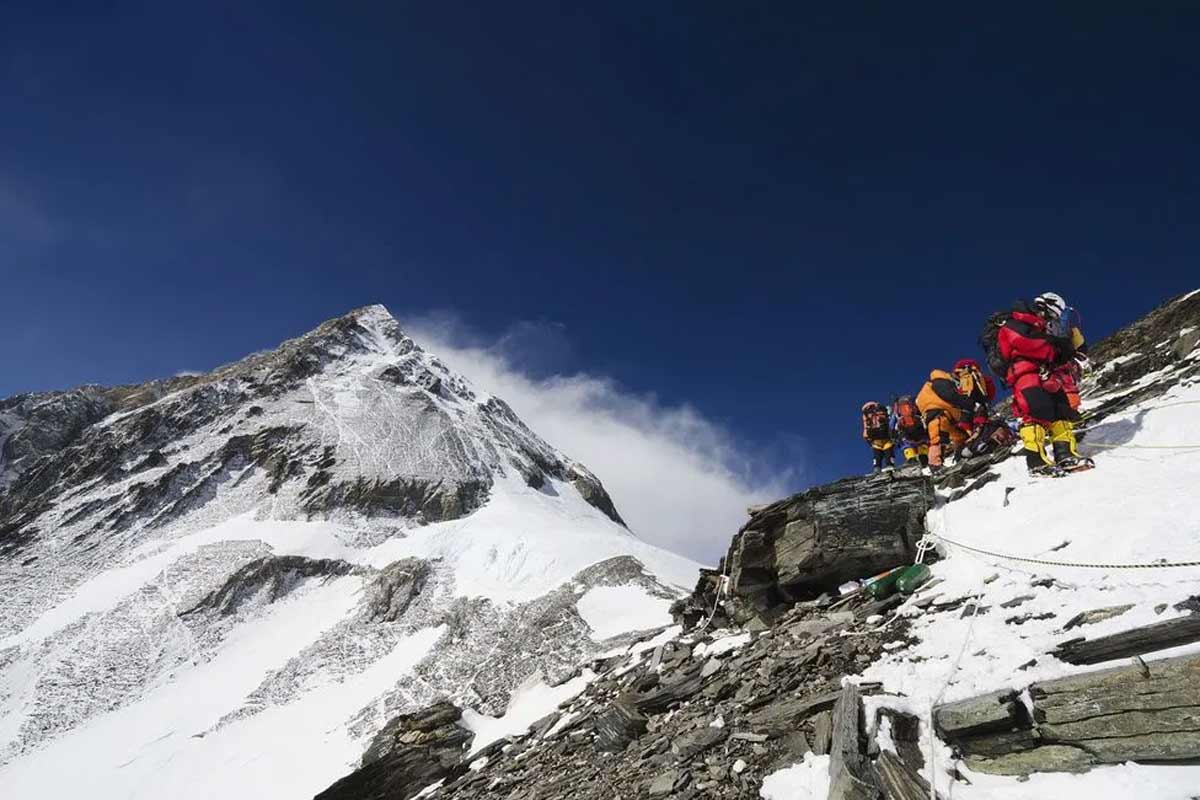
The Rainbow Valley is found at the top of Mount Everest in the so-called Death Zone. Above 8,000 metres oxygen levels are extremely low, which means the human body cannot survive longer than a very short time in this environment. The freezing temperatures, lack of oxygen, and the dangerous conditions of the Death Zone make it very difficult to rescue or recover climbers who fall in the area. Many climbers have died in Rainbow Valley, most likely since it is the most common route to the summit of Mount Everest (the south side). This area is a grim reminder of the dangers that come with climbing the highest mountain in the world.
What Makes the Death Zone Fatal: Understanding the Death Zone
Rainbow Valley is where climbers die at an altitude of 8000 m. It is located on the main route (south face) to Everest’s summit (the Southeast Ridge Route), which means that all climbers attempting to summit must travel through Rainbow Valley.
Oxygen Levels and Altitude Sickness
At 8000 m in the Death Zone, there is only about one-third of the oxygen available at sea level, which makes it nearly impossible for the human body to function in its normal state. Lack of sufficient oxygen causes altitude sickness, which includes symptoms such as dizziness, confusion, headaches and weakness. As the brain and muscles begin to shut down due to lack of oxygen, survival becomes very challenging.
Hypothermia and Extreme Cold
Temperatures in the Death Zone падают до –30°C or lower, where they are at severe risk for hypothermia. The freezing air quickly consumes the heat from a person’s body. Most climbing apparel won’t provide complete protection from the elements of extreme cold temperatures while on Mount Everest. Frostbite is a frequent occurrence among climbers and the tips of the fingers and toes can lose sensation within minutes of being exposed to the extreme cold air at altitude on Everest.
Rapid Weather Changes
Climbers can experience completely clear weather conditions one moment, and then suddenly be stuck in a very dangerous storm due to storms developing rapidly in the Death Zone. High winds and heavy snowfalls or sudden whiteouts can trap climbers or even push them off of edges or ridge crests that are dangerous to fall off of. The speed at which the weather can change drastically limits how much time a climber has to react to the severe weather conditions they might be facing when climbing on Mt. Everest and makes it an even more deadly place.
Challenges Climbers Face in Recent Years (2020–2025)
Climbing one of the world’s most famous mountains has become more challenging in recent years due to climate change. Increased numbers of climbers are looking to climb Mount Everest, which places more stress on rescues and rescue operations, creating a more dangerous climb to the summit of Mount Everest than at any time in the past. These modern challenges make the journey to the summit more risky than ever.
- Increasing Crowds and Traffic Jams
Increased numbers of people attempting to climb Mount Everest over the last few years have also resulted in increased wait times and increased danger from traffic jams consisting of climbers who are trying to summit. In a traffic jam, when climbers are forced to remain in the Death Zone and only able to breathe through a limited supply of oxygen, their chance of becoming fatigued or frostbitten and suffering from altitude sickness is increased considerably.
- Limited Rescue Possibilities Above 8,000 m
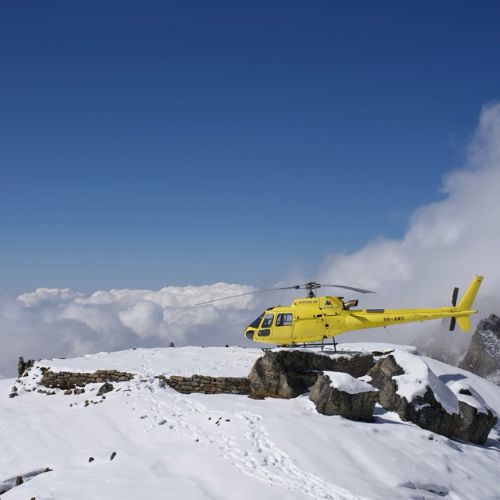
Rescue attempts above 8000m (26,247 ft) on Mount Everest are nearly impossible. Helicopters lack the ability to generate enough lift in thin air to fly in this area. Due to the extreme weather conditions, rescue teams face extreme danger attempting to reach an injured or deceased climber on the ground and attempt to carry them down through terrain that is steep, icy, and full of crevasses. Climbers should understand that this is the Death Zone and that assistance from Rescue teams will be limited by the extreme cold, low oxygen, poor visibility, and other variables.
- Rising Number of Inexperienced Climbers
It is now common for a large number of climbers to be attempting the summit of Mt. Everest for the first time without much, if any, training or previous high-altitude experience. Without sufficient training or knowledge, the chances of accidents occurring and the wait time required for each climber to summit Mt. Everest are being extended, creating additional demand on each climber and climber guides and Sherpas supporting the climbers. Inexperienced climbers often struggle with decision-making and physical demands, leading to more emergencies in recent years.
Why Rainbow Valley Exists: The Tragic Reality Behind It
Recovering bodies from Rainbow Valley is virtually impossible due to the extremely low oxygen levels, extreme cold temperatures and extremely steep (and thus icy) terrain in the Death Zone. Rescue team members cannot remain on the mountain for long periods of time without risking their own lives in the extremely dangerous environmental conditions. This has made it virtually impossible for rescue teams to retrieve or move the fallen climbers. Because of the extreme cold and moisture, these individual bodies have been preserved for many years in the frozen conditions, including their brightly colored clothing items, climbing gear, and accessories; the colors of red, yellow, blue, and orange are still visible against the white of the surrounding snow. This has resulted in a haunting “rainbow” effect on the valley, giving it this name.
Rainbow Valley in Recent Years
Due to increased awareness of Rainbow Valley, authorities and climbing organizations have taken some very minimal steps to manage the situation, but the ongoing extreme environmental conditions present continued challenges to providing a comprehensive plan to protect climbers and the environment.
Both Nepal and China have made several attempts to carry out body recovery missions on Mount Everest; however, these attempts have been few and far between. The body recovery attempts are extremely dangerous due to the altitude, lack of oxygen, and weather conditions of the mountain, which make it extremely difficult to recover any bodies.
Traditionally, climbers have relied on the assistance of rescue teams to extract climbers who are injured, lost, or deceased from Mount Everest; however, authorities have stressed responsibility for self-rescue for climbers in recent years. Because rescue teams may not be able to provide assistance in the Death Zone or in other high-risk areas of Mount Everest, all expeditions should include training in self-rescue skills, oxygen management, high-altitude survival, and emergency decision-making.
Training and Permit Regulations That Have Tightened Since 2019
Beginning in 2019, authorities have introduced tighter regulations for climbers attempting to summit Mount Everest. The new regulations include stricter permit requirements, mandatory training for climbing at high altitudes, and proof of previous experience climbing at an altitude. The introduction of the stricter regulations will hopefully result in fewer accidents and fewer climbers arriving at dangerous locations, such as Rainbow Valley.
Recent Statistics and Trends (2020–2024)
More climbers are attempting to summit Mount Everest during the period from 2020 to 2024 despite the many risks. The increase in popularity of climbing at extreme altitudes and the effect of social media exposure has resulted in many climbers who are inexperienced attempting to reach the summit of Everest, thereby increasing the amount of traffic in areas of high risk such as Rainbow Valley. The weather patterns of Mount Everest are now more unstable as a result of climate change.
Increase in Climbers Despite Known Dangers
Everest has long been associated with serious risk; between 2020 and 2024 there was an increase in climbers attempting to climb it. The increase in popularity for high-altitude climbing and its growing visibility on social media has encouraged more climbers, some without the experience to be safe in the higher elevations, to make their way up the mountain, increasing the flow of climbers through the more dangerous regions, like Rainbow Valley.
Weather Pattern Changes Due to Climate Shifts
The weather patterns at Everest have changed due to the effects of climate change and the unpredictability of those patterns has increased. With the warmer weather has come quicker melting of ice and snow to create less stable ground, and with that also comes the potential for sudden storms that continue to pose a threat to climbers.
Higher Visibility of Bodies During Warmer Seasons (“Exposed Bodies” Reports)
More climbers are finding bodies of previous climbers who died in the death zone, due to the fact that the glaciers have receded during this warmer weather. The bodies are becoming visible again and are being reported as “exposed bodies” at higher rates than ever before. This only serves to remind climbers of the harsh reality of climbing in Rainbow Valley and the ever-present dangers of climbing the mountain.
Safety Tips for Climbers
Climbing Mount Everest is a very arduous and dangerous endeavor, due to the extreme altitude, cold temperatures, and unpredictable weather. Proper preparation and knowledge of the risks associated with climbing the death zone, thorough training, and proper choice of an expedition team are crucial to having a safe and successful climb. This section contains some important tips for climbers looking for ways to climb Mount Everest more safely.
Preparing for the Death Zone
Through proper training, climbers can learn to prepare themselves to be able to either survive safely or face disaster while climbing Mount Everest. Climbers must prepare themselves through proper equipment, proper training, and good decision-making in order to handle the extreme conditions associated with climbing without danger. Below is a list of ways climbers can prepare themselves for the death zone:
- Use a combination of high-altitude training and simulated environments to allow their bodies to adjust to low oxygen levels.
- Develop strength, stamina, and endurance for prolonged and extreme physical exertion while climbing under the extremes of nature.
- Recognize early signs of altitude sickness as they occur and be prepared with adequate oxygen tanks for the last part of the ascent.
- Be informed on how and when to use supplemental oxygen to prevent the development of exhaustion or the onset of hypoxia.
- Continuously monitor the flow of oxygen and the operation of all equipment used during the climb.
Choosing the Right Expedition Team
Selecting the best expedition team is one of the most important factors in climbing Everest safely. A trustworthy team can offer advice and assistance as well as assist you in an emergency situation, whereas a poorly prepared team typically poses an increased hazard in the Death Zone.
Sherpas are essential to any Everest expedition and have the ability to assist with carrying supplies, navigate through hazardous areas, and provide emergency assistance. Their years of experience and great depth of knowledge about the mountain might potentially save your life; thus, always listen to their recommendations during critical moments.
Effective expedition teams have well-defined emergency procedures, along with reliable methods of communicating. Examples of reliable forms of communication include: radios, GPS, and satellite phones, as well as knowledge of exit routes and medical evacuation points. If something goes wrong, the ability to acquire assistance quickly can be the most important factor between life and death.
Experienced guides vs. budget teams
Guides with extensive experience and a solid understanding of the topography of the mountain provide climbers with vital information. For example, they will provide you with insights on weather patterns, the conditions of the routes and safe climbing practices—highly valuable information that may prove to be the difference between life and death.
On the other hand, teams that offer budget rates tend to cut corners with safety and training and use inferior-quality equipment. Consequently, the long-term outcome is that a budget team increases the risk of incidents and health-related concerns. It is therefore advisable that you choose a reputable expedition team with highly qualified guides and a proven track record of success.
Ethical Debates Surrounding Rainbow Valley: Should Bodies Be Recovered?
Rainbow Valley raises some tough ethical questions about whether or not to recover the bodies of climbers lost on the summit of Mount Everest. Supporters of recovery believe that by bringing climbers back home, they show last respects for their families’ loss, will be able to provide the family with the closure they need and honor those who placed their lives on the line to reach the summits. The other side of this argument states that, due to the extreme dangers associated with attempting a recovery from the Death Zone, many of the people trying to rescue the body could also lose their lives during the recovery attempt. It provides additional reasoning why the majority of bodies remain on the mountain.
The Changing View of Mount Everest
Through recent years, the mountain has changed significantly from when it was first climbed; once considered to be the world’s most sacred and unspoiled mountain peak, there has now been such an increase in the number of climbers that this has created considerable additional risk and has turned Mount Everest into a corporate entity. With so much growth in the number of climbers, individual climbers have begun to call for stricter regulations regarding climbing on Mount Everest, with such regulations as needing to purchase higher levels of permits, undergoing mandatory training, and limiting the number of climbers.
Conclusion
As a reminder of the extreme dangers of Mount Everest, Rainbow Valley serves as a testament to the fact that the most capable climbers will still fall prey to the mountain’s brutal conditions. Rainbow Valley honors survival above glory, as each step taken in the Death Zone requires respect, preparation, and caution. If you are getting ready for your ascent up Mount Everest or any extreme high-altitude climb, it is essential that you train adequately, have the appropriate climbing gear, listen to the advice of experienced guides, and know when it is time to turn back. Your greatest accomplishment will not only be reaching the summit but also safely returning; therefore, as you prepare, make careful and responsible plans, respect the environment, and be aware of the many risks involved.
Comments (0)
Write a comment- What is the Rainbow Valley on Mount Everest?
- Where Is Rainbow Valley Located?
- What Makes the Death Zone Fatal: Understanding the Death Zone
- Oxygen Levels and Altitude Sickness
- Hypothermia and Extreme Cold
- Rapid Weather Changes
- Challenges Climbers Face in Recent Years (2020–2025)
- Why Rainbow Valley Exists: The Tragic Reality Behind It
- Rainbow Valley in Recent Years
- Training and Permit Regulations That Have Tightened Since 2019
- Recent Statistics and Trends (2020–2024)
- Increase in Climbers Despite Known Dangers
- Weather Pattern Changes Due to Climate Shifts
- Higher Visibility of Bodies During Warmer Seasons (“Exposed Bodies” Reports)
- Safety Tips for Climbers
- Preparing for the Death Zone
- Choosing the Right Expedition Team
- Experienced guides vs. budget teams
- Ethical Debates Surrounding Rainbow Valley: Should Bodies Be Recovered?
- The Changing View of Mount Everest
- Conclusion
Read the latest Blogs & Insights
Explore our collection of articles and insights to gain in-depth travel knowledge, expert advice, and stay updated on the latest trends and tips.





No comments yet.