











1-Hour Mount Everest Scenic Flight Tour


Trip Facts


Mount Everest Scenic Flight Tour
Soar above the roof of the world on a breathtaking one-hour scenic flight that brings you face to face with the greatest mountain range on earth. The Mount Everest Scenic Flight is the ultimate high-altitude experience for those who want to witness the Himalayas up close — without the weeks of trekking required to reach them on foot.
Flight Overview
The Mount Everest Scenic Flight is one of the most extraordinary aviation experiences available anywhere in the world, offering passengers a rare and privileged perspective of the Himalayan range from the window of a specially configured mountain flight aircraft. Departing from Tribhuvan International Airport in Kathmandu in the early morning hours, the flight climbs eastward along the southern face of the Himalayas, positioning every passenger within breathtaking proximity of the world’s highest peaks. The entire experience lasts approximately one hour in the air, making it the perfect choice for travellers with limited time who nonetheless want a truly unforgettable encounter with the mountains of Nepal.
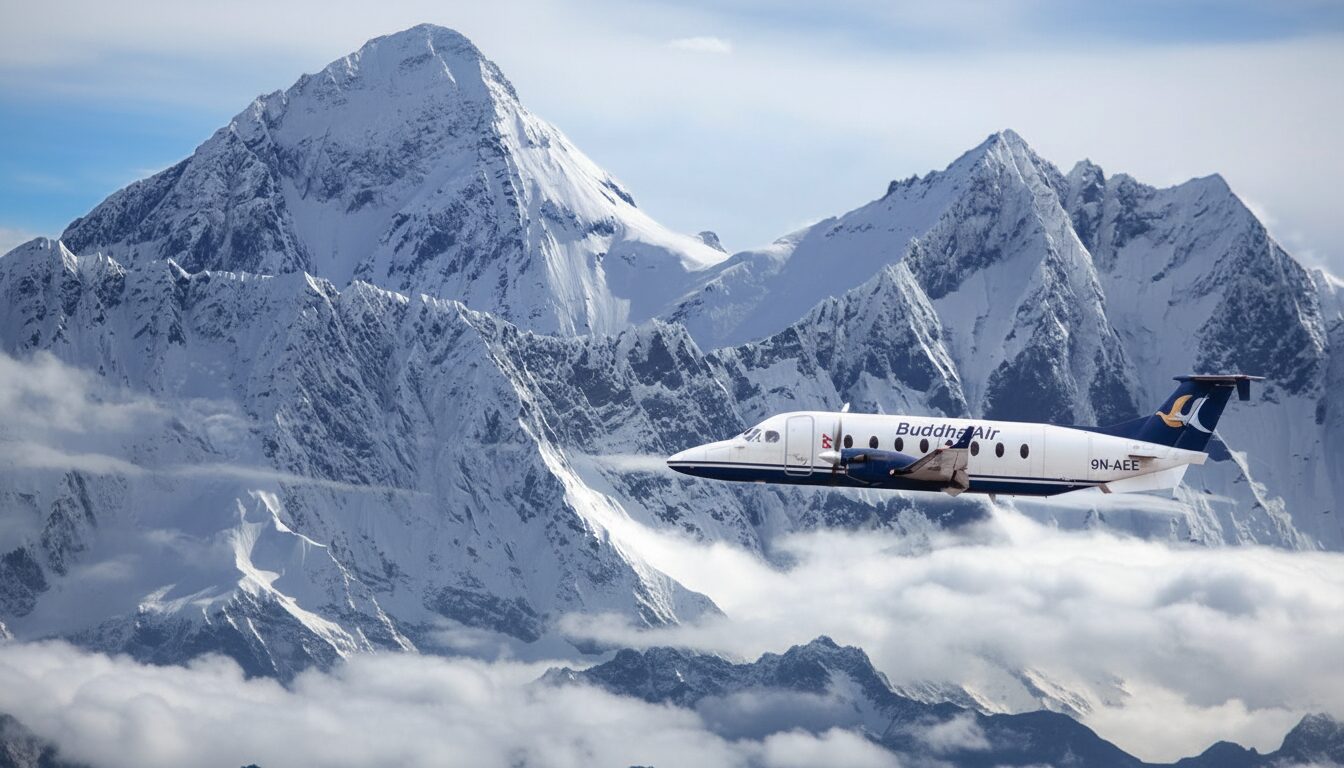
What makes this flight genuinely unique is the intimacy of the aircraft and the thoughtful passenger experience built around it. Small mountain flight aircraft — typically 18 to 40-seat turboprops such as the Twin Otter or slightly larger jets — ensure that every single seat is a window seat, and cabin crew actively guide passengers through the mountain identification process throughout the flight. A dedicated flight commentary draws your attention to each peak as it comes into view, naming ranges, glaciers, and summits so that you understand exactly what you are witnessing. The result is not merely a flight, but an education in Himalayan geography delivered from 3,000 metres above the valley.
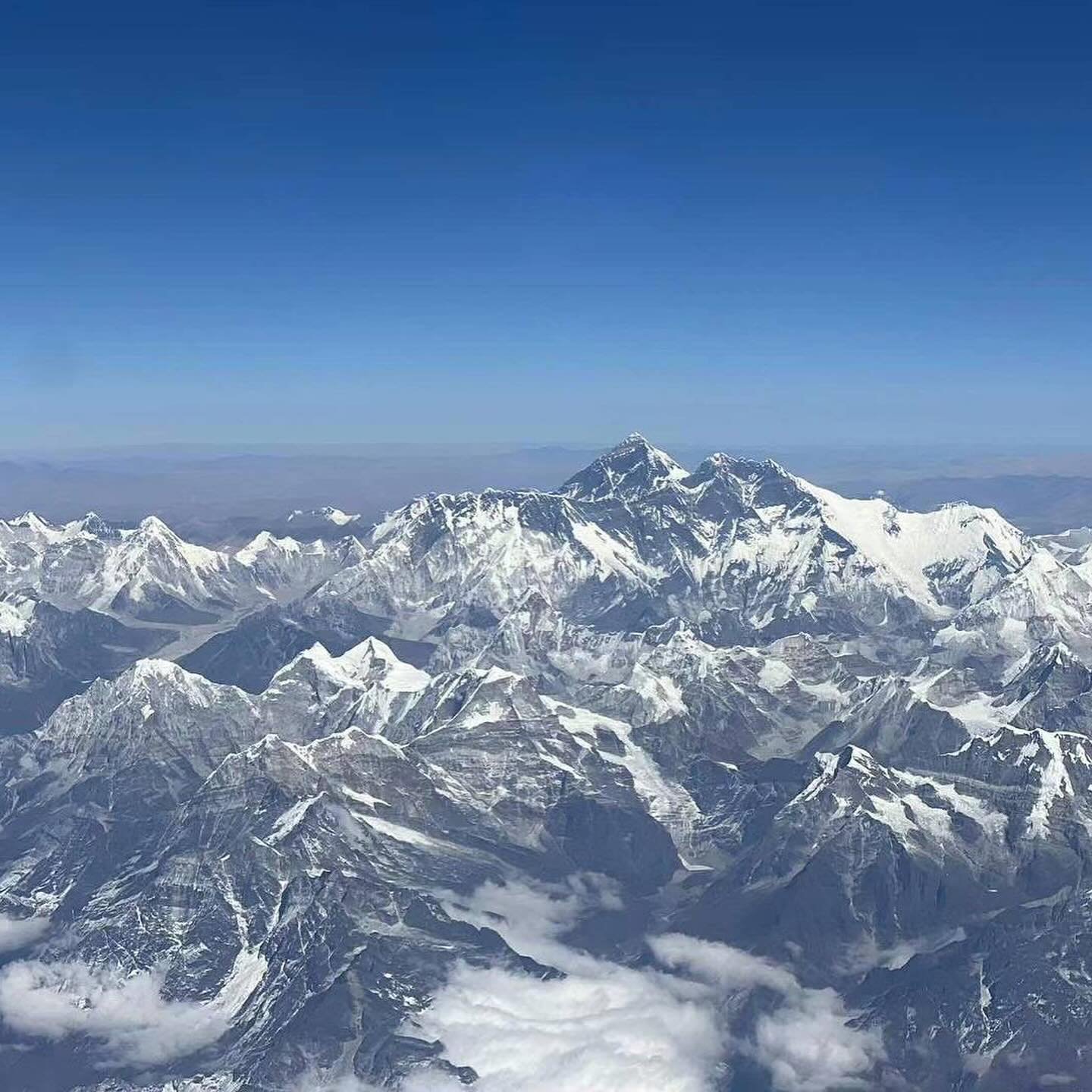
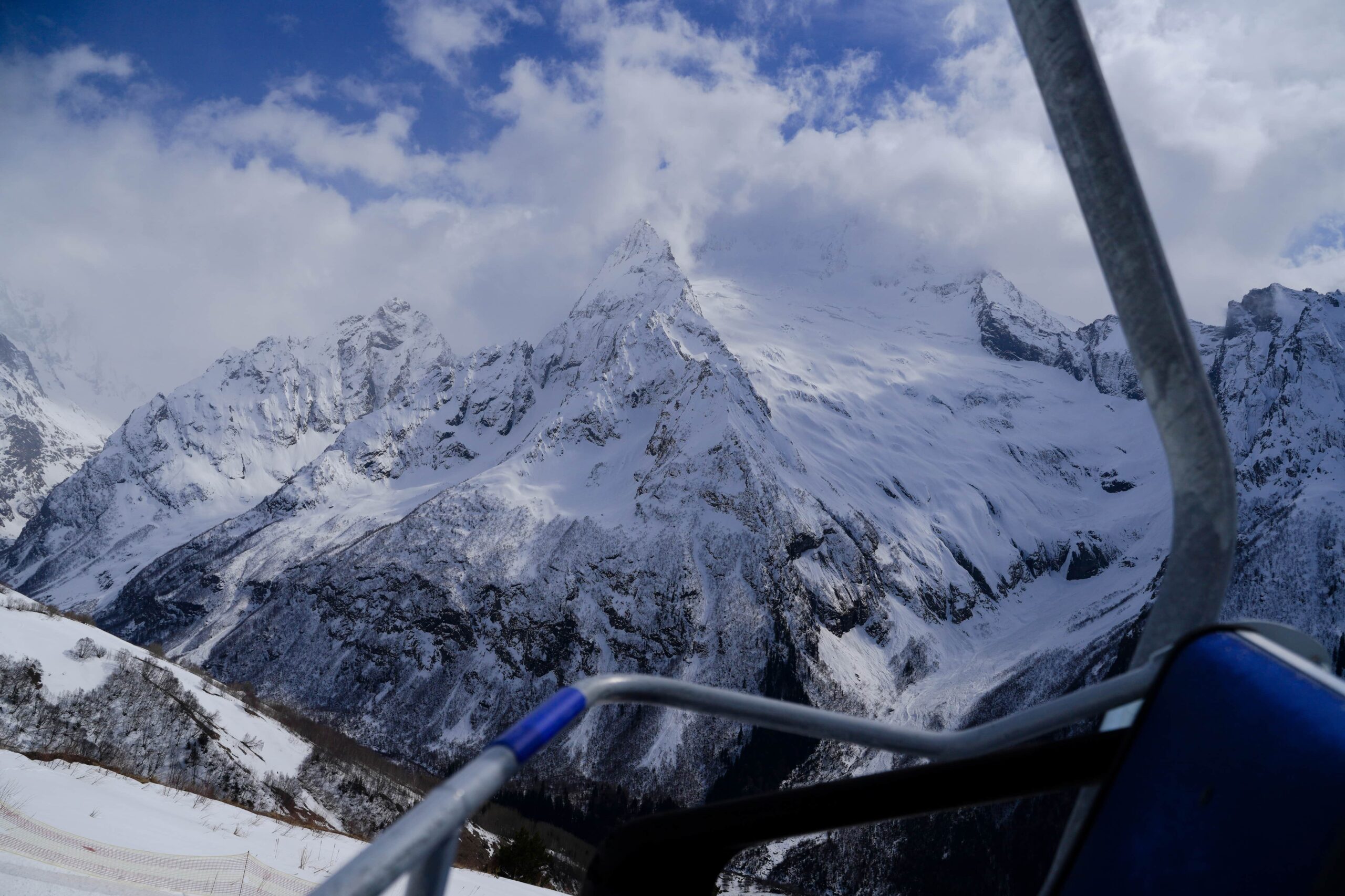
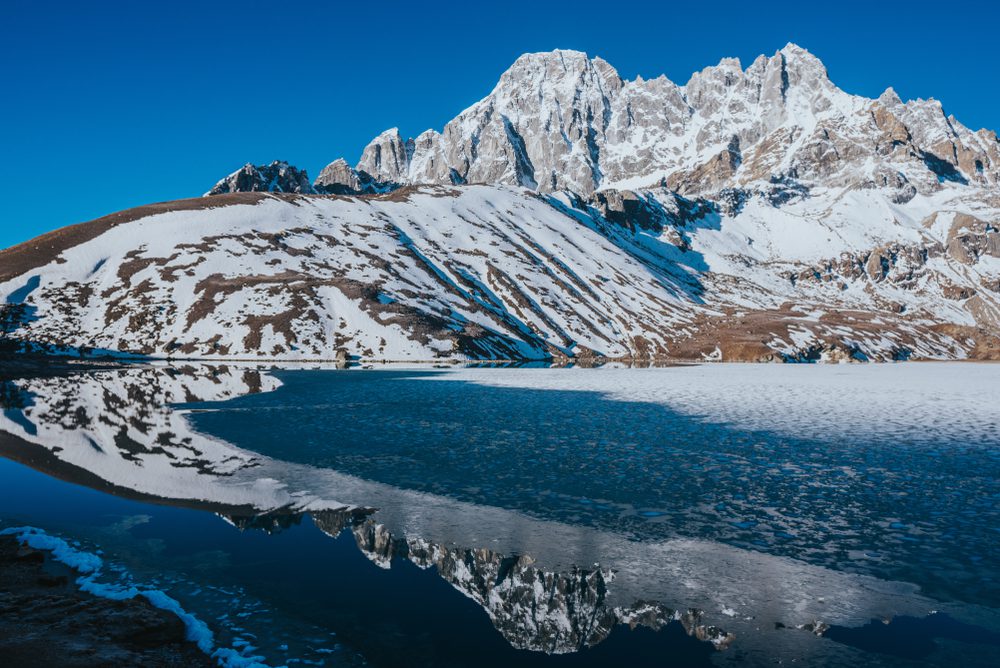
The visual spectacle of the flight itself is almost impossible to describe adequately in words. As the aircraft levels off at cruising altitude and banks gently along the mountain face, the sheer scale of the Himalayas reveals itself in a way that photographs and documentaries simply cannot replicate. The snow-covered ridgelines, hanging glaciers, sheer rock faces, and the unmistakable silhouette of Everest’s summit pyramid fill the aircraft windows from edge to edge — a wall of white and grey rock stretching further than the eye can comfortably follow. For many passengers, this is the single most visually overwhelming moment of their entire Nepal journey.
The Mount Everest Scenic Flight requires no physical fitness, no acclimatisation, no specialist gear, and no prior experience of any kind. It is accessible to travellers of all ages and abilities — from young children on their first adventure to elderly visitors who have dreamed of seeing Everest their entire lives. The one-hour format fits seamlessly into any itinerary, with morning departures leaving the rest of the day entirely free. Whether you are a seasoned mountaineer, a first-time Nepal visitor, or simply someone who believes that some views are worth any effort to witness, this flight delivers an experience that will stay with you for a lifetime.
Flight Highlights
- Fly alongside the world’s highest mountain, Mount Everest (8,849 m), from a window seat just kilometres away from the summit pyramid.
- Every seat on the aircraft is a guaranteed window seat, ensuring unobstructed Himalayan views for every single passenger throughout the entire flight.
- See up to eight major Himalayan ranges in a single hour, including Langtang, Ganesh Himal, Dorje Lakpa, Rolwaling, Mahalangur, Numbur, Khumbu, and the Annapurna massif.
- Identify iconic peaks including Lhotse, Makalu, Cho Oyu, Manaslu, Ama Dablam, and Kanchenjunga — the third highest mountain on earth — pointed out by knowledgeable cabin crew during the flight.
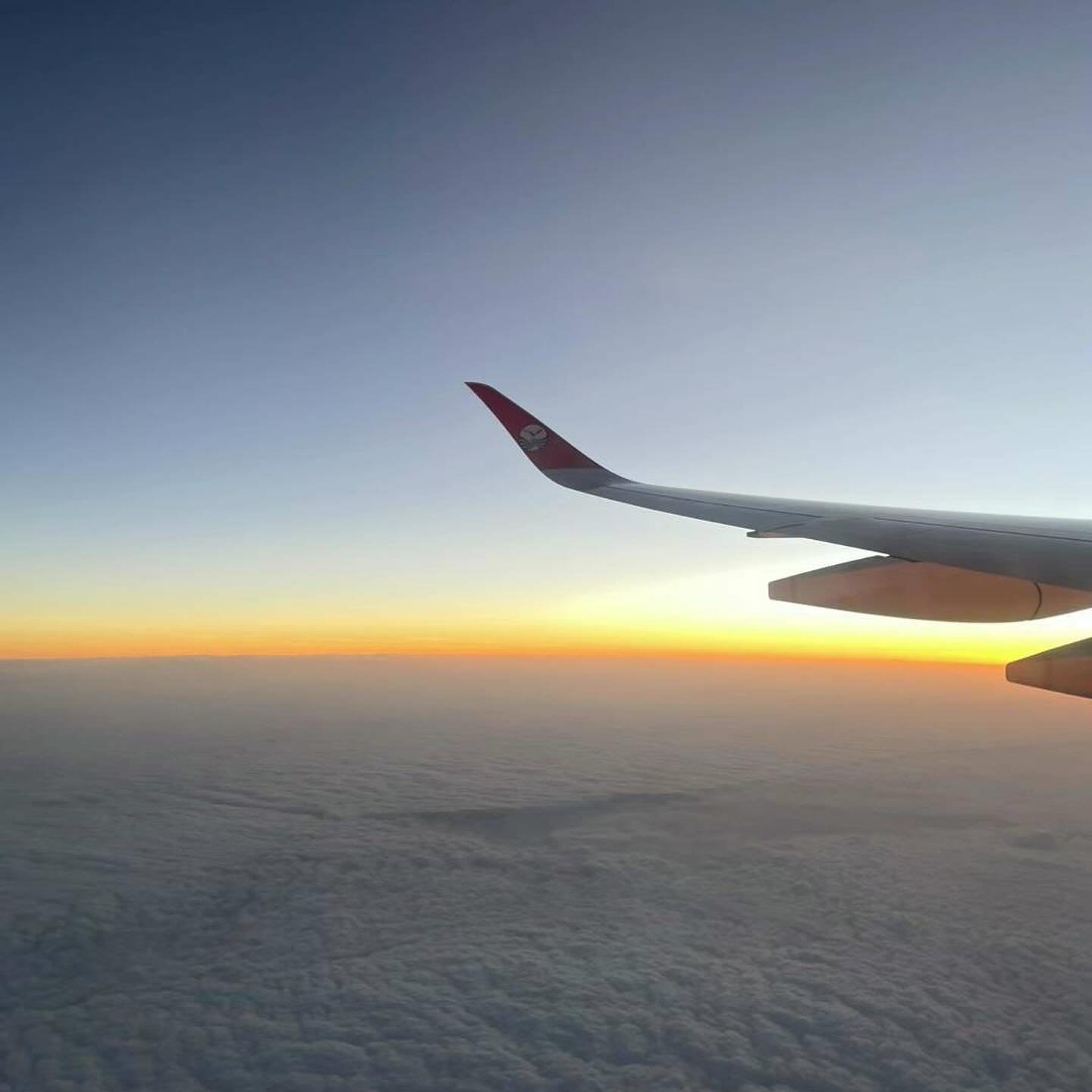
- Experience the sunrise illuminating the Himalayan snowfields from above the clouds — a golden spectacle that transforms the entire mountain range into a glowing panorama of light and shadow.
- Receive a personalised mountain flight certificate upon landing, commemorating your scenic flight over the highest mountain range on earth.
- Enjoy a complete aerial perspective of the Khumbu Glacier — the world’s highest glacier and the route used by all Everest expeditions approaching from the south.
- The entire experience requires no physical preparation, trekking fitness, altitude acclimatisation, or specialist equipment of any kind.
- Flights depart in the early morning when visibility and atmospheric clarity are at their daily peak, maximising the probability of a clear and spectacular mountain panorama.
- The complete tour fits within a single morning, departing and returning to Kathmandu within approximately 2–3 hours including transfers and check-in, leaving the rest of your day entirely free.
Itinerary
Your Journey, Step by Step
Customize this trip with help from our local travel specialist that matches your Interests.
Customize This TripInclusions
What’s Covered in Your Adventure
- Round-trip pick-up and drop-off service from your hotel
- Guaranteed window seat for every passenger
- Travel insurance during the flight
- Onboard first aid kit
- Oxygen tank available for emergency use
- Airport taxes and fees (approximately USD $5-10)
- Photography catalogue (available for purchase)
- Personal expenses and gratuities
- Meals and beverages during the flight
Good to Know
Your Journey, Step by Step
Best Time for the Mount Everest Scenic Flight
The timing of your scenic flight can make the difference between a transformative, crystal-clear Himalayan panorama and a disappointing view of clouds. Mountain visibility in Nepal varies dramatically across the seasons, and choosing the right window is the single most important factor in ensuring an unforgettable experience.
October – November (Autumn) — Best Season
Autumn is the undisputed best time to book the Mount Everest Scenic Flight. The monsoon rains that sweep through Nepal from June to September depart by early October, leaving the atmosphere scrubbed clean of dust, haze, and moisture. The result is extraordinary atmospheric transparency — on a clear October or November morning, every peak from Annapurna in the west to Kanchenjunga in the east stands out in razor-sharp definition against a deep blue sky. Everest itself is at its most visible and most dramatic during this window. Temperatures are mild and comfortable, morning fog is rare, and the probability of a successful, clear flight is higher during these two months than at any other point in the year. Book well in advance as this period coincides with Nepal’s peak tourism season and morning flight slots fill up quickly.
March – May (Spring) — Excellent Season
Spring is the second-best season for the Everest scenic flight and a favourite among travellers combining the experience with trekking or other Kathmandu Valley activities. Early mornings in March and April are generally clear before pre-monsoon haze begins to build later in the day — making the early departure time of mountain flights perfectly aligned with the best visibility window. The Himalayan snowline is bright and well-defined after the cold winter months, and the peaks stand out beautifully against spring skies. May brings progressively more atmospheric haze and occasional early cloud build-up, so earlier in the spring season is preferable. The valley hillsides are in full bloom during this period, adding an extraordinary burst of colour to the aerial views of the landscape below the flight path.
December – February (Winter)
Winter is a surprisingly rewarding time for the Everest scenic flight, and often underestimated by travellers who discount it due to the cold. Atmospheric clarity in December, January, and February is exceptional — cold, dry, stable air produces some of the sharpest mountain views of the entire year, and the heavy winter snowfall on the high peaks makes the Himalayan panorama look particularly dramatic and pristine. The probability of a clear morning flight is very high during this period. The main considerations are the cold temperatures inside and outside the aircraft and the later sunrise time, which shifts morning departure times slightly later than in autumn. For travellers who do not mind the cold and prefer fewer crowds and lower prices, a winter scenic flight can be genuinely outstanding.
June – September (Monsoon)
The monsoon season is strongly inadvisable for booking the Mount Everest Scenic Flight. Heavy cloud cover, persistent rainfall, and poor atmospheric visibility make mountain sightings during this period largely impossible. Flights are frequently delayed, rescheduled, or cancelled entirely due to weather, and even when flights do depart, the view from the aircraft window is typically a wall of grey cloud rather than the Himalayan panorama you came to see. Most experienced operators in Kathmandu will advise against booking a scenic mountain flight between June and early September, and many reduce their mountain flight schedules significantly during these months. If your travel dates fall within the monsoon window, it is worth adjusting your itinerary to prioritise other activities and saving the scenic flight for a return visit during a more favourable season.
Cost & Transportation for the Mount Everest Scenic Flight
Flight Cost Per Person
- International (Foreign Nationals) The standard price for foreign visitors is approximately USD 200–250 per person for the one-hour Mount Everest scenic mountain flight. All major operators — including Buddha Air, Yeti Airlines, and Shree Airlines — provide guaranteed window seats and a personalized mountain flight certificate as part of the ticket price. Travellers booking as a group of two to six or more people may be eligible for a slight group discount, bringing the per-person rate down to approximately USD 230–240 depending on the operator and season.
- Indian Nationals Indian passport holders qualify for a preferential rate of approximately INR 9,000–10,500 per person, equivalent to roughly USD 110–140, making the flight considerably more accessible for visitors travelling from across the border.
- Nepali Citizens Nepali nationals fly at a significantly reduced domestic rate of approximately NPR 13,500–15,000 per person, reflecting the standard tiered pricing structure applied across most tourism activities and attractions throughout Nepal.
Transportation to & from the Airport
Included in Package many standard tour packages include complimentary hotel pickup and drop-off within the Kathmandu ring road area as part of the overall package price. Always confirm with your operator at the time of booking whether transfers are included or listed separately.
If Not Included for travellers whose flight ticket does not cover airport transfers, a private taxi or car from your Kathmandu hotel to the airport costs approximately USD 15–25 one way (roughly NPR 1,000–1,500). A round-trip private transfer typically runs USD 20–30 in total. Local travel agencies can also arrange a dedicated private vehicle timed precisely to your morning departure, which is particularly useful given the very early start required for mountain flights.
Airport Tax & Departure Fees
In most cases, the domestic airport departure tax and all associated service charges are included within the mountain flight ticket price when booked through a registered travel agent or directly with the airline. If you book independently or through a budget platform, a small additional airport departure tax of approximately USD 2–5 may occasionally be charged separately at the terminal. It is advisable to carry a small amount of cash in US dollars or Nepali Rupees on the day of your flight to cover any such incidental charges.
Weather and Cancellation Policy for the Mount Everest Scenic Flight
Mountain flights are entirely dependent on weather conditions. The Himalayas create their own weather patterns, and visibility can change rapidly. Our flexible cancellation policy ensures:
- Full refund if the flight is cancelled due to weather conditions
- Free rebooking for the next available day with suitable weather
- No penalty charges for weather-related cancellations
- Multiple daily departure options to maximize your chances of flying
Safety & Comfort on the Mount Everest Scenic Flight
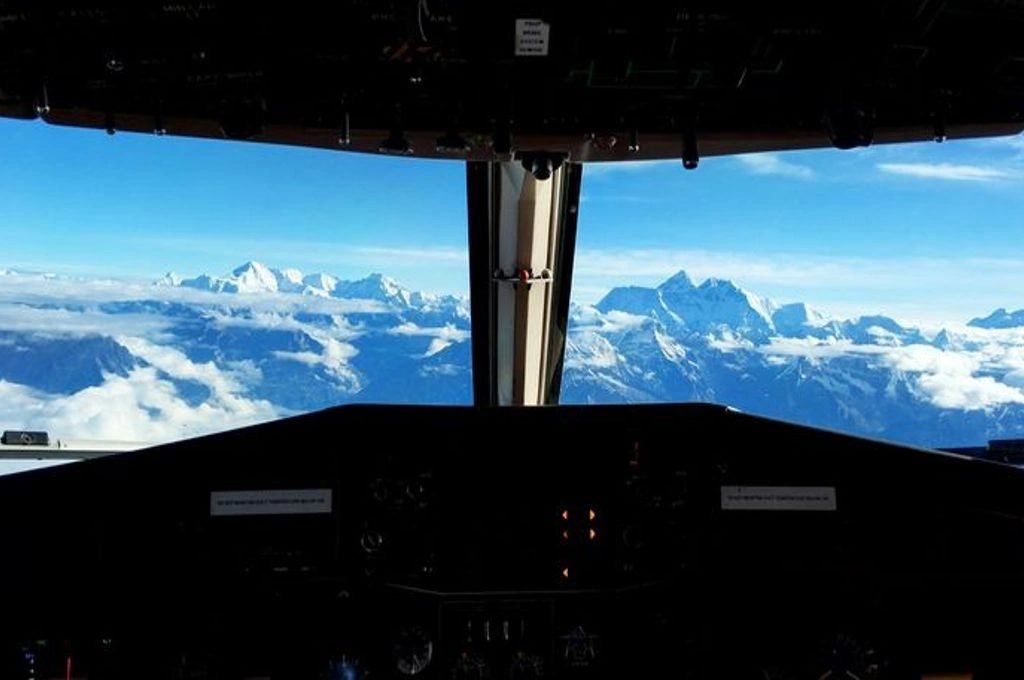
The Mount Everest Scenic Flight is operated exclusively by Nepal’s most trusted and experienced airlines — Buddha Air, Yeti Airlines, and Shree Airlines — whose pilots are highly trained specialists in Himalayan mountain flying with thousands of hours of high-altitude experience. All aircraft undergo regular technical inspections and are maintained to strict standards set by the Civil Aviation Authority of Nepal, with modern turboprop planes ensuring a reliable and smooth flying experience throughout the one-hour journey. Flights operate only under clear weather conditions, and if visibility falls below the required threshold, departures are delayed or rescheduled without hesitation to prioritise passenger safety above all else. On board, every passenger is guaranteed a window seat for unobstructed mountain viewing, and the fully pressurised cabin ensures there is absolutely no risk of altitude sickness regardless of the cruising altitude. Early morning departures are deliberately timed to take advantage of the calmest atmospheric conditions of the day — minimal wind, reduced turbulence, and the clearest possible mountain visibility — making for an exceptionally smooth and comfortable ride suitable for children, elderly visitors, and anyone who does not consider themselves a confident flyer. Depending on airline policy, passengers may also be invited for a brief cockpit visit, offering a truly panoramic front-facing view of the Himalayan range that is simply unmatched from anywhere else on the aircraft.
Booking Tips for the Mount Everest Scenic Flight
- Advance booking is recommended during peak tourist seasons
- Flexible travel dates increase your chances of favorable weather
- Early morning availability books up quickly
- Travel insurance is included, but additional coverage is recommended for international travelers
Mount Everest Scenic Flight Cost
A Mount Everest scenic flight with Adventure Master Trek usually costs between USD $200 and $250 per person, making it one of the most affordable ways to see the Himalayas without lacing up for a trek. Prices shift a little with the seasons, and the popular months—October to November and March to May—tend to be a bit higher thanks to the crystal-clear skies. When you book your Everest flight with Adventure Master Trek, the price usually covers all the essentials: a guaranteed window seat, round-trip airport transfers, travel insurance, and safety gear like oxygen tanks and first-aid kits. However, please note that some extra costs, like airport taxes, personal expenses, or optional purchases, may not be included in the base price.
FAQs
Your Questions, Answered
How long does the scenic flight last?
The flight itself lasts approximately one hour in the air. Including hotel pickup, airport check-in, the flight, certificate presentation, and return transfer, the entire experience from door to door takes approximately 2.5–3 hours, with most passengers back at their hotel well before 9:30 AM.
Which airlines operate the Mount Everest Scenic Flight?
The flight is operated by Nepal’s most reputable domestic airlines — Buddha Air, Yeti Airlines, and Shree Airlines. All three carriers use modern turboprop aircraft, employ experienced Himalayan pilots, and are fully licensed and regulated by the Civil Aviation Authority of Nepal.
How much does the Everest scenic flight cost?
International visitors pay approximately USD 200–250 per person. Indian nationals pay approximately INR 9,000–10,500 per person, and Nepali citizens pay around NPR 13,500–15,000 per person. Group bookings of two or more passengers may qualify for a slight discount depending on the operator.
Is a window seat guaranteed for every passenger?
Yes. All mountain flight aircraft are specifically configured so that every single seat is a window seat. No passenger is seated in a middle or aisle position, ensuring that everyone on board has a direct, unobstructed view of the Himalayan range throughout the entire flight.
Can I actually see Mount Everest during the flight?
Yes, on clear days Mount Everest is clearly visible from the aircraft window, positioned approximately 8–12 km from the mountain face at the closest point of the flight path. Cabin crew guide all passengers to the correct window at the right moment, ensuring nobody misses the Everest viewing window during the flight.
What mountains can I see during the flight?
On a clear morning the flight reveals up to eight major Himalayan ranges, including Langtang, Ganesh Himal, Dorje Lakpa, Rolwaling, the Mahalangur range including Everest and Lhotse, Makalu, Cho Oyu, Manaslu, and on exceptionally clear days the distant outline of Kanchenjunga far to the east — a panorama stretching over 200 km from west to east.
What is the best time of year to take the Everest scenic flight?
October and November are the best months, offering post-monsoon atmospheric clarity and the highest probability of a clear, unobstructed mountain panorama. March and April are an excellent second choice. Winter months of December to February also offer very sharp visibility on clear mornings, while the monsoon season from June to September is strongly inadvisable due to persistent cloud cover.
What time does the flight depart?
Mountain flights depart in the early morning, typically between 6:30–7:30 AM, to take advantage of the calmest wind conditions and clearest atmospheric visibility of the day. Hotel pickup is arranged for approximately 5:30–6:00 AM. Your operator will confirm the exact departure time based on the season and airline schedule.
What happens if the weather is bad on my flight day?
If visibility falls below the required safety threshold, your flight will be delayed or rescheduled by the airline. Most operators will offer an alternative date or a full refund if rescheduling is not possible within your travel window. It is strongly recommended to book your scenic flight on one of your first days in Kathmandu to allow flexibility for a weather-related reschedule.
Is the flight safe?
Yes. The Everest scenic flight is operated by experienced airlines under strict Civil Aviation Authority of Nepal regulations. Aircraft undergo regular technical inspections, pilots are highly trained in Himalayan mountain flying, and flights only depart under safe and clear weather conditions. The flight does not land at any high-altitude airstrip and remains at a controlled cruising altitude throughout.
Will I experience altitude sickness on the flight?
No. The aircraft cabin is fully pressurised, maintaining comfortable cabin pressure equivalent to a low altitude throughout the flight. There is no risk of altitude sickness regardless of the cruising altitude outside the aircraft, making the flight entirely safe for all passengers including children, elderly visitors, and those with no prior high-altitude experience.
Is the flight suitable for children and elderly passengers?
Yes, the Everest scenic flight is suitable for passengers of all ages and fitness levels. It requires no physical exertion whatsoever — passengers simply sit, look out the window, and enjoy the views. The flight is particularly popular with elderly travellers and families who want to experience the Himalayas without the demands of trekking or high-altitude travel.
Do I need to book in advance?
Yes, advance booking is strongly recommended, particularly during the October–November and March–May peak seasons when morning flight slots fill up quickly. Booking at least two to three days ahead is advisable. Last-minute bookings may be possible during quieter periods but cannot be guaranteed, especially for preferred airlines or specific departure times.
What should I wear and bring on the flight?
ress in comfortable clothing suitable for an air-conditioned aircraft cabin. Bring a fully charged camera or smartphone for photography, a portable charger, and a pair of binoculars if available — they significantly enhance the mountain-viewing experience. The mountain flight map distributed at check-in will help you identify each peak as it comes into view. No specialist gear, warm clothing, or trekking equipment is required.
Are transfers to and from the airport included?
Many standard tour packages include complimentary hotel pickup and drop-off within the Kathmandu ring road area. If transfers are not included in your package, a private taxi from a central Kathmandu hotel to the airport costs approximately USD 15–25 one way, with a round-trip transfer running approximately USD 20–30 in total.
Is the airport departure tax included in the ticket price?
In most cases, the domestic airport departure tax and service charges are included in the mountain flight ticket price when booked through a registered travel agent or airline. If booked independently, a small additional departure tax of approximately USD 2–5 may occasionally be charged separately at the terminal. Carrying a small amount of cash on the day of your flight is advisable.
Can I visit the cockpit during the flight?
Depending on the airline’s policy on the day of your flight, passengers may be briefly invited to visit the cockpit for a front-facing panoramic view of the Himalayan range — an extraordinary experience that offers an even more dramatic perspective than the cabin windows. This is subject to pilot discretion and aviation regulations and cannot be guaranteed on every flight.
What is included in the flight ticket price?
A standard Everest scenic flight ticket typically includes the one-hour mountain flight itself, a guaranteed window seat, live cabin crew commentary, a detailed mountain flight map, a personalized scenic flight certificate upon landing, and in many packages, return hotel transfers and breakfast. Always confirm the full list of inclusions with your operator at the time of booking.
How far is the aircraft from Mount Everest during the flight?
At the closest point of the flight path, the aircraft is positioned approximately 8–12 km from the face of Mount Everest. At this distance, passengers can clearly distinguish the Southeast Ridge, the distinctive dark rock band below the summit, and the surrounding Khumbu peaks with the naked eye — no binoculars or zoom lens required.
Can I take photographs during the flight?
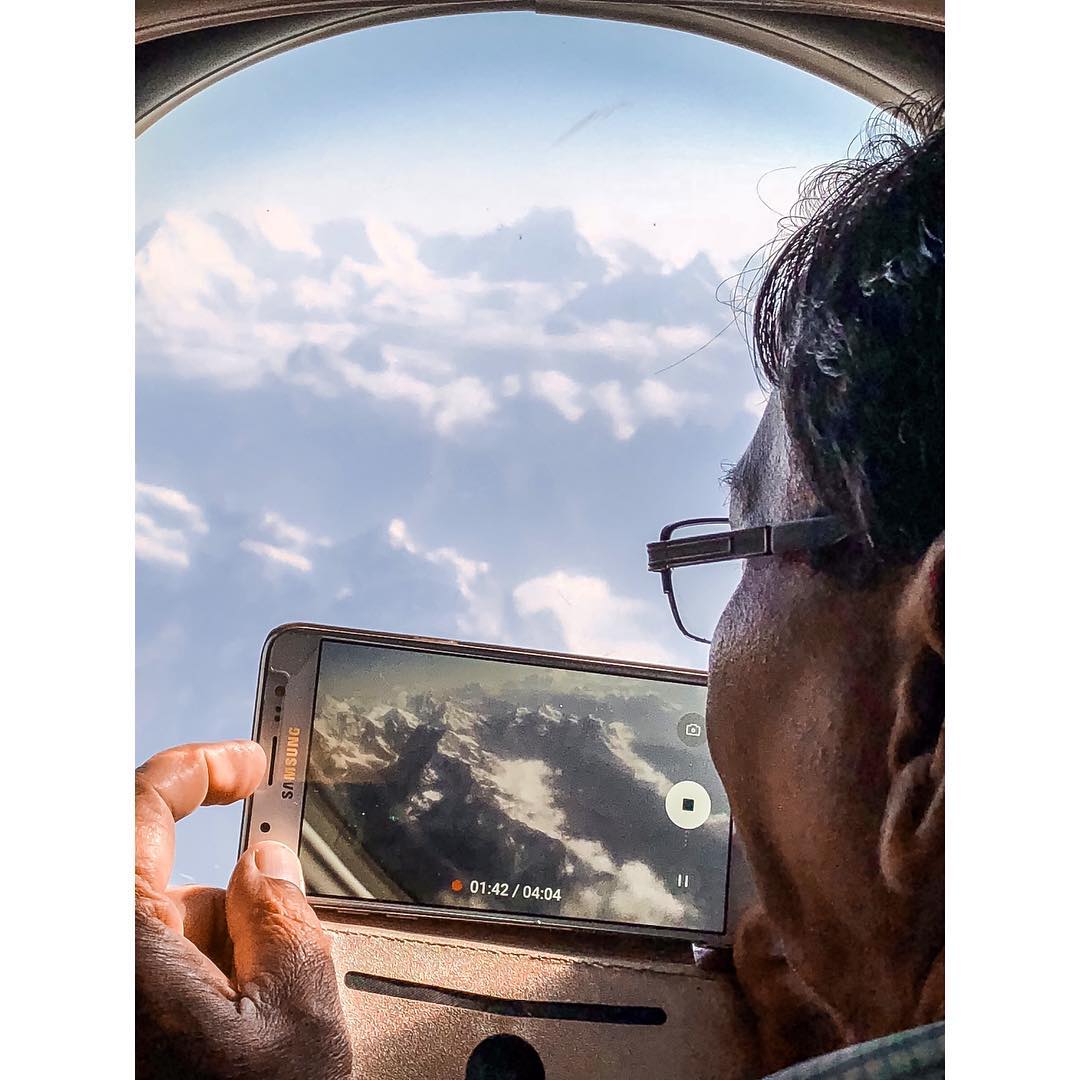
Absolutely, and photography is actively encouraged throughout the flight. The large oval windows are clean and clear, and the cabin crew will alert you in advance of each major peak so you can prepare your shot. A camera with a zoom or telephoto lens is ideal for capturing individual summit details, while wide-angle shots from the window frame multiple peaks simultaneously for a sense of the full panoramic scale.
What is the difference between the Everest scenic flight and the Everest Base Camp helicopter tour?
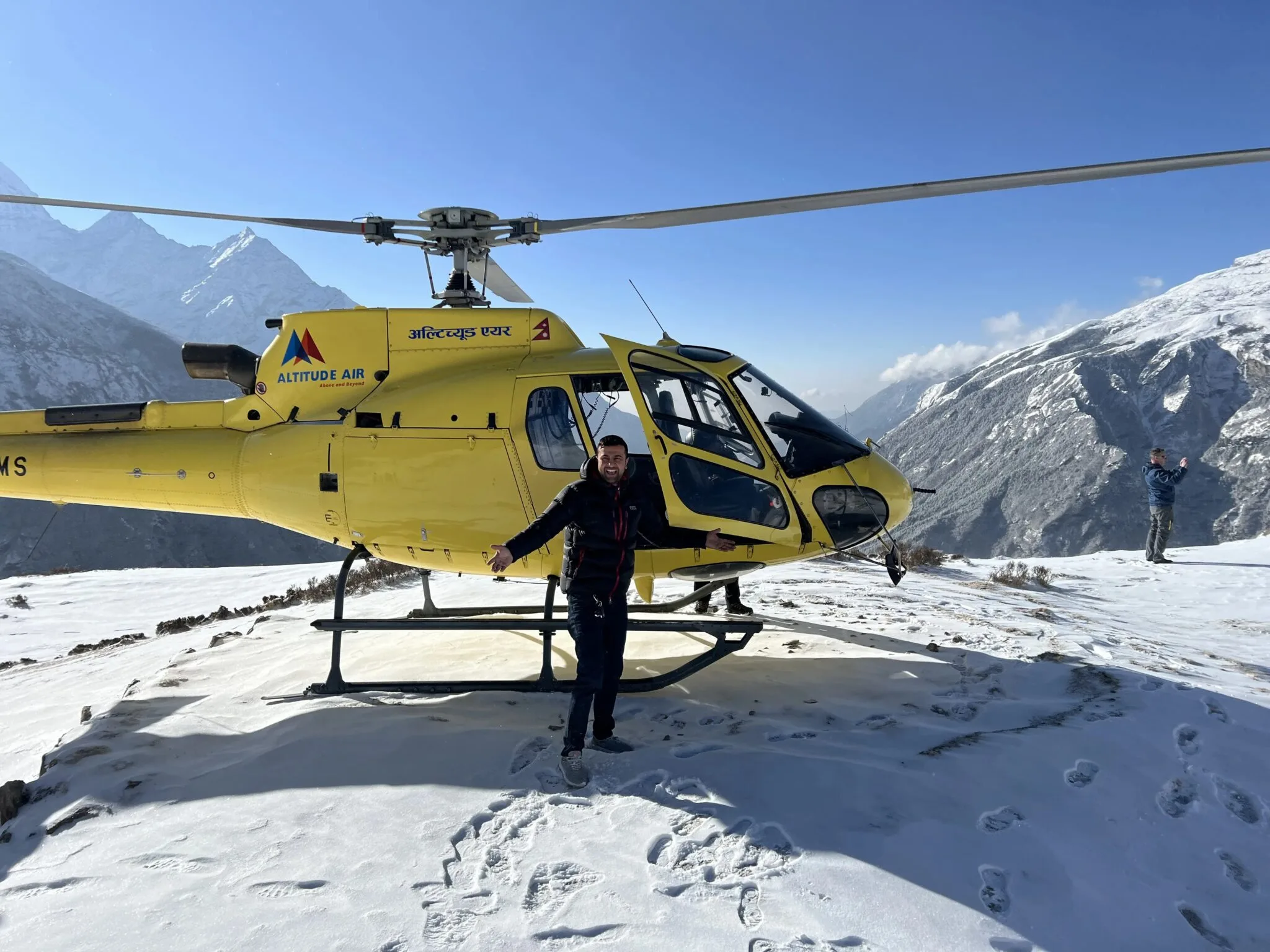
The scenic flight is a fixed-wing aircraft tour that flies alongside the Himalayan range at cruising altitude without landing, covering the full panorama from Langtang to Kanchenjunga in one hour at a relatively affordable price. The Everest Base Camp helicopter tour lands at Syangboche or Kala Patthar at high altitude and offers a more immersive, closer experience but at a significantly higher cost of approximately USD 1,000–1,200 per person. Both are outstanding — the choice depends on your budget and the depth of experience you are seeking.
Is the Everest scenic flight worth the cost?
For the vast majority of passengers, the answer is an emphatic yes. The combination of guaranteed mountain views, a one-hour format, no physical requirements, a complete morning experience, and the sheer visual impact of seeing Everest from the air makes it one of the highest-value activities available anywhere in Nepal. It is consistently rated among the most memorable experiences of visitors’ entire Nepal journeys, and many passengers describe it as the highlight of their trip.
Can I combine the scenic flight with other Kathmandu activities on the same day?
Yes, and it is highly recommended. Since the flight departs and returns before 9:00–9:30 AM, the entire rest of the day remains free for sightseeing. Popular same-day combinations include a visit to Pashupatinath Temple, Boudhanath Stupa, Bhaktapur Durbar Square, or a half-day Kathmandu Valley heritage tour — making the scenic flight a perfect way to begin a full and rewarding day in the Kathmandu Valley.
What if I have a fear of flying or motion sickness?
The Everest scenic flight is a short, smooth, and well-controlled one-hour journey flown in calm early morning conditions specifically chosen to minimise turbulence. Most passengers with mild flight anxiety find the experience entirely manageable and are quickly distracted by the extraordinary mountain views outside the window. Those prone to motion sickness are advised to take appropriate medication before departure, eat a light breakfast beforehand, focus on the horizon, and inform cabin crew on boarding so they can offer additional support during the flight.

Reviews
What Our Travelers Say


Based on 2 ratings
5




View Our Similar Packages
Discover our top tours, loved by thousands of travelers annually. Choose the adventure that inspires you and embark on a journey tailored to your desires.

 Nepal
Nepal
 1 Days
Add Review
Reviewing for 1-Hour Mount Everest Scenic Flight TourRequest a Callback - 1-Hour Mount Everest Scenic Flight Tour
Submit the form and we will be back to you shortly
Request a Callback - 1-Hour Mount Everest Scenic Flight Tour
Submit the form and we will be back to you shortly
Narayanhiti Palace Museum

Narayanhiti Palace Museum


