









10 Days Kailash Tour Package at Best Price


Trip Overview


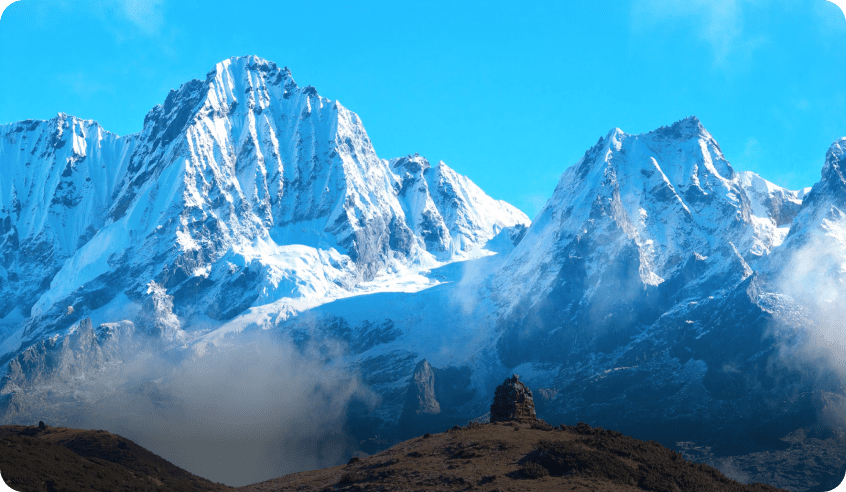
Mount Kailash and Lake Manasarovar together form one of the most sacred and awe-inspiring pilgrimage destinations in the world. Located in the remote Ngari Prefecture of western Tibet at the convergence of four of Asia’s greatest river systems — the Indus, the Sutlej, the Brahmaputra, and the Karnali — this landscape carries a spiritual weight that is felt immediately and profoundly by every traveler who enters it. Mount Kailash rises to 6,638 meters in near-perfect pyramid symmetry from the surrounding plateau, its four great faces oriented precisely to the four cardinal directions. Despite being one of the most recognizable and revered mountains on earth, it has never been summited. By the common consent of the four religious traditions that hold it sacred — Hinduism, Tibetan Buddhism, Jainism, and the ancient Bon religion — it never will be. The mountain belongs not to mountaineers but to the divine, and the only journey it invites is the one that circles its base in humility and devotion.
The pilgrimage to Kailash Mansarovar is not a modern adventure tourism concept — it is one of the oldest continuously practiced spiritual journeys in human history. Hindu scripture references Mount Kailash as the cosmic axis of the universe and the eternal throne of Lord Shiva thousands of years before the Common Era. Tibetan Buddhist texts describe the mountain as the physical mandala of the deity Demchok and the most concentrated point of spiritual power in the physical world. Jain tradition places the liberation of their founding patriarch Rishabhadeva at this very site. The Bon people of Tibet, whose spiritual tradition predates Buddhism by many centuries, regard Kailash as Tise — the Soul Mountain — around which the entirety of existence revolves. That four entirely independent religious traditions, developing across different centuries and cultures, should all converge on this single remote mountain as the holiest place on earth is a convergence that has no parallel anywhere else in the world and that speaks to something in the mountain itself that transcends the categories of any single tradition.
The journey to Kailash begins in Kathmandu and unfolds across approximately 10 to 14 days depending on the route and itinerary chosen. From Kathmandu, travelers cross the Nepal-Tibet border at Rasuwagadhi–Kerung and enter the Tibet Autonomous Region, where the landscape shifts almost immediately into the vast, sky-dominated openness of the Tibetan plateau. The overland drive westward from the border through Kerung, Saga, and across the high plains of Ngari Prefecture is itself an extraordinary experience — a journey through some of the most remote, pristine, and visually overwhelming terrain on earth, at average elevations above 4,500 meters, where the air is thin, the light is sharp and crystalline, and the silence is of a depth rarely encountered in the modern world. Travelers pass through ancient towns, across wind-swept passes draped in prayer flags, and alongside glacial rivers flowing toward four different seas before arriving at the shores of Lake Manasarovar — a body of water so clear, so still, and so deeply imbued with thousands of years of devotion that the experience of first seeing it invariably stops even the most seasoned traveler in their tracks.
The Kailash Kora — the 52-kilometer circumambulation of the mountain completed over three days — is the spiritual core of the entire pilgrimage and the experience around which everything else orbits. The kora crosses the Dolma La Pass at 5,630 meters on its second day, a crossing that is simultaneously the most physically demanding and most deeply moving section of the route. At the summit of Dolma La, thousands of prayer flags tied by pilgrims over generations create a canopy of color and devotion above the rocky pass, and the view in clear weather encompasses an otherworldly panorama of the Tibetan plateau and the Himalayan ranges. Completing the full circuit of Kailash is believed, across all four religious traditions, to be an act of transformative spiritual power — capable of purifying the sins or negative karma of an entire lifetime, accelerating the soul’s progress toward liberation, and setting the pilgrim irrevocably on the path toward their ultimate spiritual destination. For those fortunate enough to make this journey in the 2026 Year of the Horse — when the merit of a single kora is held to equal thirteen performed in an ordinary year — the Kailash Mansarovar pilgrimage represents not merely a travel experience but one of the most profound opportunities available to a human being in this lifetime.
Kailash Tour Highlights
- Sacred circumambulation of Mount Kailash — one of the holiest pilgrimages on earth, revered by four world religions
- Cross the legendary Dolma La Pass at 5,630 meters — the spiritual and physical pinnacle of the entire journey
- Witness and participate in the Saga Dawa Festival in the rare and extraordinarily auspicious 2026 Year of the Horse
- Ritual bathing and sunrise meditation at the sacred shores of Lake Manasarovar at 4,560 meters
- Immersive overland journey across the Tibetan plateau — one of the most dramatic and remote landscapes on earth
- Visit active Tibetan Buddhist monasteries including Chiu, Dirapuk, Zuthulpuk, and Gossul along the route
- Complete the 52-kilometer Kailash Kora over three unforgettable days with full guide and support staff
- Experience the living culture of Tibet — prayer flags, mani walls, nomadic herders, yak caravans, and ancient monastery ceremonies
- Travel the improved Kathmandu–Kerung overland route through the stunning Himalayan valleys of northern Nepal
- A once-in-a-lifetime spiritual journey that pilgrims of every faith consistently describe as the most transformative experience of their lives
Itinerary
Your Journey, Step by Step
Acclimatization in Kerung
Elevation: 2,700 meters (8,858 feet)
Activities: Light walks and cultural exploration.
Accommodation: Hotel
Meals: Breakfast/Bed
This is the 2-day of your journey to Mount Kailash. It’s time to stop, take a deep breath, and become comfortable in the mountains today.Acclimatization is crucial during the tour. You will acclimate your body properly before ascending to higher elevations. You may stretch your legs, have a cup of steaming tea, or take a little stroll around the village while admiring the snow-capped mountains.You can experience the Tibetan culture, monasteries, and local foods. Locals often spin prayer wheels, offer butter lamps, and follow a peaceful, spiritual lifestyle. This might be a great chance for you to know the local lifestyle of people in Kerung. It is advised that you rest, drink lots of water, and just allow your body to adjust to the new journey. Listen to your body and just enjoy the peaceful rhythm of the Himalayas.Stay overnight in Kerung.
Drive to Saga
Elevation: 4,640 meters (15,223 feet)
Travel Time: 5-6 hours
Accommodation: Hotel
Meals: Breakfast/ Bed
After a filling breakfast in Kerung, you hit the road toward Saga. The drive is gorgeous—mountain passes, snowy peaks, wide open valleys, and the occasional herd of yaks grazing in the distance. By afternoon you roll into the quiet village of Saga, where most travelers pause before heading toward Mount Kailash and Lake Manasarovar. Grab a room, take it easy, and get ready for the next stretch.
Stay overnight in Saga.
Drive to Lake Mansarovar
Elevation: 4,590 meters (15,059 feet)
Travel Time: 6-7 hours
Accommodation: Guest House
Meals: Breakfast/ Bed
Today, you will be traveling to the sacred Lake Manasarovar, which has occupied the hearts of travelers for thousands of years. As you leave Saga, the surroundings start to seem more extraordinary.The road continues endlessly under a broad, clear sky, with silent snow-capped summits standing where yaks graze all they want. After hours of travel, the mind is awakened by the sight of Lake Manasarovar. The scenery of the lake was vast, pure, and gleaming like a sky mirror, which creates a peaceful environment for the travelers. You get to experience the surrounded by holy mountains, including the faraway view of Mount Kailash. After enjoying such panoramic views, you will end your day in the available guest house.Tonight, you’ll rest near the lake, under the stars, wrapped in the sacred silence of this holy land.
Stay overnight in a nearby guesthouse in Lake Mansarovar!
Drive to Darchen, Prepare for Kora
Elevation: 4,670 meters (15,321 feet)
Travel Time: 2 hours
Accommodation: Hotel
Meals: Breakfast/ Bed
After enjoying such a peaceful night beside the scenery of Lake Mansarovar, you will have some breakfast before continuing the further journey. The journey continues with a short drive toward Darchen, the small town that sits at the base of Mount Kailash. The majestic Kailash slowly starts to show itself as you approach.In the distance, its snow-capped summit appears, silent, beautiful, and overflowing with presence. After enjoying such overwhelming views, your drive starts to continues and finally reaches Darchen, which is also a starting point for Kora. You can start to prepare for the holy journey. Prepare by organizing your gear, checking your health, and mentally preparing yourself for the days ahead. You will rest and prepare for the exciting journey to Kailash Kora tonight.Stay overnight in Darchen.
First Day of Kailash Kora - Reach Dirapuk and Kailash Charan Sparsh
Elevation: 5,210 meters (17,093 feet)
Travel Time: 4-5 hours trekking with Charan Sparsh, 7-8 hours
Accommodation: Guest House
Meals: Breakfast/ Bed
Today is one of the exciting days of the tour. After an early breakfast in Darchen, you will start your journey toward Dirapuk after the first overnight stop on the three-day hike around Mount Kailash. The trail passes through wide-open spaces, gentle slopes, and dry banks of rivers.Mount Kailash grows more noticeable as you move on, silently observing from a distance. After some hours of trekking, you will arrive at Dirapuk Monastery, which is hidden away at the base of the north face of Kailash.
Kailash Charan Sparsh is the symbolic act of touching the “feet” of Mount Kailash that is one of the journey’s greatest moments. The atmosphere of this sacred location overpowers many travelers, who sit in quiet, bow down, or rest their foreheads on the earth.After exploring the surroundings and making an unrealistic memory, you will spend your night at Dirapuk.
Stay overnight in Dirapuk.
Second Day of Kora - Zuthulphuk via Drolma La Pass
Elevation: 5,634 meters (18,484 feet) at Drolma La Pass
Travel Time: 8-9 hours trekking
Accommodation: Guest House
Meals: Breakfast/ Bed
Today is one of the most challenging and important days of the entire Kailash Parikrama. After having a modest breakfast at Dirapuk, you will start your second day of Kora. After several hours of climbing, the trail leads to the Drolma La Pass, the highest point in the Kora at an astounding 5,630 meters (18,470 feet).Travelers often leave behind personal belongings, hair, or old clothing here as a symbolic way to let go of the past. This pass symbolizes life, death, and rebirth.
After the pass, you slowly descend toward Gauri Kund, a sacred glacial lake. The trail goes down rocky valleys until you reach Zuthulphuk, your stop for the night. You’ve crossed the hardest part of the trek today.
Stay overnight in Zuthulphuk.
Complete Kora and Return to Saga
Elevation: Return to 4,640 meters (15,223 feet)
Activities: Finish Kora and drive back to Saga.
Accommodation: Hotel
Meals: Breakfast/ Bed
Today’s the last day of Kailash Kora. You’ve finally finished the holy trek around Mount Kailash. People have walked this path for thousands of years—travelers, seekers, sages. The final stretch is short and easy. Quiet valleys, winding paths. Step by step, you feel lighter. Both in body and spirit. The last few days really leave a mark. After reaching the trek’s endpoint, vehicles will be waiting to greet you. From there, you begin your drive back to Saga. By evening, you will arrive in Saga, where you will experience familiar surroundings, and you can finally rest deeply. After days of walking, high altitude, and unforgettable moments, tonight is for warmth and good food. Take a deep, grateful breath. You’ve finished the Kailash Kora—a journey for your body, heart, and soul.
Stay overnight in Saga.
Return Drive to Kerung
Elevation: 2,700 meters (8,858 feet)
Activities: Drive back to Kerung, rest, and explore.
Accommodation: Guest House
Meals: Breakfast/ Bed
Today, you will drive back to Kerung after having a hearty breakfast in Saga. As you continue your drive, there is a quiet sense of peace within, a stillness earned through the challenges, the prayers, and the moments of awe along the way. As you drive, the familiar landscapes pass by vast open plains, far-off mountain ranges, and herds of yak. It is a long but gentle journey. After hours of driving, you will reach Kerung. Take a break in the available guesthouse in Kerung after completing a long journey.
Stay overnight in Kerung.
Return to Kathmandu via Syabrubensi
Elevation: 1,310 meters (4,297 feet)
Travel Time: 7-8 hours
Accommodation: Hotel
Meals: Breakfast/ Bed
Today is probably the last day of your Kailash tour. You will bid a heartly goodbye to Tibet. This will be a place that has provided you with both struggle and profound spiritual peace. After breakfast in Kerung, you complete the immigration checks at the border and say goodbye to Tibet. You will drive down through lush green hills and winding roads, passing small villages and flowing rivers as you make your way through Syabrubesi, a quiet Himalayan town that serves as a rest stop. By late afternoon or evening, you arrive back in Kathmandu after completing a beautiful journey to Kailash.
Customize this trip with help from our local travel specialist that matches your Interests.
Customize This TripInclusions
What’s Covered in Your Adventure
- Accommodation: Twin sharing accommodation as per the itinerary.
- Meals: Bed and Breakfast
- Guide: English-speaking Tibetan guide throughout the journey.
- Transportation: All transport as per the itinerary by Van / Bus, depending on Group size
- Entrance Fees: All monastery entrance fees during the trek.
- Permits: All necessary documents and permits for the Kailash part, including Tibet Travel Permit.
- Transfer: Kerung border to Kathmandu city pick-up by jeep.
- Basic first aid kit (bandages, antiseptic, blister care).
- Lunch / Dinner
- Insurance: Travel insurance or any other form of personal insurance.
- Unforeseen Events: Costs arising from natural disasters, political disturbances, or other unforeseen events beyond our control.
- Personal Expenses: Expenses such as alcoholic beverages, laundry, telephone calls, and tips.
- Porterage: Charges for porter and yak services during the Kailash Kora.
- Helicopter ride from Kathmandu to Rasuwagadhi: Private helicopter USD 1525 and Shared helicopter: USD 355 per person.
- Porter Services for Kailash Kora: Porter fee: USD 355 total for 3 days (carries 12 kgs, including his food and accommodation).
- Pony Hiring: Pony fee: USD 555 total for 3 days (if needed).
- Tipping: Tips for guides, drivers, and other staff.
- Miscellaneous: Any expenses not listed in the inclusions Oxygen cylinder ( Normal Price USD 5), small size
Maps
Navigate Your Journey
Good to Know
Your Journey, Step by Step
Difficulty of Kailash Tour
The Mount Kailash pilgrimage has been deemed moderate to extremely difficult, mainly due to the extremely high altitude, isolated geography, and the lack of infrastructure, rather than technical climbing complexity. The physical pressure from prolonged trekking above 4,500 meters makes this trip a challenge, though there is no mountaineering equipment or prior climbing experience. The toughest part of the tour is the three-day Kailash Kora, which involves crossing the Dolma La Pass at 5,630 meters. The low oxygen concentration, high gradients, unpredictable weather, and simple accommodation all add to the general challenge.
High Altitude Exposure
The greatest challenge of the Kailash tour is altitude. This expedition includes a prolonged residence at altitudes ranging from 4,500 to 5,630 meters, where one will find that atmospheric oxygen is half that at sea level. Even the simplest things, such as walking, climbing a small hill, or carrying a small rucksack, can leave one breathless and tired at such altitudes. The real threat is Acute Mountain Sickness, particularly when acclimatization is hurried. Common symptoms include headache, dizziness, nausea, and disturbed sleep. The acclimatization days spent in locations such as Lhasa greatly reduce the risk, yet the stresses of altitude cannot be avoided.
The Dolma La Pass Challenge
Day 2 of the Kailash Kora is the toughest. The Dolma La Pass has a steep, rocky climb that is snow-covered in most seasons. The ascendancy demands a gradual rhythm in a number of hours at severe elevation. Right after passing the pass, the trekkers have to descend steeply on uneven, sometimes icy terrain. Such a mixture of uphill and downhill climbing in thin air puts a lot of pressure on the knees, lungs, and overall endurance. This is said to be the real test of endurance for many pilgrims throughout the journey.
Conditions on the Ground and Walking.
The countryside in the Kora is mountainous and bumpy. Trails are rocky, loose gravel, glacial streams, and patches of snow. There are no paved sections. The approximate daily walking distance is 15 -22 kilometres in the kora, and the trek takes 6 to 8 hours. Physical exhaustion may be further enhanced by strong winds and sharp changes in temperature. It is strongly advised to use trekking poles to balance and to decrease the impact on the joints.
Inadequate Infrastructure and Comfort.
Lodging along the Kailash path is simple and usually arranged in small guesthouses or shared rooms. There is minimal heating and fewer sanitation facilities. Healthcare services are highly isolated, and evacuations may be complex due to terrain and weather. This deprivation of comfort or luxuries requires psychological strength. Prolonged driving on sterile plateau sceneries on the approaches and post-kora pathways can also lead to general fatigue.
Physical and Mental Strength.
The Kailash tour requires mental strength as well as physical strain. Bad roads, elevation issues, freezing weather, and a lack of comforts can test patience and spirit. Nevertheless, the spiritual motivation to complete the sacred circuit around Mount Kailash is a stronger force that encourages many pilgrims to be more determined.
Preparation for Kailash Tour
The Kailash pilgrimage is a safe and successful event that requires thorough preparation. The preparations should focus on physical training, altitude acclimatization, medical preparation, and logistics.
Physical Preparation for Kailash Tour
Start training at a minimum of 8-12 weeks prior to departure. Special attention to cardiovascular endurance and lower-body strength. Brisk walking, hiking up hills, climbing stairs, cycling, and moderate-intensity strength training are activities that will help increase stamina. Goal: To be able to walk 10 to 15 kilometres a day without feeling tired. Legs and core strengthening enhance balance and reduce strain during steep ascents and descents.
Altitude Acclimatization of Kailash Tour
Given that the tour includes a long stay at an altitude of more than 4,500 meters, progressive acclimatization is paramount. The majority of itineraries include acclimatization in destinations such as Lhasa or Saga before reaching Mount Kailash. Avoid rushing the itinerary. Keep hydrated, do not drink and climb slowly to reduce the altitude-related risks.
Medical Preparation for Kailash Tour
Before travelling, consult a medical expert, particularly when you experience heart, lung or blood pressure issues. Bring necessary drugs, such as anti-altitude sickness drugs (Prescription). The high-altitude evacuation coverage is necessary in travel insurance because the Tibetan Plateau is a remote location.
Mental Readiness of Kailash Tour
The Kailash tour is physically and mentally challenging. The discomfort caused by long travelling, lack of amenities and the elevation demands patience and toughness. The psychological training helps overcome exhaustion and stay focused during demanding sections of the kora.
Food and Drinking Water in Kailash Tour
When preparing for the Kailash Mansarovar Yatra, it’s crucial to understand that the food and water will be simple and appropriate for the high altitude. Meals for the Kailash tour are typically vegetarian, as non-vegetarian food is not commonly available in remote Tibetan areas.
The basics include chapati (flatbread), rice, and daal (lentils), simple, traditionally grown veggies, such as beans, potatoes, cabbage, and carrots. For lighter bites during the day, you’ll find simple snacks like fruit, cookies, and biscuits. At these high altitudes, meals are packed with carbs to keep your energy up and help your body adjust.
Bottled water is available for most of the tour, but in these remote areas, clean water can be hard to find. It’s wise to carry purification tablets or a portable filter, and if you’re ever unsure, make sure the water is properly boiled before drinking. Th most important part is to hydrate your body and make it fit and fine to complete the high altitude trekking days.
Accommodation and Acclimatization in Kailash Tour
To support travellers in remote and high-altitude locations, accommodations for the Kailash Yatra are simple but practical. You’ll stay in basic guesthouses, shared lodges, and tents, especially during the high-altitude trek. Hot water, heating, and Wi-Fi are limited, but there’s always a place to rest your body and renew your spirit. You will have comfortable hotel accommodations in places like Kathmandu or Nepalgunj, but once the adventure starts, it’s all about high purpose and modest living. Although there isn’t any luxury, the stay can be made essential with the correct attitude and a comfortable sleeping bag.
Acclimatization is essential. Before going to higher altitudes, you will thoroughly adapt your body. Enjoy a cup of hot tea, stretch your legs, or take a quick walk about the village while taking in the views of the snow-capped mountains. Tibetan customs, food, and culture are all available for you to enjoy. In addition to offering butter lamps and spinning prayer wheels, the locals lead a peaceful spiritual existence. This could be a fantastic opportunity for you to learn about the local way of life in Kerung. It is recommended that you take it easy, stay hydrated, and just let your body get used to the new experience.
Electricity and Internet Service in Kailash Tour
Electricity is available at major stopovers like Taklakot and Darchen, but it can be limited or unreliable during the trek. Power cuts are common, so bring extra power banks and spare batteries. The internet is available on the Kailash tour, but it is unreliable. Some areas may have weak or no mobile signal, and if Wi-Fi is available, it is slow and unreliable.
Altitude sickness in Kailash Tour
Due to the Kailash Mansarovar Yatra’s elevation gain of up to 19,500 feet (5,943 meters), altitude sickness is a common concern. The symptoms of low oxygen levels at high altitudes include headache, nausea, dizziness, and exhaustion. Altitude sickness can be prevented if you follow certain precautions. Use the rest days to gradually acclimate. Remain hydrated and avoid coffee and alcohol. Always remain clever to avoid heavy foods and eat small meals that helps in the trek alot. Consider taking medication such as Diamox (see your physician). Acclimate quickly if any symptoms of altitude sickness are seen.
Safety and Security In Kailash Tour
Generally speaking, the Kailash Yatra is safe when planned by a certified trip company. As the security is strict along the Tibet route and authorities guarantee group passage, you will not face major problems. However, medical preparedness and travel insurance are crucial due to remote places, high altitude and cold weather. To ensure a safe journey, you should stay with your group, follow instructions, and stay on watch for signs of altitude.
Tibet Travel Permits
Chinese Group Visa
- Required for all foreign nationals entering Tibet via Nepal
- Issued exclusively at the Chinese Embassy in
- Kathmandu — cannot be obtained from your home country
- Must be arranged through a registered Nepali tour operator — no individual applications accepted
- Processing time: 3 to 6 working days in Kathmandu
- Original passport must be submitted in person in Kathmandu for processing
- Passports are held by the operator during processing and returned before departure
- The visa is tied to a fixed group itinerary — all members must travel together on the approved route
- Any existing individual Chinese visa becomes automatically invalid once the group visa is issued
- Valid only for the specific approved travel dates — cannot be extended or transferred
- Citizens of select countries including Australia, France, Germany, Brazil, and Singapore may qualify for China visa-free entry — confirm eligibility with your operator before booking
Tibet Travel Permit (TTP)
- The foundational and most essential permit required to enter the Tibet Autonomous Region
- Issued by the Tibet Tourism Bureau (TTB) in Lhasa
- No entry into Tibet is possible without this permit — even a valid Chinese visa does not grant entry to Tibet without it
- Specific to the traveler’s passport, travel dates, and approved itinerary
- Cannot be used by a different person or on different dates from those specified
- Processed in advance and delivered to the tour operator before the group departs Kathmandu
- A clear, high-resolution scan of the passport biographical page is required to begin processing
- Processing time: 15 to 20 working days from the date of passport copy submission
- Must be carried on the person at all times during the Tibet journey and presented at checkpoints
Alien’s Travel Permit (ATP)
- Required for all travel beyond Lhasa into restricted areas of Tibet
- Mandatory for the Kailash tour as Mount Kailash, Lake Manasarovar, and the entire Ngari region are outside the standard travel zone
- Issued by the Public Security Bureau (PSB) in Lhasa
- Must be obtained before departure from Lhasa or the Kerung border area — it cannot be arranged after entering western Tibet
- Checked at numerous military checkpoints along the route between Lhasa and western Tibet
- Failure to produce the ATP at any checkpoint results in immediate refusal of entry to the restricted zone
- Processed together with the TTP and Military Permit as a package through the tour operator
- Specific to the approved itinerary — any change in route after issuance is not permitted
- Must be carried on the person at all times and presented on demand at checkpoints
Military Area Entry Permit
- The most restricted of the three Tibet permits required for the Kailash tour
- Required specifically for the Ngari Prefecture of western Tibet due to its sensitive international borders with both India and Nepal
- The entire western Tibet region falls under military administration and requires this additional authorization
- Issued by the People’s Liberation Army (PLA) and coordinated entirely through the registered tour operator
- Cannot be applied for independently under any circumstances
- Processed together with the TTP and ATP as part of the full permit package
- Additional military checkpoints in western Tibet specifically verify this permit before travelers may proceed toward Darchen and the kora
- Non-transferable and valid only for the approved travel dates and route
- Must be carried on the person at all times during the western Tibet section of the journey
Passport Requirements for All Permits
- Original passport required at all stages — photocopies, certified copies, and emergency travel documents are not accepted
- Minimum 6 months validity beyond your intended return date from the tour
- At least 2 completely blank visa pages — pages with any prior stamps, stickers, or endorsements do not qualify
- Passport must be in good physical condition — damaged, water-stained, or torn passports may be rejected at border crossings
- A clear, high-resolution scan of the passport biographical page must be submitted to your operator 15 to 20 days before departure to begin Tibet permit processing
- Original passport must be physically submitted in Kathmandu for the Chinese Group Visa application
- Travelers whose passports are nearly full should obtain a new passport before beginning the booking process
Permit Processing Timeline
Due to the multi-layered permit system and the involvement of multiple Chinese government authorities, the processing timeline for a Kailash tour is significantly longer than a standard international trip. Inadequate planning around this timeline is the most common cause of last-minute cancellations and is entirely avoidable with proper advance preparation.
Tibet Travel Permits — 15 to 20 Working Days
The Tibet Travel Permit, Alien’s Travel Permit, and Military Permit are processed together as a package and typically require 15 to 20 working days from the date of your tour operator’s receipt of your passport copy. This process begins before you travel to Kathmandu and requires a clear, high-resolution scan of your passport biographical page. The operator submits the application to the Tibet Tourism Bureau in Lhasa on your behalf. Any discrepancies in the passport copy — blurry images, missing information, or mismatched names — will delay the process. Travelers are strongly advised to submit their passport copies at least 4 to 6 weeks before their intended departure date.
Chinese Group Visa — 3 to 6 Working Days
The Chinese Group Visa is processed in Kathmandu after the Tibet permits have been approved. This phase requires your physical presence in Kathmandu and the submission of your original passport to the Chinese Embassy. Processing takes 3 to 6 working days under current 2026 regulations, and this period must be factored into your Kathmandu stay. Your tour operator will manage the submission and collection of visas on behalf of the entire group. Travelers should not make firm onward travel plans from Kathmandu until the visa has been confirmed as issued.
Recommended Overall Lead Time
Given the combined processing requirements for Tibet permits and the group visa, travelers should begin the booking process a minimum of 3 to 4 months before their intended departure date. For the Saga Dawa Festival departures in May 2026 — which coincide with the Year of the Horse — and for all Full Moon departure dates, a minimum of 6 months advance booking is strongly recommended, as these dates fill rapidly and permits must be secured well ahead of the season.
Important Regulatory Notes for 2026
Several regulatory updates have come into effect for the 2026 season that travelers should be aware of before booking. The Tibet Tourism Bureau has implemented stricter identity verification protocols, which have extended processing times. Indian passport holders are subject to an age restriction of 70 years under the bilateral pilgrimage agreement. Foreign nationals and Non-Resident Indians traveling on non-Indian passports are not subject to this age limit but must submit a medical fitness certificate from a registered physician confirming their ability to travel at high altitude. All travelers regardless of nationality, must carry comprehensive travel insurance that explicitly covers high-altitude trekking, emergency medical evacuation, and trip cancellation.
Flight Route and Transportation for Kailash Tour
All Kailash Mansarovar tours via the Nepal route begin and end in Kathmandu. From there, the journey unfolds in distinct phases — an overland drive through the hills of northern Nepal to the Tibet border, a transfer into the vast Tibetan plateau, and a multi-day drive westward across one of the most remote landscapes on earth to the base of Mount Kailash. Each phase of the journey is managed by experienced operators using approved vehicles, licensed drivers, and fixed government-approved routes. Understanding the full transportation picture — including distances, conditions, and the realities of high-altitude overland travel — is important for every traveler before departure.
International Gateway — Kathmandu, Nepal
All Kailash Mansarovar tours operating via the Nepal route begin and conclude in Kathmandu. Tribhuvan International Airport (IATA: KTM) serves as the primary international gateway and is well connected to most major cities in Asia, the Middle East, and Europe. Travelers arriving from India have the widest range of options, with multiple daily direct flights from Delhi, Mumbai, Kolkata, Chennai, Bangalore, Lucknow, Varanasi, and several other tier-two cities. Flight durations from Indian cities range from 1.5 to 2.5 hours. Travelers from other continents typically connect through Delhi, Doha, Dubai, Bangkok, or Kuala Lumpur. Upon arrival in Kathmandu, the tour operator representative will receive the group and transfer them to their hotel to begin the visa and permit processing phase.
Overland Route — Nepal Side
The overland journey from Kathmandu to the Nepal-Tibet border is one of the most scenically spectacular sections of the entire tour. The route follows the Trishuli and Bhote Kosi river valleys northward through the mountainous interior of Nepal, passing through lush terraced hillsides, Tamang villages, and increasingly dramatic alpine landscapes before reaching the border region.
Kathmandu to the Rasuwagadhi–Kerung Border
The drive from Kathmandu to the Rasuwagadhi border crossing point covers approximately 125 to 160 kilometers depending on the specific route taken and takes 6 to 8 hours by private vehicle. The road passes through the town of Trishuli, the Langtang valley entrance, and the intermediate staging town of Syabrubesi before reaching the border at Rasuwagadhi. The road quality has improved significantly following extensive 2024–2025 upgrade works, and the 2026 season benefits from reduced travel time compared to previous years. All ground transportation in Nepal is operated using private tourist-grade vehicles — either comfortable 4WD jeeps for smaller groups or Coaster minibuses for larger parties. All drivers are experienced on this specific mountain highway and licensed for cross-border tourism operations.
Border Crossing Procedures
The Rasuwagadhi–Kerung border crossing involves exit formalities on the Nepali side at Rasuwagadhi and entry formalities on the Chinese side at Kerung Port. The crossing process includes passport checks, permit verification, baggage scanning, and vehicle transfer from Nepali to Tibetan transport. This process typically takes 2 to 4 hours, depending on queue length and official processing speed. On the Tibetan side, a fleet of approved Land Cruisers and transport vehicles arranged by the Tibetan tour operator takes over for the onward journey into Tibet. Travelers should carry all permit documents,a passport, and a recent passport-sized photograph in an accessible location for inspection at the border.
Helicopter Option
For travelers who are unable to undertake the full overland journey due to time constraints, physical limitations, or personal preference, a helicopter-assisted route via Nepal’s western region offers a faster alternative approach to the Tibet border.
Route and Logistics
The helicopter option follows the route: Kathmandu to Nepalgunj by domestic flight, Nepalgunj to Simikot by domestic flight, and Simikot to Hilsa by helicopter. Hilsa is a small border town in Nepal’s Humla district, directly across from the Chinese border post at Purang (Taklakot) in Tibet. From Purang, travelers continue by Land Cruiser through Tibet to Lake Manasarovar and onwards to Darchen. This option eliminates the lengthy overland drive and reduces total travel time to the Kora base by approximately 2 to 3 days compared to the Kerung route.
Weather Dependency and Limitations for Kailash Tour
The helicopter route between Simikot and Hilsa is entirely weather-dependent. The Himalayan terrain in this region is prone to sudden cloud cover, high winds, and reduced visibility that can ground helicopters without warning. Flight cancellations and multi-day delays at Simikot or Nepalgunj are common, particularly during the monsoon fringe periods. Travelers opting for this route must build a minimum of 2 to 3 buffer days into their schedule specifically to absorb weather delays. The helicopter option is considerably more expensive than the overland Kerung route and is best suited to travelers with strict time limitations or those who prefer to minimize the physical demands of the overland approach.
Overland Route — Tibet Side
Once across the border into the Tibet Autonomous Region, the journey continues by private 4WD vehicles across one of the most remote and visually extraordinary landscapes on earth. The Tibetan plateau — often called the Roof of the World — stretches in every direction at average elevations above 4,500 meters, offering vast open skies, turquoise salt lakes, herds of Tibetan antelope and wild yak, and increasingly dramatic mountain vistas as the tour progresses westward.
Kerung to Saga
The first major driving segment on the Tibet side covers approximately 350 kilometers from the border town of Kerung to the district capital of Saga. This full-day drive crosses several mountain passes and traverses wide river valleys carved by tributaries of the Yarlung Tsangpo (Brahmaputra). An acclimatization stop at Kerung is built into the itinerary before this drive, as the elevation increase from Kathmandu to the Tibetan plateau is substantial and requires the body time to adjust. Saga sits at approximately 4,640 meters and serves as an important supply and rest stop for westbound pilgrim groups.
Saga to Lake Manasarovar
The second major drive segment covers a further 350 kilometers westward from Saga through the heart of the Ngari Prefecture. The terrain shifts progressively from relatively fertile river valleys near Saga to the stark, wind-swept high-altitude plains of western Tibet. This section of the journey crosses the Mayum La Pass (approximately 5,200 meters) — a significant acclimatization milestone and a point of great spiritual significance, as it marks the first view of the Kailash massif for many travelers. The descent from Mayum La leads toward the shores of Lake Manasarovar.
Lake Manasarovar to Darchen
Lake Manasarovar and Darchen are located approximately 30 kilometers apart and connected by a well-maintained dirt road. Darchen is the administrative and logistical base for the Kailash Kora at an elevation of 4,575 meters. The tour typically allocates a full day at Lake Manasarovar before proceeding to Darchen, allowing pilgrims time for ritual bathing, puja ceremonies, meditation, and rest before undertaking the physically demanding kora.
Vehicle Fleet and Drivers
All ground transport within Tibet is operated using a fleet of approved private vehicles — primarily Toyota Land Cruiser 4WDs for smaller groups and Coaster buses for larger parties. Vehicles are maintained by the Tibet-side operator and inspected before each tour season. Tibetan drivers are professional, experienced on the plateau routes, and carry emergency communication equipment. Each vehicle is stocked with basic first aid supplies and emergency oxygen cylinders as standard practice on high-altitude routes.
Return Transportation
The return journey from Darchen to Kathmandu follows the same government-approved route in reverse. The drive from the Kerung border to Kathmandu typically takes 7 to 8 hours and is completed in a single day. Upon arrival in Kathmandu, the tour operator arranges a transfer to the group’s hotel or directly to Tribhuvan International Airport, depending on the individual’s onward flight arrangements. Travelers with early morning departure flights from Kathmandu, following the border crossing day, should discuss this with their operator in advance to ensure airport transfer timing is coordinated properly.
Important Transportation Notes
All transport throughout Tibet strictly follows the government-approved tour itinerary routes. Deviations from the approved route — including unscheduled stops, side trips, or alterations to the return path — are not permitted under any circumstances and may result in permit violations. Road conditions in western Tibet, while improved in recent years, remain rough, unpaved, and subject to seasonal damage from snow melt and flash flooding. Travelers should expect a physically taxing overland experience and dress appropriately for dust, cold temperatures, and long hours in the vehicle. Seat belts should be worn at all times. The total road distance from Kathmandu to Lake Manasarovar and back is approximately 2,200 kilometers, and this overland experience is itself considered by many pilgrims to be an integral part of the spiritual journey.
Culture and festivals celebrated on Kailash Region
The journey to Mount Kailash is not simply a trek to a remote mountain — it is an immersion into one of the world’s oldest, most spiritually layered, and most culturally distinctive living landscapes. Tibet’s culture, shaped by centuries of geographic isolation and profound religious devotion, surrounds the traveler at every stage of the journey. Understanding the spiritual significance of the mountain, the cultural traditions of the Tibetan people, and the region’s festival calendar transforms the experience from a physical journey into something far deeper and more lasting.
Spiritual Significance of Mount Kailash
Mount Kailash (6,638 meters) rises from the high plateau of western Tibet’s Ngari Prefecture in near-perfect pyramid symmetry. It has never been summited and, by near-universal agreement among all faiths that hold it sacred, never will be — the mountain is too holy to be climbed. Yet despite this remoteness and inaccessibility, it draws a greater density of spiritual significance than almost any other geographic location on earth. Four of the world’s major religious traditions — Hinduism, Tibetan Buddhism, Jainism, and the ancient Bon religion — independently regard this mountain as the most sacred point in the universe, making the Kailash pilgrimage a uniquely multi-faith convergence that has no parallel elsewhere in the world.
Hindu Tradition
In Hindu cosmology, Mount Kailash is the earthly abode of Lord Shiva and his consort Parvati. Shiva is believed to reside on the summit in a state of perpetual meditation, and the mountain is therefore the axis around which all spiritual power flows. Lake Manasarovar, located at the base of the mountain, was created by Lord Brahma in his mind (hence the name — ‘Manas’ meaning mind, ‘Sarovar’ meaning lake) and is one of the holiest bodies of water in Hindu scripture. Bathing in Manasarovar and circumambulating Kailash are considered among the most meritorious acts possible in a human lifetime, capable of washing away the sins of multiple incarnations and accelerating the soul’s progress toward moksha (liberation).
Tibetan Buddhist Tradition
Tibetan Buddhism regards Mount Kailash as Gang Rinpoche — the Precious Snow Mountain — and the celestial palace of the tantric deity Demchok (Chakrasamvara), who represents supreme bliss and the union of wisdom and compassion. The mountain and its surrounding landscape are considered a mandala — a sacred geometric diagram of the universe — in physical form. Performing the kora around Gang Rinpoche accumulates vast positive karma (merit) and purifies negative karma accumulated over multiple lifetimes. Tibetan Buddhist texts place Kailash at the spiritual center of six mountain ranges that spread outward like the spokes of a great wheel, making it the literal axis mundi of their cosmological worldview.
Jain Tradition
In Jain sacred geography, Mount Kailash is known as Mount Ashtapada (meaning ‘eight steps’) and is the site where Rishabhadeva — the first of the 24 Tirthankaras and the founding patriarch of Jainism — attained nirvana, or liberation from the cycle of birth, death, and rebirth. This event, one of the most significant in Jain religious history, sanctifies the mountain in Jain scripture and makes the Kailash pilgrimage deeply meaningful for Jain devotees. Jain pilgrims undertaking the kora bring with them a consciousness of this first liberation and the possibility that the site may catalyze their own spiritual awakening.
Bon Tradition
Bon is the indigenous pre-Buddhist spiritual tradition of Tibet, and its adherents regard Mount Kailash — which they call Tise — as the ‘Soul Mountain’ of the entire universe. In Bon cosmology, the mountain is the axis connecting the earth to the heavens, the meeting point of all divine energies, and the abode of Sipaimen, one of the most powerful sky goddesses in the Bon pantheon. Bon practitioners perform the kora in the counter-clockwise direction (opposite to that of Hindu and Buddhist pilgrims) in accordance with their specific ritual tradition. The Bon connection to Kailash predates Buddhism’s arrival in Tibet by many centuries, making this one of the oldest continuous pilgrimage traditions on earth.
Tibetan Culture Along the Route
The overland journey from Kerung to Kailash is not merely a means of transportation — it is an immersion in one of the world’s most distinctive, ancient, and spiritually saturated living cultures. Tibetan civilization developed in near-total geographic isolation on the world’s highest plateau, producing a worldview, aesthetic, social structure, and spiritual practice that is unlike anything found elsewhere on earth. The traveler who approaches this journey with openness and curiosity will find cultural enrichment at every stage of the route.
Prayer Flags and Mani Walls
Among the most immediately visible expressions of Tibetan spiritual life are the prayer flags (lungta, meaning wind horse) that festoon every mountain pass, bridge, river crossing, and monastery throughout the route. These flags, printed with mantras, prayers, and sacred symbols, are strung in five colors representing the elements — blue for sky and space, white for air and wind, red for fire, green for water, and yellow for earth. As the wind carries the flags’ prayers outward in all directions, spiritual blessings are believed to spread throughout the world. The traveler crossing Mayum La Pass or any other high point will encounter thousands of these flags creating a visual and spiritual gateway. Equally ubiquitous are the mani walls — long, low walls built stone by stone by generations of pilgrims, each stone engraved with the fundamental Buddhist mantra Om Mani Padme Hum. These walls can extend for hundreds of meters along the kora route and the ancient trade roads, representing the accumulated devotion of countless individuals over many centuries.
Monasteries En Route
Several significant active monasteries punctuate the route from Kerung to Kailash and around the kora itself. At Saga, a district monastery offers an opportunity for the tour group to witness morning puja ceremonies and interact with resident monks. At Darchen, the gateway to the kora, a small monastery above the town is traditionally visited before commencing the circumambulation for blessings and protection. Chiu Monastery, perched improbably on a rocky outcrop above the western shore of Lake Manasarovar, is one of the most photographed and spiritually charged sites on the entire tour — the monk custodians of this ancient site maintain an extraordinary atmosphere of meditation. Gossul Monastery on the shores of Manasarovar and Nyenri Monastery at the start of the kora are also points of deep significance. During the kora itself, Dirapuk Monastery (on the north face of Kailash) and Zuthulpuk Monastery (on the south face) serve as overnight rest points and centers of continuous ritual activity.
Nomadic Life on the Plateau
The vast plateau between Saga and Darchen is home to Tibetan nomadic herders (drokpa) who live a semi-migratory lifestyle revolving around their herds of yak, sheep, and goats. Travelers will encounter yak caravans crossing the road, black yak-hair tents (drena) pitched in sheltered valleys, and nomads on horseback driving their herds between seasonal pastures. The yak is the foundation of nomadic Tibetan life — providing milk, butter, meat, wool, transportation, and even fuel (dried dung). This lifestyle has remained fundamentally unchanged for thousands of years, and encountering it on the high plateau is one of the most memorable cultural experiences of the journey. Tibetan nomads are known for their warmth, directness, and hospitality toward pilgrims, whom they regard as bringers of merit to the land.
The Saga Dawa Festival
The Saga Dawa Festival is the most sacred celebration in the Tibetan Buddhist calendar and the single most spiritually significant time to perform the Kailash Kora. In 2026, Saga Dawa coincides with the Tibetan Year of the Horse — a combination that occurs only once every 12 years and is regarded as one of the most auspicious events in Tibetan religious life.
Religious Significance
Saga Dawa commemorates three of the most sacred events in the life of the historical Buddha Shakyamuni: his birth into the royal Shakya clan, his attainment of full enlightenment under the Bodhi Tree in Bodh Gaya, and his parinirvana (final passing into nirvana) at Kushinagar. All three events are traditionally held to have occurred on the full moon of the fourth month of the Tibetan lunar calendar. The entire month of Saga Dawa is considered sacred, but the full moon day itself — known as Saga Dawa Duchen — is the most powerful single day of the Tibetan religious year. Tibetan scripture and oral tradition teach that any meritorious act performed on Saga Dawa Duchen generates spiritual merit that is multiplied 100,000 times compared to the same act performed on an ordinary day. Performing the Kailash Kora during this period is therefore considered an act of extraordinary spiritual power.
The Year of the Horse — 2026
In Tibetan astrological tradition, the Year of the Horse holds special significance for the Kailash pilgrimage because Kailash is considered the sacred mountain of the Horse year. According to longstanding Tibetan belief, completing one circumambulation of Mount Kailash in a Horse year generates merit equivalent to 13 circumambulations performed in an ordinary year. The Horse year occurs once every 12 years, and when it coincides with the Saga Dawa Festival period — as it does in 2026 — the combination creates a pilgrimage opportunity considered so rare and powerful that pilgrims from across Tibet, India, Nepal, and the wider Buddhist world converge on the mountain in numbers that dwarf any ordinary season. The 2026 Horse Year Saga Dawa season is expected to be one of the most attended pilgrimage gatherings at Kailash in recent memory.
Celebrations at Tarboche
The focal point of Saga Dawa celebrations at Kailash is the Tarboche Flagpole Ceremony, held at the large ceremonial flagpole that stands at the foot of the kora route approximately 8 kilometers west of Darchen. On Saga Dawa Duchen, thousands of pilgrims gather at dawn as senior monks in full ceremonial regalia — red and yellow robes, elaborate brocade hats, long ceremonial horns (dungchen), cymbals, and drums — conduct hours of ritual chanting and prayer. The climactic moment of the ceremony is the raising of a new prayer flag pole. The angle at which the pole rises when hoisted by the assembled crowd is interpreted as an augury: if it stands perfectly vertical, it is seen as an auspicious omen for Tibet’s well-being in the coming year. Immediately following the ceremony, the mass kora circumambulation begins, with tens of thousands of pilgrims simultaneously setting out in a river of devotion around the mountain. The spectacle is without parallel in the world of pilgrimage.
Full Moon Ritual Nights
Beyond the Saga Dawa Festival, every full moon night during the pilgrimage season (April through October) is considered a sacred time at Lake Manasarovar. Pilgrims who are present at the lake on full moon nights gather on the shores for ritual bathing in the lake’s cold waters — an act believed to cleanse the soul of lifetimes of accumulated negative karma and affliction. Butter lamps are lit in their hundreds along the shore, their reflections forming a constellation on the lake’s surface. Night prayers, chanting, and meditation continue until dawn. The atmosphere on these nights — the vast silent lake, the star-filled sky above 4,500 meters, the glow of butter lamps, and the distant pyramid of Kailash in the moonlight — is described by virtually every pilgrim who experiences it as the most profoundly beautiful night of their life.
Cultural Etiquette of Kailash Region
The Kailash region is not a conventional tourist destination — it is an active, living sacred landscape that has been in continuous use for thousands of years as a site of pilgrimage. The presence of visitors is welcome, but that welcome is contingent on respectful conduct in accordance with the site’s traditions. Travelers who approach the region with sensitivity and reverence invariably report a far richer and more meaningful experience.
Physical Conduct at Sacred Sites
The kora circumambulation must always be performed in a clockwise direction — this applies universally to all Hindu, Buddhist, and Jain pilgrims. Walking counter-clockwise (the Bon direction) without belonging to and understanding the Bon tradition is considered highly disrespectful. All sacred monuments — mani walls, chortens (stupas), monasteries, prayer flag poles, sacred stones — must be passed on the left (keeping them to your right) when walking clockwise. Under no circumstances should any stones or objects be removed from mani walls or sacred sites. Climbing on or touching sacred structures is prohibited. Loud conversation, music, or disruptive behavior near prayer sites, monasteries, or during ritual ceremonies is deeply inappropriate.
Conduct at Monasteries
When entering monastery prayer halls, travelers must remove footwear at the entrance. Shoulders and knees should be covered before entering any religious building. Photography inside prayer halls and during ceremonies should only be undertaken after explicitly asking permission from the monks in charge — many sacred objects and ongoing rituals may not be photographed. When monks are conducting puja (ritual prayer), visitors should maintain silence, remain at the perimeter of the hall, and not walk between officiating monks or ritual objects. Small donations to the monastery’s offering box are welcome and appreciated.
Interactions with Local People
The Tibetan people — both the permanent residents of towns along the route and the nomadic herders on the plateau — should always be approached with respect and courtesy. Permission should always be asked before photographing individuals. A simple smile and a gesture of the hands placed together in a small bow (the Tibetan greeting) is universally understood and warmly received. Bargaining aggressively for goods or services, particularly in small villages and monasteries, is considered disrespectful. Travelers should be mindful that they are guests in a sacred landscape that belongs to others, and conduct themselves accordingly throughout the journey.
Altitude Sickness (AMS) Awareness
Acute Mountain Sickness (AMS)
Is a physiological response to reduced oxygen availability at high altitude and can affect any traveler regardless of age, fitness level, or prior trekking experience. Common symptoms include headache, nausea, dizziness, fatigue, difficulty sleeping, and loss of appetite. Mild AMS is manageable with rest, hydration, and the use of the acclimatization days built into the itinerary. More severe symptoms — persistent vomiting, loss of coordination, confusion, chest tightness, or any respiratory distress — must be reported immediately to the tour guide. The standard medical protocol in such cases is immediate descent to a lower altitude, which is the only reliably effective treatment. The tour includes an emergency oxygen supply in each vehicle, and guides carry portable pulse oximeters to monitor blood oxygen levels throughout the journey. Travelers should familiarize themselves with AMS symptoms before departure and commit to reporting any symptoms honestly and without delay.
Senior Pilgrims
Senior travelers who are medically fit are entirely welcome on the Kailash Kora and successfully complete it every season. Age alone is not a disqualifying factor — dedication, careful preparation, and a willingness to move at an appropriate pace are far more important determinants of success than chronological age. Senior travelers are strongly advised to obtain a full medical examination from their physician before booking, to use horse and porter services liberally during the kora, to take the acclimatization days very seriously, and to listen to their bodies throughout the journey without ego or pressure to keep pace with younger group members. The tour guides are experienced in supporting senior pilgrims and will provide individualized attention and encouragement.
Trekking equipment required for the Kailash Tour
Here are some of the trekking equipment required for the Kailash Yatra:
General
- Passport: With extra copies and passport-sized photos for permits.
- Trekking Permits: TTP, ATP, Chinese tourist visa
- Sleeping Bag (at least -15°C (5°F) for cold nights)
- Duffel Bag: Used for your primary luggage, which porters typically carry.
- Backpack: main trekking backpack (for carrying food and sleeping bags) and day backpack (for short treks with needed essentials like water, camera, extra layers, and snacks)
Upper body
- Sunglasses (with UV protection)
- Sun hats and woolen hats.
- Scarves/ Buff
Torso
- Base layers
- Fleece or down jackets
- Insulated jackets
- Sweaters
- Waterproof outer layers
Lower Body
- Trekking Pants
- Base Layer: Thermal bottoms for added warmth in cold weather.
- Hiking Shorts: For warmer sections of the trek.
- Comfortable Pants: For relaxing in teahouses.
- Waterproof Pants: Shields against rain and snow.
Hands
- Lightweight gloves (for warmth)
- Insulated and waterproof gloves (for colder weather)
Footwears
- Woolen Socks
- Sturdy trekking boots (waterproof, ankle support)
- Camp shoes or sandals (for resting)
- Flip-flops or sandals
Undergarments
- Moisture-Wicking Underwear
- Sports bra for women
- Thermal or Base Layer Bottoms
Medication and First Aid Box
- Altitude Sickness Medications like Diamox.
- Sunscreen & Lip Balm with high SPF
- Bandages
- Pain Relievers like Ibuprofen, Paracetamol
- Cough Syrup
- Antibacterial Cream, Neosporin
- Thermometer
Other Essentials
- Hand sanitizer
- Water bottles (carry 3-4 liters)
- Toiletries like toothbrushes, wet wipes, soap, etc
- Flashlights and Headlamp (with extra batteries)
- Towel
Optional
- Camera (for capturing the scenery with extra batteries)
- Trekking poles
- Snacks like chocolate, energy bars, and nuts
- Power bank (for charging devices)
- Dry bags (for keeping things dry)
- Notebook or journal
- Earplugs and an Eye mask
Permits for Kailash Tour
There are certain permits required for the Kailash tour. Especially for Indian nationals coming from Nepal must get several necessary licenses and follow certain protocols to begin the Kailash Mansarovar Yatra. Here are some of the permits required for the Kailash tour:
1. Chinese group visa:
To enter Tibet, you must apply for a Chinese group visa through your travel operator. Solo applications are not accepted.
2. Tibet Travel Permit (TTP):
It is required to enter Tibet formally that will be made by your travel company.
3. Alien’s Travel Permit (ATP):
Need an Alien’s Travel Permit (ATP) to go to places that aren’t open to the public, like Lake Manasarovar and Mount Kailash.
4. Military permits:
This permit is needed in border areas along the road that are likely to be attack.
Travel Insurance required for Kailash Tour
The Kailash Mansarovar Yatra is a physically taxing adventure as well as a deep spiritual journey. There are many challenging parts to the Kailash Mansarovar Yatra. It is also a very spiritual trip. Having enough travel insurance is not only a good idea, it is also required because of the high altitude, remote locations and big health risks.
- In remote Tibet, there are not many centers for medical emergencies. It is important to have insurance that covers doctor visits, hospital stays, and even trips.
- Getting rid of your trip: You might have to change your plans because of things like permits, bad weather, and can even cause health issues. Your money will be safe if you have good insurance.
- It can be hard to travel through Tibet or Nepal if you lose your luggage or are late. Insurance can help.
- Your hike will take you above 15,000 feet, which is called “high altitude coverage.” Make sure that your plan includes both emergency escape and getting sick from the high altitude.
FAQs
Your Questions, Answered
Can I travel alone on the Kailash tour?
Yes, you can do a solo tour to the Kailash tour, but it is highly recommended to travel in a group with a certified tour operator due to the remote location and special permits required.
What is the best time to go on the Kailash Yatra?
The best time to go on the Kailash Yatra is from May to October, with mid-June to August being the peak season for warmer weather and festivals like Saga Dawa.
What is the difficulty level of the Kailash Yatra?
The hike is not too hard or too easy. The three-day Kailash Kora trek goes through high altitudes, steep climbs, and rocky landscapes, especially when it comes to crossing Dolma La Pass.
How high is Mount Kailash?
Mount Kailash stands at an elevation of 6,638 meters (21,778 feet).
Is the Kailash Yatra safe?
Yes, it is safe if you follow guidelines, acclimate to the altitude, stay hydrated, and follow the instructions of experienced guides and organizers.
What is the altitude of the Kailash Mansarovar tour?
Mount Kailash is at 6,638 meters, and Lake Mansarovar is at 4,590 meters. The Dolma La Pass during the Kora is 5,630 meters.
What physical preparations do I need to do before the Kailash Yatra?
Cardio exercises, light trekking, and general fitness training (such as walking long distances) will need to be done before the Kailash Yatra. It is essential to acclimate to higher altitudes.
What should I pack for the Kailash Mansarovar Yatra?
You can pack light, layered clothing for different weather conditions, trekking boots, sleeping bags, medications, sunscreen, waterproof gear, and personal hygiene items for Kailash Yatra.
Can I visit Kailash Mansarovar without being religious?
Yes, while the pilgrimage is spiritual for many, it’s open to anyone interested in its natural beauty, cultural significance, and adventure.
How is the food on the Kailash Yatra?
Food is vegetarian, typically consisting of rice, lentils, bread, and soups. Quality and variety are limited, especially in remote areas.
What type of accommodation can I expect during the Kailash tour?
You can expect basic accommodations like guesthouses, hotels, resorts, tents, or shared rooms. Comfort may be limited, especially during the trek.
Is there Wi-Fi or mobile network access during the Kailash Yatra?
No, mobile networks and Wi-Fi are generally unavailable in remote areas. Prepare for a digital detox during the trip.
How many days of trekking are involved?
The Kailash Kora trek takes 3 days, including the toughest and challenging trek at Dolma La Pass. The rest of the days are for travel, acclimatization, and rituals.
Do I need a special permit to go to Kailash Mansarovar?
Yes, you need a Tibet Travel Permit, an Indian visa, and a Chinese visa to go on a Kailash tour, which will be arranged by your tour operator.
What medical conditions should I be concerned about for the Kailash tour?
The high altitudes can be challenging for those with heart or respiratory conditions during the Kailash tour. You should consult your doctor before traveling, especially if you have AMS or chronic illnesses.
Can I hire a porter for the Kailash trek?
Yes, you can hire a porter to assist you during the trip, especially for the more challenging sections.
Do I need to be physically fit to do the Kailash Kora?
Yes, you need to be in good physical condition and have the strength to walk for 6-8 hours per day at high altitudes.
How cold will it get during the Kailash Yatra?
At high altitudes, temperatures can drop below 0°C (32°F), especially at night and during the Kora trek. You need warm clothing for the Kailash Yatra.
Can I do the Kailash Yatra if I have asthma or breathing problems?
People with respiratory conditions should consult a doctor before undertaking the trip, as the high altitude can exacerbate symptoms.
Are there any age restrictions for the Kailash Yatra?
The tour company may have different age limits. You can join most tours if you are between the ages of 18 and 70, but it depends on how healthy and fit you are.
What is the significance of Lake Mansarovar?
In Hinduism, Lake Mansarovar is a holy lake that is thought to clean the soul. Many people think that taking a symbolic dip is an important part of the journey.
How do I manage altitude sickness on the Kailash tour?
You can manage altitude sickness on the Kailash tour by acclimatizing properly, staying hydrated, and avoiding overexertion. If symptoms of altitude sickness (headaches, dizziness, nausea) appear, descend to a lower altitude.
Where can you start the Kailash tour?
All Kailash Mansarovar tours begin and end in Kathmandu, Nepal. Kathmandu is the only gateway city for the Nepal route into Tibet and the place where all visa and permit processing takes place before the group departs for the border. Travelers arriving from India, Europe, the United States, and all other countries must first fly into Tribhuvan International Airport in Kathmandu. Direct flights are available from Delhi, Mumbai, Kolkata, Chennai, Bangalore, Lucknow, Doha, Dubai, Bangkok, and Kuala Lumpur, making Kathmandu easily accessible from virtually any part of the world.
How much do lunch and dinner cost?
Lunch and dinner are not included in the standard package, which covers breakfast only on a bed and breakfast basis. In Tibet, a simple lunch at a local guesthouse or roadside stop typically costs between USD 5 and USD 10 per meal. Dinner at guesthouses along the route is similarly priced at approximately USD 5 to USD 15 depending on the location and what is available. Food options in western Tibet are simple and limited to noodles, rice, vegetables, soup, bread, and butter tea. In Kathmandu, lunch and dinner at mid-range restaurants cost approximately USD 5 to USD 15 per meal with a far wider variety of choices. Travelers should carry sufficient cash to cover all lunches and dinners for the full duration of the tour as no card payments are accepted in remote Tibet.
How much extra cash should I carry?
A recommended minimum of USD 300 to USD 500 per person in extra cash is advised for the full tour. This should comfortably cover lunches, dinners, personal shopping, tips for guides and drivers, and any unplanned expenses along the route. Of this amount, at least USD 150 to USD 200 should be set aside specifically for the Tibet section of the journey, where no ATMs exist and cash is the only form of payment accepted anywhere. All cash for Tibet should be withdrawn or exchanged in Kathmandu before departure, as reliable exchange facilities are not available in western Tibet. Chinese Yuan is the currency used throughout Tibet, and Nepali Rupees are used on the Nepal side. Tips for guides and drivers are customary and greatly appreciated — USD 10 to USD 20 per day for guides and USD 5 to USD 10 per day for drivers is the standard practice.
Is vegetarian food available?
Yes, vegetarian food is widely available throughout the entire tour route. Tibet is a largely vegetarian-friendly destination due to the strong Buddhist influence on local food culture, and the standard dishes served at guesthouses along the route are predominantly plant-based. Commonly available items include vegetable noodle soup, vegetable fried rice, tsampa (roasted barley flour), bread, dal, and butter tea. Most guesthouses along the kora route serve simple vegetarian meals as their default offering. In Kathmandu, vegetarian restaurants are extremely abundant and offer Indian, Nepali, Tibetan, Chinese, and international cuisine to suit all preferences. Travelers with strict vegan requirements should note that butter and dairy products are staple ingredients in Tibetan cooking and may be present in many dishes. Any specific dietary requirements should be communicated to the tour operator in advance so appropriate arrangements can be made.
How much does a horse ride cost during the kora?
Hiring a horse for the full three-day Kailash Kora costs approximately USD 600 to USD 800 per person, with the exact amount varying by season and availability. Horses can also be hired for individual days or specific sections of the kora rather than the full circuit, which is a practical option for travelers who only need assistance on the most demanding parts of the route. Each horse is accompanied by an experienced Tibetan handler throughout, and a tip of USD 20 to USD 30 for the handler at the end of the kora is customary and warmly appreciated. It is important to note that horses cannot cross Dolma La Pass itself — the final steep approach to the summit at 5,630 meters must be walked by all pilgrims regardless of physical condition or the availability of horse support. Horse services can be arranged through the tour operator in advance or directly at Darchen on the morning the kora begins, though advance arrangement is recommended during peak season when availability may be limited.
How long does the full Kailash Kora take?
The standard Kailash Kora takes three full days to complete. On the first day, pilgrims walk approximately 20 kilometers from Yamadwar to Dirapuk Guesthouse, which typically takes 6 to 8 hours at a comfortable altitude-adjusted pace. The second day is the longest and most demanding, covering approximately 22 kilometers from Dirapuk over the Dolma La Pass at 5,630 meters down to Zuthulpuk Guesthouse, and this section generally takes 8 to 10 hours. The third and final day is a relatively gentle 10-kilometer descent from Zuthulpuk back to Darchen, taking approximately 3 to 4 hours. The total walking time across all three days is approximately 18 to 22 hours spread over the three days. Highly devoted pilgrims who perform full-body prostrations around the entire circuit may take 15 to 20 days to complete a single kora, which is considered the highest form of devotional practice at the mountain.
How high is Mount Kailash and the kora route?
Mount Kailash itself rises to 6,638 meters (21,778 feet) above sea level, though the summit has never been reached and is universally considered too sacred to climb. The kora circuit begins at Yamadwar near Darchen at an elevation of 4,575 meters (15,010 feet) and reaches its highest point at Dolma La Pass at 5,630 meters (18,471 feet) on the second day of walking. The first overnight stop at Dirapuk Guesthouse sits at 5,080 meters (16,666 feet), and the second overnight at Zuthulpuk Guesthouse is at 4,790 meters (15,715 feet). Lake Manasarovar, visited before the kora begins, sits at 4,560 meters (14,950 feet). The border town of Kerung, where acclimatization begins upon entering Tibet, is at approximately 2,700 meters (8,858 feet). Kathmandu, where the tour begins and ends, sits at 1,350 meters (4,429 feet).
How much does drinking water cost during the tour?
Bottled water in Tibet costs approximately USD 1 to USD 2 per 1.5-liter bottle and is available at guesthouses, roadside stops, and small shops along the main route between Kerung and Darchen. During the kora itself, water availability becomes more limited, and pilgrims are advised to carry a minimum of 2 to 3 liters per day from the guesthouses at Dirapuk and Zuthulpuk. A reusable water bottle fitted with a purification filter is strongly recommended as a practical and cost-effective solution throughout the tour. Water purification tablets are an equally practical and inexpensive backup option and are widely available in Kathmandu before departure. Travelers should budget approximately USD 3 to USD 5 per day for drinking water during the Tibet section of the journey, and should never drink untreated stream or river water at any point along the route regardless of how clean it may appear.
How many kora rounds are recommended?
The standard tour includes one full circumambulation of Mount Kailash, and for the vast majority of pilgrims this single kora is a profoundly complete and deeply fulfilling experience. In Tibetan and Hindu tradition, completing one kora is believed to erase the sins and negative karma of an entire lifetime. Completing 10 koras is said to prevent rebirth in any of the lower realms of existence. Completing 108 koras — traditionally performed by the most devoted practitioners over the course of an entire lifetime — is believed to guarantee full enlightenment. In the 2026 Year of the Horse, one kora is spiritually equivalent to 13 koras performed in an ordinary year, making a single circumambulation during this season extraordinarily powerful by any measure. Travelers wishing to complete more than one round in a single trip should discuss this with their operator, as additional koras require extra days and may affect permit arrangements.
How many days does the kora take to walk?
The Kailash Kora takes three full days of walking to complete the full 52-kilometer circuit. The first day covers approximately 20 kilometers in 6 to 8 hours from Yamadwar to Dirapuk. The second day covers approximately 22 kilometers in 8 to 10 hours from Dirapuk over Dolma La Pass to Zuthulpuk — this is the most demanding day of the entire pilgrimage. The third day is a gentle 10-kilometer walk of approximately 3 to 4 hours from Zuthulpuk back to Darchen to complete the circuit. Overnight stays are at Dirapuk Guesthouse after Day 1 and Zuthulpuk Guesthouse after Day 2. The pace throughout is slow and deliberate by necessity — the extreme altitude makes measured, unhurried walking not just advisable but essential for safety and wellbeing.
How much does a porter cost?
Hiring a porter for the full three-day kora costs approximately USD 150 to USD 250 per person, depending on the season and the weight of luggage to be carried. The porter carries the traveler’s main backpack or duffel bag throughout all three days, allowing the pilgrim to walk with only a light day pack containing water, snacks, personal medications, and essential items. A tip of USD 20 to USD 30 at the conclusion of the kora is customary and greatly appreciated by the porter. Hiring a porter is strongly recommended for all travelers over 60, those with any cardiac or respiratory health considerations, and first-time high-altitude trekkers. Carrying significant weight at elevations above 5,000 meters substantially increases cardiovascular strain and elevates the risk of altitude sickness. Porter services can be arranged through the tour operator in advance or at Darchen on the morning the kora begins.
What is the Kailash Kora?
The Kailash Kora — known as parikrama in Sanskrit — is the sacred circumambulation of Mount Kailash, a 52-kilometer circuit walked around the base of the mountain over three days. The word kora means to travel in a circle in Tibetan, and the act of walking this circuit is understood across four religious traditions as one of the most powerful and meritorious spiritual acts a human being can perform. The circuit begins and ends at Yamadwar near Darchen and crosses the Dolma La Pass at 5,630 meters at its highest point. Hindu, Buddhist, and Jain pilgrims walk the kora in a clockwise direction, while Bon practitioners walk counter-clockwise in accordance with their specific sacred tradition. The kora is not simply a physical trek — it is a moving meditation, an act of devotion, and a surrender to the sacred that has been practiced continuously at this site for thousands of years by pilgrims of every background and faith.
Why is Mount Kailash sacred?
Mount Kailash is considered sacred because four of the world’s major religious traditions — Hinduism, Tibetan Buddhism, Jainism, and the ancient Bon religion — independently and simultaneously regard it as the most holy mountain on earth, a convergence of spiritual significance that has no parallel anywhere else in the world. In Hinduism it is the eternal throne and abode of Lord Shiva, from which all cosmic spiritual power emanates. In Tibetan Buddhism it is Gang Rinpoche, the Precious Snow Mountain, and the celestial palace of the deity Demchok representing supreme bliss. In Jainism it is Mount Ashtapada, the site where the first Tirthankara Rishabhadeva attained ultimate liberation from the cycle of rebirth. In the Bon tradition it is Tise, the Soul Mountain and cosmic axis connecting heaven and earth. Beyond its religious significance, the mountain sits at the hydrological source of four of Asia’s greatest rivers — the Indus, the Sutlej, the Brahmaputra, and the Karnali — making it a literal life-source for hundreds of millions of people across the continent.
How many days are needed for the kora?
The kora itself requires three dedicated walking days, but the full tour from Kathmandu to Kathmandu requires a minimum of 9 nights and 10 days to allow for travel to the border, acclimatization stops at Kerung and Saga, the full kora, and the return journey. The acclimatization days at Kerung and Saga before the kora are not optional additions to the itinerary — they are medically essential preparation for walking at altitudes above 5,000 meters and are built into every responsible Kailash tour itinerary. Attempting to compress or skip acclimatization days to shorten the trip significantly increases the risk of altitude sickness and in serious cases can be life-threatening.
Is it possible to complete the kora in one day?
No — the full 52-kilometer Kailash Kora cannot and should not be attempted in a single day. The standard minimum of three days is firmly established for sound medical, logistical, and safety reasons, and Tibetan authorities and tour operators strictly enforce this across all pilgrim groups without exception. Attempting the full circuit in one day at altitudes ranging from 4,575 to 5,630 meters would pose serious and potentially life-threatening health risks to virtually any traveler regardless of fitness level. The Dolma La crossing alone — the 22-kilometer second day section — requires 8 to 10 hours of walking at extreme altitude for a fit and well-acclimatized pilgrim. While highly experienced high-altitude trekkers occasionally complete the circuit in two days, this remains exceptional and is not recommended or supported by tour operators.
Do I need a Chinese visa?
Yes, all foreign nationals entering Tibet via Nepal require a Chinese Group Visa. This is a special visa issued exclusively at the Chinese Embassy in Kathmandu and is not the same as the standard individual Chinese tourist visa that can be obtained from Chinese consulates in your home country. It must be arranged entirely through a registered tour operator in Kathmandu and cannot be applied for independently. Processing takes 3 to 6 working days and requires the submission of your original passport in Kathmandu during this period. In addition to the group visa, three separate Tibet travel permits are also mandatory — the Tibet Travel Permit, the Alien’s Travel Permit, and the Military Area Entry Permit. Citizens of select countries including Australia, France, Germany, Brazil, and Singapore may qualify for China visa-free entry under current bilateral agreements, and travelers should confirm their eligibility with their operator before booking.
How long does Chinese visa and permit processing take?
The Tibet Travel Permit, Alien’s Travel Permit, and Military Area Entry Permit are processed together as a package and require 15 to 20 working days from the date your passport copy is submitted to the tour operator. This process begins before you travel to Kathmandu and requires a clear, high-resolution scan of your passport biographical page submitted at least 4 to 6 weeks before your departure date. The Chinese Group Visa is then processed in Kathmandu after the Tibet permits have been approved, taking an additional 3 to 6 working days and requiring your original passport. In total, travelers should begin the full booking and permit process at least 3 to 4 months before their intended departure date. For Saga Dawa Festival departures and Full Moon departure dates, beginning at least 6 months in advance is strongly recommended as these dates fill very quickly.

Reviews
What Our Travelers Say


Based on 2 ratings
5




View Our Similar Packages
Discover our top tours, loved by thousands of travelers annually. Choose the adventure that inspires you and embark on a journey tailored to your desires.
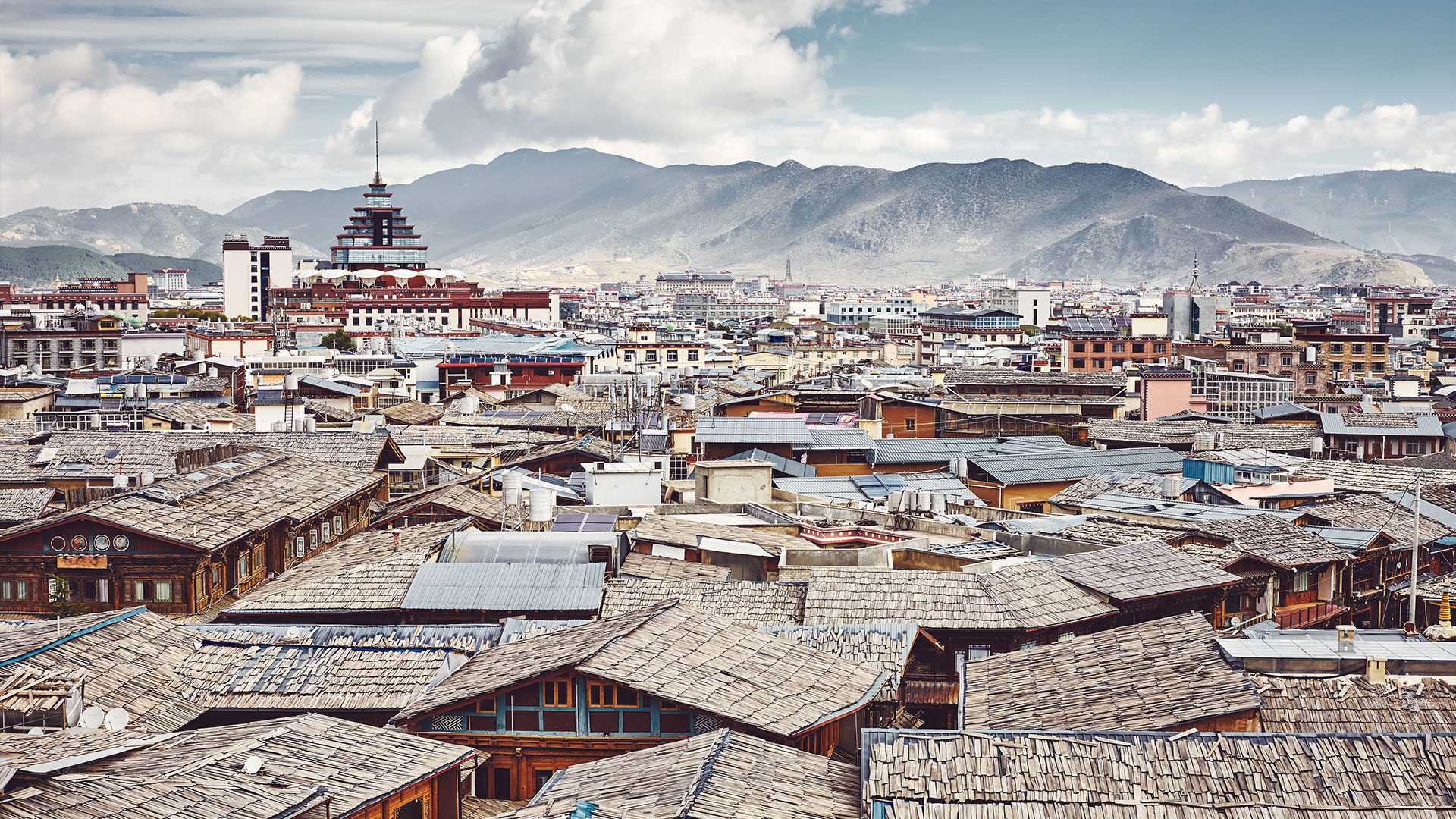
Save 21%

 Tibet
Tibet
 8 Days
Add Review
Reviewing for 10 Days Kailash Tour Package at Best PriceRequest a Callback - 10 Days Kailash Tour Package at Best Price
Submit the form and we will be back to you shortly
Request a Callback - 10 Days Kailash Tour Package at Best Price
Submit the form and we will be back to you shortly
Narayanhiti Palace Museum

Narayanhiti Palace Museum


