









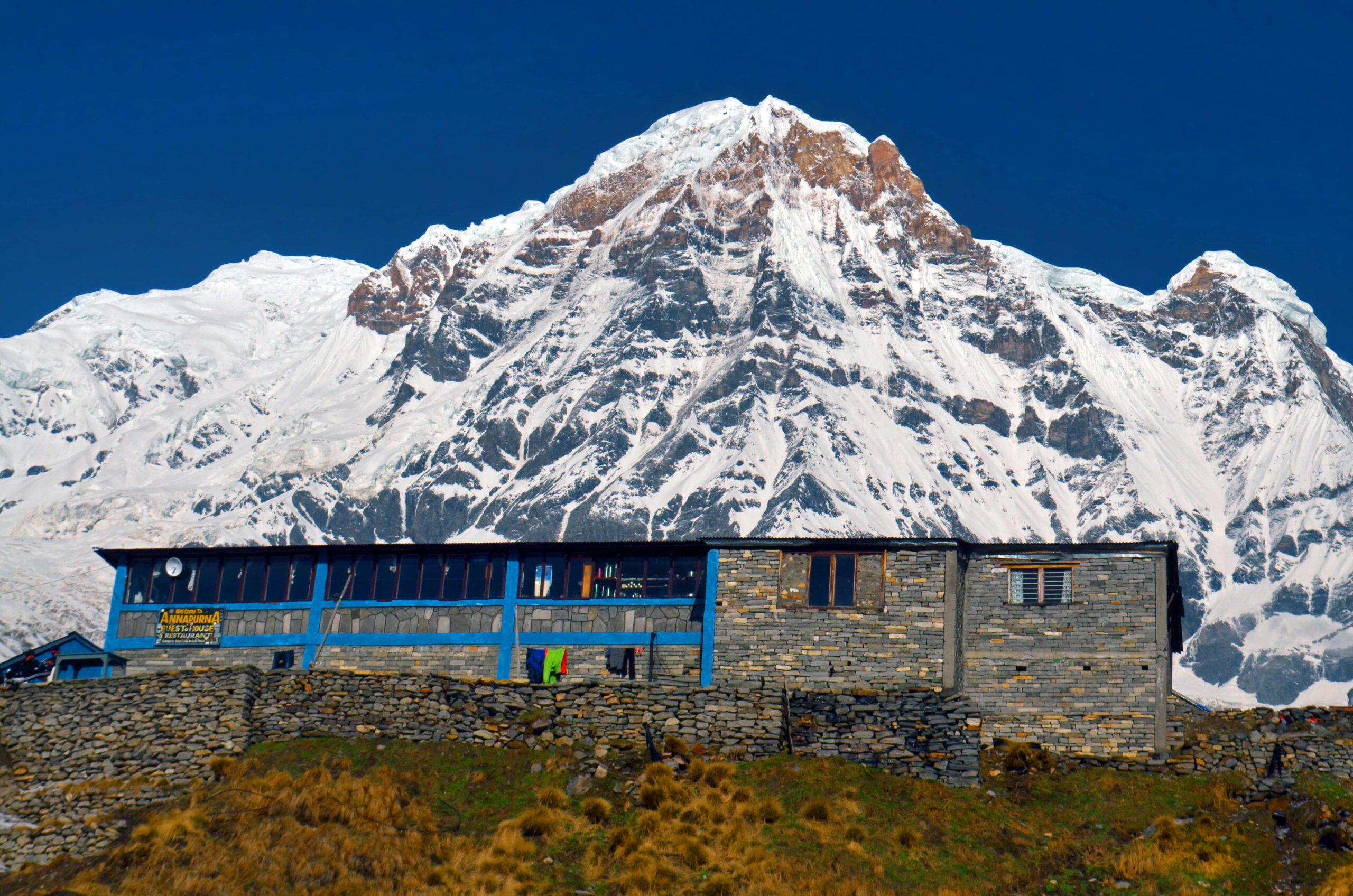

4-days Annapurna Base Camp (ABC) Trek with Helicopter Out


Quick Trip Facts


Annapurna Base Camp (ABC) Trek with Helicopter Out Overview
The 4-days Annapurna Base Camp (ABC) Trek with a helicopter out is a quick, thrilling, and stunning way to experience the Annapurna Himalayas. This short ABC trek is designed for those with limited time who wish to trek to high mountains. The Annapurna region is one of Nepal’s most popular trekking destinations in Nepal, boasting breathtaking scenery, vibrant culture, and hospitable settlements. In a 4-day trek to Annapurna Base Camp (ABC), you can hike through tranquil woods, cross rivers, see snow-capped peaks up close, and experience life in the mountains, too.
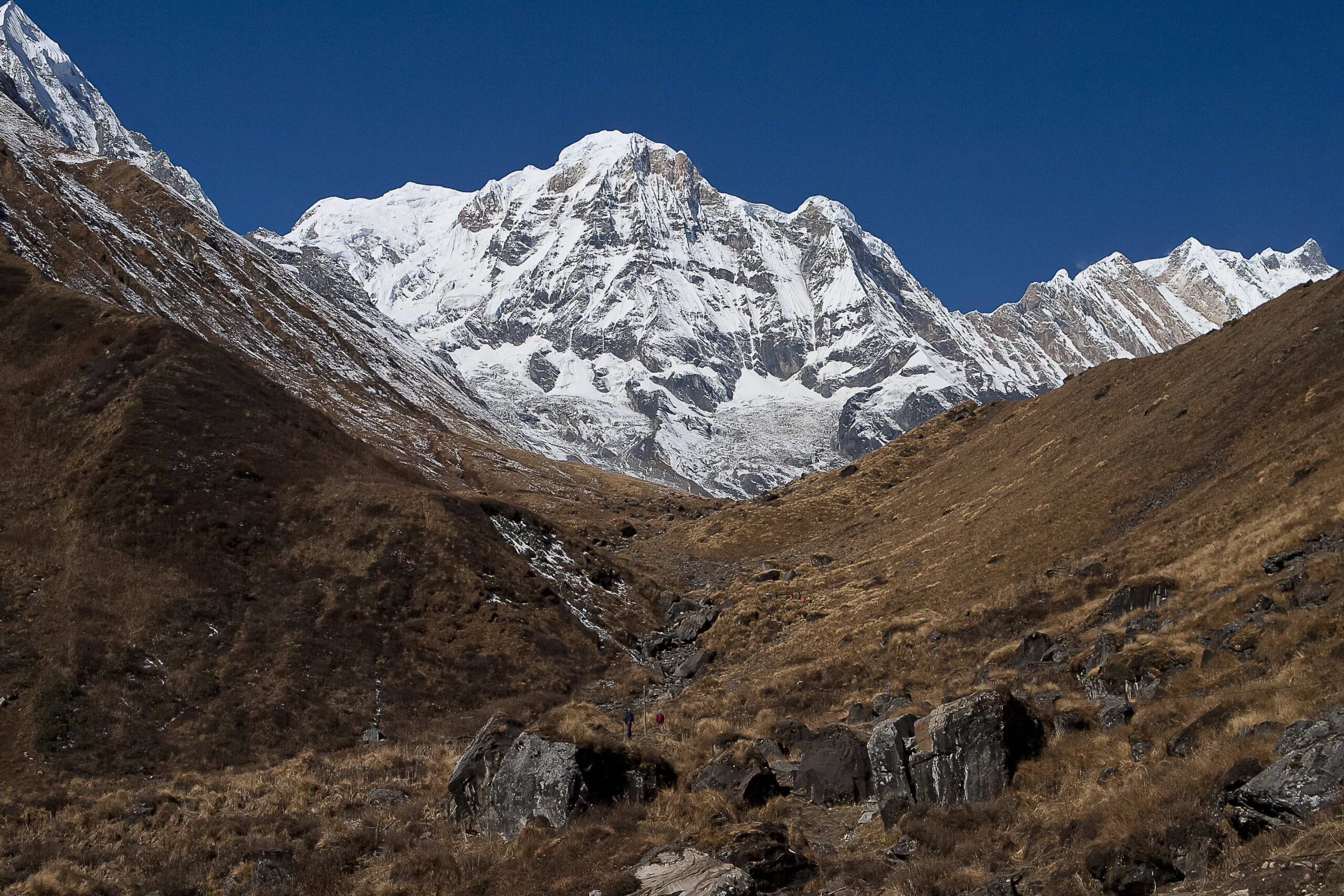
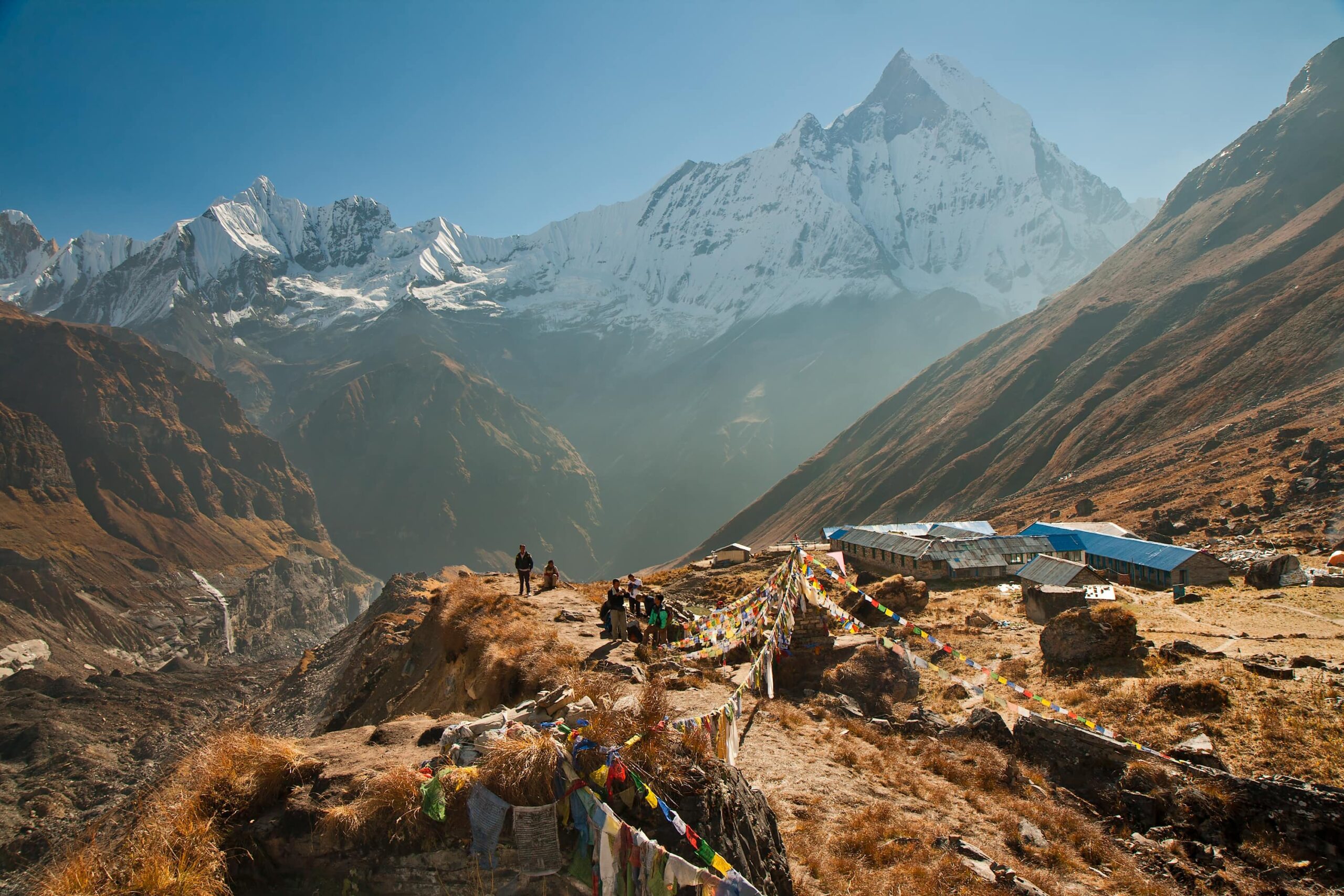
The journey starts from Pokhara, which is a lovely lakeside city that’s often called the gateway to the Annapurna mountains. Your real journey kicks off the moment you hit the road from Pokhara to Nayapul or Siwai. Over the next few days, you wade up past charming little villages like Chhomrong, Bamboo, and Deural, sitting a bit higher than the last and all framed by breathtaking scenery. As you go ahead, you will walk past waterfalls, rhododendron forests, and terraced fields, and rest in tea houses run by local families. After some hours of trekking, you will finally reach Annapurna Base Camp (4,130 meters). As you stand there, surrounded by tall snowy peaks like Annapurna I, Machapuchare (Fishtail), Hiunchuli, and others, it will be a truly magical experience for you.
If you’re short on time yet still crave a solid taste of the Himalayas, this quick ABC itinerary with a chopper ride home fits the bill. The route blends awesome views, rich culture, and just enough adventure, keeping both greenhorns and seasoned trekkers comfortable and smiling the whole way.
Trip Highlights
- Walk through charming traditional Gurung villages like Chhomrong and Ghandruk, immersing yourself in the warm hospitality and rich cultural heritage of the local communities nestled in the heart of the Annapurna region.
- Trek through breathtaking landscapes of lush bamboo forests, blooming rhododendron woodlands, cascading waterfalls, and beautifully terraced farmlands that line the trail from the lower foothills all the way to the high alpine zone.
- Stand at the magnificent Annapurna Base Camp at 4,130m, surrounded on all sides by a towering amphitheater of snow-covered giants including Annapurna I, Machapuchare, Hiunchuli, and Annapurna South.
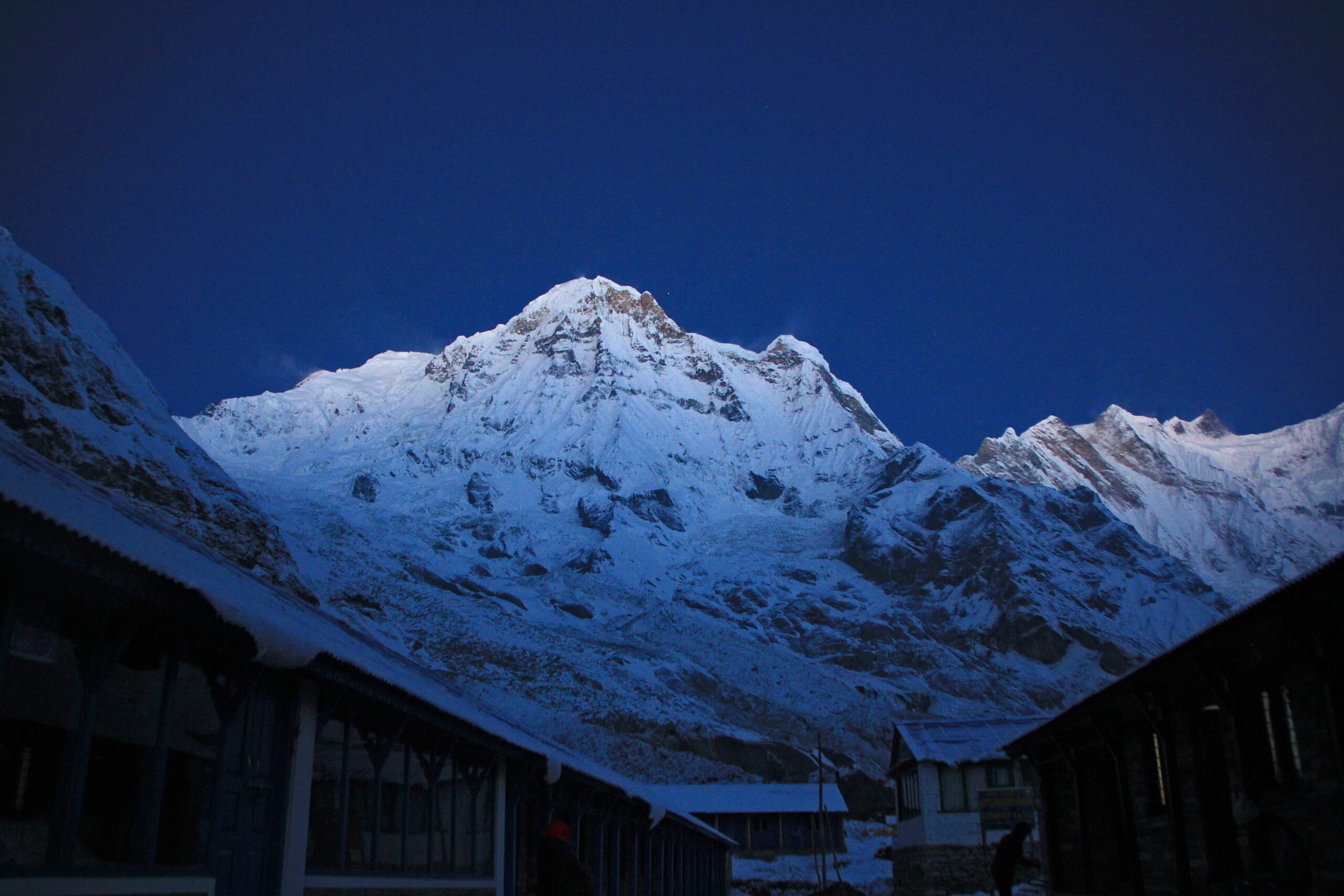
- Witness the most spectacular Himalayan sunrises and sunsets from Annapurna Base Camp, where the golden alpenglow painting the surrounding peaks at dawn and dusk is one of the most awe-inspiring natural spectacles in the entire trekking world.
- Relax and rejuvenate your tired muscles in the soothing natural hot springs at Jhinu Danda, one of the most welcome and memorable stops on the entire Annapurna trail.
- Stay in cozy and welcoming teahouses in villages like Chhomrong, Himalaya, and Annapurna Base Camp, enjoying freshly cooked warm meals and the genuine warmth and hospitality of the mountain communities.
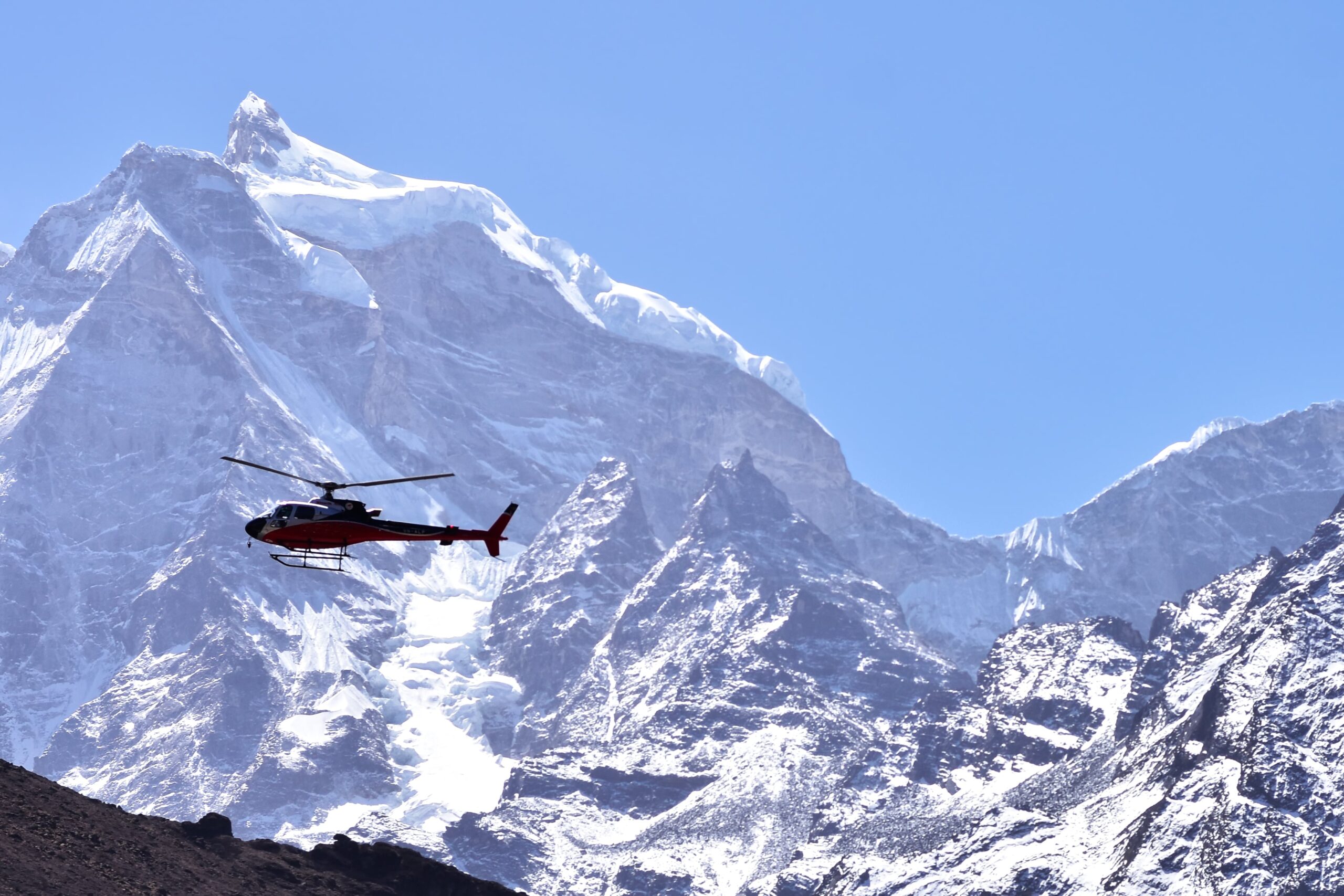
- Enjoy a thrilling and scenic helicopter flight from Annapurna Base Camp back to Pokhara, soaring above the entire Annapurna Sanctuary and capturing a breathtaking aerial farewell to the mountains.
- Capture unforgettable photographs of the dramatic Annapurna range, colorful traditional villages, ancient monasteries, and the extraordinary natural landscapes that make this one of the most visually stunning trekking routes in all of Nepal.
- Experience a deeply peaceful and soul-enriching Himalayan adventure through one of the world’s most celebrated and scenically diverse mountain regions from start to finish.
Itinerary
Chhomrong to Deurali (3,230m) | 6–7 hrs | 14 km
After a hearty breakfast in Chhomrong, the trail descends steeply to the Chhomrong Khola river and crosses a long suspension bridge before beginning a steady and rewarding climb through one of the most beautiful forest sections of the entire trek. The path winds through increasingly dense and atmospheric forests of rhododendron, bamboo, and oak, filled with the sounds of rushing mountain streams, exotic birds, and the cool fresh air that becomes noticeably crisper and more invigorating with every meter of altitude gained. Brief rest stops at the small settlements of Sinuwa and Bamboo offer welcome opportunities for tea, snacks, and a moment to absorb the extraordinary natural surroundings before the trail continues its steady ascent through the Himalaya village at 2,920m and pushes on toward Deurali. Arriving at Deurali at 3,230m as the afternoon light begins to soften over the surrounding ridgelines, you settle into a cozy teahouse for a warm meal and a well-earned night of rest before the most thrilling and anticipated day of the entire trek.
Overnight in Deurali
Deurali to Annapurna Base Camp (4,130m) | 4–5 hrs | 10 km
Today is the most exhilarating and unforgettable day of the entire trek, as the trail climbs steadily from Deurali through the iconic Machapuchare Base Camp at 3,700m and into the heart of the legendary Annapurna Sanctuary. The landscape transforms dramatically as you gain altitude, with the dense forest giving way to open alpine terrain and the trail opening up into a breathtaking glacial valley completely encircled by some of the world’s most spectacular and imposing Himalayan peaks. The air grows noticeably thinner and colder with every step beyond MBC, but the increasingly magnificent views of Annapurna I, Annapurna South, Hiunchuli, and the iconic fishtail summit of Machapuchare towering directly above more than compensate for the physical effort of the final ascent. You arrive at Annapurna Base Camp at 4,130m by early afternoon, stepping into one of the most awe-inspiring natural amphitheaters on earth, where 360-degree views of towering snow-covered giants surround you on every side and the golden alpenglow of sunset painting the summits in shades of orange and pink creates some of the most breathtaking photography conditions available anywhere on any trekking route in Nepal.
Overnight at Annapurna Base Camp
Sunrise at ABC & Helicopter Flight Back to Pokhara
Rise early to witness the spectacular Annapurna sunrise, one of the most magical and deeply moving natural spectacles available anywhere in the Himalayan world, as the first golden light of dawn gradually illuminates the snow-covered peaks surrounding the base camp one by one, transforming the entire sanctuary into a glowing amphitheater of light, color, and shadow that will remain etched in your memory for a lifetime. After a satisfying breakfast and a final peaceful moment soaking in the extraordinary atmosphere of the Annapurna Sanctuary, your helicopter arrives at approximately 10:00–11:00 AM for the thrilling return flight to Pokhara. The 25-minute flight soars directly over the entire trail you trekked over the past three days, offering a breathtaking bird’s-eye perspective of the Annapurna range, the Modi Khola valley, the rhododendron forests of the middle hills, and the glittering surface of Phewa Lake as the helicopter descends gracefully into the Pokhara valley, bringing one of the most rewarding and memorable short treks in all of Nepal to a truly spectacular and unforgettable close.
Overnight in Pokhara
Customize this trip with help from our local travel specialist that matches your Interests.
Customize This TripInclusions
- Pick-up & drop-off from Pokhara airport or hotel
- Private transportation to Siwai (trek starting point)
- Helicopter flight from ABC to Pokhara
- All meals (breakfast, lunch, dinner) during the trek
- Best available teahouse/lodge accommodation
- Licensed English-speaking trekking guide
- Porter (1 porter per 2 trekkers)
- Annapurna Conservation Area Permit (ACAP)
- TIMS card
- First aid kit
- Government taxes & service charges
- Flights or transport to/from Pokhara (e.g., Kathmandu–Pokhara flights) it will cost you $ 90 per person one way
- Nepal visa fee
- Travel insurance (must cover heli rescue)
- Tips for the guide and the porter
- Personal expenses (drinks, snacks, Wi-Fi, hot showers)
- Meals in Pokhara
- Extra accommodation in Pokhara or Kathmandu due to delays or early return
Maps
Navigate Your Journey
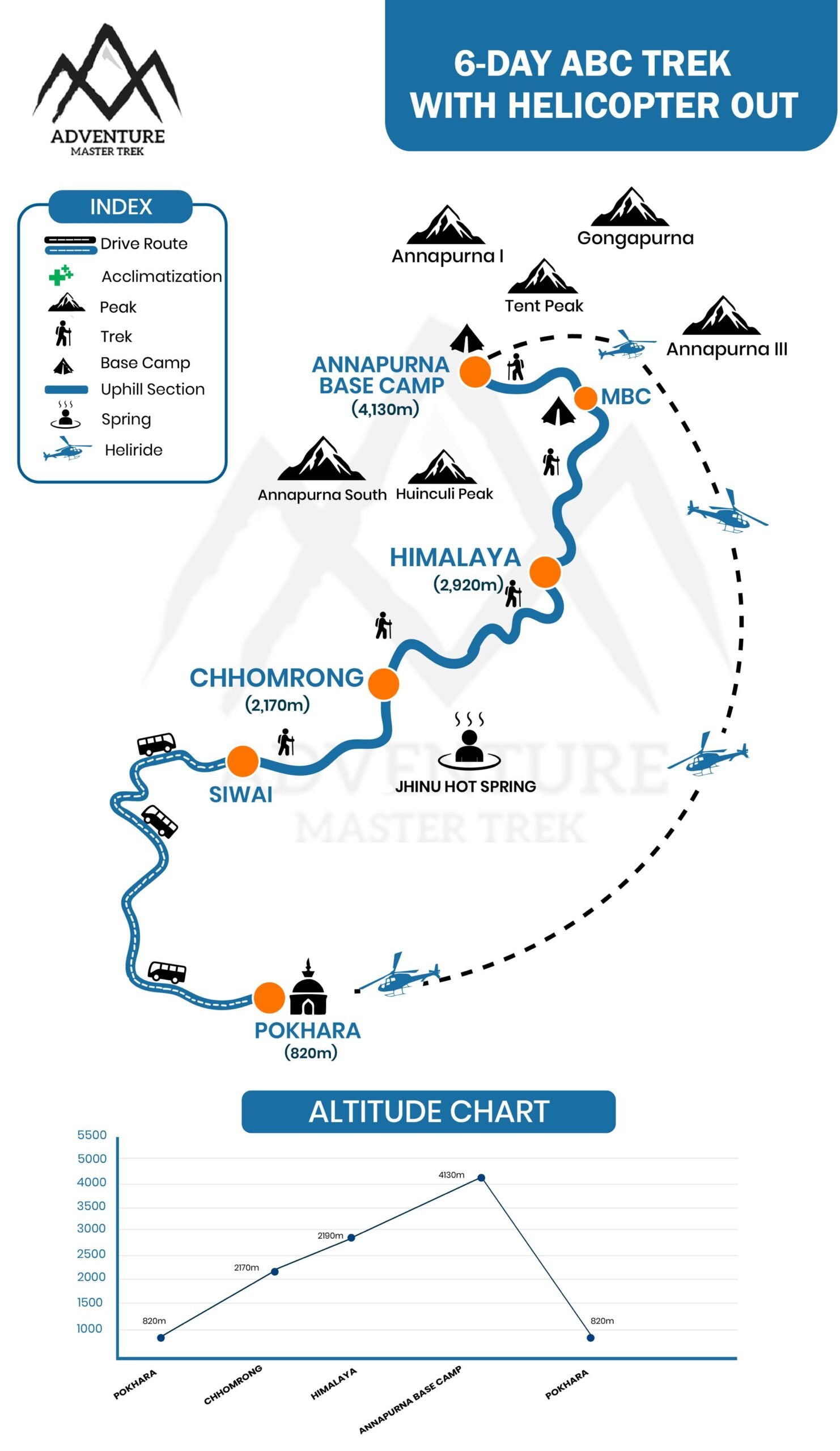
Good to Know
Challenge of Annapurna Base Camp Trek.
The ABC trek is considered difficult and can be undertaken by trekkers with moderate to good fitness levels. Although the trail does not involve technical climbing, the elevation, topography, and daily walking distances require preparation and perseverance.
Physical Difficulty of the Annapurna Base Camp Trek
Trekking to ABC means walking over rough, rocky, uneven paths for 12-15km/day. The highest point is 4,130 meters, and without proper acclimatization, this can result in mild to moderate altitude sickness. The path features sharp uphill and downhill climbs, river crossings, and sometimes slippery trails, and requires powerful leg muscles, stability, and balance. The daily walks can take 5-7 hours and require regular strength.
Mental Challenge Annapurna Base Camp Trek
Mental strength and resilience are also tested in the trek. The mental exhaustion of long walking hours, fatigue at high altitude and fluctuating weather conditions may be stressful. It is necessary to remain positive, self-motivated, and patient. Mental training enables the trekkers to overcome pain, altitude exhaustion and the slowing pace of walking without stress.
Transportation of the Annapurna Base Camp Trek.
Transportation is one of the main factors in your planning of an Annapurna Base Camp (ABC) trek. Between your arrival in Nepal and the trekking route, and back, you have several choices, each with its own convenience, cost and experience.
Training for the Annapurna Base Camp Trek.
The timing of the ABC trek is vital to ensuring it is successful and enjoyable. Training encompasses physical preparation, psychological preparation, equipment choice and logistical preparation.
Physical Preparation for the Annapurna Base Camp Trek
Train endurance, leg power and cardio fitness at least 6-8 weeks prior to the trek. The recommended exercises include hiking with a weighted backpack, climbing stairs, lunges, squats, and core strengthening. Aerobic fitness is necessary to walk long distances at high altitudes while carrying a backpack. Include stretching and mobility exercises, so as to avoid injuries, and become more flexible.
Mental Preparation for the Annapurna Base Camp Trek
Mental preparation is also of significance. Trekkers ought to be conversant with the challenges of altitude, trekking etiquette, and possible weather variations. Pacing yourself, visualizing the trail, and training stress-management skills such as deep breathing or meditation can help enhance focus and stamina on long trekking days.
Gear and Logistics
Pack equipment such as trekking shoes, layered clothes, insulated garments, bed bags, water containers, and trekking poles. Bring along the required permits, money and emergency supplies. Having your plans, weather, and day-to-day schedule makes the trekking experience less stressful and safer.
Transportation & flight cost for Annapurna Base Camp Trek
Transportation plays a key role in planning your Annapurna Base Camp (ABC) trek. From your arrival in Nepal to the trekking route and return, there are multiple options, each with its own conveniences, costs, and experiences.
Kathmandu to Pokhara
The majority of trekkers begin their expedition in Kathmandu, which is approximately 200 km from Pokhara. You can reach Pokhara by:
- Tourist Bus: Comfortable buses depart in the morning (7:00 AM) or at night (8:00 PM). The sofa seat is 15 USD per person. The trip can take 6-8 hours, depending on traffic.
- Domestic Flight: The flight is approximately 25 minutes, priced at 100-110 USD per person, and departs on an hourly basis. Flights are a magnificent sightseeing experience of the Himalayan range and the valleys around.
Trek Starting Point to Pokhara.
Knowing that the trek begins at Sinuwa, Nayapul or Chhomrong, depending on your itinerary, you can have a glimpse of the starting point at Pokhara. Options include:
- Travelling by Jeep/Taxi privately: This is a quicker and more comfortable option especially when traveling in a group or those who carry a lot of luggage. Duration: 1–2 hours.
- Local Bus or Shared Jeep: This option is more economical but takes longer due to stops.
ABC Helicopter Return
For trekkers who prefer a helicopter return, the flight from ABC to Pokhara takes 20–25 minutes. Key details:
- Shared helicopter with max 5 people per flight.
- Cost: $500 USD per person (sharing).
- Flights operate morning after breakfast, ensuring safe weather conditions.
- Experience breathtaking aerial views of Annapurna and Machapuchare peaks.
- Private flight charter 2200 USD up to 5 people
- 2-pax charter flight costs $1000 per person
Extra Transportation Options
Tourist Bus — Kathmandu to Pokhara (Round Trip)
The tourist bus is the most popular and budget-friendly overland option between Kathmandu and Pokhara, operating daily departures at 7:00 AM for the daytime service and 8:00 PM for the overnight service from the tourist bus park in Thamel at a cost of USD 15 per person each way. The daytime journey takes approximately 6–7 hours along the Prithvi Highway and passes through some of Nepal’s most scenic mid-hill landscapes, with scheduled stops at Malekhu Bazar for morning tea and snacks, Mugling Bazar at the halfway point for a leisurely lunch famous for its fresh river fish and dal bhat, and Dumre for a final refreshment break before the last stretch into Pokhara. The overnight bus arrives in Pokhara in the early morning hours, saving a night’s accommodation cost and allowing trekkers to maximize their time exploring Pokhara or starting preparations for the trek, making it an excellent choice for budget-conscious travelers with a flexible schedule.
Flight — Kathmandu to Pokhara
The flight from Kathmandu to Pokhara is the fastest and most scenic way to travel between Nepal’s two most visited cities, taking just 20–25 minutes at a cost of USD 100 per person with airlines such as Buddha Air, Yeti Airlines, and Shree Airlines operating frequent hourly departures throughout the day from Tribhuvan International Airport. The short flight offers breathtaking aerial views of the Manaslu, Annapurna, and Himalchuli ranges stretching across the northern horizon, and sitting on the right side of the plane is strongly recommended for the clearest and most unobstructed mountain views during the flight. Morning departures offer the best visibility and most reliable on-time performance, and the convenience of arriving in Pokhara in under 30 minutes compared to the 6–7 hour bus journey makes this the preferred option for trekkers with limited time or those who simply want to begin their Annapurna adventure as quickly and comfortably as possible.
Flight — Pokhara to Kathmandu
The return flight from Pokhara to Kathmandu takes approximately 25 minutes at a cost of USD 110 per person and operates multiple times throughout the day, making it a highly convenient and time-efficient way to return to the capital after completing the Annapurna Base Camp Trek. The flight offers equally spectacular aerial views of the Annapurna and Dhaulagiri ranges on the outward leg, with the distinctive fishtail summit of Machapuchare often visible at close range shortly after takeoff from Pokhara Airport, providing one final and breathtaking aerial farewell to the mountains before touching down in Kathmandu. As with all mountain flights in Nepal, morning departures are strongly recommended for the clearest skies, best mountain visibility, and most reliable departure times before afternoon cloud cover builds up over the Himalayan ranges.
Accommodation on the Annapurna Base Camp (ABC) trek with a helicopter out
Accommodation on the Annapurna Base Camp (ABC) trek with a helicopter return is simple, friendly, in walks easy to find.
Hotel Kathmandu & Pokhara
- Kathmandu: Before starting your trek, most travelers stay in 3–4 star hotels with modern amenities, including hot showers, WiFi, restaurant services, and comfortable beds. Cost: $50–80 USD per room per night, depending on single or double occupancy.
- Pokhara: Similar accommodations are available, offering comfortable rooms, sightseeing options, and dining facilities. Staying in Pokhara allows trekkers to rest, acclimatize slightly, and organize logistics before heading into the mountains.
Trekking Lodges and Tea Houses on the Annapurna Base Camp (ABC) trek with a helicopter out
- Lodges along the trail offer twin or triple rooms, generally simple but clean. Beds have blankets, sheets, and pillows, though you may consider carrying a light sleeping bag for extra warmth at higher altitudes.
- Facilities include shared bathrooms, hot showers (sometimes for a small fee, $1–2 USD), and electricity for device charging.
- Meals (B/L/D) are served in the lodge dining area, offering local Nepali dishes, soups, and continental options.
High-Altitude Accommodation
- Above 3,000 meters, lodges become more basic, with limited electricity, smaller rooms, and simpler meals. Despite this, they provide sufficient shelter, warmth, and rest for trekking to ABC.
- The final stay at Annapurna Base Camp (4,130m) may be in a tea house with dormitory-style rooms, emphasizing safety and warmth over luxury.
Food and Drinking Water Annapurna Base Camp (ABC) trek with a helicopter out
During the Annapurna Base Camp (ABC) trek with a helicopter return, you’ll find plenty of food options at teahouses and lodges along the trail. Meals are freshly prepared and usually include Nepali dishes like dal bhat (rice, lentil soup, and vegetables), as well as simple international foods like noodles, pasta, soups, fried rice, pancakes, and eggs. The food is warm and filling and gives you the energy needed for trekking.
At every stop, you can get drinking water, but it’s important to make sure it’s safe. Some places sell water in bottles, but it’s cheaper and better for the environment to bring your own bottle that you can fill up with water and use water filters or tablets to make the water clean. A lot of teahouses also charge a small fee for hot water. It is important to stay healthy and enjoy the hike by eating well and drinking plenty of water, especially at higher elevations.
Electricity and Internet Service in Annapurna Base Camp (ABC) trek with a helicopter out
You can get electricity and the internet at most teahouses along the Annapurna Base Camp (ABC) walk, but they are basic and might not always work. You can charge your phone, camera, and other devices in your cabins
However, some places may charge a small fee, especially those higher up. It’s a good idea to bring a power bank in case you need to charge your phone in the eating area.
For a small fee, you can connect to Wi-Fi in many teahouses, but the link can be slow or unstable as you get closer to base camp. Trekkers sometimes like to bring a local SIM card and use it with a data pack. This works in some parts of the trail. The internet might be strong or always on, but not everywhere.
| Item | Availability | Cost |
Altitude sickness in the Annapurna Base Camp (ABC) trek with a helicopter out
Altitude sickness can occur on the Annapurna Base Camp (ABC) trek as you reach heights over 4,000 meters. Symptoms may include headache, nausea, dizziness, and shortness of breath. To prevent it, walk at a steady pace, stay hydrated, rest well, and avoid alcohol. The trek allows gradual altitude gain, which helps your body adjust. If symptoms get worse, it’s best to stop, rest, or descend. Since the trek ends with a helicopter flight, it offers a quick way down if needed for safety. It’s also helpful to carry basic medicines like paracetamol or consult your doctor about altitude pills before the trek. Listening to your body and not rushing is key to staying safe and enjoying the experience.
Group size for the ABC trek with a helicopter out
The Annapurna Base Camp (ABC) trek with a helicopter return can be done in a small group, a large group, or even solo travelling with a guide. The maximum group size is 12 people, which is a good size for staying organized and receiving personal attention from the guide. The smaller groups can be more flexible and can move at a comfortable pace as larger groups can be more social, interactive, and fun.
It does not matter what the group’s size is if you have a licensed guide and porter. They can surely make the trek easier, safer, and more enjoyable. You can also join another group if you are traveling alone and want to meet and interact with other trekkers throughout your journey.
| Group Size (Pax) | Price per Person (USD) |
Culture and Festivals in the Annapurna Base Camp Region
The Annapurna Base Camp trek passes through the heartland of the Gurung people, one of Nepal’s most celebrated and culturally rich ethnic communities whose traditions, architecture, and way of life have remained remarkably intact despite the growing popularity of trekking in the region. The Gurung villages of Ghandruk, Chhomrong, and Landruk are the cultural soul of the lower Annapurna trail, where beautifully constructed stone houses, intricately carved wooden doorways, spinning prayer wheels, and colorful festival decorations create an atmosphere of living culture that feels genuinely authentic and deeply welcoming to visiting trekkers.
The Gurung people are predominantly Buddhist, and their spiritual life revolves around a rich calendar of festivals and ceremonies that reflect both their Tibetan Buddhist heritage and their own unique indigenous traditions developed over centuries of mountain living. The most important and spectacular festival celebrated in the Annapurna region is Tamu Lhosar, the Gurung New Year, typically falling in December or January and marked by vibrant community gatherings, traditional music and dance performances, colorful costumes, and elaborate feasting that brings entire villages together in joyful celebration. Dashain and Tihar, Nepal’s two most important Hindu festivals celebrated in October and November respectively, are also widely observed throughout the Annapurna foothills, with homes decorated with marigold garlands, oil lamps, and colorful rangoli patterns creating a festive and welcoming atmosphere along the lower sections of the trail during the peak autumn trekking season. Trekkers passing through the region during any of these festival periods are warmly welcomed to observe and participate in the celebrations, share a meal with local families, and gain a deeply enriching cultural insight into the traditions and values of the remarkable mountain communities that have called the Annapurna region home for generations.
Travel Insurance for the ABC trek with a Helicopter Out
For the Annapurna Base Camp (ABC) trek with a helicopter return, travel insurance is crucial. It should include emergency helicopter evacuation in the case of illness, accident, or altitude sickness, as well as high-altitude trekking (above 4,000 meters). Medical care can be expensive to execute, especially when a helicopter rescue is required. You should make your purchase of travel insurance before visiting Nepal, which is a smart idea. You need to be sure to include trekking and altitude coverage directly. Throughout the hike, keep a copy of your insurance and emergency contact information with you.
Safety and security in the ABC trek with a helicopter out
When done with a certified guide and porter, the Annapurna Base Camp (ABC) trip with a helicopter return is often safe and well-managed. There are several teahouses and villages along the well-traveled and well-marked trail, so you’re rarely by yourself. The hiking community is encouraging, and the majority of the people are friendly and helpful. To keep safe, heed your guide’s instructions, be cautious when walking on slippery terrain, and take your time to prevent altitude issues or accidents. It’s a good idea to carry a copy of your passport and travel insurance, as well as to keep your valuables safe.
Permits required for the ABC trek with a helicopter out
A few permits are required for the 6-day Annapurna Base Camp (ABC) trek with a helicopter return to help preserve the region’s natural beauty, support local communities, and ensure a safe trekking experience. These permits help manage tourism and protect the Annapurna region’s peaceful environment. Here are the passes you’ll need for this hike:
1. TIMS Card (Trekkers’ Information Management System)
- Mandatory for all foreign trekkers.
- Tracks trekker movement and ensures safety.
- Issued by Nepal Tourism Board or registered trekking agencies.
- Cost:
- Individual trekker: $20 USDNPR 2,700 approx
- Group trekker: $20 USD per person NPR 2,700 approx
2. Annapurna Conservation Area Permit (ACAP)
- Required to enter the Annapurna Conservation Area, which includes ABC and surrounding trails.
- Supports conservation, local communities, and sustainable tourism.
- Issued at Pokhara or at authorized checkpoints before starting the trek.
- Cost: $30 USD per person NPR 4,000 approx
Required Documents for ABC Helicopter Return Trek
- Valid passport with a minimum of 6 months validity remaining.
- Two recent passport-sized photographs for permit processing.
- Valid Nepal visa obtained on arrival at Tribhuvan International Airport or in advance from a Nepali embassy.
- Annapurna Conservation Area Permit (ACAP) arranged through a registered trekking company in Kathmandu or Pokhara.
- Trekkers Information Management System (TIMS) card obtained through a registered trekking agency or the Nepal Tourism Board office in Kathmandu or Pokhara.
- Travel insurance covering high-altitude trekking and helicopter evacuation is strongly recommended and considered essential.
Why Choose the ABC Helicopter Return Trek?
The Annapurna Base Camp Helicopter Return Trek is the perfect combination of adventure, culture, and convenience, offering trekkers the full and authentic experience of walking through traditional Gurung villages, lush rhododendron forests, and the breathtaking Annapurna Sanctuary, while eliminating the long and demanding descent back to Pokhara with a thrilling and scenic helicopter flight from the base camp itself. It is the ideal choice for travelers with limited time who do not want to compromise on the quality and depth of the trekking experience, as the 4-day itinerary condenses all of the most iconic highlights of the classic ABC trek into a compact and perfectly paced adventure that still feels complete and deeply rewarding from start to finish. The helicopter return also significantly reduces the physical strain on the knees and legs that the long multi-day descent typically demands, making it an excellent option for older trekkers, those with joint concerns, or anyone who simply wants to arrive back in Pokhara fresh, energized, and with the entire afternoon free to enjoy the lakeside city after one of the most extraordinary mountain experiences Nepal has to offer.
ABC trek with a helicopter out Trekking Equipment
General
- Original passport and a few passport-size photos for permit registration
- Required permits: Annapurna Conservation Area Permit (ACAP) & TIMS card
- Warm sleeping bag for cold nights (rentable in Kathmandu or Pokhara)
- Enough cash in Nepali rupees, as there are no ATMs on the trail
- Duffel bag (your porter will carry this)
- A light daypack for your water, snacks, and personal items
Upper Body
- UV-protection sunglasses for strong mountain sun
- A sun cap for daytime and a warm hat for cold mornings
- Neck gaiter or buff to protect from dust and wind
Torso
- 2 quick-drying trekking shirts (long or short sleeve)
- A fleece or wool layer to keep you warm in the evenings
- A puffy jacket (down or synthetic) for higher altitudes
- A rain jacket or windbreaker in case of bad weather
Lower Body
- 2 pairs of comfortable hiking trousers
- 1 pair of thermal leggings for cold nights or mornings
- Rain pants to wear over your trekking pants when needed
- Light pajama pants or track pants for sleeping and relaxing
Hands
- Thin gloves for mild cold
- Warm gloves (preferably waterproof) for colder days near base camp
Footwear
- 3–4 pairs of warm, breathable trekking socks
- A pair of strong, broken-in hiking boots with ankle support
- Slip-on shoes or Crocs for use around the lodge
Undergarments
- 4–5 pairs of quick-dry underwear
- Sports bra or comfortable support (if needed)
- Optional: extra base-layer bottoms for layering at night
Medication and First Aid
- Altitude tablets (consult your doctor for Diamox)
- High SPF sunscreen and lip balm to avoid sunburn
- Basic painkillers and tablets for cold, upset stomach, or motion sickness
- Plasters/band-aids, antiseptic wipes, and blister tape
- Any personal or prescription medicine you may need
Other Essentials
- Hand sanitizer and tissue packs
- Reusable water bottle or hydration bladder (2L recommended) + water purifier
- Toiletries: small toothpaste, brush, biodegradable soap, wet wipes
- Torch or headlamp with spare batteries
- Trekking poles (helpful for steep or uneven trails)
- Power bank for charging electronics
- Waterproof pouch or dry bag to keep electronics and clothes dry
Optional
- Lightweight snacks: granola bars, dried fruit, nuts
- A small journal or notebook
- Eye mask and earplugs for better sleep in teahouses
- Small padlock for your room or backpack
- A bit of tape or string for emergency fixes
Booking Policy for the ABC trek with a helicopter out
1. How to Verify Your Reservation
We require a 30% deposit of the entire trip cost to reserve your spot. The rest of the money can be paid when you get to Pokhara or Kathmandu. You can also choose to pay the whole amount ahead of time if you’d like to.
In order to confirm your ticket, we will need:
- The deposit you paid
- A good picture or scan of your passport
- Details like trip insurance information and a person to call in case of an emergency
2. How to Pay Your Bills
There are a few easy ways to pay with us:
How to Pay Online: You can safely make a payment on our site.
Credit Cards: You can use Visa, MasterCard, and other major credit cards, but there is a 4% bank fee.
3. Last Payment
The last 70% of your trip costs must be paid before the journey starts. You can pay with cash, a card, or a bank payment when you get there.
4. Getting new dates
If you need to change your trip plans, please let us know at least 30 days in advance. If it’s possible, we’ll do our best to change your holiday. There may be extra costs if you need to change your hotel or helicopter ticket.
5. You need travel insurance
Everyone who goes hiking needs to have up-to-date travel insurance that covers medical care, trip cancellations, emergency air evacuations, and hiking at high altitudes.
6. Booking at the Last Minute
You can make plans up to 48 hours before your trip, but there may not be enough room, especially in the spring and fall when the tours are very popular. We recommend making reservations as soon as possible to ensure helicopter access and room availability.
Cancellation Policy for the ABC trek with a helicopter out
1. Cancellation by the Guest
- Full refund (30 days or more before departure; no bank or transaction fees applied).
- 30% of the entire trip cost will be reimbursed between 10 and 29 days before departure.
- 50% of the entire trip fee will be refunded five to nine days before departure.
- Less than five days prior to departure: You can postpone your trip without incurring additional fees, but there won’t be a refund.
- No money will be given back for services that were not used because of sickness, injury, or coming back early after the walk began.
2. The company calls off the meeting
If something out of our control, like a natural disaster or a change in the government, forces us to cancel the trek, you will get your money back in full.
You can move your vacation to another open date at no extra cost.
3. Delays or cancellations due to bad weather
We will do our best to change your plans or redo the hike at no extra cost.After taking out the money you already spent on permits, transportation, and lodging, you will get 30% of your money back if you decide to cancel because of delays.
4. The “no-show” rule
You won’t get any credit if a friend suddenly doesn’t show up on the day you pick them up.
5. Need for travel insurance
It is very important that you get full travel protection that covers evacuation, medical crises, high-altitude treks, and trip cancellations.
FAQs
How long does the hike last?
For this form of the ABC trek, it takes 4 days. On the last day, you take a beautiful helicopter ride back from Annapurna Base Camp to Pokhara.
Do I need a servant and a guide?
A guide is very helpful for safety, finding your way, and learning about the area. No need to take your heavy bag on your back; a porter can do it for you.
What kind of accommodation is available?
You’ll stay in teahouses, which can be quite basic but are very comfortable lodges with twin beds, warm blankets, and shared toilets. Meals are served in a common dining area.
What permits do I need for this trek?
You need two permits: the Annapurna Conservation Area Permit (ACAP) and the TIMS card. These help support conservation and trekker safety.
Is altitude sickness a problem?
Altitude sickness is possible above 4,000 meters, but going slowly, drinking water, and resting help prevent it. The helicopter return offers a quick way down if needed.
What should I pack for this trek?
Pack warm clothes, a sleeping bag, trekking boots, personal items, and some snacks. Don’t forget water purifiers and a power bank for charging devices.
Is there electricity and internet on the trail?
Yes, most teahouses offer charging and Wi-Fi for a small fee. However, connections can be slow or unreliable, especially at higher altitudes.
Can I drink tap water?
Tap water is not safe to drink without treatment. Carry purification tablets, a filter, or buy boiled water at lodges.
When is the best time to go?
The best seasons are spring (March–May) and autumn (September–November), with clear skies, great mountain views, and comfortable temperatures.
Are extra days recommended?
Yes, 1–2 extra days are highly recommended to adjust to altitude, prevent AMS, and allow flexibility in the trek.
How difficult is the ABC trek?
The trek is challenging due to high altitude, steep ascents/descents, and daily walking hours of 5–7 hours over 12–15 km per day. Proper physical fitness and mental preparation are essential.
Are electric and internet services available along the trek?
- Electricity for charging: $1–2 USD per device
- WiFi: limited, mostly lower altitudes
- Mobile network: available in villages like Chhomrong, Dovan, Bamboo
Do I need acclimatization on the ABC Trek?
The Annapurna Base Camp Trek reaches a maximum altitude of 4,130m, which is high enough to cause altitude sickness in some trekkers, and while a dedicated acclimatization day is not built into the standard 4-day itinerary, the gradual ascent profile of the trek naturally aids acclimatization, and trekkers are strongly advised to walk slowly, drink plenty of water, and spend an extra night at Deurali or Machapuchare Base Camp if any symptoms of altitude sickness are felt before pushing to ABC.
How much do a guide and porter cost?
A licensed trekking guide on the Annapurna Base Camp Trek costs approximately USD 30–40 per day including their meals, accommodation, and insurance, while a porter who carries up to 20–25 kg of luggage costs USD 20–25 per day under the same conditions, and tipping both your guide and porter generously at the end of the trek is strongly encouraged as a valued and important local tradition.
How much does transportation cost?
Transportation costs for the ABC Trek typically include a taxi or jeep from Pokhara to the trailhead at Siwai or Nayapul costing USD 25–40 for up to 3 people or USD 50–70 for a jeep accommodating up to 6 people, while the return helicopter flight from ABC to Pokhara costs approximately USD 180–220 per person on a sharing basis, and the overall transportation budget from Pokhara and back should be planned at approximately USD 200–260 per person including all transfers.
How much does accommodation cost on the ABC Trek?
Accommodation along the Annapurna Base Camp Trek is in teahouses and lodges, with basic shared rooms available for USD 5–8 per night and private rooms ranging from USD 10–15 per night depending on the location and season, with prices increasing slightly at higher elevations such as Deurali, Machapuchare Base Camp, and Annapurna Base Camp where facilities are more limited and supply costs are higher
How much does a down jacket and sleeping bag rental cost?
Both down jackets and sleeping bags are readily available for rent in Kathmandu and Pokhara at very reasonable prices, with a good quality down jacket renting for approximately USD 3–5 per day and a sleeping bag rated to -10°C to -20°C renting for USD 2–4 per day, making it completely unnecessary to purchase your own gear if you prefer to travel light, though always inspect rented items carefully for quality and warmth before departing.
How much does the helicopter from ABC to Pokhara cost?
The helicopter flight from Annapurna Base Camp back to Pokhara takes approximately 25 minutes and costs around USD 180–220 per person on a group sharing basis, while a private charter exclusively for your group costs approximately USD 900–1,100 for up to 5 people, offering complete flexibility in departure timing and maximum comfort for the spectacular aerial return over the Annapurna Sanctuary and the Modi Khola valley.
How much does a sharing helicopter cost?
A sharing helicopter from Annapurna Base Camp to Pokhara costs approximately USD 180–220 per person, with the helicopter typically carrying 4–5 passengers per flight and departing once sufficient passengers are available, usually between 10:00–11:00 AM, making it the most cost-effective way to enjoy the thrilling scenic flight back to Pokhara without paying for a full private charter.
How much does buying drinking water cost?
Bottled water along the Annapurna Base Camp Trek starts from as little as USD 0.50–1 per liter at lower elevations such as Chhomrong and increases to USD 2–3 per liter at higher elevations such as ABC, making a reusable water bottle combined with purification tablets or a personal filter a highly cost-effective and environmentally responsible alternative that can save significant money over the full duration of the trek.
Can I get altitude sickness on the ABC Trek?
Altitude sickness is a real possibility on the Annapurna Base Camp Trek as the trail reaches 4,130m, and symptoms including headache, nausea, dizziness, fatigue, and loss of appetite can affect anyone regardless of age, fitness level, or prior trekking experience, making a slow and steady ascent, adequate daily hydration of 3–4 liters of water, and carrying Diamox altitude sickness medication as a precautionary measure all strongly recommended throughout the higher sections of the trek.
How are the weather conditions on the ABC Trek?
The best weather conditions are experienced during the autumn season from September to November, offering clear skies, stable temperatures, and the most breathtaking mountain views, and during spring from March to May when the rhododendron forests are in full bloom, while the monsoon season from June to August brings heavy rainfall and reduced visibility and winter from December to February brings cold temperatures and occasional snowfall above 3,000m.
What are the day and night temperatures on the trek?
Daytime temperatures range from a warm 15–20°C at lower elevations like Chhomrong down to -5 to 5°C at Annapurna Base Camp, while night temperatures drop from around 5–10°C in Chhomrong to -10°C or below at ABC, making warm layered clothing, a good quality sleeping bag rated to at least -10°C, and a reliable down jacket essential items for all trekkers regardless of the season.
What personal snacks do you recommend bringing?
Bringing a personal supply of high-energy snacks from Pokhara or Kathmandu is strongly recommended to supplement teahouse meals and maintain energy levels during long trekking days, and the most useful items to pack include energy bars, trail mix, nuts and dried fruits, chocolate, protein bars, electrolyte powder sachets, instant noodles, and your favorite biscuits or crackers, as snack availability becomes very limited and prices increase significantly above Chhomrong.
Can a beginner do this trek?
Yes, the Annapurna Base Camp Trek is suitable for fit and motivated beginners with no prior trekking experience, as the trails are well-marked and well-maintained throughout, teahouses providing meals and accommodation are available at regular intervals, and the 4-day itinerary is designed with a gradual ascent that gives the body adequate time to adjust to the increasing altitude, though a reasonable level of physical fitness and the ability to walk 5–7 hours per day on uneven mountain terrain is essential preparation before departure.
Is it safe to drink natural water on the trek?
Drinking untreated natural water directly from streams and rivers along the Annapurna trail is not recommended as the water may be contaminated by upstream villages, yak grazing areas, and human activity, and using water purification tablets, a personal filter, or a UV sterilization pen to treat natural water before drinking is strongly advised as the safest and most cost-effective way to stay hydrated throughout the trek without relying entirely on expensive bottled water
What medicines should I bring on the ABC Trek?
A well-stocked personal medical kit for the Annapurna Base Camp Trek should include Diamox for altitude sickness prevention and treatment, ibuprofen or paracetamol for headaches and pain, antihistamines for allergic reactions, oral rehydration sachets for dehydration, blister plasters and antiseptic cream for foot care, antidiarrheal medication, and any personal prescription medicines you require, and consulting your doctor before departure for specific medical advice tailored to your personal health history is strongly recommended.
How much cash should I bring on the ABC Trek?
Trekkers on the Annapurna Base Camp Trek are advised to carry at least USD 150–250 in Nepali rupees to cover teahouse meals, accommodation, hot showers, tips for guides and porters, and personal snack purchases along the trail, as ATMs are only available in Pokhara before the trek begins and cards are not accepted at any teahouses along the route, making sufficient cash an absolute necessity for the full duration of the trek.


View Our Similar Packages
Discover our top tours, loved by thousands of travelers annually. Choose the adventure that inspires you and embark on a journey tailored to your desires.

 Nepal
Nepal
 17 Days
Add Review
Reviewing for 4-days Annapurna Base Camp (ABC) Trek with Helicopter OutRequest a Callback - 4-days Annapurna Base Camp (ABC) Trek with Helicopter Out
Submit the form and we will be back to you shortly
Request a Callback - 4-days Annapurna Base Camp (ABC) Trek with Helicopter Out
Submit the form and we will be back to you shortly
Narayanhiti Palace Museum

Narayanhiti Palace Museum


