








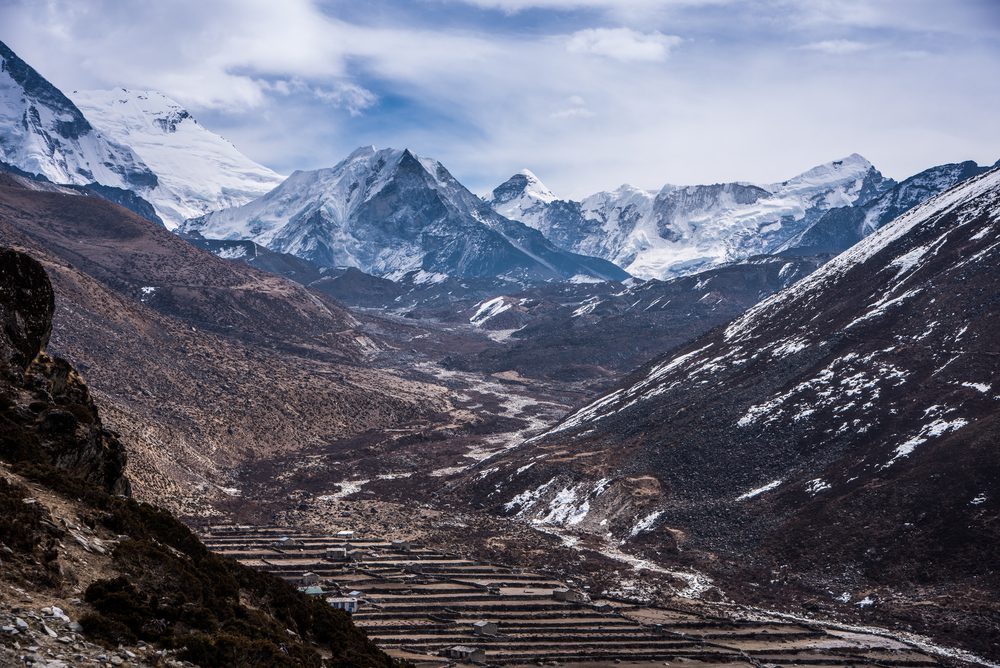
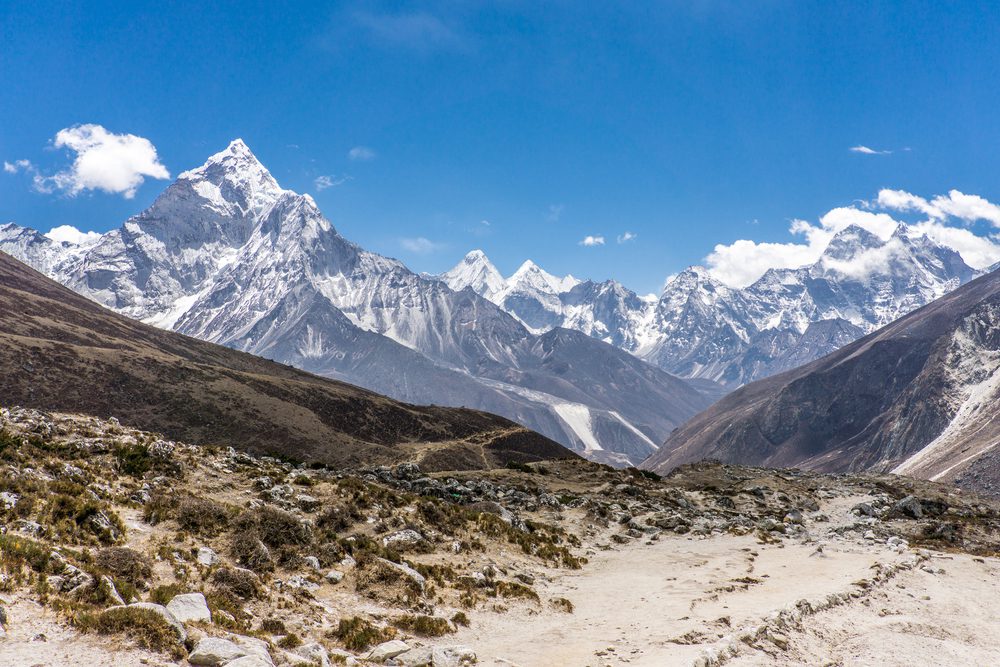

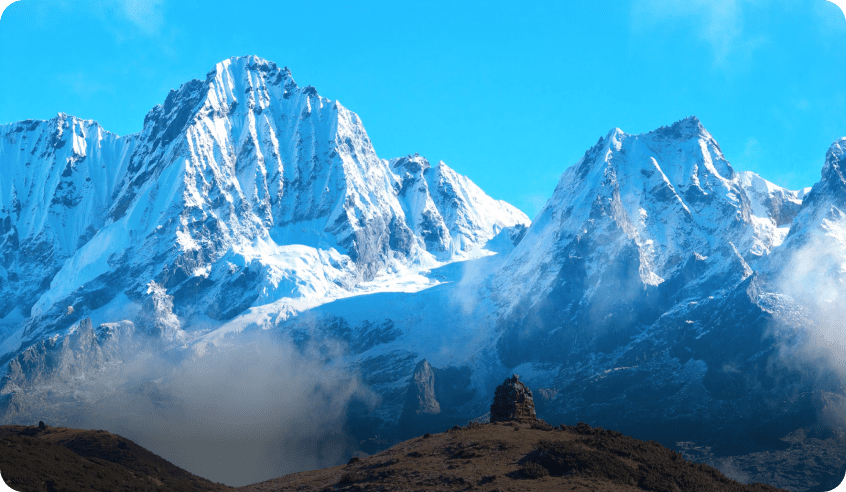
EBC with Island Peak Trek 17 days


Quick Trip Facts


EBC trek with Island Peak Trek is one of the most thrilling adventures in the Himalayas. It transports you to the base of Mount Everest, the tallest mountain in the world, deep in the heart of the Himalayas. A journey through the Himalayas and its lively Sherpa culture, the Everest Base Camp trek is more than a hike. You’ll stay with hospitable local Sherpa people, pass suspension bridges, and trek through stunning scenery.
Your adventure to the Everest Base Camp Trek with Island Peak Climbing would normally begin with a flight from Kathmandu to Lukla, which is a city nestled in the Khumbu region. It’s there that you start to hike through beautiful Sherpa villages, such as Namche Bazaar, Tengboche and Dingboche. As you climb, you’ll be rewarded with stunning views of snow-capped peaks, cross suspension bridges and walk through rhododendron forests and glacial valleys. Higher up, you are greeted by glaciers and high peaks while you stand at the foot of the highest of them all, Mount Everest – this is the Everest Base Camp (EBC). If you are one of the many to climb Kala Patthar yourself, though, you are in good company.
It’s in that section that you begin to trek through beautiful Sherpa villages, including Namche Bazaar, Tengboche and Dingboche. As you ascend, you are treated to the jaw-dropping sight of snow-clad peaks, dangling from suspension bridges , and walk through rhododendron forests and glacial valleys. Further up, you meet with glaciers and towering high peaks while you stand beneath the highest peak of them all – Mount Everest, and this is the Everest Base Camp (EBC). If you are among the countless who hail Kala Patthar itself, however, you are in good company. It’s seriously one of those moments you won’t forget.
If you’ve already done the EBC trek or want to do something a little more epic, but not crazy technical, this is the perfect next step. It’s a mix of trekking and real mountaineering, but in a way that feels achievable, not extreme.
Trek Highlights
- Admire expansive views of the Himalayan Peaks, which include Makalu, Lhotse, Nuptse, and the highest mountain in the world, Mount Everest.
- Explore historic monasteries and Sherpa communities like Tengboche and Namche Bazaar.
- Take on a serious mountaineering challenge by climbing to Island Peak, situated at 6,189m.
- Hike across high-altitude glaciers, across alpine meadows, and through rhododendron forests.
- To acclimate to the altitude, plan rest days in locations like as Dingboche and Lobuche.
- Experience the culture, tradition of the local Sherpa people and discover their customs and lifestyle.
- From the summit of Kala Patthar (5,644m), take in a stunning sunrise above Everest.
Itinerary
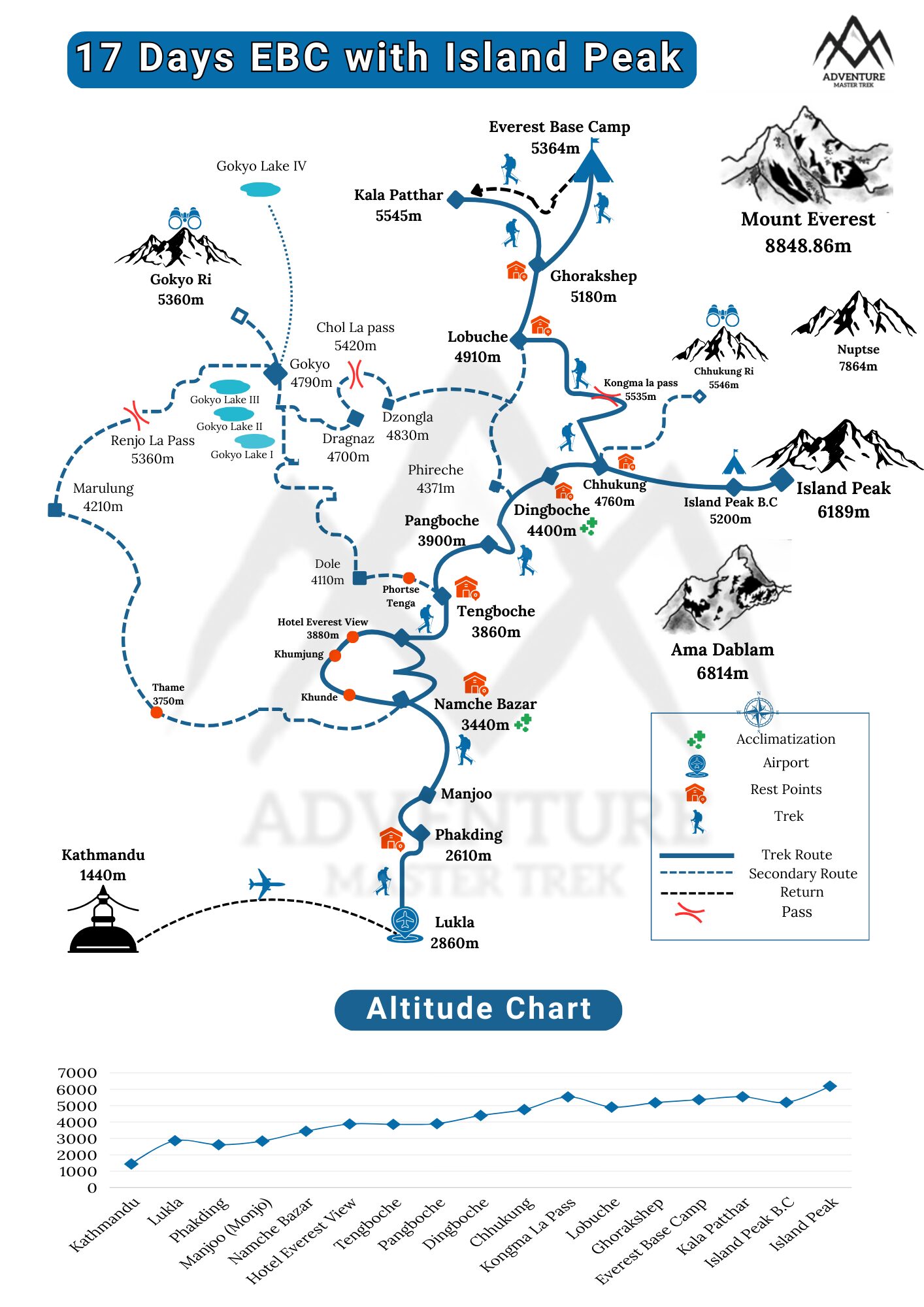
Kathmandu to Lukla (2,860m) & Trek to Phakding (2,610m)
Flight: 35-minute scenic flight to Lukla.
Trek: 3-4 hours to Phakding along the Dudh Koshi River.
Your trip starts with a picturesque 35-minute flight from Kathmandu to Lukla, which is renowned for its complex Tenzing-Hillary Airport. Lukla is a tiny mountain town situated at 2,860 meters. The flight is short but scenic, offering views of the beautiful Himalayas.
Upon arrival in Lukla, you’ll embark on a 3-4 hour trek to Phakding, situated at 2,610 meters. You will next start your hike to Phakding, which is 2,610 meters above sea level. Along the way, you’ll pass through small villages, cross suspension bridges, and enjoy views of the surrounding mountains. The hike follows the Dudh Koshi River, which offers a gradual descent through lush forests and past traditional Sherpa villages. You can adjust to the altitude and get ready for the more difficult days that lie ahead on this day. The path offers the ideal start to the trekking experience.
Stay overnight in Phakding.
Trek from Phakding to Namche Bazaar (3,440m)
You will travel for 5 to 6 hours from Phakding to Namche Bazaar, which is 3,440 meters above sea level. The trek offers beautiful vistas and a gentle climb through pine forests and small Sherpa communities as it follows the Dudh Koshi River. You’ll travel several suspension bridges throughout the route, including the well-known Hillary Suspension Bridge, which is 410 feet high and 459 feet long.
As you approach Namche Bazaar, you’ll pass through the Sagarmatha National Park entrance at Monjo, where you’ll need to show your trekking permits. You will see Mount Everest for the first time from Top Danda as you climb towards Namche Bazaar, which is a moment that many hikers find motivating. You will have time to recover and adjust when you arrive at Namche Bazaar, which is 3,440 meters above sea level, before continuing on your adventure.
Stay overnight in Namche Bazaar.
Acclimatization Day at Namche Bazaar
Today focuses on aiding your body in acclimatizing to the increased altitude. After breakfast, you short hike to Everest View Hotel (3,880m) for stunning mountain views. You will start on a scenic and gentle hike to the Everest View Hotel (3,880m), where you can take in stunning vistas of Everest and the neighboring peaks. It’s an excellent place to unwind, snap some pictures, and enjoy the mountain atmosphere.
Upon your return to Namche Bazaar, you can take time to discover the town and stroll through local shops, check out the Sherpa Museum to gain insight into the area’s culture and mountaineering heritage. You can also simply enjoy a warm drink at a café while watching daily life in the Himalayas. After that, prepare for the upcoming journey to Tengboche.
Trek from Namche to Tengboche (3,860m)
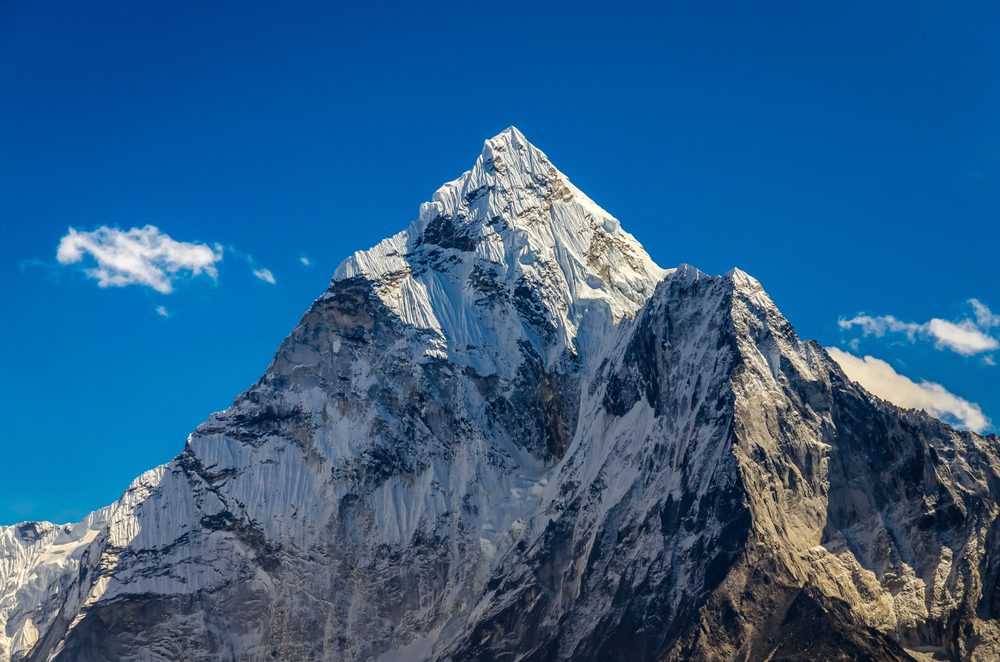
Today’s journey takes you from Namche Bazaar to the scenic village of Tengboche, and the trek usually takes around 5 to 6 hours. The trek begins with a fairly easy stroll, providing stunning vistas of Everest, Lhotse, and the remarkable peak of Ama Dablam. You will pass little villages and prayer wheels as you travel through pine forests and cross suspension bridges over swift-moving rivers.
After some hours of trekking, you will finally reach Tengboche. When you get there, you’ll go to the well-known Tengboche Monastery, which is the most renowned and holiest monastery in the Khumbu region. It is a peaceful location surrounded by tall peaks where you may observe monks chanting and enjoy the calm surroundings. After that, you can relax and rest at the available teahouse in Tengboche.
Stay overnight in Tengboche.
Trek from Tengboche to Dingboche (4,410m)
Today, you will trek to Dingboche from Tengboche after having a hearty breakfast. It will take you 5 to 6 hours to reach Dingboche. As you walk, you’ll pass through peaceful rhododendron forests and Sherpa villages, offering a serene trekking experience. The route offers breathtaking views of the eastern skyline’s main peaks, such as Ama Dablam, Lhotse, and Nuptse. After enjoying such scenery, you will finally reach Dingboche.
When you arrive at Dingboche, you’ll discover a friendly Sherpa community nestled away in the Imja Valley. This town is well known for its unique stone walls that were built to shield crops from the chilly Imja Valley winds. So, you can acclimate and get ready for the greater elevations that lie ahead.
Stay overnight in Dingboche.
Acclimatization Day at Dingboche
You will spend the seventh day of your journey in Dingboche to help with your body’s altitude adjustment. In order to avoid altitude sickness as you are ready to ascend, this is crucial. If you feel well, you can hike to 5,083-meter Nangkartshang Peak, which is an optional activity.
you can do optional hike to Nangkartshang Peak (5,083m) for panoramic views. From the top, you’ll be rewarded with stunning views of the surrounding mountains and valleys. The weather in Dingboche today is hazy with sunshine. Although these conditions are perfect for a quick hike, it’s still advisable to wear layers for comfort. Keep in mind to relax, drink plenty of water, and take in the beautiful surroundings of Dingboche.
Trek from Dingboche to Lobuche (4,910m)
You will hike for five to six hours from Dingboche to Lobuche on this day. You will pass through alpine meadows, then a steeper climb will bring you to Thukla Pass. The trail goes by Thukla Pass, which is a monument dedicated to mountain climbers who have died there. The Everest region’s high-altitude atmosphere is closer to you on this day.
At Thukla Pass, remember to pace yourself, drink plenty of water, and pause for some medication. As you go ahead, the trail becomes gentle after the pass. Although the trip ahead may be difficult, the sites and experiences will be unforgettable. Relax and rest in Lobuche for tonight.
Stay overnight in Lobuche.
Trek from Lobuche to Everest Base Camp (5,364m) & back to Gorak Shep (5,164m)
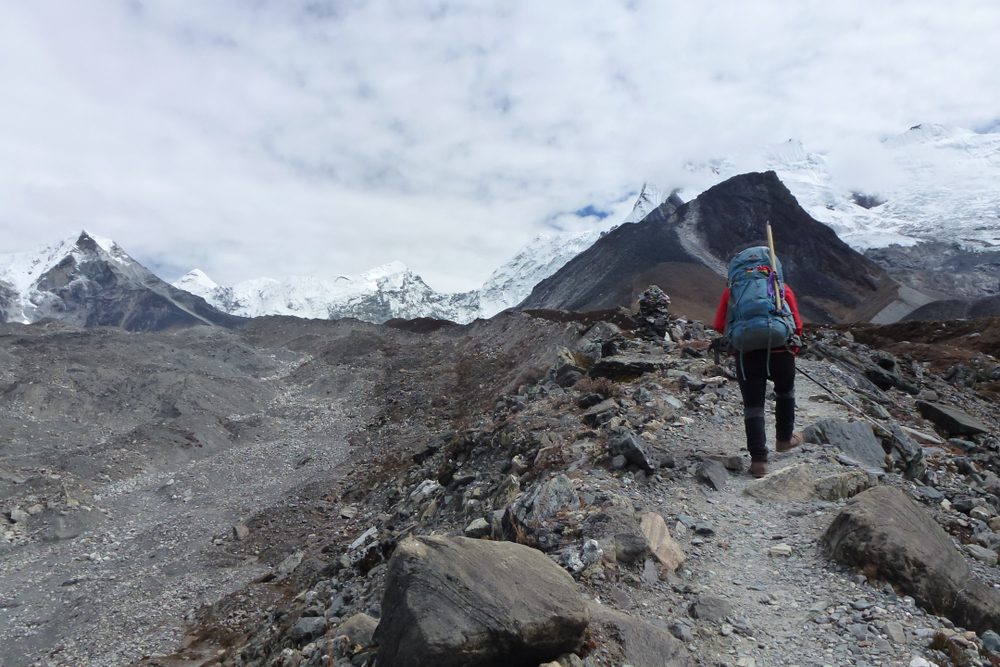
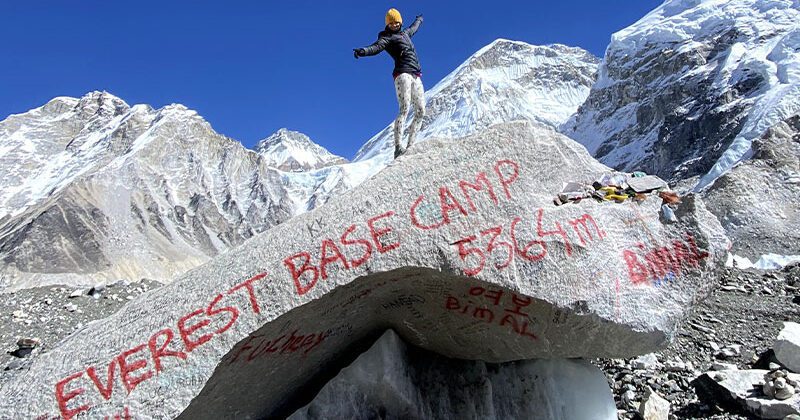
Today is one of the most desired and rewarding days of the Everest Base Camp trip. You will climb for two to three hours along a rough and glacial trail toward Gorak Shep (5,164m), which is the final village before Base Camp as you begin early from Lobuche (4,910m). You will continue your trek toward Everest Base Camp (5,364m) after a brief rest and a modest meal in Gorak Shep. It can be an exhausting climb because of the rocky terrain and glaciers.
After some hours of trekking, you will finally reach Everest Base Camp (EBC). After arriving at EBC, celebrate your accomplishment, enjoy the vibes, and explore the area, which includes a safe view of the Khumbu Icefall. After taking some pictures and admiring the unique scenery, you will return your back to Gorak Shep by late afternoon. Refresh and relax after completing your trek to EBC at the available teahouse in Gorak Shep.
Stay overnight in Gorak Shep.
Hike to Kala Patthar ( 5,545m) & Trek to Chhukung (4,730m)
You will begin your trip early on Day 10 by climbing to Kala Patthar (5,545m), which is known for providing the greatest views of Mount Everest at sunrise. One of the most famous sunrises in the Everest region covers the beautiful views of Khumbu Icefall, the neighboring peaks, and the expansive Himalayan landscape.
You will return to Gorak Shep after taking in the magnificent view of Everest, Nuptse, and Lhotse more mesmerizing by the golden dawn light. Then you will go to Chhukung (4,730m). It is a peaceful settlement nestled away in the Imja Khola Valley from Dobuche. The opportunity to acclimate while taking in the tranquil alpine surroundings is offered by this section of the climb.
Stay overnight in Chhukung.
Trek from Chhukung to Island Peak Base Camp (5,200m)
Today, you will hike for 3 to 4 hours from Chhukung to Island Peak Base Camp. The trail provides a gradual ascent that allows for acclimatization and taking in the breathtaking views of the surrounding peaks. Although the walk isn’t very long when speaking of miles, the rough terrain and elevation increase make it physically demanding.
You will have a gear check when you get to base camp to make sure everything is in working order. You will be given basic mountaineering training by climbing guides. You will follow the Imja Valley, skirting the Imja Tsho (glacial lake) with stunning views of Island Peak (Imja Tse), Lhotse, and the surrounding Himalayan giants. Then, finally, you will reach the Island Peak Base Camp. Today, you will rest your body in the tented camps set by your agency to continue your journey tomorrow.
Stay overnight in the Island Base Camp.
Island Peak Summit (6,189m) & Return to Chhukung
This is going to be the hardest and challenging day of your EBC trip. Your Island Peak summit will begin in the early hours of the morning. It might take 10-12 hours. It will be risky but not tough. After climbing the stone steps, we will reach the ridgeline, which leads to a thrilling pass on the summit glacier’s nose. The glacier has multiple cracks, so you might have to use the rope up here. Rest assured, though, that you will have guides to assist you in repairing the ropes. When you get to the top, you will soak in the scenery of the beautiful sunrise.
There you can snap some photos and enjoy the scenery to the fullest. After such an amazing climb, you can head back down to Chukkung. Although it can be risky and though, the achievement is worth it for the stunning scenery you see in a lifetime. You can rest your body after returning to Chhukung.
Stay overnight in Chhukung.
Contingency Day
This day is reserved for any unforeseen circumstances, such as bad weather or delays. If the summit attempt was successful on Day 12, you can use this day to rest and recover. Alternatively, if conditions were not favorable, this day allows for another summit attempt. Depending on the situation, you may stay at High Camp or descend to a lower altitude.
Trek from Chhukung to Pangboche (3,985m)
You’ll trek back down to Pangboche from Chhukung. The journey takes you through beautiful alpine meadows and offers stunning views of the surrounding peaks as you go. The trail passes through several Sherpa villages and experience their lifestyle. As you go ahead, you will cross the Imja Tse river and the surrounding peak.
After some hours of trekking, you will reach a village known for its rich Sherpa culture. There, you can visit Pangboche Monastery, the oldest in the region, which holds significant cultural and religious importance. Relax and take rest in the teahouse of Pangboche.
Stay overnight in Pangboche.
Trek from Pangboche to Namche Bazaar
You will travel from Pangboche to Namche Bazaar, which is a bustling town tucked away in Nepal’s Khumbu region. This 6- to 7-hour hike provides an exciting mix of cultural experience and scenic beauty. After descending from Pangboche, the trail passes through thick pine and rhododendron forests, whose colorful leaves improve the appeal of the surroundings.
Along the way, you will pass several suspension bridges of the Dudh Koshi River, which provides stunning views of the surrounding mountains. You will go through traditional Sherpa villages along the route, where you may get to see their lifestyle and experience their culture. Then, finally, you will reach Namche Bazaar, which is a pleasant place to stop and refuel. Namche Bazaar is a bustling town with stores, cafes, and internet access. You can take rest in the teahouse and end your day.
Stay overnight in Namche Bazaar.
Trek from Namche to Lukla
Today, you will hike back to Lukla from Namche Bazaar, which takes about 6-7 hours. As you go ahead, you will pass through villages and woodlands, enjoying the scenery on the way. With views of the surrounding peaks and the Dudh Koshi River below, the trail winds through green rhododendron and pine forests as you descend.
Along the way, you’ll pass through several Sherpa villages, each with its unique charm and character. Then, after hours of trekking, you will reach Lukla. You’ll have time to unwind and consider your trip.
Stay overnight in Lukla.
Final Departure
Today will be your last day of the EBC trek journey. You will return to Kathmandu through a short flight in the morning from Lukla. The flight provides a last glimpse of the Himalayas from above.
After reaching Kathmandu, you will enjoy the remainder of the day to relax and celebrate your wonderful journey. In the evening, a celebration dinner will be held to honor your achievements and the experiences shared during the trek. This journey will be your lifetime memorable trek you’ve ever done. Rest and relax for today.
If you are in a hurry to return to your home, you can take a flight early in the morning. Even if your journey ends here, the memories will always be with you and will be a reason for your pride.
Inclusions
- Private car service to and from the airport.
- Two nights at a standard hotel in Kathmandu with breakfast
- Three meals a day, which include breakfast, lunch, and dinner.
- You will be provided with trekking Lodges (Tea Houses).
- All papers that need to be done, Fees for entering Sagarmatha National Park, and Khumbu Pasang Lhamu Rural Municipality.
- Kathmandu to Lukla and back to Kathmandu, or (Ramechap to Lukla, back to Kathmandu flight) with an airport transfer and airport tax within Nepal.
- A highly experienced, helpful, knowledgeable, friendly, English-speaking guide with all of his salary, food, drinks, lodging, transportation, and insurance covered.
- Setting up a service for an emergency helicopter (paid by your Travel Insurance company).
- You can rent a sleeping bag, a down jacket (if you don't have your own) & Duffel bag provided
- Taxes and official costs are paid to the government.
- Certificate of completion of the trip.
- Oximeter to check your pulse, oxygen saturation, and heart rate twice a day (very helpful to check for signs of Altitude Mountain Sickness, or AMS). This will make sure that your trek is in the safest hands possible, no matter how experienced you are.
- Island Peak climbing permit
- Sherpa guide for climbing with insurance
- Whole Climbing Gear (a part of the sleeping bag and down jacket)
- Food in the climbing
- Food that you will eat in Kathmandu for lunch and dinner
- The cost of a visa to enter Nepal is $30 for a 15-day stay.
- Your insurance for travel and medical care.
- International airfare, your personal expenses
- All of the alcoholic and non-alcoholic cold and hot drinks you buy on trek (along with all of the sweet desserts, like chocolate, cake, pie, and pudding).
- The tea houses have hot showers and places to charge your phone, which will cost you about 2$ to 5$.
- Tip to the guide (Tipping is expected)
- A max 15kg bag is allowed on the flight to Lukla
- One porter for two people will cost $ 240.
Maps
Good to Know
Accommodation and Acclimatization on EBC trek with Island Peak
Travelers on the EBC trip usually stay in teahouses, which are simple lodgings owned and operated by local people. There are twin-sharing rooms with mattresses, blankets, and communal bathrooms available at these teahouses. Higher elevations offer fewer basic amenities, but lower elevations, such as Lukla and Namche Bazaar, offer more amenities.
The trekking agency provides mountain tents for climbers to sleep in during their expedition-style camping stay at Island Peak Base Camp. The trekking crew prepares meals, focusing on foods high in calories and energy needed for the hard ascent.
To reduce the dangers of high-altitude conditions, acclimatization is an essential part of the journey. In order to give the body time to adapt to the lowering oxygen levels, the itinerary typically involves rest days at important spots like Namche Bazaar and Dingboche. This adjustment is crucial to prevent altitude sickness and ensure a safe trekking experience. You can stroll around the villages and also experience the culture, tradition, and lifestyle of the people residing there if you want. It might be a great chance to feel and see the love, unity of the Nepalese people. So, acclimatization is much more vital for you to ensure a smooth and memorable journey to the EBC trek.
Your trekking trip will be improved by being aware of the accommodation possibilities and the importance of acclimatization, which will guarantee your comfort and safety while you travel the breathtaking Everest region.
Food and Drinking Water on EBC trek
Food and drinking water are crucial factors for trekkers during the Everest Base Camp (EBC) trek and the Island Peak ascent. Traditional Nepali food like momos (dumplings), Tibetan bread, and dal bhat (lentil soup with rice) are served at teahouses along the way. The menu may get smaller as you go up, although basic foods like eggs, rice, and noodles are frequently offered. Foods that are heavy or spicy should be avoided at higher elevations to avoid digestive problems.
There are water sources throughout the trail, however, in order to prevent waterborne infections, it is essential to filter any water before drinking it. A lot of teahouses charge for boiled water. Trekkers can also use water purifying filters or pills. Reusable water bottles are advised for staying hydrated, and frequent drinking is crucial to avoid dehydration, which can worsen altitude sickness.
Overall, even if the EBC journey with Island Peak climbing has access to food and drinking water, safety and health must be guaranteed by planning and appropriate measures.
Electricity and Internet on the EBC trek with Island Peak
There is limited electricity available for the Everest Base Camp (EBC) trip and the Island Peak climbing. In communities with lower elevations, like as Lukla and Namche Bazaar, teahouses frequently offer electricity for charging gadgets and lighting, usually at a cost.
Trekkers find that electricity becomes less dependable as they ascend, particularly after Dingboche and Chhukung. Power may be irregularly accessible in these higher regions, which is frequently produced by solar panels or small hydroelectric systems. In order to preserve battery life and guarantee communication in an emergency, it is advisable to control device usage.
Internet access varies by location and is restricted during the Everest Base Camp (EBC) trip and the Island Peak climbing. Internet services become increasingly limited and unreliable as hikers ascend, particularly beyond Dingboche and Chhukung. While some lodges may have Wi-Fi, it might be costly and slow. It’s critical to prepare ahead of time and have the required charging supplies for the emergency.
Altitude Sickness on EBC trek with Island Peak
Altitude sickness is considerably more likely to occur when Island Peak climbing is combined with the Everest Base Camp (EBC) journey. Island Peak rises to 6,189 meters (20,305 feet), whereas the EBC trip reaches elevations of over 5,000 meters (16,404 feet).
Headaches, nausea, lightheadedness, and exhaustion are some of the symptoms that might result in altitude sickness at these heights. To reduce these hazards, acclimatization must be done properly. You should take crucial actions, including drinking enough water, and giving your body time to acclimate by taking rest days.
Furthermore, major difficulties can be avoided by being aware of the signs of altitude sickness and descending quickly if they appear. Despite being a non-technical climb, Island Peak is a difficult undertaking due to its high elevation and physical demands.
Difficulty on the EBC trek
Trekkers with an average level of fitness can complete the physically demanding but rewarding Everest Base Camp (EBC) trek. It is difficult because of the high elevation, rugged terrain, and unpredictable weather. When trekkers reach elevations above 5,000 meters (16,404 feet), they frequently feel exhausted and have trouble breathing. The trip involves mountain climbing and high-altitude trekking, both of which include risks.
It is necessary to be physically healthy and properly acclimated to the trail’s rocky routes, suspension bridges, and temperature swings. Although technical climbing skills are not required, planning is crucial for a fun and safe experience.
Safety and Security for EBC trek with Island Peak
When doing the Everest Base Camp (EBC) expedition with Island Peak climbing, safety and security are of the highest priority. You will be climbing Island Peak Summit, at 6,189 meters (20,305 ft), which is the trek’s highest point. That increases the risk of altitude sickness, severe weather, and difficult terrain.
You should prioritize acclimation, keeping a steady pace, and drinking plenty of water are important for reducing such risk during the EBC trek. You can greatly increase your safety by using a qualified guide and following specified safety procedures. Always have the necessary equipment on hand, such as a first-aid kit, layers of appropriate clothes, and a dependable communication device, and be ready for quickly changing weather conditions. You can enjoy your trek to EBC smoothly if you follow the proper precautions and make good preparations.
Group Size for EBC trek with Island Peak
A group of two to twelve trekkers is usually advised for the Everest Base Camp (EBC) trek with the Island Peak climb. Although they may cost more per person, smaller groups (2–4) provide greater flexibility and more individualized experiences. Although larger groups (9–12) can save individual costs, they may also have less flexibility and difficulties with organization.
Choosing the right group size requires thoughtful consideration of several factors, including cost, safety, and social interaction. You can customize the group size to your tastes and guarantee a fun and safe experience by speaking with a reputable trekking organization.
Permits for EBC trek with Island Peak
Certain permits must be obtained before beginning the Everest Base Camp (EBC) journey with Island Peak climbing to assist conservation efforts and guarantee obedience to Nepali laws. Here are some permits required for your EBC with Island Peak journey:
Sagarmatha National Park Entry Permit: This permit grants access to Sagarmatha National Park for both EBC and Island Peak. You can obtain it from the Nepal Tourism Board in Kathmandu or entry points like Monjo.
Khumbu Pasang Lhamu Rural Municipality Permit: It is required for all trekkers in the Everest region, replacing the TIMS card. You can easily obtain it from Lukla or Monjo.
Island Peak Climbing Permit: It is Mandatory for climbing Island Peak (Imja Tse). It can be obtained from the Nepal Mountaineering Association in Kathmandu or through a registered trekking agency.
Gaurishankar Conservation Area Permit (Optional): This permit is only needed if you are trekking from Jiri to EBC. You can obtain it from Kathmandu or the entry points of the conservation area.
Throughout the hike and ascent in EBC with the Island Peak climb, these permits are necessary and should be carried at all times. To guarantee that all required permissions are obtained and to ensure an easy and legal trip, it is recommended that you consult with a respectable trekking organization.
Required Documents for EBC trek
- Passwords with validation for at least 6 months
- Valid Nepal tourist visa (can be obtained from Tribhuvan International Airport)
- 2 passport-sized photos for each permit.
- Copy of the permits
- Copy of Travel Insurance (covering high-altitude trekking and evacuation)
Travel Insurance for EBC trek with Island Peak
For the Everest Base Camp (EBC) trip with Island Peak, travel insurance is necessary since it offers vital protection against emergencies and unexpected events. It guarantees a safer and more pleasurable journey in the Himalayas and the comfort of mind against possible dangers. Your insurance should cover:
Emergency Medical Coverage: Verify that the medical costs associated with altitude sickness, which can happen above 2,500 meters, are covered by your policy.
Evacuation: You may need an emergency helicopter evacuation from a distant location to a hospital in Kathmandu in the event of a serious injury or medical emergency. Because the area is so isolated, this coverage is essential.
Trip Cancellation and Interruption: If you have to postpone your excursion because of an emergency or serious illness, get short-term protection insurance.
Loss of gear: Coverage for personal belongings, including equipment, cell phones, and other items, in the event of their loss or delay.
High-Altitude Trekking: Because you will be trekking at elevations above 5,000 meters, make sure your insurance covers high-altitude trekking. It must involve helicopter evacuation or high-altitude rescue services.
Money Exchange
Planning your cash is crucial when getting ready for the Everest Base Camp (EBC) journey with Island Peak because there aren’t many banks along the way. The majority of teahouses and lodges only take Nepalese Rupees (NPR), and very few use credit cards. Some places might take US dollars, but to avoid problems, it’s best to have enough local money on hand.
Although there are ATMs in Kathmandu, Lukla, and Namche Bazaar, availability decreases with elevation; power failures and communication problems are common. As a result, before beginning your hike, it is advised that you convert your money to Nepali rupees in Kathmandu.
Packing list for EBC trek with Island Peak
Packing for both the trekking and climbing parts is essential to a successful and secure EBC trek with Island Peak. From the mild temperatures of the lower Khumbu Valley to the icy conditions close to Island Peak’s summit, the walk covers a range of elevations and weather situations. Here is a packing list essential for the EBC trek with Island Peak:
General Essentials
- Passport & Permits: Passport with extra copies and passport-sized photos for permits. TIMS (Trekker’s Information Management System) card, Sagarmatha National Park entry permit, and Khumbu Rural Municipality Permit.
- Duffel Bag: Approximately 70–80L for porters.
- Daypack: 25–30L for daily essentials.
- Sleeping Bag: Rated for at least -15°C (5°F).
- Cash: Nepali rupees for tips, snacks, and small purchases along the trail.
- Travel Insurance: Covers trekking up to 6,000m and emergency evacuation.
Upper Body Clothing
- Base Layers: Moisture-wicking thermal tops and bottoms (merino wool or synthetic).
- Mid Layers: Fleece or down jacket for insulation.
- Outer Layers: Waterproof and windproof shell jacket.
- Sun Protection: UV-protective sunglasses and a sun hat.
- Accessories: Scarf or neck gaiter for wind and dust protection.
Torso & Lower Body Clothing
- Trekking Pants: Lightweight, breathable, and quick-drying. Convertible pants (zip-off style) offer versatility.
- Thermal bottoms: For warmth during colder evenings.
- Waterproof Pants: Essential for protection against rain and snow.
Handwear
- Lightweight Gloves: Useful for mild cold conditions.
- Insulated Gloves: Necessary for colder weather at higher altitudes.
- Mittens: Optional, but can provide extra warmth during extreme cold.
Footwear
- Hiking Boots: Waterproof with ankle support; break them in before the trek to prevent blisters.
- Camp Shoes: Lightweight sandals or sneakers for relaxation at the campsite.
- Socks: 4–5 pairs of hiking socks (preferably wool or synthetic) and 2–3 pairs of liner socks to reduce friction and prevent blisters.
- Gaiters: Protect your boots from snow and mud.
- Microspikes: Optional, but useful for icy trails.
Undergarments
- Moisture-Wicking Underwear: Essential for comfort during long treks.
- Sports Bras: For women, pack 2–3 sports bras made from breathable materials.
Medication & First Aid
- Altitude Sickness Medications: Consult with your doctor about medications like Diamox.
- Pain Relievers: Carry ibuprofen or paracetamol.
- Bandages & Antiseptic Cream: For treating minor injuries.
- Cough Syrup & Thermometer: Useful for respiratory issues and monitoring body temperature.
- Sunscreen & Lip Balm: With high SPF to protect against UV rays.
Other Essentials
- Water Bottles: Carry 3–4 liters of capacity. Water purification tablets or a filter are recommended for safe drinking water.
- Toiletries: Include a toothbrush, toothpaste, biodegradable soap, wet wipes, and a small towel.
- Flashlight/Headlamp: With extra batteries for nighttime visibility.
- Hand Sanitizer: For hygiene when water is scarce.
- Camera: To capture the stunning scenery.
- Snacks: Energy bars, nuts, and chocolates for quick energy boosts.
- Power Bank: For charging electronic devices.
- Dry Bags: To keep electronics and valuables dry.
- Notebook & Pen: For journaling your trekking experience.
- Earplugs & Eye Mask: For better sleep in shared accommodations.
Optional for Island Peak
- Crampons: For ice/snow conditions.
- Climbing Harness: Check with your guide.
- Carabiners: Locking recommended.
- Submit Gloves: Heavier insulation for summit day.
- Climbing Boots: If not using trekking boots.
- Ice Axe: For glacier travel.
Booking Policy for EBC trek with Island Peak
1. Advance Payment & Booking Confirmation
- A 30% deposit of the entire trip cost is needed in order to secure your place for the trip.
- When you arrive in Kathmandu, you can pay the remaining balance.
- Paying the entire amount in advance is an additional choice.
- To finalize the reservation, you need to send:
- The cost of the reservation for the EBC trek with Island Peak
- An electronic copy of your passport
- Additional data is required, including travel insurance details or an emergency contact.
2. Payment Methods
For your convenience, we provide a variety of payment methods to finalize your trek to EBC with Island Peak :
- Online Payment: Use our website’s payment gateway to make a secure online payment.
- Debit/Credit Cards: Visa, MasterCard, and other debit/credit cards are accepted, but there is a 4% bank service fee. Transfer money straight to our bank account by wire transfer or bank transfer (transaction fee).
- Cash or Check: You have the option of paying with cash or a check if you’re in Kathmandu.
3. Final Payment
The remaining 70% of the trip cost must be paid before departure. You can pay with cash, a card, or a bank transfer when you get there for trekking.
4. Booking Modifications & Rescheduling
- Please give us at least 30 days’ notice if you must change or delay the date of your trek.
- Depending on the circumstances, date adjustments may be done upon availability and at additional fees.
5. Travel Insurance Requirement
Travel insurance that covers evacuation, lost gear, high-altitude medical emergencies, trip cancellations, and delays is required for every trekker to have full coverage during the EBC trek.
6. Last-Minute Booking
The option for last-minute booking is available, but you can make a booking up to 48 hours before departure for the trek. It may not be available during the peak months. If you want the booking for the EBC trek, it is highly recommended to book in advance for availability.
Cancellation Policy for the EBC trek with Island Peak
1. Cancellation More Than 30 Days Before Departure
If you cancel over 30 days before the trek starts, you will receive a full refund, minus any bank or transaction fees.
2. Cancellation Between 15 and 30 Days Before Departure
Cancellations made 15 to 30 days before the trek will get a 50% refund of the total trip cost.
3. Cancellation Less Than 15 Days Before Departure
If you cancel less than 15 days before departure, no refund will be given due to non-refundable permits and arrangements.
4. No-Show or Early Departure
If you do not show up or leave the trek early for any reason (illness, personal reasons), there is no refund.
5. Cancellation by the Company
If the trek is canceled due to unforeseen events like natural disasters or government restrictions, you can:
- Receive a full refund
- Reschedule the trek for a later date at no extra cost.
FAQs
2. What is the difficulty level of the EBC trek with the Island Peak trek?
The EBC trek with the Island Peak is much difficult but achievable, which requires hard climbs and high-altitude trekking. It is recommended to have some hiking experience and to be physically fit.
3. What is the best time to do the EBC trek with the Island Peak trek?
The best seasons to do the EBC trek are spring (March to May) and autumn (September to November), as they offer stable weather and clear skies perfect for the trek.
4. What is the maximum altitude reached during the EBC trek with Island Peak?
The maximum altitude reached during the EBC trek with Island Peak is the summit of Island Peak, which is 6,189 meters (20,305 feet) above sea level
6. What permits are required during the EBC trek?
You’ll need a Sagarmatha National Park permit, a TIMS card, and an Island Peak climbing permit during the EBc trek.
7. What type of accommodation is available?
During the trek, you’ll stay in teahouses with basic facilities, which are simple but impactful. On the climb, you’ll camp in tents as there aren’t many tea houses available as you ascend.
8. What kind of food is provided?
You will be served meals, which include Nepali dishes like dal bhat, noodles, and soup, along with some Western options like Pancakes, toast with butter, jam, or peanut butter, boiled or scrambled eggs, French toast, etc.
9. Can I see Mount Everest from Island Peak?
No, Mount Everest is not visible from Island Peak. However, you’ll have views of other peaks like Ama Dablam and Lhotse, which are some of the most stunning peaks of Nepal.
10. What is the cost of the EBC trek with Island Peak?
The cost of the EBC trek with Island Peak varies depending on the duration of the trek, but a typical package ranges from $2,500 to $3,500, which excludes international flights.
11. What should I pack for the trek?
There are many essential items, including trekking boots, warm clothing, a sleeping bag, a headlamp, and climbing gear like crampons and an ice axe, which are needed for the EBC trek.
12. How can I prevent altitude sickness during the EBC trek with Island Peak?
You should follow a proper acclimatization schedule, stay hydrated, avoid alcohol, and listen to your body during the EBc trek with Island Peak. The risk of altitude sickness can be controlled or minimized if you take proper precautions before starting the trek.
13. What are the symptoms of altitude sickness?
The symptoms of altitude sickness include headache, nausea, dizziness, and shortness of breath. You should be careful about altitude sickness while trekking.
14. What is the weather like during the EBC trek?
The weather during the EBC trek can range from 10°C to 15°C during the day, and at night temperatures can drop below freezing at higher altitudes.
16. What is the accommodation like during the EBC climb?
During the EBC climb, you’ll camp in tents with basic facilities higher camps may have shared sleeping arrangements.
18. What is the elevation gain during the trek?
The trek ascends from Lukla at 2,860 meters to Island Peak Base Camp at 5,200 meters, with the summit at 6,189 meters.
19. Are there emergency evacuation services?
Yes, helicopter evacuations are available in case of emergencies, which ensures you have appropriate insurance coverage.
20. What is the success rate of the trek?
The success rate is high with proper preparation and acclimatization, but individual health should be considered properly during the EBC trek due to elevation changes and weather conditions.

Reviews
What Our Travelers Say


Based on 5 ratings
5
Reaching Everest Base Camp and summiting Island Peak was a lifetime achievement for us. Huge thanks to Shambhu and Naran for their expert guidance and constant motivation.
This trek was challenging but incredibly rewarding. Raj and Umesh took great care of acclimatization and safety throughout the journey. Highly professional team!
The views, the climb, and the Sherpa culture were unforgettable. Special thanks to Santosh and Shambhu for making our Island Peak climb smooth and enjoyable.
From EBC to the Island Peak summit, every day was an adventure. Naran and Raj were supportive, knowledgeable, and always encouraging.
A perfectly organized trek and climb. Umesh and Santosh were fantastic throughout the expedition, ensuring safety, comfort, and a great experience.
View Our Similar Packages
Discover our top tours, loved by thousands of travelers annually. Choose the adventure that inspires you and embark on a journey tailored to your desires.

 Nepal
Nepal
 14 Days
Add Review
Reviewing for EBC with Island Peak Trek 17 daysRequest a Callback - EBC with Island Peak Trek 17 days
Submit the form and we will be back to you shortly
Request a Callback - EBC with Island Peak Trek 17 days
Submit the form and we will be back to you shortly
Narayanhiti Palace Museum

Narayanhiti Palace Museum


