









Nagarkot Sunrise Tour – Half Day Escape to Himalayan Views


Trip Overview


Overview of Nagarkot Sunrise Tour from Kathmandu: Best Early Morning Himalayan Views (2026)
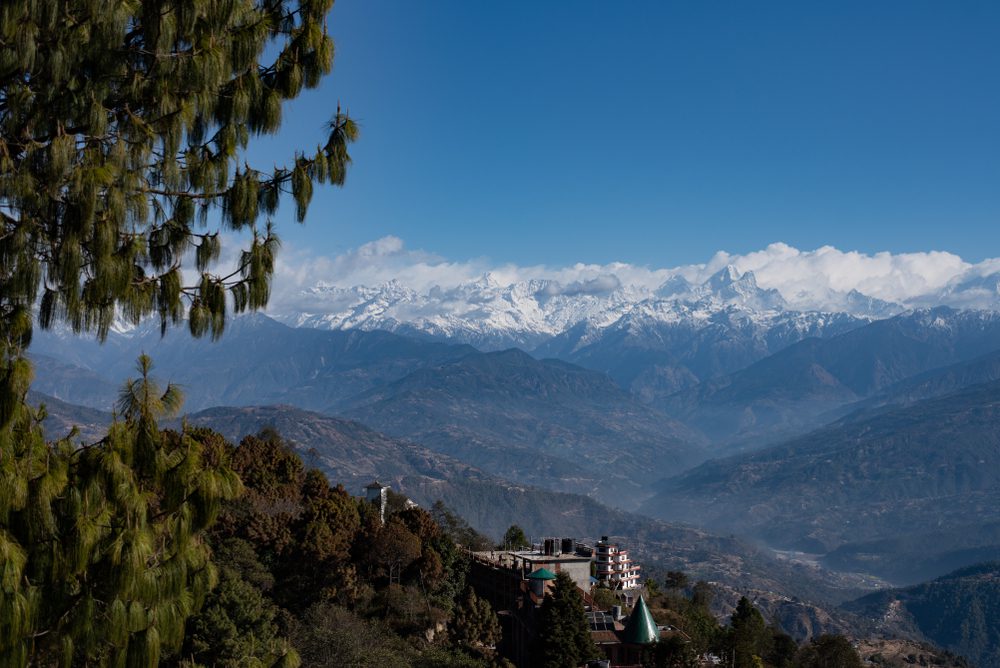
The Nagarkot sunrise tour is a half-day thing and honestly, it’s all about the views. You have to get up super early, which is a pain, but trust me, it’s worth it. The drive up from Kathmandu goes through little villages and green hills, and before you know it, you’re at Nagarkot, 2,175 meters up. You wait for the sun to hit the mountains and, wow, the way the light falls on the peaks is unreal. If the sky’s clear, you might even spot Everest sneaking out in the distance. It’s peaceful, quiet, and perfect for photos or just standing there, breathing in the mountain air.
The Nagarkot sunrise tour is a half-day thing and honestly, it’s all about the views. You have to get up super early, which is a pain, but trust me, it’s worth it. The drive up from Kathmandu goes through little villages and green hills, and before you know it, you’re at Nagarkot, 2,175 meters up. You wait for the sun to hit the mountains and, wow, the way the light falls on the peaks is unreal. If the sky’s clear, you might even spot Everest sneaking out in the distance. It’s peaceful, quiet, and perfect for photos or just standing there, breathing in the mountain air. Short trip, but it really makes you forget the city and gives you a taste of Nepal’s insane scenery.
This is the end of your Nagarkot sunrise tour with a scenic walk through local villages, beautiful terraced fields, and lush forests, providing a glimpse into rural life.
Tour Highlights
- Drive early in the morning from Kathmandu through scenic countryside roads.
- Reach Nagarkot View Tower for the stunning sunrise view.
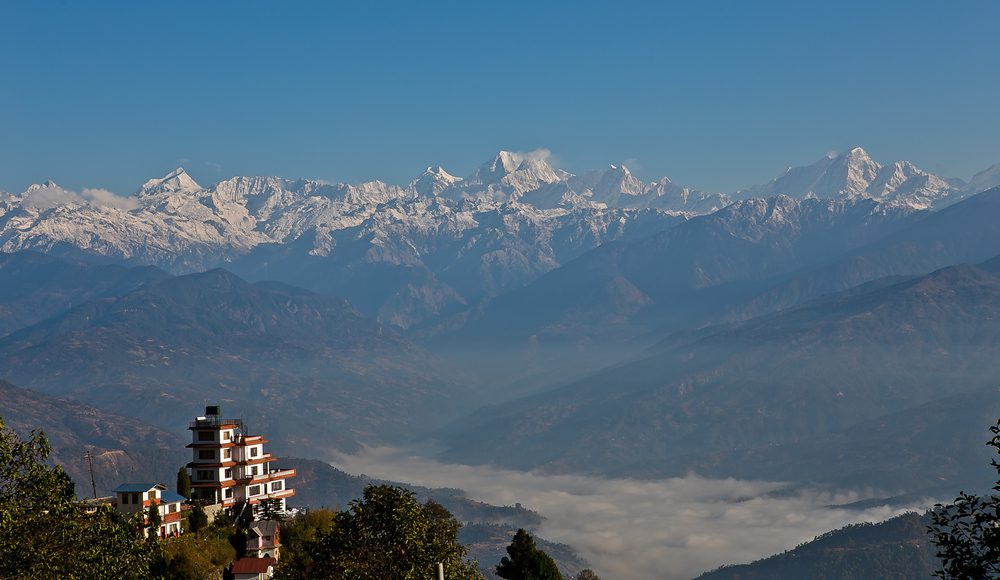
- Watch the Himalayas glow with morning colors.
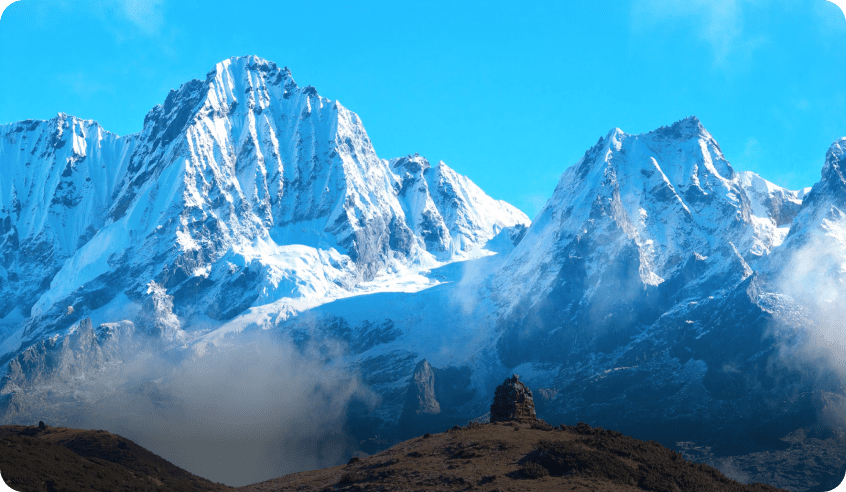
- See famous peaks like Everest, Langtang, Ganesh Himal, and Gauri Shankar.
- Walk around Nagarkot ridge and enjoy nature and village life.
- Have optional breakfast at a hilltop café with mountain views.
- Relax with private pickup, drop-off from your hotel.
- Guided by an English-speaking guide.
Itinerary
Your Journey, Step by Step
4:00–5:30 AM – Scenic Drive to Nagarkot (32 km)
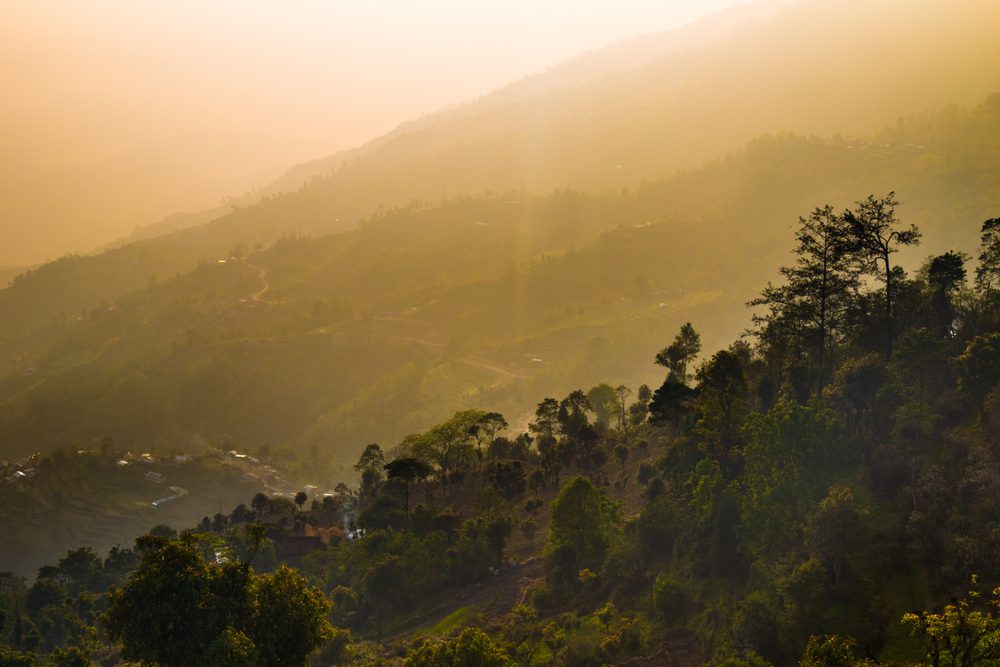
The drive from Kathmandu to Nagarkot covers approximately 32 km and takes around 1.5 hours via the winding mountain road through Bhaktapur and Sankhu. As you climb steadily in elevation, the air becomes noticeably cooler and fresher. The road narrows and winds through pine and rhododendron forest as you approach the ridgeline. Your driver will navigate carefully through the hairpin bends as the first faint glow of pre-dawn light begins to appear on the eastern horizon.
5:30–6:00 AM – Arrival at Nagarkot Viewpoint
Arrive at the Nagarkot hilltop viewpoint with time to settle in before the sunrise begins. Find a comfortable spot along the ridge — the main tower viewpoint or the open hillside terraces both offer unobstructed panoramic views. The sky at this stage is a deep blue fading to violet, and the silhouettes of the Himalayan peaks begin to emerge on the horizon. The stillness and cold air at this altitude make the anticipation genuinely electric.
6:00–6:45 AM – The Sunrise Over the Himalayas
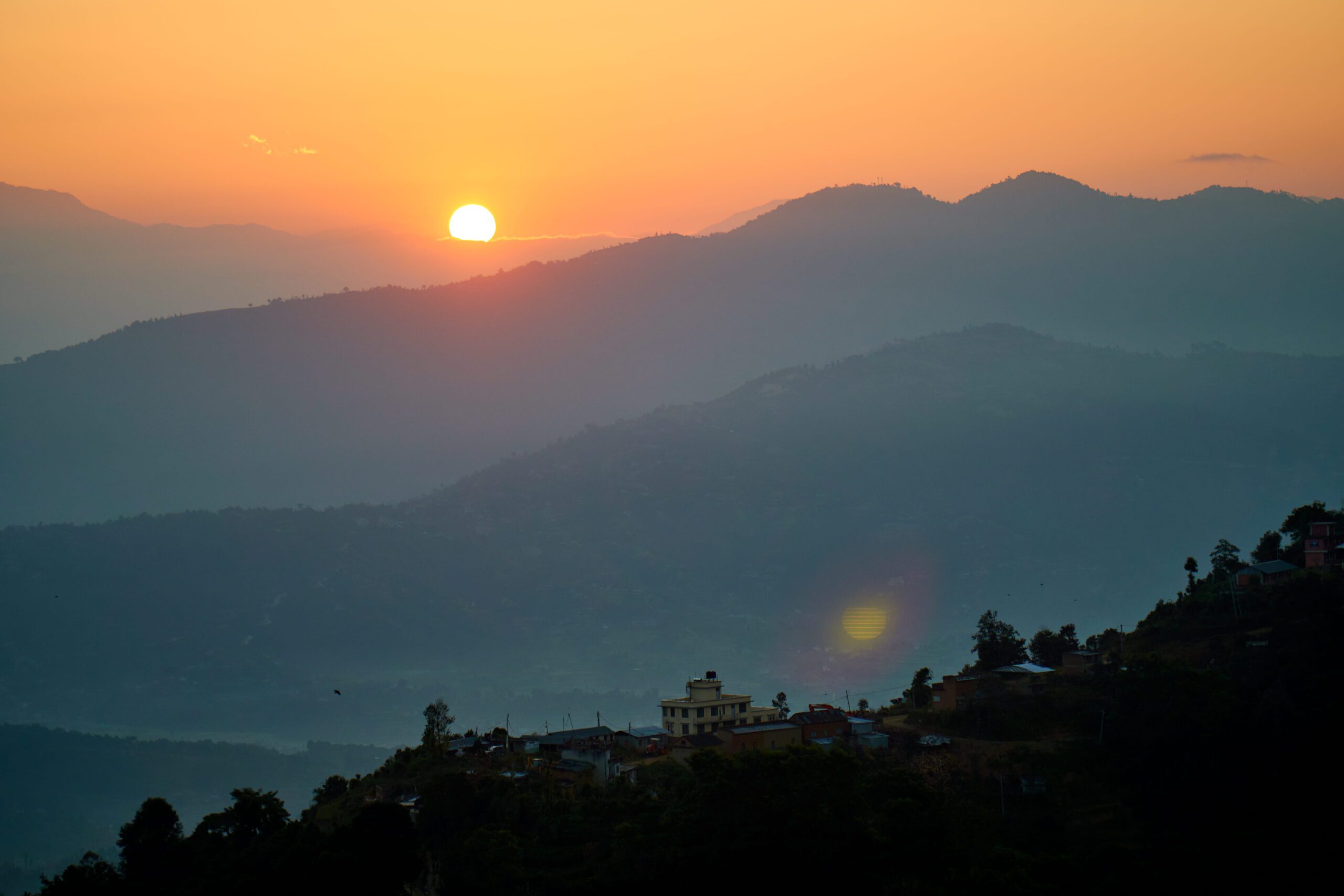
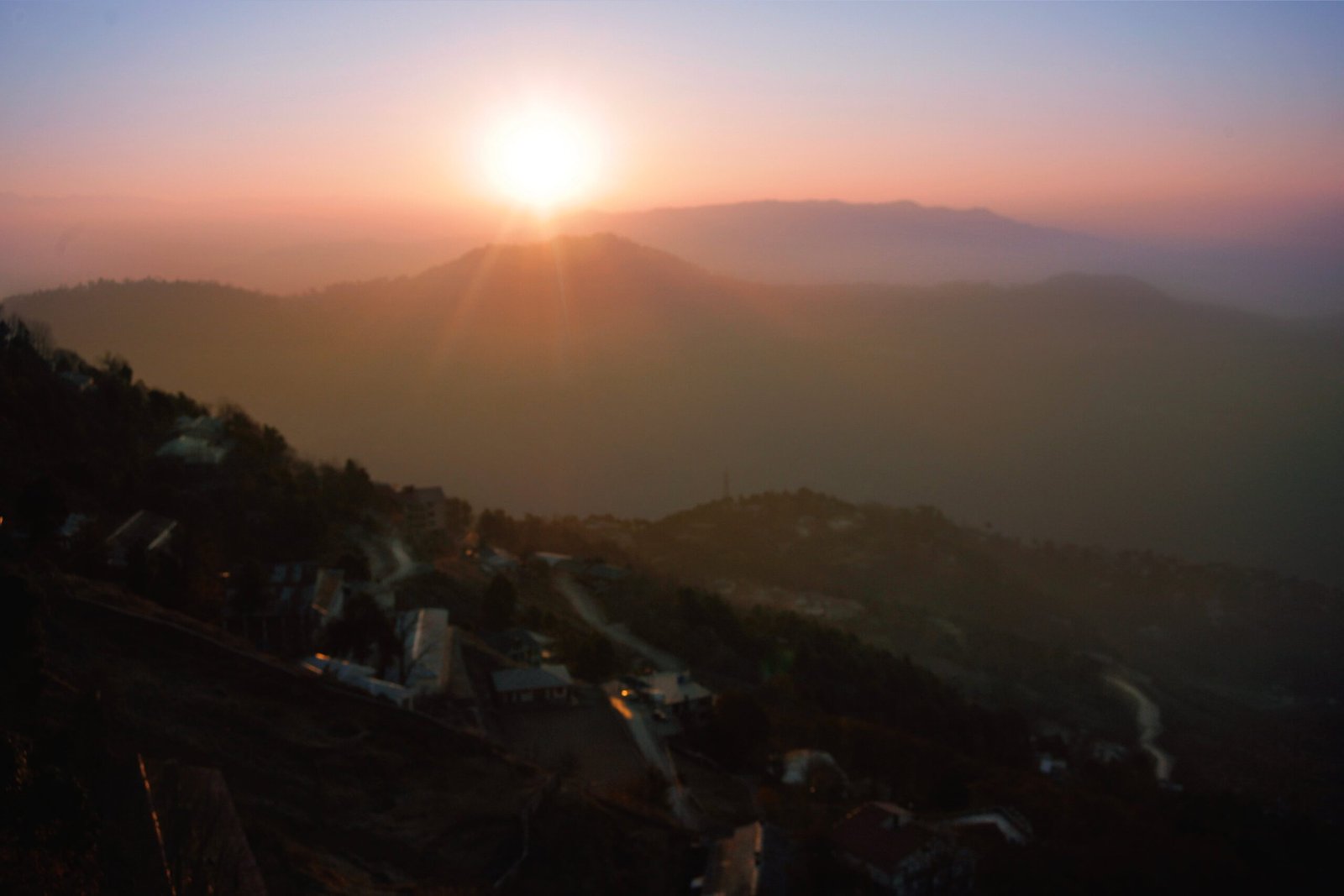
Watch in awe as the first rays of sunlight strike the high peaks — beginning with the snow-capped summits of Langtang, Ganesh Himal, and Dorje Lakpa, before sweeping across the full panorama. On exceptionally clear days, the distinctive pyramid of Mount Everest (8,849 m) is visible to the east, along with Lhotse, Makalu, Cho Oyu, Manaslu, and the entire Annapurna range to the west. The sky transitions from deep indigo through shades of amber, orange, pink, and gold — a natural light show that lasts approximately 30–45 minutes and is unlike anything else in the region.
7:00–8:00 AM – Breakfast with a View
After the sunrise, make your way to one of the charming hilltop cafés or your hotel terrace for a warm, leisurely breakfast. Most viewpoint cafés serve freshly brewed Nepali tea or coffee, eggs, toast, pancakes, and local porridge. Sit back, warm your hands around a cup of tea, and enjoy the mountains in the gentle morning light. This is also the best time for photography as the golden hour light illuminates the entire valley below.
8:00–9:00 AM – Explore Nagarkot Village & Nature Walk
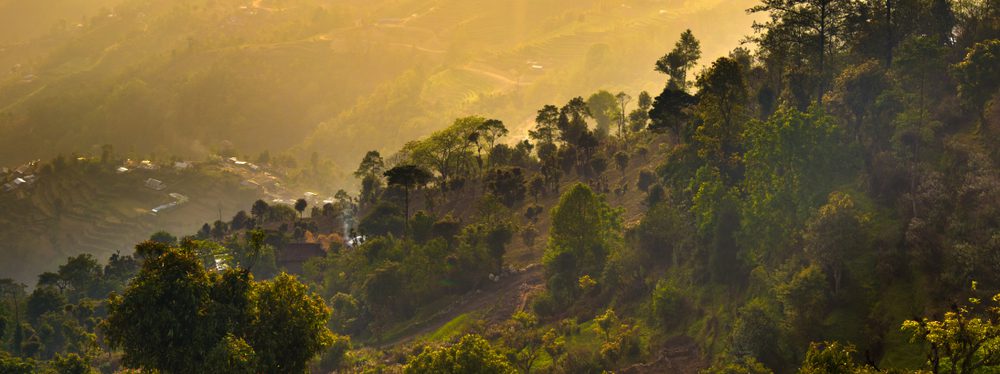
With breakfast complete, take a gentle stroll through the quiet lanes of Nagarkot village. The settlement is small, unhurried, and charming — local farmers tend terraced fields, prayer flags flutter along the ridgelines, and the views remain spectacular in every direction. For those who wish to stretch their legs further, a short nature walk along the forest trail offers close encounters with pine woodland, birdsong, and sweeping valley vistas. The Nagarkot to Changunarayan hiking trail begins here for those who wish to extend the morning into a longer trek.
9:00–9:30 AM – Optional Visit to Changunarayan Temple Area
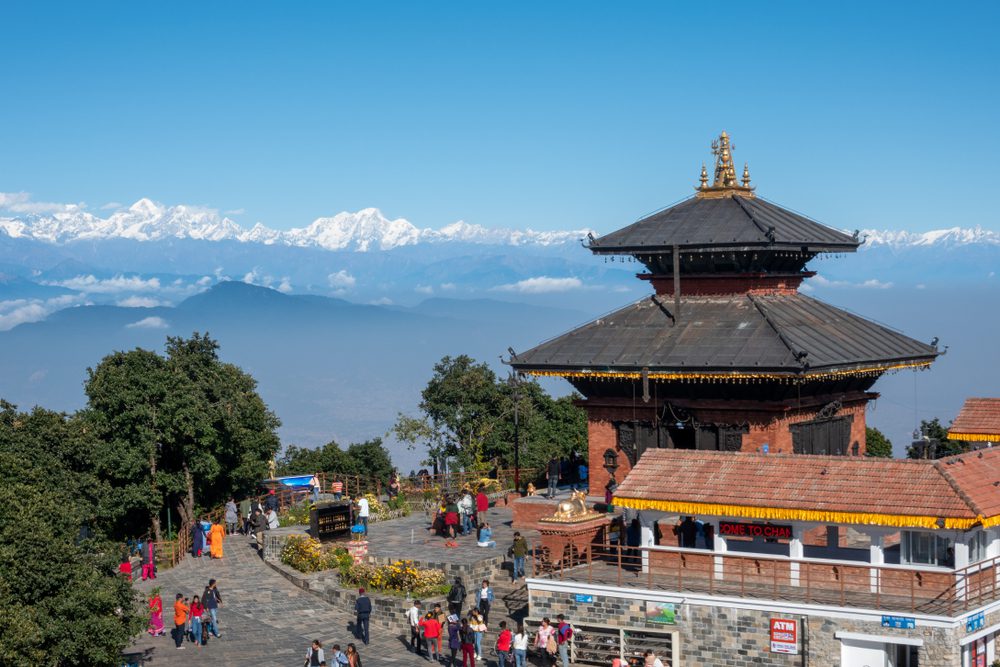
If time permits, a short drive or walk towards the upper ridge offers views toward the ancient Changunarayan Temple — a UNESCO World Heritage Site and one of the oldest Hindu temples in Nepal. While a full visit requires more time, even a brief stop at the viewpoint in this direction rewards you with extraordinary mountain and valley scenery rarely seen by casual visitors.
10:00–11:30 AM – Return Drive to Kathmandu
Begin the relaxed drive back down to Kathmandu, retracing the winding road through pine forests and terraced hillsides. Many tours stop briefly at a roadside viewpoint or a local tea stall for one final look back at the mountains before descending into the valley. Arrive back in Kathmandu by approximately 11:30 AM, leaving the rest of the day free for sightseeing, rest, or onward travel.
Customize this trip with help from our local travel specialist that matches your Interests.
Customize This TripInclusions
What’s Covered in Your Adventure
- Private air-conditioned vehicle with an experienced driver for the Nagarkot sunrise tour half day from Kathmandu.
- All applicable government taxes and service charges.
- Hotel pickup and drop-off within Kathmandu city limits.
- An English-speaking tour guide (often included, but confirm).
- Bottled drinking water (usually one bottle per person).
- Nagarkot Entrance Fee: USD 3 per person (NPR 400).
- Meals: Breakfast is optional and at your own expense.
- Personal expenses (souvenirs, snacks, tips for guide/driver).
- Travel insurance.
Good to Know
Your Journey, Step by Step
How to Prepare for Nagarkot Sunrise Tour: Complete Guide (2026)
Arriving well-prepared for the Nagarkot Sunrise Tour makes an enormous difference to your comfort and enjoyment. The combination of early departure, high altitude, cold temperatures, and mountain terrain means that a little advance planning goes a long way. Here is everything you need to know before you go.
Clothing & Layering
Nagarkot sits at 2,175 metres and the pre-dawn temperatures at the viewpoint can be significantly colder than in Kathmandu — often 8–15°C cooler depending on the season. Even in April and October, temperatures before sunrise can feel genuinely cold when combined with wind chill on the exposed ridge. Wear a base thermal layer, a mid-layer fleece or down jacket, and a windproof outer shell. Bring warm gloves, a wool or fleece hat, and a scarf or neck gaiter. Comfortable walking shoes or light trekking boots with good grip are recommended, particularly if you plan to walk along the ridge trail in the dark.
What to Pack
Keep your pack light but purposeful for this half-day excursion. Essential items include a fully charged camera or smartphone, a portable charger, a small torch or headlamp for navigating in the dark before sunrise, a reusable water bottle, light snacks such as energy bars or nuts, and any personal medication. A pair of binoculars significantly enhances the mountain-viewing experience, allowing you to distinguish individual peaks and glaciers with remarkable clarity. Bring cash in Nepali Rupees for breakfast, tea, and any small purchases at the viewpoint cafés.
Physical Preparation
The Nagarkot Sunrise Tour requires no significant physical fitness beyond the ability to walk comfortably on uneven terrain for 30–60 minutes. The main viewpoint is easily accessible by vehicle, and most of the tour involves standing or seated viewing rather than strenuous hiking. However, if you plan to extend the morning with the Nagarkot to Changunarayan hike, prepare for approximately 3–4 hours of moderate downhill walking on rocky paths. Those with knee or joint sensitivities should bring trekking poles and wear supportive footwear.
Nagarkot Sunrise Tour Booking & Timing
Book your Nagarkot Sunrise Tour at least one to two days in advance, particularly during the October–November and March–May peak seasons when demand from tour operators is high. Confirm your pickup time with your driver the night before — departure must be no later than 3:30–4:00 AM from central Kathmandu to guarantee arrival before sunrise. Check the weather forecast and mountain visibility reports the evening before your tour. Several Kathmandu-based travel apps and websites publish daily mountain visibility ratings for Nagarkot, Sarangkot, and other viewpoints, which can help you choose the clearest possible morning for your visit.
Photography Tips for Nagarkot Sunrise Tour
Nagarkot offers world-class photography conditions during a clear sunrise, but capturing it well requires a little preparation. Charge all camera batteries fully the night before — cold temperatures drain batteries rapidly at altitude. Bring a tripod or small gorilla pod for long-exposure pre-dawn shots and sharp mountain telephoto images. Set your camera to RAW format if possible to capture the full tonal range of the sunrise sky. Arrive at your chosen spot at least 20–30 minutes before the calculated sunrise time to compose your shot and allow your eyes to adjust to the low light. The golden hour immediately after sunrise — approximately 20 minutes — provides the warmest, most flattering light for mountain photography.
Cultural & Natural Significance of Nagarkot: History, Views & Heritage Guide
While Nagarkot itself isn’t a traditional “heritage site” in terms of ancient monuments, its significance lies in:
- Natural Heritage: Nagarkot offers unparalleled natural beauty, primarily its expansive views of the Himalayan range. The surrounding forests and terraced hillsides are part of the region’s rich biodiversity.
- Gateway to Tamang Culture: The areas around Nagarkot are inhabited by the Tamang people, an indigenous community with a rich cultural heritage. While the tour focuses on the sunrise, the drive passes through areas reflecting their traditional lifestyle.
- Historical Vantage Point: Historically, Nagarkot served as an ancient fort for the Kathmandu Valley, offering a strategic vantage point to monitor the movements of neighboring kingdoms.
- Spiritual Ambiance: The Himalayas hold immense spiritual significance in Hinduism and Buddhism. Witnessing sunrise over these sacred peaks is considered a deeply moving and auspicious experience for many.
Best Time to Visit
October to March generally offers the clearest mountain views. Monsoon (June-August) can bring clouds.
What to Bring
Warm clothing (layers are best, as mornings are chilly), comfortable walking shoes, a camera, sunglasses, sunscreen, and personal medication if any.
Nagarkot Entrance Fee
Be prepared to pay the Nagarkot Municipality entrance fee, which is approximately USD 3 per person (NPR 400). This is usually collected at a checkpoint en route to Nagarkot.
Nagarkot Sunrise Time
The exact Nagarkot sunrise time varies throughout the year. Your tour operator will confirm the pickup time based on the sunrise forecast for Nagarkot sunrise tomorrow (or your specific tour date). You can also check local weather apps.
Nagarkot Sunset View Point
While this tour focuses on sunrise, Nagarkot is also renowned for its spectacular sunsets. If you have more time, consider an overnight stay or a separate trip to a Nagarkot sunset view point.
What is the Altitude of Nagarkot?
Nagarkot is at 2,175 meters. While not extremely high, some individuals might feel a slight effect. Stay hydrated.
How to Book Nagarkot Sunrise Tour from Kathmandu
It’s advisable to book your Nagarkot sunrise tour half day package in advance, especially during peak tourist season.
Nagarkot Sunrise Tour Flexibility
Weather in the mountains can be unpredictable. While every effort is made, clear views are not always guaranteed.
How Long Does It Take to Drive to Nagarkot?
Nagarkot is easily reachable from both Kathmandu and Bhaktapur via well-travelled mountain roads. From Kathmandu, the drive covers approximately 32 km and takes around 1.5–2 hours depending on traffic and road conditions, following the scenic route through Bhaktapur and Changunarayan before climbing the final winding hill road to the Nagarkot ridgeline. From Bhaktapur, the journey is considerably shorter at just 14 km, taking roughly 40–50 minutes via the Changunarayan road and up through the forested hill slopes — making Bhaktapur an ideal last stop before heading up for the sunrise if you are combining both destinations in a single day.
Booking Process for the Nagarkot Trip
1. How to Book
The Nagarkot trip can be scheduled online, over the phone, or in person at our Kathmandu office. Bookings should be made at least one day in advance, particularly on weekends and during the busiest times of the year (spring and fall).
2. Information We Need
In order to verify your travel, we will need:
- Your entire name
- The number of passengers
- Preferred time and date of travel
- Location of pickup (hotel or meeting spot)
- Trip type (overnight stay, day trip, or sunrise/sunset view)
- For this journey, neither a passport nor any permits are needed.
3. Payment Options
We provide flexible payment options:
- Money: Before the journey begins, pay in USD or Nepali Rupees.
- Online Payment: Use our website to safely pay with a credit card.
- Bank Transfer: Available for reservations made in advance or in groups the majority of trips need full payment at the time of booking or shortly before departure.
4. Last-Minute Booking
Depending on availability, bookings may be made even a few hours in advance. However, to ensure perfect transportation and lodging arrangements, we advise making reservations at least one day in advance for sunrise trips or overnight stays.
5. Customization Available
Trips to Nagarkot are flexible. You can stay longer, go on a little climb, or visit neighboring locations like Bhaktapur. We will customize the trip for you if you let us know what kind of experience you are seeking.
Cancellation Process for the Nagarkot Trip
1. Free Cancellation (Up to 24 Hours Before)
You will receive a complete refund with no additional costs if you cancel your trip at least 24 hours prior to the scheduled departure time.
2. Cancellations Within 24 Hours
We might have to keep 50% of the total fee if you cancel within 24 hours of the trip in order to pay for previously made reservations for lodging or transportation.
3. No-Show Policy
The entire amount is non-refundable if you fail to show up for the trip and don’t notify us.
4. Same-Day Bookings
Unless there is an emergency and we agree to reschedule, cancellations for trips scheduled for the same day are typically non-refundable.
5. Cancellation by Us
In the event that bad weather, traffic, or unexpected local circumstances force us to postpone the trip, we will provide you with:
A complete refund.
The ability to reschedule at no additional expense
FAQs
Your Questions, Answered
Can I see Mt. Everest from Nagarkot?
On exceptionally clear days, Mount Everest is visible from Nagarkot as a distinctive pyramid-shaped peak on the eastern horizon, approximately 145 km away. Visibility depends entirely on atmospheric clarity and weather conditions. October and November mornings offer the highest probability of a clear Everest sighting from the viewpoint.
How early do I need to wake up for the Nagarkot sunrise tour?
Pickup from your Kathmandu hotel typically takes place between 3:30–4:30 AM to ensure arrival at the viewpoint well before sunrise. The exact pickup time varies by season, as sunrise occurs earlier in summer and later in winter. Your tour operator will confirm the precise departure time the evening before.
What if the weather is cloudy and I cannot see the mountains?
Mountain weather is inherently unpredictable and cloud cover can obstruct views without warning. Most tours proceed regardless of conditions, as weather can shift rapidly and partial or full clearings often occur around and after sunrise. It is advisable to check visibility forecasts the night before and discuss a rescheduling policy with your operator at the time of booking.
What is the difference between a group and a private Nagarkot sunrise tour?
Private tours offer full flexibility in timing, route, pace, and additional stops, along with personalised service and a dedicated vehicle for your group alone. Group tours follow a fixed schedule and shared transport but cost significantly less per person. For families, couples, or those with specific preferences, a private tour is strongly recommended for the best overall experience.
Can I combine the sunrise tour with other activities?
Yes, and it is highly recommended. Many visitors combine Nagarkot with a morning visit to Bhaktapur Durbar Square, the ancient Changu Narayan Temple, or a leisurely walk along the Nagarkot to Changunarayan hiking trail. Extended half-day packages can incorporate these additional stops before returning to Kathmandu by early afternoon.
How long does the full Nagarkot sunrise half-day tour take?
The complete tour — including the drive from Kathmandu, sunrise viewing, breakfast, a short walk, and the return journey — typically takes between 5–7 hours in total. Most groups are back in Kathmandu by 11:00–11:30 AM, leaving the rest of the day free for other activities.
What should I wear for the Nagarkot sunrise tour?
Dress in warm, layered clothing regardless of the season. Nagarkot sits at 2,175 metres and pre-dawn temperatures on the exposed ridge can be 8–15°C colder than in Kathmandu. A thermal base layer, a fleece or down jacket, windproof outer shell, warm gloves, a hat, and comfortable walking shoes are all strongly recommended.
Is the Nagarkot sunrise tour suitable for children and elderly visitors?
Yes, the tour is suitable for all ages as it requires minimal physical exertion. The main viewpoint is accessible by vehicle, and the sunrise is viewed from a flat, open terrace. Children and elderly visitors should be dressed warmly and supervised on the ridge paths in the dark. The breakfast stop and village stroll are relaxed and entirely manageable for all fitness levels.
Is breakfast included in the tour package?
Breakfast is included in many standard Nagarkot sunrise tour packages, typically served at a hilltop café or hotel terrace after the sunrise viewing. However, inclusions vary between operators, so confirm at the time of booking whether breakfast, transport, and entry fees are all covered in your quoted price.
How much does a Nagarkot sunrise half-day tour cost?
Prices vary depending on whether you book a group or private tour. Group tours typically start from $15–25 per person, while private tours with a dedicated vehicle range from $50–90 depending on group size, operator, and inclusions such as breakfast and additional site visits.
Do I need to book the tour in advance?
Booking at least one to two days in advance is strongly recommended, especially during the October–November and March–May peak seasons when demand is high. Last-minute bookings are sometimes possible but may limit your choice of operator, vehicle type, or preferred departure time.
What is the road condition on the drive to Nagarkot?
The Kathmandu to Nagarkot road is mostly paved but involves steep gradients, narrow lanes, and winding hairpin bends as you ascend the final stretch to the ridge. Road conditions can deteriorate slightly during and after the monsoon season. A reliable vehicle with an experienced mountain driver is essential, particularly for the early morning pre-dawn ascent.
Is Nagarkot safe to visit at night and in the early morning hours?
Yes, Nagarkot is considered safe for tourists at all hours. The pre-dawn drive and viewpoint visit are routine for local tour operators and drivers who are highly familiar with the road and the site. It is advisable to travel with a reputable operator rather than independently in the early morning hours, particularly if you are unfamiliar with the route.
Are there accommodation options at Nagarkot if I want to stay overnight?
Yes, Nagarkot has a good selection of guesthouses, boutique hotels, and luxury resorts catering to all budgets. Staying overnight allows you to enjoy both the sunset and sunrise views, and room rates range from budget options at $20–40 per night to premium mountain-view resorts at $80–200 per night. Booking ahead is essential during peak season.
Can I do a Nagarkot sunrise tour independently without a guide?
Yes, independent travel to Nagarkot is possible by private taxi or hired vehicle. However, booking through a tour operator adds significant value — experienced guides know the best viewpoints, can read weather conditions, arrange breakfast, and handle logistics so you can focus entirely on enjoying the experience. For first-time visitors, a guided tour is highly recommended.
What mountain ranges can I see from Nagarkot on a clear day?
On a clear morning, Nagarkot offers views of eight Himalayan ranges, including the Langtang range, Ganesh Himal, Dorje Lakpa, Jugal Himal, Rolwaling, Mahalangur (including Everest and Lhotse), Numbur, and the Annapurna range far to the west — a panorama stretching over 200 km from east to west.
What is the altitude of Nagarkot and will I experience altitude sickness?
Nagarkot sits at approximately 2,175 metres above sea level. At this elevation, altitude sickness is very unlikely for most healthy individuals and is generally not a concern for a short half-day visit. Those who are particularly sensitive to altitude or have respiratory conditions should consult a doctor before the trip, but the vast majority of visitors experience no symptoms whatsoever.
Is there a Nagarkot entry fee or any permits required?
There is a small municipality entry fee to access the Nagarkot viewpoint area, typically in the range of NPR 100–200 per person (less than $2). This is usually collected at a checkpoint on the road leading up to the ridge and is separate from any tour operator fees. Your driver or guide will handle this on your behalf in most cases.
What else is there to do in Nagarkot beyond the sunrise viewing?
Beyond the sunrise, Nagarkot offers a rewarding short nature walk along the ridge, birdwatching in the pine and rhododendron forest, a visit to the Nagarkot army watchtower viewpoint, cycling tours down the hillside, and the popular half-day hike to the ancient Changu Narayan Temple — a UNESCO World Heritage Site just 3–4 hours on foot from the Nagarkot hilltop.

Reviews
What Our Travelers Say


Based on 2 ratings
5




View Our Similar Packages
Discover our top tours, loved by thousands of travelers annually. Choose the adventure that inspires you and embark on a journey tailored to your desires.


 4-5 Hours Days
Add Review
Reviewing for Nagarkot Sunrise Tour – Half Day Escape to Himalayan ViewsRequest a Callback - Nagarkot Sunrise Tour – Half Day Escape to Himalayan Views
Submit the form and we will be back to you shortly
Request a Callback - Nagarkot Sunrise Tour – Half Day Escape to Himalayan Views
Submit the form and we will be back to you shortly
Narayanhiti Palace Museum

Narayanhiti Palace Museum


