











5-Day Khopra Danda Trek With Poon Hill


Trip Facts


Khopra Danda Trek with PoonHill Overview
The Khopra Danda Trek with PoonHill is a marvelous way to embrace the picturesque beauty of Nepal’s Annapurna region. This trek shows the serene nature paths, delightful local settlements, and remarkable views of some of the greatest peaks in the Himalayas. This path is ideal for those who wish to experience an authentic and tranquil trekking journey along the natural splendor. It is less visited than other highly sought-after routes.
Your trek officially starts off with a drive from Pokhara to Nayapul and further on foot through small villages, terraced fields, and thick woods. The quiet streams fill the air as you ascend higher into the peace of these regions’ landscapes. For people who want an escape into nature without being surrounded by other trekkers, Khopra Danda is perfect since it is much less crowded than other routes in this area.
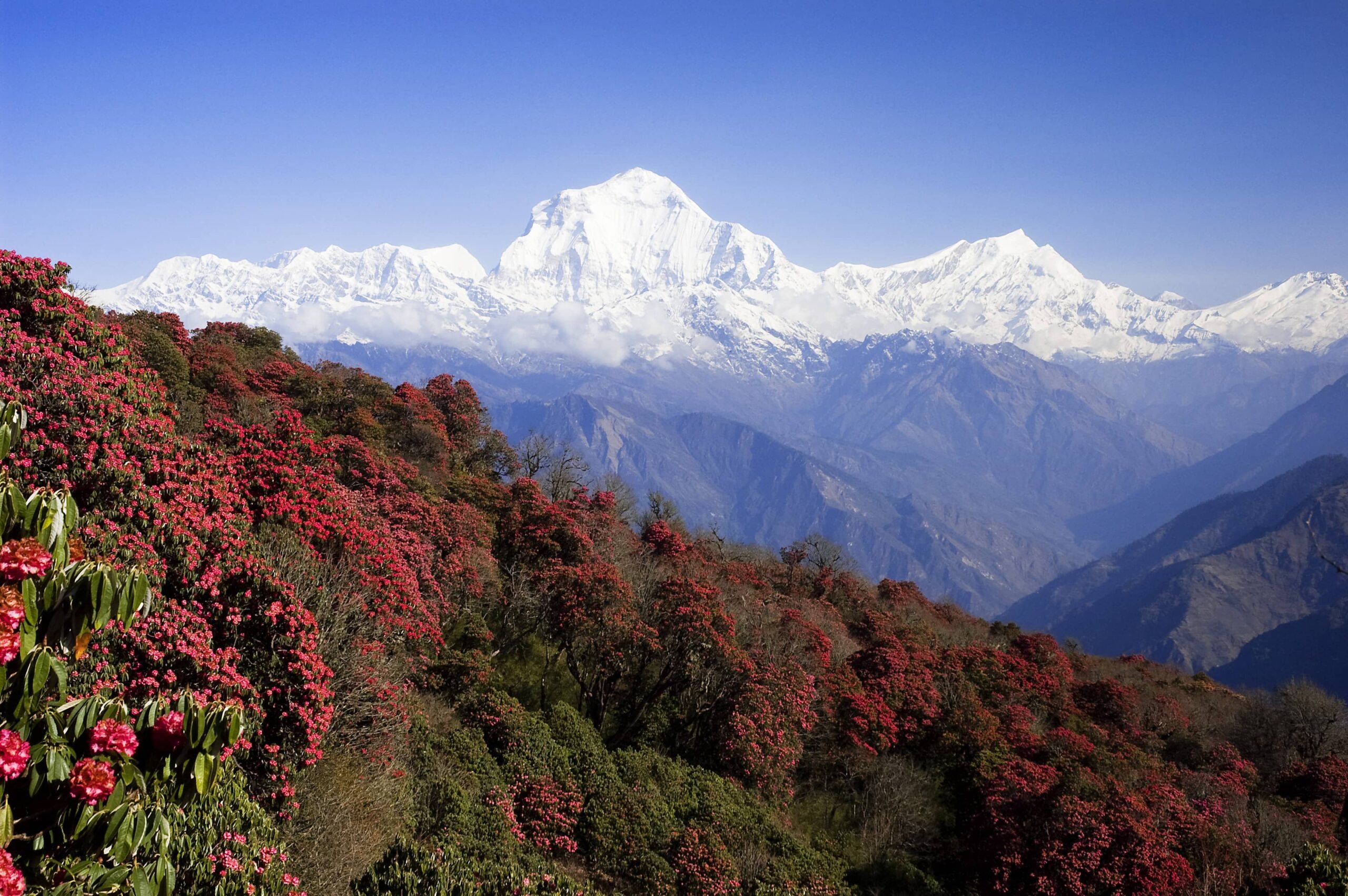
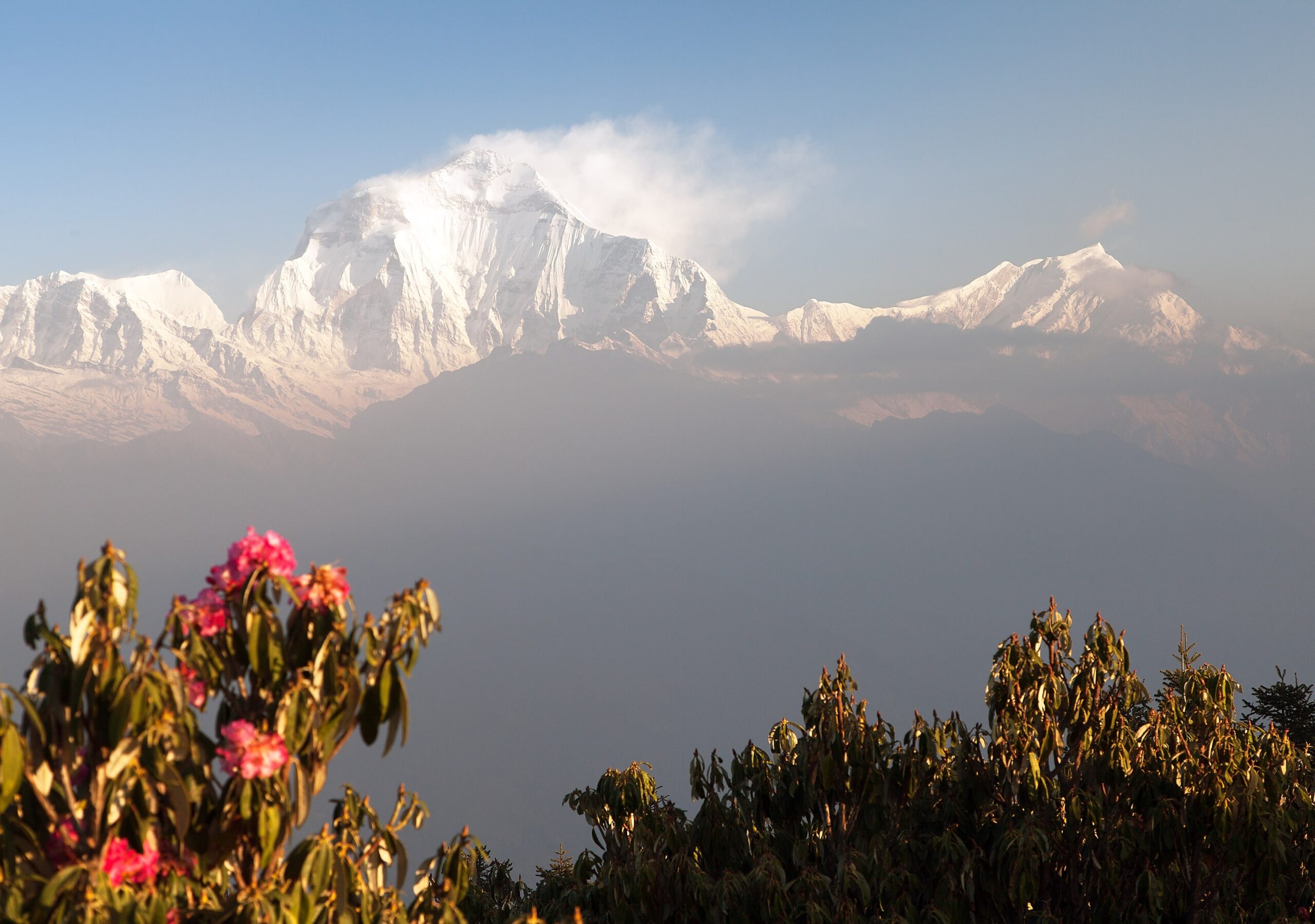
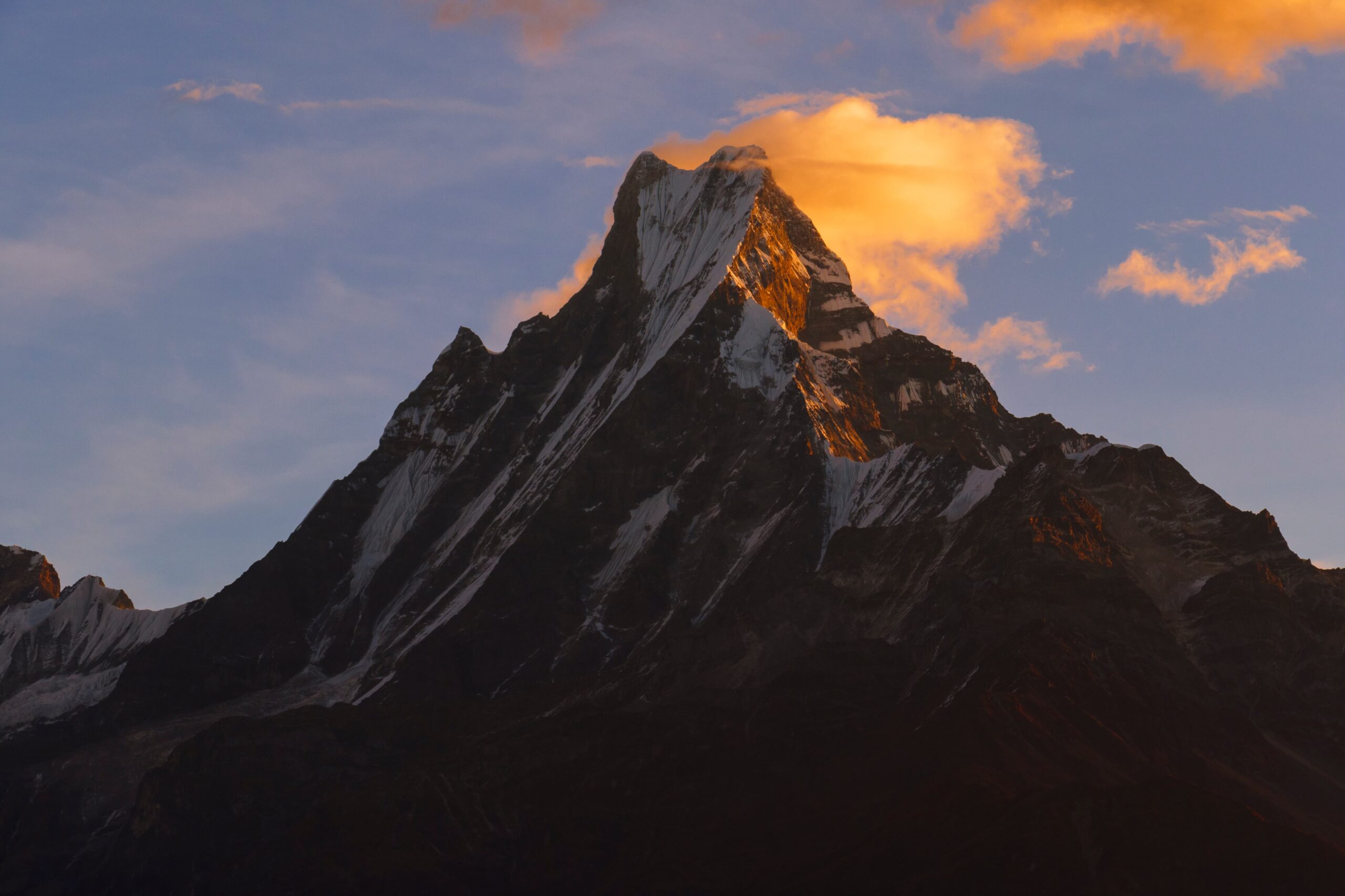
Along with the famous views from Poon Hill, which include sunrise views of mighty Himalayan giants like Annapurna South, Dhaulagiri, and Machhapuchhre (Fishtail), reaching Khopra Ridge also serves as a highlight, sporting even more breathtaking panoramic mountain views alongside beauty unmatched during sunset.
You will also get a taste of the day-to-day life of rural Nepalese while trekking through stunning Magar and Gurung villages alongside picturesque rhododendron and pine forests, all bustling with that kind of shine tourists usually miss out on. After the long trek, you will have warm meals served at simple yet comfortable community lodges and teahouses where treks provide both comfort along with the opportunity to meet friendly locals.
The hike involves a bit of steep climbing, but is achievable for most people who are reasonably fit and enjoy the outdoors. On the last day of the trek, you will enjoy descending for breathtaking views through Narchyang valleys before returning to Pokhara by vehicle, where your journey concludes.
This particular trek brings all the highlights, which ensures travelers do not miss out on stunning panoramic views and cultural encounters while experiencing peace within the embraced regions. The trek to Khopra Danda including Poon Hill, invites you beyond busy pathways. Hiking during this excursion lets you breathe in unpolluted mountain air while creating lasting memories during your trip.
Trip Highlights
- Wake up to panoramic sunrise views over the Dhaulagiri and Annapurna ranges from the Khopra ridge — one of the finest unobstructed Himalayan viewpoints in all of Nepal
- Stand face to face with Dhaulagiri at 8,167 metres, the seventh highest mountain in the world, close enough that its sheer scale is genuinely difficult to take in
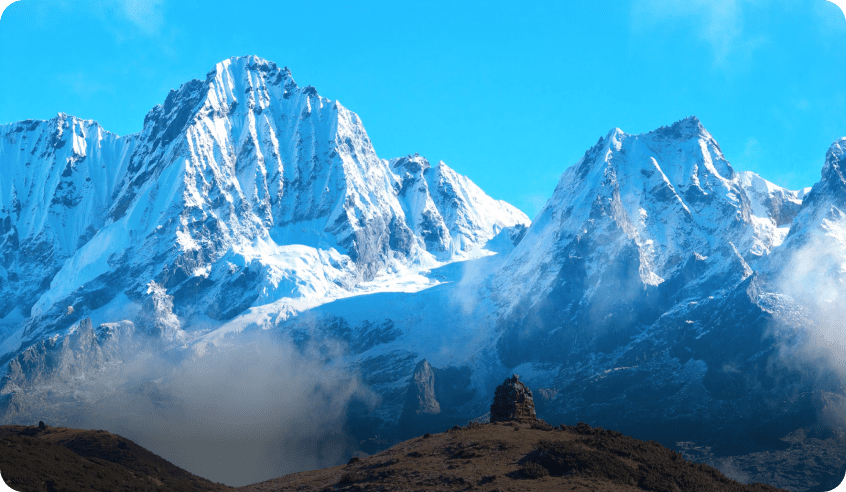
- Marvel at the stunning scenery of Annapurna South and Nilgiri Himal, two of the most beautiful peaks in the Annapurna massif, visible in extraordinary detail throughout the upper sections of the trek
- Walk through some of the most beautiful rhododendron forests in Nepal, which explode into vivid red and pink bloom in spring and create an almost surreal tunnel of colour along the trail
- Stay in community-run lodges that are owned and operated by local villages, providing an authentic and meaningful connection to the people and culture of the western Annapurna hills
- Make the optional side trip to the sacred Khayar Lake at 4,660 metres — a remote, strikingly beautiful glacial lake with deep spiritual significance for local communities and remarkable views in every direction
- Experience the quiet, uncrowded trails of one of the Annapurna region’s most underrated routes, where the absence of large trekking groups makes every day feel personal and unhurried
- Pass through traditional Gurung and Magar villages where the rhythm of mountain life — farming, weaving, festivals, and ancient customs — continues largely as it has for generations
- Witness the dramatic contrast of landscapes on this route, from subtropical forest and terraced farmland in the lower valleys to alpine meadows and high-altitude ridgelines with sweeping 360-degree views above
Detailed 5 Days Khopra Danda Trek Itinerary
Your Journey, Step by Step
Trek from Ulleri to Ghorepani (2,874m)
After a good night in Ulleri, you will set off for Ghorepani, one of the most picturesque villages in the Annapurna tract in a march of four to five hours. The track leads through beautiful forests of rhododendron trees, the flowers being particularly grand in spring. As you climb higher, you can see snow-capped mountains, such as Hiunchuli and Anaprophy. This is a very exhilarating part of the journey, with grand mountain sights, sweet songs of birds, and cool air, free from dust even in the heat of the day.You will arrive in Ghorepani, a little mountain village surrounded by en-chantingviews, by the afternoon. You will be called on in the morning to ascend (the path is much better) to Poon Hill, where you can stay at a cosy teahouse.
Stay overnight in Ghorepani.
Trek from Ghorepani to Poon Hill (3,210m) and Trek to Swanta (2,200m)
The day begins early, and it is a pleasant little uphill climb of 45 minutes to Poon Hill, one of the best-known points for viewing spots in Nepal. Just imagine that you will be witnessing a breathtaking sunrise over the snowy peaks of Annapurna, Dhaulagiri, Machhapuchhre (Fishtail) and others. As the sunlight catches the mountains, the views become magical, and this is one of the highlights of the whole trek. After seeing the surroundings, you return to Ghorepani for a hearty breakfast before continuing to Swanta. The trail leads down through a forest of rhododendron (in flower in March and April) and pine trees through peaceful villages, and crosses waterfalls and tiny streams. The chance of meeting local wildlife, and getting a closer acquaintance with village life, also presents itself.
After 4-5 hours of walking, you will arrive in Swanta, a beautiful but less-visited village surrounded by hills and fields. You will spend the night in a hospitable teahouse, where you will savor an impressive meal in a peaceful environment.
Stay overnight in Swanta.
Trek from Swanta to Khopra Danda (3,660m)
This is a testing day’s walk, but a glorious one, for you take a long walk through the forests of the hills, gradually rising for 6–7 hours from Swanta to Khopra Danda. The trail mounts higher through forests of trees, and there are beautiful ridges that give fine views of the valleys and hills around. The scenery becomes more and more striking as you rise, and the air gets fresher and cooler.
You arrive at Khopra Danda in time to get one of the loveliest mountain views to be found in the Annapurna area. Dhaulagiri, Nilgiri and the Annapurnas can be seen from here. The sunset must not be missed, for it is one long aspiration in gold over the snowy mountains, which will linger long in your memory. Lodge for the night in a tranquil community lodge far from the clouds.
Stay at Khopra Danda overnight.
Trek down from Khopra Danda to Narchyang, and Return to Pokhara
Trekking comes to a close on this, the last day of trekking. You have a gradual descent of 5–6 hours from the high ridges of Khopra Danda down to the lush village of Narchyang. The trail winds through alpine meadows, dense forests, and terraced farmland, offering beautiful views all the way. As you descend, the air grows warmer, and the scenery alters from the rugged mountains to green hills and tranquil villages. On the way, there are peaceful waterfalls, suspension bridges and small temples that show off the natural and cultural richness of the area.
In the end, you reach Narchyang, which is a charming village of the Magar people, and here you can see typical life and enjoy the beautiful scenery. After a period of rest and lunch, you’re off in a vehicle on the scenic 3 to 4-hour drive back to Pokhara. On the way back, you have one last chance of enjoying river valleys and hills, finishing off your trek with a deep sense of feeling satisfied and peaceful.
Customize this trip with help from our local travel specialist that matches your Interests.
Customize This TripPoon Hill Khopra Danda Trek Inclusions
What’s Covered in Your Adventure
- Pick up from the hotel & drive to Nayapul by car.
- Meals, which include breakfast/lunch/dinner.
- Accommodation in the mountain/lodge or guest house.
- A highly experienced, helpful, knowledgeable, friendly, English-speaking guide and porter with all of his salary, food, drinks, and lodging.
- Rent an available sleeping bag, a down jacket, and a free duffel bag provided (if you don't have your own).
- A certificate of completion of the trip.
- Taxes and official costs are paid to the government.
- Oximeter to check your pulse, oxygen saturation, and heart rate twice a day (very helpful to check for signs of Altitude Mountain Sickness, or AMS). This ensures that your trek is in the safest hands possible, regardless of your level of experience.
- All papers that need to be done, the fees for the Annapurna conservation area permit.
- Narchyang to Pokhara by bus or jeep (depending on group size ).
- Food that you will eat in Pokhara.
- The cost of a visa to enter Nepal.
- Your insurance for travel and medical care.
- International airfare.
- Your personal expenses.
- All of the alcoholic and non-alcoholic cold and hot drinks you buy on trek (along the way and in the Tea Houses at night).
- All of the sweet desserts, like chocolate, cake, pie, and pudding.
- The tea houses have hot showers and places to charge your phone, which will cost you about 2$ to 5$ and internet.
- Tip to the guide (Tipping is expected).
Good to Know
Know Before You Go
Note:
- We provide a flight ticket to Pokhara from Kathmandu. It will cost you an extra USD 100 per person.
- We provide a luxurious tourist bus to Pokhara from Kathmandu, it will cost you an extra $15 USD per person.
Accommodation on the Trek to Khopra Danda Including Ghorepani Poon Hill
Simple teahouses and lodges maintained by local families provide the majority of the lodging on the Khopra Danda Trek, which includes Poon Hill. These teahouses provide simple yet cozy accommodations, typically with blankets, twin beds, and communal restrooms. More established resorts with better amenities, such as wood-fired dining areas and hot showers, may be found in lower villages like Ghorepani and Tadapani. The choices grow more basic and restricted as you ascend higher toward Khopra Ridge, but they are still warm and inviting.
As you climb higher toward the Khopra Danda ridge, the accommodation shifts to community lodges — a model that sets this trek apart from most other routes in the Annapurna region. These lodges are built, owned, and operated entirely by local villages as part of a community tourism initiative, and staying in them means your money goes directly to the families and communities that maintain the trail and the landscape around it. The rooms are simple — typically twin beds with thick blankets, basic furnishings, and shared bathroom facilities — but they are clean, well-maintained, and genuinely welcoming. The dining rooms are heated in the evenings and serve hearty, home-cooked food that fuels you well for the days ahead. There is something distinctly special about sitting down to dinner in a community lodge on the Khopra ridge with Dhaulagiri filling the window and a local family cooking your meal in the kitchen next door — it’s the kind of accommodation experience that a hotel can never replicate.
At Khopra Danda itself, the community lodge sits right on the ridge at 3,660 metres with unobstructed panoramic views of the Annapurna and Dhaulagiri ranges in both directions — waking up here on a clear morning and stepping outside to that view before breakfast is one of the genuine highlights of the entire trek. Rooms are basic but adequate, blankets are provided, and the staff are extraordinarily warm given the remoteness of the location. For the optional extension to Khayar Lake at 4,660 metres, accommodation is in a simple stone shelter or basic camp setup depending on the season and conditions — this is as raw and remote as the trek gets, and it suits the wild character of the lake perfectly.
Throughout the entire route, from the first night in Tikhedhunga or Ulleri to the final lodge in Tatopani, electricity is available for charging devices at most stops though costs increase with altitude, hot showers are available at the lower teahouses and some mid-route lodges, and Wi-Fi is patchy but present in the more established villages. Accommodation costs the higher and more remote the lodge, the more a room costs. In the well-established teahouses around Ghorepani and Poon Hill, a basic twin or double room typically costs $4 to $8 USD per night. At the community lodges higher on the route toward Khopra Danda, expect to pay $6 to $12 USD per night for a simple but comfortable room.
Food and Drinking Water: What to Expect on the Khopra Danda Poon Hill Trek?
For the Khopra Trek, local tea houses supply simple, but adequate food and drinking water, particularly on the stretch of Poon Hill. The freshly cooked food is planned to cope with the requirements of the walkers, possessing ample carbohydrate content and hot food necessary to keep them going.
The most popular and staple food is dal baht, which consists of rice fried lentils and seasonal vegetables, and which is frequently served with an unlimited supply. Other foodstuffs comprise chapati, momos (Nepalese dumplings), fried rice, noodles, pasta and soup. Breakfast supplied at the tea houses usually consists of toast, pancakes, eggs, porridge and drinks like tea and coffee. At higher elevations, in places like Khopra Ridge, the menu might diminish, but the food is still sufficiently filling and nutritious.
Drinking water is obtainable on the way, but must be purified before drinking it. Bottled water is obtainable in most villages, but the higher one goes the costlier it becomes. It is necessary that a person takes his time and drinks plenty of fluids to guard against altitude sickness, as the elevation rises to about 3,600 metres. This trek is made quite possible even to the novice, and very rewarding, with sufficient preparations made, a regular pace and a good heart.
Transportation Guide for Khopra Danda Trek
Getting to the trailhead from Kathmandu gives you two options depending on your budget and how much time you have. The quickest is a 25-minute mountain flight to Pokhara costing $90 to $100 USD per person — what takes seven to eight hours by road is done before breakfast, and on a clear day the right-hand window seat delivers jaw-dropping views of the Annapurna and Manaslu ranges that are worth the price alone. If you’d rather save money and enjoy the journey, we provide a deluxe tourist bus for $15 USD per person or a standard bus for $10 USD, both covering the 200-kilometre Prithvi Highway route through the Trishuli and Marsyangdi river valleys with departures at 7:00 AM and 8:00 PM, taking seven to eight hours with two 30-minute stops for breakfast and lunch along the way. Once in Pokhara, a private car or jeep transfer to the trailhead at Nayapul costs $40 to $70 USD for up to four to seven people, covering 42 kilometres along the Baglung Highway in roughly one to one and a half hours — an easy, scenic start to the adventure with the foothills opening up ahead of you as you leave the city behind.
The return journey at the end of the trek runs from Tatopani back to Pokhara by private car or jeep at a cost of $100 to $150 USD for up to four to seven people. This is a longer drive than the outbound transfer — approximately 140 kilometres along winding mountain roads that follow the spectacular Kali Gandaki river gorge, one of the deepest river gorges anywhere in the world, before descending gradually back through the mid-hills toward Pokhara over four to five hours. The scenery on this drive is genuinely outstanding, with the Annapurna and Dhaulagiri ranges towering above the valley on clear days in a way that feels almost unreal from road level. Before you climb in the jeep, it’s well worth spending an hour soaking in Tatopani’s famous natural hot springs — sitting at around 1,190 metres at the base of the Kali Gandaki valley, they are one of the great simple pleasures of this trek and do remarkable things for legs that have spent the past week on steep mountain trails.
Ideal Group Size for Khopra Danda Trek: Solo, Private or Group Trek Guide
Both small and large groups can enjoy the Khopra Danda Trek, which includes Poon Hill. However, many trekkers think that traveling in a small group of two to six individuals is the best option. Smaller groups make it simpler to meet people, locate lodging, and take in the trail’s peaceful atmosphere, allowing for a more flexible and friendly experience. Trekkers can also go this path alone, especially if they have a porter or guide to help them. While larger parties are welcome, they might need to make more careful accommodation arrangements in smaller villages. All things considered, trekking with friends, family, or a guided group is always a wonderful experience.
Is Altitude Sickness a Risk on Khopra Danda Trek? Complete Guide
There is a moderate chance of altitude sickness because the Khopra ridge, the highest point of the Khopra Danda trail, is about 3660 metres in height. Slight headaches and shortness of breath are usual, and the majority of walkers suffer no ill effects. The safest way to avoid the dangers of rapid ascent is to prevent elevation increase, go slowly and drink large quantities of water. If the trekker rests in mid-elevation places, such as Ghorepani, it is beneficial as it gives the acclimatisation effect. Most trekkers who go slowly and look after themselves complete the trek without experiencing great altitude difficulties.
Travel Insurance for Khopra Danda Trek: What You Must Know (2026 Guide)
Travel assistance insurance is strongly recommended for the Khopra Danda trek including Poon Hill. It protects you in cases of unexpected happenings, such as sickness, accident, trip cancellation or the complications of altitude sickness. The insurance should include high altitude trekking (that is prevalent) and emergency helicopter evacuation since part of the trek is in remote Himalayan area at a height of over 3600 metres. In the case of sickness in the mountain area, expenses are high and to have the right insurance is a comfort in the knowledge that if help is needed it will be forthcoming quickly. A copy of the insurance information is always carried on the trek.
Safety and Security on Khopra Danda Trek: Complete Guide for Trekkers (2026)
Trekkers can feel safe on the Khopra Danda trek, including Poon Hill. The local villages are friendly and hospitable, and the walking trails are well marked. Crime and serious crime are rare, particularly in the trekking area, where tourism plays a significant role in the local economy. Basic safety measures should still be taken. There are safety and secure environments, protect your possessions, avoid traveling alone in remote locations and always let someone know your path if you’re trekking alone. An additional degree of security is added by hiring a guide in the event of bad weather or health problems. Overall, this walk is a safe and fun trip if you are aware of it and prepare a little.
Guide and Porter for Khopra Danda Trek: Cost, Benefits & Hiring Tips (2026)
Your guide is your most important companion on the Khopra Danda Trek — not just for navigation, but for your safety, your daily acclimatisation decisions, and the quality of the experience as a whole. Most guides working this route are local Gurung or Magar men who grew up in the villages you’ll be walking through, which means their knowledge of the trail, the culture, and the mountains goes far deeper than any map or guidebook can offer. On a practical level your guide monitors your health daily, manages the pace of the trek to protect against altitude sickness, handles all lodge bookings and logistics along the way, and communicates with local communities on your behalf — all while sharing the stories, traditions, and natural history of the Annapurna region that bring the landscape to life around you. All guides on this route hold a valid licence from the Nepal Mountaineering Association or the Trekking Agencies Association of Nepal, carry basic first aid training, and are experienced in recognising and responding to altitude-related illness. A private guide means one-to-one attention throughout the trek, which makes a genuine difference to both your safety and your enjoyment, particularly on the higher sections toward Khopra Danda and the optional Khayar Lake extension.
Your porter is the quiet backbone of the entire operation, and the Khopra Danda Trek is a far more enjoyable experience with one. Carrying your main duffel bag — up to 20 to 25 kilograms maximum — they free you to walk each day with just a light daypack and actually enjoy the trail rather than grinding through it under a heavy load. Most porters on this route are local men from the Annapurna region with years of experience on these specific trails, and their knowledge of the path, the lodges, and the conditions is invaluable in its own right. Hiring a porter also makes a direct and meaningful contribution to the local economy — providing stable, fair-wage employment for families in some of Nepal’s more remote communities. The standard daily rate is $20 USD per day all inclusive, covering their food, accommodation, and insurance, with a tip of $5 to $8 per day expected and genuinely appreciated at the end of the trek. For a solo trekker the standard arrangement is one guide and one porter, scaling to one guide and two porters for groups of two to four, and for larger groups an additional assistant guide is added for every four to five members to ensure everyone is properly looked after on the trail.
Permits for Khopra Danda Trek: TIMS & ACAP Fees Explained
You can hike the beautiful Annapurna region, which is part of a protected area and requires official permits for all trekkers, on the 5-day Khopra Danda hike, which includes Poon Hill. These permits are necessary to protect the environment and to keep you safe when traveling. You will require two permits, which are:
Annapurna Conservation Area Permit (ACAP):
- Necessary for all hikers accessing the Annapurna Conservation Area, which includes Poon Hill and Khopra Danda.
- It is available at the Nepal Tourism Board or ACAP offices, and occasionally at trail checkpoints.
- Cost: NPR 1,000 for SAARC citizens and NPR 3,000 (around $25–30 USD) for foreigners.
The Trekkers’ Information Management System, or TIMS Card:
- This permit helps authorities keep an eye on and assist hikers, especially during emergencies, is the goal.
- It is issued by the Kathmandu and Pokhara offices of the Nepal Tourism Board or the Trekking Agencies’ Association of Nepal (TAAN).
- Cost: NPR 2,000 (about $17–$20) for each trekker. SAARC nationals may be qualified for discounts.
Required Documents
- 6 months’ validity passport
- Passport photocopy
- Passport-sized photos (at least 2)
- Nepal visa (if applicable)
- Travel insurance details
- Two permits: Annapurna Conservation Area Permit (ACAP), Trekkers’ Information Management
- System (TIMS) Card
What to Pack for 5 Days Poon Hill Khopra Danda Trek: Essential Checklist
Enjoying the 5-day Khopra Danda Trek requires careful packing, particularly if you plan to visit the well-known Poon Hill as well. Although you won’t need camping equipment because you’ll be staying in teahouses, you should still pack the necessary clothing and supplies to keep warm, dry, and comfortable. This simple, basic packing list includes everything you’ll need for a comfortable and enjoyable walk, from clothes and hygiene to equipment and small extras:
General
- Passport & Photos: Bring your passport, a few copies, and some passport-sized photos for permits.
Permits: Get your ACAP and TIMS card before starting the trek. - Sleeping Bag: Nights can get cold, so carry one that’s good for about -10°C (14°F).
- Cash: Bring enough Nepali rupees for the whole trek as no ATMs are on the way.
- Main Bag/Duffel: This is what your porter carries if you hire one. Put heavier stuff here.
- Daypack: A small bag for things you need during the day.
Upper Body
- Sunglasses: UV-protected.
- Sun Hat & Warm Hat: One to block the sun, one to keep warm in the mornings and evenings.
- Neck Gaiter or Buff: Good for sun, dust, or wind protection.
Torso
- Quick-Dry Shirts: A couple of long-sleeve, lightweight tops for layering.
- Warm Layer: A fleece or down jacket for cold weather.
- Insulated Jacket (Optional): Take one if you get cold easily.
- Sweatshirt or Hoodie: Comfy for hanging out in the teahouse.
- Rain Jacket: Always good to have as weather changes fast in the mountains.
Lower Body
- Trekking Pants: Light, comfy, and dry quickly
- Thermal Leggings: Great for cold mornings or higher places.
- Shorts (Optional): Nice for warm days on the lower trails.
- Comfort Pants: Something soft to wear when you’re resting.
- Rain Pants: Handy if it rains or the trail gets wet.
Hands
- Thin Gloves: For cool mornings or light wind.
- Warm Gloves: Needed when it gets cold or windy up high.
Footwear
- Trekking Boots: Waterproof and broken in before the trip — saves you from blisters.
- Wool or Hiking Socks: 2–3 pairs to keep your feet dry and warm.
- Sandals or Slippers: Good for relaxing after a long trek.
- Flip-Flops: Useful for the bathroom or around the lodges.
Undergarments
- Quick-Dry Underwear: Keeps you dry and comfortable while walking.
- Sports Bra (for women): Supportive and breathable for trekking.
- Thermal Bottoms: Wear under your pants when it’s really cold.
Medicine & First Aid
- Altitude Pills (Diamox): Optional, but can help if you feel the height.
- Sunscreen & Lip Balm: High SPF to protect from strong sun.
- Blister Pads or Band-Aids: For blisters or small cuts.
- Painkillers: Ibuprofen or Paracetamol for headaches or sore muscles.
- Cough Drops or Syrup: Helps with dry throat in cold air.
- Antibacterial Cream: For cleaning small wounds.
Thermometer (Optional): Handy if you’re feeling unwell.
Other Essentials
- Hand Sanitizer: Use when there’s no water around.
- Water Bottles: Carry about 2–3 liters
FAQs for Khopra Danda Trek Including Poon Hill
Your Questions, Answered
What is the best time to do the Khopra Danda trek?
The best seasons to do the Khopra Danda trek are spring (March to May) and autumn (September to November). During these times, the weather is mostly clear and pleasant for hiking.
How difficult is the Khopra Danda Trek?
The Khopra Danda trek is moderately difficult. Some parts are steep, but no particular abilities are required. It helps to have some hiking experience and a decent degree of fitness.
Do I need a guide for the Khopra Danda trek?
Although it is not required, hiring a guide can enhance your Khopra Danda hike experience. Guides are useful for local information, navigation, and emergencies.
What permits do I need?
Trekker Information Management System (TIMS). The total cost is around Rs. 7000, and you can get the permits in Pokhara, Kathmandu, or Nayapul.
What is the best way to get to Khopra Danda?
From Pokhara, you can take a taxi or a local bus to Nayapul, where you will begin your trek. The drive takes about an hour.
What are the best places to stay on the trek to Khopra Danda?
There are many places to stay on the trek to Khopra Danda. You can find good guesthouses in Ghandrukk, Chommrong, Durrali, Landruk, and gradually lead to Khopra Danda (the summit).
How long does it take to trek to Khopra Danda?
You should allow about 5 days in total if you leave from Pokhara to hike in the Himalaya (without stretching the full ½ a day, after arriving back at Ghandrukk shortly after leaving).
When does the Khopra Danda trek get busy?
The Khopra trek should be quiet (compared to the Annapurna traverse), because it is a new addition for many trekking groups and is found on routes not frequently used for trekking (except by locals).
Where can I hire ponies?
There are pony hires at Rothera in Pokhara, but very few people hire ponies anyway, (too much weight for the horses), though they will do the trek on healthy pony land back more south.
What should I pack for the Khopra Danda trek?
You should bring layered clothing, a warm jacket, waterproof gear, sturdy boots, snacks, water bottles, and your permits and ID for the Khopra Danda trek. Don’t forget basic first aid and sunscreen.
Can I use a mobile phone and the internet?
Yes, you can use mobile signals that are available in some villages, but it is not available everywhere. Some teahouses offer Wi-Fi, but the connection can be slow or unreliable.
Is the trail safe?
Yes, the trail is safe and well-marked in the Khopra trek. You should just be careful on steep or slippery parts. Avoid trekking alone at night and stay aware of weather changes.
How fit do I need to be?
A moderate fitness level is enough. If you regularly walk or exercise, you should manage well. It’s good to do some preparation before the trek
Can I do the trek alone?
Yes, many people trek solo on this route. You should just make sure to share your plans with someone and consider hiring a guide for extra safety and local support.

Reviews
What Our Travelers Say


Based on 2 ratings
5




View Our Similar Packages
Discover our top tours, loved by thousands of travelers annually. Choose the adventure that inspires you and embark on a journey tailored to your desires.

 Nepal
Nepal
 9 Days
Save 26%
Save 22%
Add Review
Reviewing for 5-Day Khopra Danda Trek With Poon HillRequest a Callback - 5-Day Khopra Danda Trek With Poon Hill
Submit the form and we will be back to you shortly
Request a Callback - 5-Day Khopra Danda Trek With Poon Hill
Submit the form and we will be back to you shortly
Narayanhiti Palace Museum

Narayanhiti Palace Museum


