












Tamang Heritage Trail Trek


Trip Overview
Tamang Heritage Trail Trek Overview
Honestly, if you’re the kind of traveler who’s more into quiet villages and real cultural experiences than crowded tourist trails, the Tamang Heritage Trail Trek is one of those treks that tends to stick with you. It’s not super long, just six days, but what it lacks in duration, it makes up for in depth. You’re walking through an area where the traditions run deep, where people still live much like they did generations ago, and where you’re more likely to hear the sound of a prayer wheel spinning than traffic or chatter from tour groups.
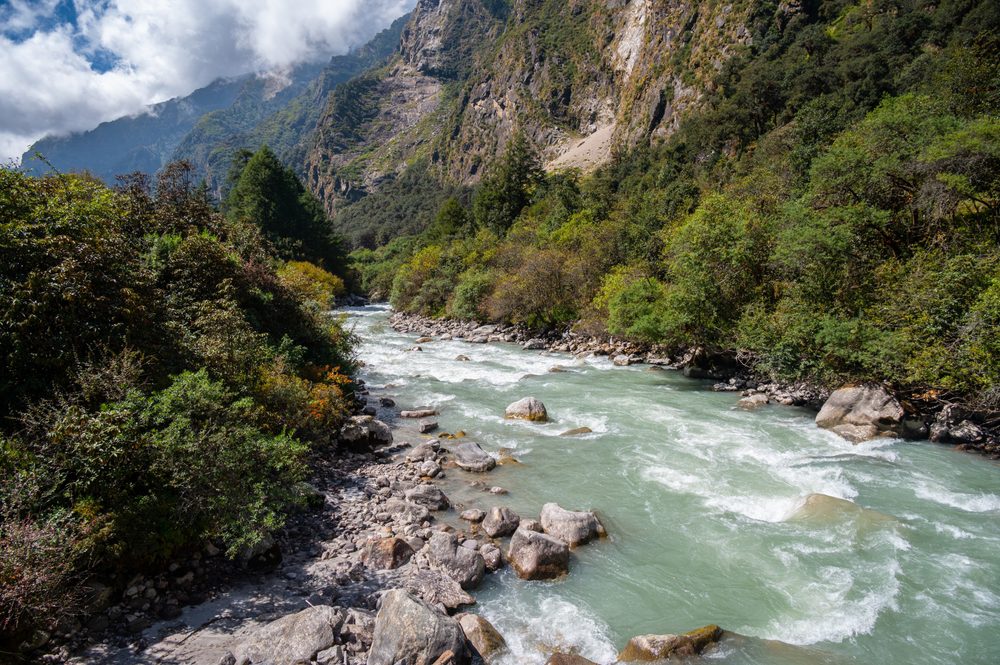
The trail kicks off with a bumpy drive from Kathmandu to Syabrubesi, which is a bit of an adventure in itself. From there, each day brings something different—stone-built villages like Gatlang, steamy hot springs in Tatopani, and gentle climbs through pine forests and farmland that open up to big mountain views. On the way from Gatlang to Chilime, stop at Tatopani and enjoy a rejuvenating spa and dip in the naturally heated spring water. Brimdang provides a cultural encounter at a community-run homestay, while the beautiful Mountain View bounds Nagathali in Thuman villages.
What’s great about Tamang Heritage Trail Trek is how approachable it is. You don’t need to be a professional hiker. Just a good pair of boots and an open mindset. In six days, you get this rare blend of nature, culture, and calm that’s hard to find elsewhere. It’s the kind of journey that doesn’t just show you Nepal, it introduces you to it, one quiet village at a time.
Trip Highlights
- Scenic drive through the Trishuli Valley to Syabrubesi
- Traditional Tamang villages like Gatlang, Thuman & Briddim
- Natural hot springs at Tatopani
- Panoramic Himalayan views from Nagthali Viewpoint
- Homestay experience in Briddim with Tibetan Buddhist culture
- Gentle trail suitable for beginners and families
- Rich local interaction and community-based tourism
Itinerary
Your Journey, Step by Step
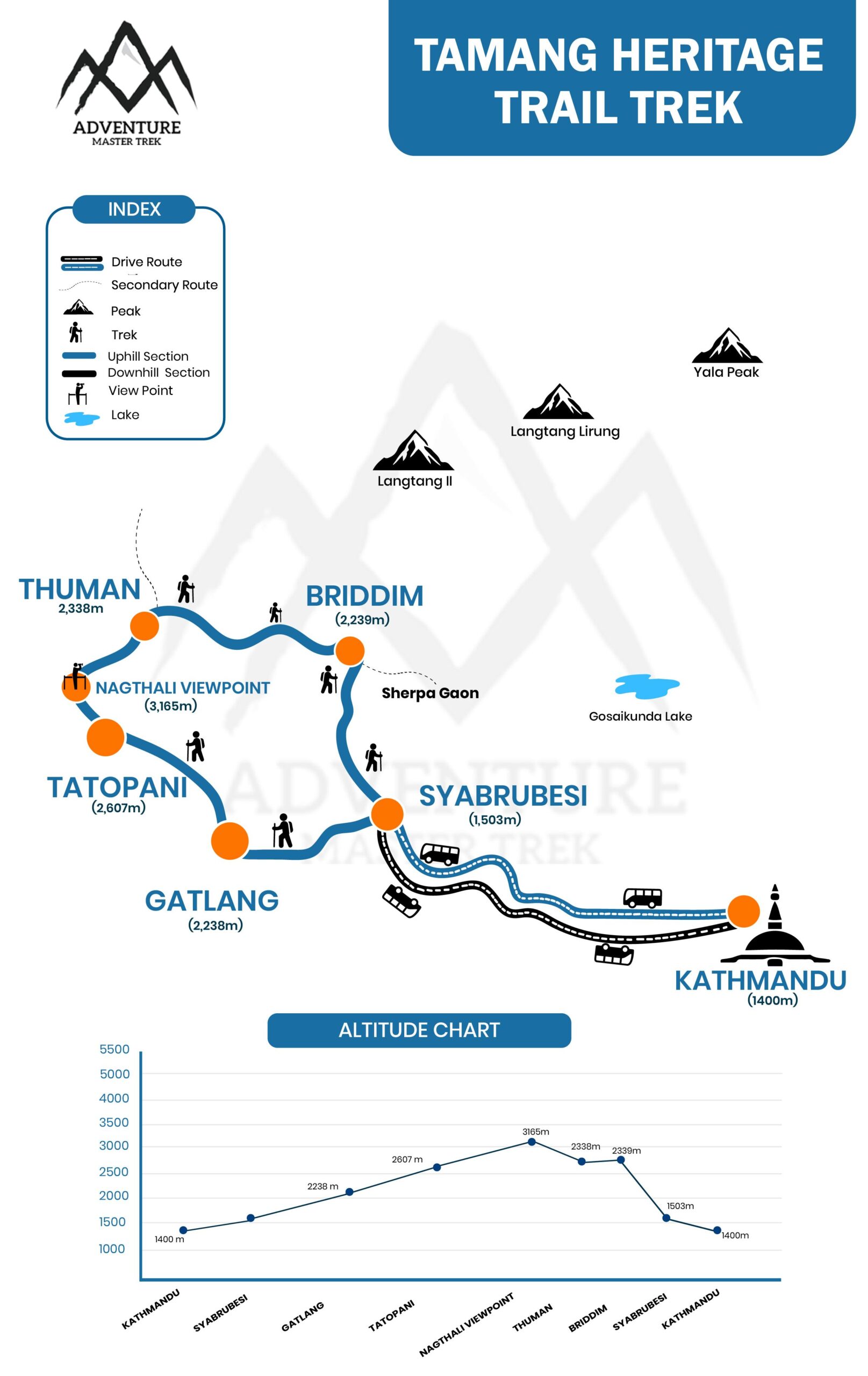
Syabrubesi to Gatlang trek (2,238m) – 5-6 Hours
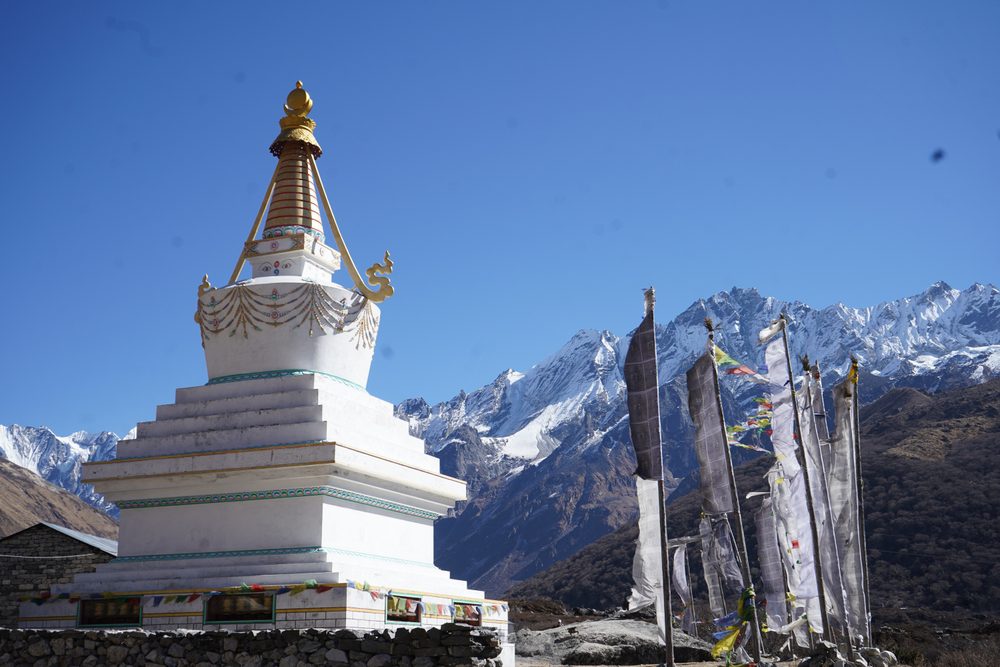
We started from Syabrubesi and hiked up to Bahundanda Viewpoint. The views of Ganesh Himal and Langtang Lirung? Absolutely insane. Then we dropped down through quiet forests to Gatlang — a tiny Tamang village with stone houses and prayer flags everywhere. Spent the night in a little teahouse, mountain air, cozy vibes, and the friendliest locals.
Trek from Gatlang to Tatopani (2,607m) – 5-6 Hours
We’ll take you down from Gatlang to the small village of Thangbuchet, close to the Chilime Hydropower Dam, where you’ll cross an active suspension bridge loosely swinging over the river below. From here, it’s a hike to the village of Tatopani, a village famous for its natural hot springs, perfect for soothing aching muscles after a day of hiking (in Nepali, Tatopani means “hot water”). Overnight stay at a cozy teahouse here, you can soak in the hot pools and take in the mountain sky before heading off on your onward journey.
Nagthali Viewpoint to Thuman (3,165m & 2,338m) – 6-7 Hours
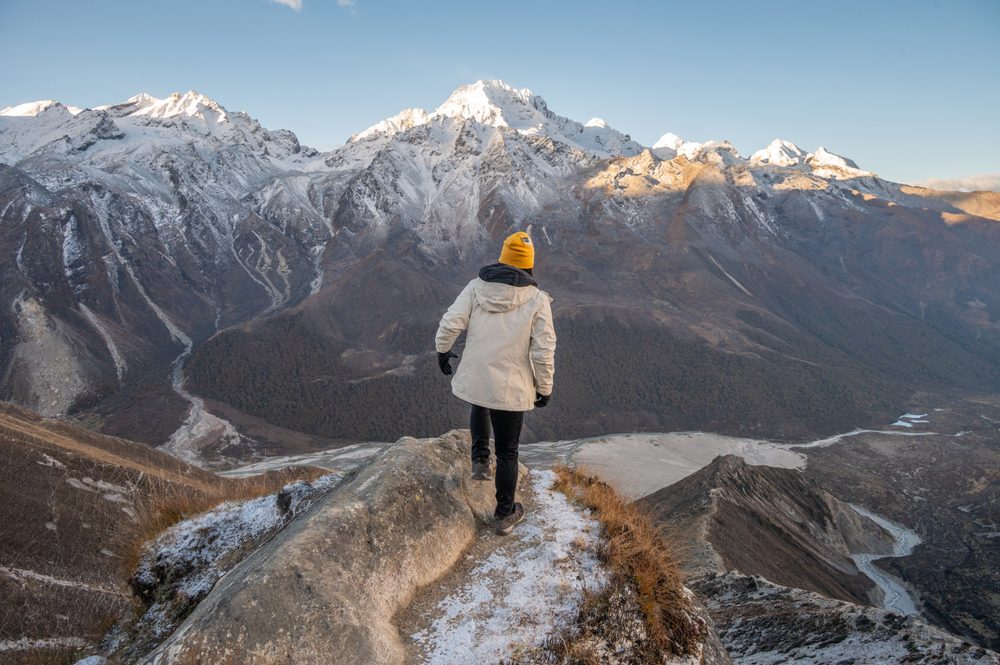
The trail winds through dense rhododendron forests as we climbed up to Nagthali Viewpoint — the highest point of the trek. The view from up there? Absolutely unreal. Langtang and Ganesh Himal stretched out in front of us, and if you squint, you can even spot Tibet. After soaking it in, we headed down to Thuman, a quiet Tamang village that feels completely untouched. We stayed in a cozy teahouse, surrounded by mountains and that peaceful village vibe.
Trek from Thuman to Briddim (2,239m) – 5-6 Hours
Today’s trek is along the Tibet border, and the vistas open up to show serene forests and scattered villages that look like tiny pockets of time unmoved. Walking, you’ll appreciate the connection between this region and Tibetan culture, with prayer flags wafting on ridges and the occasional monastery seen behind trees. Your final stop is Briddim, a Tamang village known for its warm hospitality. Instead of a usual teahouse, we stayed with a local family in their home — such a great way to experience real village life. You get a real look at their daily life — the meals they cook, the tiny rituals they follow. Evenings are spent around the fire, swapping stories and laughs. Experiences like this are what make a trek feel personal and completely unforgettable.
Briddim to Syabrubesi Trek – 3-4 Hours & Drive to Kathmandu (Optional Briddim Rest Day)
The last stretch is an easy 3–4 hour downhill trek from Briddim to Syabrubesi. You can take it slow and enjoy the views one last time. After that comes a long but beautiful drive back to Kathmandu—usually 7 or 8 hours. Back in the city, you can relax at your hotel and think back on the trip. If the mountains still call you, you could continue your adventure into the Langtang Valley for more trekking and amazing scenery.
Customize this trip with help from our local travel specialist that matches your Interests.
Customize This TripInclusions
What’s Covered in Your Adventure
- Private vehicle for pick-up and drop-off.
- Three meals a day during the trek.
- Lodge accommodation on the trek.
- Langtang National Park entry permit.
- TIMS trekking permit.
- Local bus or jeep to Syabrubesi and back.
- Experienced, friendly, English-speaking licensed guide.
- First aid kit available.
- Emergency helicopter service (paid by your insurance).
- A duffel bag is provided if needed.
- All government taxes included.
- Oximeter to check pulse, oxygen, and heart rate.
- International flight airfare is not included.
- On-arrival visa fees at Tribhuvan International Airport are your responsibility.
- Accommodation and meals in Kathmandu before and after the trek are not included.
- Personal expenses such as shopping, snacks, drinks, hot showers, Wi-Fi, calls, and battery charging are not covered.
- Personal clothing and gear must be arranged by you.
- Travel insurance covering high-altitude rescue and evacuation is mandatory.
- Tips for the guide are not included.
- Extra costs from delays like landslides, weather, or strikes are not covered.
- Any expenses not listed under the included services are your responsibility.
Maps
Navigate Your Journey
Good to Know
Your Journey, Step by Step
Accommodation and Food on the Tamang Heritage trek
On the Tamang Heritage Trek, sleeping arrangements and eating arrangements become an integral part of the journey. You’ll most likely be residing in tiny teahouses or family dwellings. The rooms are basic: a bed, a blanket, maybe a small table, but clean and cozy after a hike. Bathrooms are usually shared, sometimes outside, and there’s no guarantee of hot water unless you’re lucky.
As for the food, it’s honest, filling, and made fresh by the families who run the places. Dal bhat is the go-to: rice, lentils, and vegetables that somehow never get old. You’ll also come across noodle soups, fried rice, momos, or Tibetan bread in most villages. It ain’t fancy, but after hours out on the trail, it’s delicious. Meals are generally had around a hot kitchen fire, and that kind of atmosphere makes it greater than just eating; it becomes being part of something real.
Electricity and Drinking water during the trek
There is electricity and drinking water along the majority of the Tamang Heritage Trail, but it’s always good to be prepared. Electricity in the villages on the trail is usually available in the teahouses, enough to charge your camera or phone, although sometimes there is a fee for charging. There are sporadic power outages, especially during bad weather, so a power bank is a worthy item to carry with you. As for drinking water, bottled water is sold in most villages, but it’s better (and more eco-friendly) to carry a reusable bottle and use purification tablets or a filter. Many teahouses will offer boiled water for a small charge, which is safe to drink. Staying hydrated is key at altitude, so make sure to drink often, even if you’re not feeling thirsty.
Difficulty In the Tamang Heritage Trek
The Tamang Heritage Trek is pretty easygoing, so it works for beginners or anyone who’s done a bit of trekking before. The highest point, Nagthali Viewpoint, is just over 3,100 meters, so you don’t have to worry about altitude sickness like on some of the bigger Himalayan treks. That being said, there are still plenty of uphill hikes and long walking days, especially between villages. The majority of individuals hike 5 to 7 hours daily on mountain paths that may be steep, rocky, or uneven at times. Good general fitness comes in handy, but no athlete is required. With a steady pace, a couple of breaks, and decent hydration, most trekkers find this trail highly manageable and rewarding.
Safety during the Tamang Heritage Trek
Safety is the utmost concern for us. The height is not dangerously high, but tread carefully and drink lots of water so you don’t develop altitude sickness. It’s worth carrying a minimalist first aid kit with you, and always carry a stash of extra snacks and water in case you are out longer than expected. Weather conditions can shift rapidly in the hills, so carrying an extra layer and a rain jacket is a sensible idea. So long as you are careful where you go and about where you are, the Tamang Heritage Trail is an old-fashioned, genuine, safe, worthwhile experience for most travelers.
Expert Packing List for the Tamang Heritage Trekking
General
- Backpack: 25- 35 L daypack with rain cover
- Duffle Bag: 50- 60L for porters (waterproof)
- Sleeping Bag: 3-season (-10°C comfort rating)
- Trekking Poles: Adjustable pair
- Water Bottles: 2L capacity (insulated recommended)
- Water Purification: Tablets/filter/straw
Upper Body
- Moisture-wicking thermal top (1-2)
- Fleece jacket/wool sweater
- Waterproof/windproof jacket
- 2-3 quick-dry T-shirts
Lower Body
- Thermal leggings (1 pair)
- 2 quick-dry trekking pants
- Waterproof Pants: 1 pair
- Shorts: 1 pair (optional for lower altitudes)
Hands
- Lightweight (1 pair)
- Insulated waterproof (1 pair)
Footwear
- Thick Wool or synthetic moisture-wicking socks (4 pairs)
- Waterproof, ankle-supportive, broken-in full hiking boots (with good traction)
- Sandals (for camp use or river crossings)
- Gaiters (for protection against mud, water, and debris)
Undergarments
- Moisture-wicking underwear (4-5 pairs)
- Sports bras (for women, 2-3)
Medications & First Aid
- Diamox (for altitude sickness, consult doctor)
- Pain relievers (ibuprofen/paracetamol)
- Band-aids, antiseptic cream, blister treatment
- Oral rehydration salts (ORS)
- Personal prescriptions
- Wet wipes, hand sanitizer
Optional Items
- Lightweight book/journal
- Playing cards/small games
- Trekking umbrella (for rain/sun)
- Portable solar charger
- Toilet paper (small roll)
Travel Insurance for trekking to the Tamang Heritage
High-altitude trekking can come with surprises — altitude sickness, sudden weather changes, or health issues — so travel insurance isn’t just a good idea, it’s usually required in Nepal. In our 6-day Tamang Heritage journey, you’ll gain significant elevation at various points along the route. So, it is not compulsory but recommended to take travel insurance with you. Look for an insurance policy that covers medical emergencies and evacuation services. The ideal policies offer helicopter rescue services, which are a must in the isolated Himalayan mountain range where ground evacuation is never a possibility.
The cost of the insurance policy depends on several factors, including:
- Maximum height covered
- Trip duration
- Age and health condition
- Optional cover, such as trip cancellations or lost bags
Altitude Sickness during the Tamang Heritage Trail Trek
Altitude sickness does manage to catch you out on the Tamang Heritage Trail, though not as high as other treks. Points like Nagli (3,165m) are steep enough to provide you with headaches, nausea, or dizziness if you attempt to push it. The key is to go slowly, drink seas of water, and listen to your body; if you’re absolutely dreadful, don’t attempt to ascend further; descend instead.
A gradual climb, avoiding liquor, and maybe Diamox (if your physician sanctions) are beneficial, but the best secret is not muzzling red flags, as no panorama is worth endangering HAPE or HACE. Intelligently pack, wisely hike, and enjoy the culture sans altitude soap opera!
Trekking Group Size
Trekking in a group of 6–10 people hits the sweet spot — it’s social enough to make friends but small enough that guides can give everyone personal attention. It also keeps things flexible and makes teamwork on the trail much easier. Additionally, smaller groups guarantee more pleasant accommodations in teahouses and lessen their impact on the environment.
Environmentally, trekking in smaller groups is more sustainable, as it reduces the strain on local resources and minimizes the ecological footprint on the fragile Himalayan ecosystem. Going solo or with friends, a small group just makes everything easier — safer, more fun, and less stressful on the trail.
Communication on trek
All trekking lodges along the Tamang Heritage Trek offer internet facilities at a small fee so that you can stay in touch with loved ones back home—just bear in mind slower data speeds in the hills. For current messages, your trek leader will phone in every day by mobile to keep the company informed.
If you prefer to have your link, it is possible to buy a local SIM in Kathmandu, but don’t expect perfect service—reception can be spotty, especially higher up, and some networks are better than others. For critical communications, use the team’s telephones, as they will be aware of where the signal is best.
Booking Policy for the Tamang Heritage Trail
Booking and Confirmation
- A 30% deposit of the overall trek cost and your basic personal information are needed to secure your spot on the Tamang Heritage Trail trek.
- Your reservation will be formally confirmed as soon as the deposit is paid.
- You can pay the remaining 70% payment before the journey begins or when you arrive in Kathmandu.
Payment Methods
For your convenience, we provide a variety of payment methods:
- Making a payment online via a secure channel
- Bank transfer (local or foreign)
- Payment in cash upon arrival
Note: Please check with our team beforehand as certain payment options may incur modest transaction costs.
Changes and Transfers
Please let us know as soon as possible if you need to change the dates of your trek or assign the booking to someone else. Availability determines changes, and there can be administrative or rebooking fees.
Travel Insurance
We strongly advise all hikers to have full-coverage travel insurance. It ought to cover trip cancellations, medical problems, high-altitude sickness, and helicopter evacuation. In distant areas, insurance guarantees your protection during your trip.
Last-Minute Booking
Depending on guide availability and permission processing, we can take last-minute reservations up to two days prior to the start of the journey. However, we advise making reservations at least 1-2 weeks in advance for an enjoyable stay, particularly during the busiest trekking seasons (spring and fall).
Cancellation Policy for the Tamang Heritage Trail
1. Free Cancellation (Up to 30 Days Before)
You will receive a complete refund, less any applicable banking or transaction costs, if you cancel the booking at least 30 days prior to the start of the walk.
2. Cancellation Within 15–29 Days
50% of the entire cost will be reimbursed if you cancel between 15 and 29 days prior to your expedition. This aids in planning ahead for things like transportation, permits, and guide scheduling.
3. Cancellation Less Than 15 Days Before
Since we will have already finalized local reservations and logistics, cancellations submitted within 15 days of departure are not refundable.
4. No-Show or Early Return
The payment is non-refundable if you fail to show up or depart the trek early for any personal reason.
5. Cancellation by Us
We will provide you a complete refund or the option to reschedule at no additional cost in the circumstance that we have to cancel the trip because of bad weather, road closures, emergencies, or safety concerns.
Other Treks Around the Tamang Heritage Trek
If the Tamang Heritage Trek left you craving more mountains, you’re in luck; this region is a gateway to some of Nepal’s most incredible trails. Here are a few unforgettable treks nearby:
1. Langtang Valley Trek
- Duration: 7–10 days
- Altitude: Up to 4,984 m (Tserko Ri)
- Highlights: Snowy peaks, Kyanjin Gompa, glaciers
2. Gosaikunda Lake Trek
- Duration: 6–10 days
- Altitude: 4,380 m
3. Helambu Trek
- Duration: 5–7 days
- Altitude: ~3,600 m
4. Ganesh Himal Trek
- Duration: 12–15 days
- Altitude: ~4,200 m
- Highlights: Remote Tamang culture, off-the-beaten-path
FAQs
Your Questions, Answered
What's the best time to go?
Spring and autumn are best. good weather, clear skies, and pretty scenery. Avoid monsoon months if you don’t enjoy walking in the rain and mud.
Do I need a permit?
Yes, you’ll need a TIMS card (Trekkers’ Information Management System) and a national park permit since the trek passes through protected areas.
Do I need to hire a guide?
It’s a fantastic idea, especially if you’re a novice. Guides make the trek easier, help with language, and bring you to the best-kept secrets.
What kind of accommodations will I be sleeping in?
Mainly small teahouses—warm rooms, blankets, and plain grub. In some villages, there’s an option to stay in local homes.
Can children be taken on this trek?
Certainly! It’s a nice trail for families if children are used to trekking and the weather is good. The villages are friendly, too.
What do I bring?
Good walking boots, warm clothes, rain gear, sun cream, and power snacks. And a camera to grab the stunning photos!
Is there mobile phone coverage?
It’s hit and miss. Some of the villages have Wi-Fi or signal, but you’re not necessarily connected all the time.
What sort of food is available on the trail?
Basic like dal bhat (lentils and rice), noodles, soups, and momos (dumplings). Homestays sometimes offer local home-cooked food.
Can I get my gadgets recharged?
Primarily yes, at homestays or teahouses, but bring a portable charger just in case.
What creatures can I look out for?
The forests are home to birds, butterflies, and the occasional small mammals. Keep an eye out for monkeys and maybe even a shy red panda, although they’re not frequent.
Are there any health risks?
Altitude sickness is not a problem here since the trail does not ascend too high, but stay hydrated and take it slow if you feel dizzy.
How many hours a day do I hike?
Typically 4 to 7 hours, depending on the day. The going is easy with rest stops to appreciate the scenery.
Is the trail well marked?
Yes, the trail is well-marked and locals know the route well. However, a map or guide is helpful.
Can I continue my trek after finishing?
Absolutely. Most trekkers proceed to the Langtang Valley or other nearby routes.
What is the culture?
You will meet the Tamang people with a vibrant Buddhist culture. It is a calm and welcoming community.
Is there any chance to attend festivals?
If you plan, yes! The festivals here are lively and colorful, a snapshot of local life.
What's the weather like?
It varies by season, but it will be warm in the daytime and cold in the evenings. Dress in layers, always!
Are there places along the way where I can stop for tea or coffee?
Yes, all the teahouses have tea, coffee, and sometimes hot chocolate.
What is the highlight of this trek?
For others, it’s the chance to get off the beaten track, experience stunning mountain scenery, and connect in some way with an unconventional local culture.


View Our Similar Packages
Discover our top tours, loved by thousands of travelers annually. Choose the adventure that inspires you and embark on a journey tailored to your desires.

 Nepal
Nepal
 8 Days
Add Review
Reviewing for Tamang Heritage Trail TrekRequest a Callback - Tamang Heritage Trail Trek
Submit the form and we will be back to you shortly
Request a Callback - Tamang Heritage Trail Trek
Submit the form and we will be back to you shortly
Narayanhiti Palace Museum

Narayanhiti Palace Museum


