









Trishuli River Rafting at Best Price


Trip Overview


Overview of River Rafting in Trishuli
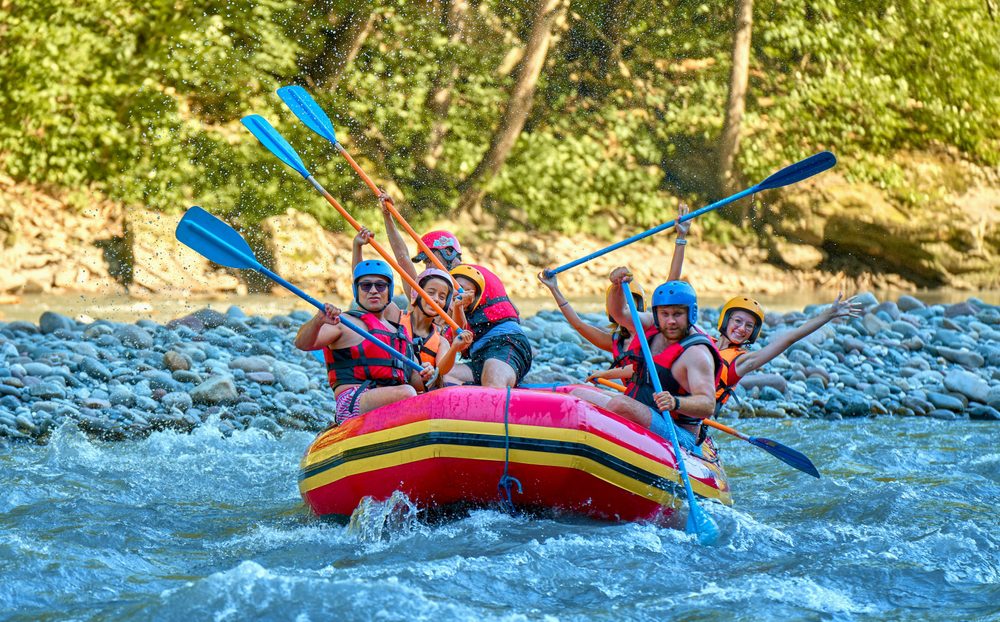
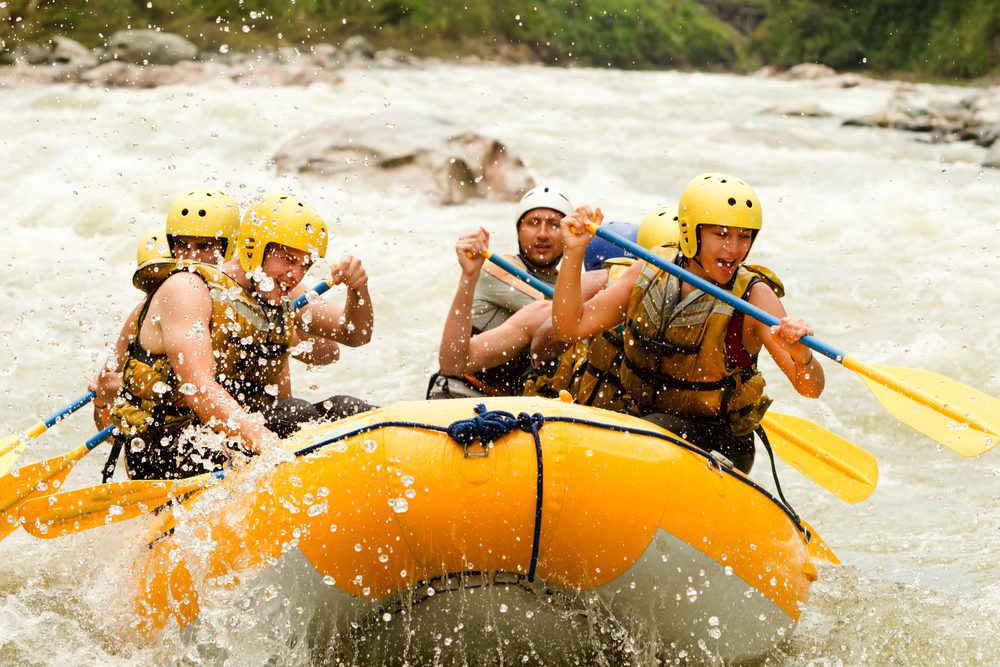
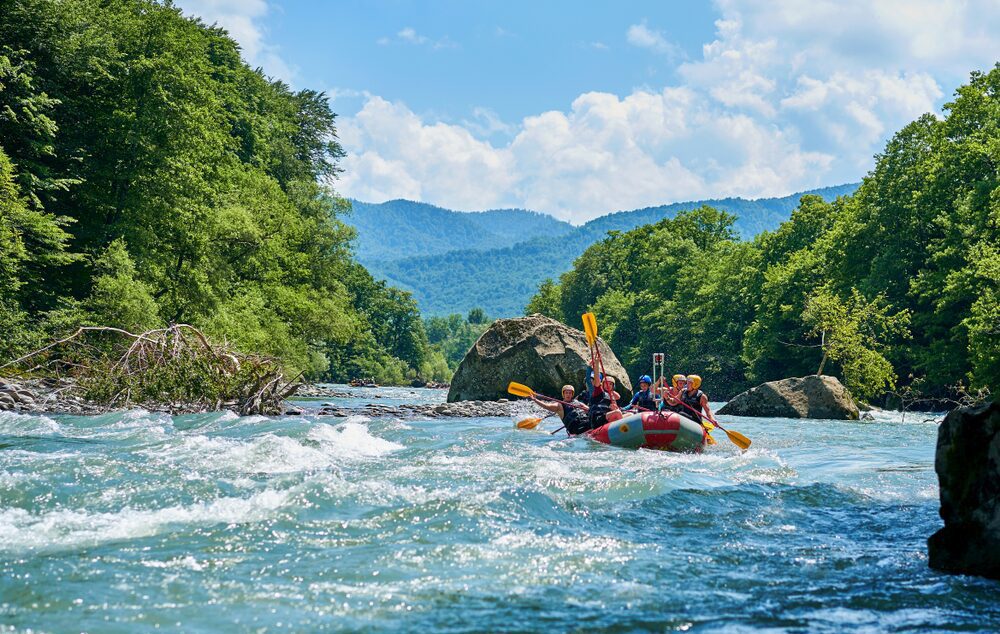
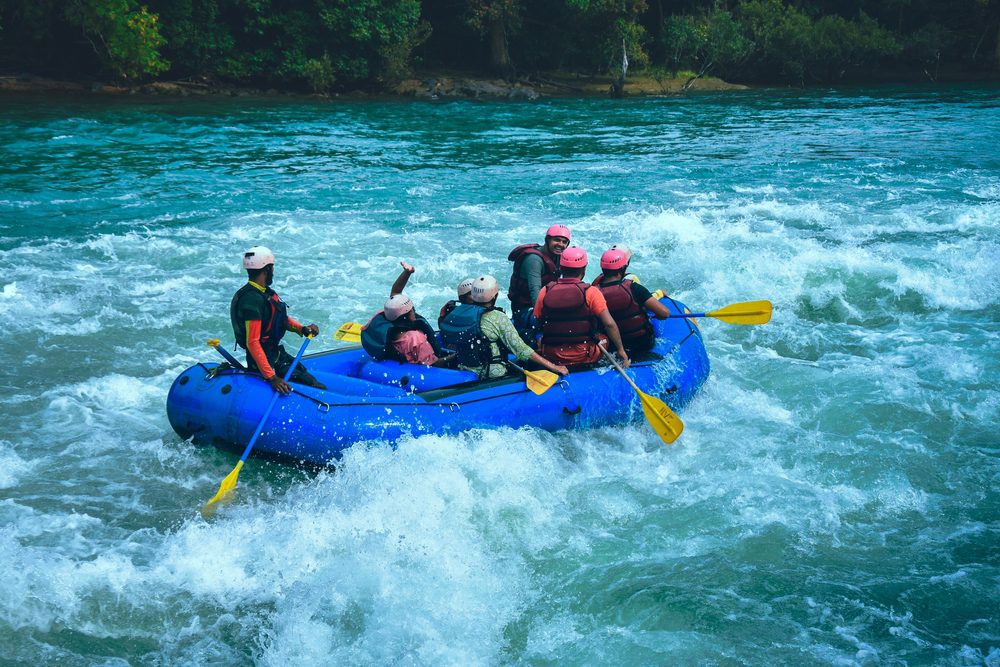
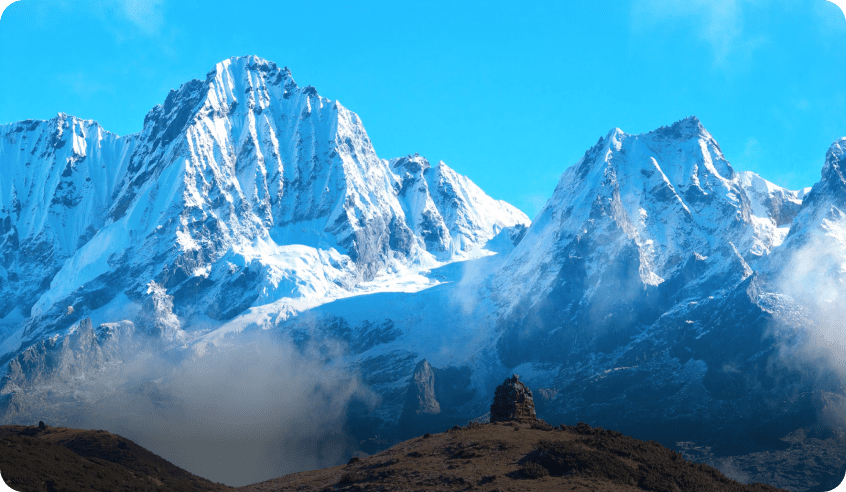
Rafting in Nepal is a wide range of adventure as well as the Trishuli River stands out as an ideal destination for novices and experienced kayakers. The river originates in the Langtang Himal, the Trishuli cuts its way through breathtaking canyons and beautiful valleys. Trishuli River Rafting is considered one of Nepal’s most easy yet exhilarating white water activities, ideal for those wishing to enjoy a rafting day trip from Kathmandu. Just 3-4 hours drive from the capital, this experience offers perfect gentle rapids with breathtaking Himalayan views, making for an ideal place for novice and experienced rafters alike.
This 1-day trip is perfectly designed for those seeking adventure Rafting near Kathmandu. It is a 1-day trip that includes paddling through Class II-III rapids on the sacred Trishuli River, which originates from the Tibetan plateau and passes through Nepal’s exquisite surroundings. This excursion is suitable for everyone as it facilitates unrivaled quality rafting in Nepal while being conveniently close to Kathmandu.
Rafting in the Trishuli River is a great adventure you can enjoy even while traveling between Kathmandu and popular destinations like Pokhara or Chitwan. Since the river flows along the highway, it doesn’t require an extra day in your itinerary. If you are heading to Pokhara, which is also the gateway to Annapurna region treks, then you can stop for rafting. Similarly, if you’re visiting Chitwan National Park for a jungle safari, you’ll pass through the same route, making it easy to include rafting in your travel plan.
Trip Highlights
- Experience thrilling Class II-III rapids on the sacred Trishuli River.
- Enjoy stunning views of terraced hillsides and traditional Nepali villages.
- Perfect introduction to rafting in Nepal for beginners and families.
- Convenient day trip option for rafting near Kathmandu.
- Professional guides and top-quality safety equipment included.
- Opportunity to spot diverse bird species and wildlife along the riverbanks.
- Scenic drive through Nepal’s beautiful countryside.
- Refreshing mountain river waters and pristine natural environment.
- Cultural insights into local communities living along the river.
- Affordable adventure activity with excellent value for money.
Itinerary
Your Journey, Step by Step
9:30–10:00 AM – Arrival at Rafting Start Point (Charaudi / Malekhu)
Arrive at the designated launch site along the Trishuli River. Meet your certified rafting guides, receive your safety gear — helmet, life jacket, and paddle — and settle in for a comprehensive safety briefing. Your guide will walk you through paddling commands, river signals, and what to do in case of a capsize. This is a critical part of the trip — listen carefully and ask questions.
10:30 AM – Hit the Water: Rafting Begins
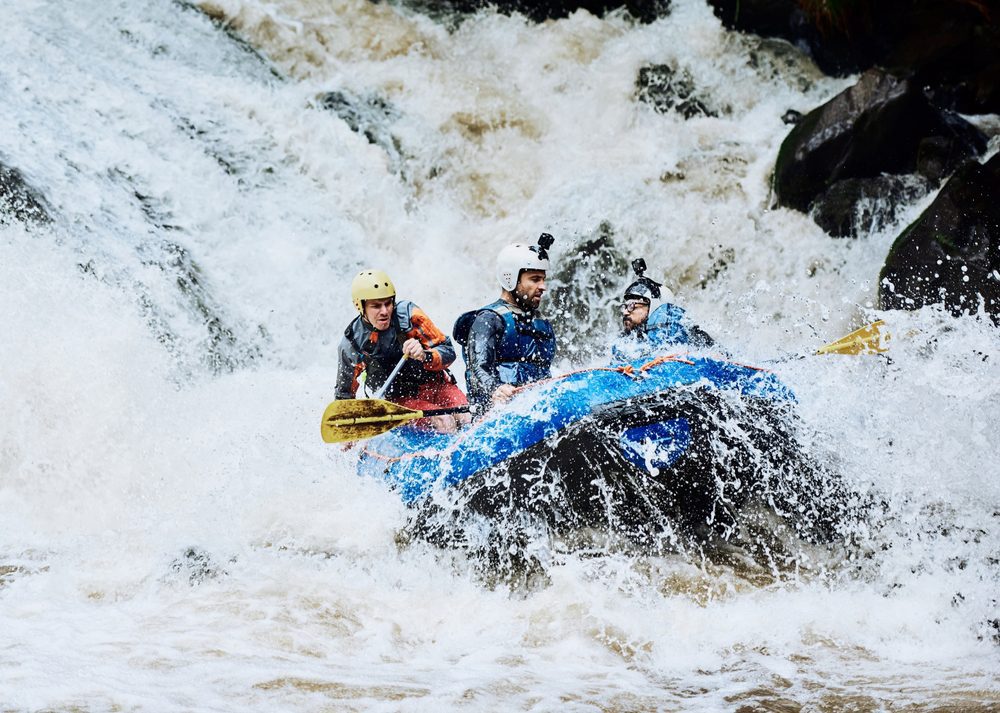
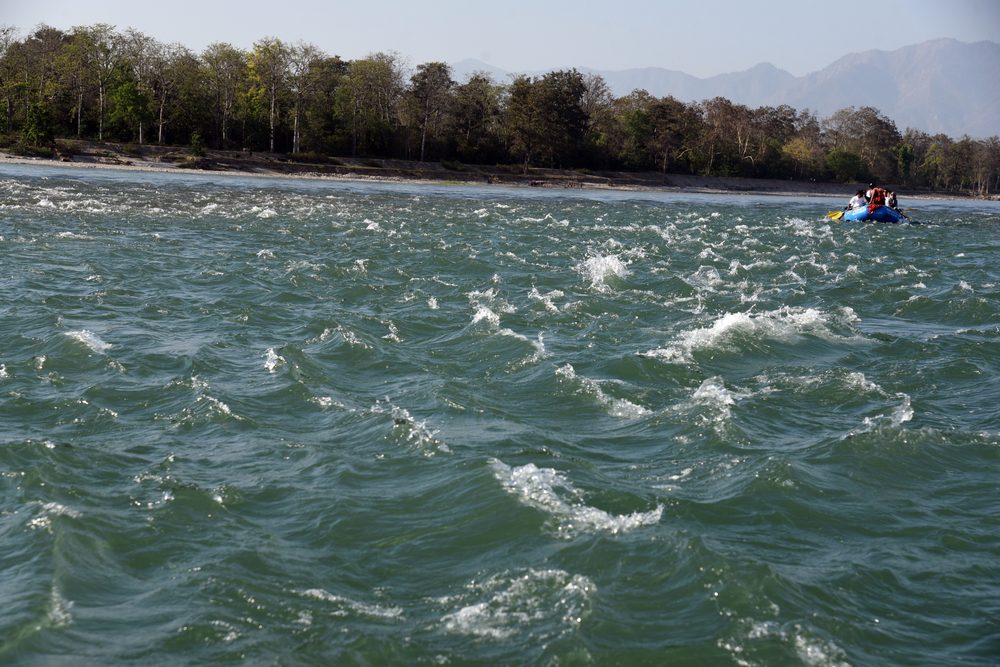
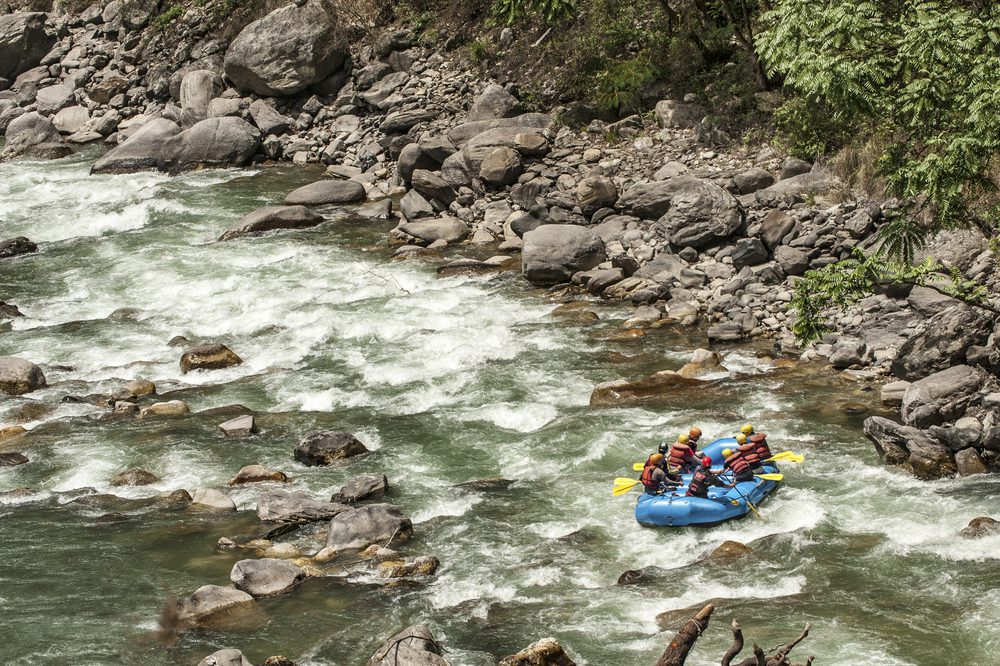
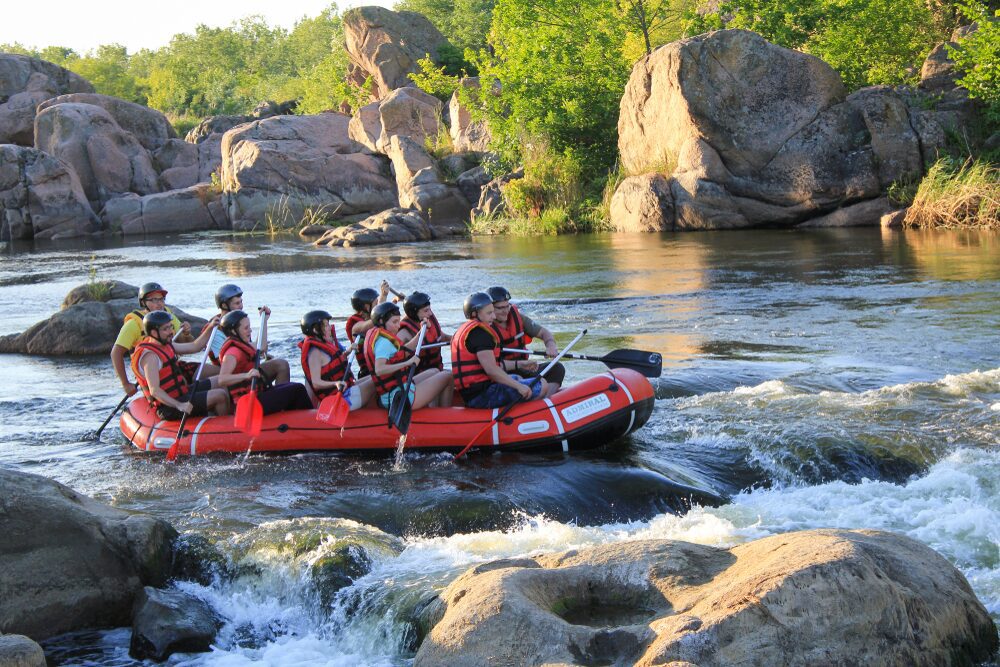
Launch into the cool, clear waters of the Trishuli and start your adventure. The upper stretch features Class II–III rapids with names like Upset, Ladies’ Delight, and Full Moon — each offering a different level of excitement. Between rapids, enjoy calm floating sections where you can soak in the stunning gorge walls, lush jungle banks, and distant mountain ridges. Your guide will call out commands and keep the raft on course through every twist and turn.
12:30–1:00 PM – Riverside Lunch Break
Pull to shore at a beautiful riverside campsite for a well-earned break. Enjoy a hot, freshly prepared lunch — typically Dal Bhat, sandwiches, or a BBQ spread — arranged by your guide team. This is a great time to swim in calmer waters, dry off in the sun, take photos, and bond with your fellow rafters. The riverside setting, framed by green hills and the sound of flowing water, makes for an unforgettable midday pause.
1:30 PM – Continue Rafting Downstream
Re-launch and tackle the second half of the river. This stretch often features some of the most thrilling rapids of the day, including longer drops and faster currents. Your guide will coach the team through technical sections and challenge you to work together as a paddling unit. Keep your eyes open for local suspension bridges, riverside villages, and occasional wildlife along the banks.
3:00–3:30 PM – Finish Point (Kurintar or Fishling)
Pull out of the river at the designated endpoint. Change into dry clothes, rinse off your gear, and gather with your group for a debrief with your guide. Many operators provide certificates of completion, making for a great souvenir. Take a moment to celebrate — you just rafted one of Nepal’s finest rivers.
4:00 PM – Return Drive to Kathmandu
Board your return vehicle and begin the scenic drive back along the Prithvi Highway. Relive the highlights of the day with your fellow rafters. Estimated arrival back in Kathmandu is between 7:00–8:00 PM, depending on traffic. Most groups stop briefly at a roadside teahouse or restaurant for a hot drink or early dinner on the way back.
Customize this trip with help from our local travel specialist that matches your Interests.
Customize This TripInclusions
What’s Covered in Your Adventure
- Professional rafting guide and safety kayaker
- High-quality raft and safety equipment (helmet, life jacket, paddle)
- Transportation from/to Kathmandu
- Delicious riverside lunch All necessary permits and fees
- Comprehensive insurance coverage
- Safety briefing and rafting instructions
- Personal expenses (snacks, drinks, etc.)
- Photography or video services (if not mentioned by the operator)
- Tips for guides and staff
- Extra meals or beverages beyond the included lunch
- Accommodation before or after the trip
- Travel insurance covering trip cancellations or medical evacuation
Maps
Navigate Your Journey
Good to Know
Your Journey, Step by Step
Precautions for Trishuli River Rafting
Taking the right precautions before and during your Trishuli River rafting trip ensures that your experience is not only exciting but safe and enjoyable from start to finish. Whether you are a first-time rafter or a returning adventurer, these guidelines apply to everyone on the water.
Physical Fitness & Health
Trishuli rafting involves sustained paddling, sudden physical effort, and the occasional unexpected swim — all of which require a basic level of physical fitness. Participants should be in reasonably good health and free from any acute medical conditions. Those with a history of heart disease, high blood pressure, back or spinal injuries, epilepsy, or who have undergone recent surgery should consult a physician before booking. While you do not need to be an athlete, a moderate level of stamina and upper body strength will greatly enhance your experience on the river.
What to Wear & Bring
Dress in lightweight, quick-drying athletic clothing — synthetic fabrics such as polyester or nylon work best. Avoid cotton, as it retains water and becomes heavy and uncomfortable when wet. Secure footwear is essential: sports sandals with straps or old trainers are ideal, as you will be entering and exiting the water multiple times. Flip-flops and open sandals are not suitable. Pack a full change of dry clothes in a sealed waterproof bag or dry sack. Apply waterproof sunscreen before departure and bring a strap for your sunglasses. Leave all valuables — jewellery, expensive watches, and unnecessary cash — securely at your hotel.
Before Getting on the River
Never skip the safety briefing, regardless of your previous rafting experience. This session covers all the essential knowledge your guide needs you to have before entering the river, including paddling commands, raft positions, and emergency procedures. Make sure your helmet and life jacket are securely fitted before boarding — loose gear can be a hazard in fast water. Disclose any relevant medical conditions, swimming ability, or personal concerns to your guide before launching. If you are uncomfortable or anxious, speak up — guides are trained to support nervous participants and can adjust your position in the raft accordingly.
On the River
Follow your guide’s instructions immediately and without hesitation, particularly during rapid sections where timing is critical. Maintain a firm grip on your paddle at all times and keep your body weight centred in the raft. Lean into the waves rather than away from them to avoid destabilising the boat. If you fall overboard, resist the urge to stand — moving water can trap your foot between rocks and cause serious injury. Instead, adopt the defensive swimming position: on your back, feet pointed downstream, arms out for balance, and wait for your guide’s direction or throw rope.
Safety Tips for Trishuli River Rafting
- Never raft without a certified and licensed guide — always verify your operator’s credentials and safety record before booking.
- Wear your life jacket and helmet at all times on the water, even during calm stretches between rapids.
- Attend the complete safety briefing before launch and memorise the key commands: paddle forward, back-paddle, stop, hold on, and get down.
- If you fall out of the raft, assume the defensive swimming position immediately — lie on your back with feet pointing downstream and toes raised above the surface.
- Do not panic if you end up in the water. Stay calm, conserve your energy, keep your mouth closed in rough sections, and wait for the rescue rope or your guide’s instruction.
- Avoid alcohol completely before and during the rafting trip. Do not eat a heavy meal within 2–3 hours of getting on the river.
- Secure or leave behind all loose items — mobile phones, cameras, jewellery, and watches are easily lost in the water.
- Stay well hydrated throughout the day. Drink water before the trip begins and during lunch breaks, especially in warm weather.
- Inform your guide immediately if you feel unwell, lightheaded, fatigued, or anxious at any point during the trip.
- Children under 14 years of age or weighing less than 40 kg should only participate in beginner or Grade II sections, with additional supervision from the guide team.
- Book exclusively with operators who carry comprehensive safety equipment, including throw ropes, first aid kits, spare paddles, and a defined emergency evacuation plan.
- Check current river conditions, weather forecasts, and road reports the evening before your trip. Be prepared to reschedule if conditions are unsafe or the highway is disrupted.
Transportation for Trishuli River Rafting
The Trishuli River is located 80–100 km from Kathmandu (approximately 3–4 hours) and 4–5 hours from Pokhara, accessible via the Prithvi Highway. The most convenient option is transportation arranged directly through your rafting operator, which typically includes round-trip pickup and drop-off, gear transfer, and driver coordination between the start and finish points — making it a seamless, hassle-free experience. For those preferring independence, private cars or jeeps offer comfort and flexible departure times with direct drop to the rafting point, while tourist buses depart daily from Thamel and Sorhakhutte in Kathmandu at budget-friendly rates. Local buses from Gongabu Bus Park are the cheapest option but involve longer travel times and are not recommended for tight one-day schedules. Regardless of your transport choice, depart early (by 6:00–7:00 AM) to beat traffic and arrive in time for the morning briefing. Carry light snacks, water, and a change of clothes in a waterproof bag for the journey.
Trishuli River Rafting (1-Day Trip) Cost & Price
The trishuli river rafting 1 day trip price or Rafting in Trishuli River price typically ranges from $40 to $70 USD per person when it includes all services. This usually covers:
- Professional English-speaking river guide.
- High-quality self-bailing raft.
- All safety gear (helmet, life jacket, paddle).
- Round-trip transportation from Kathmandu (or nearby designated points).
- Riverside lunch.
- Necessary rafting permits.
- Basic first aid and insurance for rafting staff.
The cost of the one-day Trishuli River Rafting trip can be around $30 to $45 USD per person if you arrange your own transportation or opt out of meals. The cost also may differ if you want to customize the itinerary or want any facilities.
What to Bring for Rafting in Trishuli
- Swimsuit or quick-drying shorts and t-shirt (to wear on the raft).
- Secure footwear (river sandals, old sneakers that can get wet).
- Sunscreen and lip balm.
- Sunglasses with a retaining strap.
- Water bottle.
- Towel and a set of dry clothes to change into after rafting.
- Waterproof bag for your camera/phone (optional, use at your own risk).
- Personal medication, if any.
Accommodation Options for Rafting in Trishuli
While this is a day trip, those who wish to extend their experience can stay overnight at one of the riverside resorts along the Trishuli. Accommodation prices vary depending on the standard and services offered, ranging from budget-friendly rooms at $25–40 per night to more comfortable luxury resort packages at $80–150 per night — many of which include rafting combinations and riverside dining. For the more adventurous, a tent camping option is also available at just $10–15 per person, letting you fall asleep to the sound of the river under a canopy of Himalayan stars.
Booking Policy for One-Day Trishuli River Rafting
1. How to Book
The Trishuli River Rafting can be scheduled online, over the phone, or in person at our Kathmandu office. Bookings should be made at least one day in advance, particularly on weekends and during the busiest times of the year (spring and fall).
2. Information We Need
In order to verify your travel, we will need:
- Your entire name
- The number of passengers
- Preferred time and date of travel
- Location of pickup (hotel or meeting spot)
- Trip type (overnight stay, day trip, or sunrise/sunset view)
- For this journey, neither a passport nor any permits are needed.
3. Payment Options
We provide flexible payment options:
- Money: Before the journey begins, pay in USD or Nepali Rupees.
- Online Payment: Use our website to safely pay with a credit card.
- Bank Transfer: Available for reservations made in advance or in groups
The majority of trips need full payment at the time of booking or shortly before departure.
4. Last-Minute Booking
Depending on availability, bookings may be made even a few hours in advance. However, to ensure perfect transportation and lodging arrangements, we advise making reservations at least one day in advance for sunrise trips or overnight stays.
5. Customization Available
Trips are flexible. You can stay longer, go on a little climb, or visit neighboring locations like Bhaktapur. We will customize the trip for you if you let us know what kind of experience you are seeking.
Cancellation Process for One-Day Trishuli River Rafting
1. Free Cancellation (Up to 24 Hours Before)
You will receive a complete refund with no additional costs if you cancel your trip at least 24 hours prior to the scheduled departure time.
2. Cancellations Within 24 Hours
We might have to keep 50% of the total fee if you cancel within 24 hours of the trip in order to pay for previously made reservations for lodging or transportation.
3. No-Show Policy
The entire amount is non-refundable if you fail to show up for the trip and don’t notify us.
4. Same-Day Bookings
Unless there is an emergency and we agree to reschedule, cancellations for trips scheduled for the same day are typically non-refundable.
5. Cancellation by Us
In the event that bad weather, traffic, or unexpected local circumstances force us to postpone the trip, we will provide you with:
A complete refund.
The ability to reschedule at no additional expense
FAQs
Your Questions, Answered
Can I do a 2-day rafting trip on the Trishuli?
Yes. A 2-day trip is available and covers 50–60 km in total, with an overnight riverside camp set up between Malekhu and Kurintar. It is a great option for those who want a more immersive experience.
Is kayaking available on the Trishuli River?
Yes, solo kayaking is offered on the Trishuli and is suitable for both beginners and experienced paddlers. Several operators provide guided kayaking sessions alongside their rafting programmes.
How much does one-day kayaking cost?
Expect to pay approximately $40–80 per person per day, depending on the operator and whether professional instruction or equipment rental is included in the package.
How long is the drive from the rafting finish point to Pokhara?
From the Kurintar finish point, Pokhara is approximately 2–3 hours by road, making it a very popular onward destination for travellers combining rafting with a Pokhara visit.
How much does the tourist bus cost?
Tourist buses from Thamel or Sorhakhutte in Kathmandu to the rafting area cost approximately $5–10 per person one way, with daily departures in the early morning.
Is all the rafting gear provided?
Yes. All essential equipment — including helmet, life jacket, paddle, wetsuit, and splash jacket — is provided by your rafting operator. You do not need to bring any specialist gear.
What is included in a one-day rafting package?
A standard one-day package typically includes return transport from Kathmandu, all rafting gear, a certified guide, riverside lunch, and drop-off back at your hotel in the evening.
What safety measures are in place?
All reputable operators provide certified and trained guides, mandatory helmets and life jackets, a pre-trip safety briefing, throw ropes, first aid kits, and a clearly defined emergency rescue and evacuation protocol.
How challenging is the Trishuli rafting experience?
It is rated moderate. Class II–III rapids deliver a genuine thrill and require active paddling, but the river is well within reach of healthy beginners and does not demand prior rafting experience.
Is rafting on the Trishuli safe for beginners?
Yes. The Trishuli is widely regarded as Nepal’s most beginner-friendly rafting river. Professional guides manage all technical sections, and the rapids are exciting without being extreme.
Do I need to know how to swim?
Basic swimming ability is recommended but not strictly required. Life jackets keep all participants buoyant, and guides are trained to handle water rescues quickly and safely.
What is the minimum age for a one-day rafting trip?
The minimum age is typically 14 years. Participants under 18 years of age will require written parental or guardian consent before joining the trip.
What is the best time of year for one-day white water rafting?
October and November are the best months, offering post-monsoon water levels, clear skies, and perfect temperatures. March to May is an excellent second choice with blooming spring scenery.
What grade are the rapids on the Trishuli?
The rapids are graded Class II–III, meaning they are moderate in intensity with clear channels, manageable waves, and occasional drops — ideal for first-timers and casual adventure travellers.
Can I bring my phone or camera on the raft?
It is not recommended to bring electronics onto the raft unless they are stored in a quality waterproof case or dry bag. Most operators sell or rent waterproof pouches at the starting point for a small fee.
Is a meal included in the package?
Yes. A riverside lunch is included in most standard one-day rafting packages, typically served at a scenic break point along the river during the midday rest stop.
Do I need travel insurance for rafting?
Travel insurance that covers adventure sports activities and emergency helicopter evacuation is strongly recommended. While not always mandatory, it provides essential protection in the unlikely event of an accident.
Which river in Nepal is best for first-time rafters?
The Trishuli River is the top recommendation for first-timers due to its easy accessibility from Kathmandu, moderate rapids, well-established operators, and excellent safety record.
How much does canyoning cost in Nepal?
Canyoning trips in Nepal typically cost $50–100 per person per day, depending on the location, duration, level of difficulty, and the operator running the experience.
Where is the best place for canyoning in Nepal?
Jalbire near the Balephi River and the Borderlands resort area south of Kathmandu are the most popular and well-equipped destinations for canyoning, offering guided descents through dramatic gorges and waterfalls.
Can I go fishing in the Trishuli River?
Yes. Fishing is permitted in calmer stretches of the Trishuli, with mahseer and trout being the most commonly caught species. A local fishing permit may be required and can usually be arranged through your operator or local authorities.

Reviews
What Our Travelers Say


Based on 2 ratings
5




View Our Similar Packages
Discover our top tours, loved by thousands of travelers annually. Choose the adventure that inspires you and embark on a journey tailored to your desires.

 Nepal
Nepal
 7 Days

Add Review
Reviewing for Trishuli River Rafting at Best PriceRequest a Callback - Trishuli River Rafting at Best Price
Submit the form and we will be back to you shortly
Request a Callback - Trishuli River Rafting at Best Price
Submit the form and we will be back to you shortly
Narayanhiti Palace Museum

Narayanhiti Palace Museum


