








What are the Best Trekking Gear Brands for Everest Base Camp?
Discover the best Camping, trekking gear, tips, and top brands to stay safe, warm, and comfortable on your high-altitude adventure.
-
 Adventure Master Trek
-
23 December, 2025
-
17 mins read
-
759 Views
-
0 Comments


Introduction: Why the Right Gear Matters for EBC
The main important thing about the Everest Base Camp is to prepare the right gear. As you already know, the mountainous environment in Nepal can suddenly change from a beautiful sunny day to icy winds and snowfall in any minute. As you know about such changeable weather, you must know about the clothing and equipment you require for the trek. Well, the clothing must keep you warm, dry and comfortable throughout long days at high altitude.
Preparing for the reliable and high-quality gear isn’t just all it about, but it also plays a huge role in making you safe, increasing your energy levels and overall trekking experience. There are lots of gears with proper insulation; sturdy and well-fitted boots, waterproof outer layers, and breathable fabrics will be needed to trek on EBC. It will help you alot to be protected from cold temperatures and help protect you from cold, fatigue and unexpected weather. Many ask queries about “What should I pack for gear and clothes?”
But worry not. In this guide, we will cover all the details about what essential equipment is. When you trust that their products have been specifically tested and designed for difficult mountain environments and for long-term use, you are more confident that your equipment will perform when needed. If you have the right gear, you won’t have to worry about the elements as much, allowing you to concentrate on experiencing the beauty of the journey to Everest Base Camp.
Essential Gear Required for an EBC Trek
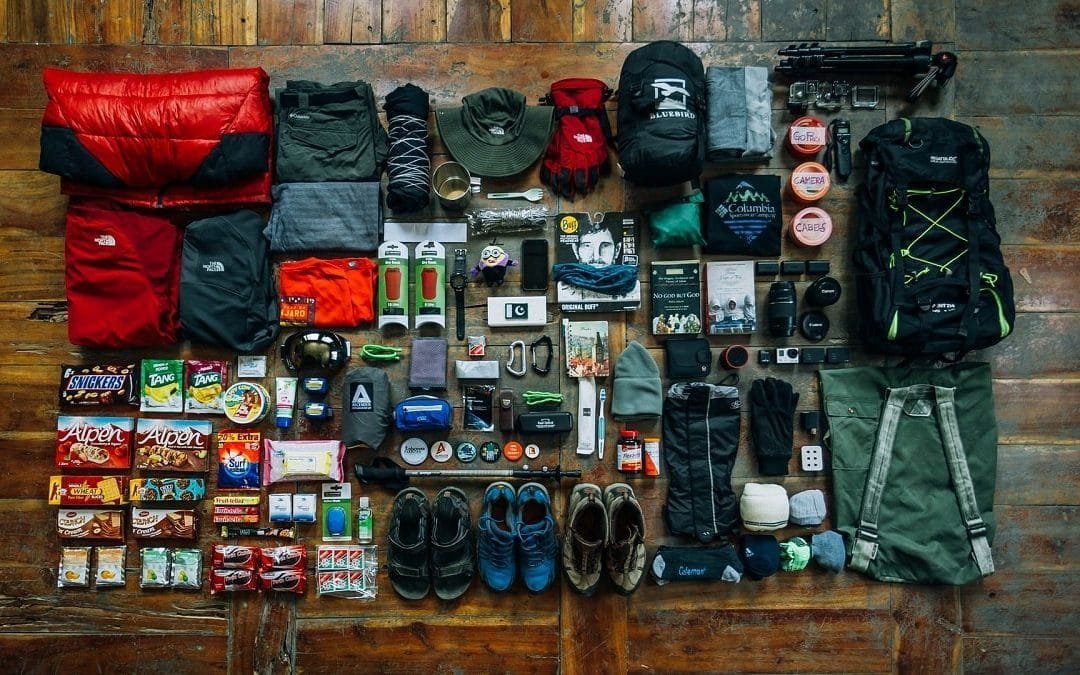
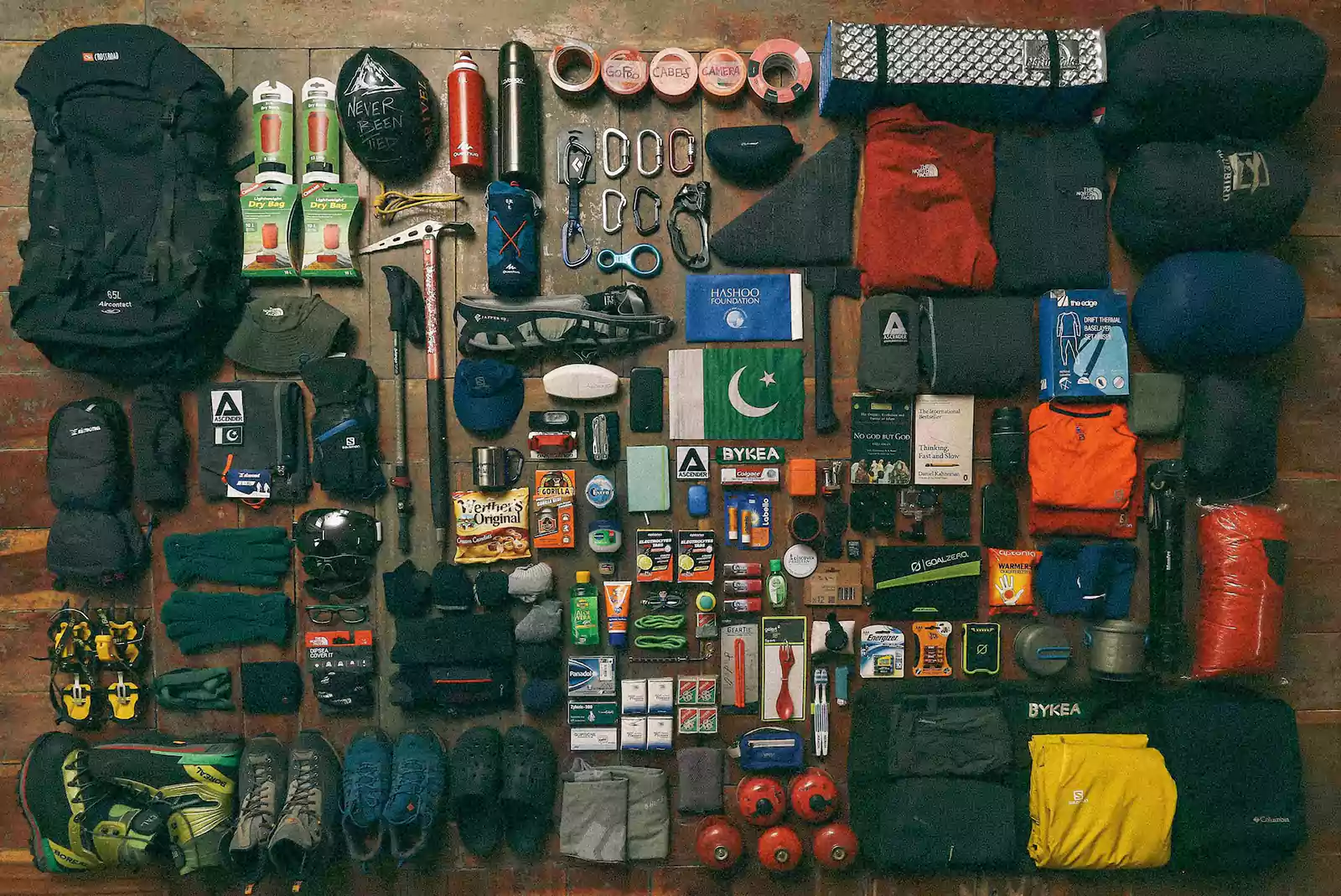
Selecting the proper equipment for a safe and enjoyable experience on the trek to Everest Base Camp is important. Each piece of gear will serve a purpose as conditions and terrain will vary. Weather conditions, types of terrain, and elevations will require different types of gear to keep you safe, warm, and protected against whatever the Himalayas have to offer. The essentials listed below are important pieces of gear that all trekkers to Everest Base Camp should focus on.
Layering System (Base, Mid, Outer Layers)
Your layering system is the foundation of your ability to stay comfortable at higher altitudes. The base layer will pull moisture away from your skin, the mid-layer will insulate, and the outer layer will serve as an effective barrier against wind, snow, and rain. The layering system allows for easy adjustment of body temperature as the weather conditions change so that you are comfortable throughout your trek to Everest Base Camp.
Insulation & Warmth Requirements

High-altitude regions often have temperatures below freezing, especially in the evenings and early mornings. Therefore, it is essential that your gear provide adequate insulation. The use of an insulated jacket, insulated gloves, insulated leggings, and a quality hat will help to maintain body temperature. Proper insulation will allow you to stay warm without adding any excess weight, which is necessary for extended trekking.
Trekking Boots, Backpacks & Accessories
The choice of proper footwear is essential for an Everest Base Camp (EBC) trek. Since you will spend time travelling rocky, uneven terrain, you need quality footwear with reinforced ankle support. Proper footwear should also be given preference for its ability to keep your feet dry. In addition to proper footwear, a good-quality daypack with a padded hip belt and padded torso will help make the load manageable and distribute the weight evenly on your body. Trekking poles, UV blocking sunglasses, headlamps, and merino wool socks are additional safety and comfort items to consider when preparing for an EBC trek.
Technical Gear for High Altitude
While the technical gear you need at higher altitudes helps keep you safe from falls and accidents, it also provides you with convenience in case of situations such as power outages or harsh weather conditions. For people trekking at high altitude, there are also a few key technical items to consider, including a quality headlamp, charge cables and batteries for your smartphone and camera, water filtration tablets to ensure safe drinking water from mountain streams or rivers, and a good-quality sleeping bag designed for extreme cold at high altitude. By having the proper stationary technical gear for high-altitude treks, you can enjoy your trekking experience with greater peace of mind since conditions change quickly and are often difficult to see in the mountains.
Top International Trekking Gear Brands for Everest Base Camp
Top International Trekking Gear Brands for Everest Base Camp: By purchasing from some of the top international brands, trekkers can enhance their trek to Everest Base Camp by providing additional comfort, security, and safety, and therefore, provide more positive experiences with their trekking. Many of these globally known brands manufacture high-quality, durable, weather-resistant gear for extreme mountain environments.
Whichever type of quality gear you require (waterproof jackets, well-constructed outdoor footwear or insulating layers), the following internationally recognized brands have proven their quality and high-performance level for high-altitude trekking.
- The North Face
The North Face is a well-known and respected manufacturer of high-performance outerwear for serious trekkers. Trekkers throughout the Himalayas have found The North Face’s high-quality, insulated outerwear, warm mid-layers, and durable outer shells are durable enough to withstand extreme weather and climbing conditions. These qualities make The North Face a great choice for any EBC trek.
- Arc’teryx
Arc’teryx is recognized for their quality and performance-oriented products with an emphasis on technical features. They have lightweight, protective outerwear and insulation that provides maximum performance with minimum weight, making them a popular choice with serious trekkers who seek to maximize their efforts without unnecessary bulk and components.
- Rab
Rab specializes in making gear for cold weather, especially down jackets and sleeping bags. The Rab line of products provides great insulation and comfort, in addition to being easy to pack; this makes them well suited for EBC’s chilly morning and evening hours.
- Marmot
Marmot combines comfort, warmth and durability in the performance of their gear during unpredictable Himalayan weather conditions. Marmot also provides a good level of protection from weather extremes and is popular with both beginner and experienced trekkers alike.
- Berghaus
Berghaus specializes in weatherproof technology and rugged, durable product designs. They manufacture jackets and mid-layers that are designed to withstand extended use and provide trekkers with a reliable and dependable option for an active EBC trek.
- Mammut
Mammut is known for producing high-quality mountaineering gear. The Mammut line of apparel, backpacks and accessories are built for extreme alpine conditions and provide excellent heat retention, durability and comfort; therefore, they are well suited to help trekkers complete their EBC journey safely and smoothly.
Why These International Brands Stand Out

Choosing the correct brand can have a significant impact on overall trekking success when trekking to Everest Base Camp (EBC). International trekking brands are known for their quality, reliability and performance in extreme mountain environments. They concentrate their design efforts on producing durable products with a high level of heat retention and overall comfort, allowing trekkers to succeed in extreme altitude environments, regardless of changing weather conditions. Here’s a look at why these brands separate themselves from the rest:
Durability & High-Altitude Performance
The performance of their gear is based on the anticipation of being used in harsh conditions found on trekking to EBC. Through the use of this assumption, these brands have designed their equipment to endure harsh, rugged and intensely cold EBC routes, including all of the elements (for instance, high winds and extremely low temperatures) that will be encountered while climbing toward EBC.
Advanced Insulation & Weather Protection
When trekking at high elevations in cold and snowy conditions, it is vital that you remain warm and dry; therefore, international brands use quality insulation, waterproof and windproof materials, and most importantly, the right construction to keep you warm while still allowing you to function properly at that location and allowing your body to carry only the weight that it can sustain. In doing so, you will be able to enjoy all aspects of your trek fully.
Breathability & Lightweight Technology
A lightweight and breathable piece of equipment will allow you to maintain the proper body temperature while going on an extended trek. Many companies place a greater emphasis on using materials that provide the most amount of air circulation while still being able to keep your body heat inside, which in turn reduces the amount of sweat that builds up, thus preventing you from overheating and becoming uncomfortable. In addition, because of the lightweight nature of these products, they can be carried easily, thereby reducing your fatigue during your trek.
Long-Term Value and Proven Reliability
Purchasing gear from quality brands that manufacture high-quality equipment for high-altitude environments will ensure you have gear that will last through multiple treks over several seasons of heavy use. All products from reputable brands are tested to meet the manufacturer’s performance expectations and to provide safety at the elevated terrains. Therefore, you can feel secure when you take the gear out for your next adventure.
Popular Nepali & Local Brands for EBC Trekkers
Many trekkers have found that local Nepali brands produce quality trekking equipment at reasonable prices, which provides an alternative to purchasing expensive international brand gear. Over the years, many local brands have improved upon their original designs so that now they have become much more popular with both domestic and international hikers travelling through the Himalayas. Local brands provide options that meet the needs of hikers in the Himalayan Region while being less expensive than their international counterparts.
Why Local Brands Are Becoming a Trend
The local brands are very appealing to consumers because they typically carry lower-priced gear that is ready for use on expeditions, and they are often available from online retailers or in stores located in the trekking hub, which is Kathmandu. Most products manufactured by local brands are also specifically designed for use in the Himalayas, thus making local brands a very good choice for both casual hikers and those on a budget who wish to experience treks and hikes in the Himalayas.
Nims Dai / Elite Expedition Gear
Both Nims Dai and Elite Expedition Gear make high-quality down jackets, insulated layers, and many other necessary pieces of equipment for those who wish to go on and complete a trek to Base Camp at Mount Everest. The gear of both Nims Dai and Elite Expedition Gear is tested in local conditions to provide warmth, comfort, and durability for all trekkers to Base Camp.
Kaemp 8848
Kaemp 8848 is primarily focused on producing functional clothing and gear that is designed specifically for high-altitude trekking. The jackets, sleeping bags, and many other pieces of equipment manufactured by Kaemp 8848 have great thermal insulation and provide adequate protection at a lower price, thus making them appropriate for all those who are novice trekkers and for those who are budget-conscious.
Locally Made Accessories & Budget-Friendly Gear
Besides jackets and clothing, many local brands manufacture a variety of low-cost trekking accessories, such as trekking poles, hats, gloves, and backpacks. Local brands may not provide the level of quality and craftsmanship found in high-end international brands; however, they provide practical solutions for many hikers who desire to own reliable gear without spending a fortune.
Mixing International & Local Gear: Smart Strategy for Trekkers
The process that many trekkers to Base Camp at Mount Everest employ is the combination of international and local brands of trekking gear. Your preparations for an upcoming trek will involve balancing your expectations, expenses, and equipment. You want to make sure that you have everything you need to be comfortable while you are on your trek, but you don’t want to spend more than necessary for your gear. Choosing carefully which gear you will purchase before arriving is a great way to keep your trek enjoyable yet allow for easy packing of your equipment.
What to Buy Before Arriving in Nepal
This list is a good overview of what you should purchase prior to leaving for Nepal. Concentrate on purchasing high-quality items that fit properly and perform consistently. Things that you want to purchase before you arrive in Nepal are:
- Trekking Boots (they are best to wear when broken in well)
- Down Jacket/Insulated Jacket Layers
- Base and Thermal Layers
- A Good Backpack
- Technical Items: Headlamps, Trekking Poles
What You Can Buy or Rent in Kathmandu
There are many options available for those looking to buy or rent gear in Kathmandu (as opposed to purchasing it before leaving):
- Sleeping bags to rent in Kathmandu, rated for zero to sub-zero temperatures.
- Most shops will also have mid layers and gloves available to purchase/rent.
- Trekking poles and hats
- Accessories like gaiters, socks, and rain covers.
They all can be rented or purchased for a very reasonable cost in Kathmandu, so check out what is available at the many stores throughout the city.
Balancing Cost, Performance & Convenience
The best way to find a good balance between cost, performance, and convenience is to purchase quality international gear (boots, jackets, and backpacks) for those items that you cannot afford to be uncomfortable with while trekking Everest Base Camp, and you can rent or purchase most other less-critical items (sleeping bags, trekking poles, and extra layers) for much less money and with much less hassle in Kathmandu.
With this type of planning, you will have a reliable selection of gear where it counts the most, while keeping both the cost and weight down. You’ll feel comfortable and ready for your trek and be able to focus on the beauty of the trek instead of the stress of preparing.
Recent Trends in Trekking Gear (2024–2025)
Gear developed for trekking has changed significantly due to the ever-changing needs of today’s adventurers. The current trends in trekking gear for those participating in Everest Base Camp Treks focus on being eco-friendly, performing exceptionally, and allowing for multiple uses.
Rise of Sustainable & Eco-Friendly Materials
Many brands are now utilizing recycled, eco-friendly materials for jackets, layering, and accessories as a way to reduce the strain placed on our environment while allowing trekkers to be comfortable and warm.
Lightweight, Multi-Use Trekking Clothing
The trend towards lightweight, multi-use trekking clothes will provide people with versatility when wearing the clothing in many different weather conditions. Multi-use layers allow trekkers to pack lighter and prevent unnecessary strain on their body by decreasing the amount of gear needed to handle varying temperatures and long hiking days.
High-Performance Down Jackets & Hybrid Insulation
Modern-day down jackets are now made with a combination of both high-quality down and synthetic insulation. The use of synthetic insulation adds warmth and more water resistance and reduces the overall weight of the down jacket.
Purchasing Authentic High-Quality Gear Over Cheap Imitations
With the growing popularity of trekking, and the many new trekking opportunities available to trekkers, more and more people are opting to purchase only the best quality authentic gear, rather than lower cost imitations. Trekkers purchasing authentic gear from reputable brands will be able to enjoy safe, comfortable, durable, high-quality gear.
Things to Look For When Selecting Gear

When you are selecting gear for your trek to Everest Base Camp, it is essential that you select the appropriate gear so you will feel comfortable and secure and have a pleasant trekking experience. To ensure you choose gear that meets all the elements required for a successful trek in the harsh mountain environment, following a well-constructed checklist will help you select the best-performing gear while keeping you light on your feet and comfortable throughout your trek. Gear must keep you dry from rain/snow and provide protection against high winds/allow for moisture escape and be:
Waterproof & Windproof—Your jacket, boots, clothing, and equipment should be waterproof, windproof, and use breathable, heavy-duty fabric. These types of materials, in combination with layers, will keep you warm and comfortable and should keep you from becoming cold and damp over an extended period on a long-distance trek.
Weight vs. Warmth—With regard to weight and warmth, you will want to have a balance with your lightweight and insulated gear. You will want to use gear that will be warm enough but not too heavy. You need to consider the high-altitude environment of trekking and the need for lightweight, insulated apparel that allows for maximum movement and comfort during long-distance treks.
Fit, Comfort & Layering—The fit of your clothing/gear is critical to your mobility and comfort on longer-distance treks. You want to have clothing and gear that is appropriately sized and that can be added and removed. It should fit properly and should not restrict movement or overheat.
Boot Support, Grip & Comfort—Your boots need to provide support for your ankles and provide adequate grip. Additionally, it’s important to wear boots that are the right size and are adequately broken in before beginning your trek. Your boots should fit comfortably, be sturdy, and reduce the occurrence of blisters/slips/injuries, especially on rocky and uneven trails.
Ensure Authenticity and Avoid Counterfeits—When it comes to the authenticity of gear, it is very important to verify authenticity for jackets, boots, and technical layers. Authentic (genuine) gear offers high performance and the features you will need to withstand the high-altitude environment of Himalayan trekking. Counterfeit/lower-quality items may fail when they are needed most.
Frequently Asked Questions
What are the best brands for down jackets for trekking to EBC?
Some of the most reputable brands in down jackets include The North Face, Rab, and Arc’teryx. All of these brands are highly recommended for providing high levels of warmth, lightweight construction, and extreme weather protection against the extremely cold weather in the Himalayas.
Are the local brands in Nepal worth using for trekking?
Local brands will have basic trekking gear or trekking accessories. If you want quality boots and down jackets, you will usually need to purchase international brand products for better durability and performance.
If you are going to Kathmandu, should you buy or rent trekking equipment?
Before your trip, be sure you buy the essential items (e.g., jackets, boots) that fit your body type well to ensure proper comfort. You may rent or purchase any additional clothing and accessories you may need once you arrive in Kathmandu to save on expenses.
What is the estimated cost of quality trekking equipment?
The average cost of a full set of EBC gear ranges from $500 to $1000 based on the brand of product purchased.
Do I have to have high-end gear or is mid-range sufficient?
For most trekkers, mid-range equipment (durable and warm) will be acceptable. While high-end brands may be of greater use, particularly for first-time trekkers, they are not mandatory.
Conclusion
When it comes to the trek to Everest Base Camp, selecting proper equipment goes beyond simply picking the latest jacket or a trendy backpack. Proper trekking equipment is about providing you with protection, comfort and the ultimate enjoyment of your trip. Your choice of trekking equipment will depend on your budget, experience, the climate during your trek and the style of treks you enjoy; however, a key factor to consider when trekking is the reliability and quality of your gear. Quality gear will provide warmth, keep you dry in inclement weather, and maintain sufficient energy to continue hiking after several days of hiking. By selecting reputable international brands, as well as some reliable local brands for your gear, you can achieve the highest level of comfort while trekking to Everest Base Camp.
Comments (0)
Write a comment- Introduction: Why the Right Gear Matters for EBC
- Essential Gear Required for an EBC Trek
- Layering System (Base, Mid, Outer Layers)
- Insulation & Warmth Requirements
- Trekking Boots, Backpacks & Accessories
- Technical Gear for High Altitude
- Top International Trekking Gear Brands for Everest Base Camp
- Why These International Brands Stand Out
- Durability & High-Altitude Performance
- Advanced Insulation & Weather Protection
- Breathability & Lightweight Technology
- Long-Term Value and Proven Reliability
- Popular Nepali & Local Brands for EBC Trekkers
- Why Local Brands Are Becoming a Trend
- Nims Dai / Elite Expedition Gear
- Kaemp 8848
- Locally Made Accessories & Budget-Friendly Gear
- Mixing International & Local Gear: Smart Strategy for Trekkers
- What to Buy Before Arriving in Nepal
- What You Can Buy or Rent in Kathmandu
- Balancing Cost, Performance & Convenience
- Recent Trends in Trekking Gear (2024–2025)
- Rise of Sustainable & Eco-Friendly Materials
- Lightweight, Multi-Use Trekking Clothing
- High-Performance Down Jackets & Hybrid Insulation
- Purchasing Authentic High-Quality Gear Over Cheap Imitations
- Things to Look For When Selecting Gear
- Frequently Asked Questions
- What are the best brands for down jackets for trekking to EBC?
- Are the local brands in Nepal worth using for trekking?
- If you are going to Kathmandu, should you buy or rent trekking equipment?
- What is the estimated cost of quality trekking equipment?
- Do I have to have high-end gear or is mid-range sufficient?
- Conclusion
Read the latest Blogs & Insights
Explore our collection of articles and insights to gain in-depth travel knowledge, expert advice, and stay updated on the latest trends and tips.


No comments yet.