











4-day Mardi Himal Trek


Quick Trip Facts


4-day Mardi Himal Trek Overview
The 4-day Mardi Himal Trek is beautiful and quiet in the Annapurna region of Nepal. Because it is one of the newer and less-explored trails, such trekkers who would like to experience the serenity without the maddening crowds will enjoy its beauty. The trek takes on average 4 days to complete. It is moderately difficult but can be attempted by beginners with a reasonable level of fitness.
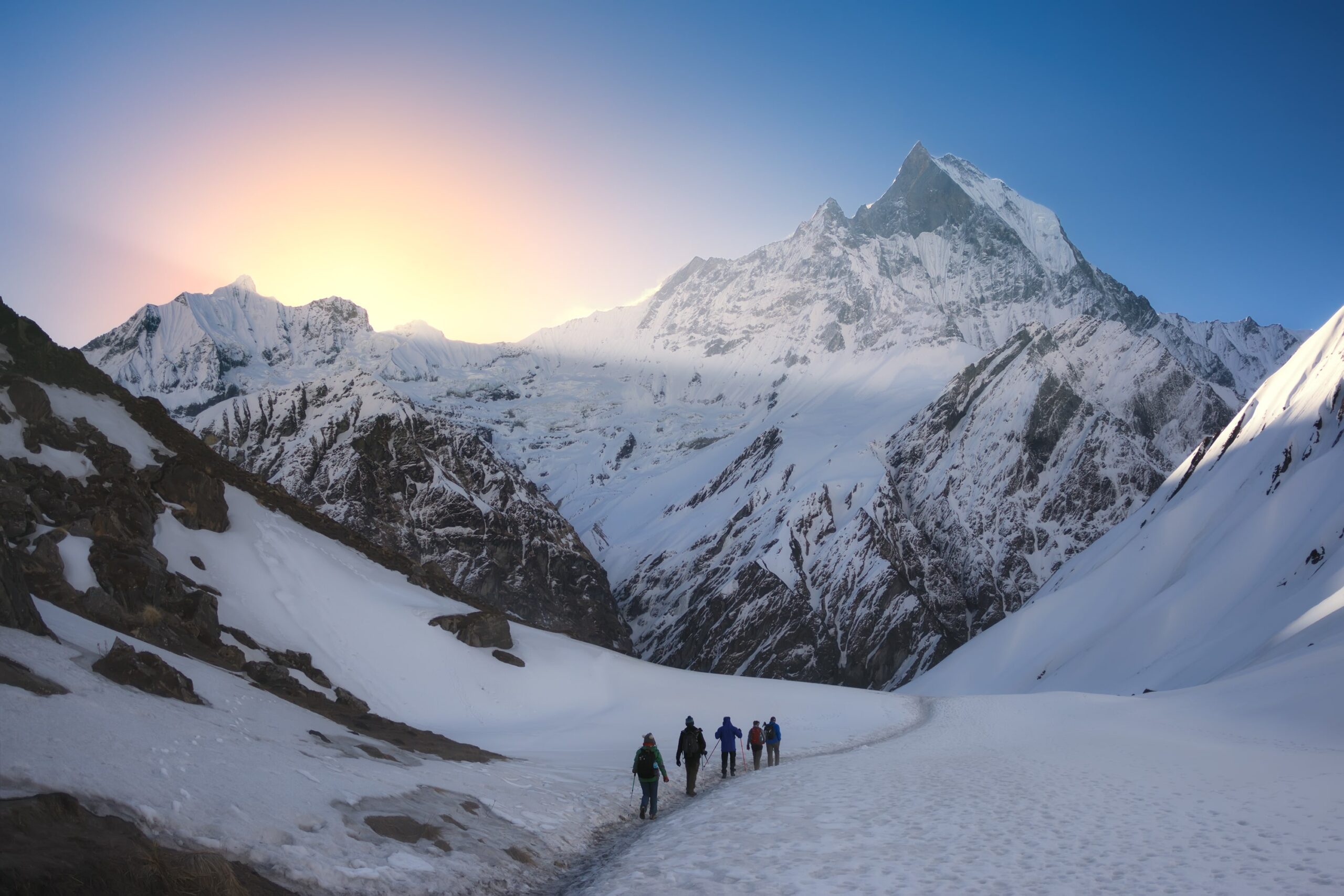
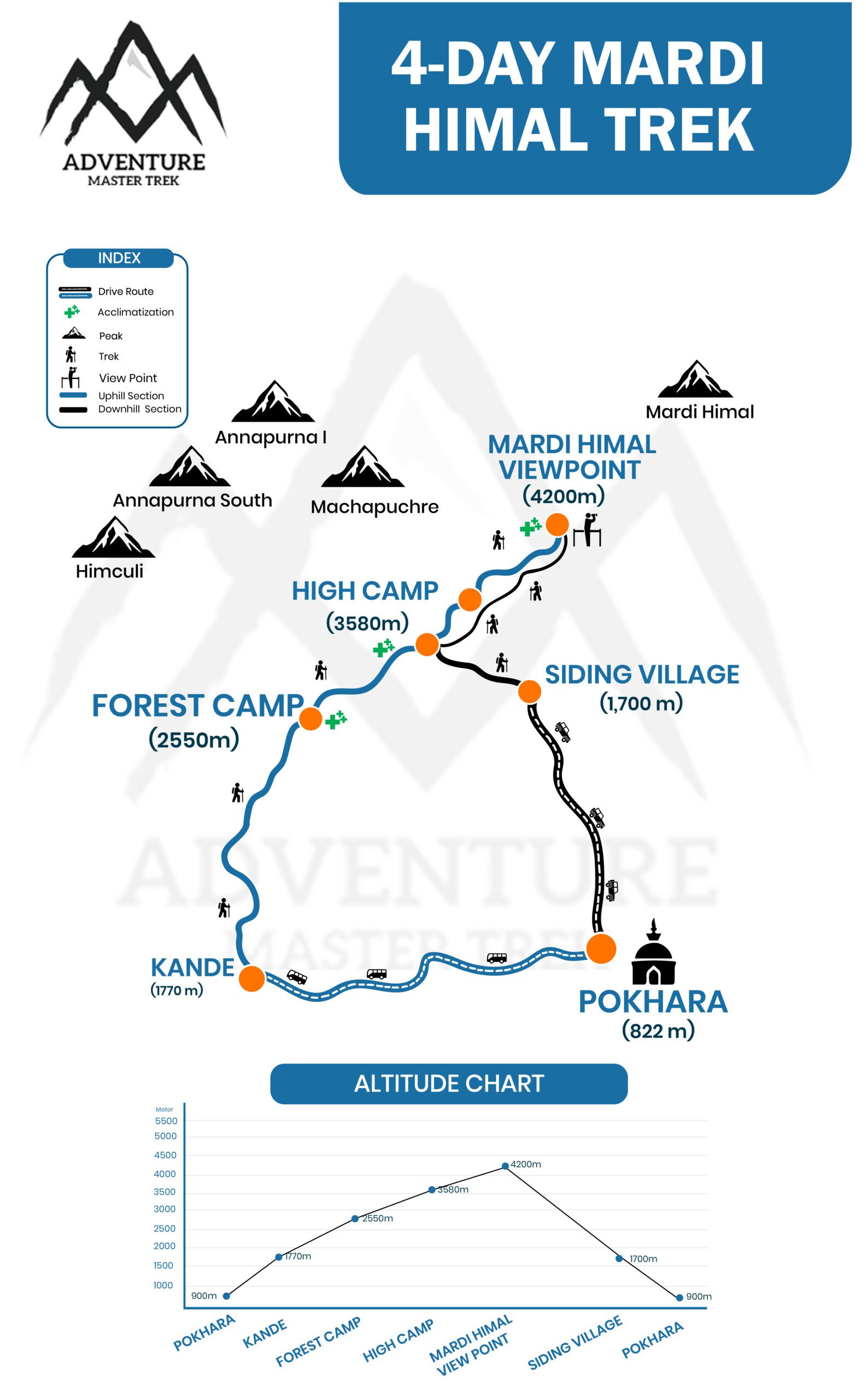
Kande village serves as the main starting point for branches that lead towards Pokhara. From Kande, trekkers move towards the mid-Hill region. Moreover, you will be passing through renowned spots like Australian Camp, Forest Camp, Low Camp, High Camp, and more. The peak elevation is attained at the Mardi base camp from where panoramic sights of Mount Machapuchare (Fishtail), Annapurna South, along with Hiunchuli, are observed.
During your last 4-day Mardi Himal Trek day, while returning from base camp to Siding village for rest overnight before heading back, you will see remarkable views as well downhill route. The trail passes traditional, peaceful, steeped villages full of charms, tucked away hills, and greenery-drenched vistas that most travelers have not ever experienced. During the ride down, stopping by these scenes will mark the completion of your journey to the Mardi Himal Trek.
The Mardi Himal Trek is perfect for trekkers who are searching for a short, beautiful, and less crowded trekking destination in Nepal. Your trek includes stunning panoramas of the Himalayas, peaceful woodland trails, and a taste of local mountain culture, all in under a week. This trail is perfect for beginners and also offers an added bonus of a less challenging hike for professionals. Whether you’re looking for a solitude-free wilderness or stunning mountain views, the Mardi Himal Trek is your best bet for a memorable and tranquil adventure in the heart of the Annapurna.
Trip Highlights
- Stunning close-up views of Machhapuchhre, Annapurna South, and Mardi Himal.
- Short and rewarding trek with fewer crowds than Poon Hill.
- Explore diverse landscapes with dense forests, alpine meadows, and dramatic ridges.
- Keep your eyes out as you hike through a variety of environments for a chance of seeing a rare red panda, musk deer, or Himalayan monal.
- Get up early at Base Camp or High Camp to see the sky turn the peaks golden, an experience that will never be forgotten.
Itinerary
Trek from Forest Camp to High Camp (3,580m)
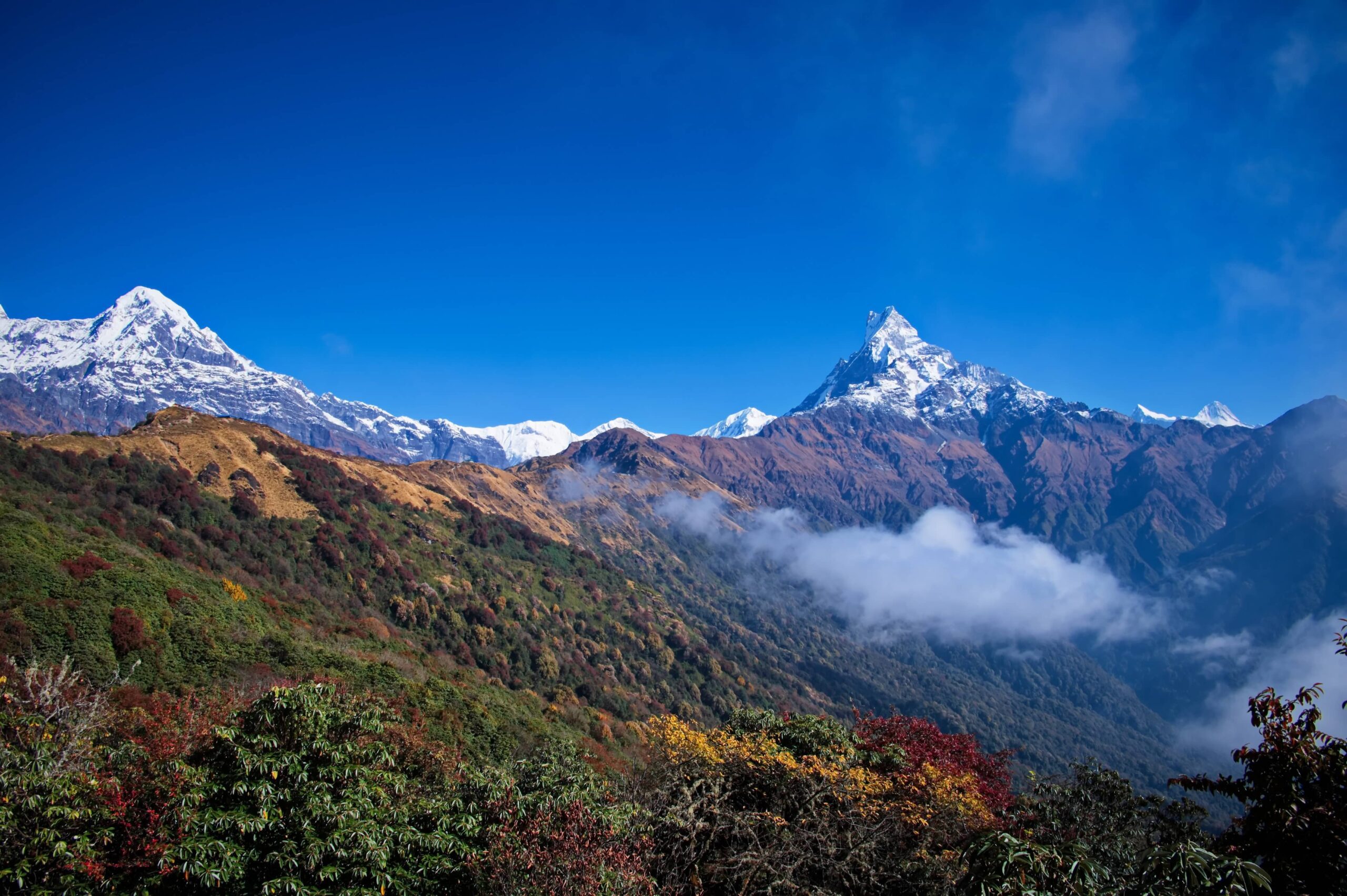
Today is trek takes about 5 to 6 hours as you climb from Forest Camp up to High Camp at 3,580 meters. You’ll start by walking through beautiful rhododendron forests, especially colorful during spring when the flowers bloom bright red and pink. As you gain height, the trees begin to thin out, and the trail opens onto wide ridges with breathtaking views of the surrounding Himalayan peaks, including Annapurna South and Machapuchare (Fishtail).
The climb can be challenging at times, but the fresh mountain air and stunning scenery keep you motivated. When you reach High Camp, you’ll stay overnight in a simple tea house, giving you a chance to rest and prepare for the next day’s trek to the Mardi Himal base camp.
Stay overnight in a tea house at High Camp.
Trek from High Camp to Mardi Himal Viewpoint (4,200m), and descend back to Low Camp
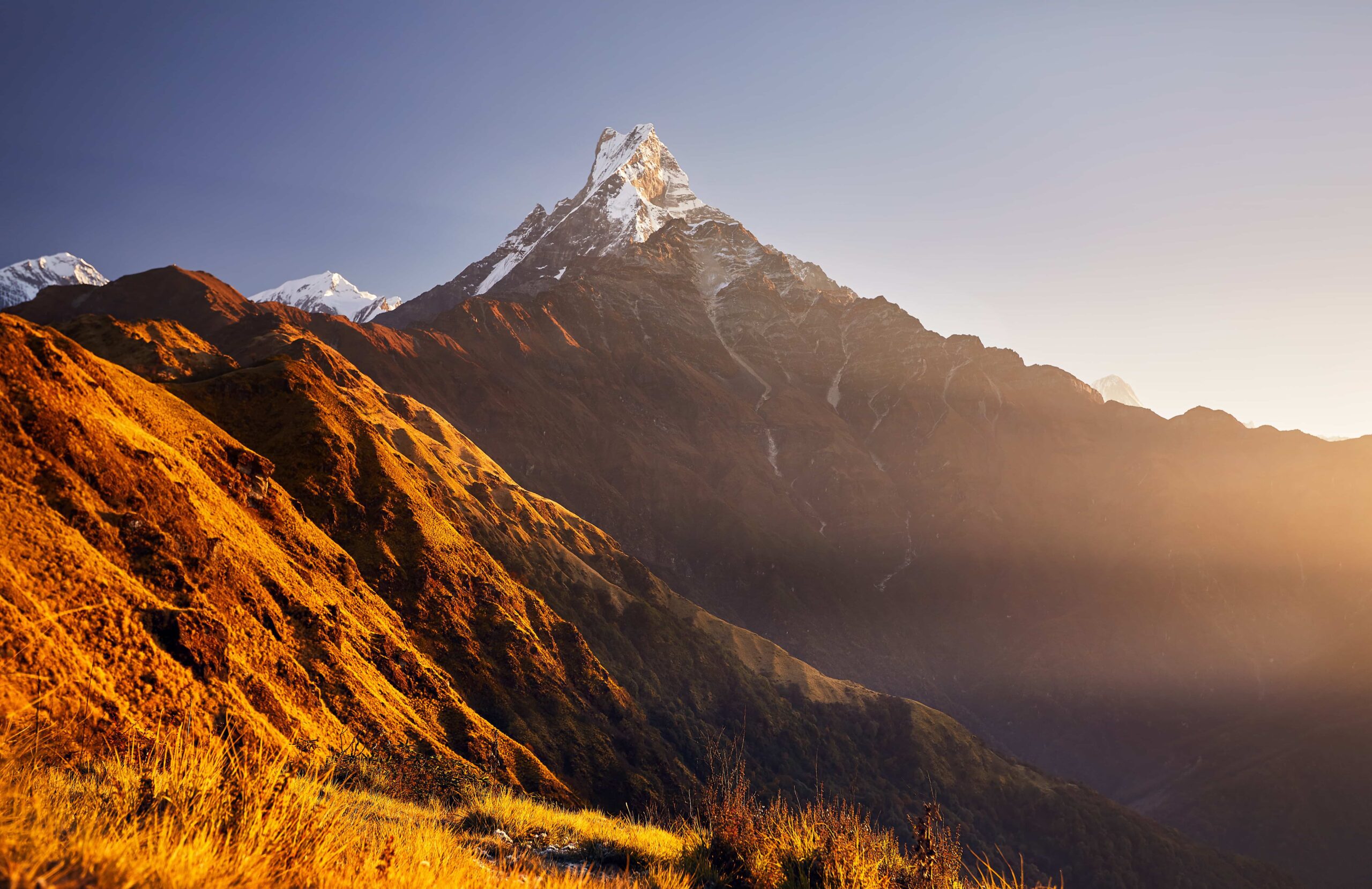
You will start your day early with a fresh morning hike from High Camp to the Mardi Himal Viewpoint, which sits at about 4,200 meters. It usually takes around 3 hours to reach this spot, but it’s worth every step. From here, you’ll be treated to a breathtaking sunrise over the majestic Annapurna mountain range, including famous peaks like Machapuchare (Fishtail), Hiunchuli, and Annapurna South. The early morning light paints the mountains in golden colors, creating an unforgettable experience. After spending time enjoying the views and taking photos, you will begin your descent.
The walk down takes about 4 to 5 hours and leads you through beautiful rhododendron forests and peaceful trails. This downhill section is easier on your legs and allows you to relax and reflect on your trek. When you arrive at Low Camp, you’ll stay overnight in a cozy tea house, where you can rest, enjoy a hot meal, and connect with other trekkers before your final day.
Stay overnight in a tea house at Low Camp.
Trek from Low Camp to Siding Village, and Return to Pokhara
On your last day of the short trek to Mardi Himal, you’ll enjoy a gentle 3 to 4-hour descent from Low Camp down to Siding Village. The path winds through peaceful forests filled with pine and rhododendron trees, and you’ll pass through small, traditional villages where local people live simple, rural lives. This part of the trek is much easier and a nice way to unwind while still enjoying the beautiful natural surroundings.
Once you arrive in Siding Village, a vehicle will be waiting to take you on a scenic 2 to 3-hour drive back to Pokhara. During the drive, you can relax and reflect on the incredible views and experiences you’ve had over the past few days. Once back in Pokhara, your trek officially ends. You’ll have time to rest, explore this charming city by the lake, or celebrate your successful adventure in the Himalayas. You can return to your home with an early morning flight.
Customize this trip with help from our local travel specialist that matches your Interests.
Customize This TripInclusions
- Drive from Pokhara to Kande by taxi.
- Drive from Siddhi to Pokhara by sharing a jeep.
- Three meals a day, which include breakfast, lunch, and dinner.
- The best available lodge for one person during the trek.
- A highly experienced, helpful, knowledgeable, friendly, English-speaking guide with all of his salary, food, drinks, lodging, transportation, and insurance covered.
- Taxes and official costs are paid to the government.
- Oximeter to check your pulse, oxygen saturation, and heart rate twice a day (very helpful to check for signs of Altitude Mountain Sickness, or AMS). This ensures that your trek is in the safest hands possible, regardless of your level of experience.
- A certificate of completion of the trip.
- All papers that need to be done, the Mardi Himal permit.
- The food that you will eat in Pokhara for lunch and dinner.
- International Airfare, personal expenses.
- Your insurance for travel and medical care.
- All of the alcoholic and non-alcoholic cold and hot drinks you buy on trek (along the way and in the Tea Houses at night).
- All of the sweet desserts, like chocolate, cake, pie, and pudding.
- The tea houses have hot showers and places to charge your phone, which will cost you about 2$ to 5$.
- Tip to the guide (Tipping is expected ).
Maps
Navigate Your Journey
Good to Know
Accommodation on the short Mardi Himal trek
You will stay in comfortable teahouses hidden away in the mountains on your four-day Mardi Himal trip. There are warm wooden cabins, plush blankets, and a welcoming dining area where hikers meet to exchange stories over a roaring fire. You can also take hot baths, charge stations, and even spot Wi-Fi at Forest Camp and Low Camp, which are lower down and ideal for relaxing after a hard day.
The amenities grow more basic as you ascend higher toward High Camp and the viewpoint: solar-powered lighting, shared squat toilets, and limited hot water. However, you get to experience real mountain life, including the opportunity to interact with local families, enjoy filling dal bhat, and get up early to witness breathtaking sunrises without crowds. Every evening is a memorable pause in an amazing journey because of its straightforward comfort with the soul.
Food and Drinking Water on the Trek to Mardi Himal
The food provided in the teahouses is warm, filling, and intended to keep you going during your hike. After starting your day with porridge, eggs, pancakes, or Tibetan bread, you’ll eat hot lunches like pasta, noodles, soup, or vegetable soups, dal bhat (unlimited rice or lentils), and perhaps pizza or momos. Although alternatives may be limited at higher camps, vegetarian and even vegan meals are frequently available. Just state your preference early.
Keeping your body hydrated is the most essential part of your trek. You should at least drink 3–4 liters of drinking water each day in the drier alpine air. You can treat stream or tap water yourself with purification tablets and refill bottles at teahouses. Many teahouses boil or filter water for a small fee (about $1–2 per pot). It is economical, environmentally beneficial, and helps prevent plastic waste by carrying a reusable bottle and purifying your water.
Group Size for Trek to Mardi Himal
For individuals or small groups, the short trek to Mardi Himal is ideal. The majority travel in groups of two to eight, which permits a more leisurely pace and facilitates the search for lodging along the way. With smaller groups, you can have a more tranquil trekking experience free from crowds and receive more individualized attention from your guides.
If you’re trekking alone, it’s still safe and enjoyable, but joining a group or hiring a local guide can make your journey smoother, help with navigation, and add a friendly companion to share the adventure. Whether with friends or new hiking buddies, the Mardi Himal trail offers a great mix of solitude and social time.
Difficulty in trek
Anyone with an acceptable level of fitness and an adventurous spirit would find the four-day Mardi-Himal trip to be a reasonably difficult adventure. At Base Camp, you will walk for five to seven hours every day through forests, over ridges, and up to roughly 4,500 meters. The main challenges include steep, occasionally rocky areas, particularly close to High Camp and above, and altitude, which can produce headaches and asthma.
Layers and trekking poles are helpful because the weather can change fast, with cold evenings, rain, and even snow likely. However, it is completely possible if you follow a steady pace, drink plenty of water, and have the essential equipment. The breathtaking vistas of Annapurna, Machhapuchhre, and Hiunchuli will make the trip worthwhile.
Risk of Altitude sickness
Due to the rapid ascent from dense forests to higher slopes at 4,500 meters, altitude sickness is a serious issue on the four-day Mardi Himal trip. Headaches, nausea, dizziness, exhaustion, and shortness of breath are symptoms that even physically fit hikers can experience, particularly while climbing quickly from High Camp to Base Camp.
Avoid alcohol and caffeine, climb carefully, drink 3–4 L of water per day, and think about spending a rest night at 3,000–3,500 m to acclimate. Stopping the climb and descending is essential if symptoms worsen, such as an overwhelming headache or vomiting. You can take acetazolamide (Diamox), which enhances appropriate hydration and pacing. You can make this walk safe and amazing by paying attention to your body and taking it slow.
Travel Insurance for the short Mardi Himal Trek
Purchasing travel insurance is a smart choice, even though the Mardi Himal hike is not very long. Insurance can cover medical care, emergency evacuation (including helicopter rescue), and trip cancellations. Trekking involves certain hazards, such as altitude sickness, injuries, or unexpected weather changes.
Verify that your coverage covers trekking activities clearly and remains in effect for the duration of your trip. With insurance, you can relax knowing that you’re covered for unexpected circumstances and can concentrate entirely on taking in the breathtaking mountain views.
Safety and Security
The four-day Mardi-Himal journey is safe and well-planned; all hikers need to have permits (ACAP & TIMS) and hire a certified guide who is familiar with the route, handles emergencies, and facilitates communication. Teahouses are simple but secure; however, it is advisable to lock valuables and not leave equipment alone.
Only consume clean water to prevent becoming sick. The first-aid kits, satellite phones, and evacuation plans that guides carry along with your trip insurance guarantee assistance in the event of altitude illness or accident. To ensure the walk is both safe and fun, check the weather each day, use trekking poles on slippery terrain, and always heed your guide’s instructions.
Permits required for Mardi Himal Trek
Trekking across the Annapurna Conservation Area, a breathtakingly gorgeous but protected area of Nepal, is what the trek to Mardi Himal involves. All hikers are required to possess two official permits to respect the local environment and regulations. They are:
Annapurna Conservation Area Permit (ACAP):
- Mandatory for trekking in the Annapurna Conservation Area (which includes Mardi Himal).
- You can get it from the Nepal Tourism Board or the ACAP office in Kathmandu or Pokhara, or at entry checkpoints along the trail.
- Cost: NPR 3,000 (US$25–$30) for foreigners and NPR 1,000 for SAARC nationals.
TIMS Card (Trekkers’ Information Management System):
- It is needed to help authorities track trekkers for safety.
- You can get it from the Nepal Tourism Board or TAAN offices in Kathmandu or Pokhara
- Cost: NPR 2,000 ( US$ 17–$20) for individuals. It can be reduced for SAARC nationals.
Required Documents
- 6 months’ validity passport
- Passport photocopy
- Passport-sized photos (at least 2)
- Nepal visa (if applicable)
- Travel insurance details
- Two permits: Annapurna Conservation Area Permit (ACAP), Trekkers’ Information Management System (TIMS) Card
Packing List for a Short Trek to Mardi Himal
This brief yet picturesque Mardi Himal hike leads you in a few days from verdant forests to magnificent mountain vistas. Being prepared is essential because the weather might change rapidly. This easy-to-follow packing list will help you keep warm, secure, and prepared for all weather conditions you may encounter on the trail, including snow, sunshine, or clear nights in a cozy teahouse:
General
- Passport: Carry your passport along with 2–3 photocopies and a few passport-sized photos (needed for permits).
- Trekking Permits: Get your TIMS card and ACAP permit before the trek—both are mandatory.
- Sleeping Bag: Choose one that can handle at least -15°C (5°F). Nights at High Camp can be cold.
- Cash: Bring enough Nepali rupees—no ATMs on the trail. You’ll need it for small purchases, tips, or snacks.
- Duffel Bag: Your main bag, usually carried by a porter. Keep non-essentials here.
- Backpack: Main backpack if you’re carrying your own gear and a daypack for essentials like water, snacks, a rain jacket, and a camera.
Upper Body
- Sunglasses: With good UV protection.
- Sun Hat & Woolen Hat: One to block the sun during the day, one to stay warm in the evening.
- Scarf/Buff: Great for protecting your neck from the sun, wind, or dust.
Torso
- Base Layers: Long-sleeved, quick-dry tops for warmth and layering.
- Fleece or Down Jacket: Essential for mornings and nights when it’s cold.
- Insulated Jacket: Optional, but helpful for extra warmth at higher altitudes.
- Sweater: Comfortable for relaxing in the tea houses.
- Waterproof Jacket: A must in case it rains (weather can be unpredictable).
Lower Body
- Trekking Pants: Light, breathable, and comfortable for long walks.
- Base Layer: Thermal leggings for cold mornings or evenings.
- Hiking Shorts: Optional for the lower part of the trail, where it’s warmer.
- Comfortable Pants: For resting at the lodges after hiking.
- Waterproof Pants: Good to have if you’re trekking during the rainy season.
Hands
- Light Gloves: For light warmth during cool mornings.
- Insulated Gloves: Warmer and waterproof, ideal for higher altitudes.
Footwears
- Woolen Socks: 2–3 pairs to keep feet warm and dry.
- Trekking Boots: Sturdy, waterproof
- Camp Shoes or Sandals: Let your feet breathe after a day of hiking.
- Flip-flops: Handy for showers or bathrooms at tea houses.
Undergarments
- Moisture-Wicking Underwear: Keeps you dry and comfortable during the trek.
- Sports Bra (for women): Supportive and comfortable for hiking.
- Thermal Bottoms: Wear under your pants if it gets very cold.
Medication and First Aid Box
- Altitude Sickness Medication: Like Diamox
- Sunscreen & Lip Balm: High SPF is a must due to the strong mountain sun.
- Bandages/Blister Pads: For small cuts or foot blisters.
- Painkillers: Ibuprofen or Paracetamol for headaches or muscle aches.
- Cough Syrup: Dry air can cause throat irritation.
- Antibacterial Cream: Like Neosporin for cuts and scrapes.
- Thermometer: Optional, but useful if you’re feeling unwell.
Other Essentials
- Hand Sanitizer: Keeps hands clean when water isn’t available.
- Water Bottles: Bring bottles that hold at least 3–4 liters total.
- Toiletries: Toothbrush, toothpaste, soap, toilet paper, wet wipes, etc.
- Flashlight/Headlamp: Essential for early starts or power outages; carry extra batteries.
- Towel: A Small, quick-dry travel towel works best.
Optional
- Camera: To capture the stunning views, bring extra batteries or memory cards.
- Trekking Poles: Helpful for balance and reducing strain on your knees.
- Snacks: Chocolate, protein bars, nuts.
- Power Bank: Charging may not be available at every tea house.
- Dry Bags: Protect electronics or clothes from getting wet.
- Notebook or Journal: To record your experiences or sketch the scenery.
- Earplugs & Eye Mask: Useful if you’re a light sleeper or sharing a room.
Booking Policy for Mardi Himal Trek
We want to make your booking easy and flexible. Here are the details of our booking policy for the Mardi Himal Trek:
1. Advance Payment & Booking Confirmation
- To reserve your spot, you need to pay 30% of the total cost in advance.
- You can pay the remaining amount when you arrive in Kathmandu.
- Paying the full amount upfront is also an option.
- To confirm your booking, please send:
- Payment proof
- A clear copy of your passport
- Travel insurance details or an emergency contact
2. Payment Methods
- We accept various payment methods for your convenience:
- Online payment via our website’s secure gateway.
- Credit/Debit cards (Visa, MasterCard) with a 4% bank fee.
- Bank transfer or wire transfer (transaction fees apply).
- Cash or check payments can be made in Kathmandu.
3. Final Payment
- The remaining 70% of the trip cost should be paid before your trek starts.
- You can pay by cash, card, or bank transfer upon arrival.
4. Booking Modifications & Rescheduling
- Please notify us at least 30 days in advance if you want to change your trek dates.
- Date changes depend on availability and may include extra fees.
5. Travel Insurance Requirement
- Every trekker must have full travel insurance covering evacuation, high-altitude emergencies, cancellations, and delays.
6. Last-Minute Booking
- Last-minute bookings are possible up to 48 hours before the trek.
- However, during busy months like September to November, last-minute spots may not be available.
- We strongly recommend booking early to guarantee your place.
FAQs
Your Questions, Answered
2. What’s the best time to do the Mardi Himal Trek?
The best time to do the Mardi Himal Trek is during the autumn months (September to November) and spring (March to May). During these seasons, the weather is usually stable with clear skies, so you get the best mountain views.
3. Do I need a guide for the Mardi Himal trek?
A guide is not mandatory, but it’s highly recommended, especially if you’re new to trekking in Nepal. Guides help with navigation, local insights, and can assist if any problems arise.
4. What permits do I need for the Mardi Himal Trek?
You’ll need two permits: the TIMS card (Trekking Information Management System) and the Annapurna Conservation Area Permit (ACAP). These are usually easy to get in Kathmandu or Pokhara before your trek.
5. How cold does it get at night?
The nights can be quite cold, especially above 3,000 meters at High Camp. Temperatures can drop below freezing, so a good sleeping bag (rated for -15°C or lower) and warm clothes are important.
6. Is the trail well-marked for the Mardi Himal Trek?
Yes, the trail is well-marked and popular among trekkers for the Mardi Himal trek. However, having a guide or a trekking map is helpful, especially in foggy or bad weather conditions.
7. What kind of accommodation is available?
You’ll stay in simple tea houses or lodges along the way. The teqahosues have basic rooms with beds and shared bathrooms. Hot showers are available but usually cost extra.
8. Can I get food and water on the trek?
Yes, tea houses serve meals like dal bhat (rice and lentils), noodles, and soups. Bottled water is available but can be expensive; many trekkers carry water purification tablets or filters.
9. Do I need to carry all my luggage?
No, you don’t have to carry heavy bags. You can hire porters who will carry your main luggage for a reasonable price. You just need to carry a small daypack with essentials during the trek.
10. Is the trek safe?
Generally, yes. It’s a well-traveled trail with few risks. Still, it is suitable to take normal safety precautions like staying hydrated, pacing yourself, and watching for altitude sickness symptoms.
11. What should I pack for the Mardi Himal Trek?
You should bring layered clothing for warmth and rain protection, sturdy waterproof boots, a warm sleeping bag, water bottles, sunscreen, snacks, and basic toiletries.
12. How fit do I need to be?
You don’t need to be an athlete, but having a good basic fitness level helps. Doing regular walking or light cardio exercises before your trip will make the trek more enjoyable.
13. Is altitude sickness a concern?
Yes, since the Mardi Himal trek goes up to around 4,500 meters, altitude sickness is possible. You should ascend slowly, drink plenty of water, and listen to your body. If you feel symptoms, inform your guide and rest.
14. Can I charge my electronics on the trail?
Most tea houses offer charging for a small fee, but electricity can be unreliable. It’s a good idea to bring a power bank to keep your devices charged.
15. How do I get to the starting point of the trek?
The Mardi Himal trek usually starts at Kande or Phedi, about 1-2 hours from Pokhara by car or local bus. Many trekkers stay in Pokhara the night before and then travel to the starting point early in the morning.

Reviews
What Our Travelers Say


Based on 5 ratings
5
Thank adventure master trek and the owner, Santosh, for matching me a good guide, Shambhu. We completed this five days trekking to Mardi Himal. We made a promise, next time in Nepal, Shambhu will guide me to ABC and create more incredible times in Nepal.
I did the Mardi Himal with an amazing female guide, everything was great from my initial inquiry about the Trek to arriving in Kathmandu and completing the entire trek. I will definitely be doing future treks in Nepal with this company.
We did the Mardi Himal trek with one guide and one porter. The guide was very professional and anticipated to all our requests. A very good experience.
Santosh is very helpful and patient in explaining details. Everything went smoothly. Our guide for Mardi Himal trek, Sagar was professional and a good companion for trekking. Highly recommend 😀
Myself and my partner as first time trekkers took on the Mardi Himal Trek during Monsoon season. It wouldn’t of been mentally or physically possible without the support or motivation of our guide “Sital”.
View Our Similar Packages
Discover our top tours, loved by thousands of travelers annually. Choose the adventure that inspires you and embark on a journey tailored to your desires.

Save 22%
-

-
-
-
-
- (51)
 Nepal
Nepal
 12 Days
$978
$1250
-
-
-
-
-
- (16)
Nepal
12 Days
Price Upon Request
Add Review
Reviewing for 4-day Mardi Himal TrekRequest a Callback - 4-day Mardi Himal Trek
Submit the form and we will be back to you shortly
Request a Callback - 4-day Mardi Himal Trek
Submit the form and we will be back to you shortly
Narayanhiti Palace Museum

Narayanhiti Palace Museum


