








12 Days Gokyo Lake Trek | Itinerary and Cost


Quick Trip Facts


Overview
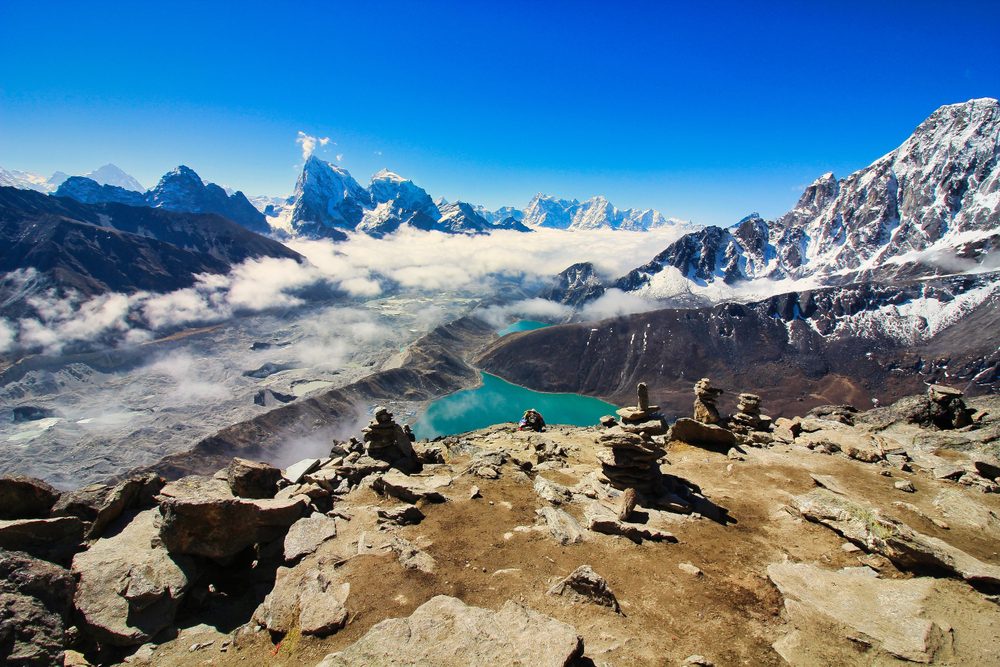
Gokyo Lake Trek with a duration of 12 days from Kathmandu is surrounded by tranquility and beautiful nature in the region of Everest. The Gokyo Lake trek is perfect for travelers seeking peace and no crowds because it has all the beauty of Everest. This is a happy opportunity for you to attend the gorgeous side of the mountains, visit the ancestries of the Sherpa people, and witness a stunning vista of Nepal on top of Gokyo Ri.
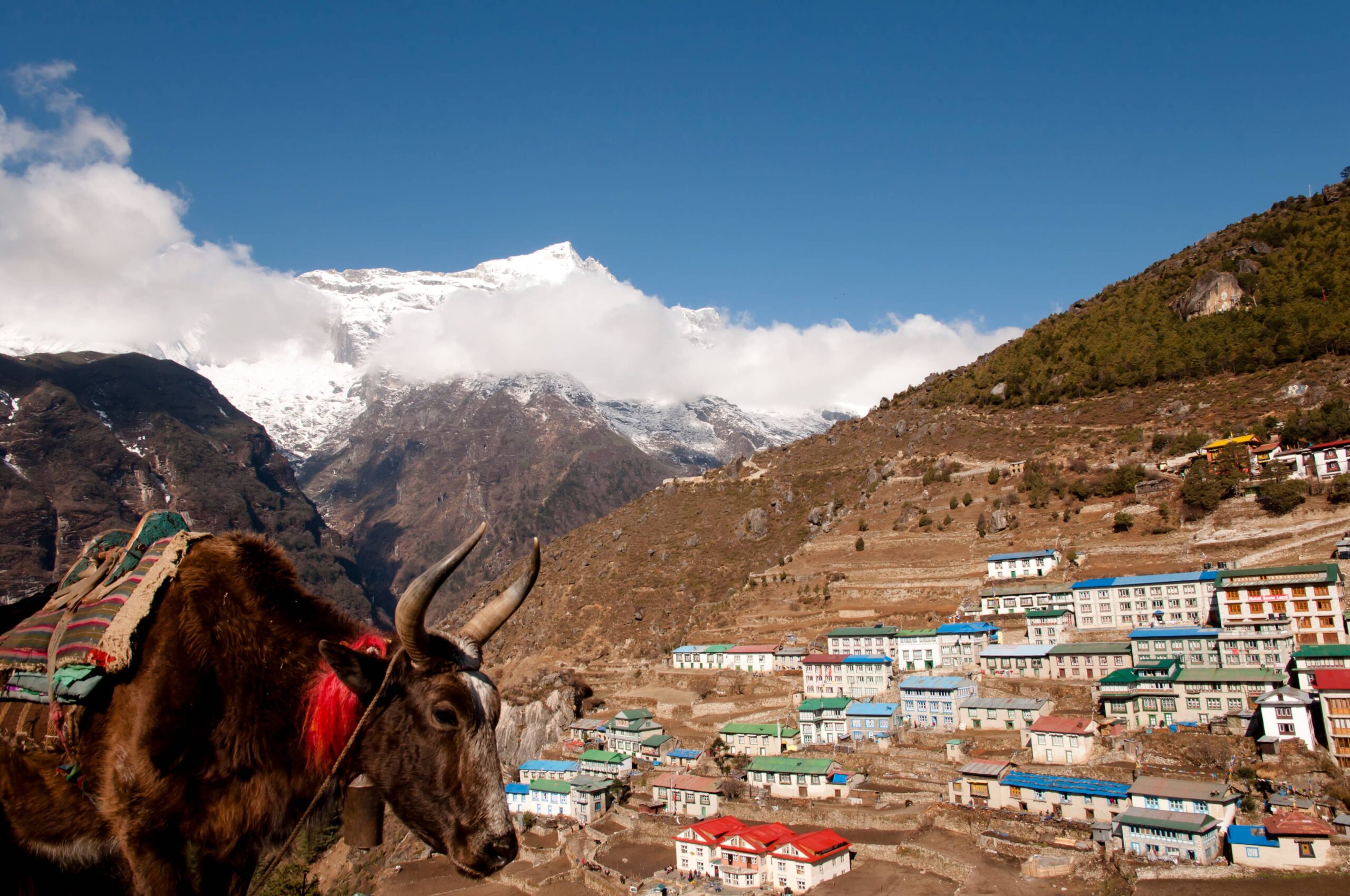
The trek to Gokyo Lake starts in Kathmandu, the capital city of Nepal, and ends in the city as well. Your activity properly commences with a short flight to Lukla, followed by a few days of trekking and exploration in the Himalayan hills. From there, the trek proceeds gradually with a number of beautiful plains and unique Sherpa settlements such as Phakding, Namche Bazaar, Dole, and Machhermo.
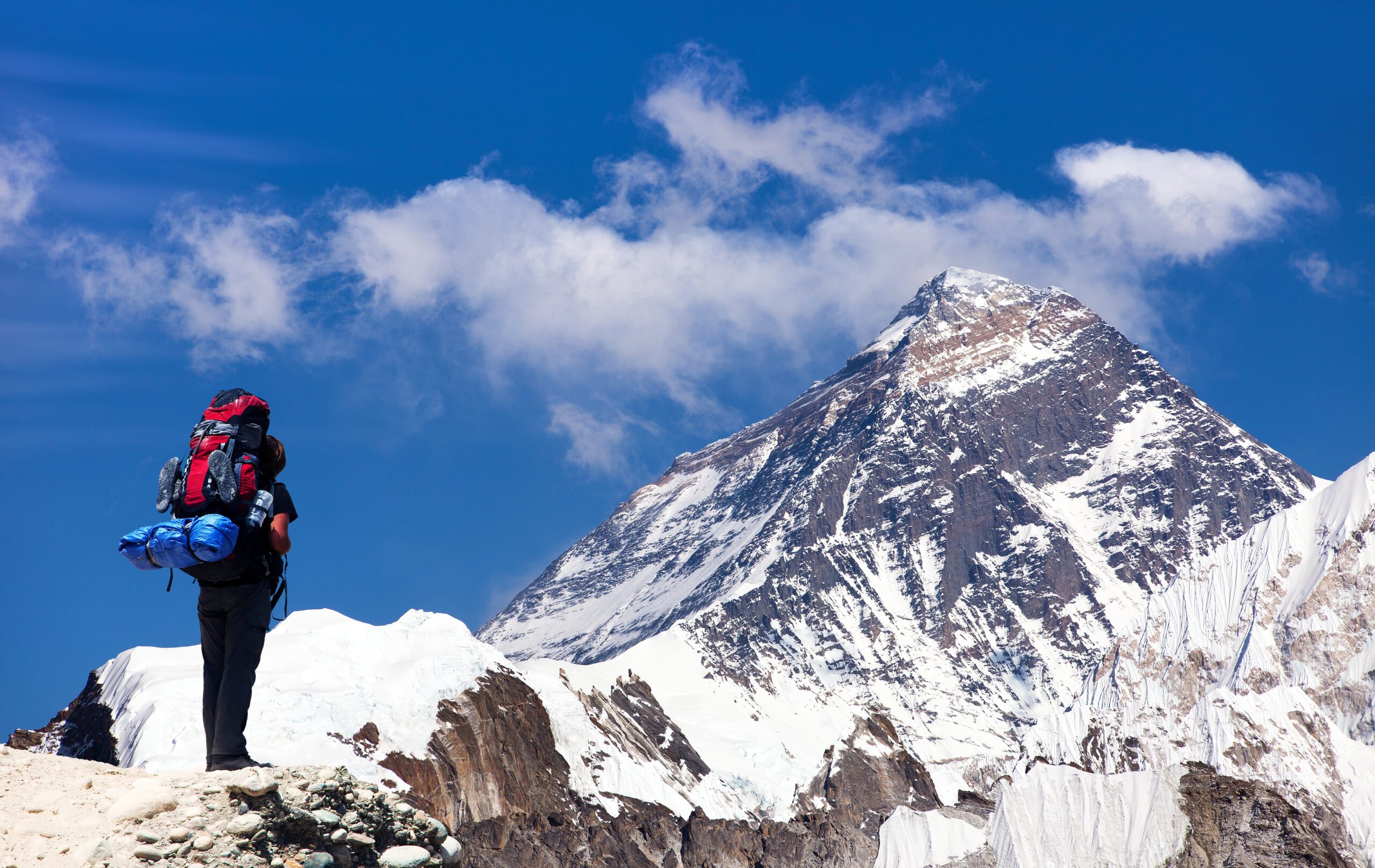
Along the way, you will hike through forest, pass some suspension bridges, pass the river and head towards the glacier still with snow-capped peaks. Gokyo Ri (5,357 m) is a suitable place for our rest point, for it boasts an incredible view of Mount Everest, Cho Oyu, Lhotse, and Makalu.
Although the Gokyo Lake Trek 12 days is moderately challenging, the acclimatization days, rest days, and full support from the guide and team make it easier. All you need is fitness, a dash of adventure, and the will to persevere to achieve a challenge this fun. After enjoying the breathtaking scenery around Gokyo, you’ll head back to lukla then catch a flight to Kathmandu. This marks the end of your journey.
Trek Highlights of the Gokyo Lake trek
- Visit the stunning turquoise Gokyo Lakes (a group of six high-altitude glacial lakes)
- Climb Gokyo Ri (5,357m) for panoramic views of Mount Everest, Lhotse, Makalu, and Cho Oyu
- Breathtaking views of Ngozumpa Glacier, which is the longest glacier in the Himalayas
- Scenic flight to Lukla, one of the world’s most thrilling airports
- Trek through traditional Sherpa villages like Namche Bazaar, Dole, and Machhermo
- Explore the vibrant Namche Bazaar, which is the gateway to Everest
- Chance to spot rare wildlife like musk deer, Himalayan tahr, and Danphe (national bird)
- Experience local culture, food, and Buddhist monasteries.
Itinerary
Fly to Lukla (2,846 m/9,337 ft) and trek to Phakding (2,610 m/8,563 ft)
Your adventure truly begins today. After an early breakfast, you will take a scenic flight from Kathmandu to Lukla (2,846 m), one of the most thrilling airstrips in the world. The flight offers breathtaking views of the Himalayas and takes about 30–35 minutes. Once you land in Lukla, you’ll meet the rest of the trekking crew, and after a short break, begin your first day on the trail.
Today’s hike is a gentle one, which takes around 3-4 hours as you descend gradually to the riverside village of Phakding (2,610 m). Along the way, you will pass through small Sherpa villages, cross suspension bridges, and walk alongside the beautiful Dudh Koshi River. It’s a great introduction to the trek and helps your body start adjusting to the altitude. You will spend the night in a cozy teahouse in Phakding, enjoying your first night in the heart of the Himalayas.
Stay overnight in Phakding.
Trek to Namche Bazaar (3,440 m/11,290 ft)
After breakfast in Phakding, you’ll begin your trek toward Namche Bazaar. The walk takes about 6–7 hours and follows the Dudh Koshi River, crossing several high suspension bridges and passing through lovely Sherpa villages like Monjo and Jorsalle.
You’ll enter Sagarmatha National Park at Monjo, where your permits will be checked. After lunch, the trail gets steeper as you begin a long uphill climb to Namche. If the skies are clear, you might even get your first view of Mount Everest on the way. Namche Bazaar is the biggest town in the Everest trek. It has shops, cafés, bakeries, and beautiful mountain views. You’ll stay overnight in a teahouse here, with time to rest and let your body adjust to the higher altitude.
Stay overnight in Namche Bazaar.
Acclimatization day at Namche Bazaar: hike to Everest View Hotel (3,962 m)
Today is an acclimatization day, which means you’ll stay in Namche to help your body adjust to the altitude. But staying active is important, so after breakfast, you’ll go on a short hike to the famous Everest View Hotel.
The hike takes about 2–3 hours uphill, and from the hotel, you’ll enjoy stunning views of Mount Everest, Lhotse, Ama Dablam, and other Himalayan peaks. It’s one of the best panoramic spots in the region.
After enjoying the views and some tea or coffee, you’ll hike back down to Namche. The rest of the day is free. You can relax at your teahouse, explore the town, or visit the Sherpa museum and local shops. You’ll spend another night in Namche, feeling more prepared for the higher altitudes ahead.
Trek to Dole (4,200 m/13,799 ft)
After breakfast in Namche, you will start your journey toward the Gokyo Valley by leaving the main Everest Base Camp trail. The trek to Dole takes around 5–6 hours and offers a quieter, more peaceful path with beautiful mountain views.
The trail climbs steadily through pine and rhododendron forests, passing small villages like Kyangjuma and Mong La, where you can stop for tea or a quick break. You’ll also pass through Portse Tenga, and from there, it’s a steep climb to Dole. As you gain altitude, the trees begin to thin out and the landscape becomes more open and alpine. Dole is a small, peaceful settlement surrounded by mountains. You’ll spend the night here in a cozy teahouse, enjoying warm food and resting for the journey ahead.
Stay overnight in Dole.
Trek to Machhermo (4,470 m/14,665 ft)
After having a hearty breakfast in Dole, you’ll start your hike to Machhermo, which takes about 4–5 hours.The trail climbs steadily above the tree line, offering wide views of the valley, snow-covered peaks, and grazing yaks along the way. You’ll pass through small settlements like Lhabarma and Luza, with chances to rest and enjoy the peaceful mountain atmosphere.
As you reach Machhermo, you’ll notice the air getting thinner, so walking slowly and drinking plenty of water is important. Machhermo is a quiet village with a few teahouses and stunning views of Cho Oyu in the distance. You’ll spend the night here, allowing your body to continue adjusting to the high altitude before heading to Gokyo.
Stay overnight in Machhermo.
Trek to Gokyo (4,750 m/15,583 ft)
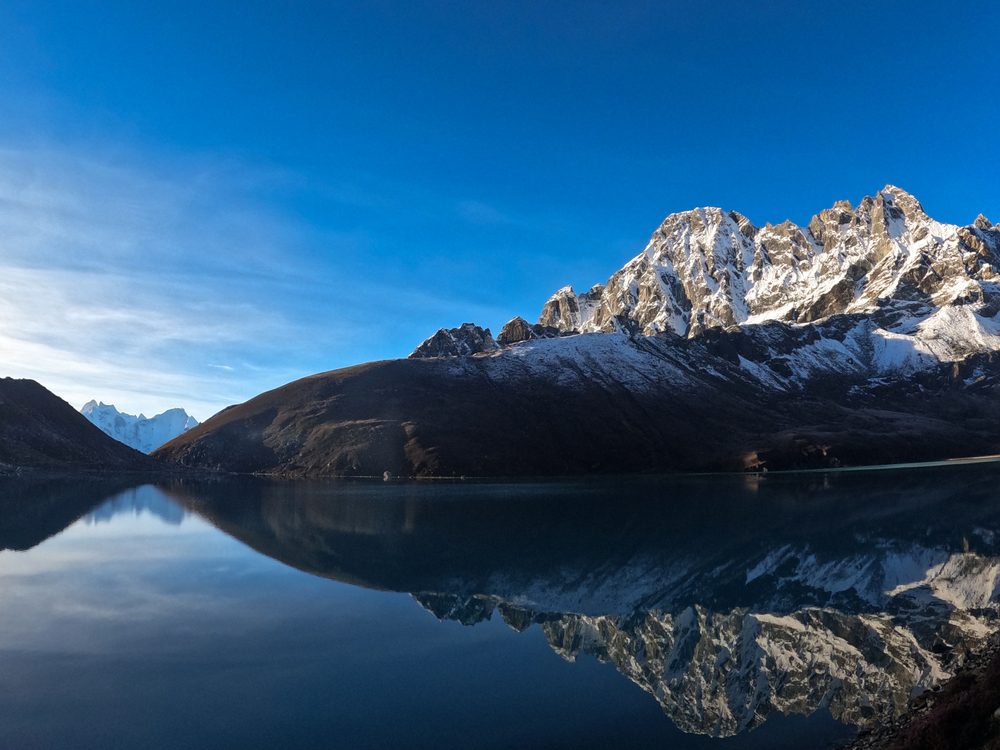
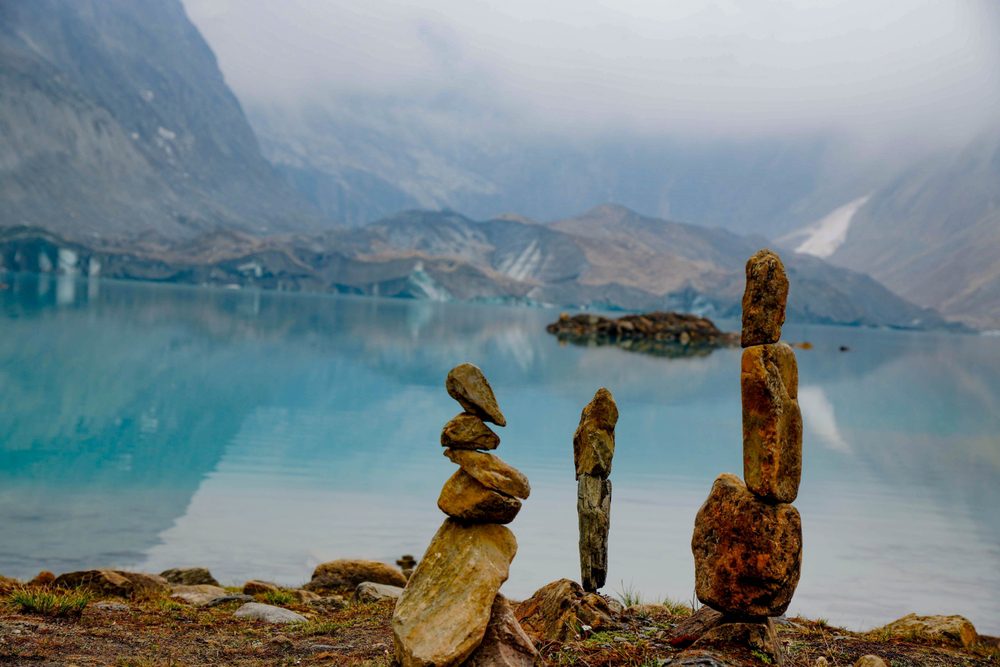
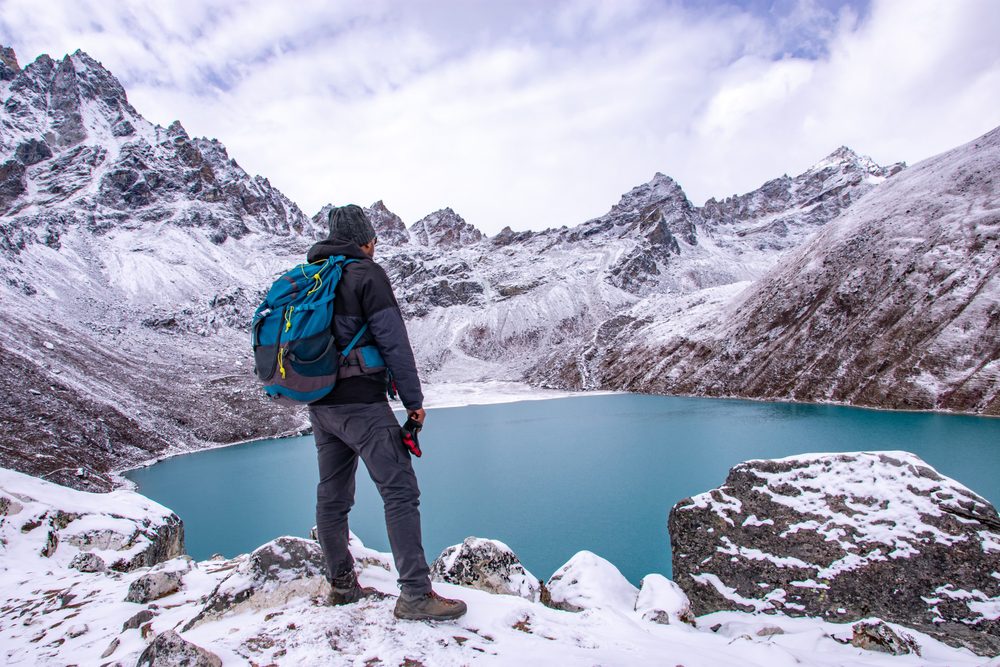
Start your day after a delicious breakfast in Machhermo, you will begin a 4–5 hour trek to Gokyo, gaining more altitude and experiencing breathtaking landscapes along the way. The trail follows a scenic ridge with amazing views of Cho Oyu and the surrounding peaks. You’ll cross small streams, pass rocky hills, and walk beside beautiful glacial valleys. Before reaching Gokyo, you’ll pass the first of the Gokyo Lakes, with their deep blue water reflecting the sky and mountains.
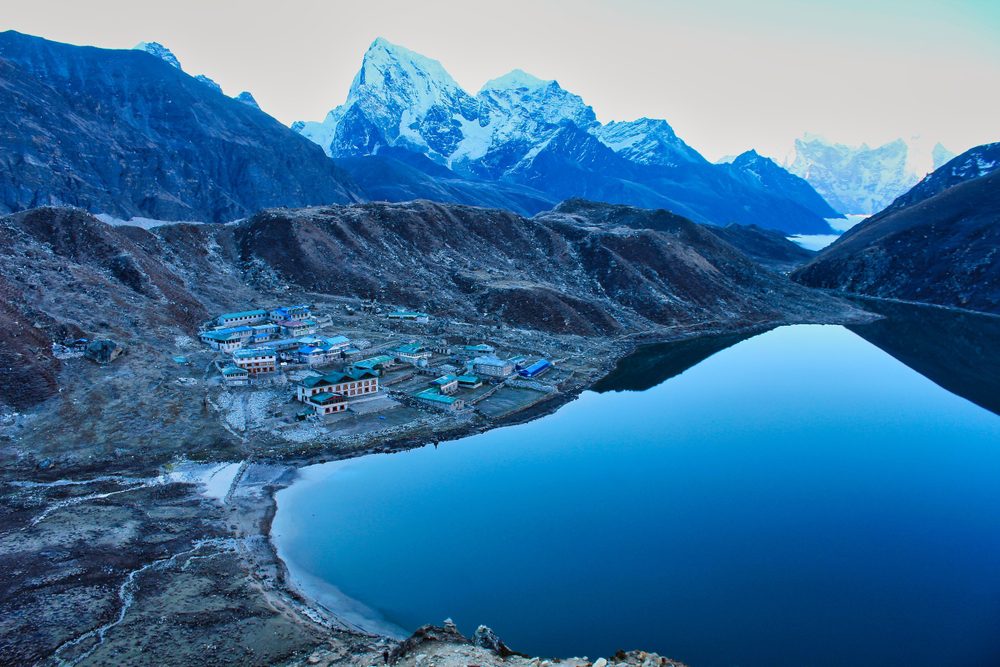
You’ll arrive at Gokyo village, located next to the third lake, Dudh Pokhari, surrounded by snowy peaks. It’s peaceful, beautiful, and unforgettable. You’ll stay overnight in a teahouse here and enjoy the evening by the lake, preparing for tomorrow’s hike to Gokyo Ri.
Stay overnight in Gokyo.
Gokyo Ri hiking (5,357 m/17,575 ft)
You’ll wake up early and begin the steep 2–3 hour climb to the top of Gokyo Ri, which is one of the best viewpoints in the Everest region.
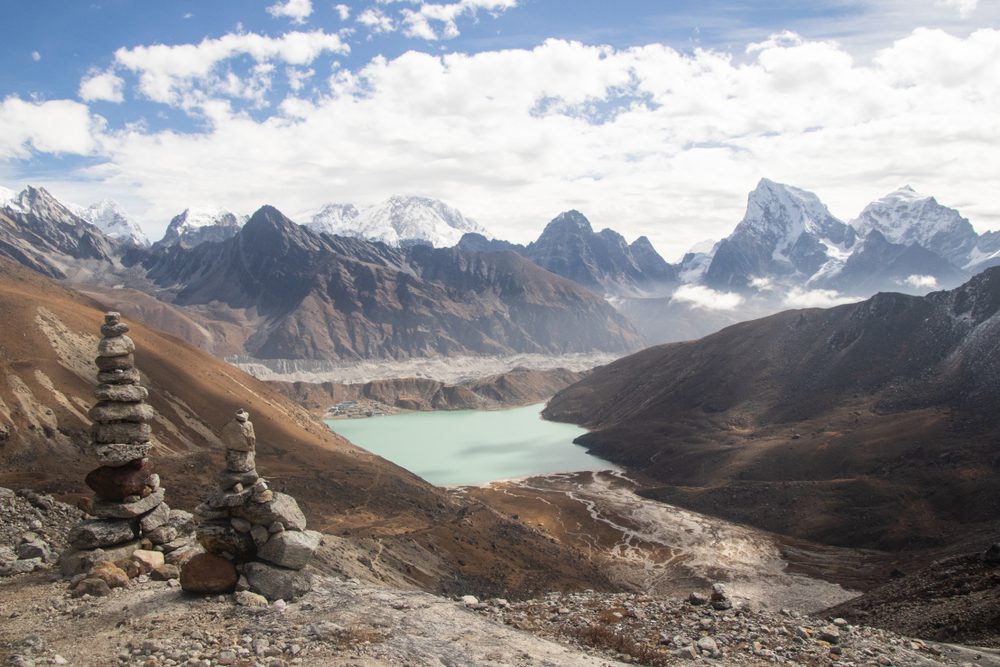
From the summit, you’ll be rewarded with breathtaking panoramic views of the world’s tallest peaks, including Mount Everest, Lhotse, Makalu, Cho Oyu, and more. You’ll also see the beautiful Gokyo Lakes and Ngozumpa Glacier, the largest glacier in Nepal, from above.
After spending time at the top taking photos and soaking in the views, you’ll carefully hike back down to Gokyo village. The rest of the day is free to relax, enjoy the scenery, or take a short walk by the lake. You’ll spend another night in Gokyo, resting after an unforgettable day.
Stay overnight in Gokyo.
Trek to Dole (4,200/13,799 ft)
After enjoying your time in Gokyo, it’s time to start your return journey. Today, you’ll trek back to Dole, retracing your steps through the beautiful Gokyo Valley. The walk takes about 5–6 hours, and since you’re descending, it’s a bit easier on the body.
You’ll pass the same scenic views of glaciers, lakes, and mountains, but from a different perspective. Along the way, you’ll hike through small villages like Machhermo and Luza, where you can stop for rest and tea.
As you descend, the air gets thicker and walking becomes more comfortable. You’ll spend the night in Dole, enjoying the peace and quiet of the mountain village and resting up for the next day’s journey.
Stay overnight in Dole.
Trek to Monjo (2,835 m/9,301 ft)
After breakfast in Dole, you will continue your descent toward the lower altitudes, heading back to Monjo. Today’s trek takes about 6-7 hours and follows the familiar trail through beautiful forests, rivers, and Sherpa villages.
You’ll pass through Mong La, Kyangjuma, and the vibrant town of Namche Bazaar, where you can stop for lunch or a short break. Afterward, it’s a steep downhill walk through pine forest and across suspension bridges until you reach Monjo. Monjo is a quiet village near the entrance of Sagarmatha National Park, where you’ll stay overnight in a cozy teahouse. The air feels warmer, and your body will appreciate the lower altitude after days spent higher in the mountains.
Stay overnight in Monjo.
Trek to Lukla (2,846 m/9,337 ft)
Today is your final day of trekking as you make your way back to Lukla. The walk takes about 4-5 hours, passing through familiar villages like Phakding, lush forests, and alongside the Dudh Koshi River. The trail includes a few short climbs and several suspension bridge crossings, giving you a final taste of the Himalayan landscape. You’ll likely feel a sense of accomplishment and reflection as you approach the end of your journey.
Once you reach Lukla, you can relax, enjoy a hot meal, and celebrate with your trekking team. You’ll spend the night in Lukla, preparing for tomorrow’s flight back to Kathmandu.
Stay overnight in Lukla.
Fly to Kathmandu (1,300 m/4,265 ft)
After an early breakfast, you’ll take a scenic morning flight from Lukla back to Kathmandu, which takes about 30-35 minutes. Enjoy your last views of the Himalayas from the air as you say goodbye to the mountains.
Once you arrive in Kathmandu, you’ll be transferred to your hotel. The rest of the day is free to relax, take a hot shower, or explore more of the city and can shop for souvenirs, visit local attractions, or enjoy a nice meal in one of the city’s restaurants.
It is a perfect time to reflect on your amazing trek in the Everest region. You’ll spend your final night in Kathmandu, with great memories and a heart full of Himalayan experience.
Customize this trip with help from our local travel specialist that matches your Interests.
Customize This TripInclusions
What’s Covered in Your Adventure
- Private car service to and from the airport (International & domestic).
- Two nights at a standard hotel in Kathmandu with breakfast.
- Three meals a day: breakfast, lunch, and dinner.
- You will be provided with trekking Lodges (Tea Houses).
- All papers that need to be done, Fees for entering Sagarmatha National Park, and Khumbu Pasang Lhamu Rural Municipality.
- Kathmandu to Lukla and back to Kathmandu, or (Ramechap to Lukla back to Kathmandu flight )with an airport transfer and airport tax within Nepal.
- A highly experienced, helpful, knowledgeable, friendly, English-speaking guide with all of his salary, food, drinks, lodging, transportation, and insurance covered.
- Setting up a service for an emergency helicopter (paid by your Travel Insurance Company).
- You can rent a sleeping bag, a down jacket (if you don't have your own) & Duffel bag provided.
- Taxes and official costs are paid to the government.
- Certificate of completion of the trip.
- Oximeter to check your pulse, oxygen saturation, and heart rate twice a day (very helpful to check for signs of Altitude Mountain Sickness, or AMS). This will make sure that your trek is in the safest hands possible, no matter how experienced you are.
- Food that you will eat in Kathmandu for lunch and dinner.
- The cost of a visa to enter Nepal is $30 for a 15-day stay.
- Your insurance for travel and medical care.
- International airfare, your expenses
- All of the alcoholic and non-alcoholic cold and hot drinks you buy on the trek.
- All of the sweet desserts, like chocolate, cake, pie, and pudding.
- The tea houses have hot showers and places to charge your phone, which will cost you about 2$ to 5$.
- Tip to the guide (Tipping is expected).
- A max 15kg bag is allowed on the flight to Lukla.
- One porter for two people, which will cost $240.
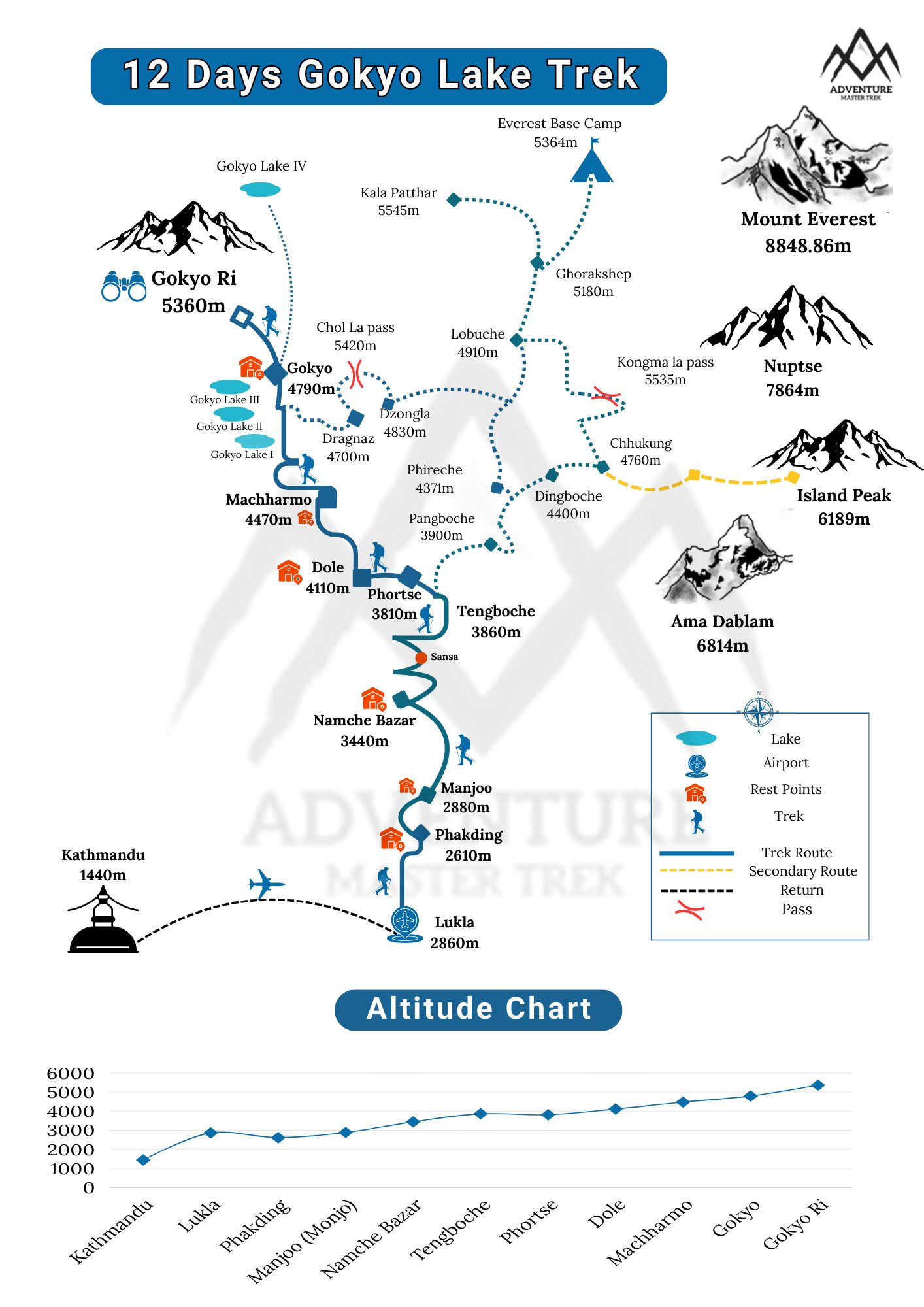
Maps
Navigate Your Journey
Good to Know
Accommodation and Acclimatization on the Gokyo Lake trek
During the Gokyo Lake Trekking, trekkers stay in local teahouses, which are simple, family-run lodges that offer a warm place to sleep, home-cooked meals, and a chance to connect with the local Sherpa culture. Rooms are usually basic, with twin beds and shared bathrooms, but they’re cozy and welcoming after a day on the trail. In popular stops like Namche Bazaar and Gokyo, you’ll find slightly more comfortable options with charging facilities and even Wi-Fi (though limited).
Proper acclimatization is essential on this trek, as you’ll be reaching altitudes over 5,000 meters. Most itineraries include at least two acclimatization days, typically in Namche Bazaar (3,440m) and Machhermo (4,470m), to allow your body to adjust gradually. These rest days include light hikes to higher elevations before returning to sleep lower. It is a useful method to help prevent altitude sickness. You should focus on hydration, maintain a slow pace, and listen to your body.
Food and Drinking Water in the Gokyo trek
Food on the Gokyo Trek is simple, hearty, and designed to keep you energized in the mountains. Most teahouses offer a set menu with both local Nepali dishes and some international options. The most common and recommended meal is Dal Bhat (a traditional combination of rice, lentil soup, vegetables, and sometimes meat). It is nutritious, filling, and comes with unlimited refills, which is perfect for trekkers. You will also find items like noodles, fried rice, pasta, soups, eggs, and pancakes. In higher elevations, food choices may become more limited and slightly more expensive due to transportation challenges.
When it comes to drinking water, it’s important to stay well hydrated, especially at high altitudes while trekking Gokyo Lake. Bottled water is available for purchase at teahouses along the route, but prices increase as you go higher. A more eco-friendly and budget-friendly option is to refill your water bottles with boiled or filtered water provided by teahouses (usually for a small fee). Carrying water purification tablets or a portable filter is also highly recommended, especially for treating tap or stream water.
Electricity and Internet Service in the Trek to Gokyo
Electricity and internet access are available throughout most of the Gokyo Lake Trek, but they become more limited and expensive as you gain altitude. In lower villages like Lukla, Phakding, and Namche Bazaar, electricity is generally reliable, and you can charge your devices in your room or the dining area, often for free or a small fee.
As you go higher toward Dole, Machhermo, and Gokyo, you can get charging ports, which are solar-powered and available only in common areas, and you will likely need to pay per device or hour. It is a good idea to bring a power bank or solar charger to stay prepared.
The internet is available in many teahouses during Gokyo trekking through Wi-Fi services, which you can purchase with data cards. In Namche Bazaar, the connection is fairly strong, but it gets slower and less reliable the higher you go. Don’t expect fast browsing or video calls. It can be just enough for basic messages and checking in with loved ones.
Difficulty during Gokyo Trek
The Gokyo Lake Trek difficulty is moderate to challenging. You don’t need special climbing skills, but you will walk 5 to 7 hours a day on some steep and rocky trails. The hardest part is the high altitude, reaching up to 5,357 meters at Gokyo Ri, where the air is thin.
Being reasonably fit and taking time to acclimatize properly are very important. The trek requires patience and a steady pace, but it’s not impossible for most people with some hiking experience. Along the way, you will enjoy beautiful views and peaceful mountain villages, making all the effort worthwhile
Group Size for Gokyo Trek
The Gokyo Lake Trek is perfect for small groups, usually between 2 and 12 people. Trekking Gokyo with a small group means you get plenty of personal attention from guides and a friendly, close-knit experience. It’s easier to move at your own pace, enjoy conversations, and share the adventure with friends or family.
Larger groups can sometimes slow things down or make it harder to find accommodations, especially in busy seasons. Whether you’re traveling with friends, family, or joining a small guided group, this size works well to balance safety, fun, and a more personal connection to the stunning mountain environment.
Altitude Sickness during Gokyo Trekking
Altitude sickness is something every trekker should be aware of when heading to high places like Gokyo Lake. It happens because your body needs time to adjust to the thinner air at higher altitudes, especially above 3,000 meters.
Symptoms can include headache, nausea, dizziness, and tiredness. The good news is that it’s usually preventable by going slow, drinking plenty of water, and resting on acclimatization days. If you start feeling unwell, don’t ignore it and tell your guide.
Don’t go higher until you feel better. Most people who listen to their bodies and follow the right steps have no serious problems and can enjoy the trek safely. Being prepared and patient is the key to staying healthy and making the most of your mountain adventure.
Money Exchange for Gokyo Trek
When you arrive in Kathmandu, it is best to exchange your money at the airport or in the city, where rates are usually better and more reliable. You will get Nepalese Rupees (NPR), which you’ll use during the trek. In most teahouses along the Gokyo Lake Trek, you can pay with cash only, so it’s important to carry enough cash for your whole trip. ATMs are available in Kathmandu and Namche Bazaar, but not beyond, so plan accordingly. Always keep smaller bills for buying snacks, water, and tips. It is a good idea to bring US dollars or euros as backup, just in case you need to exchange more money while on the trek.
Travel Insurance
Travel insurance is a must-have for the trek to Gokyo Lake. It protects you in case of emergencies like illness, injury, or trip cancellations. Since you will be trekking at high altitudes and in remote areas, make sure your insurance covers high-altitude trekking, helicopter evacuation, and medical emergencies. Accidents and altitude sickness can happen, and having insurance means you won’t face huge costs if something goes wrong. Before you go, check the details carefully to be sure you’re fully covered. It’s a small price to pay for peace of mind on an amazing adventure.
Permits required for the Gokyo Trekking
There are a few permits for the Gokyo Lake Trek that are required during the trek. The Nepali government requires these permits to manage tourism, protect the environment, and ensure your safety during the trek. Here are the permits you’ll need for the 12-day Gokyo Lake Trek:
- Sagarmatha National Park Permit: This permit is mandatory to enter the Everest (Khumbu) region and helps with the conservation of the park. You can obtain it in Kathmandu at the Tourism Board office or at the Monjo Park entrance gate on the trail.
- Khumbu Pasang Lhamu Rural Municipality Permit: Trekking in the Khumbu area, which includes the Gokyo region, requires this permit. It is issued at the Lukla permit office when you arrive or start your trek.
Required Document
- A passport needs to remain valid for at least six months.
- Nepal visas can be obtained at Nepalese embassy or when you arrive.
- Passport-sized photos (for permits and official papers)
- Travel insurance (which needs to cover high-altitude trekking and helicopter rescue)
- For your permit to be processed, a copy of your passport is needed.
Packing List for the Gokyo Lake trek
The key to enjoying your 12-day Gokyo Lake Trek is packing wisely. You need to bring clothing and gear that will keep you warm, dry, and comfortable as you trek through high mountain trails and experience changing weather conditions. Proper packing makes your journey safer and more enjoyable. Here is a simple trekking equipment list required for the Gokyo trek:
General Trekking Gear
- Big backpack (60–70L)
- Small day bag (20–30L)
- Sleeping bag (–15°C)
- Sleeping bag liner
- Duffle bag
- Trekking poles
- Water bottles + water purifier
- Headlamp + spare batteries
- Sunglasses with UV protection
- Dry bags or zip locks
- Optional thermos
Upper Body
- 2–3 quick-dry tops
- Warm fleece or jacket
- Thick down jacket
- Rain/windproof jacket
- Light t-shirts
- Long sleeves
Lower Body
- 2 pairs of warm thermal bottoms
- 2–3 trekking pants
- Waterproof pants
- Warm pants for nights
- Shorts (optional)
Accessories for Head & Hands
- Warm hat or beanie
- Sun hat or wide-brim hat
- Neck buff/scarf
- Light gloves + warm waterproof gloves
Footwear
- Waterproof trekking boots
- Sandals or slippers
- 4-5 pairs of warm socks
- Gaiters (optional)
Toiletries
- Sunscreen (SPF 50+) and lip balm
- Toothbrush, toothpaste
- Wet wipes, hand sanitizer
- Quick-dry towel
- Toilet paper
- Menstrual products
- Basic grooming items
Basic First Aid & Health
- Personal medicine
- Altitude pills (Diamox)
- Painkillers
- Anti-diarrhea tablets
- Band-aids and blister pads
- Antibiotic cream
- Oral rehydration salts
- Bug spray
Extras (Optional but Useful)
- Camera or GoPro
- Power bank or solar charger
- Snacks
- Book, journal, or cards
- Earplugs and an eye mask
Policy for Booking the Gokyo Lake trek
Advance Payment & Booking Confirmation
To reserve your spot on the 12-day Gokyo Lake Trek, we ask for a 30% deposit of the total cost. You can also choose to pay the full amount upfront if you prefer. The rest of the payment is due when you arrive in Kathmandu. To confirm your booking, please send us:
- Proof of your deposit payment
- A clear copy or photo of your passport
- Your emergency contact details and travel insurance information
Payment Methods
We want paying to be easy and safe for you. You can pay by:
- Online Payment: Fast and secure through our website
- Credit/Debit Cards: We accept Visa, MasterCard, and major cards (a small 4% bank fee applies)
- Bank Transfer: Directly to our bank account (your bank may charge fees)
- Cash or Check: If you’re already in Kathmandu, you can pay in person
Final Payment
The remaining 70% should be paid before your trek starts. You can pay this in Kathmandu by cash, card, or bank transfer.
Booking Changes & Rescheduling
If you want to change your trek dates, please let us know at least 30 days before your trip. We’ll do our best to help, but extra fees may apply depending on the situation.
Travel Insurance
Travel insurance is very important for your safety. Make sure it covers emergency helicopter rescue, altitude sickness, medical emergencies, lost gear, and trip cancellations.
Last-Minute Booking
We can accept bookings up to 48 hours before the trek begins, but during busy times like spring and autumn, it is best to book early. Helicopters and lodges fill up quickly, so don’t wait too long!
Policy for the cancellation for Gokyo Lake Trek
1. Cancellation by the Traveler
- If the traveler cancels 30 days or more prior to departure, they will receive a full refund less a 10% service charge.
- 50 % of the entire amount will be refunded 15 to 29 days before to departure.
- If departure is less than 15 days out, there won’t be a refund.
2. Cancellation by the Company
In the event that bad weather, natural disasters, or other events force the walk to be canceled, we will:
- Provide a different date.
- Give a complete refund, less any non-refundable expenses for things like flights or permits.
3. Last-Minute Cancellations
No refund will be given for cancellations made less than 24 hours before to the start time.
4. Trip Interruption by the Traveler
No refunds for unused days will be provided if you depart the walk early for personal reasons.
5. Refund Process
Refunds will be issued to the original payment method within 7–10 business days.
FAQs
When is the best time to go on the trek to Gokyo?
The best time to go on the Gokyo Lake trek is autumn (September to November) and spring (March to May). During these seasons, the weather is clear, the skies are blue, and you get the best mountain views.
Do I need any permits for the trek?
Yes, two permits are required: the Sagarmatha National Park Permit and the Khumbu Pasang Lhamu Rural Municipality Permit for Gokyo Trekking. Don’t worry, we will help you get these before the trek.
Is altitude sickness a problem on this trek?
Yes, because you’ll reach about 4,790 meters (15,715 feet), altitude sickness can happen. But we build in rest and acclimatization days to give your body time to adjust safely.
What kind of places will I sleep in?
You will stay in teahouses or small mountain lodges. They are simple but cozy, offering beds, meals, and sometimes hot showers.
Will I have Wi-Fi and electricity during the trek?
Yes, some lodges have Wi-Fi and electricity, but it’s not always reliable or free. It’s best to bring power banks to charge your devices.
What food will I eat on the trek?
You can expect simple and hearty meals like rice, noodles, lentils, and vegetable soups. Most places in the Gokyo Trek have vegetarian and some non-vegetarian options.
What should I pack for the trek?
You should bring warm clothes, waterproof gear, good hiking boots, a sleeping bag, and sun protection. We provide a detailed packing list to help you prepare.
Is clean drinking water available during my Gokyo Lake trek?
Yes, you can get water bottles in teahouses and there are many rivers along the Gokyo Lake trail, but it is safest to purify water yourself using tablets or a filter to avoid sickness.
Can I pay with credit cards on the trek?
Mostly No. You should carry enough cash (Nepalese Rupees) because most teahouses and shops only accept cash payments during Gokyo Trekking.
How do I get to the starting point?
You will fly from Kathmandu to Lukla, which is the usual starting point for the trek to Gokyo Everest Region.
Do I need travel insurance?
Yes, travel insurance is very important for Gokyo Trek. Make sure it covers emergency helicopter rescue, high-altitude sickness, and medical treatment.
Can I hire a guide or porter?
Yes, hiring a guide or porter is optional, but highly recommended for your Gokyo Trek. They make the trek easier and safer.
What if the weather turns bad?
The guides will keep track of weather forecasts and will change plans if needed to avoid bad weather to keep you safe. You can relay on your guide.
How fit should I be for the Gokyo trek?
You don’t need to be an athlete, but you should be in good health and have done some walking or cardio exercise before the trek to enjoy it more comfortably.


View Our Similar Packages
Discover our top tours, loved by thousands of travelers annually. Choose the adventure that inspires you and embark on a journey tailored to your desires.
-

-
-
-
- (22)

 Nepal
Nepal
 5 Days
Price Upon Request
-
-
-
-
-
- (25)
Nepal
6 Days
Price Upon Request
Save 18%
Add Review
Reviewing for 12 Days Gokyo Lake Trek | Itinerary and CostRequest a Callback - 12 Days Gokyo Lake Trek | Itinerary and Cost
Submit the form and we will be back to you shortly
Request a Callback - 12 Days Gokyo Lake Trek | Itinerary and Cost
Submit the form and we will be back to you shortly
Narayanhiti Palace Museum

Narayanhiti Palace Museum


