








12 Days Gokyo Lake Trek | Itinerary and Cost


Quick Trip Facts


Overview
The Gokyo Lakes Trek is one of the most breathtaking and underappreciated journeys in the entire Himalayan region — a route that delivers Everest-region grandeur without the crowds, noise, and congestion that have come to define the main Everest Base Camp trail. Sitting in the heart of Sagarmatha National Park, the Gokyo valley is a world unto itself — a high-altitude landscape of glacial lakes, ancient ice rivers, and towering peaks that feels genuinely remote and wild even by Himalayan standards. For trekkers who want the full Everest experience without queuing behind dozens of other groups at every viewpoint, Gokyo is the answer.
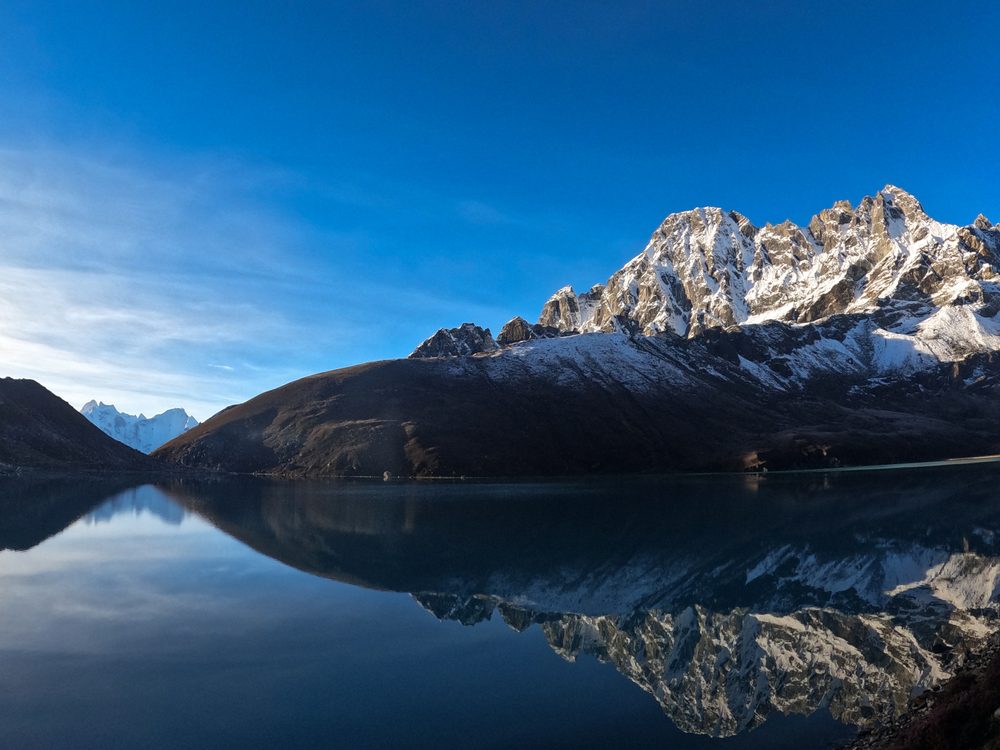
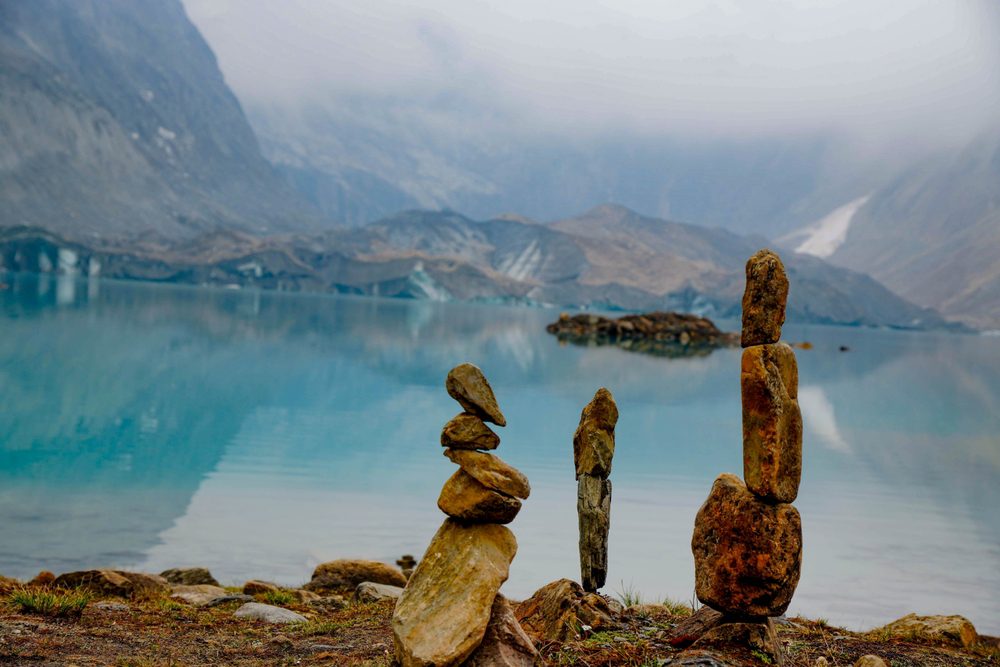
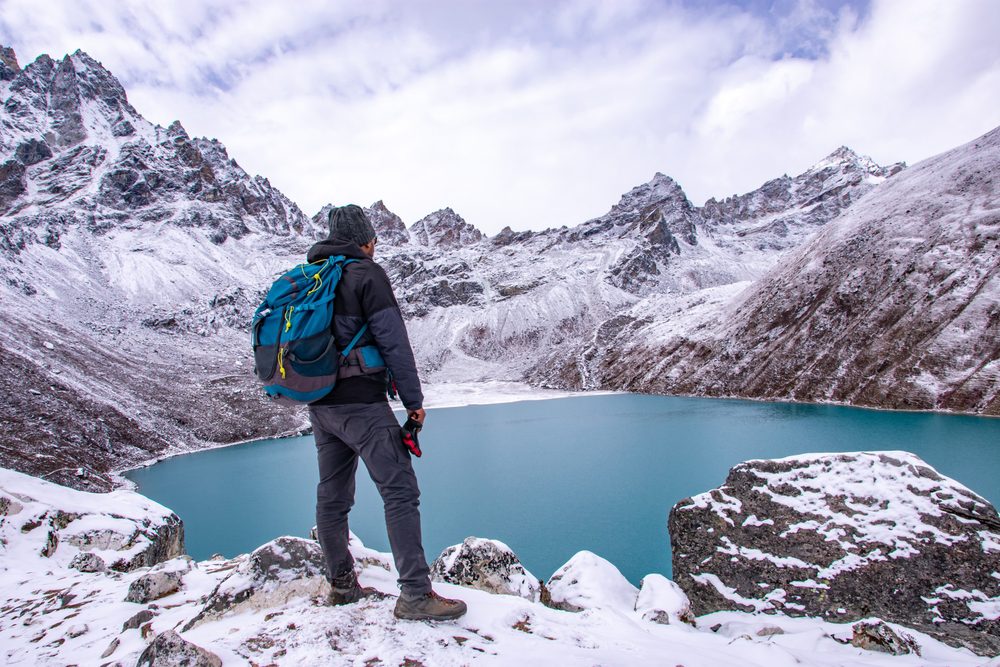
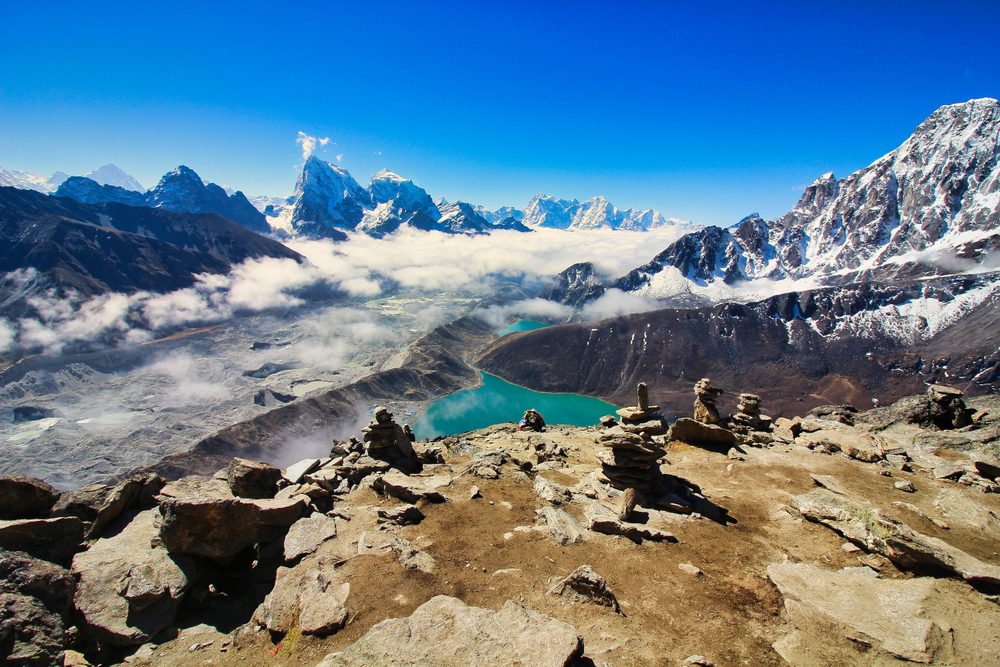
The centrepiece of the trek is the Gokyo Lakes — a chain of six sacred glacial lakes that sit between 4,700 and 5,000 metres, their waters an almost impossible shade of turquoise set against the grey and white of the surrounding glacier and peaks. These lakes hold deep spiritual significance for the Sherpa people and are among the highest freshwater lakes in the world. On a clear morning, with Everest, Lhotse, Makalu, and Cho Oyu reflected perfectly on the still surface of the third lake, it is one of the most quietly stunning sights anywhere in Nepal — the kind of scene that stops you mid-stride and makes you forget entirely how tired your legs are.
Running alongside the lakes is the Ngozumpa Glacier — the longest glacier in Nepal and one of the largest in the entire Himalayan range. Walking beside it and understanding the sheer scale of the ice mass beneath your feet is a humbling experience, and the constantly shifting landscape of moraines, ice towers, and meltwater pools gives the valley a dramatic, almost lunar quality that is unlike anything else on any other trekking route in the region. The glacier is also a stark and powerful reminder of the changes happening in the high Himalayas — retreating year by year in ways that are visible even to first-time visitors.
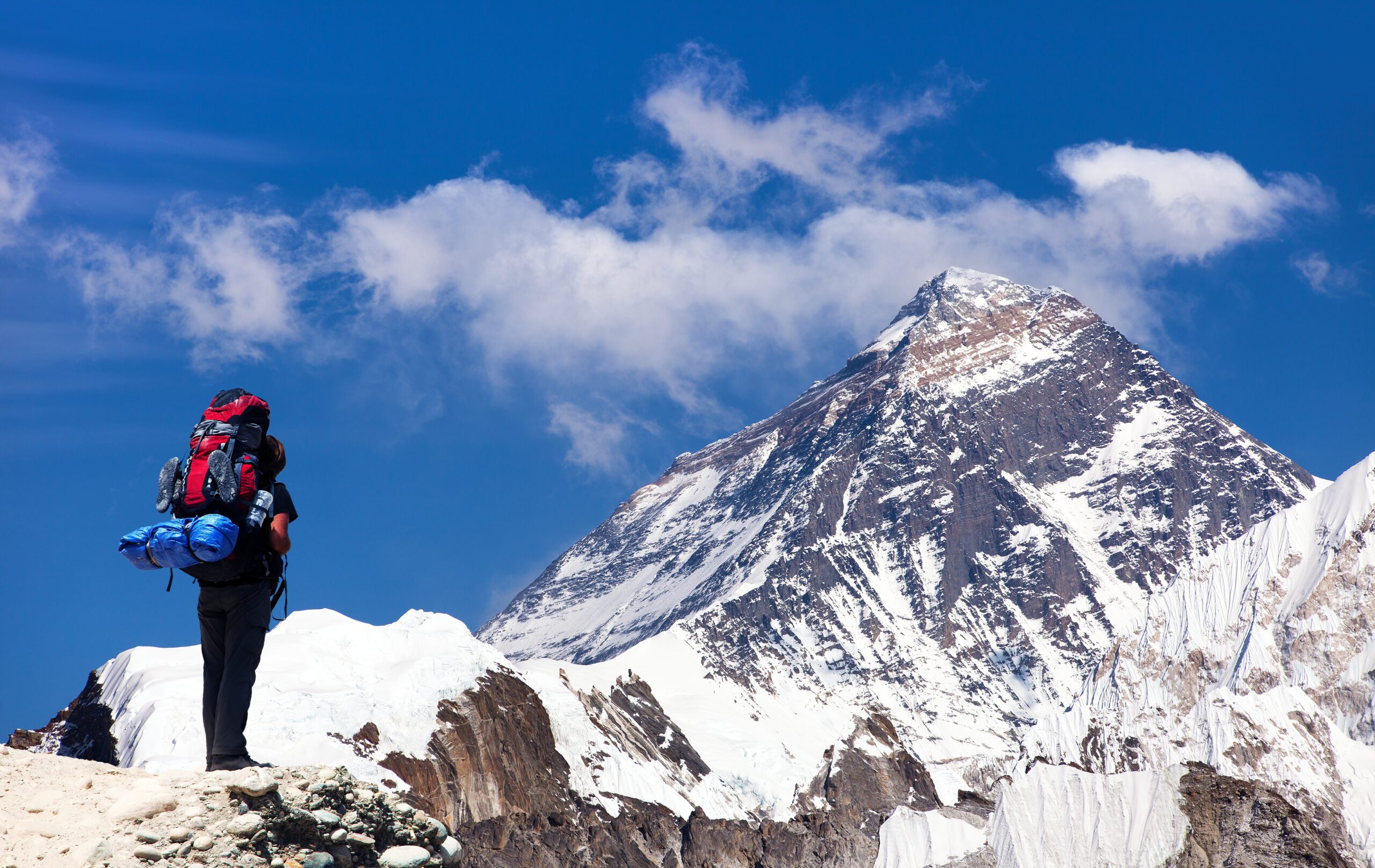
The highlight of the trek for most people is the ascent of Gokyo Ri at 5,357 metres — a relatively straightforward but genuinely demanding climb above the village that rewards the effort with a 360-degree panorama of four eight-thousanders simultaneously: Everest, Lhotse, Makalu, and Cho Oyu. It is one of the finest viewpoints in Nepal and, unlike Kala Patthar on the EBC route, is far less frequented — meaning you are far more likely to have the summit to yourself at sunrise. For those who want to push further, the optional extension over Renjo La Pass at 5,360 metres adds a spectacular high-altitude crossing with bird’s-eye views of the Gokyo Lakes below and a dramatic descent into the Thame valley beyond.
What makes the Gokyo Lakes Trek truly special is the combination it offers — glacier walking, sacred lakes, world-class mountain views, rich Sherpa culture, and a genuine sense of wilderness — all on a trail that sees a fraction of the foot traffic of the EBC route running parallel through the next valley. It is a trek for people who want something more than a busy highway to a famous destination. It is slower, quieter, more reflective, and in many ways more rewarding — a journey that reveals the Everest region as it was always meant to be experienced.
Trek Highlights of the Gokyo Lake trek
- Walk alongside the Ngozumpa Glacier, the longest glacier in Nepal, and take in the vast, constantly shifting landscape of ice, moraine, and meltwater that stretches across the entire valley floor
- Enjoy a significantly quieter and less crowded trail than the main Everest Base Camp route, with more personal lodge experiences, emptier viewpoints, and a stronger sense of genuine wilderness throughout
- Marvel at unobstructed views of Cho Oyu at 8,188 metres — the sixth highest mountain in the world — rising dramatically above the head of the Gokyo valley in a way that feels almost too close to be real
- Watch Everest, Lhotse, and the surrounding giants reflect perfectly on the mirror-still surface of the third Gokyo Lake on a clear morning — one of the most quietly extraordinary sights in all of Nepal
- Summit Gokyo Ri at 5,357 metres for a simultaneous panorama of four eight-thousanders — Everest, Lhotse, Makalu, and Cho Oyu — spread across the horizon in a single breathtaking view
- Take the optional extension over Renjo La Pass at 5,360 metres for a high-altitude crossing with aerial views of the Gokyo Lakes below and a dramatic descent into the Thame valley
- Experience the extraordinary variety of alpine and glacier landscapes on this route — from rhododendron forests and Sherpa villages in the lower valley to raw moraines, glacial ice, and high-altitude tundra above
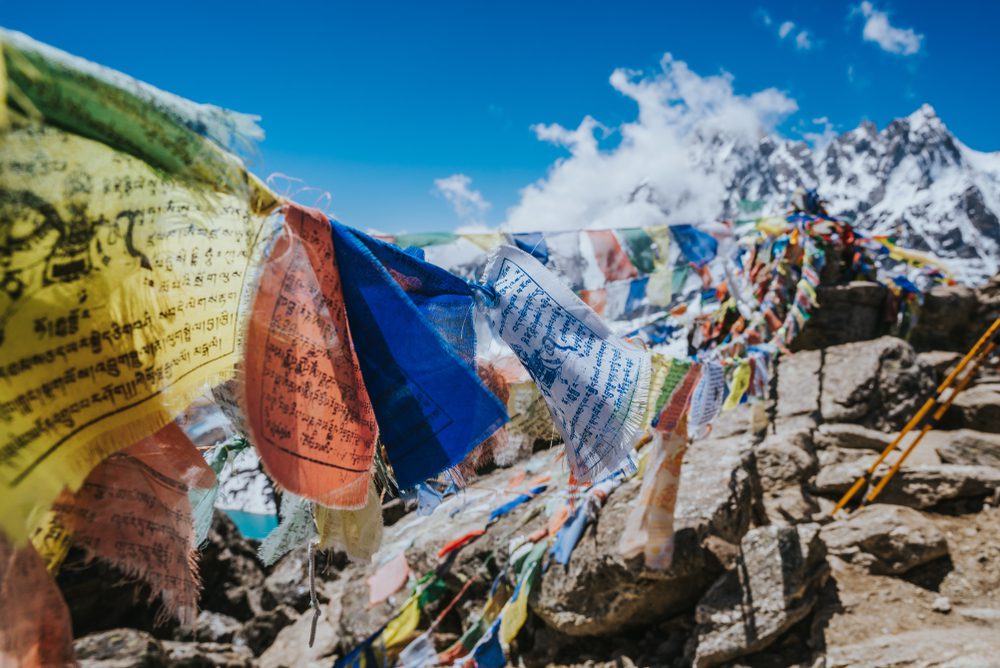
- Explore traditional Sherpa culture in villages like Namche Bazaar, Dole, and Machhermo, where monasteries, prayer flags, and centuries-old traditions give the journey a rich human and spiritual depth
- Feel the rare satisfaction of standing on a 5,000 metre viewpoint with four of the world’s highest peaks in front of you and almost no one else around — an increasingly precious experience in the Everest region
Itinerary
Fly to Lukla (2,846 m/9,337 ft) and trek to Phakding (2,610 m/8,563 ft)
Your adventure truly begins today. After an early breakfast, you will take a scenic flight from Kathmandu to Lukla (2,846 m), one of the most thrilling airstrips in the world. The flight offers breathtaking views of the Himalayas and takes about 30–35 minutes. Once you land in Lukla, you’ll meet the rest of the trekking crew, and after a short break, begin your first day on the trail.
Today’s hike is a gentle one, which takes around 3-4 hours as you descend gradually to the riverside village of Phakding (2,610 m). Along the way, you will pass through small Sherpa villages, cross suspension bridges, and walk alongside the beautiful Dudh Koshi River. It’s a great introduction to the trek and helps your body start adjusting to the altitude. You will spend the night in a cozy teahouse in Phakding, enjoying your first night in the heart of the Himalayas.
Stay overnight in Phakding.
Trek to Namche Bazaar (3,440 m/11,290 ft)
After breakfast in Phakding, you’ll begin your trek toward Namche Bazaar. The walk takes about 6–7 hours and follows the Dudh Koshi River, crossing several high suspension bridges and passing through lovely Sherpa villages like Monjo and Jorsalle.
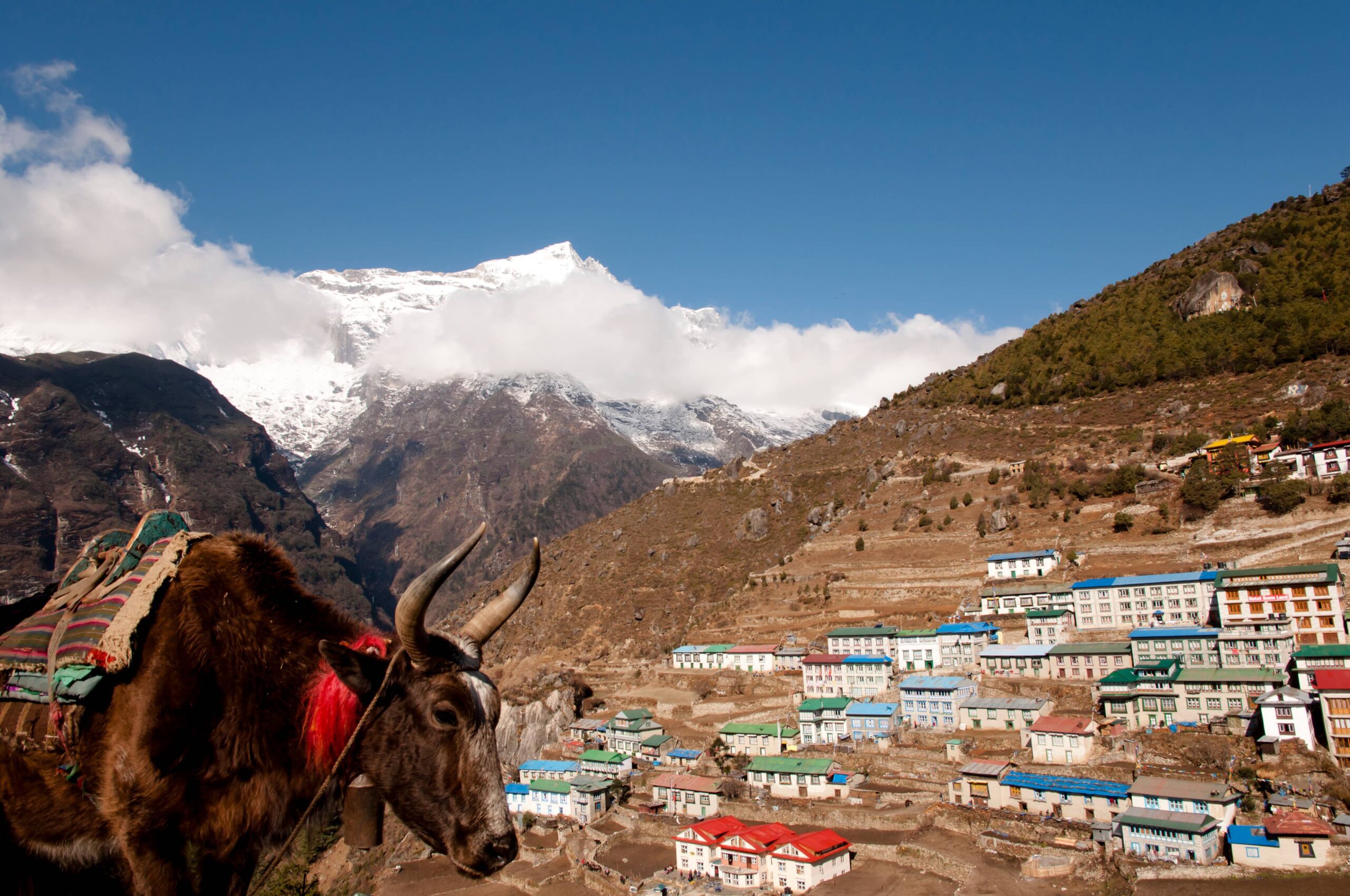
You’ll enter Sagarmatha National Park at Monjo, where your permits will be checked. After lunch, the trail gets steeper as you begin a long uphill climb to Namche. If the skies are clear, you might even get your first view of Mount Everest on the way. Namche Bazaar is the biggest town in the Everest trek. It has shops, cafés, bakeries, and beautiful mountain views. You’ll stay overnight in a teahouse here, with time to rest and let your body adjust to the higher altitude.
Stay overnight in Namche Bazaar.
Acclimatization day at Namche Bazaar: hike to Everest View Hotel (3,962 m)
Today is an acclimatization day, which means you’ll stay in Namche to help your body adjust to the altitude. But staying active is important, so after breakfast, you’ll go on a short hike to the famous Everest View Hotel.
The hike takes about 2–3 hours uphill, and from the hotel, you’ll enjoy stunning views of Mount Everest, Lhotse, Ama Dablam, and other Himalayan peaks. It’s one of the best panoramic spots in the region.
After enjoying the views and some tea or coffee, you’ll hike back down to Namche. The rest of the day is free. You can relax at your teahouse, explore the town, or visit the Sherpa museum and local shops. You’ll spend another night in Namche, feeling more prepared for the higher altitudes ahead.
Trek to Dole (4,200 m/13,799 ft)
After breakfast in Namche, you will start your journey toward the Gokyo Valley by leaving the main Everest Base Camp trail. The trek to Dole takes around 5–6 hours and offers a quieter, more peaceful path with beautiful mountain views.
The trail climbs steadily through pine and rhododendron forests, passing small villages like Kyangjuma and Mong La, where you can stop for tea or a quick break. You’ll also pass through Portse Tenga, and from there, it’s a steep climb to Dole. As you gain altitude, the trees begin to thin out and the landscape becomes more open and alpine. Dole is a small, peaceful settlement surrounded by mountains. You’ll spend the night here in a cozy teahouse, enjoying warm food and resting for the journey ahead.
Stay overnight in Dole.
Trek to Machhermo (4,470 m/14,665 ft)
After having a hearty breakfast in Dole, you’ll start your hike to Machhermo, which takes about 4–5 hours.The trail climbs steadily above the tree line, offering wide views of the valley, snow-covered peaks, and grazing yaks along the way. You’ll pass through small settlements like Lhabarma and Luza, with chances to rest and enjoy the peaceful mountain atmosphere.
As you reach Machhermo, you’ll notice the air getting thinner, so walking slowly and drinking plenty of water is important. Machhermo is a quiet village with a few teahouses and stunning views of Cho Oyu in the distance. You’ll spend the night here, allowing your body to continue adjusting to the high altitude before heading to Gokyo.
Stay overnight in Machhermo.
Trek to Gokyo (4,750 m/15,583 ft)
Start your day after a delicious breakfast in Machhermo, you will begin a 4–5 hour trek to Gokyo, gaining more altitude and experiencing breathtaking landscapes along the way. The trail follows a scenic ridge with amazing views of Cho Oyu and the surrounding peaks. You’ll cross small streams, pass rocky hills, and walk beside beautiful glacial valleys. Before reaching Gokyo, you’ll pass the first of the Gokyo Lakes, with their deep blue water reflecting the sky and mountains.
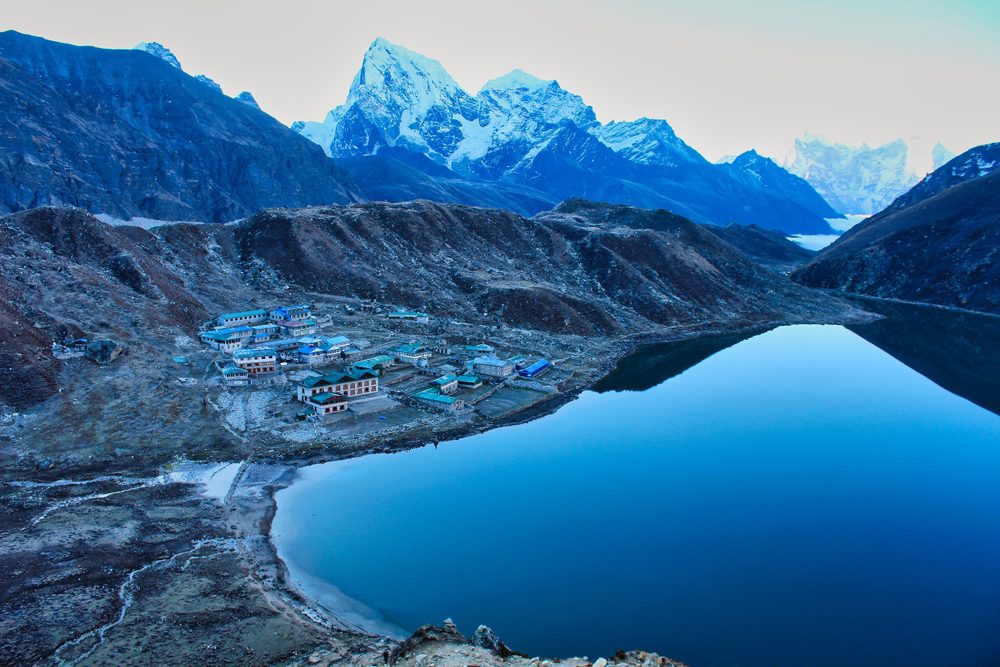
You’ll arrive at Gokyo village, located next to the third lake, Dudh Pokhari, surrounded by snowy peaks. It’s peaceful, beautiful, and unforgettable. You’ll stay overnight in a teahouse here and enjoy the evening by the lake, preparing for tomorrow’s hike to Gokyo Ri.
Stay overnight in Gokyo.
Gokyo Ri hiking (5,357 m/17,575 ft)
You’ll wake up early and begin the steep 2–3 hour climb to the top of Gokyo Ri, which is one of the best viewpoints in the Everest region.
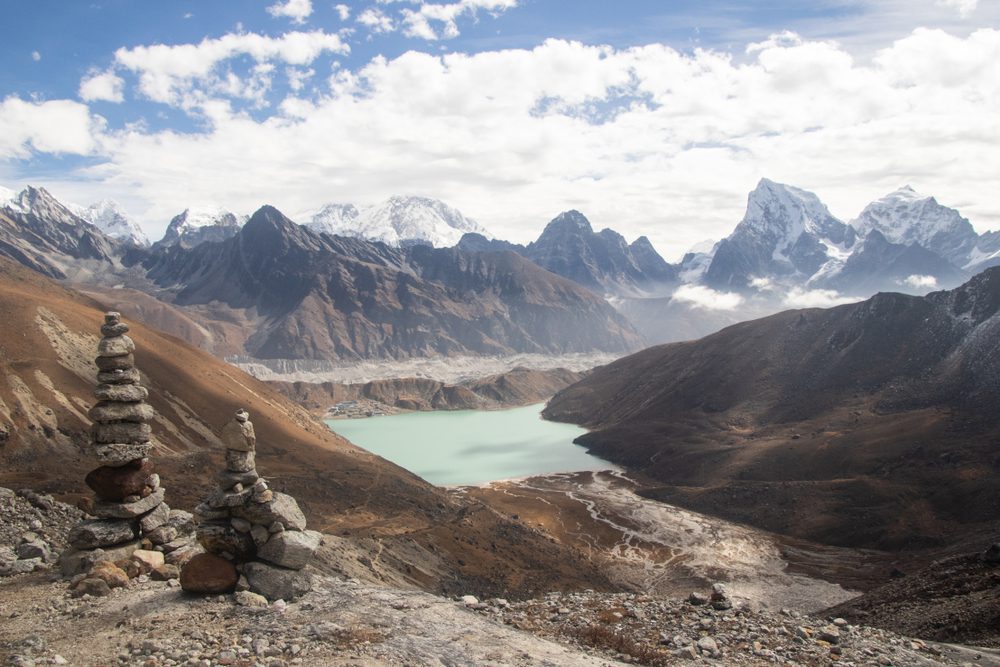
From the summit, you’ll be rewarded with breathtaking panoramic views of the world’s tallest peaks, including Mount Everest, Lhotse, Makalu, Cho Oyu, and more. You’ll also see the beautiful Gokyo Lakes and Ngozumpa Glacier, the largest glacier in Nepal, from above.
After spending time at the top taking photos and soaking in the views, you’ll carefully hike back down to Gokyo village. The rest of the day is free to relax, enjoy the scenery, or take a short walk by the lake. You’ll spend another night in Gokyo, resting after an unforgettable day.
Stay overnight in Gokyo.
Trek to Dole (4,200/13,799 ft)
After enjoying your time in Gokyo, it’s time to start your return journey. Today, you’ll trek back to Dole, retracing your steps through the beautiful Gokyo Valley. The walk takes about 5–6 hours, and since you’re descending, it’s a bit easier on the body.
You’ll pass the same scenic views of glaciers, lakes, and mountains, but from a different perspective. Along the way, you’ll hike through small villages like Machhermo and Luza, where you can stop for rest and tea.
As you descend, the air gets thicker and walking becomes more comfortable. You’ll spend the night in Dole, enjoying the peace and quiet of the mountain village and resting up for the next day’s journey.
Stay overnight in Dole.
Trek to Monjo (2,835 m/9,301 ft)
After breakfast in Dole, you will continue your descent toward the lower altitudes, heading back to Monjo. Today’s trek takes about 6-7 hours and follows the familiar trail through beautiful forests, rivers, and Sherpa villages.
You’ll pass through Mong La, Kyangjuma, and the vibrant town of Namche Bazaar, where you can stop for lunch or a short break. Afterward, it’s a steep downhill walk through pine forest and across suspension bridges until you reach Monjo. Monjo is a quiet village near the entrance of Sagarmatha National Park, where you’ll stay overnight in a cozy teahouse. The air feels warmer, and your body will appreciate the lower altitude after days spent higher in the mountains.
Stay overnight in Monjo.
Trek to Lukla (2,846 m/9,337 ft)
Today is your final day of trekking as you make your way back to Lukla. The walk takes about 4-5 hours, passing through familiar villages like Phakding, lush forests, and alongside the Dudh Koshi River. The trail includes a few short climbs and several suspension bridge crossings, giving you a final taste of the Himalayan landscape. You’ll likely feel a sense of accomplishment and reflection as you approach the end of your journey.
Once you reach Lukla, you can relax, enjoy a hot meal, and celebrate with your trekking team. You’ll spend the night in Lukla, preparing for tomorrow’s flight back to Kathmandu.
Stay overnight in Lukla.
Fly to Kathmandu (1,300 m/4,265 ft)
After an early breakfast, you’ll take a scenic morning flight from Lukla back to Kathmandu, which takes about 30-35 minutes. Enjoy your last views of the Himalayas from the air as you say goodbye to the mountains.
Once you arrive in Kathmandu, you’ll be transferred to your hotel. The rest of the day is free to relax, take a hot shower, or explore more of the city and can shop for souvenirs, visit local attractions, or enjoy a nice meal in one of the city’s restaurants.
It is a perfect time to reflect on your amazing trek in the Everest region. You’ll spend your final night in Kathmandu, with great memories and a heart full of Himalayan experience.
Customize this trip with help from our local travel specialist that matches your Interests.
Customize This TripInclusions
What’s Covered in Your Adventure
- Private car service to and from the airport (International & domestic).
- Two nights at a standard hotel in Kathmandu with breakfast.
- Three meals a day: breakfast, lunch, and dinner.
- You will be provided with trekking Lodges (Tea Houses).
- All papers that need to be done, Fees for entering Sagarmatha National Park, and Khumbu Pasang Lhamu Rural Municipality.
- Kathmandu to Lukla and back to Kathmandu, or (Ramechap to Lukla back to Kathmandu flight )with an airport transfer and airport tax within Nepal.
- A highly experienced, helpful, knowledgeable, friendly, English-speaking guide with all of his salary, food, drinks, lodging, transportation, and insurance covered.
- Setting up a service for an emergency helicopter (paid by your Travel Insurance Company).
- You can rent a sleeping bag, a down jacket (if you don't have your own) & Duffel bag provided.
- Taxes and official costs are paid to the government.
- Certificate of completion of the trip.
- Oximeter to check your pulse, oxygen saturation, and heart rate twice a day (very helpful to check for signs of Altitude Mountain Sickness, or AMS). This will make sure that your trek is in the safest hands possible, no matter how experienced you are.
- Food that you will eat in Kathmandu for lunch and dinner.
- The cost of a visa to enter Nepal is $30 for a 15-day stay.
- Your insurance for travel and medical care.
- International airfare, your expenses
- All of the alcoholic and non-alcoholic cold and hot drinks you buy on the trek.
- All of the sweet desserts, like chocolate, cake, pie, and pudding.
- The tea houses have hot showers and places to charge your phone, which will cost you about 2$ to 5$.
- Tip to the guide (Tipping is expected).
- A max 15kg bag is allowed on the flight to Lukla.
- One porter for two people, which will cost $240.
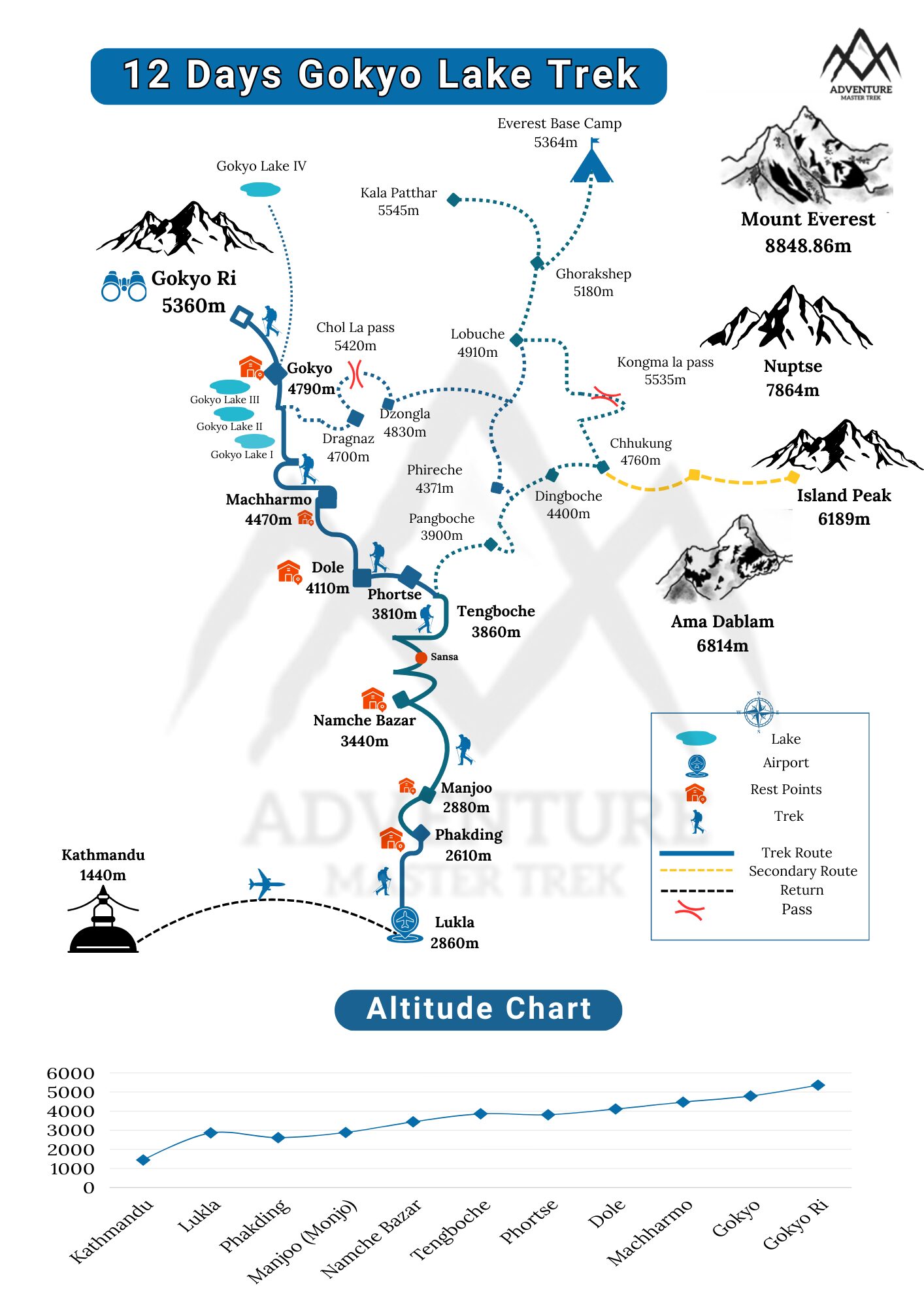
Maps
Navigate Your Journey
Good to Know
Accommodation and Acclimatization on the Gokyo Lake trek
Trekkers stay in local teahouses throughout the Gokyo Lake Trekking. These are basic, family-run lodges that provide a comfortable place to sleep, home-cooked meals, and an opportunity to learn about the Sherpa culture. Rooms are usually simple, with twin mattresses and communal bathrooms, but they feel nice and comforting after a long day on the route. In well-known places like Namche Bazaar and Gokyo, you can find options that are a little more comfortable and include charging stations and even Wi-Fi, albeit it is restricted.
You need to become used to the high altitudes on this walk, which will be over 5,000 meters. Most itineraries have at least two acclimatization days, usually at Namche Bazaar (3,440m) and Machhermo (4,470m), to give your body time to get used to the higher altitudes. On these days off, you can go on short hikes to higher places and then come back down to sleep. It is a helpful way to keep altitude sickness from happening. You should pay attention to your body’s needs, stay hydrated, and go slowly.
Acclimatisation is not an optional extra on the Gokyo Lakes Trek — it is the single most important factor in whether you reach the lakes safely and successfully, and the rest day built into the itinerary at Namche Bazaar is where that process begins in earnest. Namche sits at 3,440 metres, and after two days of steady climbing from Lukla through the Dudh Koshi valley, your body has already been working harder than it realises — the reduced oxygen at this altitude triggers a cascade of physiological changes that take time to complete, and rushing past Namche without allowing that process to happen is one of the most common reasons trekkers develop altitude sickness higher on the route.
On your acclimatisation day in Namche the itinerary follows the well-established climb-high, sleep-low principle — you’ll hike up to the Everest View Hotel ridge at around 3,880 metres or the hillside above town, gaining several hundred metres of altitude to stimulate your body’s red blood cell production and begin the adaptation process, before returning to sleep at the same 3,440 metre level you started from, which allows the physiological benefit without the stress of staying higher overnight. Beyond the science, the day itself is genuinely enjoyable — Namche is the most vibrant and well-stocked stop on the entire route, a proper mountain town with bakeries, gear shops, a busy weekend market, and the excellent Sherpa Museum which tells the story of Everest climbing and Khumbu culture better than anywhere else on the trail.
Food and Drinking Water in the Gokyo trek
The food on the Gokyo Trek is simple, filling, and meant to keep you going in the mountains. Most teahouses have a fixed menu that includes both Nepali food and dishes from other countries. Dal Bhat, which is rice, lentil soup, veggies, and sometimes meat, is the most popular and recommended meal. It is healthy and filling, and you may have as much as you like, which is great for hikers. You can also get things like noodles, fried rice, pasta, soups, eggs, and pancakes. Transportation problems may make it harder to find food and make it a little more expensive at higher altitudes.
It’s really vital to drink enough water, especially when you’re trekking to Gokyo Lake at high heights. You may buy bottled water in teahouses along the way, but the higher you go, the more it costs. Refilling your water bottles with boiling or filtered water from teahouses (typically for a nominal cost) is better for the environment and your wallet. You should also bring water purification pills or a portable filter with you, especially if you plan to treat tap or stream water.
Electricity and Internet Service in the Trek to Gokyo
Becomes more limited and expensive as you gain altitude. In lower villages like Lukla, Phakding, and Namche Bazaar, electricity is generally reliable, and you can charge your devices in your room or the dining area, often for free or a small fee.
As you go higher toward Dole, Machhermo, and Gokyo, you can get charging ports, which are solar-powered and available only in common areas, and you will likely need to pay per device or hour. It is a good idea to bring a power bank or solar charger to stay prepared.
The internet is available in many teahouses during the Gokyo trekking through Wi-Fi services, which you can purchase with data cards. In Namche Bazaar, the connection is fairly strong, but it gets slower and less reliable the higher you go. Don’t expect fast browsing or video calls. It can be just enough for basic messages and checking in with loved ones.
Most teahouses and lodges along the Gokyo route offer paid Wi-Fi through local hotspot systems such as Everest Link or lodge-specific networks, and it is available even in Gokyo village itself. Access is typically sold by data amount or time through prepaid cards purchased at the teahouse, and while the speeds are slow and intermittent — perfectly adequate for messaging and light browsing but not for streaming or large downloads — they are good enough to send a message home and let people know you’re safe. Reliability depends heavily on altitude, weather, and how many other trekkers are using the network at the same time. Above Machhermo, don’t expect much. Bring a fully charged power bank from Namche, download offline maps and any media you need before the upper valley, and treat internet access above Namche as a bonus rather than a given.
| Provider | Best SIM | Coverage in Khumbu | Data Package | Cost | Where to Buy |
| Ncell | Best overall for trekkers | Good up to Namche, weak above | 1GB – $2 / 5GB – $6 / 10GB – $10 | $1 – $10 depending on package | Kathmandu airport, Thamel, Namche |
| NTC (Nepal Telecom) | Best above Namche | Stronger signal at higher altitude than Ncell | 1GB – $1.50 / 5GB – $5 / 10GB – $9 | $1 – $9 depending on package | Kathmandu airport, Thamel, Namche |
| NTC CDMA | High altitude use | Best available signal above 4,000m | Limited data, voice focused | $2 – $5 | Namche Bazaar only |
Difficulty during Gokyo Trek
The Gokyo Lakes Trek is rated as a strenuous trek — a step up from moderate routes like Khopra Danda or the lower Annapurna trails, but without the technical mountaineering demands of a peak climb. It is achievable for fit and motivated trekkers who prepare properly and take the altitude seriously.
Trail and Terrain
Daily walking ranges from five to eight hours on trails that cover varied and often demanding terrain — stone-paved paths through lower villages, rocky lateral moraine ridges alongside the Ngozumpa Glacier, and open high-altitude tundra above the tree line. The approach through the Khumbu valley involves significant cumulative elevation gain over the course of the trek, and the days climbing to Gokyo Ri at 5,357 metres and crossing Renjo La at 5,360 metres if included are genuinely tough. There are no technical climbing sections on the standard route, but the Renjo La extension involves a steep snow and scree ascent that requires care and good footwear. The glacier moraine walking is uneven and physically demanding underfoot throughout the middle and upper sections of the route.
Altitude
Altitude is the defining challenge of this trek. The valley climbs steadily, and the higher villages — Machhermo at 4,470 metres, Gokyo at 4,790 metres — sit high enough for the effects of reduced oxygen to be felt clearly by almost everyone. Symptoms of Acute Mountain Sickness, including headaches, disrupted sleep, reduced appetite, and fatigue are common above 4,000 metres and must be taken seriously. The itinerary includes essential acclimatisation days built into the schedule, and the cardinal rule applies throughout — never ascend with unresolved symptoms, and always communicate how you feel to your guide honestly and immediately.
Overall Assessment
If you have previous multi-day trekking experience, a good level of cardiovascular fitness, and a genuine respect for altitude, the Gokyo Lakes Trek is absolutely achievable. It will push you physically — particularly on the higher days — but it rewards that effort with scenery and experiences that justify every hard step.
Group Size for Gokyo Trek
The Gokyo Lake Trek is great for small groups of 2 to 12 persons. When you go trekking in Gokyo with a small group, you get a lot of personal attention from your guides and a nice, close-knit experience. It’s easy to go at your own pace, have talks, and share the journey with friends or family.
Larger groups might often make things take longer or make it tougher to find a place to stay, especially during peak times. This size is great for keeping things safe, having fun, and getting to know the beautiful alpine environment better, whether you’re going with friends, family, or a small guided group.
Altitude Sickness during Gokyo Trekking
Altitude sickness is something every trekker should be aware of when heading to high places like Gokyo Lake. Anyone who goes to high locations like Gokyo Lake should know about altitude sickness. It happens because your body needs time to become used to the thinner air at higher altitudes, especially above 3,000 meters.
Headaches, nausea, dizziness, and weariness are some of the symptoms. Most individuals who listen to their body and do the proper things do not have any significant problems and can safely enjoy the walk. The most important things to do to keep healthy and enjoy your mountain trip are to be ready and patient.
Don’t go higher until you feel better. Most people who listen to their bodies and follow the right steps have no serious problems and can enjoy the trek safely. Being prepared and patient is the key to staying healthy and making the most of your mountain adventure.
Preparation for the Gokyo Lakes Trek
This is a strenuous high-altitude trek and it deserves serious preparation. The trekkers who thrive on this route are the ones who put in real work beforehand — not just physically, but in terms of gear, health, and mindset.
Physical Training
Begin a structured fitness programme at least three to four months before departure. Cardiovascular endurance is your foundation — regular hiking with a loaded pack, trail running, stair climbing, and cycling all build the aerobic base you need for long days at altitude. Work up to five to six-hour hikes carrying 10 to 12 kilograms on consecutive days to simulate the cumulative fatigue of a multi-week trek. Leg strength is equally important, particularly for the steep descents from Gokyo Ri and Renjo La, where tired quads lead directly to knee problems. If you can access any altitude before the trek — even a weekend above 3,000 metres — take it.
Gear and Equipment
Your gear list for this trek needs to be taken seriously. A four-season sleeping bag rated to at least −20°C is essential for nights at Gokyo and above. Solid, broken-in trekking boots with good ankle support are non-negotiable — the moraine terrain demands it. Pack a heavy down jacket, moisture-wicking base layers, a mid-layer fleece, and a fully waterproof and windproof outer shell. Trekking poles make a significant difference on both the ascents and the long, rocky descents. UV glacier glasses, high-SPF sunscreen, a reliable headlamp with spare batteries, and an insulated water bottle cover round out the essentials. If you are doing the Renjo La extension, microspikes or lightweight crampons are worth carrying, depending on the season.
Health and Altitude
Consult your doctor before departure and discuss the use of Acetazolamide (Diamox) for altitude sickness prevention — it is commonly used on treks reaching above 4,500 metres and is worth a proper medical conversation. Ensure all travel vaccinations are current, and purchase comprehensive travel insurance that specifically covers high-altitude trekking and helicopter evacuation — this is not optional on a route that spends multiple days above 4,500 metres. Drink three to four litres of water daily, eat regular meals, avoid alcohol for the first week, and follow the climb-high, sleep-low principle on every acclimatisation day.
Mental Preparation
The Gokyo Lakes Trek is long, physically demanding, and takes you far from comfort into genuinely remote high-altitude terrain. There will be hard days — particularly above Machhermo where the altitude, cold, and accumulated fatigue combine to make even short distances feel significant. The trekkers who handle this best are those who arrive knowing it will be tough, who take each day as it comes, and who hold the summit and the lakes as motivation rather than expectation. Research the route thoroughly, understand what each day asks of you, and go in with a flexible mindset and a genuine sense of adventure.
Money Exchange for Gokyo Trek
When you arrive in Kathmandu, it is best to exchange your money at the airport or in the city, where rates are usually better and more reliable. You will get Nepalese Rupees (NPR), which you’ll use during the trek. In most teahouses along the Gokyo Lake Trek, you can pay with cash only, so it’s important to carry enough cash for your whole trip. ATMs are available in Kathmandu and Namche Bazaar, but not beyond, so plan accordingly. Always keep smaller bills for buying snacks, water, and tips. It is a good idea to bring US dollars or euros as backup, just in case you need to exchange more money while on the trek.
Travel Insurance
You need travel insurance to go to Gokyo Lake. It protects you in case of emergencies like illness, injury, or trip cancellations. Since you will be hiking at high altitudes and in remote places, make sure your insurance covers high-altitude trekking, helicopter evacuation, and medical emergencies. You could get hurt or sick from being at a high altitude, but if you have insurance, you won’t have to pay a lot of money if something goes wrong. Make sure you read the fine print thoroughly before you leave to make sure you’re completely insured. It’s a tiny thing to pay for peace of mind on a great trip.
Permits required for the Gokyo Trekking
You need a few permits to embark on the Gokyo Lake Trek. The Nepali government needs these permits to keep an eye on tourism, protect the environment, and keep you safe while you hike. For the 12-day Gokyo Lake Trek, you will require these permits:
- Sagarmatha National Park Permit: To get into the Everest (Khumbu) region, you need a Sagarmatha National Park permit. This permission also helps protect the park. You can get it in Kathmandu at the Tourism Board office or at the entrance gate of Monjo Park on the trek.
- Khumbu Pasang Lhamu Rural Municipality Permit: Trekking in the Khumbu area, which includes the Gokyo region, requires this permit. It is issued at the Lukla permit office when you arrive or start your trek.
Required Document
- A passport needs to remain valid for at least six months.
- Nepal visas can be obtained at the Nepalese embassy or your arrival.
- Passport-sized photos (for permits and official papers)
- Travel insurance (which needs to cover high-altitude trekking and helicopter rescue)
- For your permit to be processed, a copy of your passport is needed.
Packing List for the Gokyo Lake trek
The key to enjoying your 12-day Gokyo Lake Trek is packing wisely. You need to bring clothing and gear that will keep you warm, dry, and comfortable as you trek through high mountain trails and experience changing weather conditions. Proper packing makes your journey safer and more enjoyable. Here is a simple trekking equipment list required for the Gokyo trek:
General Trekking Gear
- Big backpack (60–70L)
- Small day bag (20–30L)
- Sleeping bag (–15°C)
- Sleeping bag liner
- Duffle bag
- Trekking poles
- Water bottles + water purifier
- Headlamp + spare batteries
- Sunglasses with UV protection
- Dry bags or zip locks
- Optional thermos
Upper Body
- 2–3 quick-dry tops
- Warm fleece or jacket
- Thick down jacket
- Rain/windproof jacket
- Light t-shirts
- Long sleeves
Lower Body
- 2 pairs of warm thermal bottoms
- 2–3 trekking pants
- Waterproof pants
- Warm pants for nights
- Shorts (optional)
Accessories for Head & Hands
- Warm hat or beanie
- Sun hat or wide-brim hat
- Neck buff/scarf
- Light gloves + warm waterproof gloves
Footwear
- Trekking boots that don’t get wet
- Flip-flops or sandals
- 4 to 5 pairs of warm socks
- Gaiters (not required)
Things for the bathroom
- Lip balm and sunscreen with an SPF of 50 or more
- Toothpaste and toothbrush
- Hand sanitizer and wet wipes
- Towel that dries quickly
- Paper for the toilet
- Products for periods
- Basic grooming supplies
Basic Health and First Aid
- Medicine for yourself
- Diamox pills for altitude
- Pain relief drugs
- Tablets that stop diarrhea
- Band-aids and pads for blisters
- Cream with antibiotics
- Oral rehydration salts
- Bug spray
What you gonna explore in this package
Embark on a 5-day journey through the enchanting island of Bali, where vibrant
culture,
stunning landscapes, and rich traditions await. From the bustling streets of Ubud to
the
serene beauty of rice terraces, this tour offers a perfect blend of adventure and
relaxation. Explore iconic temple.
Transportation for this trek
The most popular and convenient way to reach the start of the Gokyo Lakes Trek is the direct mountain flight from Kathmandu to Lukla, landing at the legendary Tenzing-Hillary Airport at 2,860 metres in just 30 to 35 minutes for $225 USD per person one way with a 15 kilogram baggage limit — what would otherwise take several days of overland travel is done before breakfast, and the aerial views of the Himalayan foothills on the approach are spectacular from the window. Always book the earliest morning slot available as morning flights are significantly more reliable than afternoon departures, and build buffer days into both ends of your itinerary since weather delays are common, particularly in peak season. Speaking of peak season — during the busy March to May and September to November windows, Kathmandu’s Tribhuvan International Airport becomes heavily congested and many airlines shift Lukla departures to Manthali Airport in Ramechhap, which means an early morning drive of four to five hours from Kathmandu departing around 2:00 to 3:00 AM followed by a short 20 to 25 minute flight to Lukla. It’s a tiring start to the day but Manthali flights are generally more punctual and less weather-sensitive than Kathmandu departures, and your agency will confirm which airport applies when you book.
For trekkers who want complete flexibility and don’t mind the premium, a helicopter transfer from Kathmandu to Lukla costs approximately $500 USD per person on a shared flight or $3,000 USD for a full private charter, takes 40 to 50 minutes, offers extraordinary low-level aerial mountain views, and is far less affected by the weather delays that regularly ground fixed-wing aircraft — making it an excellent backup option if your scheduled flight gets cancelled at the last minute.
At the other end of the budget spectrum, it is entirely possible to reach the Gokyo valley without flying at all — an eight to ten hour drive from Kathmandu to Salleri or Phaplu in the Solu Khumbu region, followed by two to three days of trekking through rarely visited lower Khumbu villages, eventually connects with the main trail toward Namche Bazaar and the Gokyo valley. It adds three to four days to the overall itinerary and requires more planning, but it eliminates flight uncertainty entirely, costs considerably less, and passes through beautiful lower Khumbu countryside that the vast majority of trekkers flying into Lukla never get to see.
Guide
Your guide is the most important person on the Gokyo Lakes Trek — far more than just someone who knows the trail. From the moment you leave Lukla to the final descent back into the valley, your guide is responsible for your safety, your acclimatisation decisions, your daily pace, and the overall quality of your experience in one of the most remote and high-altitude trekking environments in the world. Most guides working the Gokyo route are Sherpa by background, raised in the very villages you pass through, and their knowledge of this specific valley — its weather patterns, its lodges, its hidden viewpoints, and its dangers — is the kind of thing that only comes from a lifetime spent in these mountains.
On a practical level your guide monitors your health every single day, watches closely for the early signs of altitude sickness, manages the critical acclimatisation days at Namche Bazaar and Machhermo, and makes the call on whether conditions are safe enough to push to Gokyo Ri or Renjo La Pass on summit morning. Beyond the purely practical, a good guide transforms the entire journey — explaining the spiritual significance of the Gokyo Lakes to the Sherpa people, sharing the history of the Ngozumpa Glacier and the changes they have witnessed in their lifetime, introducing you to lodge owners and local families along the way, and bringing a depth of cultural and natural understanding to everything you see that simply cannot be replicated from a guidebook. All guides on this route are required to hold a valid trekking licence issued by the Nepal Mountaineering Association or the Trekking Agencies Association of Nepal, carry basic wilderness first aid training, and have documented experience leading trekkers specifically in the Khumbu and Gokyo regions. A private guide is strongly recommended for this trek — the altitude is serious, the route above Namche is genuinely remote, and one-to-one attention from an experienced professional makes a measurable difference to both your safety and your enjoyment throughout.
Porter
Your porter is the quiet foundation on which the entire trek rests, and the difference between trekking with a porter and without one is felt from the very first morning on the trail. Carrying your main duffel bag — up to the industry-standard maximum of 20 to 25 kilograms — your porter frees you to walk each day with just a light daypack containing your water, layers, snacks, and camera, which preserves your energy over a multi-week trek at high altitude in a way that is genuinely significant by the time you reach the upper valley.
Most porters on the Gokyo route are local men from the Khumbu or surrounding Solukhumbu region who have been working these specific trails for years, and their familiarity with every lodge, every shortcut, and every shift in the weather is an asset that goes well beyond simply carrying a bag. Hiring a porter is also one of the most direct and meaningful ways to contribute to the local economy — providing stable, fair-wage employment for families in some of Nepal’s most remote and economically vulnerable communities.
The standard daily rate is $20 to $25 USD per day fully inclusive, covering their food, accommodation, and insurance for the duration of the trek, with a tip of at least $5 to $8 per day expected and genuinely appreciated at the end. For a solo trekker the standard arrangement is one guide and one porter, scaling to one guide and two porters for groups of two to four people, with an additional assistant guide added for every four to five members on larger group departures. Treat your porter with respect, learn a few words of Nepali, and never allow any agency to overload them beyond the agreed maximum weight — responsible trekking starts with how the people making your journey possible are treated.
Policy for Booking the Gokyo Lake trek
Advance Payment & Booking Confirmation
To reserve your seat on the 12-day Gokyo Lake Trek, we ask for a 30% payment of the entire cost. You can also choose to pay the full price beforehand if you want. The rest of the payment is due when you arrive in Kathmandu. To confirm your booking, please send us:
- Proof of your deposit payment
- A clean copy or photo of your passport
- Your travel insurance and emergency contact information
Ways to Pay
We want it to be easy and safe for you to pay. You can pay by:
- Online Payment: Fast and secure through our website
- We take Visa, MasterCard, and all major credit and debit cards (there is a modest 4% bank fee).
- Bank Transfer: To our bank account directly (your bank may impose fees)
- Cash or Check: You can pay in person if you’re already in Kathmandu.
Last Payment
You should pay the other 70% before your trip begins. You can pay this in Kathmandu with cash, a credit card, or a bank transfer.
Booking and Rescheduling
If you want to change your trek dates, please let us know at least 30 days before your trip. We’ll do our best to help, but extra fees may apply depending on the situation.
Travel Insurance
Travel insurance is very important for your safety. Make sure it covers emergency helicopter rescue, altitude sickness, medical emergencies, lost gear, and trip cancellations.
Last-Minute Booking
We can accept bookings up to 48 hours before the trek begins, but during busy times like spring and autumn, it is best to book early. Helicopters and lodges fill up quickly, so don’t wait too long!
Policy for the cancellation for Gokyo Lake Trek
1. Cancellation by the Traveler
- If the traveler cancels 30 days or more prior to departure, they will receive a full refund less a 10% service charge.
- 50 % of the entire amount will be refunded 15 to 29 days before departure.
- If departure is less than 15 days out, there won’t be a refund.
2. Cancellation by the Company
In the event that bad weather, natural disasters, or other events force the walk to be canceled, we will:
- Provide a different date.
- Give a complete refund, less any non-refundable expenses for things like flights or permits.
3. Last-Minute Cancellations
No refund will be given for cancellations made less than 24 hours before the start time.
4. Trip Interruption by the Traveler
No refunds for unused days will be provided if you depart the walk early for personal reasons.
5. Refund Process
Refunds will be issued to the original payment method within 7–10 business days.
Helicopter Cost in the Everest Region
- 1 passenger — Kathmandu to Lukla or Lukla to Kathmandu — $500 USD per person each way
- 2 passengers — Gokyo to Kathmandu via Lukla — $2,000 USD per person
- 4 to 5 passengers — Gokyo to Kathmandu — $1,000 USD per person
- 4 passengers — Namche Bazaar to Kathmandu — $1,000 USD per person
- Private charter (full helicopter) — price on request depending on route, duration, and availability
- Shared helicopters are significantly cheaper per person — the more passengers splitting the cost, the better the value
- Helicopter costs vary by season, fuel prices, and availability — always confirm current rates with your agency before departure
- Emergency medical evacuation helicopters are separate from standard charter flights and are covered by travel insurance — ensure your policy specifically includes helicopter rescue above 6,000 metres
FAQs
When is the best time to go on the trek to Gokyo?
The best time to go on the Gokyo Lake trek is autumn (September to November) and spring (March to May). During these seasons, the weather is clear, the skies are blue, and you get the best mountain views.
Do I need any permits for the trek?
Yes, two permits are required: the Sagarmatha National Park Permit and the Khumbu Pasang Lhamu Rural Municipality Permit for Gokyo Trekking. Don’t worry, we will help you get these before the trek.
Is altitude sickness a problem on this trek?
Yes, because you’ll reach about 4,790 meters (15,715 feet), altitude sickness can happen. But we build in rest and acclimatization days to give your body time to adjust safely.
What kind of places will I sleep in?
You will stay in teahouses or small mountain lodges. They are simple but cozy, offering beds, meals, and sometimes hot showers.
Will I have Wi-Fi and electricity during the trek?
Yes, some lodges have Wi-Fi and electricity, but it’s not always reliable or free. It’s best to bring power banks to charge your devices.
What food will I eat on the trek?
You can expect simple and hearty meals like rice, noodles, lentils, and vegetable soups. Most places in the Gokyo Trek have vegetarian and some non-vegetarian options.
What should I pack for the trek?
You should bring warm clothes, waterproof gear, good hiking boots, a sleeping bag, and sun protection. We provide a detailed packing list to help you prepare.
Is clean drinking water available during my Gokyo Lake trek?
Yes, you can get water bottles in teahouses and there are many rivers along the Gokyo Lake trail, but it is safest to purify water yourself using tablets or a filter to avoid sickness.
Can I pay with credit cards on the trek?
Mostly No. You should carry enough cash (Nepalese Rupees) because most teahouses and shops only accept cash payments during Gokyo Trekking.
How do I get to the starting point?
You will fly from Kathmandu to Lukla, which is the usual starting point for the trek to Gokyo Everest Region.
Do I need travel insurance?
Yes, travel insurance is very important for Gokyo Trek. Make sure it covers emergency helicopter rescue, high-altitude sickness, and medical treatment.
Can I hire a guide or porter?
Yes, hiring a guide or porter is optional, but highly recommended for your Gokyo Trek. They make the trek easier and safer.
What if the weather turns bad?
The guides will keep track of weather forecasts and will change plans if needed to avoid bad weather to keep you safe. You can relay on your guide.
How fit should I be for the Gokyo trek?
You don’t need to be an athlete, but you should be in good health and have done some walking or cardio exercise before the trek to enjoy it more comfortably.


View Our Similar Packages
Discover our top tours, loved by thousands of travelers annually. Choose the adventure that inspires you and embark on a journey tailored to your desires.

 Nepal
 5 Days
Add Review
Reviewing for 12 Days Gokyo Lake Trek | Itinerary and CostRequest a Callback - 12 Days Gokyo Lake Trek | Itinerary and Cost
Submit the form and we will be back to you shortly
Request a Callback - 12 Days Gokyo Lake Trek | Itinerary and Cost
Submit the form and we will be back to you shortly
Narayanhiti Palace Museum

Narayanhiti Palace Museum


