









Accommodation and Food on the Kanchenjunga Trek: Everything You Need to Know Before You Go
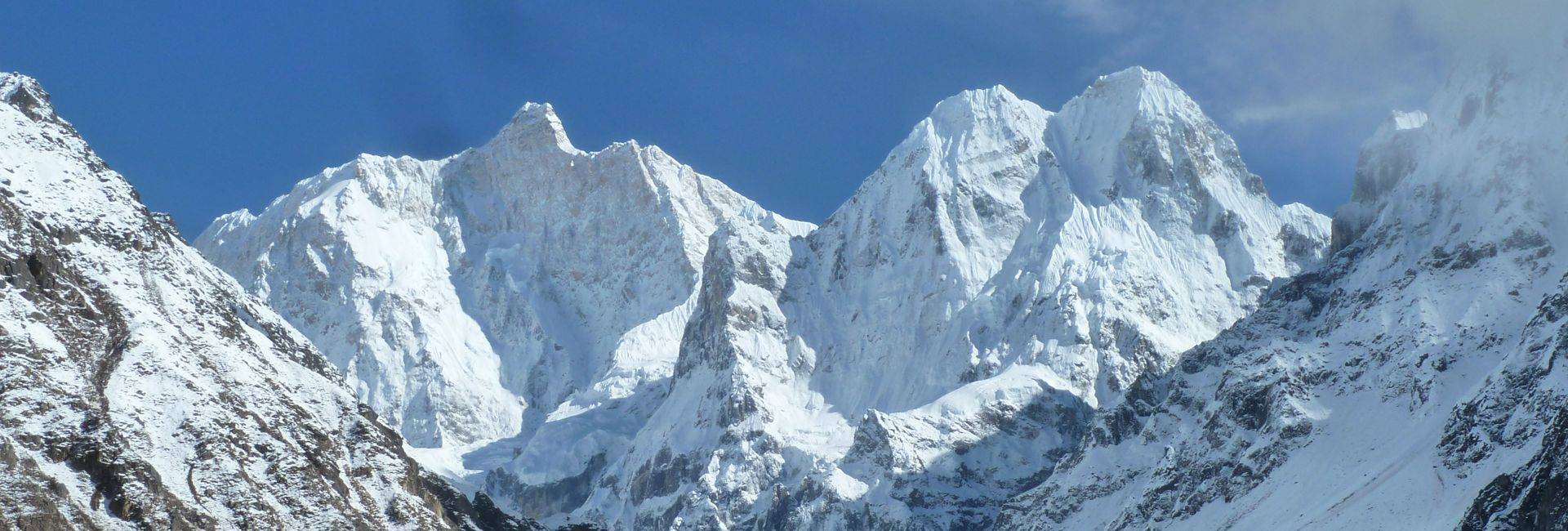
The Kanchenjunga Trek sits in a league of its own. Remote, raw, and genuinely rewarding, this trail through far eastern Nepal draws trekkers who want something beyond the polished teahouse circuit of the Annapurna or Everest regions. But with that remoteness comes a set of practical realities that every trekker must understand before lacing up […]
-
 SEO Sarash
-
22 May, 2026
-
13 mins read
-
651 Views
-
0 Comments


The Kanchenjunga Trek sits in a league of its own. Remote, raw, and genuinely rewarding, this trail through far eastern Nepal draws trekkers who want something beyond the polished teahouse circuit of the Annapurna or Everest regions. But with that remoteness comes a set of practical realities that every trekker must understand before lacing up their boots. Among the most pressing of those realities are accommodation and food. What will you eat out there? Where will you sleep? How comfortable will it be? These are not trivial questions when you are walking for three to four weeks through one of the least developed trekking corridors in the Himalayas.
This guide breaks it all down in honest, ground level detail.
Understanding the Region Before You Go
Kanchenjunga Conservation Area covers roughly 2,035 square kilometres in the Taplejung district of Province No. 1. The trek typically splits into two main circuits: the North Base Camp route leading to Pangpema (5,140m), and the South Base Camp route leading to Oktang (4,730m). Many trekkers combine both into a longer loop, spending anywhere from 18 to 25 days on the trail.
Because the region only opened to foreign trekkers in 1988, and because it requires a special restricted area permit plus a Kanchenjunga Conservation Area permit, the number of visitors remains comparatively small. Fewer visitors means less investment in infrastructure. Less infrastructure means that the teahouses here operate very differently from those on more popular trails.
That understanding sets the foundation for everything else discussed in this guide.
Teahouses on the Kanchenjunga Trail
The term teahouse gets used loosely throughout Nepal. On the Annapurna Circuit, a teahouse might mean a clean lodge with an attached bathroom, a menu printed in three languages, hot showers on demand, and wifi in the dining room. On the Kanchenjunga Trek, that picture changes considerably.
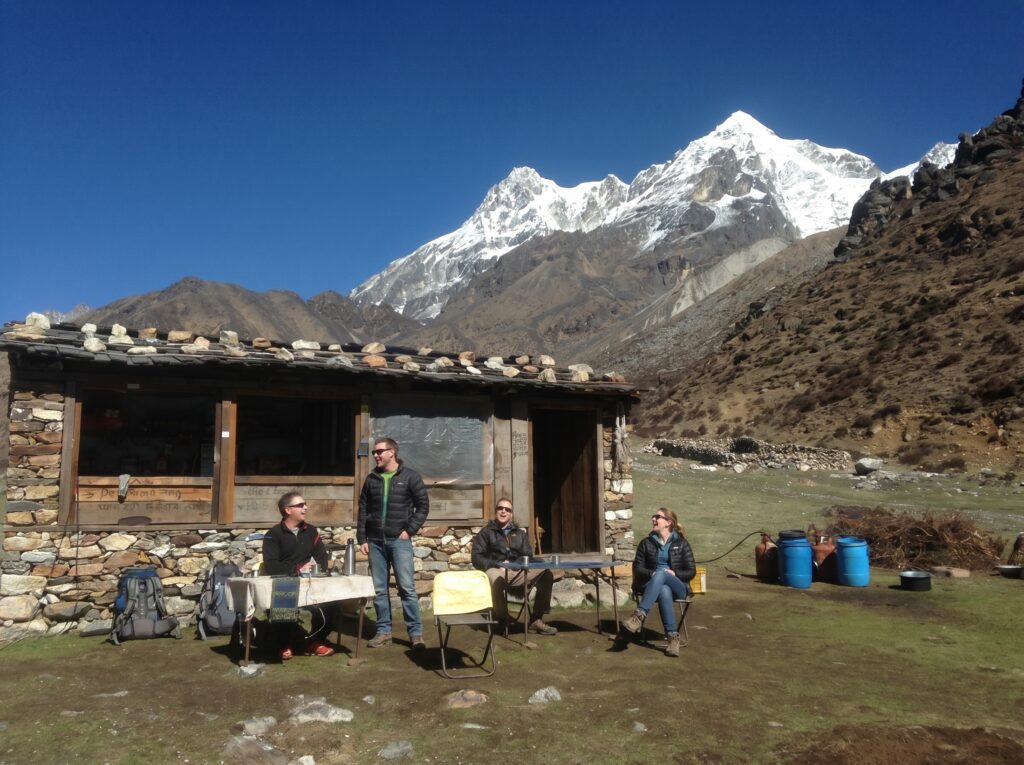
Teahouses here are family run operations, sometimes operating out of the only standing structure in a given settlement. The families who run them are Limbu, Sherpa, Rai, and Tamang communities who have opened their homes to trekkers as a way of supplementing income from farming and animal husbandry. The hospitality is warm, deeply genuine, and unhurried. But the facilities are basic by almost any standard.
A typical room will have two single beds with thin foam mattresses, blankets that may or may not be sufficient for the altitude and temperature, and walls made of wood, stone, or corrugated metal. Pillows exist but vary wildly in quality. Privacy is functional rather than luxurious. Shared squat toilets are the norm at most teahouses, and flush toilets become increasingly rare above certain elevations. Western style seated toilets do exist in a handful of the more developed lower altitude stops, but trekkers should not count on them throughout the journey.
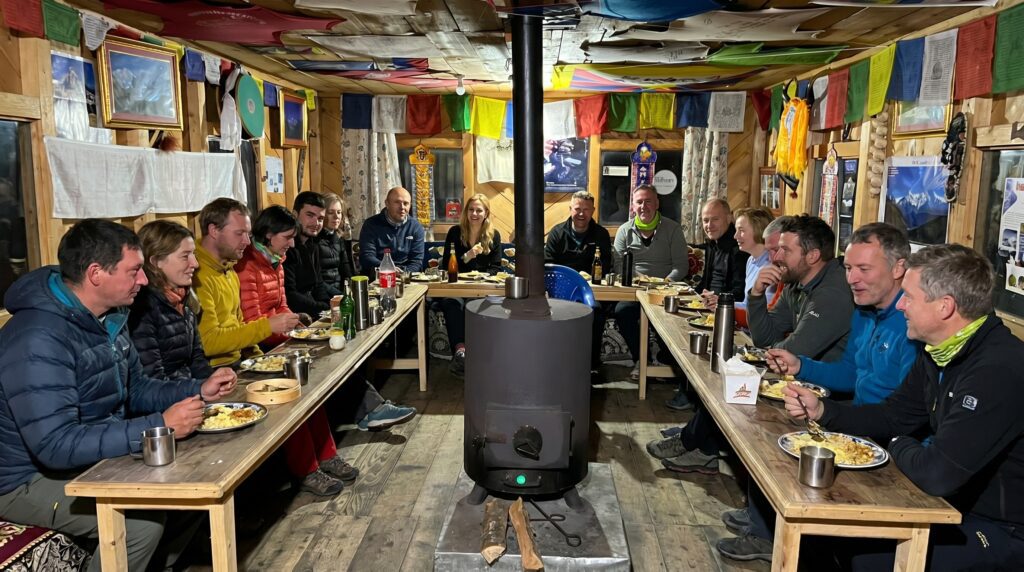
The dining room in most teahouses doubles as the kitchen, the common area, and the social heart of the lodge. A wood burning stove sits at the centre or against one wall, and evenings are spent gathered around it in the company of fellow trekkers, porters, and the hosting family. This arrangement is one of the most charming aspects of the trek and something that distinguishes Kanchenjunga from more commercialised routes.
Accommodation by Elevation and Location
The quality and availability of accommodation shifts meaningfully as you gain altitude and move deeper into the conservation area.
Lower Altitude Villages (up to 2,500m)
The starting points of the trek, typically reached from Taplejung or Sekathum, offer the most developed accommodation on the route. Villages like Chiruwa, Yamphudin, and Taplejung town itself have lodges that approach the standard of lower Annapurna teahouses. Rooms are more spacious, blankets are thicker, and the food menus are broader. Some lodges in these villages have solar powered electric lighting and mobile charging facilities. A small number offer bucket hot showers for an extra fee.
Trekkers arriving by jeep from Suketar or flying into Taplejung airport will find adequate lodges at the start of the trek without much difficulty. Booking ahead is rarely necessary at these lower elevations because village size and trekker volume are manageable.
Mid Altitude Sections (2,500m to 3,800m)
As the trail climbs through rhododendron forests and into the more sparsely populated middle hills, accommodation becomes thinner on the ground. Villages like Tortong, Tseram, and Ramche on the south side, or Ghunsa and Amjilosa on the north side, have teahouses, but the options are limited, sometimes to a single family offering rooms.
At these elevations, the rooms get smaller and colder. Blankets become more important, and many experienced trekkers bring a good quality sleeping bag liner at minimum, with a lightweight sleeping bag strongly recommended. The bathrooms are almost exclusively squat style and located in a separate outbuilding. Running water is not always available in the rooms, and washing facilities may consist of a communal basin outside.
Electricity in these villages is sporadic at best. Solar panels power weak LED bulbs in the dining areas. Charging devices is possible at some teahouses for a small fee per hour, but trekkers should carry portable battery banks as a backup.
High Altitude Sections (3,800m and above)
The highest teahouses on the route, near Pangpema on the north circuit and near Oktang on the south circuit, are seasonal shelters that exist almost entirely for trekkers during the spring and autumn windows. These are not comfortable lodges in any conventional sense. They are stone or corrugated metal structures offering basic shelter from wind and cold, often with shared sleeping platforms rather than individual beds.
At Pangpema specifically, accommodation is extremely limited and trekkers sometimes sleep in tents even when teahouses are nominally open. The conditions can be harsh, with temperatures dropping well below freezing at night and wind making the structures feel inadequate. Carrying a proper sleeping bag rated for temperatures at least five degrees lower than the expected minimum is not optional at these altitudes; it is a safety consideration.
Camping as an Alternative
Many trekking agencies organising Kanchenjunga expeditions use a camping style format rather than teahouse accommodation. This is especially common for groups and for trekkers moving through sections with no reliable teahouse infrastructure. Camping is permitted throughout the conservation area, and many experienced operators prefer it for the flexibility and self sufficiency it provides.
A fully supported camping trek on Kanchenjunga typically includes a kitchen tent, sleeping tents, and a dining tent. The cook and kitchen staff travel ahead of the group to set up camp before the trekkers arrive. This format adds weight to the team in terms of porter requirements but dramatically improves comfort and reliability, particularly above 3,800 metres.
For solo trekkers or pairs moving independently with just a guide and porter, a hybrid approach works well. Use teahouses at lower and mid altitudes where they exist, and camp at higher elevations where teahouses are seasonal or absent. This approach requires carrying a tent, sleeping bag, and cooking equipment or coordinating meal preparation with the accompanying team.
Food on the Kanchenjunga Trek
Now to the subject that every trekker eventually thinks about on the trail, usually around hour four of a long climb. What will you actually be eating for three weeks in the hills?
The honest answer is that the food on the Kanchenjunga Trek is simple, nourishing, and repetitive. There are no espresso machines, no fresh salads, and no gluten free alternatives. What there is, when done well by a skilled cook or hosting family, is genuinely satisfying mountain food that fuels hard days on the trail.
Dal Bhat: The Foundation of Everything
Dal bhat is the national dish of Nepal and the backbone of every trekker’s diet on this route. A plate of dal bhat consists of steamed rice, a lentil soup poured over or beside it, a side of seasonal vegetable curry, and often a small serving of pickle or chutney. At the best teahouses, there may also be a papadum or a piece of flatbread on the side.
The great virtue of dal bhat beyond its nutritional density is that most teahouses offer unlimited refills at no extra cost. This matters enormously when covering 20 or more kilometres of steep Himalayan terrain in a single day. Trekkers who learn to embrace dal bhat rather than resist it will find it sustains them far better than other menu items.
The quality varies. In lower villages where fresh vegetables and lentils are more easily sourced, dal bhat can be genuinely delicious, with well spiced curries and aromatic rice. Higher up, where supply chains are thinner, dal bhat may mean plain boiled rice with a watery lentil soup and whatever vegetable was available. It is still filling. It is still fine. But expectations should adjust with altitude.
Noodle and Pasta Dishes
Noodle soups and fried noodle dishes appear on most teahouse menus and represent a welcome change from rice on longer trips. Thukpa, a Tibetan style noodle soup with vegetables and sometimes egg or small portions of meat, is warming and relatively substantial. Thenthuk, another noodle dish, involves hand pulled noodles in a thick broth and appears more frequently near the Tibetan influenced communities higher on the north circuit.
Fried noodles with vegetables or egg are quick to prepare and popular among trekkers looking for something lighter than dal bhat. The quality depends heavily on the cook, with some teahouses producing genuinely flavourful fried noodles and others offering a somewhat bland version. Either way, they are filling and available throughout most of the route.
Potato Dishes
Potatoes grow at high altitude and feature prominently in the diet of communities above 3,000 metres. Fried potatoes, boiled potatoes, potato curry, and potato soup all appear on menus and plates throughout the upper sections of the trek. They are among the most reliably available items at high altitude teahouses when other ingredients have run out or cannot be transported up.
Aloo tama, a curry made from potatoes and fermented bamboo shoots, is a traditional dish in this part of Nepal and worth ordering wherever it appears on a menu. The combination of earthy potato and tangy bamboo shoot in a turmeric and chilli sauce is distinctive and genuinely good.
Eggs and Protein
Protein is the trickier part of the Kanchenjunga diet. Chicken occasionally appears on menus in lower villages but becomes rarer as the route climbs. At higher altitudes, the livestock tend to be yaks and their crossbreeds, and their meat, while available in some communities, is not commonly found on teahouse menus.
Eggs are the most reliable protein source throughout the trek. Boiled, scrambled, or fried, they appear at breakfast and can often be added to noodle dishes or served as a side with dal bhat. Trekkers with high protein requirements should plan their orders around eggs, dal bhat protein, and any nuts or legumes they carry from lower stops or from Kathmandu.
Breakfast Options
Mornings in the teahouses typically offer a rotating selection of porridge, chapati with honey or jam, fried eggs, boiled eggs, pancakes, and tea or coffee. Tibetan bread, a thick fried bread made from wheat flour, appears at many teahouses above certain elevations and is filling enough to sustain a long morning on the trail when eaten with peanut butter or jam.
Porridge made from oats or cornmeal is a sensible morning choice for trekkers who struggle with heavier breakfasts at altitude. It is easy on the stomach, warm, and available nearly everywhere on the route.
Tea, Coffee, and Drinks
Milk tea, made with black tea boiled together with milk and sugar in the Nepali style, is the default hot beverage throughout the trek and is available at every teahouse from the first day to the last. It is excellent, warming, and genuinely caffeinated. Trekkers who drink it will be well served.
Black tea and herbal teas, including ginger tea which is particularly valued for acclimatisation and digestive comfort, are also widely available. Ginger lemon honey tea appears frequently on menus and works well for trekkers dealing with the minor throat irritations that often accompany extended time in cold, dry mountain air.
Instant coffee is available at many teahouses in the form of sachets mixed with hot water. It is not remarkable, but it is coffee. Above a certain altitude, trekkers tend to care less about quality and more about warmth.
Canned or bottled beverages, including soft drinks and energy drinks, occasionally appear at lower altitude lodges but become very expensive higher on the trail due to porterage costs. Water from teahouse filters or from sterilisation tablets is the practical hydration strategy throughout.
Carrying Supplementary Food
Most guides and experienced trekkers recommend bringing a supply of supplementary snacks from Kathmandu or Taplejung to supplement the teahouse diet. Energy bars, nuts, dried fruit, chocolate, instant noodle packets, peanut butter sachets, and electrolyte powder are among the most useful additions.
At high altitude, appetite often decreases even as caloric needs remain high. Having palatable snacks that require no preparation and can be eaten on the trail or in the tent helps maintain energy and morale on long summit approach days.
Practical Tips for Managing Food and Accommodation
A few hard won pieces of advice from those who have completed the circuit.
Order your evening meal before settling in for the afternoon. At small teahouses with limited staff, meals take time to prepare, especially at altitude where water boils at lower temperatures and cooking times extend accordingly. Telling the host family what you want to eat as soon as you arrive gives them time to prepare properly.
Carry cash in small denominations throughout the trek. There are no ATMs beyond Taplejung, and some teahouses struggle to make change for large notes. Settlement happens at the end of each stay.
Book accommodation in peak season months, particularly October and November, for the higher altitude stops. Popular teahouses at Ghunsa, Tseram, and near the base camps can fill up with multiple groups arriving at similar times. Arranging ahead through a guide or agency prevents the uncomfortable situation of arriving at altitude with nowhere to sleep.
Eat what is available and what is fresh. Meat dishes at high altitude teahouses often use meat that has been carried considerable distances without refrigeration. Sticking to vegetarian options, eggs, and dal bhat in the upper sections is not merely a matter of preference but of practical food safety.
Bring a good sleeping bag and sleeping bag liner regardless of what the teahouse listings suggest about blanket availability. Cold nights at altitude are not the moment to discover that the provided blankets are inadequate.
The Bigger Picture
Food and accommodation on the Kanchenjunga Trek will never rival what is available on Nepal’s more developed routes. That is not a criticism; it is simply the nature of a trail that winds through one of the most remote and least visited corners of the Himalayas. The rough edges are part of what makes the experience so different from anything else in the trekking world.
The family who heats your room with a wood stove and serves you dal bhat by lamplight at 4,000 metres is not running a hotel. They are sharing their life with you in one of the most beautiful and inhospitable places on earth, and that generosity, expressed through a warm plate of food and a dry place to sleep, carries a weight that no amount of luxury could replicate.
Go prepared. Go with flexible expectations. And let the mountains and the people in them take care of the rest.
Comments (0)
Write a commentRead the latest Blogs & Insights
Explore our collection of articles and insights to gain in-depth travel knowledge, expert advice, and stay updated on the latest trends and tips.




No comments yet.