









17 days Annapurna Circuit with Tilicho Lake & Poonhill Trek


Quick Trip Facts


Annapurna Circuit with Tilicho Lake & Poonhill Trek Overview
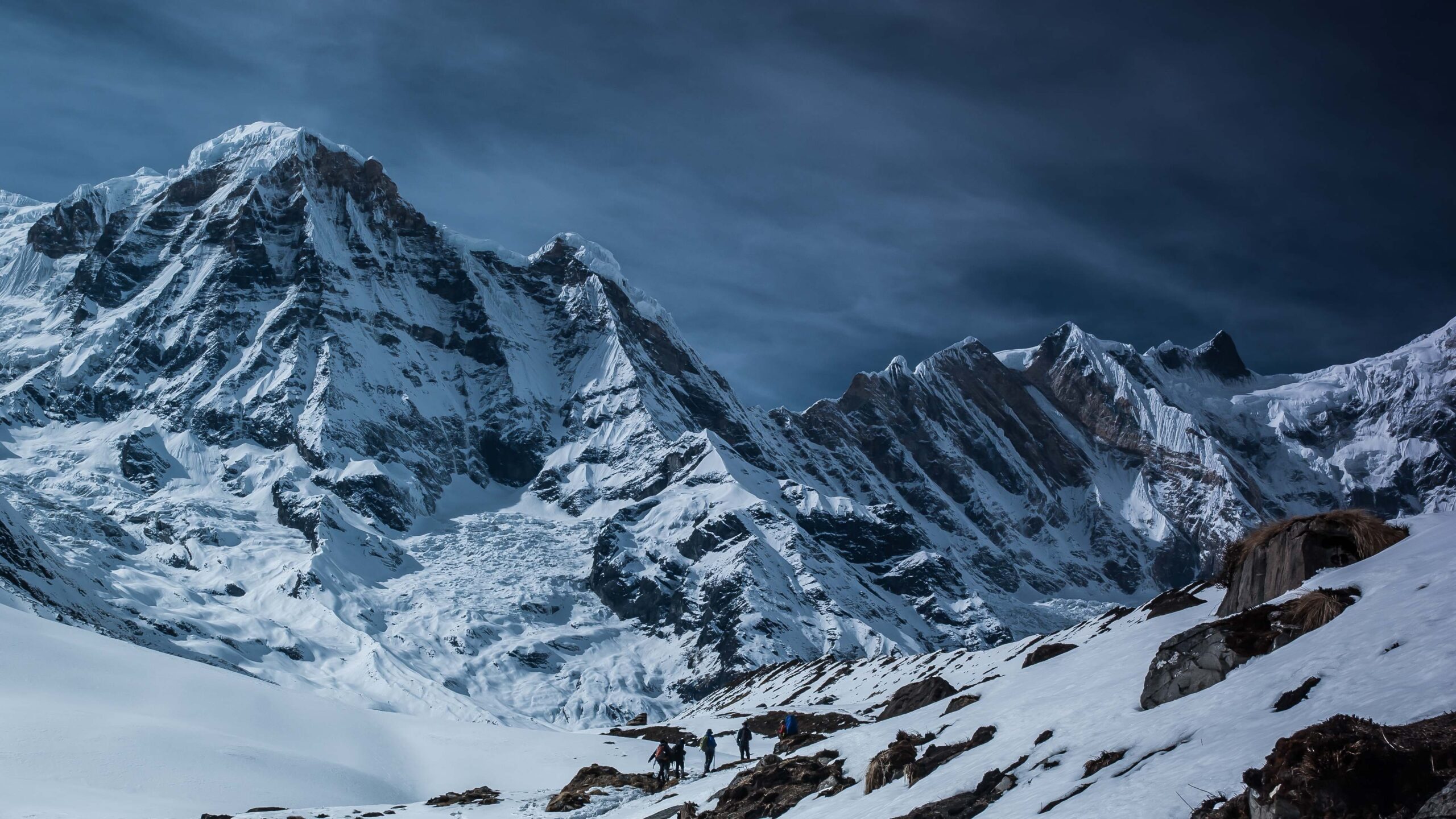
One of the most amazing treks is 17 days of the Annapurna Circuit with Tilicho Lake & Poonhill Trek adventures in the Himalayas of Nepal. This trek blends stunning Annapurna and Dhaulagiri mountain panoramas, various tranquil villages with rich culture, and a rewarding feeling of accomplishment.
This One of the most amazing treks is 17 days of the Annapurna Circuit with Tilicho Lake & Poonhill Trek adventures in the Himalayas of Nepal. This trek blends stunning Annapurna and Dhaulagiri mountain panoramas, various tranquil villages with rich culture, and a rewarding feeling of accomplishment.
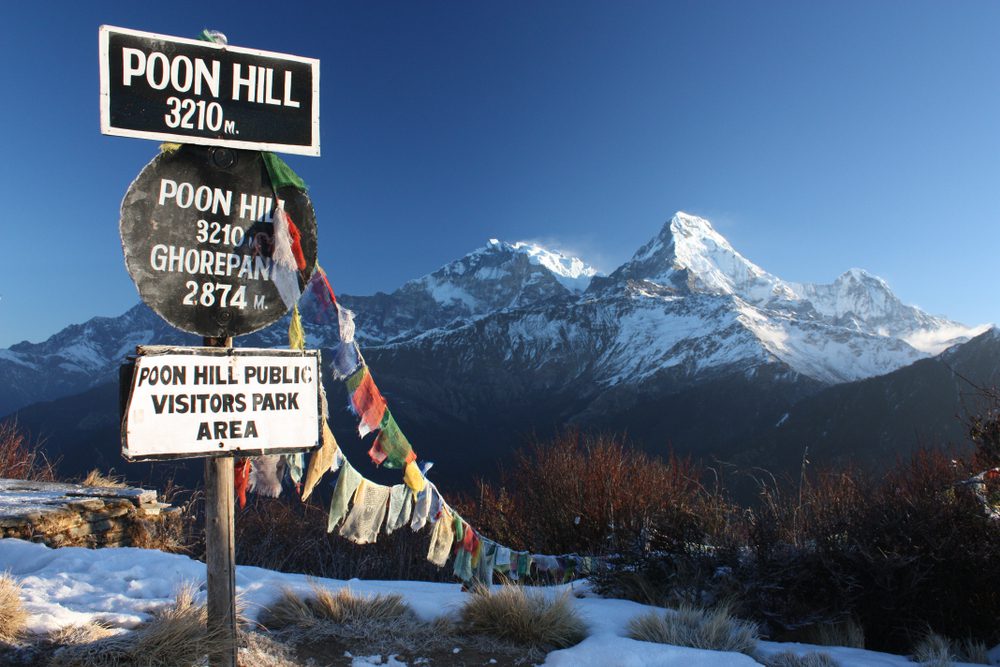
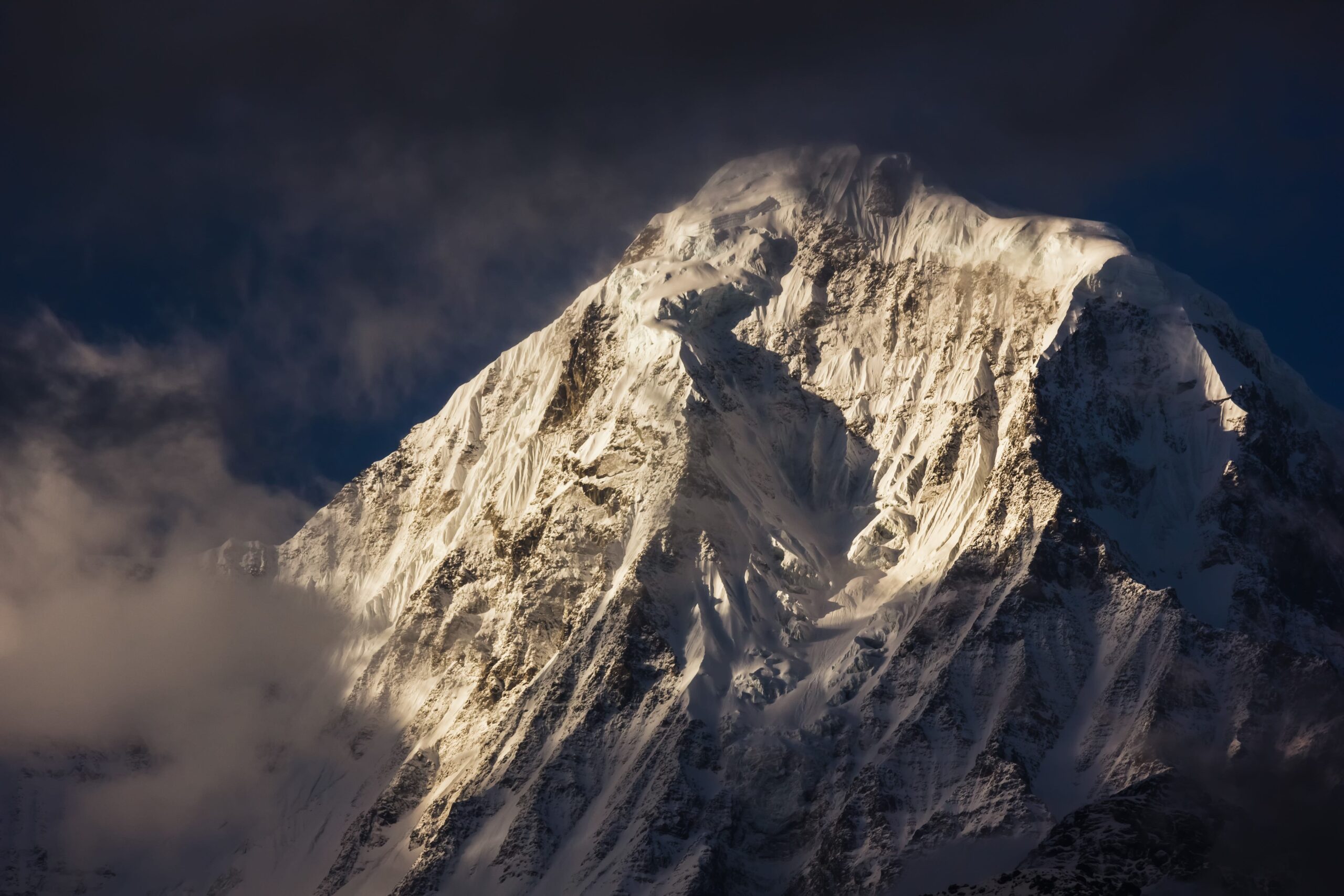
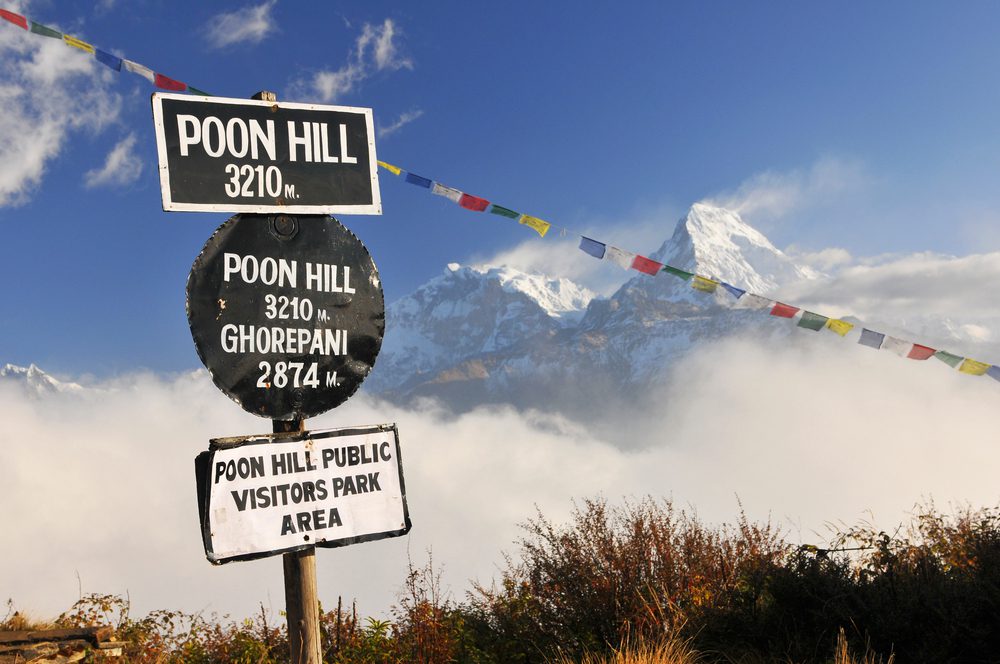
A big highlight is the stunning Tilicho Lake, sitting quietly in the mountains at nearly 5,000 meters. Poon Hill provides one of the most majestic sunrise views over the Himalayas as the Annapurna and Dhaulagiri ranges glimmer in golden light.
You will complete one last hike up to Poon Hill, witnessing another stunning sunrise, before heading to Nayapul. From there, a small village next to Pokhara, which has beautiful scenic views, you will begin your trek towards Ghorepani and witness the magical sunrise at Poon Hill. Finally, you will have a short drive towards Pokhara city, where you can unwind.
The 17-day Annapurna Circuit with Tilicho Lake & Poon Hill Trek presents a blend of both beauty and challenge. You don’t have to be an expert, but you should be reasonably fit, and being physically fit is always an advantage. You will gain altitude daily while immersing yourself in the local authentic culture and nature. If you want an adventure at great heights, captivating nature views, and truly experience the stunning Nepali culture all in one trip, then this trek is just right for you.
The Annapurna Round Tilicho Lake plus Poon Hill Trek is unforgettable for everyone, whether an experienced trekker or someone seeking a memorable challenge, especially when undertaken in the right season.
Trip Highlights
- Breathtaking panoramic views of the Annapurna and Dhaulagiri mountain ranges
- Stunning sunrise from Poon Hill lookout
- Trekking to the serene and turquoise Tilicho Lake, one of the highest lakes in the world
- Crossing the dramatic Thorong La Pass (5,416 m), a thrilling high-altitude challenge
- Exploring traditional villages like Manang and Jomsom with rich local culture
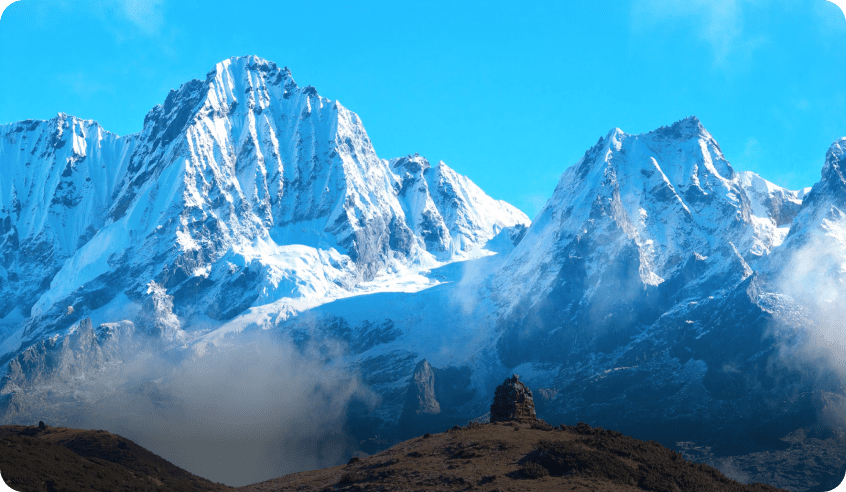
- Walking through diverse landscapes from lush forests to alpine meadows and rugged mountain passes
- Visiting natural hot springs in Manang to relax after long hikes
- Stunning views of glaciers, deep valleys, and the Kali Gandaki Gorge, the world’s deepest gorge
- Experiencing warm hospitality in cozy teahouses along the trail
- Capturing incredible photo opportunities of snow-capped peaks and Himalayan wildlife
Itinerary
Kathmandu to Besisahar (760 m/2,493 ft) Trek to Dharapani (1,860m/6,102ft)
After an early breakfast, you will leave Kathmandu and begin your journey towards the mountains. First, you will drive to Besisahar, which takes around 6 to 7 hours through winding roads, local villages, and beautiful scenery. You will get your first real look at rural Nepal along the way.
From Besisahar, we switch to a jeep ride on a rougher road that takes us up to Dharapani, a small mountain village surrounded by forests and hills. The road is bumpy but offers great views of hills and waterfalls. This part of the drive takes another 3 to 4 hours, depending on road conditions. You will arrive in Dharapani by evening, where you can settle into a teahouse, enjoy a warm meal, and rest for the night.
Stay overnight in Dharapani.
Trek from Dharapani to Chame (2,670 m/8,759 ft)
After a good breakfast, you will start your first full day of trekking. The trail from Dharapani to Chame takes about 5 to 6 hours and passes through peaceful forests, small villages, and along the Marsyangdi River. The path has some uphill sections but is not too hard, and the mountain views start getting better.
As you go ahead, you will pass through villages like Bagarchhap and Danaque, where you can see traditional houses and friendly locals going about their day. Along the way, you will also cross a few suspension bridges and walk through pine-filled trails.
By afternoon, you will reach Chame, a beautiful village surrounded by big hills and snowy peaks. Once you check into the teahouse, you can relax, explore a bit, or enjoy a hot drink while soaking in the mountain air.
Stay overnight in Chame.
Trek from Chame to Upper Pisang (3,300 m/10,826 ft)
The 4th day trek takes about 5 to 6 hours through peaceful pine forests and charming mountain villages. The trail follows the river and gently climbs, giving you plenty of chances to enjoy fresh mountain air and beautiful nature. One of the most memorable sights is Paungda Danda, a huge, curved rock face that feels like a natural wonder towering above the valley.
As you get closer to Upper Pisang, the scenery changes with more open views of the snow-capped peaks, including the impressive Annapurna II. Upper Pisang itself is a quiet and welcoming village with traditional stone houses, prayer wheels, and a small monastery. It’s a perfect place to relax, soak in the peaceful atmosphere, and enjoy amazing mountain sunsets. This stop helps you prepare your body for the higher altitudes ahead.
Stay overnight in Upper Pisang.
Trek from Pisang to Manang (3,540 m/11,300 ft)
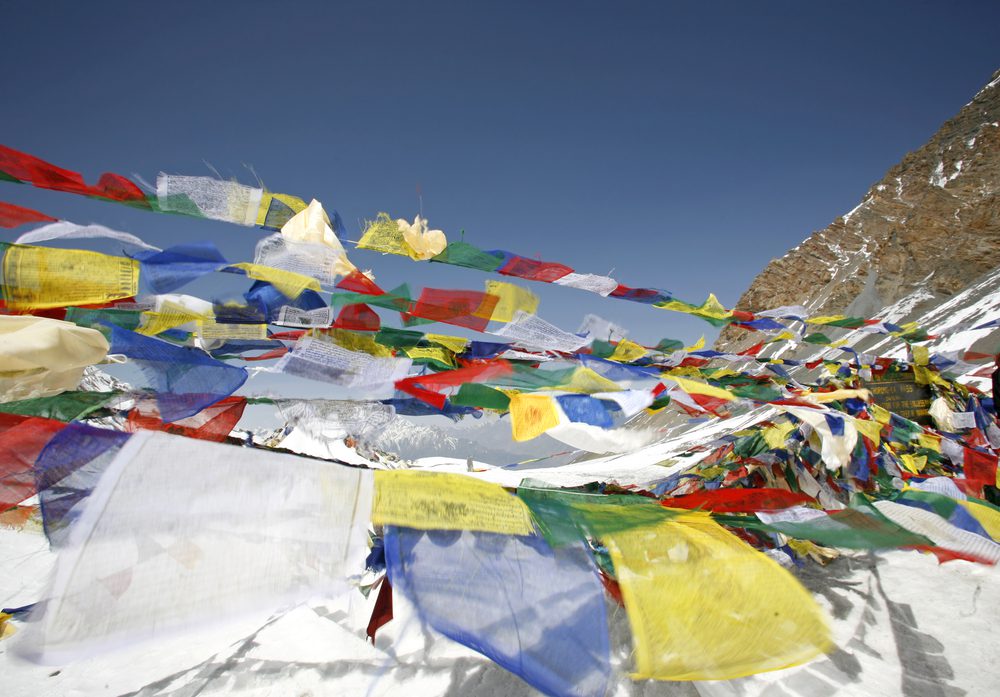
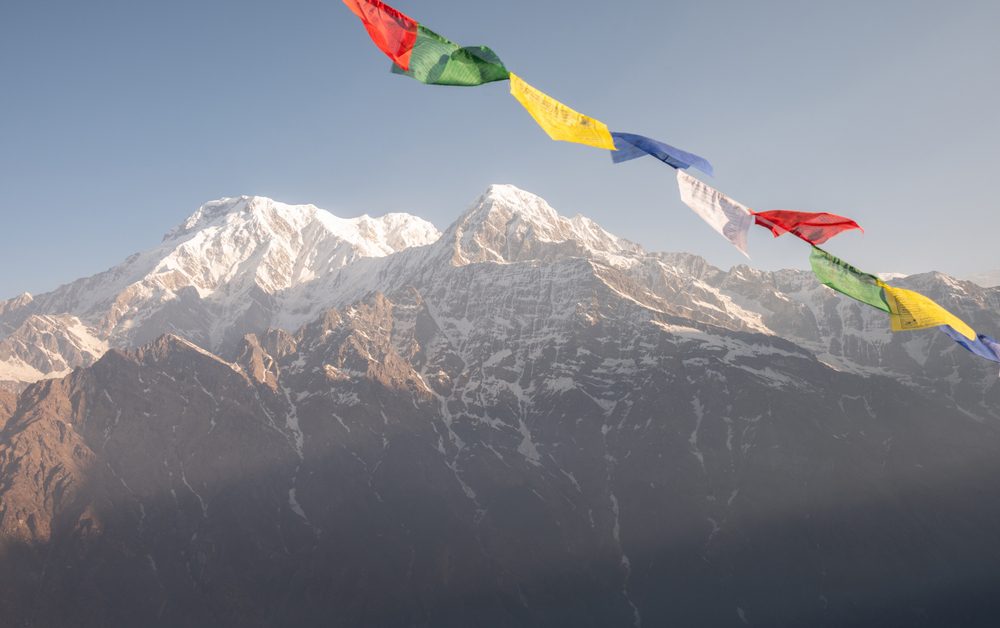
You will begin your trek to Manang which takes about 4 to 5 hours as you make your way from Pisang to Manang. The trail is mostly uphill but gentle, winding through wide open valleys with breathtaking views of towering mountains. Along the way, you’ll pass small villages, colorful prayer flags, and farmland where locals grow crops like potatoes and barley.
Manang is a larger village and an important stop to help your body adjust to the higher altitude. It has comfortable teahouses, little shops, and places to rest. Spending extra time here is a good idea to avoid altitude sickness. Take it slow, drink plenty of water, and enjoy the peaceful mountain surroundings while preparing for the more challenging parts of the trek ahead.
Stay overnight in Manang.
Acclimatization at Manang
This day is a rest day in Manang to help your body adjust to the higher altitude, which is very important to prevent altitude sickness. Taking this day slowly gives your body time to get used to the thinner air and prepares you for the tougher parts of the trek ahead.
You can explore the charming village of Manang, visit the peaceful local monastery, or take a gentle hike to nearby spots like Gangapurna Lake or Skyang Phu Valley. These short walks help your body adapt without putting too much stress on it.
Enjoy it by drinking loads of water, eating good feeds and sleeping well. Bless the lovely clean atmosphere up there. This day of relaxation and light activity will make your trek safer and more comfortable as you continue your journey.
Trek from Manang to Khangsar (3,374 m/12,250 ft)
Begin your 7th day trek which takes about 4 to 5 hours as you leave Manang and walk toward Khangsar. The trail starts with a gentle downhill, then climbs again through peaceful villages, farmland, and open valleys surrounded by towering mountains. Along the way, you’ll see prayer flags fluttering and may meet friendly locals going about their daily lives.
Khangsar is a small, traditional village known for its quiet and welcoming atmosphere. It offers a chance to experience local culture and see how people live in the high mountains. After arriving, you can rest at a cozy teahouse, enjoy a warm meal, and take time to breathe in the fresh mountain air. This calm stop is perfect for relaxing and preparing your body for the next part of the trek.
Stay overnight in Khangsar.
Trek from Khangsar to Tilicho Base Camp (4,150 m/13,615 ft)
Day 8 trek takes about 5 to 6 hours and is one of the more challenging days as you climb higher toward Tilicho Base Camp. The trail moves through rocky paths, alpine meadows, and stunning mountain views.
As you gain altitude, the air feels thinner and cooler, so it’s important to take your time and breathe deeply. Along the way, you’ll pass small streams and may see wildflowers and mountain birds.
Tilicho Base Camp is a quiet, peaceful spot surrounded by snowy peaks. It’s the starting point for those who want to visit Tilicho Lake, one of the highest lakes in the world. After arriving, you can rest, enjoy the fresh mountain air, and prepare for the next day’s hike or descent.
Stay overnight in Tilicho Base Camp.
Trek from Tilicho Base Camp to Tilicho Lake to Siri Kharka (3,800 m/12,467 ft)
You will trek about 6 to 7 hours to Tilicho lake and it is a full day of adventure. From Tilicho Base Camp, you hike up to Tilicho Lake, one of the highest lakes in the world. The trail climbs steadily through rocky terrain and offers breathtaking views of snow-covered peaks and the bright blue lake. After spending some time at the lake to enjoy the scenery and take photos, you start descending toward Siri Kharka. The descent takes you through alpine meadows, small streams, and peaceful forests.
Siri Kharka is a small, quiet village where you can rest after a long day. Here, you can enjoy a warm meal and relax while soaking in the calm mountain atmosphere. It’s a rewarding day that combines stunning sights with a good hike.
Stay overnight in Siri Kharka.
Trek from Siri Kharka (3,800 m/12,467 ft) to Yak Kharka (4,050 m/13,287 ft)
Today’s trek takes about 4 to 5 hours as you climb steadily from Siri Kharka to Yak Kharka. The trail passes through open alpine meadows, rocky paths, and scattered yak pastures. Along the way, you’ll enjoy stunning views of the high mountains, snow-covered peaks, and clear blue skies.
Yak Kharka is a small, peaceful village known for its grazing yaks and traditional mountain life. It’s a great place to rest, enjoy a warm meal, and soak in the fresh, crisp air. The higher altitude here helps prepare your body for the next day’s trek to Thorong La Pass, one of the highest points on the route. Take time to relax and get ready for the challenge ahead.
Stay overnight in Yak Kharka.
Trek from Yak Kharka to Thorong Phedi (4,525 m/14,525 ft)
This 11th day trek takes about 3 to 4 hours, climbing steadily from Yak Kharka to Thorong Phedi. The trail winds through rocky, alpine terrain with fewer trees and wide, open views of towering peaks like Annapurna and Dhaulagiri. As the altitude rises, the air gets thinner, so it’s important to take your time, breathe slowly, and stay well hydrated.
Thorong Phedi is a small settlement and the last stop before the tough climb over Thorong La Pass. The teahouses here are simple but welcoming, giving trekkers a chance to rest and prepare. Many trekkers spend extra time here to acclimatize and reduce the risk of altitude sickness before crossing the pass. This day is key for resting and building strength for the exciting but demanding day ahead.
Stay overnight in Thorong Phedi.
Trek from Thorong Phedi to Muktinath Temple (3,760 m/12,623 ft) via Thorong La pass (5,416 m/17,756 ft)
This 12th day is the most challenging and rewarding day of the trek. You start very early, often before sunrise climb up to Thorong La Pass, the highest point on the trek at 5,416 meters. The climb is steep and demanding, but the breathtaking views of the Himalayan peaks make it all worth it. Once you reach the pass, take time to rest, enjoy the incredible scenery, and celebrate your achievement. After this, you begin a long descent down to Muktinath Temple at 3,760 meters, a sacred site for both Hindus and Buddhists.
The path down goes through rocky terrain and mountain landscapes, so watch your step and take it slow. Muktinath offers warm teahouses and a peaceful atmosphere, perfect for relaxing after the day’s tough climb. Today tests your strength and endurance but brings unforgettable memories and stunning views.
Stay overnight in Muktinath.
Drive from Muktinath to Jomsom (2,720 m/8,924 ft) and continue to Tatopani (1,200 m/3,940 ft)
You start with a drive from Muktinath (3,760 m) to Jomsom (2,720 m), passing through the windswept Kali Gandaki Valley, with its deep gorges and dramatic views of Nilgiri and Dhaulagiri. After a short stop in Jomsom, the journey continues by jeep to Tatopani (1,200 m), a peaceful village in a lower, warmer region. It’s famous for its natural hot springs, which are a perfect way to relax your tired muscles after many days of trekking.
You can soak in the warm pools, enjoy the greenery, and breathe in the fresh, humid air that feels completely different from the high mountains. This is a great place to rest, recover, and enjoy a slower pace before starting the final stretch of your trek.
Stay overnight in Tatopani.
Trek Tatopani to Ghorepani (2,860 m/9,385 ft)
Begin your trek to Ghorepani which is a long but rewarding climb from Tatopani, taking about 6 to 7 hours. The trail starts with a gradual ascent through terraced fields, small villages, and lush green forests. As you climb higher, the air becomes cooler and the views more impressive. You’ll pass through charming Magar villages like Sikha and Chitre, where you can see traditional lifestyles and friendly locals. The final stretch is mostly uphill through dense rhododendron forests, especially beautiful during spring when the flowers bloom.
By late afternoon, you’ll reach Ghorepani, a scenic village surrounded by forests and mountains. It’s a popular stop for trekkers preparing to hike up to Poon Hill the next morning for sunrise. After checking into a teahouse, rest and enjoy the peaceful setting with views of the Annapurna and Dhaulagiri ranges.
Stay overnight in Ghorepani.
Early morning hike to Poon Hill (3,210 m/10,525 ft), then trek to Nayapul and drive to Pokhara
The day begins early with a short, steep hike to Poon Hill (3,210 m), one of the most famous viewpoints in Nepal. It takes about 45 minutes to 1 hour to reach the top. From here, you’ll see a breathtaking sunrise over the Himalayas, with panoramic views of Annapurna, Dhaulagiri, Machhapuchhre (Fishtail), and more.
After enjoying the views and taking photos, you return to Ghorepani for breakfast. Then, the trek continues downhill through rhododendron forests and small villages until you reach Nayapul, which takes about 6 to 7 hours.
From Nayapul, a short drive takes you back to Pokhara, where you can finally relax, take a hot shower, and enjoy the comforts of the lakeside city after completing your incredible trekking journey.
Stay overnight in Pokhara.
Pokhara to Kathmandu (1,300 m/4,265 ft)
On the 16th day, you will return to Kathmandu from Pokhara either by tourist bus (6–8 hours) or a short 25-minute flight, depending on your preference and schedule. The drive offers scenic views of rivers, hills, and small towns along the highway, while the flight provides a quick and beautiful aerial view of the Himalayas.
Once you arrive in Kathmandu, you’ll be transferred to your hotel. The rest of the day is free, which is perfect for relaxing, shopping for souvenirs, or exploring more of the city’s cultural sites. It’s a good time to reflect on your trekking adventure and enjoy your final evening in Nepal.
Stay overnight in Kathmandu.
Departure from Kathmandu
Your journey to the Annapurna Circuit in Nepal comes to an end today. Depending on your flight time, you may have a few free hours in the morning to relax, pack, or explore nearby areas one last time.
You’ll be transferred to Tribhuvan International Airport for your departure. As you leave Kathmandu, you take with you unforgettable memories of the Himalayas, new friendships, and the incredible adventure of the Annapurna Round Tilicho Lake and Poon Hill Trek. Safe travels and hope to see you again in Nepal!
Customize this trip with help from our local travel specialist that matches your Interests.
Customize This TripInclusions
What’s Covered in Your Adventure
- All ground transportation, including airport transfers, is done by private car.
- Drive from Kathmandu to Besisahar via bus.
- Drive Beshishar to Dharapani by sharing a jeep.
- Drive from Muktinath to Tatopani via Jomsom.
- Drive from Nayapul to Pokhara by car.
- Drive from Pokhara to Kathmandu.
- One night's accommodation in a standard hotel in Kathmandu with breakfast included. (as per the itinerary).
- One night's accommodation in a standard hotel at Pokhara with breakfast included. (as per the itinerary).
- The best available lodge for two people to share during the trek.
- During the trek, you will be provided with three meals a day: breakfast, lunch, and dinner, with one cup of tea.
- The best available lodge for two people to share during the trek.
- Certificate of completion of the trip.
- Taxes and official costs are paid to the government.
- Oximeter to check your pulse, oxygen saturation, and heart rate twice a day (very helpful to check for signs of Altitude Mountain Sickness, or AMS). This will make sure that your trek is in the safest hands possible, no matter how experienced you are.
- A highly experienced, helpful, knowledgeable, friendly, English-speaking guide with all of his salary, food, drinks, lodging, transportation, and insurance covered.
- All papers that need to be done, Fees for entering permits you need to go while hiking.
- Food that you will eat in Kathmandu for lunch and dinner.
- The cost of a visa to enter Nepal is: $30 for a 15-day stay, for 30 days $50, for 90 Days $125.
- International Airfare.
- Your expenses.
- All of the alcoholic and non-alcoholic cold and hot drinks you buy on trek (along the way and in the Tea Houses at night).
- All of the sweet desserts, like chocolate, cake, pie, and pudding.
- The tea houses have hot showers and places to charge your phone, which will cost you about 2$ to 5$.
- Tip the guide, the porter, and the driver(Tipping is expected) .
- Porter and all its charges, Porter costs $320 extra.
Maps
Navigate Your Journey
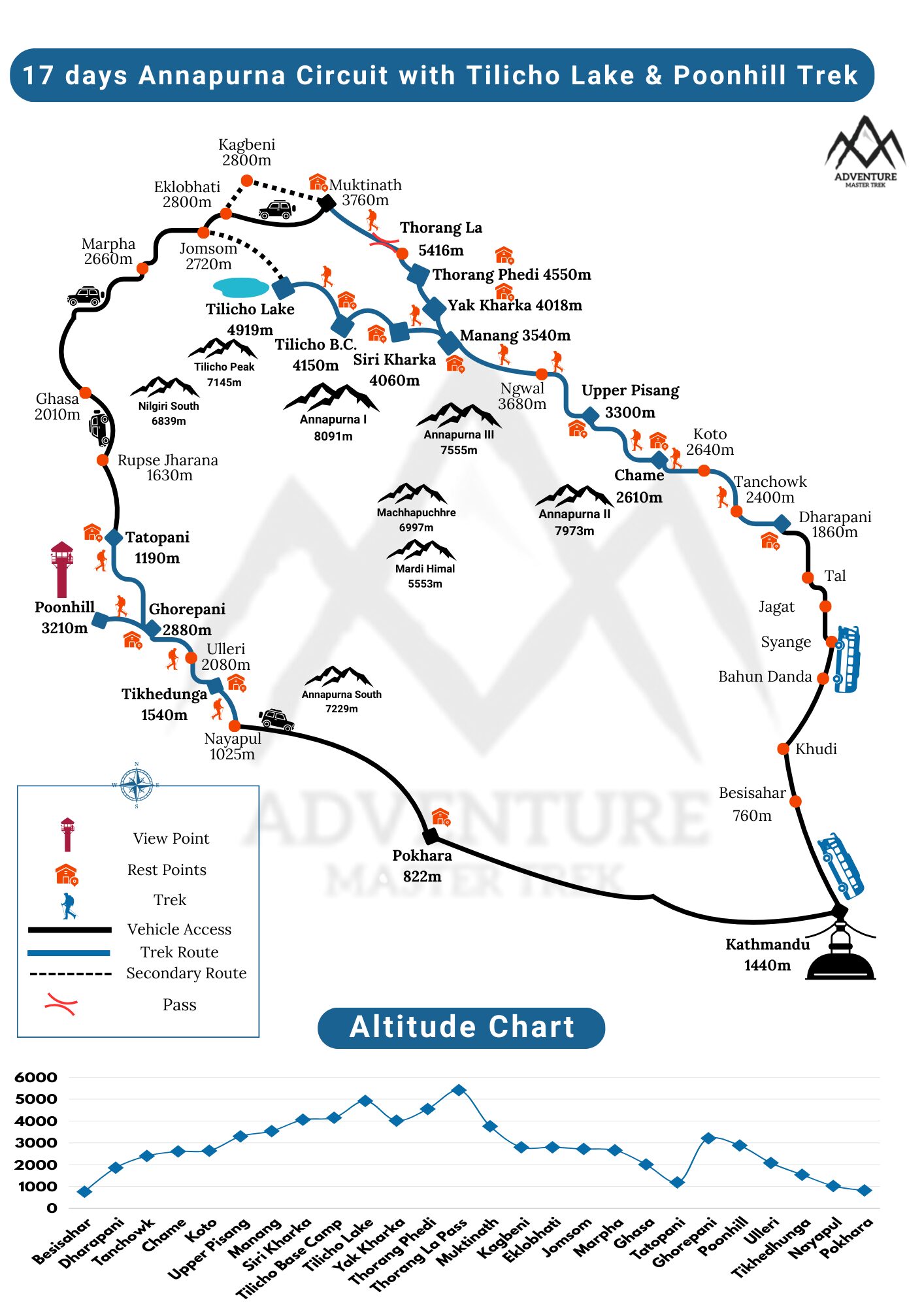
Good to Know
Accommodation on the 17 Days Annapurna Circuit with Tilicho Lake & Poonhill Trek
You’ll stay at local teahouses, which are little lodges manned by families along the route, on this hike. Typically including twin beds and communal facilities, these teahouses provide simple yet cozy accommodations. They’re excellent for resting, eating hot food, and interacting with other hikers.More advanced teahouses can be found in well-known settlements like Manang, Ghorepani, and Tatopani. For a modest additional cost, some include Wi-Fi, device charging, and hot showers, while many have comfortable dining spaces.
As you ascend, the lodges become more basic, but they still provide a kind greeting and delicious meals, particularly around Tilicho Lake and Thorong La Pass. There are teahouses along the way, so you won’t need to camp or bring sleeping equipment. It is best to arrive early or make reservations in advance during the busiest times of the year (spring and fall). You can typically locate rooms without booking in advance during slower months.
Electricity and Internet Service in Annapurna Circuit with Tilicho Lake & Poonhill Trek
While internet and electricity are available during the walk, their accessibility varies per site. Lower villages like Tikhedhunga, Ghorepani, and Chhomrong have Wi-Fi that is good for light browsing and chatting, as well as regular energy for charging devices, usually for a small fee.
As you ascend higher toward Tilicho Lake and Annapurna circuit area, internet service decreases or could not be accessible at all, while power becomes less dependable and frequently depends on solar panels. Although mobile signals can be spotty in rural locations, it’s a good idea to have a power bank with you and buy a local SIM card with a data plan, such as Ncell or NTC. The stunning mountain views and peaceful surroundings make it easier to enjoy the walk without too heavily relying on energy or internet, even with restricted access.
Group Size for Annapurna Circuit with Tilicho Lake & Poonhill Trek
For the Annapurna Circuit hike that includes Tilicho Lake and Poonhill, a group of two to twelve individuals is typically the perfect size. Small to medium-sized group trekking provides a more individualized and adaptable experience, enabling you to take full use of the stunning scenery and lively local culture.
Smaller groups have the freedom to choose their own pace, locate lodging more readily in crowded teahouses, and form stronger bonds with other hikers and guides. While trekking alone is possible it is better to hire a guide and porter or have at least one partner, particularly in more isolated locations like Tilicho Lake.
Although they may need more preparation and feel less personal, larger groups can also function successfully. In the heart of the Himalayas, traveling with others enhances the experience and creates memories, whether you’re with family, friends, or a guided group.
Altitude Sickness in Annapurna Circuit with Tilicho Lake & Poonhill Trek
Because the oxygen is thinner at higher elevations, altitude sickness is frequent throughout the Annapurna Circuit trip. Shortness of breath, headaches, nausea, and dizziness are some of the symptoms. Ascending gradually, taking acclimatization days, particularly above 3,000 meters, staying hydrated, eating healthily, and abstaining from alcohol are all ways to prevent this. As soon as symptoms worsen, go down and obtain medical attention.
Employing a guide can aid in the early detection and treatment of altitude sickness. Always pay attention to your body and avoid overexerting yourself. You may safely enjoy the breathtaking mountain vistas and this amazing journey if you pace yourself carefully and pay attention to your body.
Difficulty in Annapurna Circuit with Tilicho Lake & Poonhill Trek
The Annapurna Circuit Trek, which includes Tilicho Lake and Poonhill, is rated as moderately to extremely difficult, depending on your level of fitness and hiking expertise. The scenery covered by this walk is varied, ranging from high mountain passes like Thorong La Pass (5,416m) and isolated regions close to Tilicho Lake (4,919m) to lush lowlands and wooded paths.
The trip is made more physically taxing by the mix of lengthy walking days, high elevation, and unpredictable weather. Some days will have strong ascents or descents, especially around Tilicho Base Camp and the climb to Thorong La. On average, you will be walking for five to eight hours per day. Since altitude is the biggest obstacle, it is essential to properly acclimate, stay hydrated, and get enough sleep.
Safety and Security in Annapurna Circuit with Tilicho Lake & Poonhill Trek
Because of its well-kept paths, frequent checkpoints, and friendly locals, the Annapurna Circuit, which includes Tilicho Lake and Poonhill, is regarded as one of Nepal’s safest treks. This path is completed yearly by thousands of trekkers from all over the world, and the area is well known for being tranquil and welcoming to visitors. Even though you are hiking through isolated, high-altitude mountain regions, it is crucial to take the right safety measures to ensure a comfortable and joyful trip.
Travel Insurance for 17 Days Annapurna Circuit with Tilicho Lake & Poonhill Trek
Anybody who intends to finish the Annapurna Circuit with Tilicho Lake and Poonhill Trek needs travel insurance. This route passes through isolated and wild mountainous land with limited access to medical care, and it reaches high altitudes, such as Thorong La Pass (5,416m) and Tilicho Lake (4,919m).
Since helicopter evacuation may be the only fast means of obtaining assistance in isolated locations, it is crucial to carry insurance that covers high-altitude trekking, emergency medical care, trip delays or cancellations, and helicopter evacuation in particular.
Permits for Annapurna Circuit with Tilicho Lake & Poonhill Trek
For the 17-day Annapurna Circuit with Tilicho Lake and Poon Hill trek, a few important permits are required to support local communities, protect the natural environment, and keep trekkers safe. These permits help maintain the beautiful trails of the Annapurna region and manage tourism responsibly. Here’s what you’ll need:
Annapurna Conservation Area Permit (ACAP): This permit is essential to enter the Annapurna Conservation Area, which includes diverse villages, forests, and stunning mountain landscapes. The fee helps fund environmental protection, trail maintenance, and conservation efforts.
TIMS (Trekkers’ Information Management System) Card: This card is used to keep track of trekkers for security and emergencies. It is mandatory for all treks in the Annapurna region and supports local trekking infrastructure.
Manang Restricted Area Permit:
Since the trek passes through the Manang district, which is a restricted area, you’ll need this permit. It helps regulate the number of visitors and protects the local environment and culture.
Special Permit for Tilicho Lake:
Tilicho Lake is located in a more remote and sensitive region, so some trekkers may need a special entry permit, depending on local regulations. This is usually arranged by trekking agencies as part of your trekking package.
You can easily get these permits at the Nepal Tourism Board offices in Kathmandu or Pokhara, or through authorized trekking agencies. Since you will need to show them at several checkpoints along the route, be sure to carry them with you throughout your trek.
Required Documents
- Valid passport (with at least 6 months validity)
- Nepal visa
- Annapurna Conservation Area Permit (ACAP)
- Trekkers’ Information Management System (TIMS) card
- Manang Restricted Area Permit (if trekking through Manang)
- Special Permit for Tilicho Lake (if required)
- Travel insurance with high-altitude trekking coverage
- Copies of all permits and passports (keep extra copies)
Annapurna Circuit with Tilicho Lake & Poonhill Trek Trekking Equipment
Getting the right trekking equipment is really important for your Annapurna Circuit with Tilicho Lake & Poonhill trek. Since you will be walking for many days through different kinds of weather and terrain, having good gear will keep you comfortable, safe, and happy on the trail. Here’s a simple trekking gear you will need for this amazing journey:
General Gear
- Backpack (40–50 L with rain cover)
- Small daypack (15–25 L)
- Duffel bag (for porter)
- Sleeping bag (rated to –10 to –15 °C)
- Sleeping bag liner
- Trekking poles (foldable)
- Water bottles (2 x 1L)
- Water purification tablets or a filter
- Sunglasses (UV-protected)
- Power bank or extra batteries
- Dry bags or waterproof stuff sacks
- Thermos flask (optional)
Upper Body
- 1 moisture-wicking base layer top
- 1 fleece or insulated mid-layer jacket
- 1 down jacket (for cold evenings)
- 1 waterproof and windproof jacket
- 3 quick-dry t-shirts
- 1 long-sleeve trekking shirt (for sun protection)
Lower Body
- 1 thermal base layer bottom
- 2 trekking pants (quick-dry preferred)
- 1 waterproof rain pants
- 1 warm fleece or insulated pants (optional)
- 1 pair of shorts (optional, for lower altitudes)
Accessories
- Warm hat or beanie
- Sun hat or cap
- Neck gaiter or buff
- Gloves (lightweight + insulated pair)
- Sunglasses (polarized preferred)
Footwear
- Well-broken-in trekking boots
- Comfortable sandals or flip-flops (for evenings)
- 3 pairs of trekking socks (wool or synthetic)
- Gaiters (optional, useful in muddy or snowy sections)
Toiletries & Essentials
- High SPF sunscreen (SPF 50+)
- Lip balm with SPF
- Wet wipes and tissues
- Quick-dry travel towel
- Toothbrush and toothpaste
- Hand sanitizer
- Toilet paper
- Menstrual hygiene products (if needed)
- Nail clippers & a small mirror
Medicines & First Aid
- Personal prescription medicines
- Diamox (consult your doctor before use)
- Painkillers (e.g., Ibuprofen or Paracetamol)
- Anti-diarrhea tablets
- Antibiotics (optional)
- Blister treatment & band-aids
- Oral rehydration salts (ORS)
- Insect repellent
Optional Items
- Camera or action camera (GoPro)
- Extra power bank
- Energy bars, nuts, and snacks
- Earplugs and an eye mask (for shared teahouses)
- Book, journal, or travel games
Booking Policy for Annapurna Circuit with Tilicho Lake & Poonhill Trek
Advance Payment & Booking Confirmation
To secure your spot on the 17-day Annapurna Circuit with Tilicho Lake & Poonhill trek, we require a 30% deposit of the total trip cost. You may also choose to pay the full amount upfront if you prefer. The remaining 70% balance must be paid before your trek begins in Kathmandu.
To confirm your booking, please provide:
- Proof of your deposit payment
- A clear copy or photo of your passport
- Emergency contact details and travel insurance information
Payment Methods
We offer several secure and convenient payment options:
- Online Payment: Safe and quick through our official website.
- Credit/Debit Card: We accept Visa, MasterCard, and others (note: a 4% processing fee may apply).
- Bank Transfer: Direct transfer to our bank account (your bank may charge fees).
- Cash Payment: Available in Kathmandu if you are already in Nepal.
Final Payment
The remaining 70% balance is due before the trek starts and can be paid by cash, credit/debit card, or bank transfer in Kathmandu.
Booking Changes & Rescheduling
If you need to change your trek dates, please notify us at least 30 days before your planned departure. We will do our best to accommodate your request, but additional fees may apply depending on availability and season. Changes made less than 30 days before departure may incur higher charges or may not be possible.
Travel Insurance
Travel insurance is mandatory for this trek. Your policy must cover:
- Emergency helicopter evacuation and rescue
- High-altitude sickness and related medical treatment
- Trip cancellations, delays, or interruptions
- Lost, stolen, or damaged equipment
Make sure your insurance explicitly includes trekking up to 5,500 meters or above, as this trek crosses high mountain passes.
Last-Minute Booking
Bookings are accepted up to 48 hours before departure, subject to availability. However, during busy seasons like spring and autumn, spots fill up quickly, so it’s highly recommended to book early to guarantee your place.
Cancellation Policy for the Annapurna Circuit with Tilicho Lake & Poonhill Trek
1. If You Cancel Your Trek
- More than 30 days before the trek starts:You will get 80% of your deposit back.
- 15 to 30 days before the trek starts: You will get 50% of your deposit back.
- Less than 15 days before the trek starts:The deposit is non-refundable.
2. If We Cancel the Trek
If we need to cancel the trek due to bad weather, safety concerns, or government restrictions, you can choose:
- A full refund.
- To reschedule your trek for another time
3. Leaving the Trek Early
If you have to end the trek early for personal or medical reasons, we may not be able to refund the unused part of your trip.
4. Uncontrollable Events
We are not responsible for delays, changes, or cancellations caused by:
- Natural disasters (like landslides or earthquakes)
- Political issues or strikes
- Pandemics or health outbreaks
- Other events beyond our control
FAQs
What's the best time to take the Annapurna Circuit with the Tilicho Lake & Poonhill trek?
The best time to take the Annapurna Circuit with Tilicho Lake & Poonhill trek is spring (March-May) and autumn (September–November). During these seasons, the skies are clear, temperatures are moderate, and visibility is excellent, which is perfect for panoramic mountain views.
How long is the Annapurna Circuit trek, and how far do I walk?
It usually takes 17 to 21 days to complete the Annapurna Circuit hike. Over the course of the walk, you will travel about 230–250 km (143–155 miles). The path passes through a variety of environments, such as lush woodlands, historic cities, terraced farms, high mountain passes, and stunning alpine views.
Do I need prior trekking experience?
No, expert skills aren’t needed for you to trek to ABC, but it’s helpful to have done multi-day hikes. You can take regular walking practice, which builds both strength and confidence for long days on the trail.
Will I see wildlife or special plants during the ABC trek with the Tilicho Lake & Poonhill trek?
Yes, you can expect to see Himalayan birds and playful marmots during the Annapurna Circuit trek with the Tilicho Lake & Poonhill trek, and if you’re trekking in spring, you can also explore vibrant rhododendron forests. It is a nature lover’s delight.
Is drinking water available?
Yes, teahouses provide tap water, but it must be purified. Many trekkers use filters or water purification tablets. Bottled water is also available but costs extra.
Can I charge my electronics?
Yes, most teahouses offer charging (AC power or solar) for a small fee. The nights can be cold, so a fully charged power bank is essential.
Is altitude sickness a risk?
Yes, altitude sickness is a risk in Annapurna Circuit trek, especially above 3,000 m. That’s why the itinerary includes rest days and gradual ascents. You should focus on staying hydrated, eating well, and walking slowly to reduce the risk.
What are the symptoms of altitude sickness?
You should watch for headaches, dizziness, nausea, breathlessness, or trouble sleeping as you ascend to higher altitudes. If symptoms worsen, descend immediately and rest. You should always inform your guide.
How do we return to Kathmandu?
From Nayapul, you will drive to Pokhara (about 2 hours), then you can either take a ride on a tourist bus (6–8 hours) or take a scenic flight (25 minutes) back to Kathmandu.
Do I have to book teahouses in advance?
Not usually. The rooms in teahouses are generally available, especially in shoulder seasons. But in spring and autumn, some popular lodges (like in Muktinath or Ghorepani) fill up quickly, so you should make an early reservation.
Can I shorten or lengthen the trek?
Yes, you can shorten the Annapurna Circuit trek and the trek duration can be adjusted. Some trekkers can skip Tilicho Lake or Poon Hill, while others add side treks to villages like Chame or Jharkot. Your guide can help customize your trek.
Is travel insurance required?
Yes, it is highly recommended to have travel insurance that covers emergency evacuation, lost gear,and high-altitude trekking.
Do I need a guide or porter?
It is not mandatory to have a guide or porter, but it is highly recommended. Guides help with navigation, safety, and cultural experience. Porters carry your heavy bags, making your trek more enjoyable.
Can I rent or buy gear in Nepal?
Yes, both Kathmandu and Pokhara have gear rental shops with good-quality items. You don’t need to buy everything new.
Are vegetarian or vegan meals available?
Yes, vegetarian food is very common during the trek. The vegan options are possible too, but let your guide or lodge know in advance.
What happens if I get sick or hurt?
If you get sick or hurt, your guide will assist with basic first aid and can arrange emergency evacuation. Helicopter rescue is available, but make sure your insurance covers it.

Reviews
What Our Travelers Say


Based on 5 ratings
5
We went for a 15 day trek through Santosh at Adventure Master Treks and they were brilliant, Santosh met us at our hotel to discuss details, they organised everything; permits, transport etc. and they were very efficient and lovely!
Hi there after 14 days to walking around to the fantastic mountain of Annapurna. I’m a pleasure to say congratulations at rupak Kadel was a amazing guide he is good person really friendly, rupak know a lot about is country and some other tracks he’ve a good heart and thankful for this beautiful tracks!!as well thanks at the company really well and serious for this job when I come back probably i will choose the same company but for different circuits thanks Dai
I had trekking in between 1~8th of Jan in Annapurna circuit. It was amazing time there. Especially my guide Hari was very good. If you are planning to have a good journey, you can have travel with Hari. I wish you will have a nice trip with this company.
10/10, would go again with Adventure Master Treks with Keshab as guide! They are friendly, funny, and helpful! Strongly Recommended!
We trekked the Annapurna circuit over the course of 5 days with Rupak, as our guide and friend. He was very helpful in showing us the way, and letting us know what’s what. All in all the circuit was amazing and we would recommend for first timers.
View Our Similar Packages
Discover our top tours, loved by thousands of travelers annually. Choose the adventure that inspires you and embark on a journey tailored to your desires.

 Nepal
Nepal
 6 Days
Add Review
Reviewing for 17 days Annapurna Circuit with Tilicho Lake & Poonhill TrekRequest a Callback - 17 days Annapurna Circuit with Tilicho Lake & Poonhill Trek
Submit the form and we will be back to you shortly
Request a Callback - 17 days Annapurna Circuit with Tilicho Lake & Poonhill Trek
Submit the form and we will be back to you shortly
Narayanhiti Palace Museum

Narayanhiti Palace Museum


