










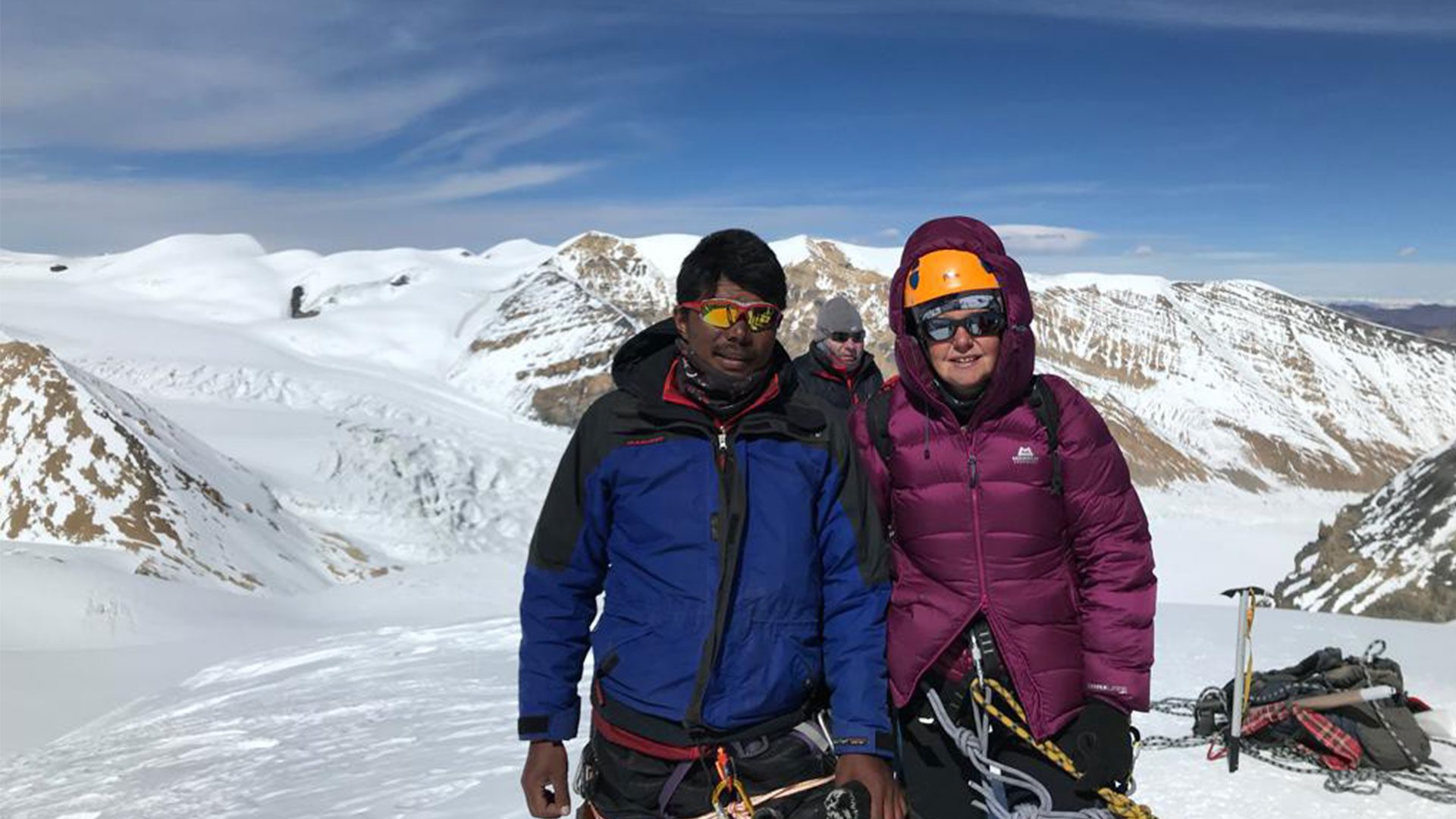
12 Days Upper Mustang trek from Pokhara


Trip Facts


Upper Mustang Overview: Trek Route, Highlights, Cost & Travel Tips
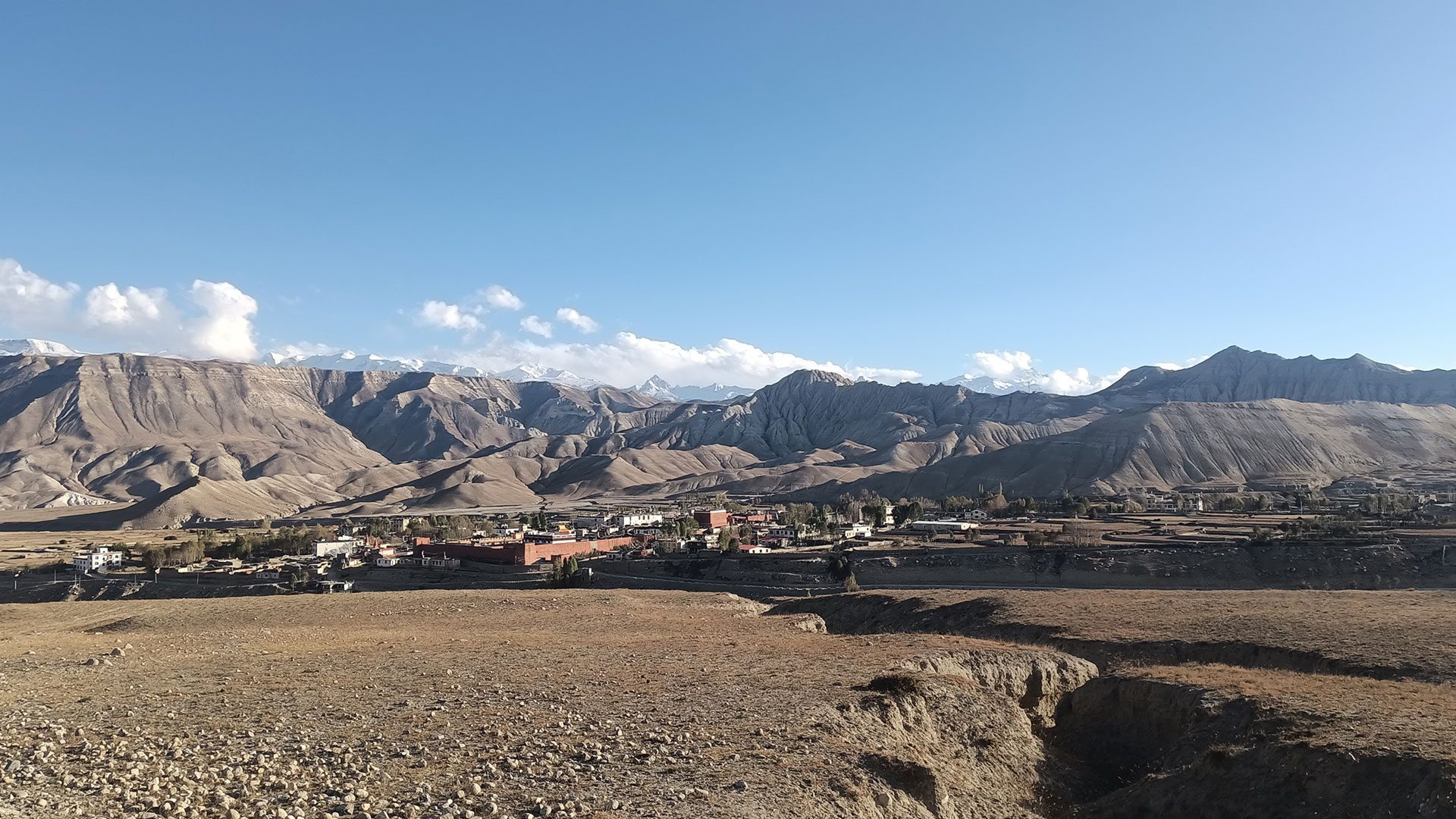
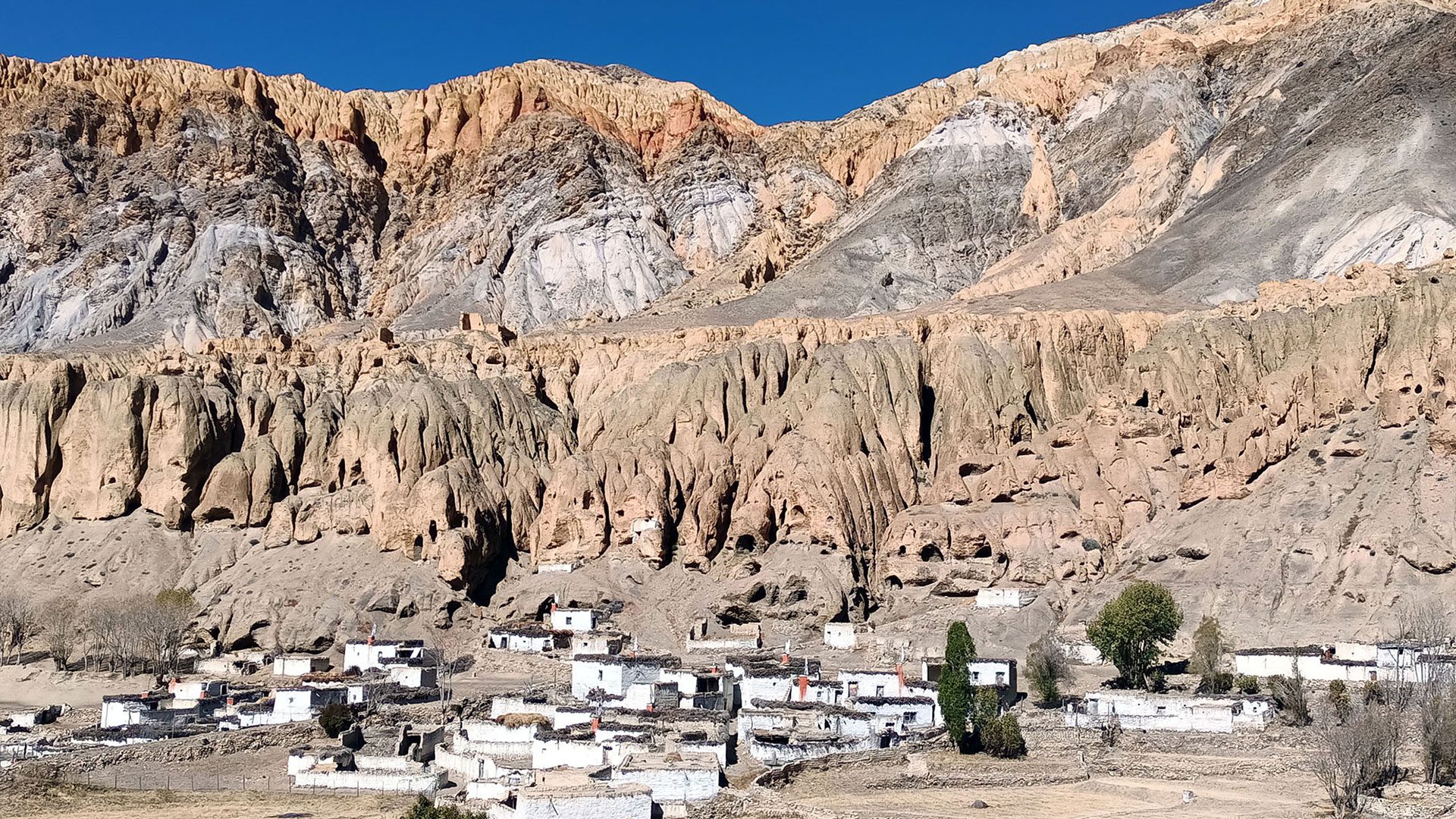
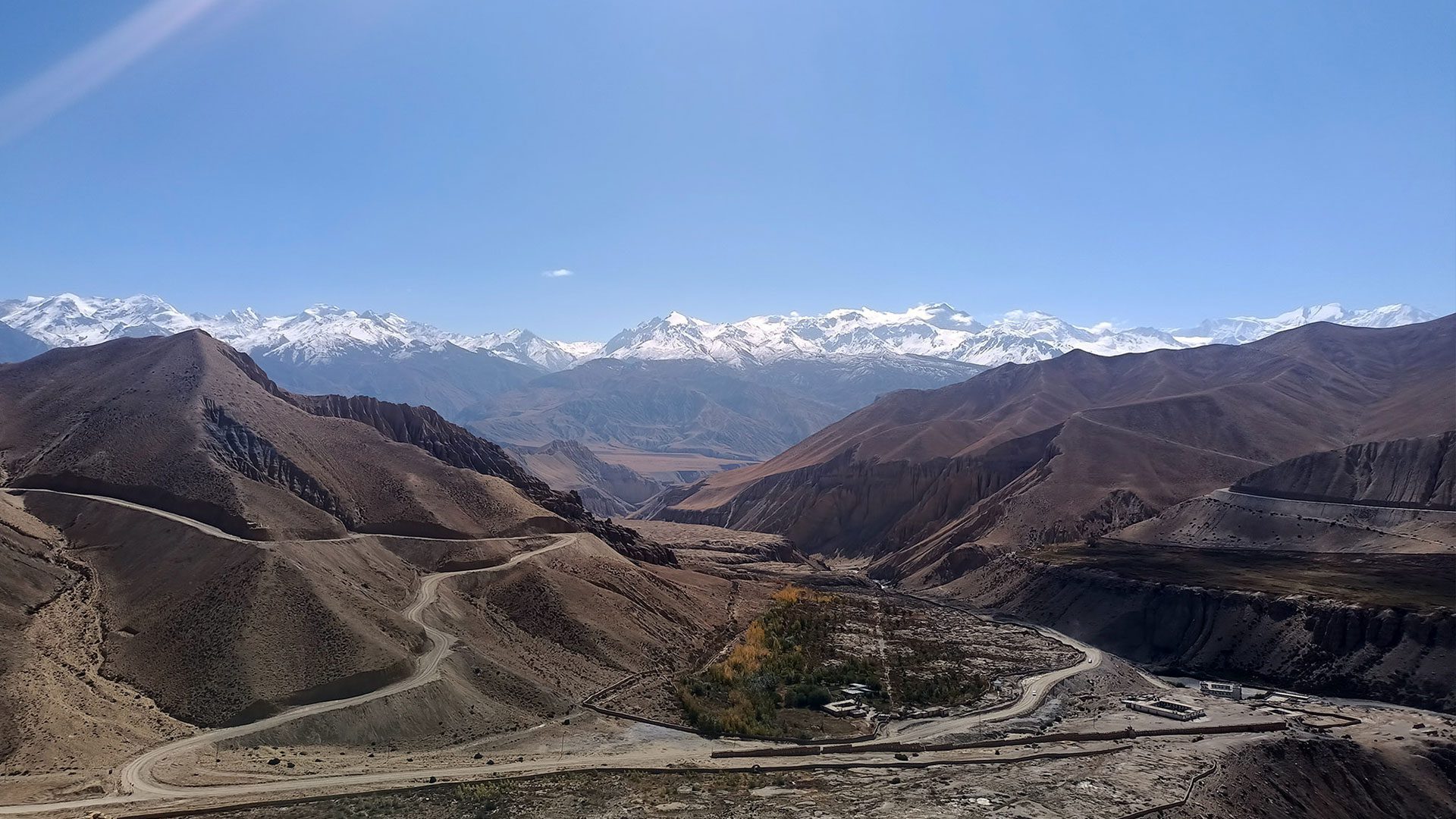
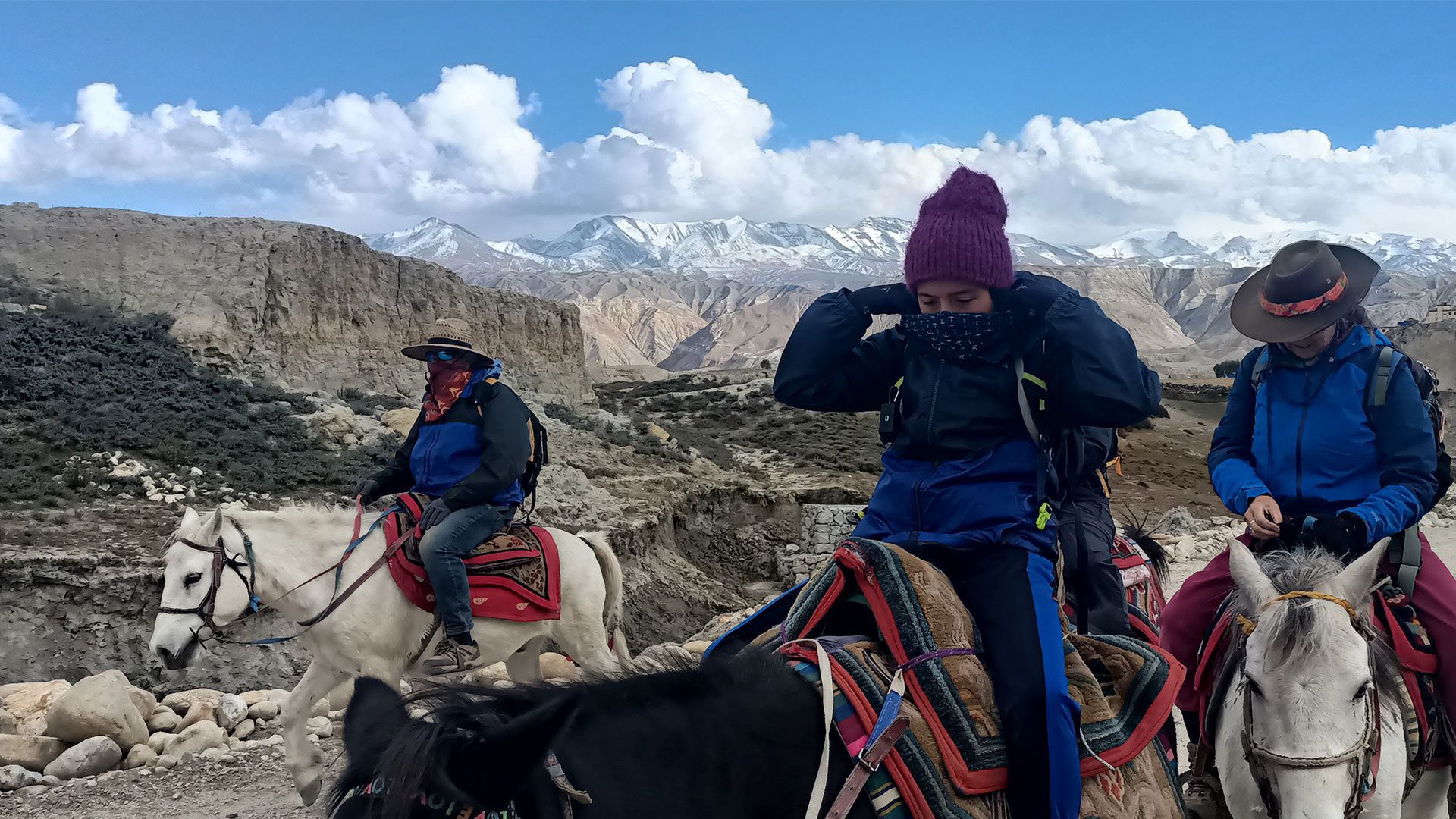
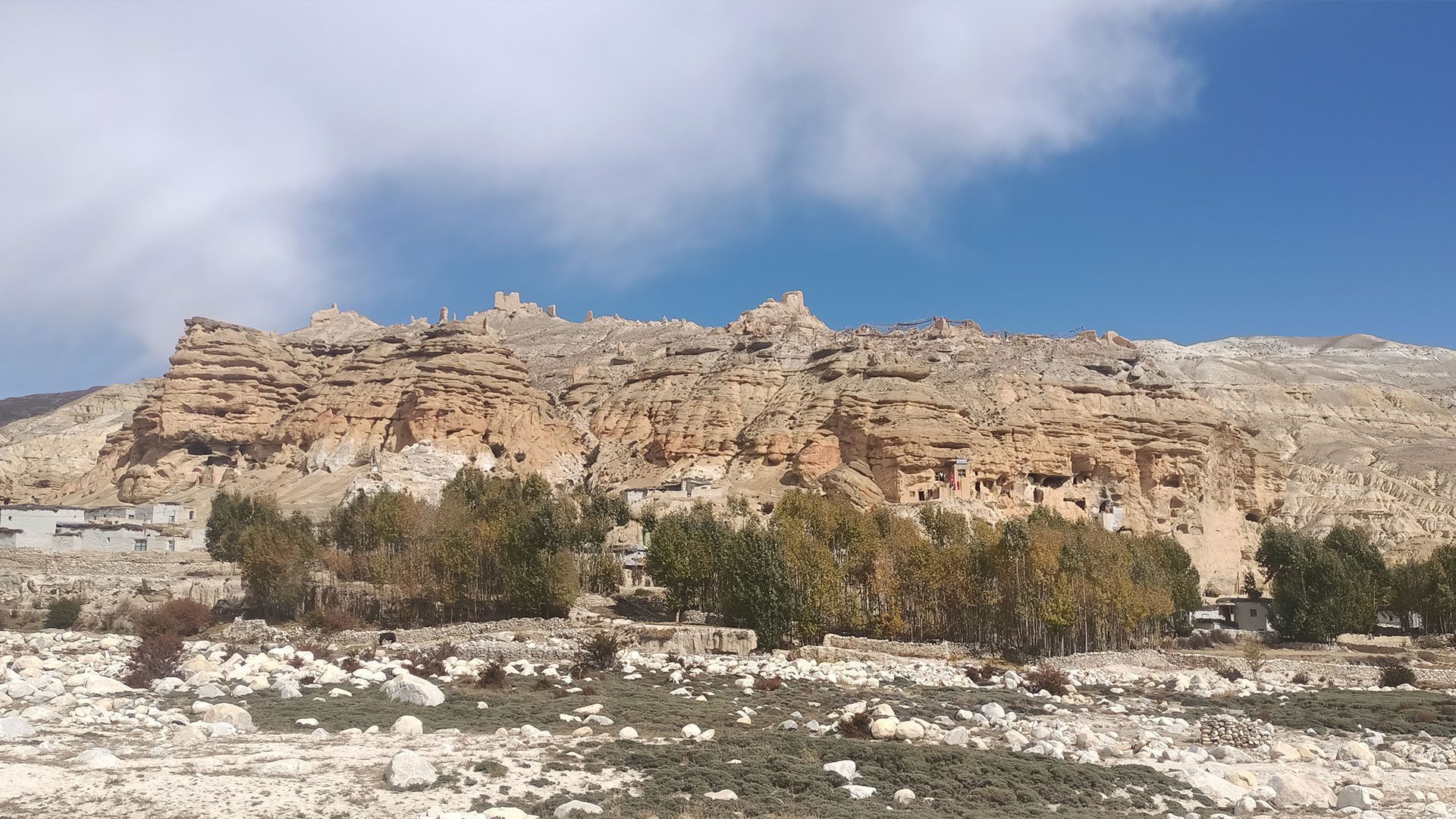
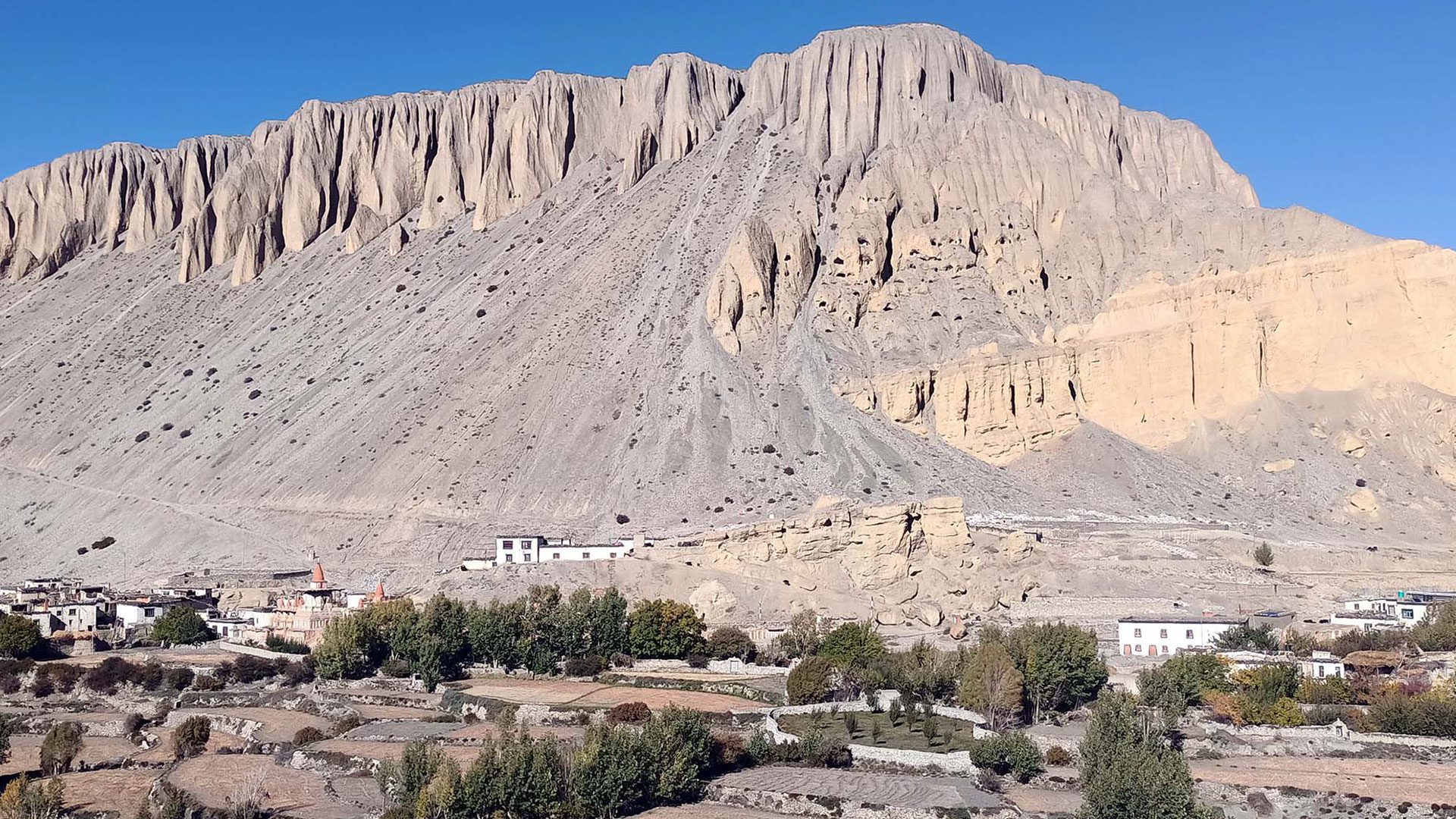
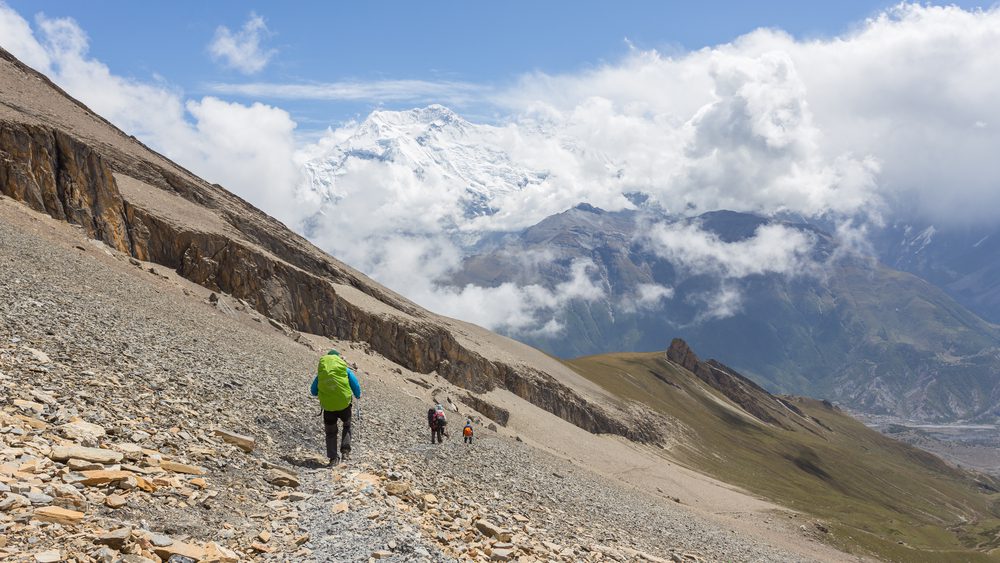
The Upper Mustang Trek from Pokhara is one of the most unique and culturally immersive trekking tours in Nepal, offering an invaluable chance to discover a former forbidden kingdom in the Himalayas that has been trapped in time. Hiding behind the vast Annapurna and Dhaulagiri ranges, Upper Mustang lies in the trans-Himalayan rain shadow, creating dramatic desert-like landscapes, eroded cliffs, deep gorges, and vast valleys blown out by the winds. Other treks traverse fertile green paths in eastern and central Nepal, but this one is over desolate, dry terrain eroded by wind and water over centuries, producing a near-alien ambience.
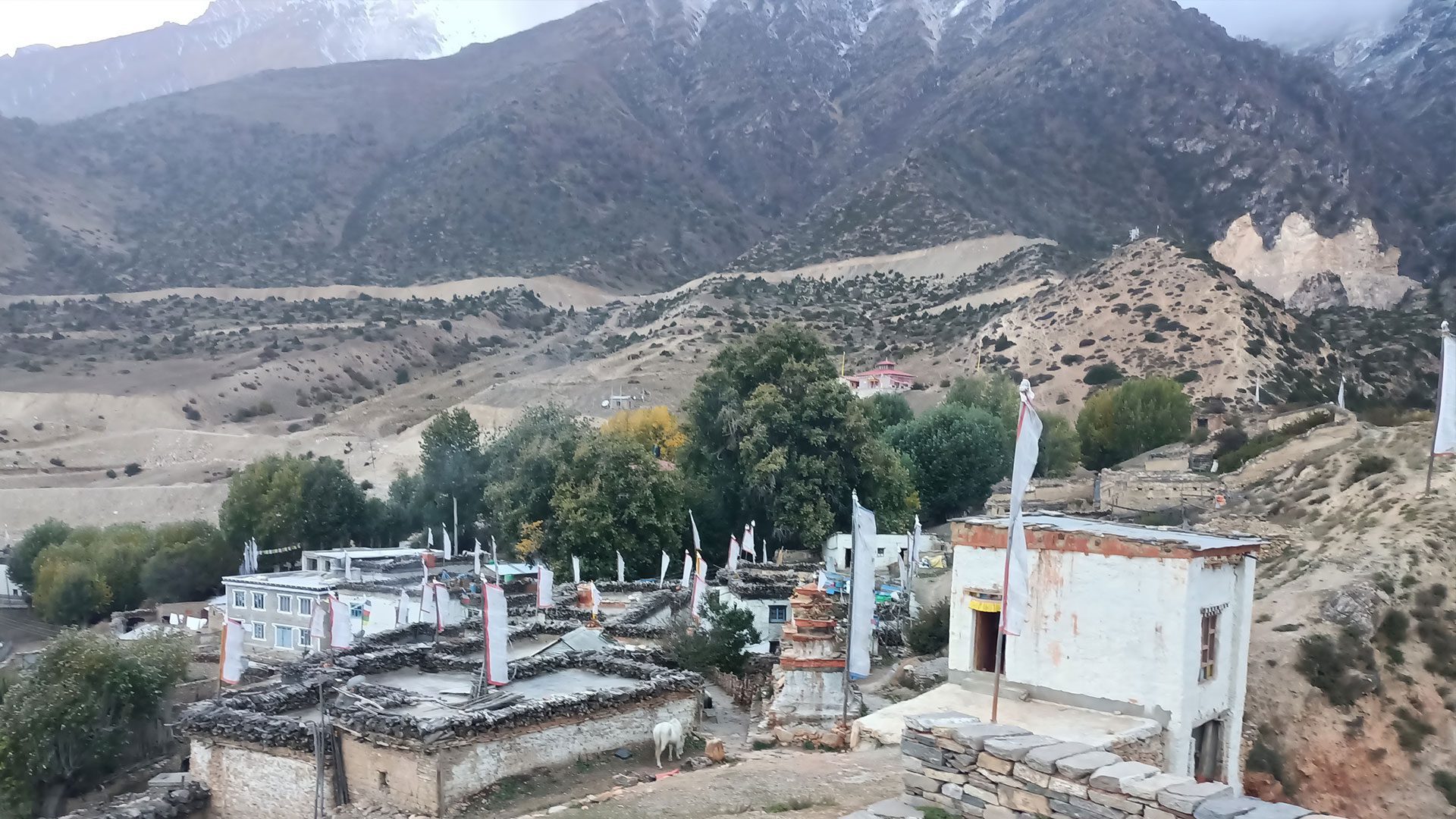
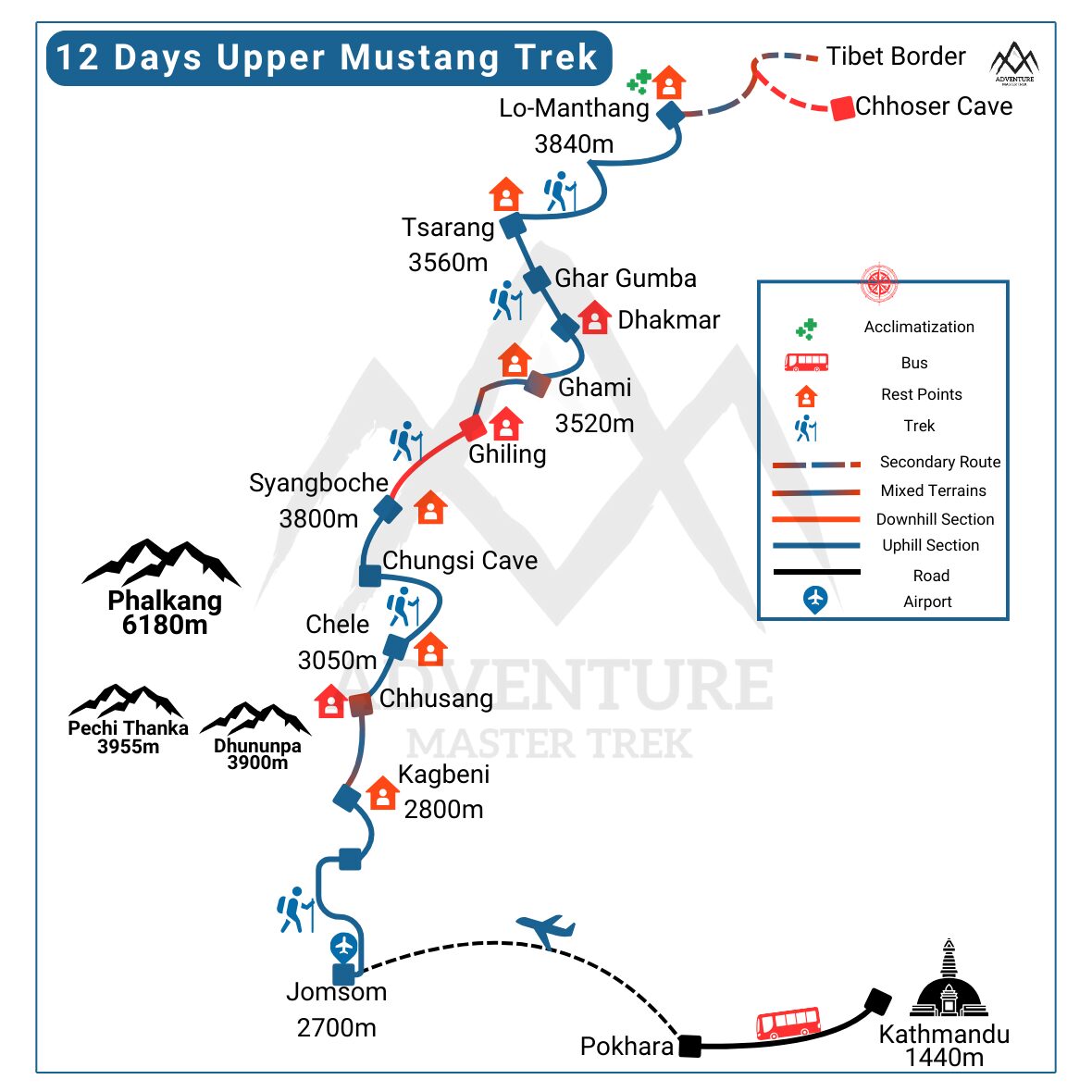
The route normally starts in Pokhara, where the scenic flight to Jomsom begins, the administrative headquarters of Mustang district. It is here that the trekking path ascends steadily, following the age-old salt trade path of Kali Gandaki Valley traversing through remote villages like Kagbeni, Chele, Syangboche, Ghami, Tsarang and eventually to the Lo Manthang, an encircled capital city of the former Kingdom of Lo. Every settlement represents a distinctive blend of Tibetan Buddhist culture, medieval buildings, and ancient traditions that have changed little with modern development.
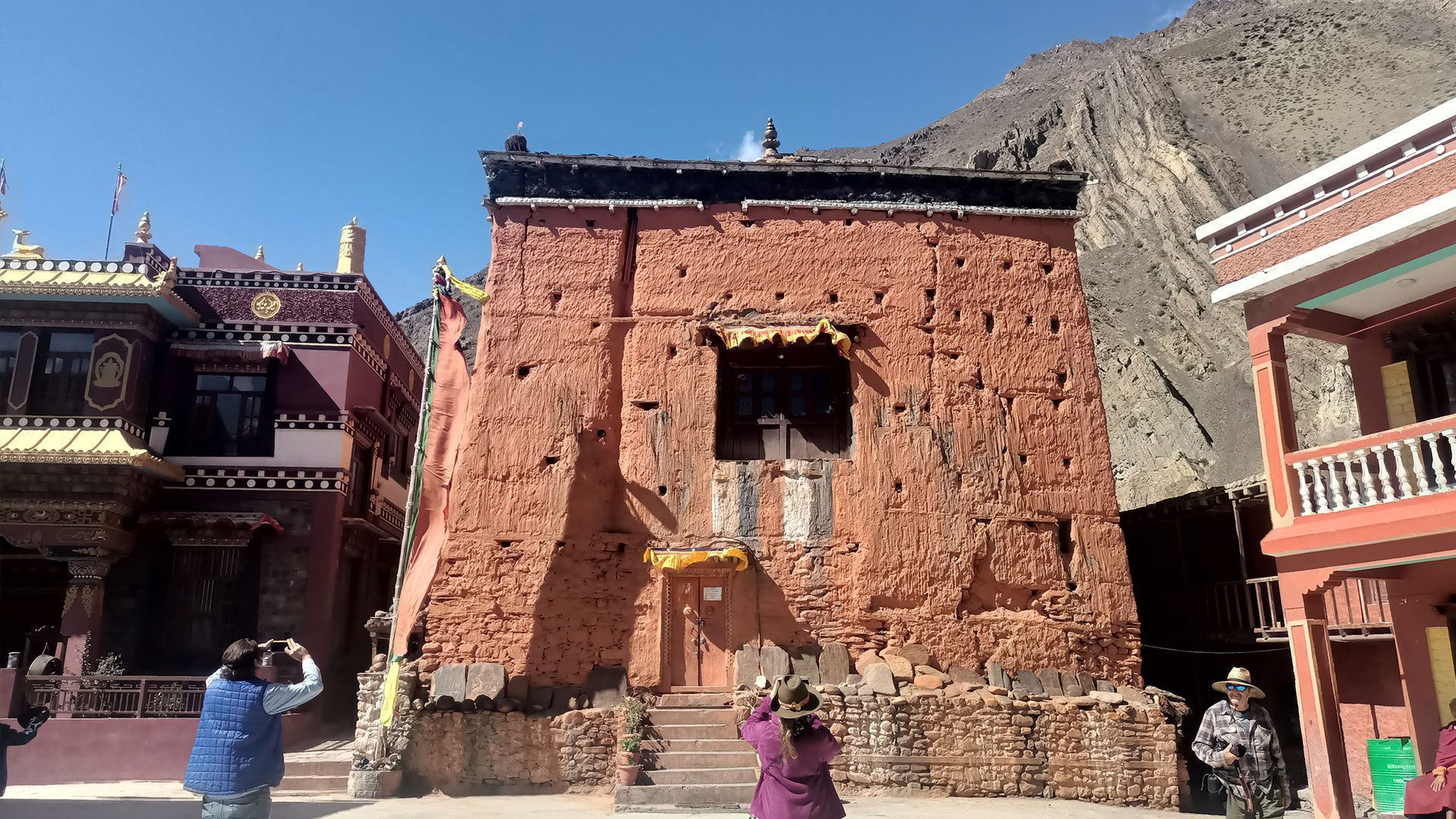
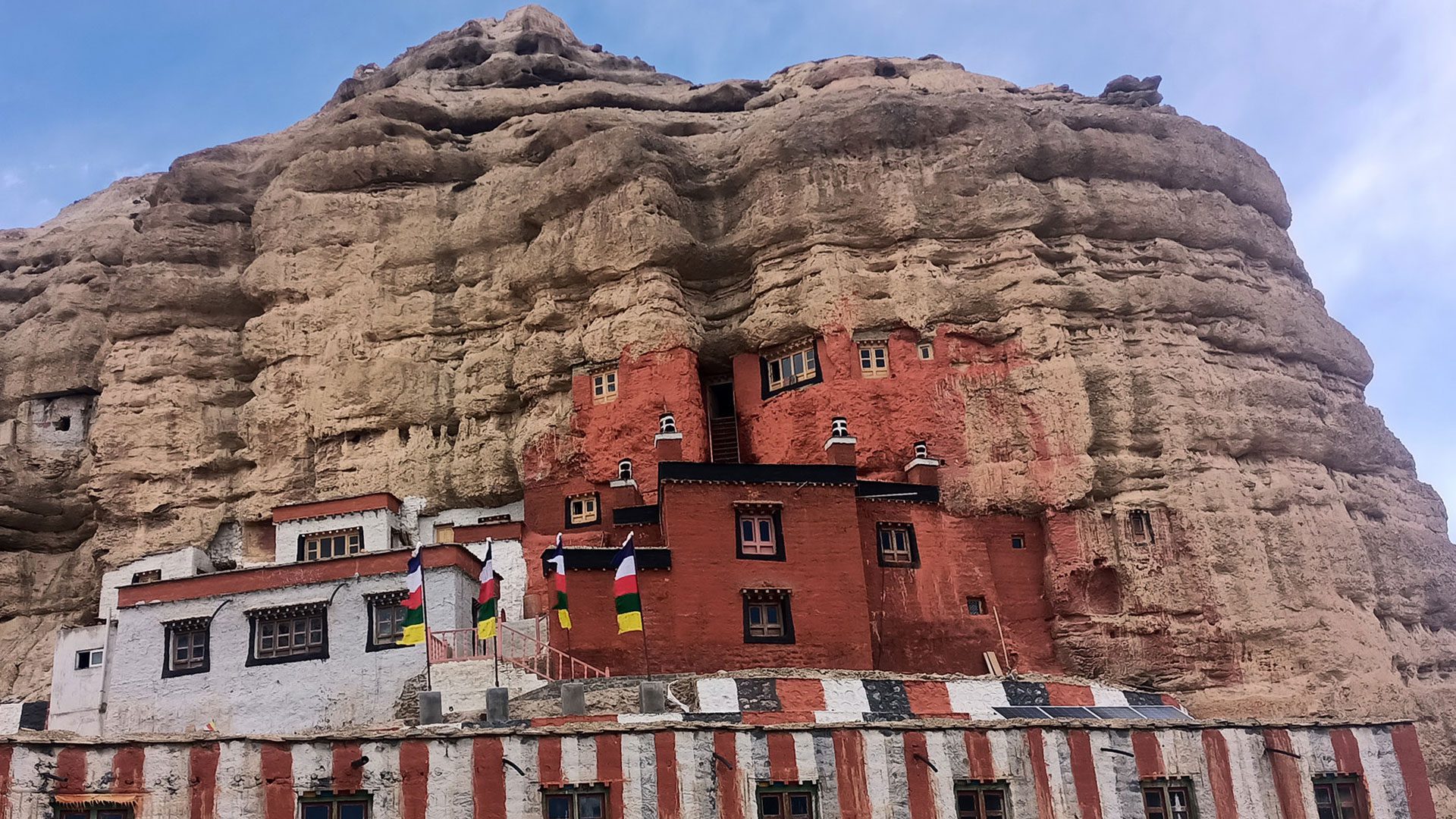
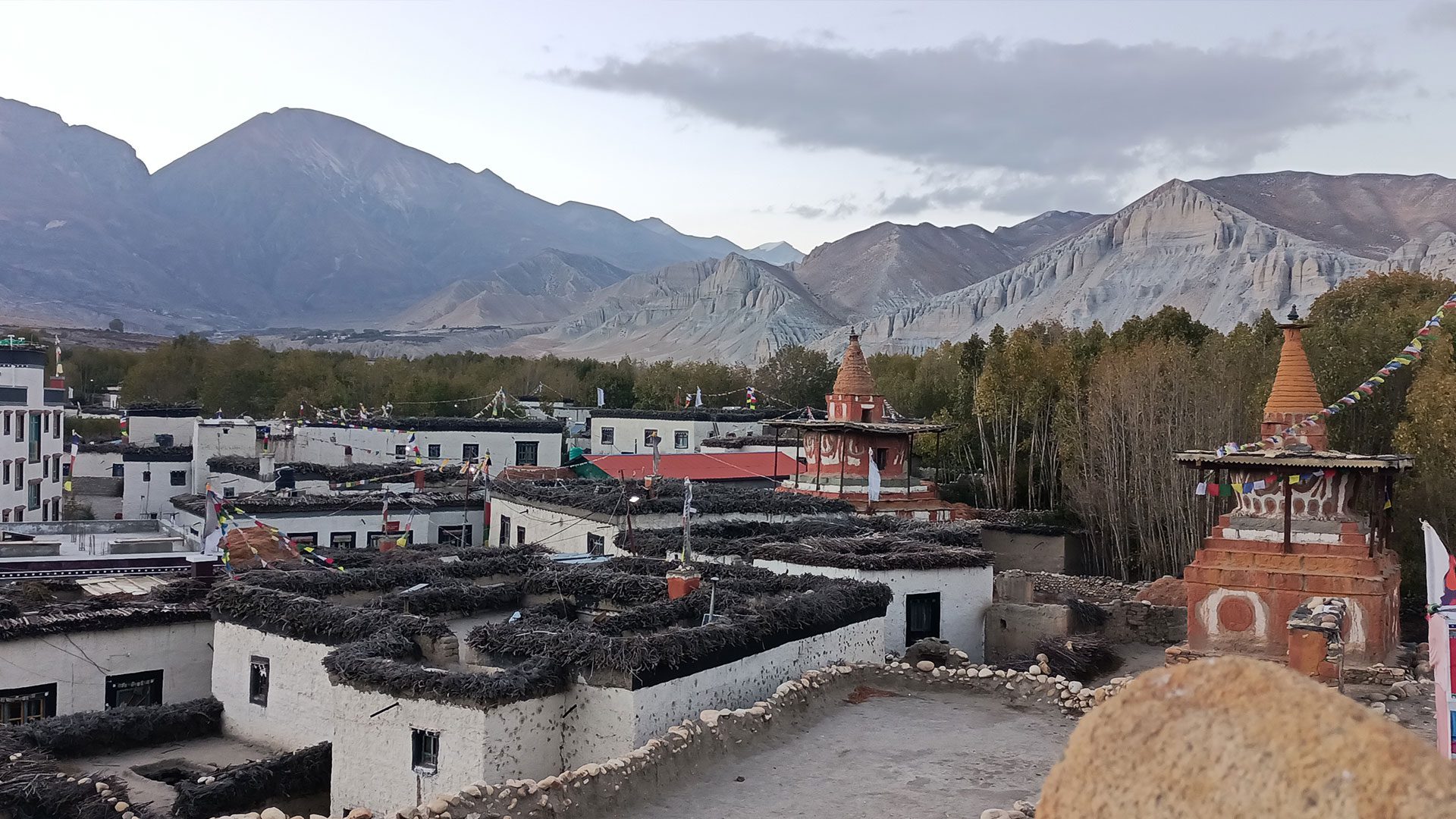
The culture of Upper Mustang is quite different from compared of most trekking destinations in Nepal. The population of this area has strong ethnic and cultural ties to Tibet, reflected in their language, religious beliefs, monastic schools, prayer flags, mani walls, and whitewashed chortens. It is told of a civilization that was built by isolation, spirituality and survival in a harsh environment by ancient monasteries, cave dwellings cut into sheer cliffs and fortified villages. The most significant part of the trek is the centuries-old walled city of Lo Manthang, which has royal palaces, spiritual monasteries, and a rich cultural heritage, and provides trekkers with a rare insight into the life of the old Tibetan kingdom.
The Upper Mustang Trek is ranked as a moderate-level adventure in terms of physical demand. The paths are mostly marked with clear ascents and descents of daily length, along dry, rocky trails, narrow roads, and, in some cases, very high passes. The trekkers usually walk approximately 4 to 5 hours daily, with a few longer days that reach 6 or 7 hours. Though the highest point of approximately 3,820 meters is not too high in regard to Himalayan trekking, where elevation levels are considerably higher, it is still important to gradually become used to the elevation so that the chances of experiencing altitude discomfort are minimized.
This trek has one of the most characteristic characteristics, i.e., limited status. Until 1992, upper Mustang was closed to foreigners, and even nowadays, trekkers are required to acquire special permits to enter the area. This is to preserve the area’s delicate culture and environment, as well as to guarantee a more tranquil and exclusive trekking experience. Therefore, the trails are much less congested than the mainstream destinations like Everest Base Camp or Annapurna Circuit, and it is suitable for the travelers who desire solitude, authenticity and the pure Himalayan landscape.
Traditional teahouses and small guest lodges are the main accommodation along the route that offering simple yet comfortable accommodation. Food is basic but healthy, usually featuring local Tibetan and Nepali dishes (tsampa, buckwheat pancakes, noodles, soups, and rice-based meals). Although the conveniences are simple, the friendliness and hospitality of the indigenous people make the hiking journey very fulfilling.
The most appropriate seasons to undertake the Upper Mustang Trek are the autumn months of September to November and the spring months of March-May. These seasons have constant weather conditions, sky visibility, and favorable temperatures, hence unhindered sight of the nearby Himalayan ranges and the magnificent desert scenery. Upper Mustang is also relatively accessible in the summertime because it lies in a rain-shadow area, which is why it is one of the few trekking areas in Nepal that can be trekked in summer.
Trip Highlight
- Travel in the Forbidden Kingdom of Lo: Explore the previously closed Upper Mustang area, an ancient kingdom in the Himalayas that was not open to foreigners until 1992 and still retains a distinct Tibetan culture, traditions, and a medieval way of life.
- Magnificent Himalayan Desert scenery: Get a perfect contrast to the scenic trekking trails of Nepal, with dry valleys, wind-cut bluffs, deep gorges, and large deserted plateaus sculpted by centuries of the forces of nature.
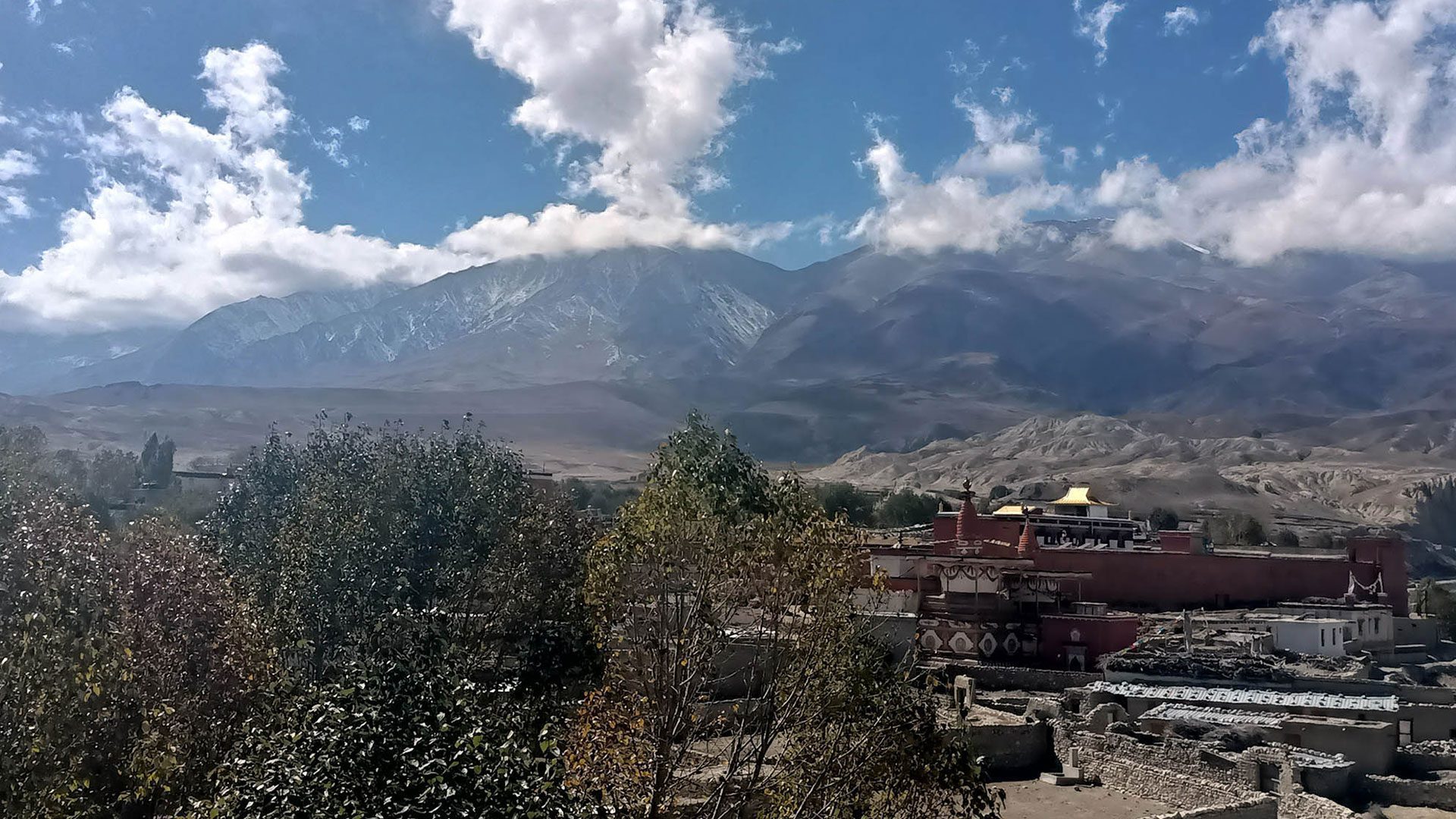
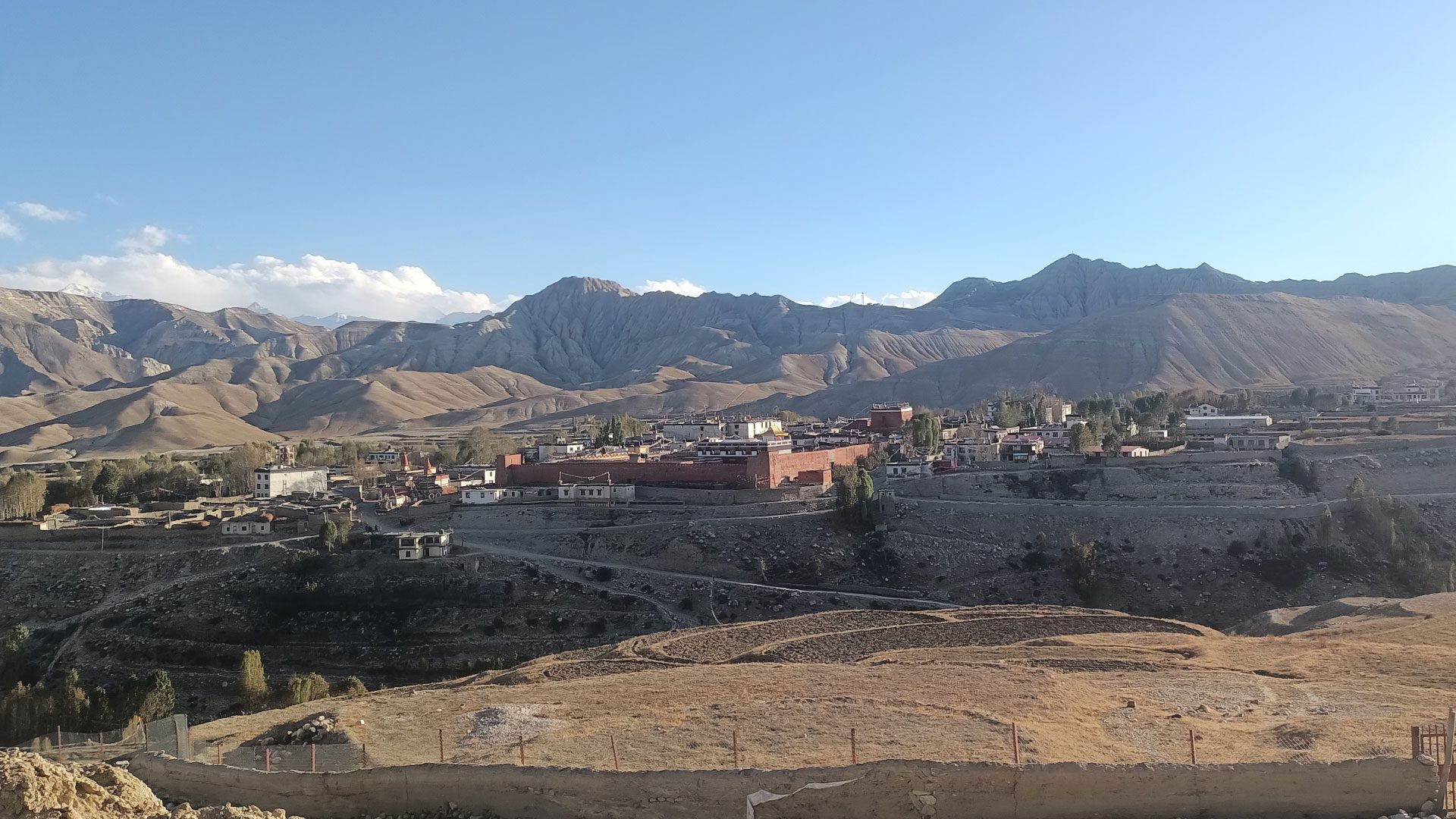
- Walled City of Lo Manthang (Ancient): Visit the ancient capital of the Upper Mustang, which has centuries-old monasteries, royal palaces, tiny dead-end streets and fortified mud-brick walls, which show the rich cultural heritage of the region.
- Intense Tibetan Buddhism Culture and Traditions: See colorful prayer flags, sacred mani walls, ancient chortens, centuries-old monasteries and everyday Buddhist rituals that constitute the spirituality of Mustang.
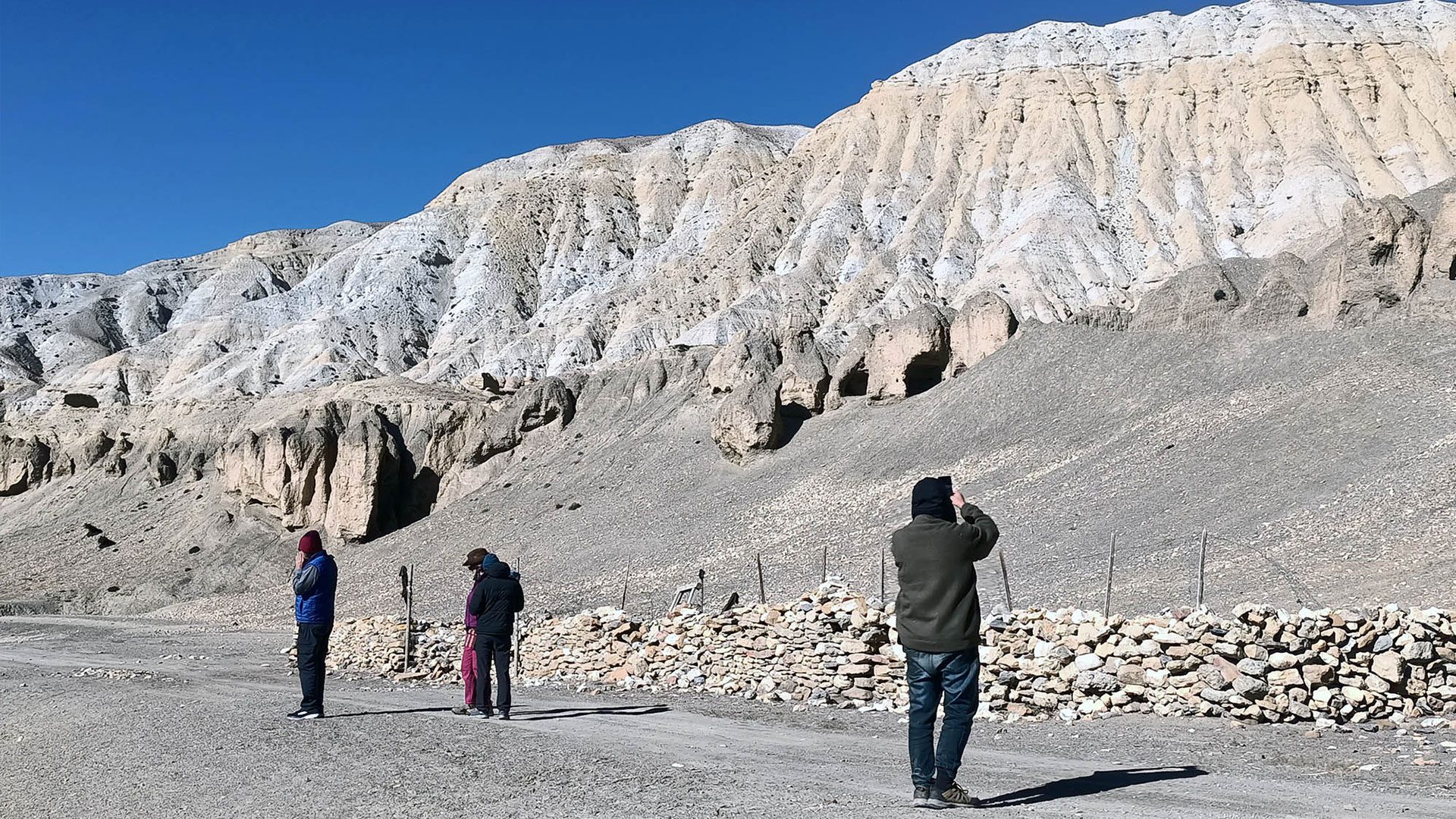
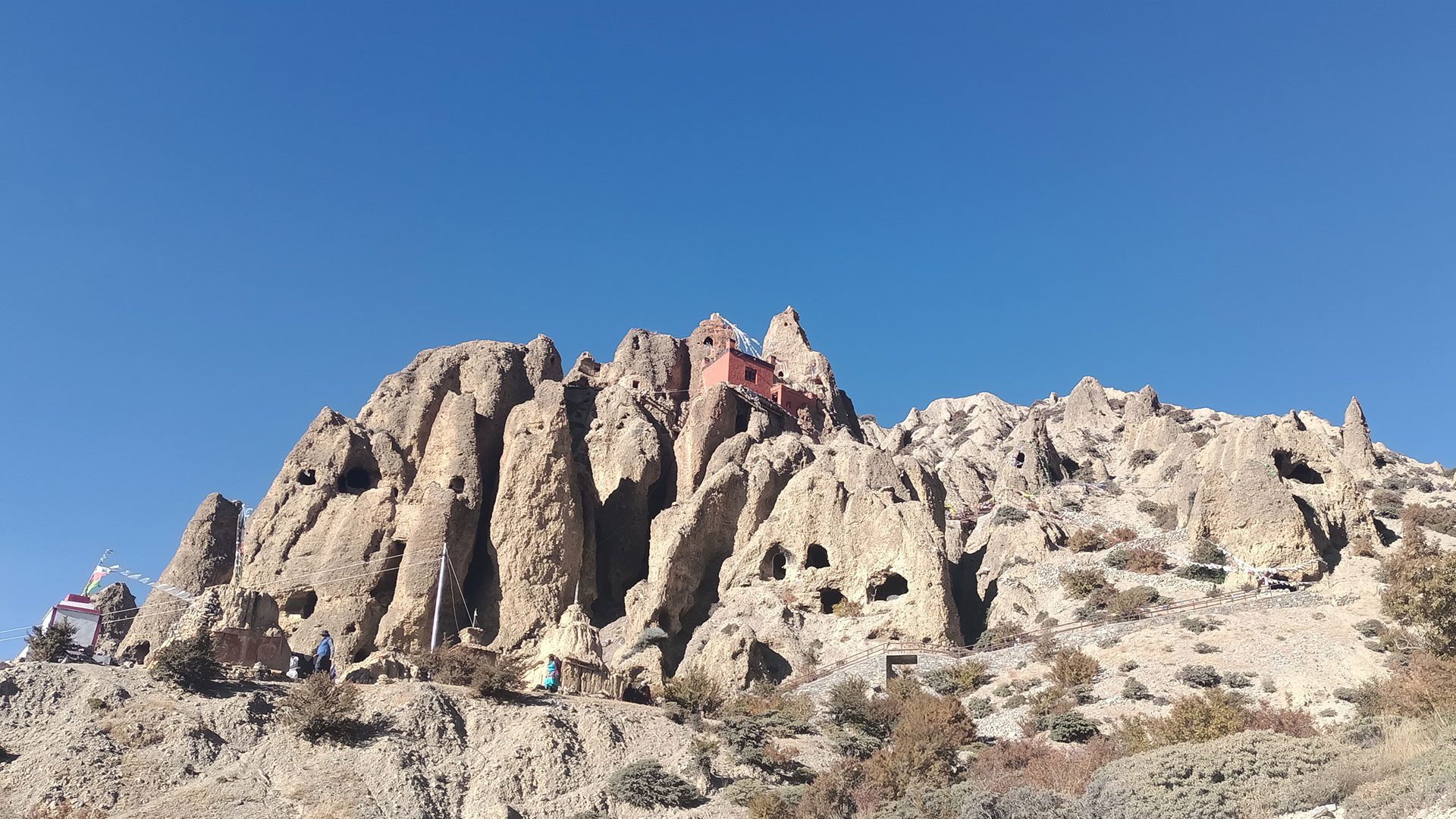
- Hidden Settlement and Mystical Cliff Caves: See archaeological caves hewn out of vertical cliffs, more than 2,000 years old, near Chhoser, which give a clue to the ancient civilizations of the Himalayas.
- Mountain scenery flights in and out of Jomsom: Have the thrilling mountain flights that offer breathtaking aerial views of Annapurna, Dhaulagiri, Nilgiri and the Kali Gandaki Valley in short but thrilling mountain flights.
- Hiking the Salt Trade Route: Stroll through the ancient trading route between Tibet and the Indian sub-continent, through isolated villages and ancient caravan roads.
- Sensational High Mountain Passes and Viewpoints: Cross scenic trails including Nyi La, Ghami La and Dajori La are covered with colorful prayer flags and provide panoramic views of the Himalayan ranges.
- Ghami Village in Nepal with the Longest Mani Wall: Explore one of the most extraordinary religious monuments in Nepal, featuring thousands of carved stone slabs inscribed with Buddhist mantras.
- Remote and Crowd-Free Trekking Adventure: Smooth trails with no mass tourism and where the trekker can have self-time, originality and an in-depth cultural experience, is what one can get there.
- Awkward Mustang Architecture and Villages: Explore villages hundreds of years old with flat-roofed stone houses, twisting lanes, and fortifications influenced by the Tibetan people.
- Breathtaking Scenes of the Kali Gandaki Gorge: Hike across the deepest valley in the world between Dhaulagiri and Annapurna and experience spectacular scenery and geological wonders.
Tiji Festival: Experience the vibrant three-day Tiji Festival in Lo Manthang, featuring sacred masked dances and ancient rituals that symbolize the victory of good over evil. - Yartung Festival: Celebrate the lively Yartung Festival, marked by traditional horse racing, feasting, music, and community gatherings that reflect the joyful spirit of Mustang.
- Losar Festival: Witness the cultural richness of Losar, the Tibetan New Year, observed with colorful ceremonies, family reunions, prayers, and festive celebrations across Upper Mustang.
Itinerary
Your Journey, Step by Step
Fly from Pokhara to Jomsom and Trek to Kagbeni
- Meal: Breakfast, Lunch, Dinner included
- Accommodation: Teahouse
- Transport: Flight
You fly early in the morning, and the views of the Annapurna and Dhaulagiri ranges are magnificent as you fly between Pokhara and Jomsom. The brief but exciting flight ends in the windy valley of Jomsom, where the trek officially starts. Out of Jomsom, you walk away along a tranquil path along the Kali Gandaki River, going through deserted terrain, apple orchards and small villages until you reach Kagbeni. This pre-historic village is the entrance to the restricted Upper Mustang area, and it has been characterized by medieval buildings, narrow lanes and hundreds of years hundred-year-old monastery. Once the day is finished, you spend the night at a teahouse.
Trek from Kagbeni to Chele
- Meal: Breakfast, Lunch, Dinner included
- Accommodation: Teahouse
The present stage includes several high ridges and passes and is one of the more difficult days of the journey. The path is gradual, with sweeping views of Tilicho Peak, Nilgiri, as well as the Himalayan ranges. You go through the dramatic rock formations, narrow gorges, and ancient chortens, using prayer flags. Crossing the Taklam La and the Djori La, the path then leads off slowly downwards to the picturesque village of Syangboche, between the barley fields and the cliffs. Both the elevated landscape and the scenery make this day physically satisfying and awe-inspiring.
Trek from Chele to Syangboche
- Meal: Breakfast, Lunch, Dinner included
- Accommodation: Teahouse
The walk between Syangboche and Ghami will traverse two major mountain passes, the Nyi La and the Ghami La, which are adorned with colorful prayer flags fluttering in the wind. The road cuts across deserted plateaus, steep gullies and ravines and eroded hills, all of which testify to the wilderness of Mustang. You then arrive at Ghami village, one of the biggest settlements in Upper Mustang, following the descent of Ghami la. Ghami contains the largest mani wall in Nepal, an incredible stone wall inscribed with sacred Buddhist mantras. The cultural experience offered by the village through the traditional houses, the old chortens and the peaceful environment in the village is a long-lasting experience.
Trek from Syangboche to Ghami
- Meal: Breakfast, Lunch, Dinner included
- Accommodation: Teahouse
The trek from Syangboche to Ghami crosses two significant mountain passes, the Nyi La and the Ghami La, each decorated with colorful prayer flags fluttering in the wind. The route traverses barren plateaus, steep ravines, and eroded hills that reflect the raw, untamed nature of Mustang. After descending from Ghami La, you reach Ghami village, one of the largest settlements in Upper Mustang. Ghami is home to the longest mani wall in Nepal, a remarkable stone wall carved with sacred Buddhist mantras. The village’s traditional houses, ancient chortens, and serene atmosphere provide a memorable cultural experience.
Trek from Ghami to Tsarang
- Meal: Breakfast, Lunch, Dinner included
- Accommodation: Teahouse
Ghami is abandoned, and the path leads into a deep canyon, crosses a river, then ascends slowly to Tsarang. This part of the trail also offers spectacular scenery of rocky layers, coloured cliffs, and expansive open valleys. Tsarang is a culturally diverse village with a gigantic fortress-like white monastery and a former royal palace, reflecting the strong traditions of Tibetan Buddhism of the area. The settlement is dramatically elevated above the valley floor, with views of the valley and the desert-like landscape around it extremely expansive. A visit to Tsarang offers a good idea of the lifestyle and religious beliefs of the Mustang people in the past.
Trek from Tsarang to Lo Manthang
- Meal: Breakfast, Lunch, Dinner included
- Accommodation: Teahouse
Today’s journey leads you closer to the heart of Upper Mustang as you trek toward Lo Manthang, the ancient walled capital of the former Kingdom of Lo. The trail gradually ascends across open plateaus, passing chortens, prayer flags, and grazing pastures. As you approach Lo Manthang, the city’s impressive mud-brick walls emerge against the stark Himalayan backdrop. Inside the walled city, you explore narrow alleys, centuries-old monasteries, royal palaces, and traditional homes. The unique architecture and preserved culture make Lo Manthang the spiritual and cultural highlight of the entire trek.
Acclimatization and Exploration Day in Lo Manthang
- Meal: Breakfast, Lunch, Dinner included
- Accommodation: Teahouse
This day is dedicated to acclimatization and cultural exploration in and around Lo Manthang. You can visit the renowned monasteries of Jampa Lhakhang, Thubchen Gompa, and Chode Gompa, each featuring ancient murals and religious artifacts. Optional hikes lead to nearby villages such as Chhoser, famous for its ancient cave dwellings carved high into vertical cliffs. These caves, some believed to be over 2,000 years old, offer fascinating insights into early.
Trek from Lo Manthang to Dhakmar
- Meal: Breakfast, Lunch, Dinner included
- Accommodation: Teahouse
Leaving Lo Manthang, the road continues east for a while before turning off to Dhakmar. It is part of the trek that offers some of the most dramatic landscapes, including a red cliff, tall rock pillars, and vast desert landscapes. It passes over steep ridges, cuts across small gorges, and displays impressive geological features carved by millennia of erosion. Dhakmar, meaning “red cliffs,” is a small, peaceful village set beneath towering crimson rock faces, creating a surreal and unforgettable setting for an overnight stay.
Trek from Dhakmar to Ghiling
- Meal: Breakfast, Lunch, Dinner included
- Accommodation: Teahouse
The walk between Dhakmar and Ghiling starts with a gradual ascent to a high mountain pass, followed by a gradual descent into wide valleys with barley fields and traditional villages. The path offers constant views of the vast, dry terrain of Mustang, where the hills roll on and on under an open sky. Ghiling is an attractive village with its long mani walls, whitewashed houses and quiet monasteries. The village has a very quiet atmosphere, and trekkers can rest and reflect on the trip before the concluding phases.
Trek from Ghiling to Jomsom
- Meal: Breakfast, Lunch, Dinner included
- Accommodation: Teahouse
On the final trekking day, you descend steadily along the Kali Gandaki Valley, rejoining the main trail near Kagbeni. The route follows riverbanks, gravel paths, and open plains, offering spectacular views of the world’s deepest gorge between Dhaulagiri and Annapurna. As you approach Jomsom, the landscape gradually transitions from arid desert to greener valleys. Upon arrival, you can enjoy a well-earned rest, reflecting on the extraordinary landscapes and cultural encounters experienced throughout the journey.
Fly from Jomsom to Pokhara
- Meal: Breakfast included
- Accommodation: Hotel
- Transport: Flight
The early morning flight begins in Jomsom and ends in Pokhara, a breathtaking flight that takes you back and over the Himalayan giants. Once you are in Pokhara, you hand over to your hotel and the Upper Mustang trekking adventure officially comes to an end. The rest of the day may be spent at leisure, sightseeing, shopping for souvenirs or relaxing by the calm lakeside of Pokhara.
Customize this trip with help from our local travel specialist that matches your Interests.
Customize This TripInclusions
What’s Covered in Your Adventure
- Two nights in a standard hotel in Pokhara with breakfast.
- Two-way flight ticket from Pokhara-Jomsom and Jomsom-Pokhara.
- Pickup and drop service from the airport including airport tax.
- Trekking lodge facilities (tea house) during the trek.
- Annapurna Conservation Area Project (ACAP) entry permit.
- Special upper Mustang permit.
- Meals, breakfast, lunch, and dinner during the trek.
- Tims trekker information management system.
- Assistant guide group size above 10+ people.
- A highly experienced, helpful, knowledgeable, friendly, English-speaking guide with all of his salary, food, drinks, lodging, transportation, and insurance covered.
- Taxes and official costs will be paid to the government.
- Oximeter to check your pulse, oxygen saturation, and heart rate twice a day ( very helpful to check for signs of altitude mountain sickness or AMS). This will make sure that your trek is in the safest hands possible, no matter how experienced you are, and with basic medicines.
- Certificate of completion of the trek.
- The food that you will eat in Pokhara for lunch and dinner.
- The cost of a visa to enter Nepal is USD 30 for a 15-day start,30 days- $50, 90 days - $125.
- Your insurance for travel and medical care. International airfare.
- .Your personal expenses.
- All of the alcoholic and non-alcoholic cold and hot drinks you buy on the trek(along the way and in the tea houses at night)
- The tea houses have showers and places to charge your phone which will cost you about 2$ to 5$.
- All of the sweet desserts, like chocolate, cake, pie and pudding.
- You can use a sleeping bag, or a down jacket(if you don't have your own, you can rent one in Pokhara)
- Tip to the guide, the porter, and the driver. (Tipping is expected)
- Excess baggage of more than 15 kg for a Jomsom flight.
- One porter for two people. (max 25 kg) 260$.
Maps
Navigate Your Journey
Good to Know
Your Journey, Step by Step
Difficulty Level of the Upper Mustang Trek
The Upper Mustang Trek is rated moderate and suitable for trekkers with basic fitness and past trekking experience. Although it is not as high as places like Everest Base Camp or Manaslu, it also has its own challenges because of the arid terrain, high desert, and remote location.
Trail Conditions
In general, the trails in the upper Mustang are well marked, but have different levels of difficulty depending on the part:
- Stony and rough walks that have to be treaded.
Thin ridges and plateaus of the deserts, which may be subjected to powerful winds. - Several crossings of rivers and suspension bridges.
Sharp uphills and downhills in some of the areas along passes such as Nyi La and Ghami La. - Trekkers are expected to be good at traversing rough ground, as there are places without protective ridges that require careful balance and footing.
Daily Walking and Duration
- Hiking takes 4-5 hours a day, which is not very strenuous even for ordinary people.
- Some of the walks take more days, up to 6/7 hours, especially when heading to Lo Manthang or the high crossing.
- The speed gives time to appreciate the landscape, visit villages and get used to the place.
Altitude
The trek reaches its highest point at 3,820 meters in Lo Manthang. This is not high enough to cause serious altitude-associated effects (such as high-altitude headaches, fatigue, and dyspnea); however, without proper acclimatization, trekkers can have some mild symptoms associated with high altitude. These risks are reduced through gradual ascending and rest days.
Physical Challenges
- Needs strength to withstand several days of walking on a rough surface.
- Requires leg strength to climb uphills and descend downhills.
- Balance and stability in the core are necessary to navigate the rocky ridges and desert trails. Trekkers must also be willing to walk long distances (several hours a day) with a backpack on, and they may need to be exposed to wind, dust, and sun.
Preparation for the Upper Mustang Trek
To have a safe, enjoyable experience, it is important to be well prepared. This incorporates both physical training and mental preparation.
Physical Preparation
- Cardiovascular exercise: Running, brisk walking, cycling or climbing stairs to develop stamina to walk over long distances every day.
- Strength training: Pay attention to the legs, core, and back to overcome hilly and downhill terrain, and to carry a backpack. Squats, lunges, planks, and step-ups are highly recommended exercises.
- Practice hikes: Use a loaded backpack when climbing stairs or local hills to simulate real trekking conditions. Increase the distance and height gradually to enhance endurance.
Mental Preparation
- Be ready to be isolated in primitive villages and have few modern conveniences.
- Lower the standards of dusty paths, limited services, and dry ground, which may be psychologically difficult for novice trekkers.
- Get flexible and patient, and of course since due to wind or unpredictable weather, a flight to Jomsom or back can be postponed.
- Learn to think positively, since the journey will have long stretches with no people, which will require self-motivation and a strong sense of self.
Food and Drinking Water for the Upper Mustang Trek
During the Upper Mustang trek, food and drinking water are important elements for a comfortable trek. Tea houses and lodges do offer different types of food along the route of Upper Mustang. The teahouses offer various Nepali dishes and Tibetan food, including Thukpa, momos, tsampa (roasted barley flour), and dal bhat. These dishes are typical Nepali foods you can find anywhere. You can get many breakfast options too. Porridge, pancakes, boiled eggs, and tea biscuits are examples. As you walk towards higher altitudes, food becomes a little more expensive because there is a poor transportation system and limited food supplies. A few lodges may offer limited meal options. However, trekkers are advised to avoid meat for digestion at high altitudes.
Drinking water is another important element for the Upper Mustang trek. Some teahouses sell mineral water but it gets expensive as you walk at higher altitudes due to a lack of transportation services. For a more budget-friendly option, you can use reusable bottles or tap water with purification tablets or filters. Some teahouses and lodges offer boiling water for a low cost, which is safer than tap water. Staying hydrated is very important to prevent higher altitude sickness. Whether trekkers are hiking high altitudes or low altitudes, they must drink at least 3-4 liters of water every day.
Food and water are also available in Upper Mustang, but prices can be high. So, it is better to carry energy bars, snacks, water and extra food products during the trek.
Accommodation and Acclimatization on the Upper Mustang trek
Accommodation along the Upper Mustang trail mainly consists of well-maintained tea houses offering private or twin-sharing rooms with simple yet comfortable facilities. In Kathmandu and Pokhara, trekkers stay in quality 3 to 4-star hotels that provide comfort and modern amenities. In Jomsom, travelers may upgrade to a 4-star hotel for an additional USD 40 to 60 per room, while in Lo Manthang, limited luxury lodge options are available at an extra cost of approximately USD 120 per room, providing better heating, superior dining, and enhanced comfort.
For acclimatization, to avoid altitude sickness, you need to stay one day and one night in Lo Manthang. Trekkers have to trek for 12 days, which requires proper acclimation, even though the trek is not as tough as the Everest Base Camp. Your body needs to adjust to low levels of oxygen by taking rest and staying hydrated. Some trekkers like to go on short hikes to acclimate their bodies to the altitude and stay flexible during the trek. You should plan procedures with proper knowledge of altitude sickness symptoms, including headaches, dizziness, and nausea, for a safer, more adventurous journey to Upper Mustang.
Electricity and Internet access in Upper Mustang
There is a power shortage in remote areas of Upper Mustang. Most of the village has a limited electricity supply, generated by small hydropower sources and solar panels. Power supplies vary from place to place. At higher altitudes, electricity is very limited because the infrastructure is limited. Trekkers may have to pay extra for electricity services, such as phone charging; some teahouses provide charging stations for electronic devices. Trekkers are advised to carry their own power banks or solar chargers at all times as a power source for cameras and phones. It is difficult to find power access during this trek. Places like Kagbeni, Tsarang, and Lo Manthang have a chance to have electricity, unlike other places along the trekking route.
In Upper Mustang, internet services have improved over the past few years. It would be better if you bought a local SIM card with a data package. It will be beneficial to have internet access via mobile networks such as NTC and Ncell, as some locations have good network coverage, but most remote villages have poor, unstable network coverage. However, internet connections are more stable than in other areas of Lo Manthang. Along the journey, some teahouses and lodges do offer wifi for a fee, but the signal can be unstable, especially during bad weather.
| Connectivity | Where Available | Notes / Quality | Cost / Tips |
| Nepal Telecom (NTC) | <span”font-weight: 400;”>Jomsom, Kagbeni, Muktinath, Lo Manthang | <span”font-weight: 400;”>Best coverage; 3G/4G in major villages, weaker in remote areas | <span”font-weight: 400;”>Works for calls & light data; carry backup power |
| Ncell | <span”font-weight: 400;”>Jomsom, Kagbeni | <span”font-weight: 400;”>Coverage less reliable than NTC; may disappear in high-altitude villages | <span”font-weight: 400;”>Useful as backup network |
| Wi‑Fi (Teahouses) | <span”font-weight: 400;”>Kagbeni, Ghami, Lo Manthang | <span”font-weight: 400;”>Slow and intermittent; depends on solar electricity | <span”font-weight: 400;”>USD 1–5 per hour/day; mainly for messaging or email |
| Internet Speed | <span”font-weight: 400;”>Select teahouses only | <span”font-weight: 400;”>Suitable for WhatsApp, light browsing; not for streaming | <span”font-weight: 400;”>Download offline maps and guides |
| Offline / Emergency | <span”font-weight: 400;”>All areas | <span”font-weight: 400;”>Offline maps, GPS, or satellite phone recommended | <span”font-weight: 400;”>Keep devices charged; power banks essential |
Altitude Sickness: Prevention, Prevention, and Treatment.
Altitude sickness or acute mountain sickness (AMS) is the feeling found when your body cannot adapt to the reduced oxygen level in the higher altitudes. It is among the greatest health concerns on excursions such as the Everest Base Camp -Chola Pass -Gokyo route, where the altitudes may go up to 5,000 meters. The disease may manifest itself as a mild symptom or a life-threatening disease unless it is diagnosed and treated adequately.
Symptoms
- Mild AMS: Headache, nausea, dizziness, fatigue, anorexia, insomnia. These symptoms occur above 2500-3000 m and are usually relieved by rest, hydration and slower ascent.
- Severe AMS (High-Altitude Cerebral or Pulmonary Edema): Continuous vomiting, confusion, dyspnea even at rest, tachycardia, and edema of the hands, feet or face. Severe AMS is an emergency and needs to be addressed immediately.
Prevention
Prevention of altitude sickness is much about time, hydration and diet. Key strategies include:
- Slow ascendancy: Adhere to the principle of climbing up high and sleeping down low; do not go higher than 300-500 meters every night after 3000 meters. Rest days or acclimatization halts in strategic spots, which include Namche Bazaar, Dingboche and Gokyo.
- Hydration: Consume 3-4 liters of water each day. Symptoms of altitude are aggravated by dehydration. Excess alcohol and caffeine should be avoided because they dehydrate and disrupt sleep.
- Diet: Small, regular meals with a high carbohydrate level are recommended to keep the energy level high and help with acclimatization. One should avoid heavy meals that are greasy.
- Physical pacing: Do not rush to climb speedily; maintain a constant moderate rhythm. Slow walking also assists the body in adapting and minimizes the chances of AMS.
Medication and Emergency Measures:
- Acetazolamide (Diamox) can be used either to prevent or cure AMS by a doctor. It acts by assisting the body to acclimatize quickly, although it must be administered under the care of a doctor.
- Dexamethasone may be administered in case of severe cerebral symptoms, again under medical supervision.
- Oxygen therapy: Portable Oxygen could be used during emergency situations, particularly in high camps.
The most appropriate treatment of severe AMS is immediate descent. Symptoms can be radically improved even several hundred meters down.
Further Advice to Trekkers:
- Keep track of your health and be mindful of the minor symptoms. Shortness of breath, fatigue, or headache should not be excluded.
- When in low altitudes, sleep. It is advisable not to climb right after an activity without taking a break.
- Hike under the supervision of a guide or other people who are already familiar with the route and the difficulties in altitude. High altitude solo trekking is dangerous.
Group size in Upper Mustang Trek
The ideal group size for the Upper Mustang trek is 2 to 6 people. The trekking, transportation, and personal preferences depend upon the size of the group for the Upper Mustang trek. A smaller group of people will be easier for lodging arrangements and meal easier. It also makes it easier to communicate with porters and guides; it also improves acclimatization. A large group will be harder to manage; splitting the money might cost less, but it will be more difficult to manage lodges, guides, and porters in a remote area. Solo trekking is not allowed without the authorities’ permission.
Guide and Porter Services
It is strongly advisable to hire a guide and porter for the Upper Mustang Trek, particularly because it is small and remote. The services offered include Taan-qualified guides and porters who have been trained in navigation, first aid, and the local culture. Guides handle permits and cultural knowledge, assist in finding historical and religious sites, and ensure safe travel in the rugged landscape.
Porters are equipped with large backpacks, which help reduce the physical challenges, allowing trekkers to fully enjoy the spectacular scenery. They are accustomed to working on rocky paths, desert plateaus, and narrow ridges, and they are safe and efficient. An average guide costs between 35-50 each day, and a porter 25-35 each day, including food and board. The benefit of employing locals is that, besides an improved trekking experience, the practice also boosts Mustang’s economy, not to mention that it gives trekkers a safer, more culturally enriching experience.
Transportation
Reaching Upper Mustang is an adventure in itself, offering a blend of dramatic landscapes, remote mountain roads, and scenic flights. Travelers can access Jomsom or Kagbeni by bus, jeep, or flight, depending on budget, comfort, and time constraints.
Bus to Jomsom
Taking a bus to Jomsom is a budget-friendly way to reach the Upper Mustang region. Typically, you start with a bus from Kathmandu to Pokhara, which takes around 6 to 8 hours, followed by a bus from Pokhara to Jomsom via the Pokhara–Beni–Marpha–Jomsom route, taking approximately 9 to 11 hours. The total overland journey is roughly 15 to 20 hours, depending on road conditions and stops. This option offers scenic views of rivers, cliffs, and the Himalayan foothills while giving travelers a chance to experience local life. However, the roads can be rough and bumpy, which may make the ride tiring before starting the trek. Seasonal factors like the monsoon or winter can also affect bus availability.
Luxury Bus Kathmandu to Pokhara and Back
For a more comfortable overland option, luxury tourist buses operate between Kathmandu and Pokhara. These buses feature sofa seats, free water, Wi-Fi, blankets, cookies, and tea or coffee. Two stops are made for breakfast and lunch, approximately 25 and 40 minutes each. The journey takes around 6 to 8 hours, covering the distance between Kathmandu and Pokhara, and costs about $20 USD per person per trip. Buses depart early morning at 7 am and in the evening at 8 pm from both Kathmandu and Pokhara, providing flexibility for travelers.
Normal Tourist Bus Kathmandu to Pokhara and Back Normal tourist buses are also available for budget-conscious travelers between Kathmandu and Pokhara. These buses make two stops for breakfast and lunch, each around 30 minutes, and provide water during the trip. Departures are typically at 7 am and 7 pm from both Kathmandu and Pokhara. The cost per person is approximately $10 USD, and while the amenities are simpler than those of luxury buses, this remains a reliable and economical way to travel before continuing on to Jomsom or other Mustang access points.
Jeep to Kagbeni
Hiring a jeep to Kagbeni offers a faster, more flexible way to begin the Upper Mustang trek. Private jeeps can be arranged from Pokhara or Jomsom, taking approximately 8 to 10 hours depending on road conditions. Kagbeni is a popular starting point for trekkers heading into Mustang. Jeep travel is more comfortable than bus travel and allows scenic stops along the way, such as at Marpha village. The drawbacks include higher cost, rough road conditions, and weather-dependent availability.
Flight to Jomsom and Back
Flying to Jomsom is the fastest and most convenient way to reach the Mustang region. Flights from Kathmandu to Jomsom take around 30 to 40 minutes, with return flights taking a similar duration. Early morning departures are recommended due to wind conditions that can cause delays or cancellations later in the day. This option saves significant time and energy, making it ideal for trekkers with limited days. Limitations include higher costs, limited seat availability during peak trekking seasons, and reliance on weather conditions.
Flight to Pokhara & Back to Kathmandu
Flying to Pokhara and continuing overland or by flight to Mustang is another flexible option. Domestic flights from Kathmandu to Pokhara take about 25 minutes, offering scenic views and saving several hours compared to road travel. From Pokhara, travelers can take a bus or jeep to Jomsom or Kagbeni, or catch a connecting flight to Jomsom if schedules allow. This method reduces long road travel from Kathmandu while providing multiple transport choices. Downsides include slightly higher costs, coordination of connections, and potential weather disruptions for mountain flights.
When flights from Pokhara to Jomsom are canceled due to weather, travelers can opt for a private jeep from Pokhara to Jomsom as a reliable alternative. This scenic overland journey covers approximately 160 kilometers, passing through Beni, Tatopani, and Marpha, and offers stunning views of deep gorges, cascading waterfalls, alpine valleys, and traditional Mustang villages. The drive takes around 8 to 10 hours, depending on road and weather conditions, and costs about USD 400 per private jeep for up to 7 people, making it a practical and comfortable backup option during flight disruptions.
Flight Information & Cost
Flying is the quickest and most convenient way to reach Upper Mustang, particularly for those with limited time. The short mountain flight from Pokhara to Jomsom covers 68 kilometers in just 20 to 25 minutes, costing approximately USD 125 per person one way. Due to small aircraft size, baggage allowance is limited to 15 kg for check-in luggage and 5 kg for hand carry. Kathmandu to Pokhara flights operate almost every hour, take about 25 minutes, and cost around USD 100 per person one way, with a baggage allowance of 20 kg check-in and 5 kg hand carry. However, flights to Jomsom are highly weather dependent due to strong winds and cloud cover, especially in the afternoon. Most flights operate only in the early morning, and delays or cancellations are common. In such cases, tickets can usually be rescheduled for the next day, or travelers may return to Pokhara by road.
Festivals & Culture of Lo Manthang
Lo Manthang is the cultural heart of Upper Mustang, where Tibetan Buddhist traditions remain deeply rooted. The most famous celebration is the Tiji Festival, held in May, which symbolizes the victory of good over evil through vibrant masked dances performed by monks in the royal palace courtyard. The Yartung Festival, celebrated in August, features horse racing, archery, and traditional sports, highlighting Mustang’s strong equestrian culture. Losar, the Tibetan New Year, usually observed in February or March, is marked by religious ceremonies, family gatherings, and festive rituals. Throughout the year, local village festivals further enrich the cultural experience, reflecting agricultural cycles and spiritual practices.
Living Kingdom Heritage of Nepal
Upper Mustang, historically known as the Kingdom of Lo, remained an independent monarchy until its integration into Nepal in 1951. The royal palace in Lo Manthang still stands as a powerful testament to this legacy, and the former king, the Lo Gyalpo, continues to command cultural respect among local communities. The region’s prolonged isolation has preserved its ancient architecture, language, Buddhist traditions, and way of life, making Upper Mustang one of the most culturally authentic destinations in the Himalayas.
Safety and security during the trek
Upper Mustang trek is usually safe because the people of this region are known for their kind and friendly nature. There are very few chances of theft and criminal activity. For more safety of trekkers, Trekking is only permitted in restricted areas with permit documents and a registered guide. The guide helps trekkers if any trouble or in emergencies. To avoid any health issues during trekking, you need to have proper acclimatization and drink water to stay hydrated.
You need to carry a first aid box. The weather in the Mustang region is unpredictable so you can carry extra clothes and your required things like an extra power bank, clothes, snacks and toiletries.
Permits for Upper Mustang trek
The 12-day Mustang trek is a restricted trek in Nepal. You need to have the following permit with you during the trek:
Restricted Area Permit (RAP) – Mandatory for Upper Mustang region beyond Kagbeni
- Fee: US $50 per person per day
- Issued only via a registered trekking agency Annapurna Conservation Area Permit (ACAP) – Required for trekking in the Annapurna Conservation Area
- Fee: NPR 3,000 (~US $30) per person, valid for the entire trek
Trekkers’ Information Management System (TIMS) Card – Required for safety tracking and rescue purposes
- Usually arranged by your trekking agency
Guide Requirement – Trekkers must be accompanied by a licensed guide and a minimum of two people per group
Documents Required
- Valid Passport – Minimum 6 months validity from the date of entry
- Nepal Tourist Visa – Available on arrival at Tribhuvan International Airport or from Nepali embassies abroad
- Passport-sized Photos – Typically 2–4 photos for permit applications
- Trekking Itinerary – Submitted by your registered trekking agency
- Travel Insurance (recommended) – Covering high-altitude trekking and emergency evacuation
Money Exchange
Before starting the trek, it will be better to exchange money. You can easily exchange money in Pokhara because there are very few money exchange services along the upper Mustang trek. You can also exchange your money easily from ATMs or banks. ATMs provide affordable exchange rates for currencies like USD, EUR, and GBP. As many teahouses and lodges do not accept digital payment or foreign currencies, you need to carry Nepalese currencies. It is necessary to have enough NPR cash in hand.
Travel Insurance
Each trekkers are suggested to have travel insurance as the upper Mustang region is remote and does not have any advanced medical facilities. There are only a few health posts which is located in Jomsom and Lo Manthang. Helicopter evacuation may be needed in a situation of serious illness. If the insurance is not done then it can cost you thousands of dollars. you need to carry your insurance information and emergency contact during trekking.
Packing Lists for Upper Mustang Trek
Clothes
- Base layer jacket
- Down jackets
- Sweaters
- Full sleeve t-shirt
- Trekking pants
- Waterproof jacket
- Gloves
Footwear
- Trekking boots
- Socks
- Slippers and comfortable sandals
Sleeping equipment
- Sleeping bag
- Sleeping pad
Accessories
- Trekking poles
- Duffel bag
- Lamp
- Water bottle
- Bag pack(for snacks and sleeping bag)
- Water purification filters or tablets
- Camera
- Suncream and body lotion
- Sunglasses
Personal belongings
- First aid
- Toiletries (brush, soap, toothpaste, face wash)
snacks(energy drink,chocolate bars,potato chips)
Cash(NPR) 25-30k NPR - Power banks
- Extra bags(for carrying extra things)
Upper Mustang cancellation policy
1. Cancellation by the Guest
- 30 days before departure: Complete reimbursement except for the bank transfer fee.
- 10 days before departure 30% of the entire trip cost is refunded.
- Five days or less before departure there will be a 50% refund.
- There won’t be any additional fees or postponed costs if you have to cancel your trip at the last minute.
- After the trek begins no refund will be made for any reason (e.g., personal illness, injury, or early return).
2. Cancellation by the Company
You have the following options if the trek is canceled due to any events, natural disasters, or political unrest:
- Get a complete reimbursement of the trip price.
- Change your trek to a later date.
3. Cancellations Due to Weather or Flight Delays
- We will try to reschedule your trip at no extra cost. If necessary, your trekking area will be modified.
- If you decide to cancel, you will receive a full refund of 30% of the total cost of your trip, excluding service fees for transportation, hotel reservations, and permits.
4. No-Show Policy
If the guest unexpectedly fails to show up on their stated departure date,
there will be no refund.
5. Travel Insurance Requirement
It is strongly advised to have complete travel insurance that covers medical emergencies,
evacuation costs, lost gears and trip cancellations.
Booking for Upper Mustang trek
1. Advance Payment & Booking Confirmation
- A 30% down payment of the total trip cost is required to reserve your spot.
- The remaining amount can be paid when you get to Kathmandu.
- Another option is to pay the full amount up front.
To complete the reservation, you must send: - The reservation fee
- A digital version of your passport
- Extra information that is needed which contains an emergency contact or travel insurance information.
2. Payment Methods
- We offer a range of payment options for your convenience:
- Online Payment: To make a safe online payment, use the payment gateway on our website.
- Debit/Credit Cards: Visa, MasterCard, and other payment methods are accepted (a 4% bank service charge applies). Send funds directly to our bank account via bank or wire transfer(Transaction fee).
- Cash or Check: You have an option to pay with cash or a check if you have already arrived in Kathmandu.
3. Final Payment
The remaining 70% of the total cost of the trip must be paid before you leave. You have three
options for payment when you get there: cash, a card, or even a bank transfer.
4. Booking Modifications & Rescheduling
- Please give us at least 30 days’ notice if you must change the date of your trek.
- Depending on the circumstances, date adjustments may be contingent upon availability and additional fees.
5. Travel Insurance Requirement
Every trekker needs to have full coverage travel insurance that covers evacuation, high altitude
medical emergencies, trip cancellations and delays.
6. Last-Minute Booking
You can make a last-minute booking up to 48 hours before departure for the trek. But during peak months like September to November, it may not be available.
It is highly recommended to book in advance to have availability.
FAQs
Your Questions, Answered
How difficult do you find the trek to Upper Mustang?
The trek does offer a slight level of difficulty, but it does come with high altitude, difficult terrain, and prolonged walking hours.
What about a permit for Upper Mustang?
You also require the Restricted Area Permit (RAP) along with the Annapurna Conservation Area Permit (ACAP) to be able to enter.
Can I hike Upper Mustang on my own?
Trekking on your own is unfortunately not an option. You need to have at least one other person with you along with a licensed guide.
What time of year is considered the best for hiking Upper Mustang?
The best time to visit Upper Mustang will be during spring (March to May) and autumn (September to November) as they provide clear skies and stable weather.
Does altitude sickness a concern?
Yes, trekkers will experience mild AMS above 3500m which is not a big concern, if one is well hydrated and acclimatized.
How would you describe the accommodations?
The teahouses provide basic accommodation which contain shared restrooms, local food, limited power supply, and basic amenities.
Is there electric power & internet connection?
Yes, but it is still slow and unsteady, and there are some limits. You can find Wi-Fi in certain teahouses which may cost you a little.
What is the cost of the Upper Mustang trek?
While the exact payment for the Upper Mustang trek and its services can greatly vary in price, a guided trek working on the Upper Mustang region earns anywhere price between $1500 and 2500, including accommodation, food, and all necessary permits.
For such a trek, what concerns the most what do I need to take along?
The most essential items and necessities for the journey would be warm layers and sufficient sunlight protection, such as a sunblock, trekking boots, a water can or water bottle, a handy first aid box, and a comfortable sleeping bag.
How crucial is it to take travel insurance prior to the trip?
Very much so, and even more crucial to this particular trip when it covers high-altitude trekking and helicopter evacuation.
Are there porters available for the mustang upper treks?
Yes, there are porters and they are more than capable of carrying all of your heavy and bulky equipment, which lessens the burden on your back to carry a lighter rucksack.
Are there any restrictions to taking along a pet for the trek on Upper Mustang?
<span”font-weight: 400;”>Yes, pets are not allowed. There are some reasonable restrictions placed because of the conditions, such as the altitude and difficult terrain that could be dangerous to the animal. Plus, having them can be a serious danger to the smooth flow and pace of the trek itself.
Can I have alcohol while trekking?
Even though some teahouses do sell alcohol, it is advisable to refrain from drinking too much at altitude. Drinking to excess can be detrimental to your body and increase the chances of suffering from altitude sickness.
Where does the Upper Mustang trek start and end?
The Upper Mustang trek usually starts from Jomsom or Kagbeni. Most travelers either fly or drive from Pokhara to Jomsom, then trek north toward Lo Manthang, and finally return via the same route back to Jomsom. From there, they fly or drive back to Pokhara and Kathmandu

Reviews
What Our Travelers Say


Based on 2 ratings
5




View Our Similar Packages
Discover our top tours, loved by thousands of travelers annually. Choose the adventure that inspires you and embark on a journey tailored to your desires.

 Nepal
Nepal
 20 Days
Add Review
Reviewing for 12 Days Upper Mustang trek from PokharaRequest a Callback - 12 Days Upper Mustang trek from Pokhara
Submit the form and we will be back to you shortly
Request a Callback - 12 Days Upper Mustang trek from Pokhara
Submit the form and we will be back to you shortly
Narayanhiti Palace Museum

Narayanhiti Palace Museum


