









Everest Base Camp Trek Duration: How Many Days Does It Really Take?
Planning your Everest Base Camp trek? Find out how long it takes, the best routes, tips, and how to make your adventure safe and unforgettable!
-
 Adventure Master Trek
-
13 January, 2026
-
17 mins read
-
1748 Views
-
0 Comments


Introduction
If you’ve ever wanted to experience the grandeur of the world’s highest mountain from its base camp, then you’re not alone. The trek to the base camp of Mount Everest has been on the bucket list of many people looking to travel. So, before you pack your bags for this incredible adventure, let’s address an important question: How long do you think it takes to trek to Base Camp? The time it takes to get to Base Camp depends entirely on the type of experience you want to have. The majority of trekkers will use the 12-14 day itinerary which allows you to gradually and safely acclimatise to the effects of high altitude during the trekking process.
Compared to the traditional trekking itinerary, there are other, quicker itineraries available for those who may not have time to trek for 12-14 days. Many experienced trekkers choose to a 10-11 day “fast-track” itinerary. For those that are adventurous, or enjoy exploring off the beaten path, extended itineraries may be available. It includes up to 16 days or more, and including side trips to places like the Gokyo Lakes or Three Passes. Being aware of how long it takes the average trekker to reach Base Camp will allow you the knowledge needed to prepare for a highly safe, enjoyable and potentially memorable trek.
What Influences How Long Does the EBC Trek Take?
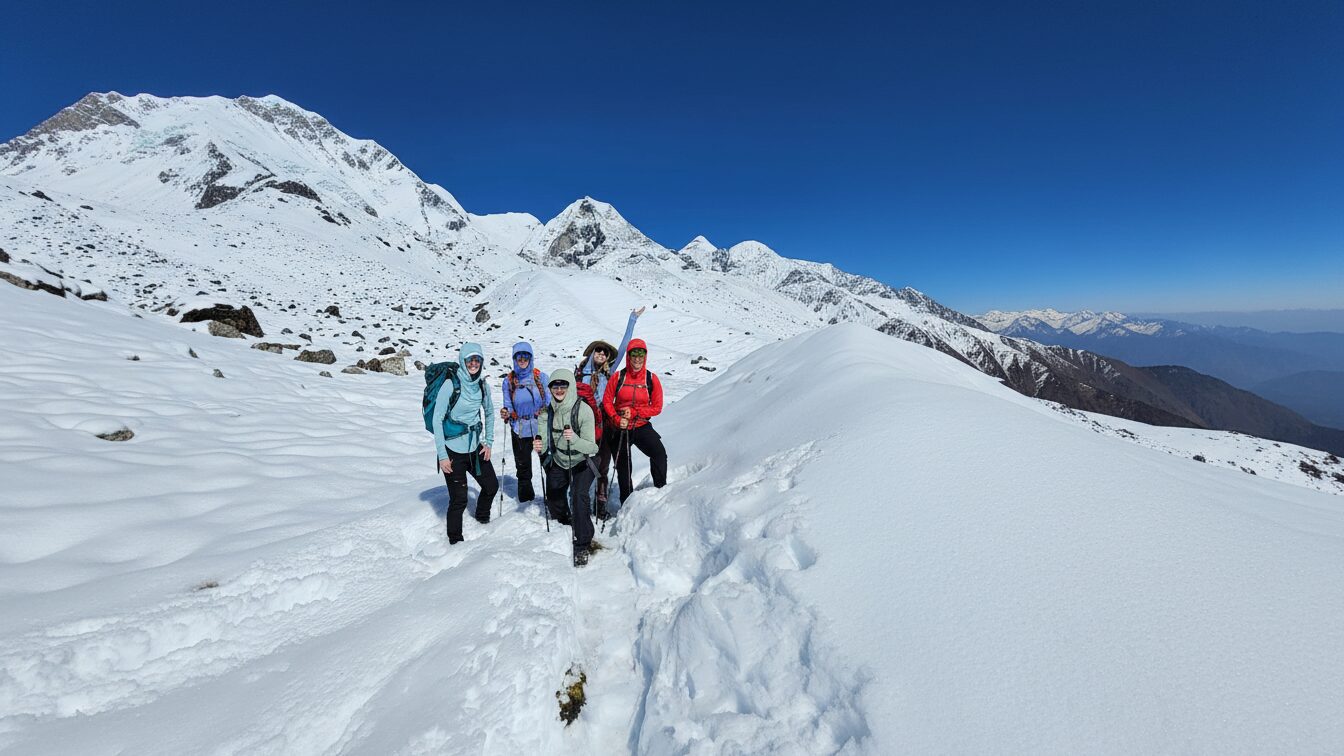
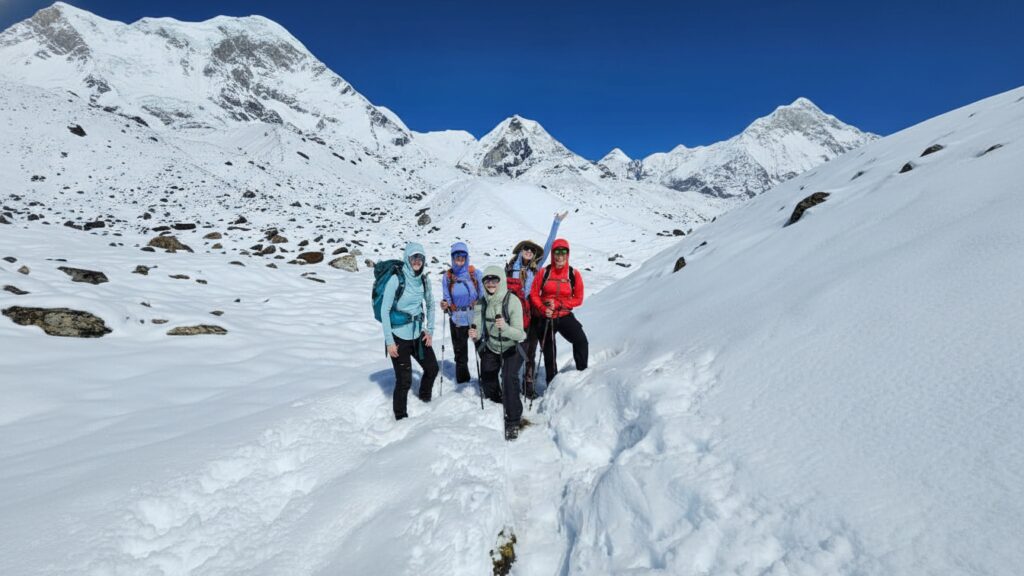
The trek to Base Camp of Mount Everest will not be the same for all trekkers; for example, the majority of trekkers will be acclimatised to high altitudes before they begin the trek. But some trekkers will require more acclimatisation time than others. To add up, some trekkers may have had a considerable amount of experience trekking before they attempt to reach Base Camp of Mount Everest, and some of these trekkers will be able to complete the trek to Base Camp faster than others. Many factors can affect the overall duration and schedule of the trek to Base Camp of Mount Everest, including weather conditions and the chosen route for the trek.
1. Your Acclimatization Schedule
Acclimatization is one of the key determining factors for your trip to trek Everest Base Camp. As you trek in a high-altitude area with lower oxygen levels, your body requires time to adapt to this environment; therefore, the likely scenario will require you to go through rest days while you are at Namche Bazaar and Dingboche (i.e. the rest days are an important step in the acclimatization process). If you neglect acclimatization, you will likely shorten your overall trek. But it will increase your chances of developing altitude sickness.You should allocate enough time for your body to adjust to the lower atmospheric pressure while at higher elevations than your starting point.
2. Weather & Seasonal Conditions
The second factor is weather conditions (mainly temperature) and seasonal conditions (in terms of precipitation/atmospheric moisture) of this region of the globe. Similar to all high-altitude trekking regions, weather conditions may change quickly and cause an increase or decrease in the overall duration of your trek. Spring and fall generally represent times of year where there is a better chance of having clear trails and reliable flights. The dead of winter and during monsoon (March through September) will likely have heavy snowfall, along with strong rains and cloud cover, causing even longer delays (particularly at Lukla).
3. Your Fitness Level & Trekking Experience
The third point to consider is the overall level of physical fitness and previous experience trekking you possess. Your overall physical fitness and previous changes to your trail speed can affect your ability to trek for long periods in a relatively comfortable manner. In general, an experienced trekker (or someone who has been hiking long distances on a regular basis) will be much faster than someone who is beginning this trek; therefore, if you are new at this, you should expect to trek slower and stop for more breaks than those who have experience. The best way to make your trek easier is to prepare for it by doing strength training and achieving some cardiovascular conditioning before departing.
4. Route Choice (Classic, Gokyo, or Three Passes)
The final factor to consider when planning your trip is the type of route that you want to take (i.e., Classic, Gokyo, or Three Passes). There are various ways to get to Everest Base Camp, but the Classic route is the most commonly traveled by trekkers. The Classic route is generally the fastest route to reach Everest Base Camp, taking the average trekking ages between 12-14 days. A Gokyo Lakes or Three Passes Trek will be longer and tougher than the typical 14-day Everest Base Camp trek. Because these treks last anywhere between 16-21 days, you can expect some spectacular views and to encounter very few fellow travellers, but you will also have to account for that in your travel plans.
5. Time Spent in Kathmandu & Lukla
Your travel time also includes the days spent before the trek in Kathmandu and after the trek in Lukla. You’ll need a day or two in Kathmandu to obtain permits, shop for gear or take in some cultural sights. Also, because of frequent weather-related delays, it’s wise to have a buffer day around your Lukla flight, which adds less stress and allows for more relaxation during your journey.
Standard 14-Day Everest Base Camp Trek Itinerary
The 14-day Everest Base Camp trek is the best and most popular option for first-time trekkers and experienced trekkers. It provides the perfect balance of trekking, acclimatization to altitude, and sufficient time to enjoy the beautiful scenery of the Himalayas without being rushed. This plan offers just enough time to adjust to the altitude and provides a challenging yet enjoyable and safe experience. A breakdown of what a typical 14-day Everest Base Camp trek would consist of is provided below:
- Day 1–2: Kathmandu Prep & Flight to Lukla
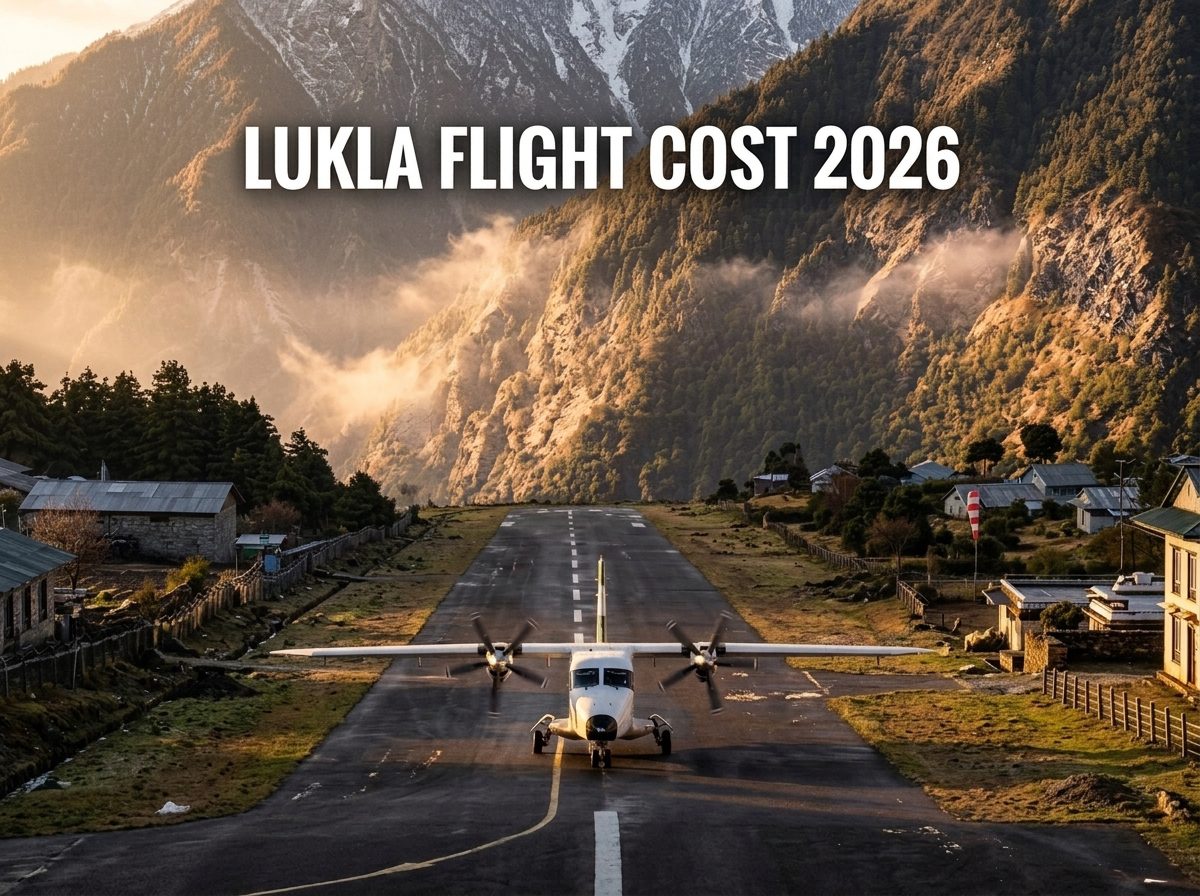
Your adventure begins in Kathmandu where you will obtain your permits, check your gear and visit this vibrant city before going to Lukla. On Day 2 you will take the scenic flight to Lukla, one of the most thrilling airports in the world. After touching down, you will begin a gentle trek toward Phakding and begin your journey to Everest Base Camp.
- Day 3–4: Trek to Namche Bazaar + Acclimatization
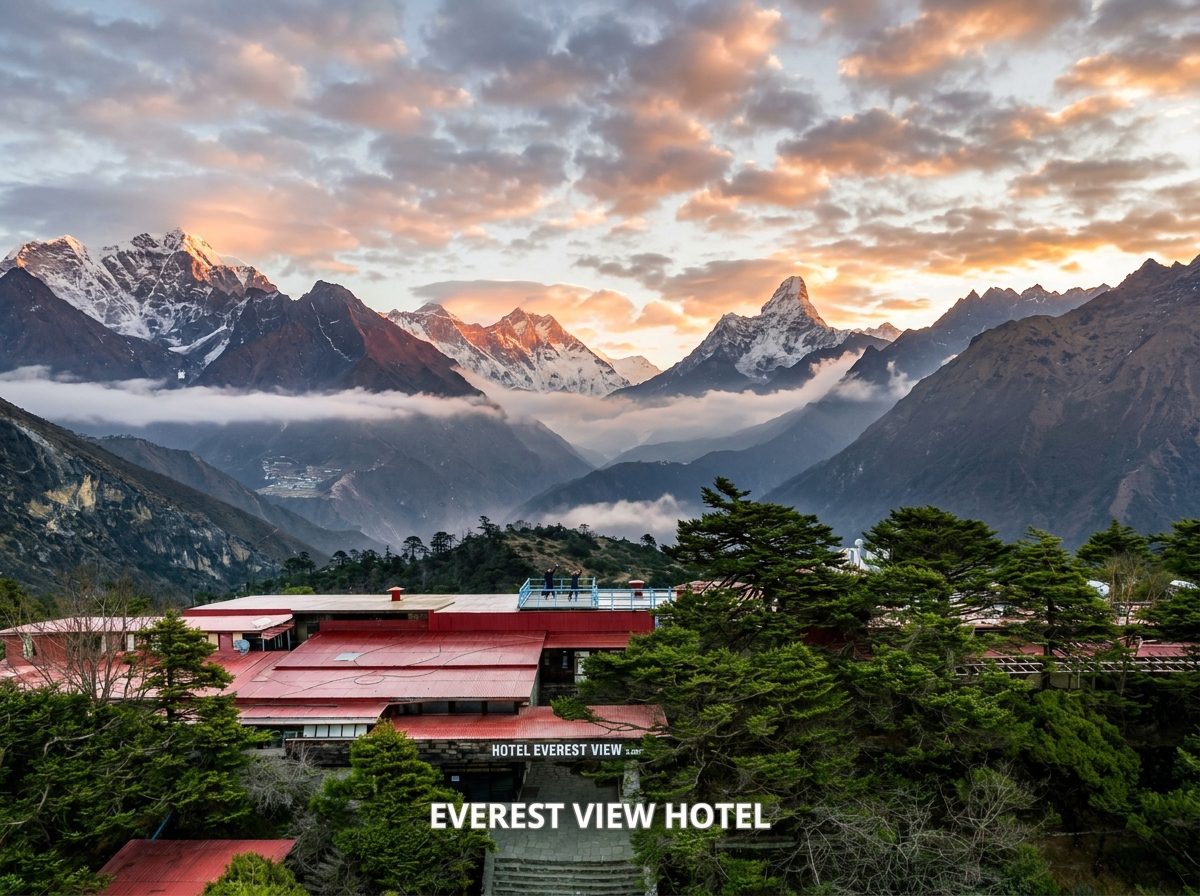
You travel through trails that ascend gradually through forests and suspension bridge crossings to reach the vibrant capital of the Sherpas known as Namche Bazaar. On Day 4, you will be resting at Namche while acclimatising and taking short hikes to viewpoint locations including Everest View Hotel. This rest day allows your body to adjust to the increasing level of elevation.
- Day 5–6: Namche to Tengboche to Dingboche + Rest Day
After resting at Namche, you continue on to the tranquil monastery village of Tengboche. People come to this town to see the amazing views of the mountain Ama Dablam. You will spend the night in Tengboche and then continue your walk to Dingboche, a beautiful high-altitude village with stone walls and terraced fields all around it. Here, you will have another day to get used to the altitude and get your body ready for the next few days of hard hiking.
- Day 7–8: Lobuche & Gorak Shep
The trail becomes increasingly steeper en route to Lobuche, so plan for multiple breaks along the way to rest your legs. As you pass memorials to those who have made the ultimate sacrifice while climbing this mountain, you’ll likely feel the emotional weight of this trek. Day 8 will take you to Gorak Shep, which is the last village before you reach Everest Base Camp. Due to the elevation, the trail may be challenging so move at your own pace.
- Day 9: Everest Base Camp Day
The time has finally arrived! Day 9 will see you trekking from Gorak Shep to Everest Base Camp. You will walk alongside the Khumbu Glacier while taking in the breathtaking vistas of the Himalayan Range. For many trekkers, arriving at EBC is one of the most honourable and memorable moments of their entire lives.
- Day 10: Sunrise at Kala Patthar
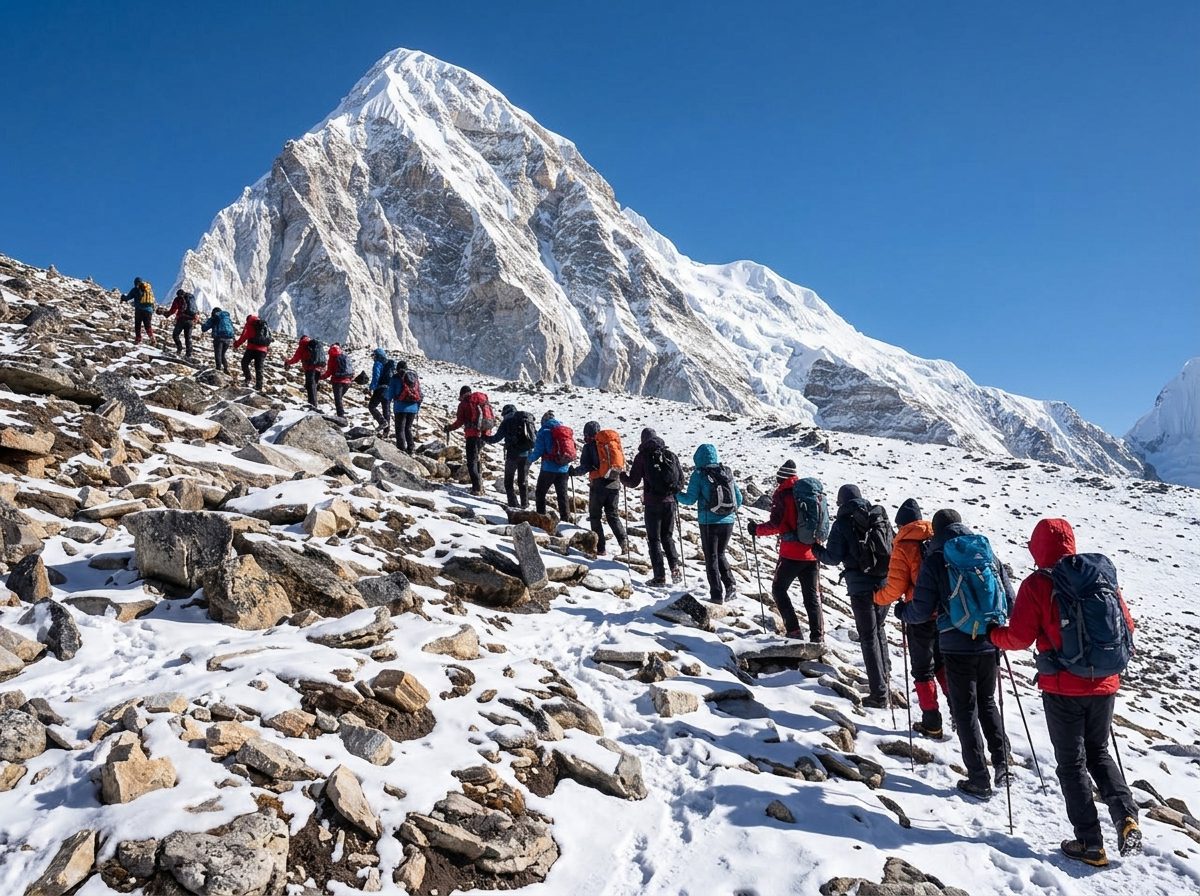
Very early in the morning, you will hike up to Kala Patthar, which is known as one of the best vantage points to view the sunrise over Mount Everest. Watching the rays of sunlight illuminate the mountaintops in all hues of golden colour will create an unforgettable moment in your memory. From this spot, you will then begin your descent back to a different level of elevation.
- Day 11–14: Descent Back to Lukla & Fly to Kathmandu
You can still experience the beauty of the hills and valleys of the Solukhumbu region after returning from the Everest Base Camp trek back to Lukla via Pheriche and Namche. Your adventure begins with a flight back to Kathmandu on day 14, where you will end an expedition to Everest Base Camp.
Shorter Options: Can You Trek to EBC Faster?
Wondering if you can make your trek to Everest Base Camp (EBC) quicker? If you are limited in time or desire a more accelerated pace for your adventure to EBC, you probably ask yourself, “Can I do this in less time?” The answer is yes. Many trekkers will follow shorter options, which generally consist of either 10 or 11 days of trekking to Everest Base Camp. The shorter options reduce the number of acclimatization days or use a helicopter to return to either Lukla or Kathmandu, thus reducing the return trip duration to Kathmandu. The below shows some of the types of shorter EBC treks that are available and outline the itinerary breakdown.
10–11 Day Speed Itinerary
A fast option generally entails an itinerary that has one less acclimatization day, or has you flying back to Lukla or Kathmandu, to shorten up the return journey. This means that you’ll typically day hike longer hours, travel at a fast pace to reach places like Namche and Dingboche, and make adjustments throughout your trek to ensure you’re accomplishing what you’re hoping to accomplish as quickly as possible. It’s possible to complete these trips, but they require additional energy and effort than a standard 12–15 day trek would usually take.
Who This Is For (Experienced, Fit Trekkers)
This option is suitable for those who already have a solid level of fitness and experience when it comes to long-distance hiking (6–8 hours a day) and who adapt well to high-altitude hiking. It’s perfect for people who want to treat themselves to something fun and different, or who don’t have much time to travel on holiday.
Risks of Trekking Too Fast
Because there isn’t much time to get used to the altitude along the EBC trekking path, the risk of getting altitude sickness goes up. Additionally, walking for long days can make you physically tired, which can make the trek less enjoyable. When you have to meet a deadline, things like sickness and bad weather become much harder to deal with. Even though shorter hikes work for some, you should always listen to your body and put safety ahead of speed.
Longer & More Scenic Routes
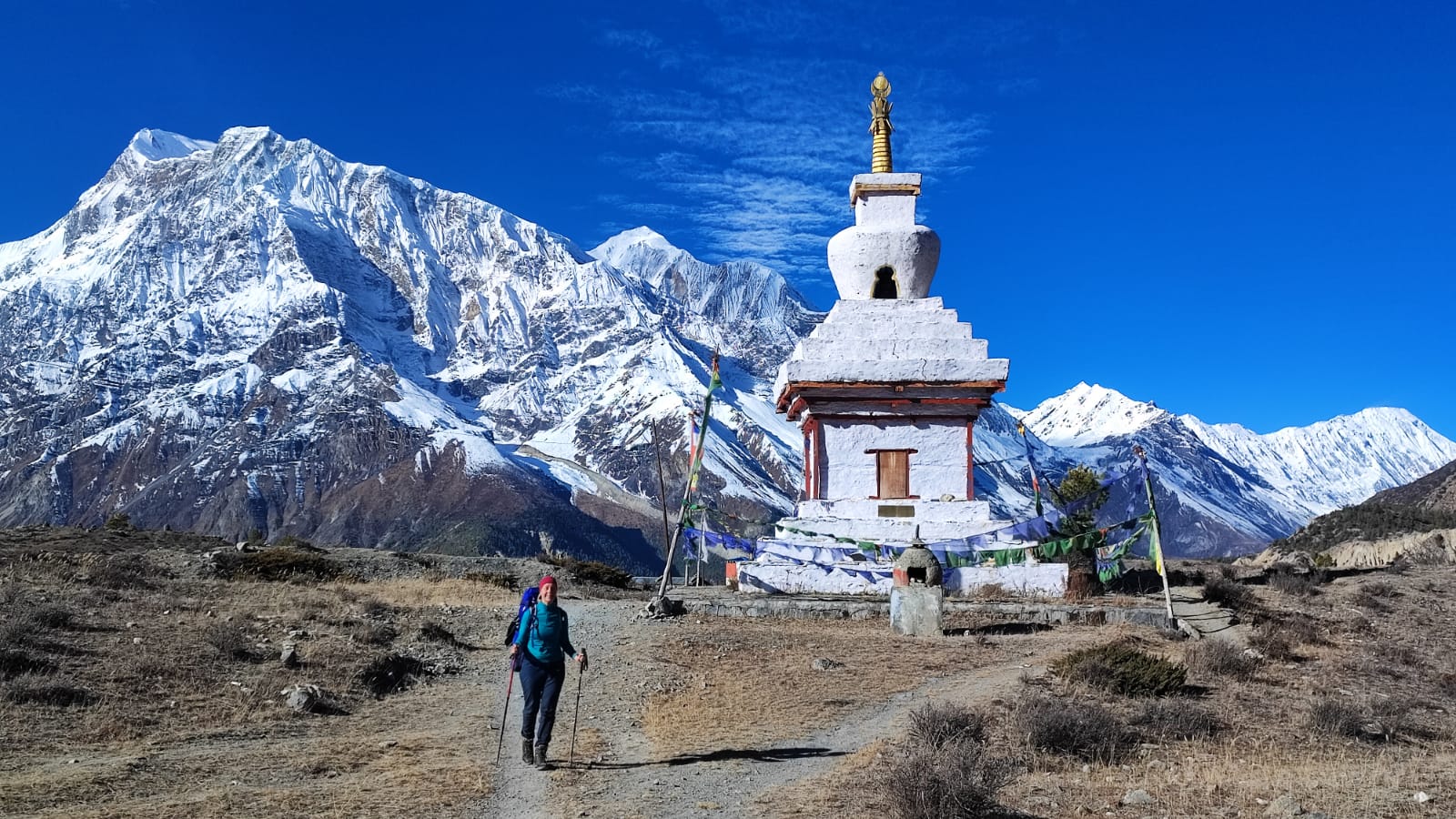
Extended routes to Everest Base Camp offer additional beauty and opportunity to fully experience the Himalayas. These itineraries provide a chance to trek on quieter trails through picturesque lakes, ascend into high mountain passes, and take in some breathtaking viewpoints not found along the classic EBC route. While the extended routes are longer than traditional routes, and therefore take more days to complete, the benefits of a deeper, richer, more memorable Himalayan experience the longer trip. The most popular options for extended treks to EBC include:
Gokyo Lakes and EBC Route (18-20 Days): This route takes between 18 and 20 days and goes through the Gokyo Lakes and Cho La Pass before joining the main EBC Trek. This is thought to be one of the most beautiful parts of the Everest area. People say that the view from Gokyo Ri is the best in the whole area. Trekkers like this part of the trail because the roads are quieter and the views are more beautiful.
Three Passes Trek (20-22 Days): Considered by many to be an adventure-seeking challenge, the Three Passes route offers trekkers the opportunity to traverse three high passes (Kongma La, Cho La, and Renjo La) and enjoy breathtaking 360-degree views across the entire Himalayan range. This portion of the trek is physically demanding; however, it offers a unique opportunity to have the full Everest experience.
Why Longer Routes Are Becoming Trendy in 2025
Many factors are influencing the increased numbers of trekkers choosing the longer itineraries in 2025, including the search for challenging adventures without the crowds, as well as being able to travel off the beaten path and experience new areas of a given region.
With social media’s emphasis on beautiful Drone Images, there is a growing interest in offbeat travel. The Long Itineraries, with their blend of adventure, cultural experiences, and stunning natural terrain are becoming more popular today than they have in years past.
Best Season to Trek (And How It Affects Duration)
The season you choose to undertake an Everest Base Camp Trek directly includes the impact of the weather on your trekking experience. The trail conditions, visibility, and flight schedules are all influenced by the weather. Selecting the appropriate season ensures your trekking experience will be less challenging and more enjoyable. The wrong season may create greater delays and challenges along your journey. The following sections outline the important factors for you to consider when you are determining what season to take your trek.
Spring (March–May)—Popular & Stable
Spring Season (March to May) is generally the Most Popular and Most Stable Season to take a trek. There are generally good weather conditions during this time of year, therefore it generally allows for clear visibility on the trails. Rhododendron blooms in the Spring time make for Beautiful Trails.
Pros:
- There is a lower likelihood of experiencing delays due to Weather and/or Flight Scheduling.
- Clear Skies and comfortable daytime temperatures may provide for a more enjoyable Trek Experience.
Cons:
- The Trails can be busy in the Spring, as many people are choosing to hike along these trails.
- Most Teahouses/Lodges book up quickly in the spring, therefore you should make your reservations early.
Autumn (Sept–Nov)—Peak Visibility
Trekking in autumn is the most popular season among trekkers due to the weather conditions. After the end of the monsoon season, the sky is generally clear and the views of the mountains are at their best. Autumn also offers the best temperature for walking and allows for keeping to a set schedule.
Pros:
- Autumn is the best time to see Mount Everest and surrounding peaks due to the clear and crisp sky.
- The weather conditions make it much easier to accomplish larger distances on foot.
- Fantastic backgrounds and colours make this the best time to take photographs.
Cons:
- Being the peak tourist season, most trails will be very busy.
- Reservations must be made well ahead of time to guarantee a room at a lodge.
Winter (Dec–Feb)—Slower but Peaceful
The months of December through February are usually very quiet. Most areas will only have a few trekkers on the trail, and it is a very tranquil, peaceful time to trek. The temperature will be cold and snow may cover parts of your trail. Walking will be considerably slower, but very fulfilling for those who are seeking solitude and breathtaking sights of the mountains.
Pros:
- Because there are so few trekkers, you will have the trails to yourself providing for a much more intimate trekking experience.
- On clear sunny days, you will have spectacular mountain views that are almost too beautiful for words.
- The lodges will not be busy, providing you with more personalized service and space.
Cons:
- Because of the extreme cold, especially at higher altitudes, trekking during winter can be challenging.
- The snow may limit the speed you can travel and could even block higher mountain passes for several days.
Monsoon (June–Aug)—Risky & Delayed Flights
During the monsoon season, expect long periods of rain and heavy cloud cover in the Everest region. The trails will be very slippery, the rivers will be swollen from the monsoon rains, and flights into and out of Lukla will likely be delayed. Out of the few trekkers on the trail during this time, due to the potential risks, this is not the most preferable season for the majority of trekkers.
Pros:
- The combination of lush green valleys and flowing waterfalls produces a unique and refreshing view for everyone who treks through there.
- During wet weather, when trails are less busy, it’s easier to enjoy nature as you trek toward base camp.
Cons:
- Heavy rain and low visibility may cause landslides or allow for slippery conditions, which can be dangerous while trekking toward base camp.
- Flights to or from Lukla are often delayed due to bad weather.
- Flexibility and planning are key because the duration of your hike may be longer than expected.
Fitness Requirements for Completing the Trek on Time
Trekking to Everest Base Camp provides many rewards, but to finish it in the stipulated number of days and enjoy doing so, you will need some amount of physical fitness. Trekking to Everest Base Camp is not technically difficult, but it requires good physical conditioning due to the high elevation, the hours spent hiking and the steep sections. Being physically fit allows you to be able to trek longer each day, adjust better to altitude and recover faster, especially important when following a typical 12-14-day trek or a quicker pace.
Recommended Training Plan
You should plan to begin training for the trek at least six to eight weeks before your scheduled trip. A combination of cardio training (running/cycling/flexibility) and leg strength building will prepare you for the endurance required to complete your trek. Hiking on hills and training with a weighted backpack on a treadmill will give you a decent simulation of the physical demands of trekking. Regular preparation will make the trek more manageable and more enjoyable.
Average Daily Trekking Hours
You can expect to hike between five and seven hours per day. Depending on your chosen trekking route, you may walk more or less each day of the trek based on the elevation at which you are trekking. The trek typically starts early, due to the preference for viewing the sunrise from Kala Patthar viewpoint. It is essential that you maintain an even and steady walking pace while taking frequent breaks and drinking enough fluids throughout the day to maintain your energy level. It is vitally important that you maintain this oxygen consumption rate so you will complete your destination safely and on time.
Common Challenges & How to Prepare
Trekking at high altitude creates unique challenges for trekkers, such as muscle fatigue, sore muscles and altitude illness. The cold weather, changing weather conditions and unpredictable terrain add additional difficulties to the athlete. Therefore, you should prepare your body for this type of high-altitude trek by physically and mentally training and conditioning your body through repetitive training methods, practicing carrying your backpack while trekking to develop your stamina and conditioning, and practicing on pacing yourself as you gradually build to your maximum capabilities. You should carry all necessary gear, drink plenty of fluids and allow several days of rest for acclimatization to reduce your risk of injury and enable you to comfortably complete the trek on schedule.
Comments (0)
Write a comment- Introduction
- What Influences How Long Does the EBC Trek Take?
- 1. Your Acclimatization Schedule
- 2. Weather & Seasonal Conditions
- 3. Your Fitness Level & Trekking Experience
- 4. Route Choice (Classic, Gokyo, or Three Passes)
- 5. Time Spent in Kathmandu & Lukla
- Standard 14-Day Everest Base Camp Trek Itinerary
- Shorter Options: Can You Trek to EBC Faster?
- 10–11 Day Speed Itinerary
- Who This Is For (Experienced, Fit Trekkers)
- Risks of Trekking Too Fast
- Longer & More Scenic Routes
- Why Longer Routes Are Becoming Trendy in 2025
- Best Season to Trek (And How It Affects Duration)
- Spring (March–May)—Popular & Stable
- Autumn (Sept–Nov)—Peak Visibility
- Winter (Dec–Feb)—Slower but Peaceful
- Monsoon (June–Aug)—Risky & Delayed Flights
- Fitness Requirements for Completing the Trek on Time
- Recommended Training Plan
- Average Daily Trekking Hours
- Common Challenges & How to Prepare
Read the latest Blogs & Insights
Explore our collection of articles and insights to gain in-depth travel knowledge, expert advice, and stay updated on the latest trends and tips.


No comments yet.