








Packing List for the Everest Base Camp Trek: What to Bring (and What to Leave Behind)
Discover the essential packing list for the Everest Base Camp trek. Learn what to bring, what to leave behind, and how to pack smart for your Himalayan adventure.
-
 Adventure Master Trek
-
12 March, 2026
-
12 mins read
-
1316 Views
-
0 Comments


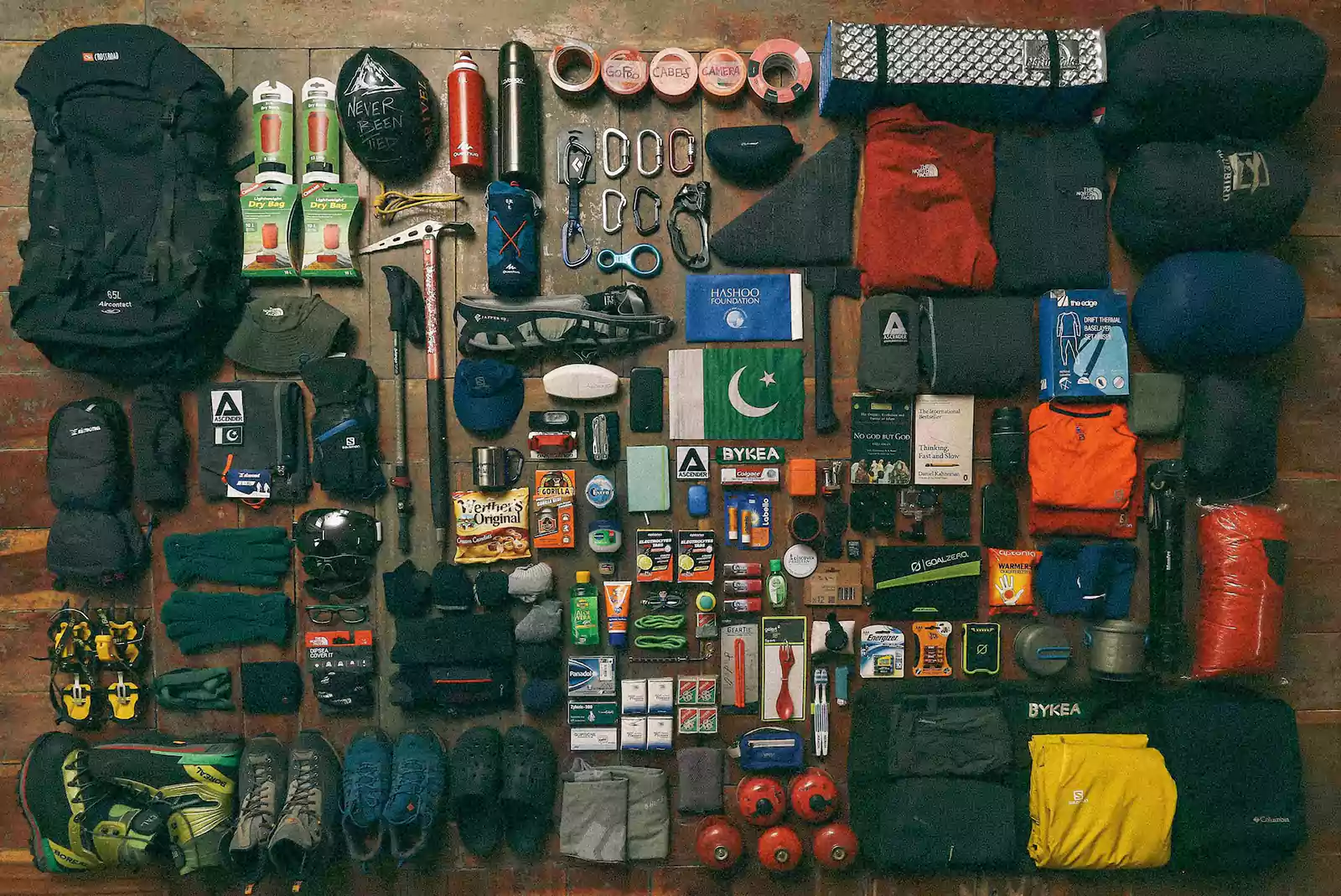
Let’s be honest — the first time you Google “what to pack for Everest Base Camp,” you end up with a list so long it could fill a shipping container. And somewhere between reading about gaiters, down suits, and trekking poles with anti-shock systems, panic sets in.
Here’s the thing: the EBC trek doesn’t require you to look like you just stepped out of a REI catalog. But it does demand the right gear — thoughtfully chosen, properly layered, and light enough that you don’t want to cry by day four.
This guide is written for U.S. travelers heading to Nepal for the first time — people who’ve done day hikes, maybe a multi-day trail here and there, but are now stepping into something genuinely different. Because at 17,600 feet, with a 10kg baggage limit on the Lukla flight and temperatures swinging from shorts weather to below freezing within a single day’s walk, what you pack really matters.
Everest Base Camp Luggage Weight Limits: What You’re Actually Allowed to Bring
Before anything else, you need to wrap your head around the weight restrictions — because they will dictate every single packing decision you make.
The small prop planes that fly from Kathmandu (or Ramechhap) to Lukla — your gateway to the Khumbu region — have strict luggage allowances:
- Checked duffel bag: 10kg / 22 lbs
- Carry-on / daypack: 5kg / 11 lbs
- Total you’re walking into the mountains with: roughly 15kg / 33 lbs
If you’re using a porter or yak to carry your duffel between teahouses (which most organized treks do), the same 15kg / 33 lbs cap applies on the trail. Some operators allow a bit of flexibility, and you can pay excess baggage fees on the flight — but you’ll pay a premium, and you’ll only gain a kilo or two. Better to pack right from the start.
The single most important mental shift: your duffel goes ahead with the porter each morning. You won’t see it again until you reach the teahouse that evening. Everything you need during the day — snacks, water, rain gear, extra layers, camera, medications — lives in your daypack on your back. Pack accordingly.
Best Hiking Boots for the Everest Base Camp Trek (And Why You Must Break Them In First)
Ask any guide, any veteran EBC trekker, or any forum full of people who’ve done this trek, and they’ll all say the same thing: buy your boots at home, break them in before you go, and do not compromise.
The trail from Lukla to Base Camp is not a smooth path. You’ll be scrambling over rocky terrain, crossing suspension bridges, navigating icy mornings at altitude, and walking 5–8 hours a day for two weeks. New boots mean blisters. Cheap boots from Thamel’s knock-off stalls mean broken boots — literally. (People abort treks because of this. Don’t be that person.)
What to bring:
- Waterproof ankle hiking boots, well broken in — Salomon, Merrell, La Sportiva, and Scarpa are all trusted brands among frequent Nepal trekkers
- Camp shoes or lightweight trail runners — you’ll wear these in teahouses, and your feet will thank you after a long day
- 3–4 pairs of merino wool hiking socks — merino wool stays warm when damp, resists odor, and is gentle on skin; Darn Tough and Smartwool are both excellent choices
- Sock liners — an underrated addition for blister prevention on long days
One practical note: pack your boots in your carry-on when flying to Nepal. Checked luggage gets lost; broken-in boots can’t be replaced at altitude.
Nepal Trekking Clothing List: The Layering System That Protects You at Altitude
The Everest region spans nearly 3,000 meters of altitude gain from Lukla (8,800 ft) to Base Camp (17,600 ft). In April, you might start the day in a t-shirt and end it in a down jacket under a fleece, huddled in a teahouse. The layering system isn’t a fashion concept — it’s a survival strategy.
Think in three layers: base (next to skin), mid (insulation), and outer (protection from wind and rain). You’ll be pulling pieces on and off constantly throughout the day.
Base Layers
Merino wool is your best friend here. It keeps you warm, wicks moisture, and — critically — doesn’t smell bad after multiple days of wear. On a 14-day trek with no reliable laundry, this matters enormously.
- 2 merino wool long-sleeve base layer tops
- 2 merino wool or synthetic moisture-wicking t-shirts
- 2 pairs of thermal leggings / base layer pants
- 3–4 pairs of merino wool underwear
Mid Layers
- 1 fleece jacket — essential; wear it under your outer shell on cold days, or over a base layer in teahouses
- 1 down or synthetic puffer jacket — lightweight and packable for daytime use
- 1 heavyweight down jacket — this is what you live in at altitude; go for 700 or 800 fill power if you can; real goose down is significantly warmer and lighter than synthetic alternatives
A word of caution: the down jackets sold in Kathmandu’s Thamel district are almost universally synthetic fill, despite labels claiming otherwise. If a jacket says it’s rated to -20°C but was bought in Thamel for $30, assume it performs at maybe half that. Bring your real down jacket from home.
Outer Layer
- 1 waterproof hardshell jacket with hood — Gore-Tex or equivalent; this is your rain and wind protection
- 1 pair of waterproof overpants — for rain and snow; the zippered-side style makes them easier to put on without removing boots
- 1 pair of convertible trekking pants (zip-off to shorts) — versatile for variable weather
- 1 additional pair of trekking pants — wool-blend or synthetic, quick-drying
Head, Neck & Hands
- Warm beanie hat — for evenings, cold mornings, and the final push to Base Camp
- Sun hat with brim — the UV radiation at altitude is brutal; a wide brim protects your neck and ears
- Neck gaiter or buff — doubles as face covering to help prevent the infamous Khumbu Cough
- Lightweight liner gloves — for moderate temperatures and for handling your camera
- Heavy insulated waterproof gloves — for cold mornings, high camps, and the final ascent
Sleeping Gear for Nepal Trekking: How Cold Does It Really Get?
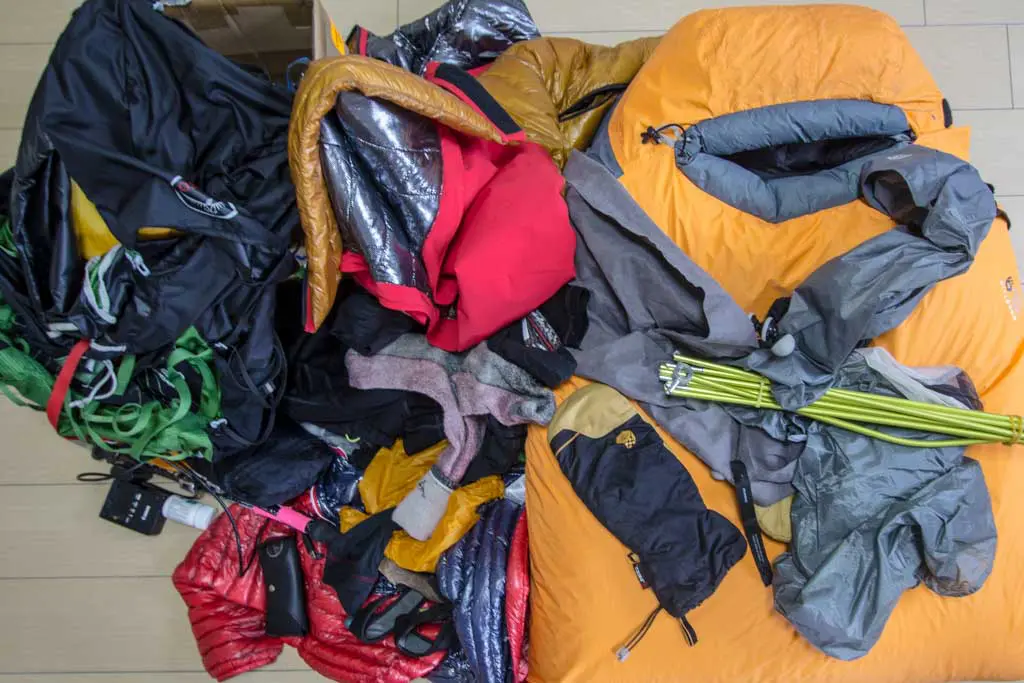
Teahouses along the EBC route provide basic rooms with beds and blankets — but the blankets are often thin, the rooms are unheated, and at places like Gorak Shep (the last stop before Base Camp), temperatures can plunge well below freezing overnight.
A sleeping bag is non-negotiable.
- Sleeping bag rated to 0°F / -18°C — this is the standard recommendation; for winter months, some trekkers go even warmer
- Sleeping bag liner — adds up to 5°F of warmth, keeps your bag clean, and gives you a more comfortable feel if you’re renting
If you don’t want to carry a sleeping bag from the U.S., you can rent one in Kathmandu’s Thamel neighborhood for roughly $2–5 USD per day. Just be aware that rental bags vary wildly in quality. If you go the rental route, go a size warmer than you think you need, and always use a liner.
Essential Trekking Gear for Everest Base Camp: The Complete Equipment Checklist
Packs
- Trekking duffel bag (60–70L) — this goes with the porter; pack everything you don’t need during the day here
- Daypack (30–40L) — this is on your back every day; keep it light; a hip belt helps on long days
Trekking Poles
Poles are genuinely helpful on this trek, particularly on the steep descents. They reduce knee strain significantly over two weeks. Collapsible carbon or aluminum poles pack down small and aren’t particularly heavy. If you’ve never used them before, try them before the trip — they feel awkward for the first day or two but become indispensable.
Hydration
- 2 x 1-liter water bottles — bring two so you can treat/filter one while drinking the other
- Water purification — SteriPen UV purifier, iodine tablets, or a Sawyer Squeeze filter; the water in streams and teahouse tanks is not safe to drink untreated
- Electrolyte powder or tablets — at altitude, you need to drink more and replace electrolytes; Liquid IV or Nuun are compact and effective
Sun & Eye Protection
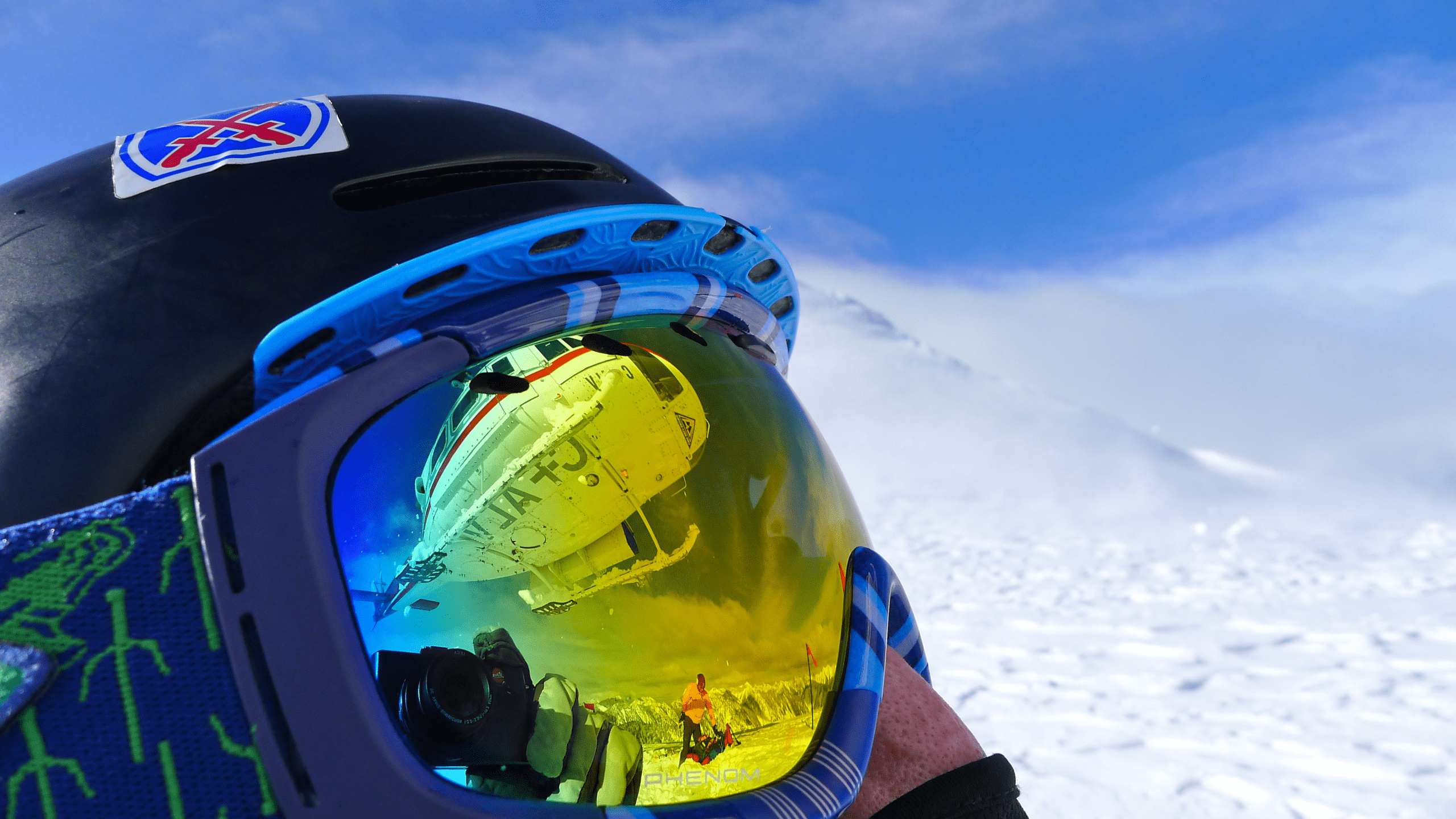
The UV radiation is significantly stronger at altitude, and when you add snow reflection, it becomes genuinely hazardous.
- Sunscreen SPF 50+ — reapply obsessively
- High-quality polarized sunglasses, Category 3 or 4 — don’t buy these in Thamel; the knockoff UV-stickered glasses provide virtually no protection; bring real ones from home
- Lip balm with SPF
Navigation & Safety
- Headlamp with extra batteries or USB rechargeable model
- Offline GPS app (Maps.me or Gaia GPS work well without data)
- Whistle and emergency space blanket
Altitude Sickness Medications and Health Gear for the EBC Trek
You’re going to altitude, which creates a genuinely different set of risks than a typical hiking trip. Altitude sickness (Acute Mountain Sickness, or AMS) is the primary concern, and having the right medications and the knowledge to use them can be the difference between completing the trek and being evacuated.
See a doctor before your trip and discuss your specific situation. The following is a general framework, not medical advice:
Altitude-specific:
- Diamox (Acetazolamide) — the standard prescription medication for AMS prevention; it works by making you breathe more deeply; common side effects include increased urination and tingling in fingers; start a few days before ascending
- Dexamethasone — a steroid used for severe AMS; prescription only; for emergencies
- Pulse oximeter — a small clip device that measures blood oxygen levels; a reading consistently below 80% at altitude is a warning sign to descend
General first aid:
- Ibuprofen and acetaminophen — for headaches, the most common AMS symptom
- Imodium and oral rehydration salts — GI issues are very common in Nepal
- Blister treatment — moleskin, blister bandages, needle and alcohol swabs
- Ciprofloxacin — your doctor may prescribe this for traveler’s diarrhea
- Throat lozenges — the Khumbu Cough is real
- Eye drops — the air is dry and dusty at altitude
Electronics to Pack for the Everest Trek (And What to Leave at Home)
This is the section where people often overpack. You’re trekking through one of the most remote and beautiful places on earth. You probably don’t need three cameras.
- Smartphone — serves as a camera, GPS, offline map, e-reader, and music player; bring a proper protective case
- Portable power bank (20,000+ mAh) — charging in teahouses costs $1–3 per charge and outlets are unreliable above Namche Bazaar; a high-capacity power bank is a real asset
- Universal travel adapter (Nepal uses Type C/D/M plugs)
- Lightweight camera or GoPro — optional, but the landscapes are extraordinary
- Kindle or e-reader — great for rest days and acclimatization days
One practical note: at high altitude and in cold temperatures, battery life drops dramatically. Keep electronics close to your body heat. Your power bank will discharge faster in the cold, too.
Nepal Trek Documents, Permits, and Money: What Every U.S. Traveler Needs
- Passport — bring the original; you’ll need it for permits
- Nepal Visa — available on arrival at Kathmandu airport ($50 USD for 30 days; bring exact cash and a passport photo)
- Trekking permits — TIMS card and Sagarmatha National Park permit; your guide/operator typically arranges these
- $200–300 USD cash — ATMs exist in Namche Bazaar but frequently malfunction; carry enough for the full trek
- Travel insurance documents — your policy must explicitly cover trekking above 5,500 meters and helicopter evacuation; this is non-negotiable
What NOT to Pack for Everest Base Camp: Gear That Will Slow You Down
Every extra kilo you carry is a negotiation with yourself at 15,000 feet. Here’s what people routinely regret bringing:
- Cotton clothing — absorbs moisture, takes forever to dry, keeps you cold; leave all cotton at home
- Jeans or heavy denim — heavy, slow to dry, cold when wet; completely impractical
- Multiple pairs of casual shoes — you need boots and one pair of camp shoes; that’s it
- Full-size toiletries — transfer everything into travel sizes
- Laptop — leave it at your hotel in Kathmandu; no real use for it on the trail
- Drone — requires permits in Nepal; enforcement is strict inside Sagarmatha National Park
- More than 5–6 days of clothing — with merino wool, you don’t need 14 outfits for 14 days; re-wear items
- A full medical kit — trust your guide, porter, and the teahouses for basic needs
What to Buy or Rent in Kathmandu vs. What to Bring from the U.S.
Kathmandu’s Thamel district is famous for trekking gear shops. You can find almost anything there — sometimes authentic, often counterfeit. Prices are low, which is tempting, but quality is inconsistent.
Buy from home — these are non-negotiable quality items:
- Hiking boots
- Real down jacket
- Polarized sunglasses (Category 3 or 4)
- Merino wool base layers
Perfectly fine to buy or rent in Kathmandu:
- Sleeping bag (rental ~$2–5/day)
- Trekking poles
- Gaiters, buffs, neck gaiters
- Headlamp batteries, rain covers, dry bags
Available in Namche Bazaar if you underpacked (but more expensive):
- Gloves, warm hats
- Energy bars and snacks
Final Advice: Pack for the Person You’ll Be at Mile 40
When you’re packing at home, everything in your bag feels reasonable. A fleece? Of course. An extra down jacket, just in case? Sure. A nice camera with three lenses? Well…
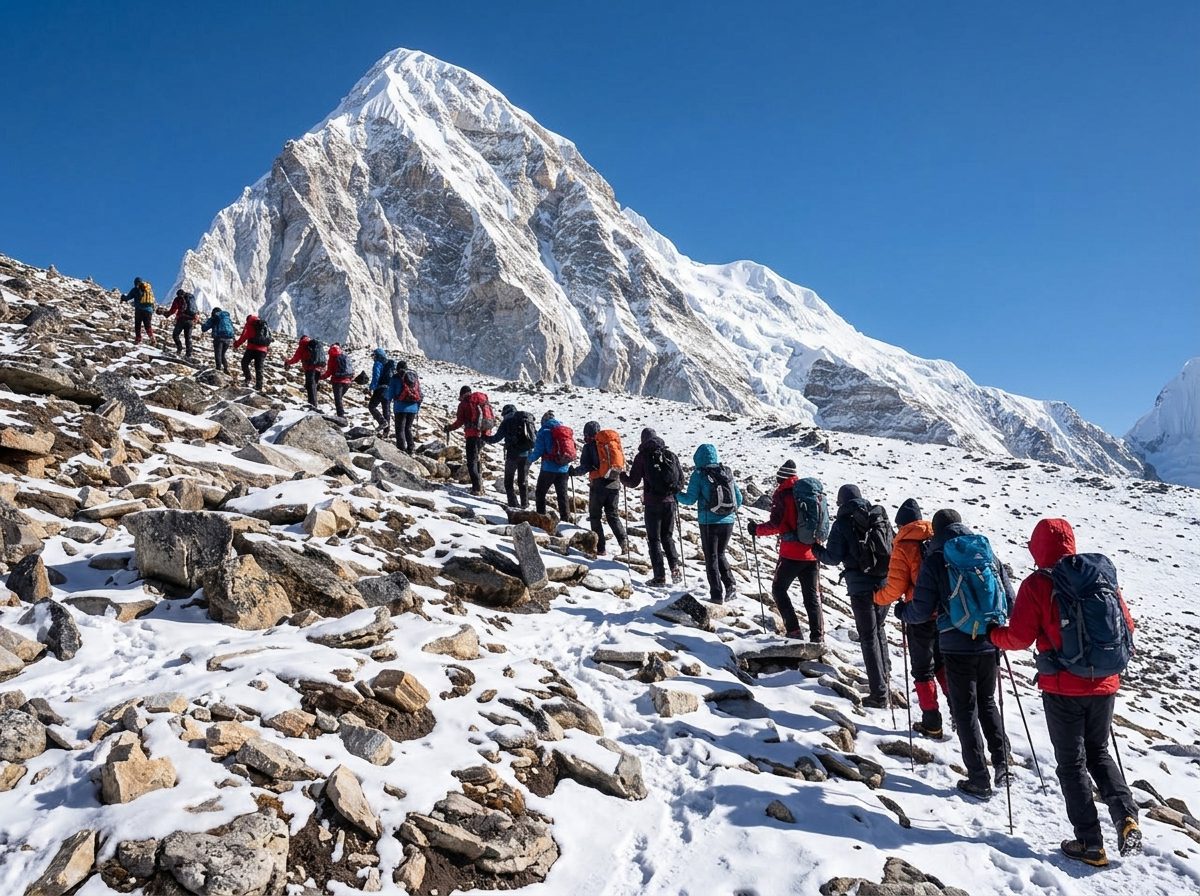
At mile 40, with your daypack digging into your shoulders at 15,000 feet and your legs burning on a steep ascent toward Kala Patthar, every extra pound is a negotiation with yourself about why you brought it. The trekkers who enjoy the EBC route most are almost always the ones who packed the lightest.
Test your full kit before you fly to Nepal. Load up both bags, put on your daypack, and walk around your neighborhood for a few hours. If something hurts or feels wrong at sea level, it will be significantly worse at altitude. Make adjustments while you still can.
The Everest Base Camp trek is an extraordinary experience — the glaciers, the prayer flags, the Sherpa villages, and the sheer scale of the Himalaya around you. None of that requires the perfect piece of gear. It requires showing up prepared, healthy, and ready to be genuinely present for one of the most remarkable walks on earth.
Good luck. Namaste.
Comments (0)
Write a comment- Everest Base Camp Luggage Weight Limits: What You’re Actually Allowed to Bring
- Best Hiking Boots for the Everest Base Camp Trek (And Why You Must Break Them In First)
- Nepal Trekking Clothing List: The Layering System That Protects You at Altitude
- Base Layers
- Mid Layers
- Outer Layer
- Head, Neck & Hands
- Sleeping Gear for Nepal Trekking: How Cold Does It Really Get?
- Essential Trekking Gear for Everest Base Camp: The Complete Equipment Checklist
- Packs
- Trekking Poles
- Hydration
- Sun & Eye Protection
- Navigation & Safety
- Altitude Sickness Medications and Health Gear for the EBC Trek
- Electronics to Pack for the Everest Trek (And What to Leave at Home)
- Nepal Trek Documents, Permits, and Money: What Every U.S. Traveler Needs
- What NOT to Pack for Everest Base Camp: Gear That Will Slow You Down
- What to Buy or Rent in Kathmandu vs. What to Bring from the U.S.
- Final Advice: Pack for the Person You’ll Be at Mile 40
Read the latest Blogs & Insights
Explore our collection of articles and insights to gain in-depth travel knowledge, expert advice, and stay updated on the latest trends and tips.


No comments yet.