









Short Trekking in Nepal: Everything You Need to Know Before You Book
Nepal does not belong only to those who can spend three weeks walking to Everest Base Camp. That is the version of Nepal that fills the highlight reels, but there is another version, quieter and more accessible, that suits people with five days and a desire to understand what the fuss is actually about. Short […]
-
 Adventure Master Trek
-
28 May, 2026
-
14 mins read
-
613 Views
-
0 Comments


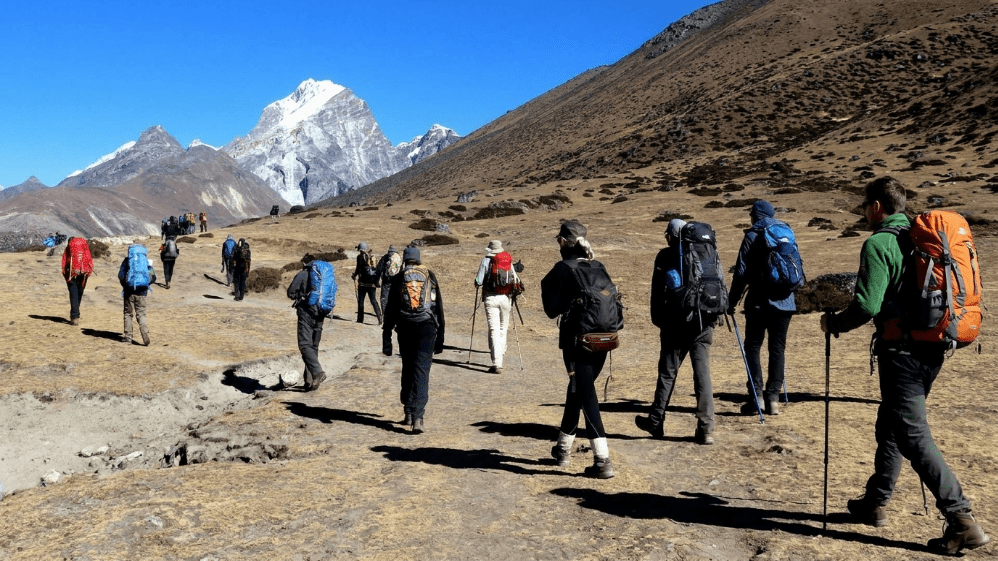
Nepal does not belong only to those who can spend three weeks walking to Everest Base Camp. That is the version of Nepal that fills the highlight reels, but there is another version, quieter and more accessible, that suits people with five days and a desire to understand what the fuss is actually about. Short trekking in Nepal has grown into its own category for good reason. The trails exist. The teahouses are ready. The mountains are not going anywhere.
What follows covers every practical question that first timers, time-crunched travellers, and season-confused planners tend to ask before committing to a booking.
What Counts as a Short Trek in Nepal?
A short trek in Nepal is generally defined as any trail that can be completed in three to ten days. Some operators stretch this definition slightly in either direction, but this range covers the overwhelming majority of options described as short or quick on any trekking itinerary.
Within that window, the experience varies dramatically. A three day trek from Pokhara to Ghandruk and back is gentle walking through Gurung villages with Annapurna dominating the skyline. A seven day Mardi Himal trek climbs considerably higher and demands real fitness. Both are considered short by Nepalese trekking standards, where the classic routes run anywhere from fourteen to twenty two days.
The defining characteristic of a short trek is not difficulty but duration. These are routes designed to give trekkers genuine Himalayan exposure, mountain views, cultural immersion, and forest trails without requiring a lengthy time commitment or extensive preparation.
Which Short Trek in Nepal Is Actually the Best?
This question appears constantly across trekking forums and travel communities, and the answer depends almost entirely on what the person asking values most.
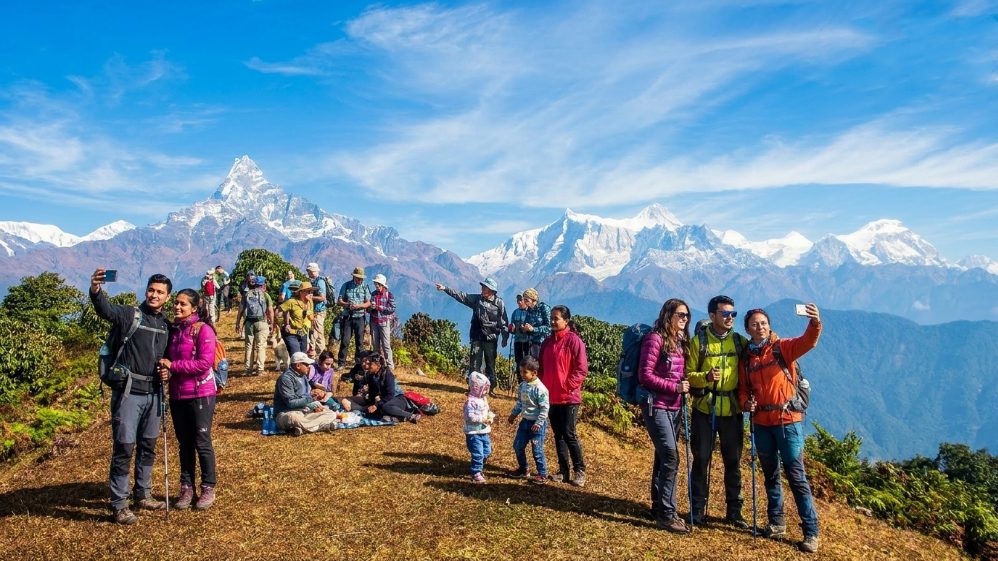
Ghorepani Poon Hill Trek (4 to 5 days) is the most popular short trek in Nepal by a significant margin. The route begins and ends in Pokhara and passes through the villages of Tikhedhunga, Ulleri, Ghorepani, and Ghandruk before returning. The centrepiece is the pre-dawn climb to Poon Hill at 3,210 metres, where the sunrise paints the Annapurna range gold in a way that is, without exaggeration, one of the most photographed moments in Himalayan travel. The trail is well marked, well serviced with teahouses, and genuinely accessible to people who walk regularly but have no high altitude experience.
Mardi Himal Trek (5 to 7 days) is for those who want something slightly less travelled and considerably more dramatic in the upper sections. The trail reaches Mardi Himal Base Camp at around 4,500 metres and offers some of the most intimate close-up views of Machhapuchhre and the Annapurna massif available on any short route. The lower sections pass through dense rhododendron forest and quiet ridgelines that feel nothing like the Poon Hill trail even though they start from the same city.
Langtang Valley Trek (7 to 8 days) suits those who want to fly into Kathmandu and start trekking without travelling to Pokhara. The Langtang Valley sits north of the capital and can be reached by a few hours of road travel to Syabrubesi. The valley has a distinctly Tibetan character, with yak herders, Buddhist monasteries, and enormous peaks creating a cultural atmosphere different from the Annapurna region. At around 3,870 metres at Kyanjin Gompa, it sits well above Poon Hill without requiring the logistical complexity of higher altitude routes.
Chisapani to Nagarkot Trek (2 to 3 days) is the easiest entry point into trekking in Nepal and one almost never mentioned outside dedicated trekking communities. The trail runs along a ridge on the edge of the Shivapuri Nagarjun National Park, a short drive from Kathmandu, and passes through pine forest and small Tamang settlements. On a clear morning, the Himalayan panorama visible from Nagarkot stretches from Dhaulagiri to Kanchenjunga. The walking is gentle, the altitude stays low, and no special permits beyond basic national park entry are required.
Do You Need a Guide for a Short Trek in Nepal?
The requirement for a guide depends on which trail you choose and when you travel.
As of the regulations currently in effect, solo trekking without a licensed guide is prohibited in many of Nepal’s trekking areas, including the Annapurna and Everest regions. The rule was introduced partly for safety reasons and partly to support the local guiding economy. Trekkers caught on restricted trails without a guide or valid permits face fines and removal from the trail.
For the Poon Hill circuit, Ghandruk loop, and similar Annapurna region short treks, a guide is required by regulation for foreign trekkers. The guide will also handle permit logistics, teahouse bookings during busy season, and the kind of local knowledge that turns a walk into an actual experience.
For the Kathmandu Valley trails like the Chisapani to Nagarkot route, and for some other lower-altitude cultural treks, independent trekking remains possible with proper permits. But even where it is technically allowed, first timers on any trail benefit from having someone who knows the route. The trail markings in Nepal are not always consistent, and weather can change quickly enough to turn a confident afternoon walk into a navigational problem.
Hiring a guide through a registered trekking agency in Kathmandu or Pokhara costs between USD 25 and USD 40 per day depending on experience and language ability. A porter to carry bags adds another USD 18 to USD 25 per day. For groups, these costs are shared. For solo travellers, having both guide and porter is genuinely comfortable, keeps costs at the teahouse level, and directly supports local employment.
Can You Do a Short Trek in Nepal in Summer?
Yes, with conditions attached.
Summer in Nepal means monsoon season, running roughly from late June through early September. This is the period when the trails on popular routes become muddy, leeches appear at lower elevations, clouds often obscure mountain views, and landslides occasionally close roads and paths. For all these reasons, summer is the quietest period on most trekking routes, and many travellers are advised to avoid it.
However, summer trekking in Nepal is not impossible or without merit, and several areas actually become more accessible and rewarding during the monsoon months.
Upper Mustang sits in a rain-shadow region north of the main Himalayan range, meaning the monsoon passes largely overhead without dropping much rainfall at ground level. The landscape is desert-like, ancient, and deeply Tibetan, and trekking through it in July or August while the rest of Nepal is soaked is a genuinely unusual experience. Upper Mustang requires a special restricted area permit that costs considerably more than standard trekking permits, but the route rewards those who make the effort.
Nar Phu Valley is another rain-shadow area that stays relatively dry during summer and offers remote, culturally rich trekking through high valleys that few travellers ever visit.
For those set on the more popular routes during summer, a short trek to lower elevations in the Annapurna foothills or around the Kathmandu Valley is still possible. The forest is lush, the waterfalls are running, and the trails are empty. The trade-off is carrying good waterproof gear, accepting that mountain views may be limited to brief clearings between clouds, and being diligent about trail conditions each morning before setting out.
The Ghorepani Poon Hill trail is technically walkable in summer, but the sunrise experience the trek is famous for is unlikely to deliver in monsoon cloud cover. Those planning specifically for the Poon Hill sunrise should hold that route for spring or autumn.
What Is the Best Short Trek in Nepal in Winter?
Winter in Nepal runs from December through February and is misunderstood by most planning their first trip.
The assumption that winter means closed trails is not accurate across the board. What winter actually means in Nepal is cold temperatures, especially at night and especially above 3,500 metres, clear skies that often rival autumn for visibility, and trails that are either empty or carrying only a fraction of peak season crowds.
Ghorepani Poon Hill in December is one of the most underrated winter trekking options anywhere in the Himalayas. The trail receives snow at higher elevations, the rhododendron forests become still and frost-covered in the mornings, and the sunrise from Poon Hill on a clear December day is arguably sharper and more defined than during the busy October crowds. Daytime temperatures at Ghorepani sit around 5 to 10 degrees Celsius, cold enough for good layers but not extreme.
Langtang Valley in December is similarly accessible and dramatic in winter conditions. The valley takes on a different character when snow covers the upper meadows and the yak herders have moved their animals to lower pastures. The trail to Kyanjin Gompa remains walkable with proper footwear and layers, and the quietness of the valley in winter carries its own kind of appeal.
January and February are genuinely cold months for higher altitude routes and the risk of snowbound trails and blocked passes increases substantially. Lower altitude treks around the Kathmandu Valley, Pokhara day hikes, and the Ghandruk loop remain practical through winter with proper preparation.
The practical packing list for a winter short trek differs from other seasons. A sleeping bag rated for temperatures at or below zero is important rather than optional. Thermal base layers, a down jacket, waterproof outer layers, and warm gloves become necessary equipment rather than precautions. Teahouses on popular routes remain open through December, though some reduce staffing and menu options.
How Much Does a Short Trek in Nepal Cost?
Cost is one of the most frequently asked questions and one of the most variable answers in trekking planning.
Breaking it down honestly:
Permits for the Annapurna Conservation Area currently cost NPR 3,000 for foreign nationals (roughly USD 22). Some routes require additional permits. Upper Mustang’s restricted area permit costs USD 500 for ten days, which is a different category of expenditure.
Guide fees sit at USD 25 to 40 per day, with the lower end reflecting less experience or English ability and the higher end reflecting certified guides with years of route knowledge.
Teahouse accommodation on popular routes typically runs USD 5 to 15 per night for a basic twin room. Rooms are often provided free or at reduced cost when you take your meals at the same teahouse, which most trekkers do.
Food costs on the trail average USD 30 to 50 per day covering breakfast, lunch, and dinner. Prices increase with altitude. A plate of dal bhat in Ghandruk costs less than the same plate in Ghorepani.
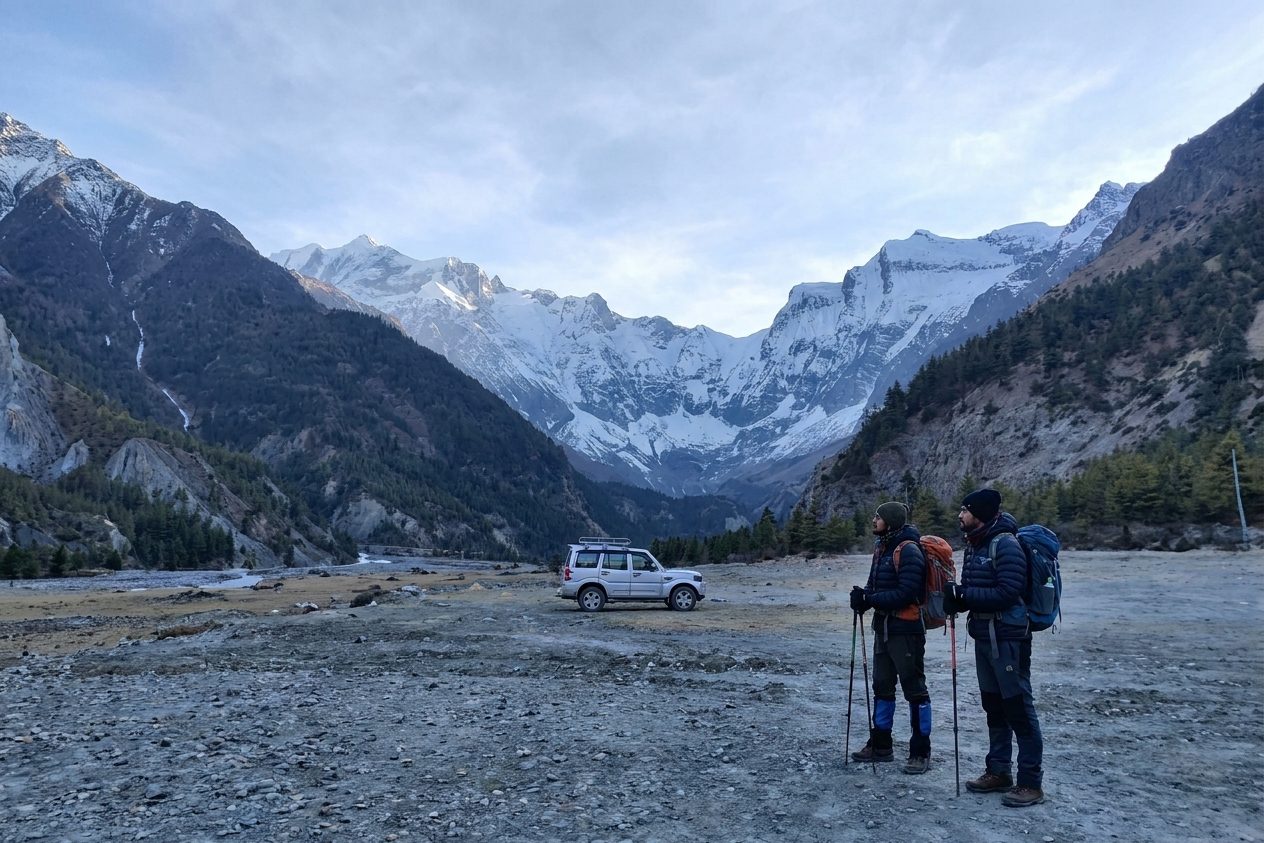
Transportation to trailheads depends on route. A tourist bus from Kathmandu to Pokhara costs around USD 10 to 15. A jeep to the trailhead from Pokhara adds another USD 10 to 20 per person in a shared vehicle.
For a five day Poon Hill trek with guide, accommodation, food, permits, and transport from Pokhara, a realistic total budget sits between USD 350 and USD 550 depending on choices made. Booking through a reputable agency bundles most of these costs and removes the planning burden for first timers.
How Fit Do You Need to Be for a Short Trek in Nepal?
The honest answer for the most popular short routes is that regular walking fitness is sufficient, but unprepared people do struggle.
The Poon Hill trail involves climbing roughly 3,000 steps on the ascent from Tikhedhunga to Ulleri, which is the section that leaves the most unprepared trekkers sitting on the side of the trail questioning their life decisions. It is not dangerous or technically difficult, but it is sustained uphill on stone steps for several hours, and legs that are not used to that kind of effort feel it sharply.
A useful benchmark is being able to walk for five to six hours continuously over uneven terrain without significant discomfort. People who regularly walk, hike, cycle, or engage in any sustained aerobic exercise will generally find the popular short routes manageable. People who are largely sedentary should do some preparatory walking in the weeks before the trek, focusing on stairs and inclines rather than flat surfaces.
The Mardi Himal and Langtang Valley treks sit at higher difficulty levels due to altitude rather than technical terrain. Above 3,500 metres, altitude becomes a factor regardless of fitness, and the body needs time to acclimatise. Short trekkers on these routes should not rush the itinerary and should allow a genuine rest day when the guide recommends one.
Do You Need Any Special Permits for a Short Trek?
Most short treks in Nepal require at minimum the Annapurna Conservation Area Permit for Annapurna region treks, or the Langtang National Park permit for Langtang region treks. These are straightforward to obtain and can be arranged through any registered trekking agency or, for some permits, directly at the permit office in Kathmandu or Pokhara.
The TIMS card (Trekkers Information Management System) that was previously required for most trekking routes has been discontinued as of recent regulatory updates, which simplifies the process somewhat.
Upper Mustang, Nar Phu, and other restricted area routes require additional permits that must be arranged in advance and cannot be purchased at the trailhead. These also require trekkers to travel with a licensed guide.
Carrying permits on the trek is mandatory. Checkpoints exist along every major trekking route and officials check documentation. Having everything in order before leaving the trailhead saves significant inconvenience on the trail.
What Should You Pack for a Short Trek in Nepal?
Packing for a short trek in Nepal follows a simple principle: enough to be comfortable, not so much that the pack becomes the hardest part of the day.
The essentials remain consistent across most short routes: hiking boots with ankle support that have been worn in before the trek, moisture-wicking base layers, a mid layer for warmth, a waterproof outer layer for rain or wind, trekking trousers, warm hat and gloves, sunscreen and sunglasses for higher altitude UV exposure, a headlamp, a reusable water bottle, water purification tablets or a filter, personal medications, and a small first aid kit.
A porter carries heavier bags on almost every trekking route, which means the pack on a trekker’s back during walking hours should ideally weigh no more than five to seven kilograms. Anything heavier than that over sustained climbs significantly increases fatigue.
The temptation to overpack is real, especially on a first trek. The practical answer is that teahouses on popular routes sell basic supplies, hot meals handle the caloric needs, and most of what feels essential at home is not missed once the trail begins.
Is a Short Trek in Nepal Worth It If You Only Have 3 or 4 Days?
Yes, emphatically.
The question usually comes from people who feel guilty about not doing the full version of something, as though three days on Himalayan trails is somehow insufficient to justify the flight to Kathmandu. That logic collapses the moment the trail starts.
Three days on the Ghandruk loop from Pokhara places a person inside dense rhododendron forest, above cloud level, looking at peaks that are among the highest on the planet, staying with families whose grandparents walked these same paths with trade goods rather than trekking poles. That is not a compromise version of Nepal. It is Nepal.
Four days to Poon Hill and back is enough to see the most famous sunrise in the Annapurna region, walk through multiple distinct village cultures, sleep at altitude, and return to Pokhara changed in the particular way that mountains change people.
The traveller with three days who goes is infinitely better served than the traveller with three days who decides it is not enough and stays in Thamel.
Final Thought
Short trekking in Nepal is not a consolation prize. It is a genuine, considered way to experience one of the most remarkable landscapes and cultures on earth. The trails covered in this guide have been walked by millions of people who arrived with varying fitness levels, limited time, and the reasonable question of whether it would be worth it. Almost none of them regretted going. Plan the permits, hire the guide, pack the layers, and start walking.
Comments (0)
Write a comment- What Counts as a Short Trek in Nepal?
- Which Short Trek in Nepal Is Actually the Best?
- Do You Need a Guide for a Short Trek in Nepal?
- Can You Do a Short Trek in Nepal in Summer?
- What Is the Best Short Trek in Nepal in Winter?
- How Much Does a Short Trek in Nepal Cost?
- How Fit Do You Need to Be for a Short Trek in Nepal?
- Do You Need Any Special Permits for a Short Trek?
- What Should You Pack for a Short Trek in Nepal?
- Is a Short Trek in Nepal Worth It If You Only Have 3 or 4 Days?
- Final Thought
Read the latest Blogs & Insights
Explore our collection of articles and insights to gain in-depth travel knowledge, expert advice, and stay updated on the latest trends and tips.




No comments yet.