








5 Mistakes to Avoid When Booking an Everest Heli Tour
I still remember reading the TripAdvisor review that made me rethink everything I thought I knew about booking a helicopter tour to Everest Base Camp. A traveler — verified, detailed, clearly someone who had done their homework — wrote about their experience with Adventure Master Trek: “Fantastic experience, one of the great moments in life […]
-
 Adventure Master Trek
-
6 June, 2026
-
9 mins read
-
787 Views
-
0 Comments


I still remember reading the TripAdvisor review that made me rethink everything I thought I knew about booking a helicopter tour to Everest Base Camp.
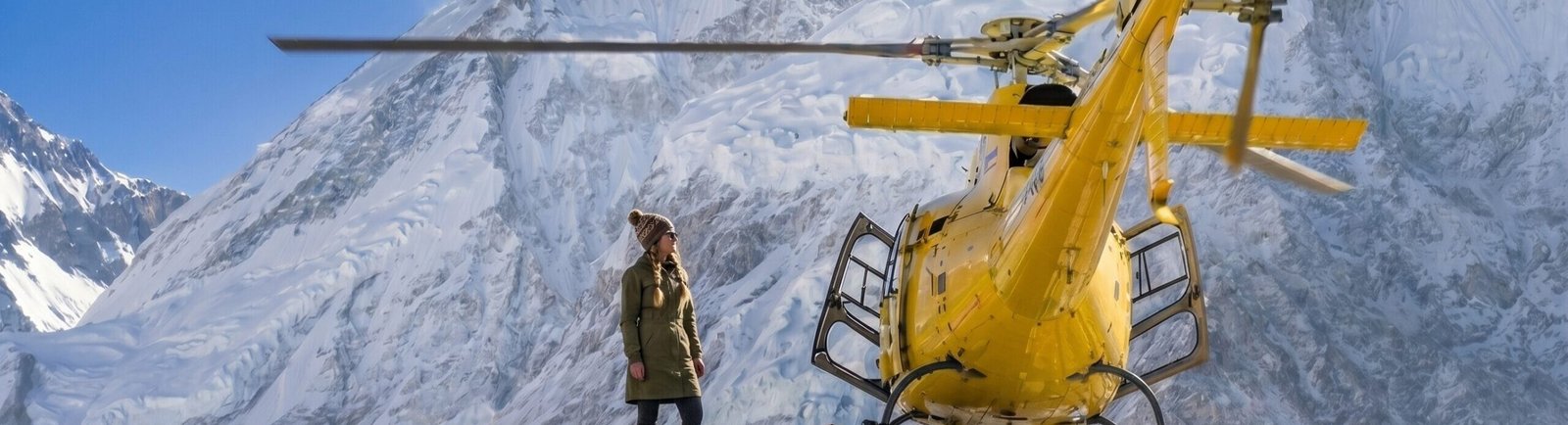
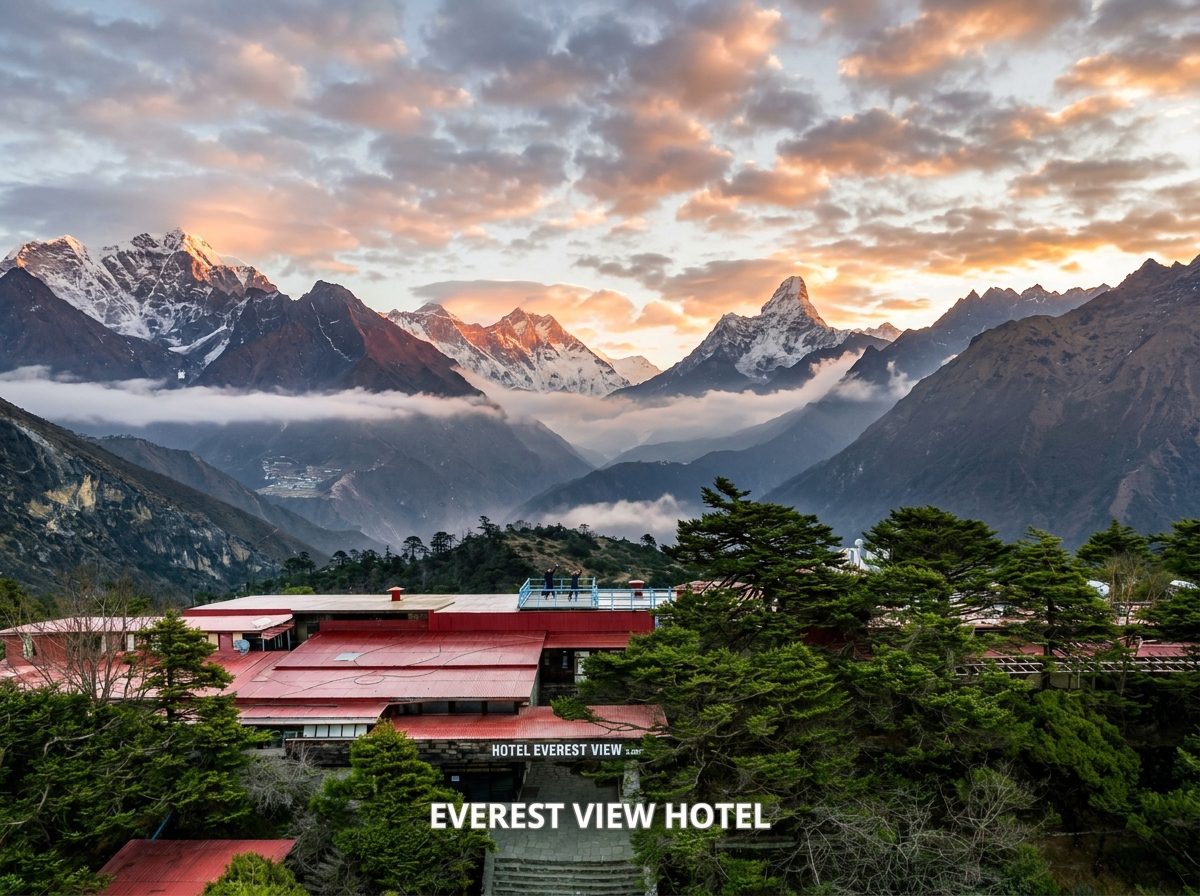
A traveler — verified, detailed, clearly someone who had done their homework — wrote about their experience with Adventure Master Trek: “Fantastic experience, one of the great moments in life to see Everest and the surrounding mountains. It was a good day with clear skies. The trip was well organised with a very good pilot from Fishtail Air. Flew over base camp, the ice field then had spectacular views of the mountains. Wonderful photographs. I landed at Everest View Hotel for breakfast, and the hotel team were very efficient. Good omelettes. Back into the helicopter to return to Kathmandu via Lukla. We were well looked after on our trip. Would highly recommend this tour.”
Simple. Clean. Perfect.
But here’s what that review didn’t tell you: for every experience like that, there are travelers who show up at the wrong time of year, book through the wrong operator, pay too much, get scammed, or end up grounded because the weather closed in. The gap between a dream Everest heli tour and a nightmare is almost always about the decisions made before you ever board the helicopter.
So let’s talk about the five biggest mistakes people make — and exactly how to avoid them.
Mistake #1: Booking During Monsoon Season
This is the single most predictable way to ruin your Everest helicopter tour before it even begins.
The monsoon hits Nepal around the beginning of June and typically runs through September. During this window, the skies above the Khumbu region are frequently choked with clouds, snow, and rain. Visibility drops, flights get delayed or cancelled entirely, and even if you do manage to get airborne, the views that make the experience worth it — Everest, Lhotse, Nuptse, Ama Dablam — are often completely obscured.
Here’s the breakdown of when you should fly:
Spring (March–May) is widely considered the best season for an Everest helicopter tour. The weather is stable, temperatures are mild, skies clear in the early morning (which is exactly when heli tours depart), and the hillsides are covered in blooming rhododendrons. You might even spot Everest Base Camp buzzing with climbing expeditions below you. The downside is demand — spring is popular, so book well in advance.
Autumn (September–November) is arguably even more spectacular in terms of clarity. Post-monsoon air is freshly washed, the mountains are crisp and sharp against blue skies, and October in particular is considered the sweet spot — perfect visibility, comfortable temperatures, and incredible scenery. November sees fewer crowds, which means a more peaceful experience.
Winter (December–February) is viable but not for everyone. Temperatures are extreme at altitude, and while the skies can be beautifully clear, flights are more prone to delays due to wind and cold. If you’re flexible and love the idea of snow-heavy Himalayan peaks with fewer tourists around, this can actually be magical — just build extra buffer days into your schedule.
Avoid June–early September unless you have zero flexibility. Even then, be prepared for cancellations and manage your expectations accordingly.
Mistake #2: Falling for “Too Good to Be True” Prices
There’s a hard truth about the Nepal tourism industry that Reddit travelers have been talking about for years, and that travel insurers are now actively warning about: suspiciously cheap Everest helicopter tours — and especially trekking packages that include heli options — are a serious red flag.
The scam ecosystem around Everest helicopter rescues has been documented extensively. Investigations have revealed that some unscrupulous operators, guides, helicopter companies, and even hospitals work together to inflate rescue claims, manufacture fake emergencies, and bill international insurance companies for evacuations that were never necessary. In some extreme cases reported in 2025 and 2026, trekkers were allegedly deliberately made ill to create the pretext for a rescue. More than 300 cases were confirmed as fraudulent in one investigation alone, and 32 guides were charged in connection with the scam.
This matters for your heli tour booking because the same networks that profit from fake rescues are also active in the legitimate tour market. A tour priced at half what reputable operators charge is a warning sign, not a bargain.
What to do instead:
- Book with operators who have verifiable TripAdvisor ratings and hundreds of genuine reviews. Adventure Master Trek, for example, holds a 4.9-star rating on TripAdvisor across 354+ reviews and has won the Travelers’ Choice award — that kind of track record is earned, not faked.
- Check that the operator is registered with Nepal Tourism Board and the Trekking Agents Association of Nepal (TAAN).
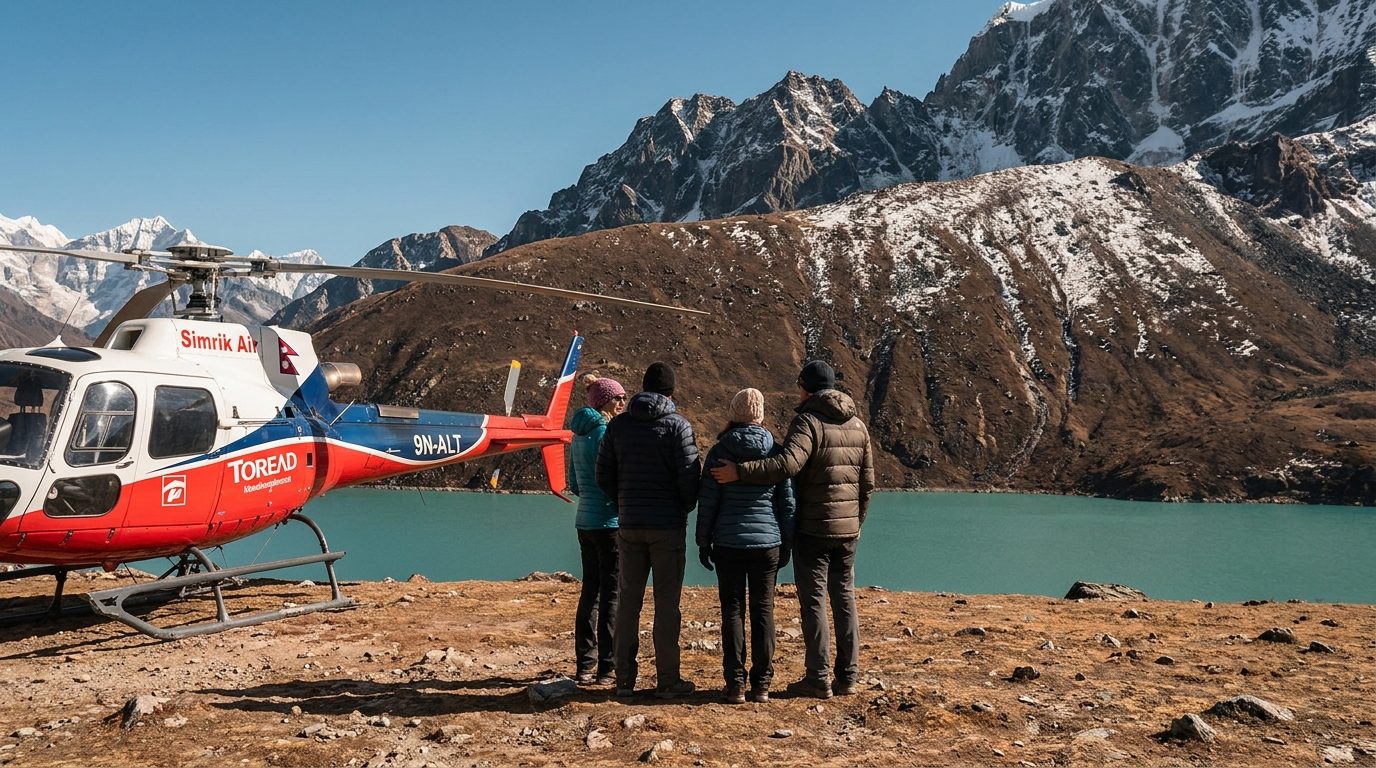
- Confirm which helicopter company they use. Reputable tours partner with established operators like Fishtail Air, Simrik Air, or similar certified companies.
- Be skeptical of operators who contact you first, apply pressure to book quickly, or offer significant last-minute discounts.
As one Reddit commenter put it bluntly: “Good quality international trekking companies hardly have any helicopter rescues, but people can be tempted by very cheap treks to Everest Base Camp selling at half the price.”
Mistake #3: Not Understanding What You’re Actually Booking
There are several different types of Everest helicopter experiences available, and travelers often book one expecting something entirely different. This mismatch leads to disappointment — or worse, paying for an upgrade on-site under pressure.
Here are the main options:
Shared (Group Joining) Flight — You share the helicopter with other passengers. Typically the most affordable option and perfectly good for most travelers, but it does mean the itinerary is fixed and landing options may be more limited.
Semi-Private Flight — A smaller group, more flexibility on timing and stops.
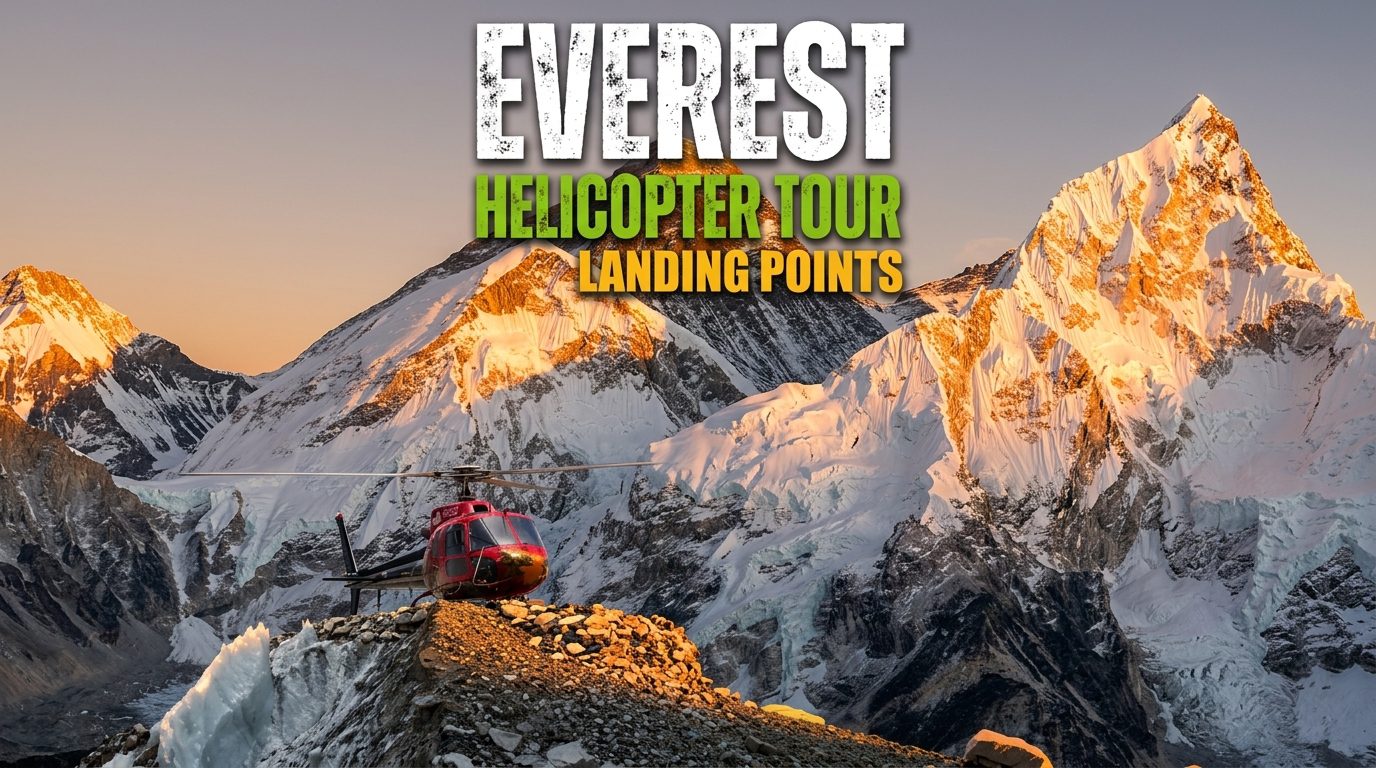
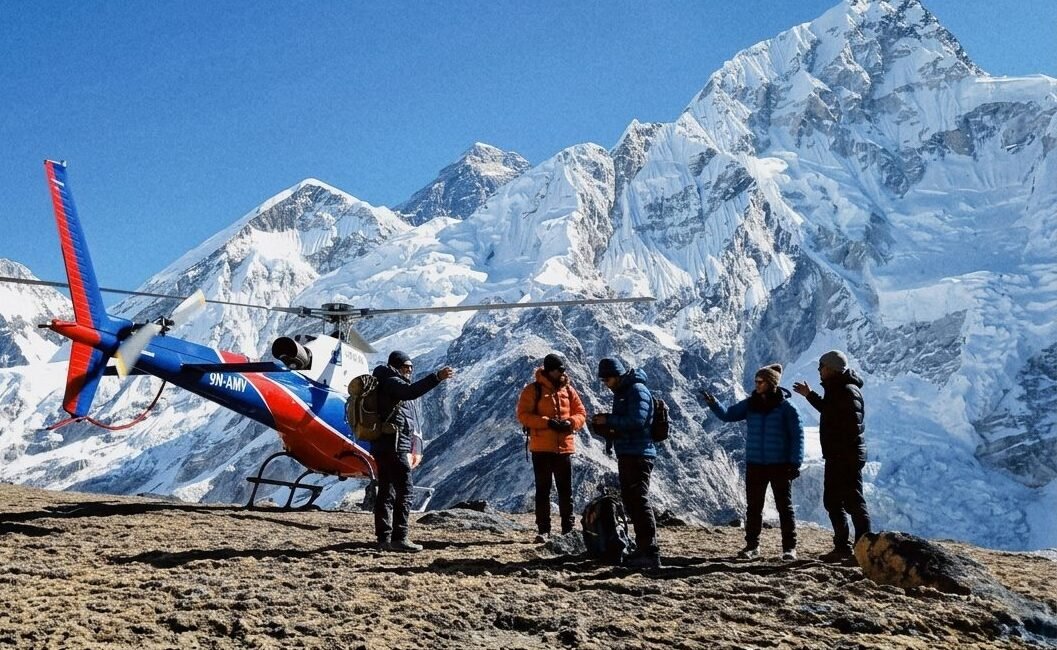
Private Chartered Flight — The helicopter is yours alone. You can request specific landing points like Kalapathar (the dramatic ridge above EBC with arguably the best ground-level view of Everest), negotiate timing, and tailor the experience entirely to your group. This is significantly more expensive but worth it for family groups or those who want total control.
Key questions to ask before you book:
- Does the tour include a landing, or just a flyover? Landings at Kalapathar or the Everest View Hotel for breakfast are often standard on quality tours, but not always — confirm this explicitly.
- What is the weather cancellation/rescheduling policy? A reputable operator will offer free rescheduling if weather prevents the flight.
- Is breakfast at Hotel Everest View (Syangboche) included? This is a highlight that many tours include — a meal at one of the world’s highest hotels with 360-degree mountain views.
- What is the departure airport? Most tours depart from Tribhuvan International Airport in Kathmandu, but some arrange private terminal access.
Read the fine print on what’s included versus what incurs additional charges on-site.
Mistake #4: Ignoring the Altitude Factor
This one catches people by surprise because a helicopter tour feels like a passive activity — you’re just sitting there, right?
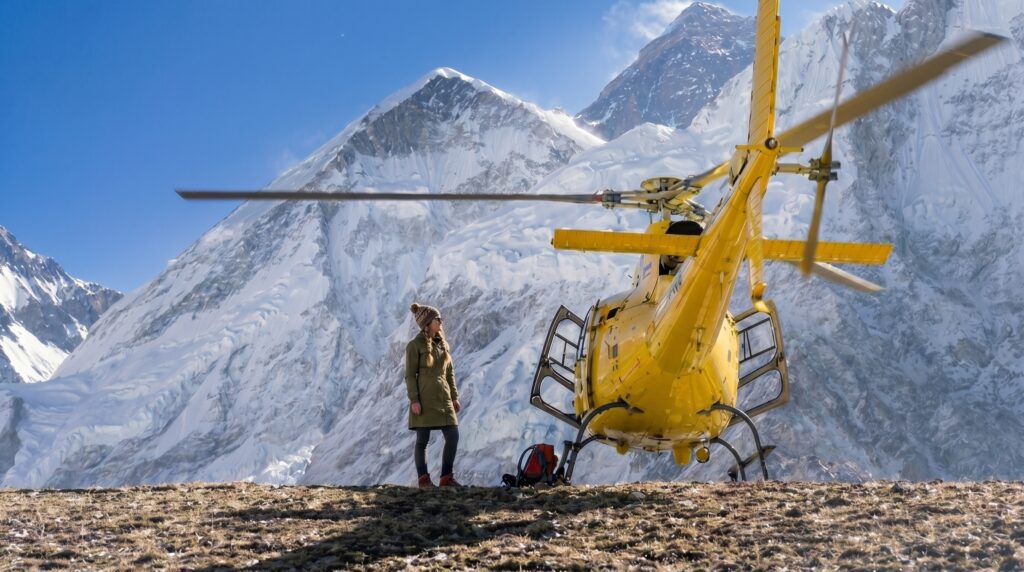
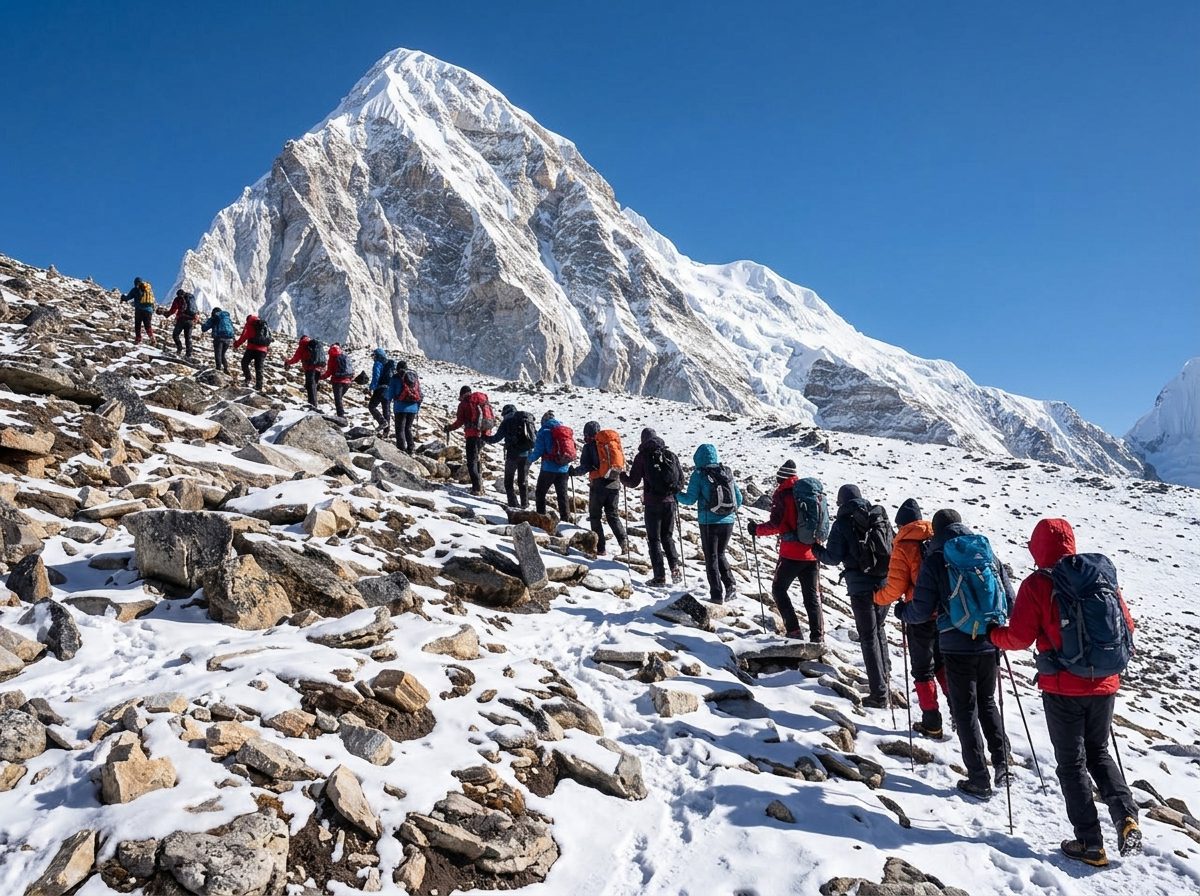
Not exactly. Even on a heli tour, you will briefly land at altitude. Kalapathar sits at around 5,545 metres (18,192 feet) above sea level. Even a short time at that elevation can cause acute mountain sickness (AMS) symptoms in people who have arrived in Nepal recently and haven’t acclimatized.
Common symptoms include headache, nausea, dizziness, and shortness of breath. Most people feel them briefly and recover quickly once back at lower altitude. But if you have underlying cardiovascular or respiratory conditions, it’s worth consulting a doctor before booking.
Practical tips:
- Spend at least two to three days in Kathmandu before your heli tour. Even partial acclimatization helps.
- Avoid alcohol the night before.
- Move slowly when you land at altitude — resist the urge to rush around for photographs.
- Inform your operator of any health conditions in advance. Good operators will brief you on altitude protocols.
- If you feel unwell on landing, tell the pilot immediately. Descending to lower altitude is the fastest remedy and a responsible pilot will not hesitate.
The tour is typically short — the full experience from Kathmandu and back usually takes five to six hours including the flight and breakfast stop — so your exposure time at extreme altitude is brief. But respecting it is still important.
Mistake #5: Leaving It Too Late to Book (Especially in Peak Season)
This is the mistake that feels low-stakes until it isn’t.
During spring (March–May) and autumn (September–November), demand for Everest helicopter tours is extremely high. Popular time slots — particularly the early morning departures that offer the best visibility — fill up weeks or even months in advance. Travelers who arrive in Kathmandu hoping to book a tour for the next day regularly find themselves waitlisted or forced into less desirable slots.
Last-minute bookings also put you at the mercy of price surges and fewer operator choices, which means you’re more likely to end up with a less reputable company just because they had availability.
The fix is simple: book early.
If you’re traveling in March, April, October, or November, aim to confirm your heli tour booking at least four to six weeks before departure — or more if you have a fixed travel schedule. Reputable operators allow advance booking with a deposit and offer clear policies on weather-related rescheduling.
When you book in advance with a trusted operator, you also have time to:
- Verify their credentials and read recent reviews
- Confirm the specific inclusions (landing, breakfast, airport transfer)
- Arrange travel insurance that covers helicopter tour activity
- Build flexibility into your itinerary for potential weather delays
Speaking of travel insurance — this is non-negotiable. Ensure your policy covers helicopter tours and adventure activities in Nepal. Given the altitude and the remoteness of the Everest region, comprehensive coverage is essential. Read your policy carefully and ensure it covers delays and cancellations due to weather.
The Bottom Line
An Everest helicopter tour is genuinely one of the most extraordinary travel experiences available anywhere in the world. Hovering above the Khumbu Icefall, looking across the roof of the planet to Everest’s summit, touching down for breakfast with the most spectacular mountain panorama you’ve ever seen — it lives up to the hype.
But the difference between that experience and a stressful, expensive disappointment almost always comes down to the decisions made in the planning phase. Book with a reputable, well-reviewed operator. Choose the right season — spring or autumn, with early morning departures for the clearest skies. Understand exactly what package you’re booking. Respect the altitude. And don’t leave it to the last minute.
Do those five things, and your review might read exactly like the one I started with: “Fantastic experience. One of the great moments in life.”
Comments (0)
Write a commentRead the latest Blogs & Insights
Explore our collection of articles and insights to gain in-depth travel knowledge, expert advice, and stay updated on the latest trends and tips.


No comments yet.